Why HEPA Filters for Vacuum Cleaners are Essential for Allergy Sufferers
Breathe Easier: The Critical Role of HEPA Filters in Vacuum Cleaners for Allergy Sufferers
Indoor environments often contain a higher concentration of allergens than outdoor air, posing a significant challenge for individuals with allergies and asthma. Common microscopic irritants like dust mite debris, pet dander, pollen, and mold spores circulate readily, triggering symptoms ranging from sneezing and congestion to more severe respiratory distress. Standard vacuum cleaners, without adequate filtration, can inadvertently redistribute these fine particles back into the air, worsening indoor air quality rather than improving it.
For allergy and asthma sufferers, effective allergen removal from the home is not just about cleanliness, but about health. This is where High-Efficiency Particulate Air (HEPA) filters in vacuum cleaners become an essential component. True HEPA filters are specifically engineered to capture a high percentage of airborne particles that can trigger allergic reactions.
- Targeted Filtration: True HEPA filters are certified to capture 99.97% of particles as small as 0.3 microns. This includes many common allergens that bypass less effective filters.
- Health Impact: By trapping these minute particles, HEPA filters significantly reduce the concentration of airborne allergens, contributing to a healthier living space and potentially alleviating allergy and asthma symptoms.
However, the effectiveness of HEPA filtration hinges on more than just the filter itself. The distinction between a "true HEPA" filter and a "HEPA-type" or "HEPA-like" filter is crucial. Furthermore, a vacuum cleaner's overall design, particularly a sealed system, plays a vital role in ensuring that captured allergens remain contained and do not leak back into the air through gaps in the machine. Understanding these critical aspects empowers you to select the most effective filtration solution for a truly cleaner, healthier home environment.
What Exactly is a HEPA Filter and How Does it Work?
A High-Efficiency Particulate Air (HEPA) filter represents a specific standard for air filtration, crucial for managing indoor air quality, especially for those with allergies or asthma. It is not merely a brand name but a performance classification. The U.S. military developed this standard, defining a true HEPA filter as one capable of capturing 99.97% of airborne particles that are 0.3 microns in diameter. This seemingly small size is significant because particles of this dimension are among the most difficult to trap, making the 0.3-micron efficiency a benchmark for effective filtration.
HEPA filters achieve this high capture rate through a dense mat of randomly arranged fibers, typically made of fiberglass. As air passes through this intricate web, particles are trapped by three primary mechanisms:
- Diffusion: Very small particles (less than 0.1 microns) move erratically due to collisions with gas molecules. This Brownian motion increases their likelihood of striking and adhering to a filter fiber.
- Interception: Mid-sized particles (0.1 to 1 micron) follow the airflow, but as they pass close to a fiber, their edges touch the fiber and they are captured.
- Impaction: Larger, heavier particles (greater than 1 micron) cannot follow the air's path around a fiber and instead collide directly with it, becoming trapped.
Understanding the distinction between 'True HEPA' and labels like 'HEPA-type' or 'HEPA-like' is critical for allergy sufferers. While 'HEPA-type' filters may resemble true HEPA filters in appearance, they do not meet the stringent 99.97% efficiency standard for 0.3-micron particles. These lesser filters may capture some larger particles but fail to trap the microscopic allergens, such as pet dander, dust mite feces, pollen, and mold spores, that can trigger allergic reactions and asthma symptoms. For effective allergen removal, only a vacuum cleaner explicitly stating it uses a 'True HEPA' filter, and ideally, one with a sealed system to prevent particle leakage, will provide the intended health benefits.
Beyond Clean Floors: How HEPA Filters Protect Allergy and Asthma Sufferers
For individuals managing allergies or asthma, a vacuum cleaner's ability to simply remove visible dirt from floors is insufficient. The true benefit of a HEPA filter lies in its capacity to capture microscopic airborne particles that trigger respiratory symptoms. A genuine HEPA (High-Efficiency Particulate Air) filter is engineered to trap 99.97% of particles as small as 0.3 microns. This standard is critical because it encompasses common indoor allergens such as:
- Pollen: Microscopic grains released by plants, a major seasonal allergen.
- Dust Mite Feces: Tiny waste products from dust mites, a potent year-round allergen.
- Pet Dander: Flakes of skin shed by animals, often carrying allergenic proteins.
- Mold Spores: Reproductive cells of mold, which can cause allergic reactions and respiratory issues.
Unlike standard or "HEPA-type" filters, which may only trap larger debris or claim similar performance without meeting the rigorous HEPA standard, a true HEPA filter ensures these fine particles are effectively removed from the air. Without this advanced filtration, vacuuming can inadvertently stir up and redistribute these allergens, making indoor air quality worse rather than better.
Effective HEPA filtration also relies on a completely sealed vacuum system. A high-quality HEPA filter is ineffective if air containing allergens can bypass it through cracks or poorly sealed compartments. A sealed system ensures that all air drawn into the vacuum passes through the HEPA filter before being exhausted, preventing captured allergens from leaking back into your living space. This comprehensive approach significantly reduces the concentration of airborne irritants, potentially leading to a noticeable reduction in allergy and asthma symptoms and an overall improvement in indoor air quality.
Making an Informed Choice: Your Guide to HEPA Vacuum Filters
Selecting the right HEPA filtration system for your vacuum cleaner involves more than just looking for the word "HEPA" on the packaging. For allergy and asthma sufferers, understanding the nuances of these filters and their integration within a vacuum is crucial for effective allergen control. This guide outlines key considerations to empower your decision-making process.
-
'True HEPA' Certification: The primary distinction lies in certification. A "true HEPA" filter is independently tested and certified to capture 99.97% of airborne particles 0.3 microns in diameter. This standard is critical for trapping microscopic allergens like pet dander, dust mite feces, pollen, and mold spores. Be wary of terms like "HEPA-type," "HEPA-like," or "99% effective" filters, as these often do not meet the stringent 0.3-micron capture rate and may allow smaller, more problematic particles to pass through.
-
Sealed System Integration: Even a true HEPA filter is ineffective if the vacuum cleaner's design allows air to bypass the filter or leak out through unsealed seams. A truly effective HEPA vacuum features a "sealed system," meaning all air drawn into the vacuum passes through the HEPA filter before being exhausted. This prevents captured particles from escaping back into your indoor air through cracks or gaps in the vacuum's housing, ensuring allergens remain contained.
-
Compatibility with Your Vacuum Model: Filters are not universal. Always ensure that any replacement filter you purchase is specifically designed for your vacuum cleaner's make and model. Using an ill-fitting filter can compromise the sealed system, reducing filtration efficiency and potentially damaging your vacuum. Refer to your vacuum's manual or the manufacturer's specifications for the correct filter type.
-
Filter Lifespan and Replacement Frequency: HEPA filters have a finite lifespan. Over time, they accumulate particles, which can reduce airflow and filtration efficiency. Manufacturers provide guidelines for replacement frequency, typically ranging from every 6 to 12 months, depending on usage and household conditions (e.g., presence of pets, severity of allergies). Adhering to these recommendations is essential for maintaining optimal performance and air quality benefits.
-
Material Quality and Construction: While less visible, the physical construction of a HEPA filter contributes to its durability and effectiveness. Look for filters with robust pleating and a sturdy frame that ensures a tight seal within the vacuum. Poorly constructed filters can degrade faster or fail to maintain their seal, diminishing their allergen-capturing capabilities.
-
Cost Considerations: True HEPA filters and vacuum cleaners designed with sealed systems often come at a higher price point than their conventional counterparts. This reflects the advanced filtration technology and engineering required to meet the HEPA standard. While an investment, the health benefits for allergy and asthma sufferers can justify the added cost. Replacement HEPA filters also represent an ongoing expense that should be factored into your budget.
-
Limitations of HEPA Vacuuming: It's important to understand that while a HEPA vacuum significantly improves indoor air quality by removing allergens from surfaces, it is not a substitute for a dedicated air purifier. Air purifiers continuously filter ambient air, whereas a vacuum cleaner primarily cleans surfaces. For comprehensive allergen control, both tools may be necessary.
-
Impact of Installation Errors: Even with the correct filter, improper installation can severely compromise its effectiveness. Ensure the filter is seated correctly and securely according to the manufacturer's instructions. A loose or incorrectly installed filter can create gaps, allowing unfiltered air and allergens to escape back into your environment, negating the benefits of HEPA filtration.
Maximizing Performance: Tips for HEPA Filter Care and Replacement
For individuals managing allergies or asthma, the HEPA filter in a vacuum cleaner is a critical component for maintaining a healthier indoor environment. However, the effectiveness of this filtration hinges on proper maintenance and timely replacement. Neglecting your HEPA filter can diminish your vacuum's ability to capture allergens, potentially re-releasing them into your living space.
Here’s how to ensure your HEPA filter continues to provide optimal air purification:
-
Understand Replacement Schedules:
- Manufacturer Guidelines: Always consult your vacuum cleaner's user manual for specific replacement intervals, as these can vary by model and filter type.
- General Rule of Thumb: Many non-washable HEPA filters require replacement every 6 to 12 months under typical household use.
- Usage Frequency: If you vacuum frequently, live with pets, or have severe allergies, you may need to replace your filter more often.
- Visual Cues: A discolored, visibly dirty, or damaged filter is a clear indicator that it needs replacement, regardless of the schedule.
- Performance Indicators: A noticeable drop in suction power or a dusty exhaust smell while vacuuming can signal a clogged filter.
-
Distinguishing Washable from Non-Washable Filters:
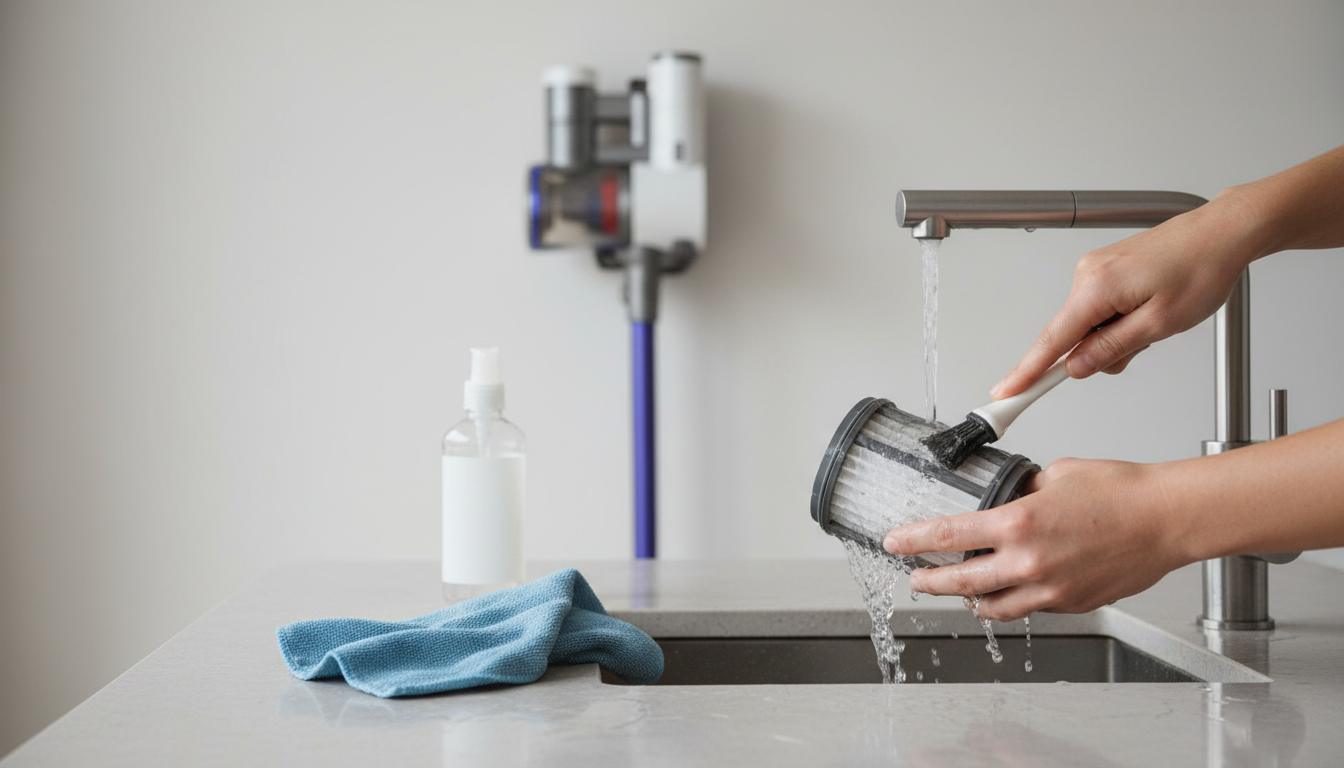
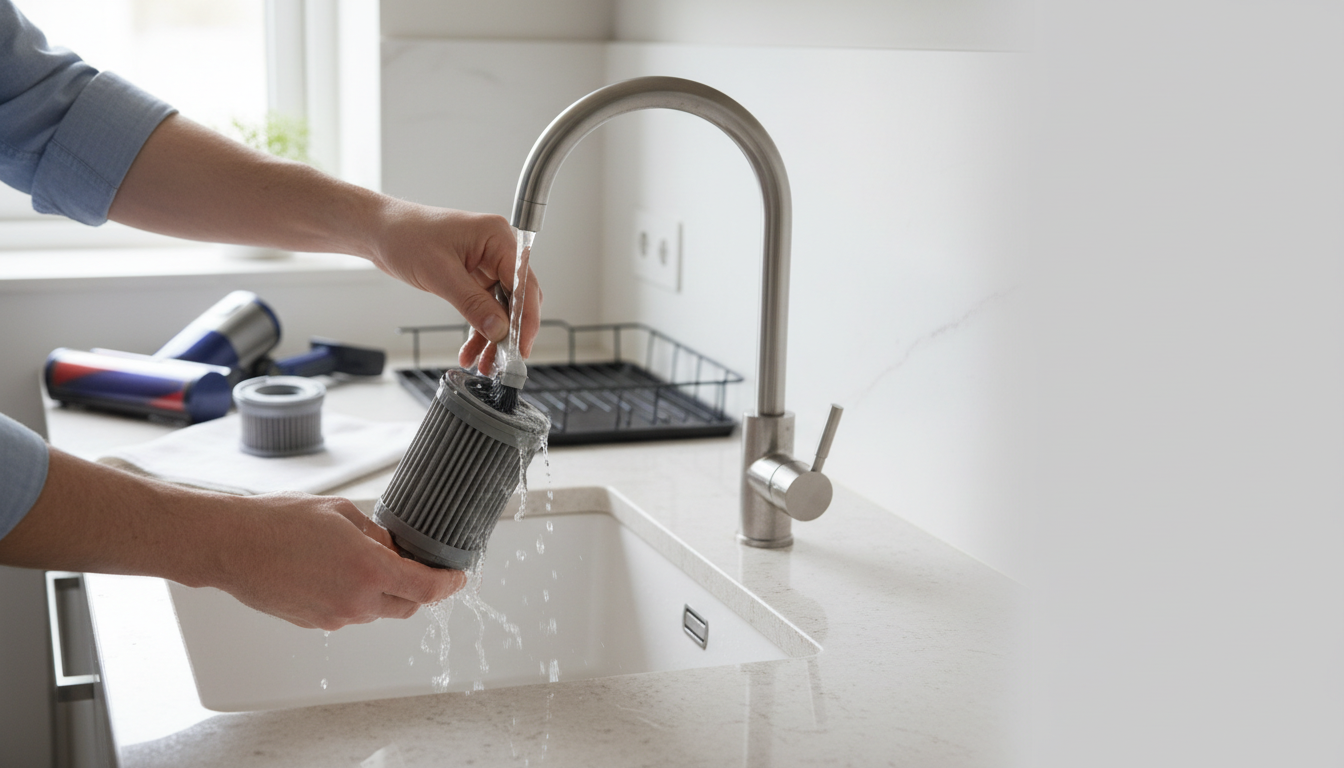
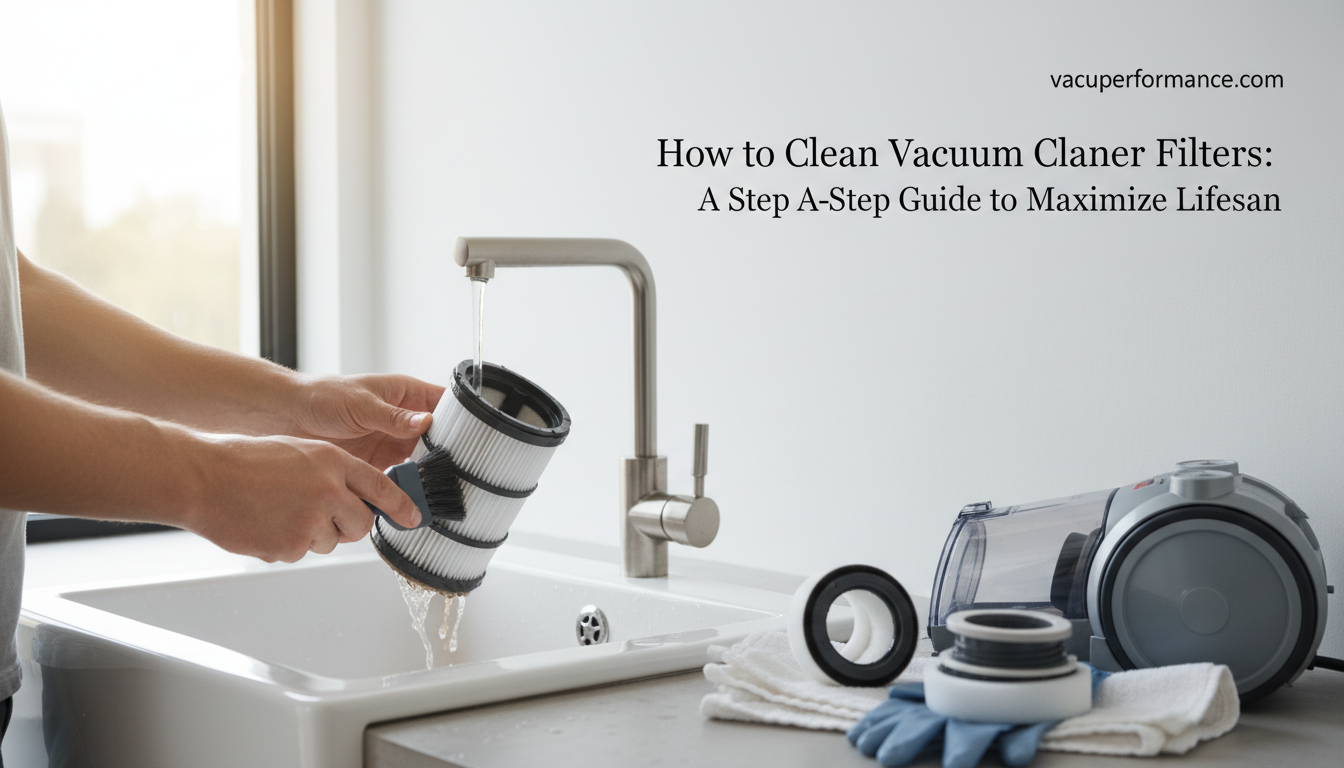
- Washable HEPA Filters: Some HEPA filters are designed to be rinsed. Use only cool water and avoid detergents or harsh chemicals, which can damage the filter material. It is crucial to allow the filter to air dry completely—typically for 24 to 48 hours—before re-inserting it into the vacuum. Re-installing a damp filter can lead to mold growth and damage to the vacuum's motor.
- Non-Washable HEPA Filters: These filters cannot be washed. Attempting to wash a non-washable filter will destroy its filtration capabilities. For these, gently tapping out loose debris might be possible if recommended by the manufacturer, but ultimately, they require full replacement when dirty.
-
Proper Filter Replacement Procedure:
- Safety First: Always unplug your vacuum cleaner before attempting to access or replace any filters.
- Locate the Filter: Refer to your vacuum's manual to find the exact location of the HEPA filter compartment.
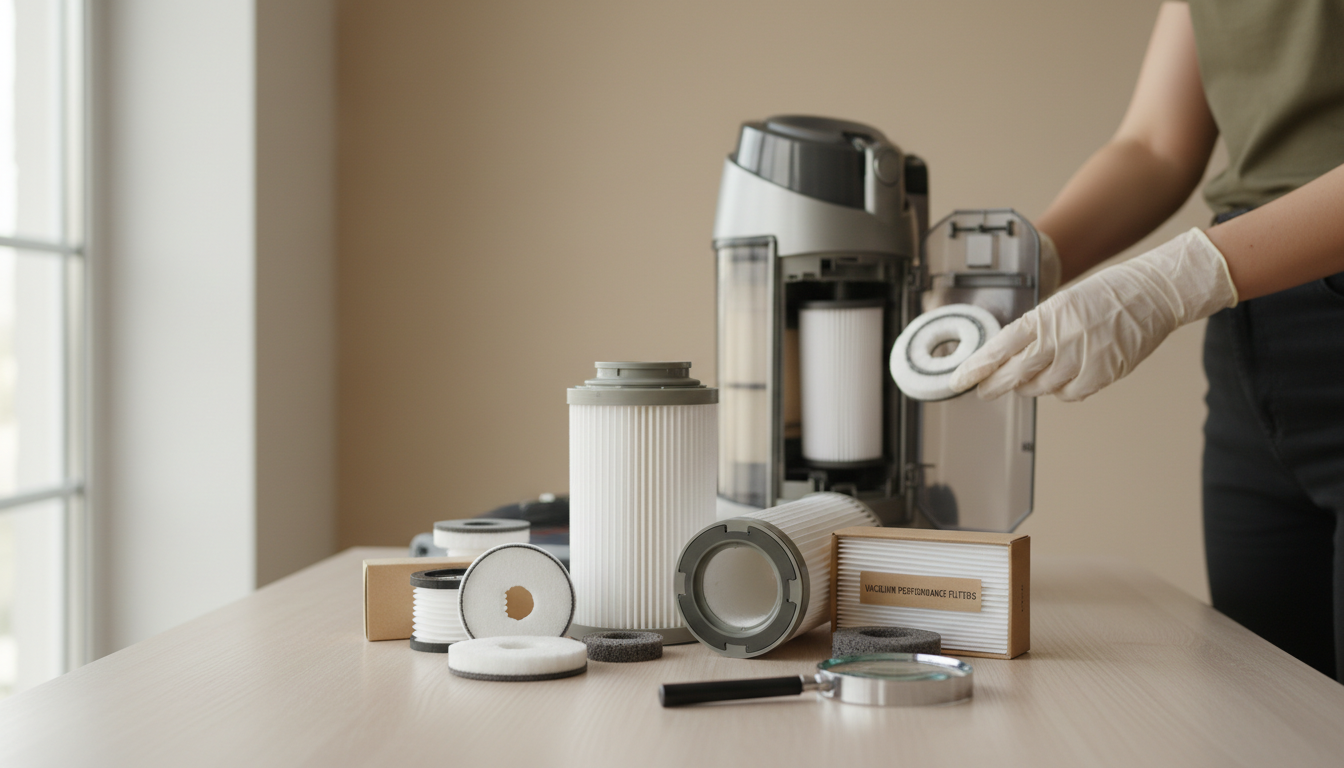
- Careful Removal: When removing an old filter, do so gently to avoid dislodging and releasing trapped dust and allergens back into the air. Dispose of the old filter in a sealed bag to contain contaminants.
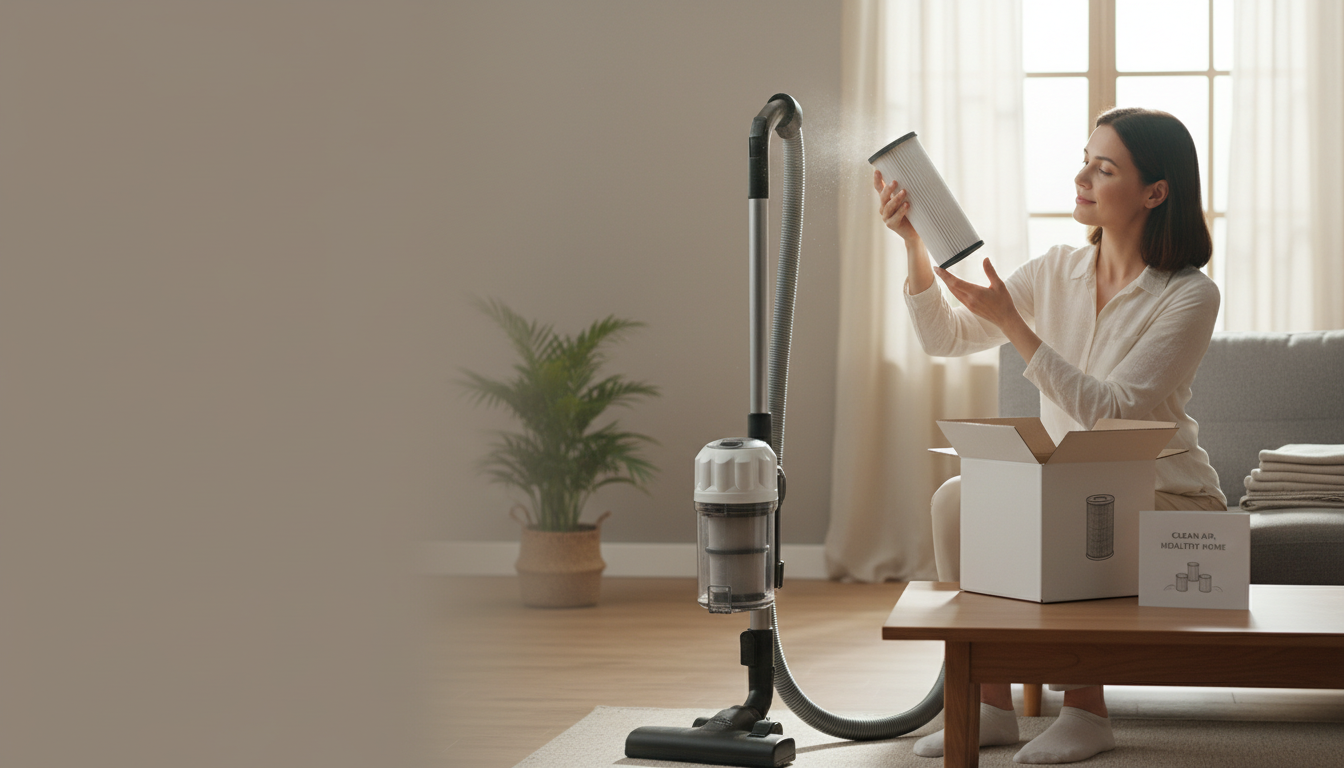
- Correct Installation: Ensure the new filter is inserted correctly and securely. A properly seated filter is essential for maintaining the vacuum's sealed system, preventing air from bypassing the filter and leaking allergens.
-
Consequences of Neglect:
- Reduced Filtration Efficiency: A dirty, clogged HEPA filter cannot effectively trap microscopic allergens like pollen, pet dander, and dust mite particles. Instead, these irritants can pass through or around the compromised filter, being recirculated into your home's air.
- Decreased Suction Power: As a filter becomes laden with debris, airflow is restricted, leading to a significant reduction in your vacuum cleaner's suction capability. This means your vacuum will clean less effectively, leaving more dirt and allergens behind.
- Motor Strain and Damage: Restricted airflow forces the vacuum's motor to work harder, generating excess heat and potentially shortening the appliance's lifespan.
- Allergen Re-release: For allergy and asthma sufferers, the most critical consequence is the potential for the vacuum to become a source of allergen dispersal rather than removal, exacerbating respiratory symptoms and undermining the very purpose of using a HEPA-filtered vacuum.
Frequently Asked Questions About HEPA Vacuum Filters
Understanding the nuances of HEPA filtration can clarify purchasing decisions and ensure you select the most effective solution for managing indoor allergens. Here are common questions buyers often have.
-
What problem do HEPA filters for vacuum cleaners solve better than alternatives? True HEPA filters address the critical problem of microscopic allergen recirculation. Unlike standard vacuum filters that may allow fine particles like dust mite debris, pet dander, pollen, and mold spores to escape back into the air, true HEPA filters are certified to capture 99.97% of particles as small as 0.3 microns. This significantly reduces airborne irritants, offering a distinct advantage for allergy and asthma sufferers over vacuums without this level of filtration.
-
What is the difference between 'True HEPA' and 'HEPA-type' filters? The distinction is crucial for allergy management. A 'True HEPA' filter meets a strict industry standard, meaning it is tested and certified to capture 99.97% of particles that are 0.3 microns in size. In contrast, 'HEPA-type' or 'HEPA-like' filters are marketing terms. While they may trap some small particles, they do not meet the rigorous filtration efficiency standard of a true HEPA filter and can miss the microscopic allergens that trigger sensitivities.
-
Do HEPA filters really help with allergies? Yes, HEPA filters can significantly help with allergies. By effectively capturing a high percentage of airborne allergens, they reduce the overall concentration of triggers in your home environment. Controlled studies have indicated that vacuums equipped with HEPA filters perform better in allergen removal than average vacuums. However, their effectiveness is maximized when integrated into a sealed vacuum system that prevents captured particles from leaking out before filtration.
-
How often should I replace my HEPA vacuum filter? The replacement frequency for HEPA vacuum filters varies depending on the specific vacuum model, your household's usage patterns, and the level of dust and allergen exposure. Manufacturers typically provide guidelines in the vacuum's user manual. Adhering to these recommendations is essential, as an overloaded or dirty filter can lose its effectiveness, reduce suction power, and potentially recirculate particles. Regular replacement ensures optimal filtration performance.
-
Are HEPA vacuums worth the extra cost? For individuals with allergies, asthma, or heightened concerns about indoor air quality, the investment in a HEPA vacuum is often considered worthwhile. While vacuums with true HEPA filtration and sealed systems tend to be more expensive than conventional models, the health benefits derived from reduced exposure to airborne allergens can justify the additional cost. The improved air quality contributes directly to a more comfortable and healthier living environment.
-
Can a HEPA vacuum replace a dedicated air purifier? No, a HEPA vacuum cannot replace a dedicated air purifier. These devices serve different, albeit complementary, functions. A HEPA vacuum is designed to clean surfaces by removing dust, dirt, and allergens from floors, carpets, and upholstery. An air purifier, conversely, continuously filters the ambient air in a room, removing airborne particles that may have settled or are still suspended. For comprehensive indoor air quality management, especially for severe allergy sufferers, using both a HEPA vacuum and an air purifier is often recommended.
Invest in Your Health: The Lasting Benefits of True HEPA Filtration
Ultimately, the choice to prioritize true HEPA filtration in your vacuum cleaner represents a significant investment in your long-term health and well-being. The consistent and effective capture of microscopic allergens, made possible by a certified true HEPA filter within a sealed vacuum system, directly translates to measurably improved indoor air quality. For individuals managing allergies or asthma, this proactive approach can lead to a substantial reduction in symptom triggers, fostering a more comfortable and healthier home environment.
Understanding the critical distinction between 'true HEPA' and 'HEPA-type' filters, alongside recognizing the necessity of a sealed vacuum design, empowers you to make informed decisions. By selecting filtration solutions that genuinely remove airborne irritants, you take decisive control over the air you breathe in your living space. This commitment ensures your vacuum cleaner actively contributes to a cleaner, healthier home, rather than inadvertently recirculating the very particles that compromise your health.
More in Vacuum Cleaner Filters
View All