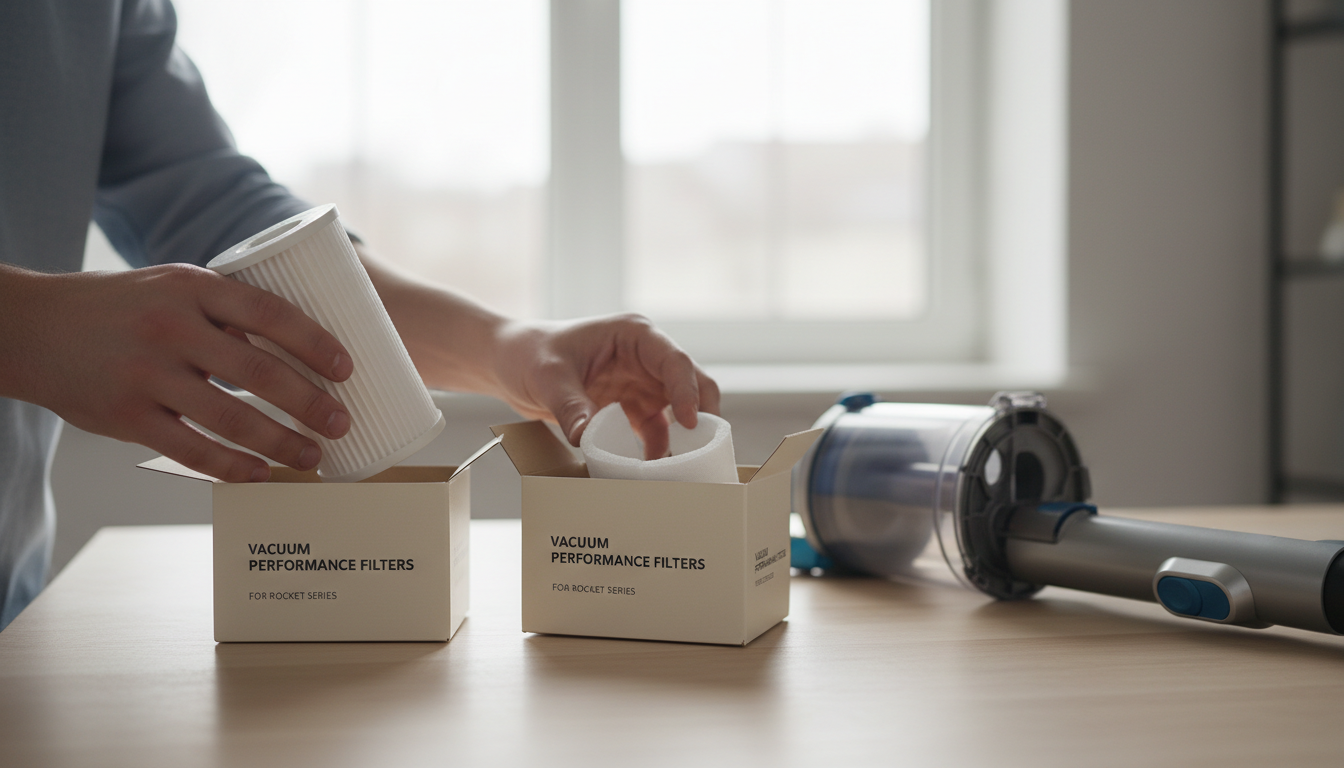
Choosing the Right Miele Vacuum Cleaner Filters for Optimal Performance
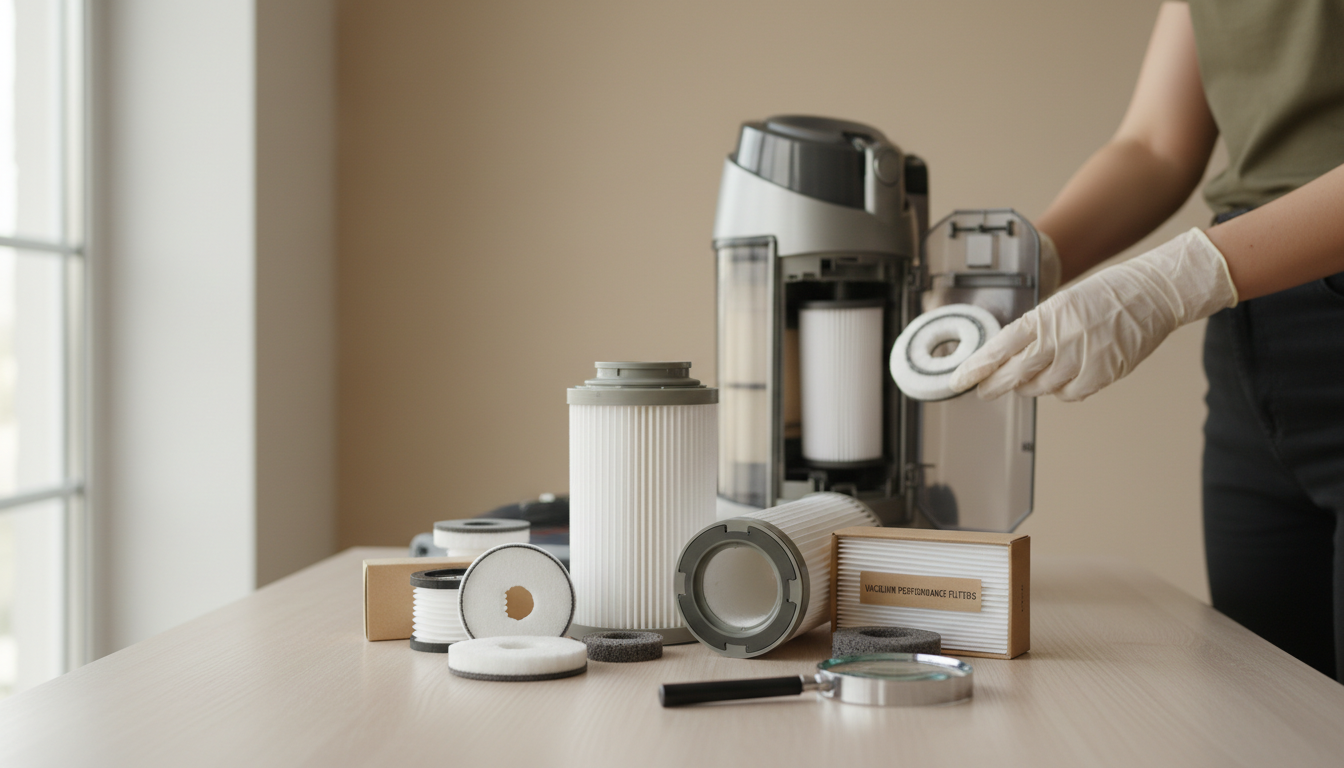
Unlock Peak Performance: Your Guide to Miele Vacuum Cleaner Filters
Miele has long been recognized for engineering precision and thoughtful design, extending this commitment to the air quality within your home. A cornerstone of their vacuum cleaner performance lies in their sophisticated filtration systems, designed not only to capture dust and debris but also to purify the air expelled back into your living space. This dedication ensures a cleaner environment, particularly for those sensitive to airborne particles.
Effective filtration is critical for maintaining your Miele vacuum's powerful suction and ensuring its longevity. Incorrect or poorly maintained filters can diminish cleaning efficiency, compromise indoor air quality, and potentially strain the appliance's motor. This guide aims to empower Miele owners and prospective buyers to confidently navigate the specific filtration technologies, understand model compatibility, and implement best practices for filter and dust bag maintenance. By making informed choices, you can ensure your Miele vacuum continues to deliver optimal performance and contribute to a healthier home environment.
Deconstructing Miele's Filtration System: Bags and Filters
Miele vacuum cleaners employ a multi-stage filtration system designed to capture dust and allergens effectively while protecting the appliance's motor. This integrated approach begins with the dust bag and continues with dedicated motor protection filters, working in concert to maintain air quality and ensure the longevity of the vacuum.
The initial and often most substantial stage of filtration in a Miele vacuum is handled by its dust bag. For many canister and upright models, this involves high-capacity bags such as the Type GN, which are engineered beyond simple collection. These bags act as a primary filter, trapping not only large debris but also a significant percentage of fine dust particles. Their multi-layered construction is crucial for:
- Primary Particle Capture: Retaining a broad spectrum of particulate matter, preventing it from recirculating into the environment or reaching subsequent filters prematurely.
- Airflow Maintenance: Designed to allow consistent airflow even as they fill, which helps sustain suction performance throughout their lifespan.
- Hygienic Disposal: Sealing mechanisms on the bags ensure that collected dust and allergens remain contained during removal and disposal, minimizing exposure.
Following the dust bag, a critical component in Miele's system is the motor protection filter. Positioned before the vacuum's motor, this filter serves as a safeguard, catching any minute dust particles that might have escaped the dust bag. Its primary function is to prevent these fine particulates from entering and potentially damaging the motor, which is vital for the appliance's operational efficiency and lifespan. Regular replacement or cleaning, depending on the model, ensures the motor remains protected and the vacuum performs optimally.
Together, the dust bag and motor protection filter form the foundation of Miele's filtration philosophy. This sequential design ensures that the bulk of contaminants are managed early in the process, contributing to a cleaner exhaust air stream and providing robust protection for the vacuum's internal components.
Miele's Exhaust Filters Explained: AirClean vs. HEPA
Miele vacuum cleaners employ sophisticated filtration systems, primarily through their exhaust filters, to ensure expelled air is cleaner than the ambient room air. Understanding the differences between Miele's AirClean and HEPA AirClean filters is crucial for selecting the right option based on household needs and air quality priorities.
Miele's standard AirClean filter provides effective filtration for general household use. This filter type is designed to capture a significant percentage of airborne particles, making it suitable for homes without specific allergy concerns. It offers a high level of filtration, trapping approximately 99.95% of particles down to 0.5 microns. Many Miele models include an AirClean filter as standard, providing a reliable baseline for air purification during vacuuming.
For those requiring a higher level of air purity, the HEPA AirClean filter offers superior performance. This filter is engineered to meet stringent HEPA (High-Efficiency Particulate Air) standards, capturing an even greater percentage of microscopic particles. Specifically, it can trap about 99.9% of particles down to 0.3 microns, including common allergens like pollen, pet dander, and dust mite debris. This makes the HEPA AirClean filter particularly beneficial for individuals with allergies, asthma, or heightened sensitivity to airborne irritants. Miele's HEPA filters often include a TimeStrip® indicator, which visually signals when the filter requires replacement, typically after 12 months or approximately 50 hours of use, ensuring consistent performance.
Beyond these primary exhaust filters, some specialized filtration options exist to address unique household challenges. For instance, filters incorporating active charcoal are designed to neutralize and absorb odors, which can be particularly useful in homes with pets, smokers, or other persistent smells. While not a standard exhaust filter for all models, these specialized filters cater to specific air quality concerns.
When choosing between these filter types, consider the trade-offs. The HEPA AirClean filter provides a higher level of filtration, making it the preferred choice for allergy sufferers, but it generally comes at a higher cost and requires replacement on a more defined schedule. The standard AirClean filter offers robust filtration for everyday cleaning at a more accessible price point. Your decision should align with your household's specific air quality requirements and budget considerations.
Selecting the Optimal Miele Filter for Your Specific Needs
Choosing the correct filter for your Miele vacuum cleaner is fundamental to maintaining its performance and ensuring optimal air quality in your home. This decision involves more than just picking a filter; it requires understanding your specific Miele model, household environment, and the nuances of filter types and maintenance.
To make an informed selection, consider the following criteria:
-
Vacuum Model Compatibility: Miele vacuum cleaners are engineered with precise filter housings unique to their series. It is critical to match the filter to your specific model, such as the Dynamic U1 upright or a Compact C2 canister. Consulting your vacuum's manual or the manufacturer's official resources ensures you select a filter designed for a perfect fit and sealed filtration system. An ill-fitting filter can compromise air quality and vacuum efficiency.
-
Household Air Quality Requirements: Your living environment dictates the ideal filtration level.
- AirClean Filters: These are effective for general household dust and everyday cleaning, capturing a significant percentage of common particles. They are suitable for homes without specific allergen concerns.
- HEPA AirClean Filters: For households with allergy sufferers, pets, or a focus on superior air purification, HEPA (High-Efficiency Particulate Air) filters are designed to trap 99.9% of fine dust particles down to 0.3 microns. This level of filtration is crucial for minimizing airborne allergens and irritants.
-
Genuine Miele Filters vs. Alternatives: While compatible aftermarket filters exist, genuine Miele filters are designed and tested to meet the brand's stringent performance and filtration standards. Using authentic Miele filters helps ensure the vacuum's sealed system operates as intended, maintaining filtration efficiency and potentially preserving your appliance's warranty. Performance consistency can vary significantly with non-genuine options.
-
Understanding Filter Replacement Indicators: Knowing when to replace your filter is key to sustained performance.
- TimeStrip® Indicator: Many Miele HEPA filters feature a TimeStrip® that visually signals when replacement is due, typically after approximately 12 months or 50 hours of use.
- Visual Cues: Inspect filters for visible dirt buildup, discoloration, or damage.
- Reduced Suction: A noticeable decrease in cleaning performance or suction power often indicates a clogged filter or a full dustbag, signaling it's time for a replacement. Regular filter replacement, generally every 6-10 months for AirClean filters, helps prevent reduced suction and potential strain on the motor.
Maintaining Your Miele Filtration System for Peak Performance
Consistent maintenance of your Miele vacuum cleaner's filtration system is crucial for sustaining its cleaning power, ensuring optimal air quality, and extending the appliance's lifespan. Regular replacement of dust bags and filters prevents common performance issues and maintains the sealed system's effectiveness in trapping dust and allergens.
Miele vacuum cleaners are designed for straightforward maintenance, making routine tasks accessible. The process typically involves checking the dust bag and replacing filters according to recommended schedules.
- Dust Bag Replacement: Miele dust bags are engineered for maximum capacity and filtration. They should be replaced when the vacuum's dust bag indicator signals it is full, not based on a set time frame. Overfilling a dust bag can restrict airflow, leading to reduced suction and increased strain on the motor. To replace, simply open the vacuum compartment, remove the old bag (which typically seals itself upon removal to prevent dust escape), and insert a new one until it clicks securely into place.
- Filter Replacement Frequency: Different Miele filters have varying replacement cycles to ensure peak performance:
- HEPA AirClean Filters (SF-HA 50, SF-HA 60, etc.): These filters, often equipped with a TimeStrip indicator, should generally be replaced every 12 months or after approximately 50 hours of use, whichever comes first. The TimeStrip visually signals when replacement is due.
- Active AirClean Filters (SF-AA 50, SF-AA 30, etc.): Designed with activated charcoal to neutralize odors, these are typically replaced every 12 months, or more frequently if pet odors persist.
- AirClean Filters (SF-SAC 20/30, SF-SAC 10/11): For everyday filtration without HEPA or charcoal, these are usually replaced every 6 to 10 months, or when visibly soiled.
- Motor Protection Filter: This filter protects the motor from fine dust and debris and often requires replacement with every fifth dust bag or annually, depending on usage. Some Miele models feature a permanent, washable motor filter.
Replacing filters is typically a tool-free process. For most canister models, the exhaust filter (HEPA or AirClean) is located under a cover at the back or side of the vacuum. The motor protection filter is usually found within the dust bag compartment. Following your specific model's user manual will provide precise instructions for accessing and replacing each filter type.
Adhering to these maintenance guidelines prevents a range of issues, such as a noticeable loss of suction power, the vacuum overheating, or the recirculation of fine dust and allergens back into your indoor air. By consistently managing your Miele's filtration system, you safeguard both your home's cleanliness and the longevity of your investment.
Common Questions About Miele Vacuum Cleaner Filters
Understanding the nuances of Miele's filtration system can help maintain your vacuum's performance and indoor air quality. Here are answers to frequently asked questions regarding Miele filters.
-
Why is my Miele vacuum losing suction (related to filters/bags)? A common reason for reduced suction in a Miele vacuum is a full dustbag or clogged filters. As the dustbag fills, airflow is restricted. Similarly, the motor protection filter and the exhaust filter (AirClean or HEPA) can become saturated with fine dust over time, impeding air movement and causing the motor to work harder, which results in a noticeable drop in cleaning efficiency.
-
Can I wash my Miele filters? Miele's primary exhaust filters, such as the HEPA AirClean and AirClean filters, are generally designed for replacement, not washing. Attempting to wash these filters can damage their intricate filtration media, compromising their ability to effectively capture fine dust and allergens. Always refer to your specific vacuum model's user manual for definitive maintenance instructions, but typically, these filters require dry replacement.
-
What happens if I don't change my Miele filters? Neglecting to replace your Miele vacuum's filters at recommended intervals can lead to several detrimental outcomes:
- Reduced Cleaning Performance: Clogged filters directly restrict airflow, diminishing the vacuum's suction power and overall cleaning effectiveness.
- Compromised Air Quality: Filters lose their capacity to trap microscopic particles, potentially recirculating dust, allergens, and other irritants back into your home's air.
- Increased Motor Strain: The vacuum's motor must work harder to pull air through obstructed filters, which can lead to overheating and potentially shorten the lifespan of the appliance.
-
How do I know which filter type my Miele vacuum uses? The most reliable method to identify the correct filter type for your Miele vacuum is to consult your appliance's user manual. Each Miele model specifies the compatible dustbag and filter series. You can also often find this information on a label located on the vacuum cleaner itself, or by examining the existing filter for a part number (e.g., SF-HA 50 for a specific HEPA filter or SF-SAC 30 for an AirClean filter).
Ensuring Optimal Performance: Your Miele Filter Decision Guide
The foundation of optimal Miele vacuum performance and clean indoor air rests on selecting the correct filter type and ensuring it's compatible with your specific model. Understanding the nuances of Miele's filtration technologies is key to maximizing your appliance's effectiveness in capturing dust and allergens, preventing recirculation, and maintaining suction power.
Consistent maintenance, including timely replacement of filters and dust bags, extends your vacuum's lifespan and maintains its filtration effectiveness. For instance, Miele's HEPA filters are typically recommended for replacement every 12 months or after approximately 50 hours of use to sustain their superior allergen-trapping performance. Neglecting these replacements can lead to reduced cleaning efficiency and diminished indoor air quality.
To confidently choose the right Miele filtration components, consider these factors:
- Air Quality Needs: For general household dust, an AirClean filter provides effective everyday filtration. If allergies or asthma are a concern, a HEPA AirClean filter is designed to capture fine dust and allergens, offering a higher level of air purification.
- Model Compatibility: Always verify the specific filter series (e.g., SF-HA 50, SF-HA 60) and dust bag type (e.g., HyClean FJM, GN) that precisely matches your Miele vacuum model. This ensures a proper seal, optimal airflow, and prevents damage.
- Usage Frequency: More frequent vacuuming, especially in homes with pets or high dust levels, may necessitate more regular filter and dust bag changes to maintain peak performance.
By aligning your filter choices with your household's specific cleaning demands and health priorities, you empower your Miele vacuum to deliver consistent, high-quality results for years to come.
More in Vacuum Cleaner Filters
View All
Hoover Vacuum Cleaner Filters: A Guide to Compatibility and Performance
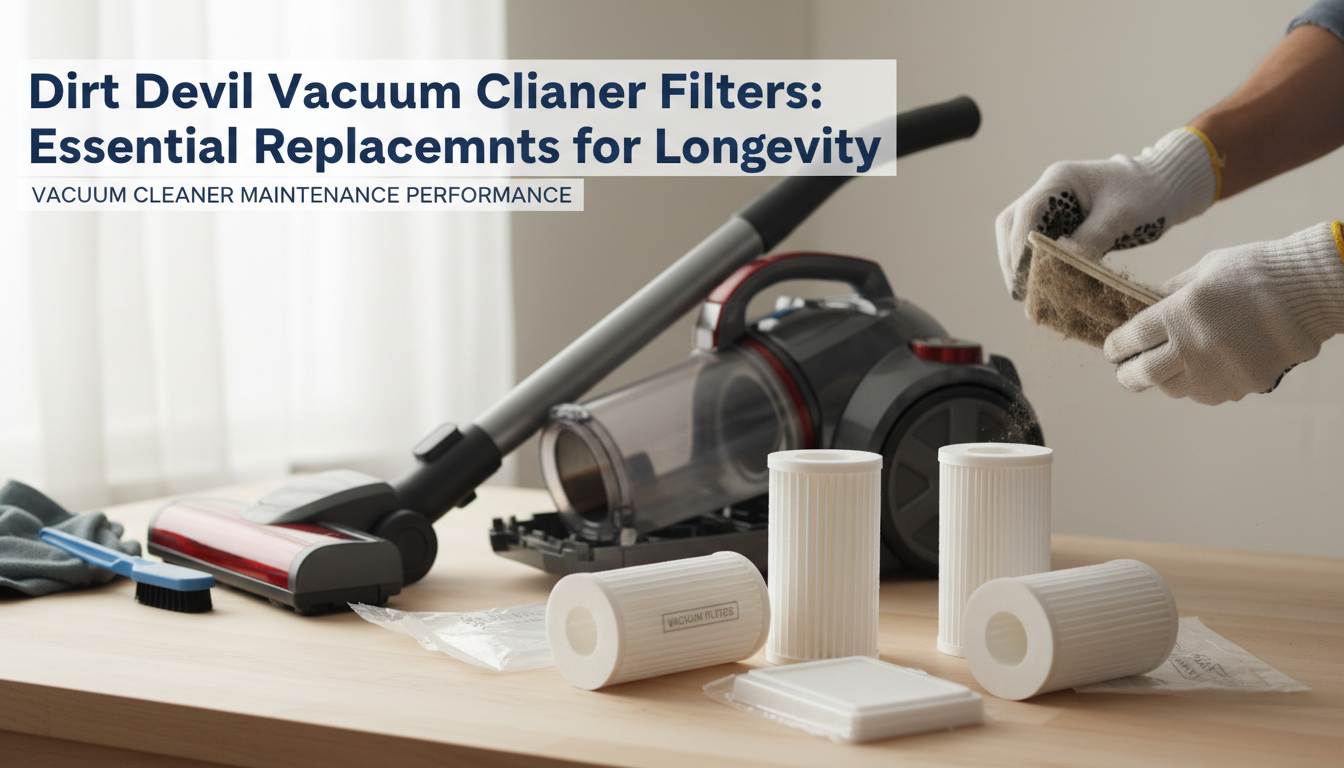
Dirt Devil Vacuum Cleaner Filters: Essential Replacements for Longevity