Upgrade Your Clean: Choosing Shark Rocket Vacuum Cleaner Filters
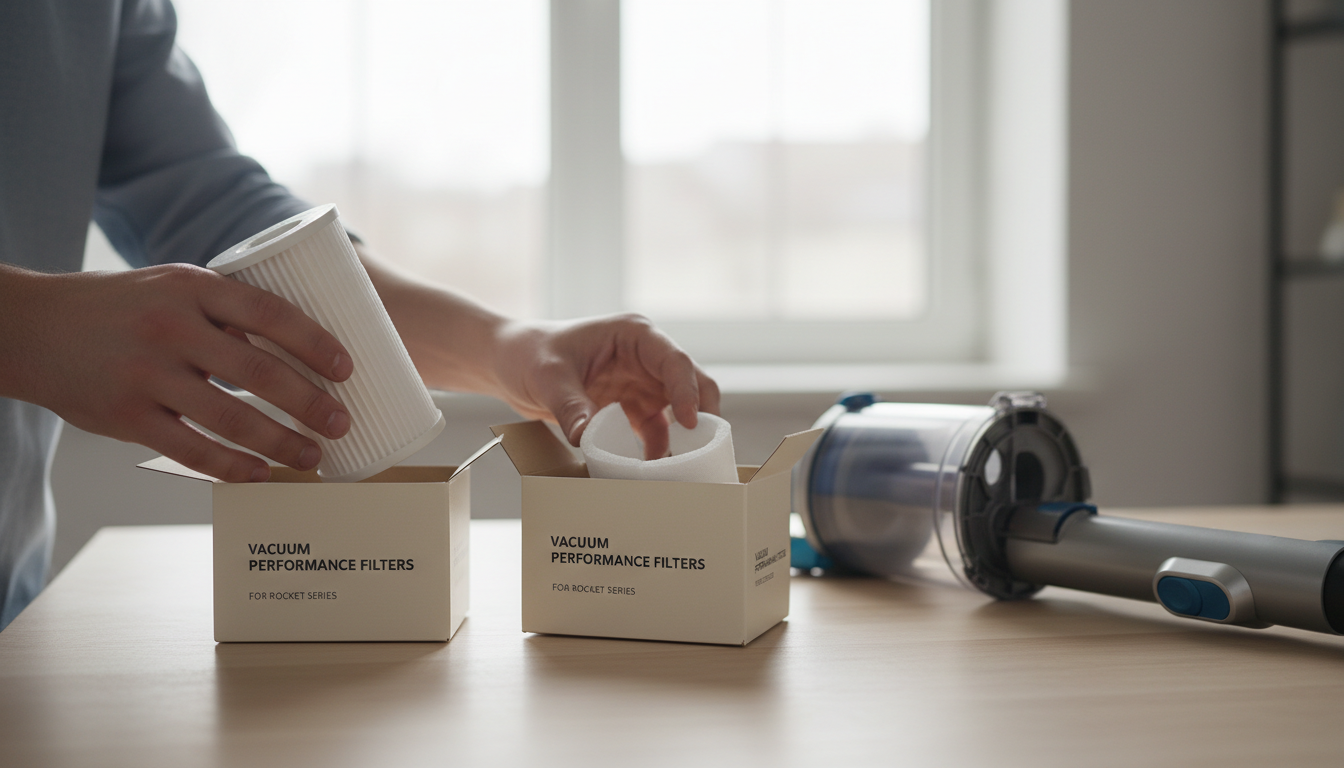
Unlock Peak Performance: Why Your Shark Rocket Needs the Right Filters
If your Shark Rocket vacuum cleaner isn't picking up dirt with its usual power, or if you notice a lingering dusty smell after cleaning, the culprit is often its filters. Over time, these essential components become saturated with the dust, pet hair, and allergens they're designed to trap. This accumulation directly impacts your vacuum's performance, leading to diminished suction and potentially recirculating fine particles back into your home's air.
The filtration system in your Shark Rocket is crucial for both cleaning effectiveness and maintaining indoor air quality. When filters are neglected, the motor has to work harder, which can shorten the vacuum's lifespan. Regularly inspecting, cleaning, and replacing your Shark Rocket's filters ensures it operates at peak efficiency, capturing debris effectively and exhausting cleaner air.
This guide is designed to empower you with the knowledge needed to make informed decisions about your Shark Rocket's filters. We'll cover how to identify the right filters for your specific model, understand the importance of proper maintenance, and navigate replacement options to restore your vacuum's powerful performance and contribute to a healthier home environment.
Understanding Your Shark Rocket's Filtration System
The effective operation of your Shark Rocket vacuum cleaner relies heavily on its integrated filtration system. This system is typically composed of two distinct stages: pre-motor filters and post-motor filters, each playing a critical role in maintaining both cleaning performance and indoor air quality. Understanding their functions helps ensure your vacuum performs optimally.
Shark Rocket vacuums are designed with filters that address the common problem of declining suction and re-circulated dust. When properly maintained, these filters enable the vacuum to consistently deliver its strong suction and effective particle capture, preventing the gradual loss of cleaning power and air purification often seen in neglected systems.
-
Pre-Motor Filters (Foam and Felt): Positioned before the vacuum's motor, these filters are the first line of defense. In Shark Rocket models, these often consist of a foam filter and a felt filter working in tandem. Their primary function is to capture larger dust particles, debris, and pet hair before they reach the motor. This protection is vital for the motor's longevity, preventing damage from abrasive particles and ensuring consistent suction power. Neglecting these filters can lead to motor strain and reduced airflow, directly impacting your vacuum's ability to pick up dirt.
-
Post-Motor Filters (HEPA): Many Shark Rocket models incorporate a post-motor HEPA filter. This filter is located after the motor and is responsible for trapping microscopic particles that may have bypassed the pre-motor filters. This includes fine dust, pollen, pet dander, and other common allergens. By capturing these minute contaminants before air is expelled back into your living space, the HEPA filter significantly improves indoor air quality. For allergy sufferers, a well-maintained HEPA filter is essential for a cleaner, healthier environment.
The condition of these filters directly impacts your Shark Rocket's performance. Clogged pre-motor filters restrict airflow, leading to a noticeable drop in suction and increased motor effort. Similarly, a saturated or damaged HEPA filter compromises air purification, allowing fine particles to escape. Regular cleaning or timely replacement of both filter types ensures your Shark Rocket maintains its powerful suction, protects its motor, and effectively purifies the air it expels.
Choosing Your Replacement Filters: A Buyer's Checklist
Selecting the correct replacement filters for your Shark Rocket vacuum is essential for maintaining its cleaning performance and the air quality in your home. Use this checklist to guide your purchase, ensuring compatibility and optimal filtration.
-
Verify Model Compatibility
- Locate your Shark Rocket vacuum's specific model number, typically found on a sticker on the main body or in your user manual. Shark Rocket series often include models like HV300, HV301, HV320, or HV322.
- Ensure the replacement filter's product description explicitly states compatibility with your exact model number. Filters are not universally interchangeable, even within the Shark Rocket line. An incorrect fit can lead to air leaks, reduced suction, and dust escaping back into your environment.
-
Identify Filter Type and Rating
- Shark Rocket vacuums commonly utilize a set of foam and felt pre-motor filters, and some models include a post-motor HEPA filter.
- Foam and Felt Filters: These capture larger dust and debris before air reaches the motor. Many are washable, extending their usable life.
- HEPA Filters: If your Shark Rocket model originally came with a HEPA filter, prioritize replacing it with a true HEPA filter. These are designed to capture 99.97% of airborne particles as small as 0.3 microns, significantly improving indoor air quality, particularly for allergy sufferers. Be wary of "HEPA-like" or "HEPA-style" claims that may not meet certified HEPA standards.
-
Consider Filter Source: OEM vs. Aftermarket
- OEM (Original Equipment Manufacturer) filters are made by Shark and are guaranteed to fit your specific model and meet original performance specifications.
- Aftermarket filters are produced by third-party companies.
- Trade-offs: While often more affordable, aftermarket options can vary in quality. Some may not fit as precisely, leading to reduced suction or dust leakage. Material quality can also impact filtration efficiency and durability.
- Brand Criteria: When considering aftermarket filters, research the brand's reputation. Look for reviews that specifically mention good fit and performance for your Shark Rocket model. Transparency regarding filtration standards (e.g., actual HEPA certification) is a strong indicator of a reputable aftermarket brand.
-
Evaluate Material and Durability for Washability
- Check if the replacement foam and felt filters are explicitly labeled as washable. Washable filters offer a cost-effective and environmentally friendly option, as they can be reused after proper cleaning and drying.
- Fit Limits: Ensure you understand the care instructions. Washable filters must be completely air-dried for at least 24 hours before reinstallation to prevent mold growth and potential vacuum damage. HEPA filters are generally not washable and should be replaced when dirty. Attempting to wash a non-washable filter can compromise its filtration capabilities.
Maximize Lifespan: Cleaning and Replacing Shark Rocket Filters
Effective filter maintenance is crucial for sustaining your Shark Rocket vacuum's suction power and ensuring clean exhaust air. Over time, filters accumulate dust and debris, which can impede airflow and strain the motor. Regular cleaning and timely replacement prevent these issues, preserving both performance and indoor air quality.
When to Clean and Replace Filters
Several indicators signal that your Shark Rocket filters require attention:
- Reduced Suction Power: This is often the most noticeable sign. If your vacuum struggles to pick up dirt, clogged filters are a likely culprit.
- Visible Dirt and Discoloration: Inspect your filters regularly. If they appear heavily soiled, discolored, or caked with dust, it's time for cleaning or replacement.
- Unusual Odors: A musty or dusty smell emanating from the vacuum during operation can indicate dirty filters, especially if mold or mildew has begun to form due to improper drying.
- Manufacturer Recommendations: For most Shark Rocket models, foam and felt pre-motor filters should be cleaned every 3 months, or more frequently with heavy use. HEPA post-motor filters are typically replaced every 6 to 12 months, depending on the model and usage. Always consult your specific model's manual for precise guidelines.
Step-by-Step Cleaning for Washable Filters
Your Shark Rocket likely features washable foam and felt filters. Follow these steps to clean them effectively:
- Remove Filters: Turn off and unplug your vacuum. Locate the filter compartment, usually near the dust cup, and carefully remove the foam and felt filters.
- Rinse Thoroughly: Hold the filters under lukewarm running water. Gently squeeze them repeatedly until the water running through them appears clear. Avoid using soap or harsh detergents, as these can damage the filter material.
- Squeeze Out Excess Water: Continue to squeeze the filters firmly to remove as much water as possible. This accelerates the drying process.
- Air Dry Completely: Lay the filters flat in a well-ventilated area to air dry for at least 24 hours. They must be completely dry before reinserting them into the vacuum. Reinstalling damp filters can lead to mold growth and potentially damage the vacuum's motor.
Replacing Filters
While foam and felt filters are washable, they have a finite lifespan and eventually require replacement. HEPA filters, if present in your model, are typically not washable and must be replaced periodically.
- Locate Filter Compartments: Refer to your Shark Rocket's manual to identify the exact locations of all filters. Pre-motor filters are usually near the dust cup, while post-motor (HEPA) filters are often found near the exhaust vent.
- Remove Old Filters: Gently pull or unlatch the old filters from their compartments. Note their orientation to ensure correct insertion of the new ones.
- Insert New Filters: Place the new filters into their designated slots, ensuring they fit snugly and securely. A proper seal is essential for effective filtration.
Neglecting filter maintenance can lead to a cascade of issues, including diminished cleaning performance, increased strain on the vacuum's motor, and the re-circulation of fine dust and allergens back into your living space. Adhering to a consistent cleaning and replacement schedule is key to maintaining your Shark Rocket's optimal function and contributing to a cleaner home environment.
Avoiding Common Filter Pitfalls for Your Shark Rocket
Maintaining your Shark Rocket vacuum's performance and ensuring clean indoor air relies heavily on proper filter care. Overlooking certain aspects of filter selection and maintenance can lead to reduced suction, motor strain, and diminished air quality. Understanding these common pitfalls helps you proactively protect your investment and optimize your cleaning routine.
-
Using Non-Compatible Filters Shark Rocket vacuum cleaners are designed with specific filter dimensions and materials (foam, felt, and sometimes HEPA) to create a sealed system. Installing filters that don't precisely match your model can lead to several issues. A poor fit allows dust and debris to bypass the filter, potentially reaching and damaging the motor, which can manifest as reduced suction or overheating. Furthermore, filters with incorrect material specifications may not capture fine particles effectively, compromising air quality. While aftermarket options exist, their sealing effectiveness and filtration quality can vary, sometimes leading to trade-offs in performance compared to filters designed for your specific Shark Rocket model.
-
Reinstalling Damp Filters Many Shark Rocket filters are washable, offering a cost-effective way to extend their life. However, it's crucial to allow these filters to dry completely before reinserting them into your vacuum. Reinstalling even slightly damp filters creates an ideal environment for mold and mildew growth. This can lead to unpleasant odors emanating from your vacuum during use and, more importantly, can introduce mold spores into your home's air. Moisture can also reach the vacuum's motor, potentially causing electrical damage or corrosion over time. Always allow filters to air dry for at least 24 hours, or until thoroughly dry, before reassembly.
-
Neglecting Cleaning and Replacement Schedules Even washable filters have a finite lifespan and effectiveness. Over time, filters accumulate fine dust and allergens that washing cannot entirely remove, leading to irreversible clogging. Research indicates that dirty filters are a common reason for lost suction in Shark vacuums. Ignoring regular cleaning (typically every 3 months or when visibly dirty) and eventual replacement schedules means your vacuum works harder, its motor strains, and its ability to capture airborne particles diminishes. This directly impacts both cleaning performance and the air quality in your home.
-
Misconceptions About Filter Longevity Some marketing terms, like "lifetime" filters, can be misleading. While a filter might be designed to be washable for the life of the vacuum, its filtration efficiency and material integrity will degrade over years of use and cleaning cycles. Similarly, the idea of "universal" filter compatibility is often false. Shark Rocket models, even within the same series, can have subtle differences in filter design. Always verify the exact model number of your vacuum against the filter's compatibility information to ensure you're getting the correct replacement.
Frequently Asked Questions About Shark Rocket Filters
Understanding the nuances of your Shark Rocket vacuum's filters is key to maintaining its suction power and ensuring clean air in your home. Here are answers to common questions that can help you make informed decisions about filter care and replacement.
-
How often should I clean or replace my Shark Rocket filters? To maintain optimal suction and filtration, regular filter maintenance is crucial.
- Cleaning: Your Shark Rocket's pre-motor foam and felt filters generally require cleaning every three months, or more frequently if you notice a decrease in suction or if they appear visibly dirty. Heavy use or pet hair can necessitate more frequent cleaning.
- Replacement: While washable filters can be reused, they don't last indefinitely. Replace your pre-motor filters every 6 to 12 months, or sooner if they show signs of wear, tearing, or if odors persist after cleaning. HEPA post-motor filters, which are typically not washable, should be replaced annually to ensure effective capture of fine particles and allergens.
-
Can I wash all types of Shark Rocket filters? No, not all Shark Rocket filters are designed to be washed.
- Washable Filters: Typically, the pre-motor foam and felt filters found in many Shark Rocket models are washable. Always use cold water and allow them to air dry completely for at least 24 hours before reinserting them into your vacuum.
- Non-Washable Filters: HEPA (High-Efficiency Particulate Air) post-motor filters are generally not washable. Washing a HEPA filter can damage its delicate filtration media, rendering it ineffective. These filters are designed for replacement only. Always consult your specific Shark Rocket model's user manual for definitive care instructions.
-
What's the difference between OEM and aftermarket Shark Rocket filters? The distinction lies in the manufacturer and adherence to original specifications.
- OEM (Original Equipment Manufacturer) Filters: These are produced by Shark, designed to meet the exact specifications, materials, and performance standards of your specific Shark Rocket model. They typically offer guaranteed fit and filtration performance but often come at a higher price point.
- Aftermarket Filters: These are manufactured by third-party companies. While often more affordable, their quality can vary. Some aftermarket filters may offer comparable performance, while others might use different materials, have a less precise fit, or offer reduced filtration efficiency.
-
Will using non-Shark brand filters void my vacuum's warranty or damage it? Using aftermarket filters generally does not automatically void your vacuum's warranty. However, there are considerations:
- Warranty: In many regions, consumer protection laws prevent manufacturers from voiding a warranty solely because an aftermarket part was used, unless they can prove the aftermarket part caused a defect or damage to the product.
- Potential Damage/Performance: A poorly fitting or low-quality aftermarket filter could potentially lead to issues such as reduced suction, improper air sealing (allowing dust to bypass the filter), or even stress on the vacuum's motor if airflow is restricted. It's advisable to choose reputable aftermarket brands if you opt for non-OEM filters.
-
How do I know which filter model number I need for my Shark Rocket? Identifying the correct filter is crucial for proper fit and performance.
- Check Your Manual: The most reliable source is your Shark Rocket vacuum's owner's manual, which will list the specific filter part numbers required for your model.
- Vacuum Label: Look for a label on the body of your Shark Rocket vacuum, often on the back, bottom, or near the dust cup. This label typically includes the full model number of your vacuum. You can then use this model number to search for compatible filters.
- Existing Filter: Sometimes, the filter itself may have a part number printed on it. However, relying solely on this can be risky if it's an aftermarket filter or if the printing is worn.
To guide your selection, recall the primary functions of each filter type:
- Foam and Felt Filters: These pre-motor filters capture larger dust and debris, protecting the vacuum's motor from damage. Their primary benefit is safeguarding the internal components and maintaining consistent airflow.
- HEPA Filters: Positioned post-motor, HEPA filters are designed to trap microscopic particles, including allergens and fine dust, before air is exhausted back into your home. This is particularly beneficial for households with allergy sufferers or those prioritizing superior air purification.
Prioritize your decision based on these individual factors:
- Air Quality Concerns: If you or someone in your household experiences allergies or asthma, prioritizing a true HEPA filter is essential. It provides a higher level of filtration for airborne irritants. Ensure your Shark Rocket model supports HEPA filtration for maximum benefit.
- Maintenance Preference: Consider whether you prefer the convenience of disposable filters or the cost-effectiveness and environmental benefit of washable options. While many Shark Rocket pre-motor filters are washable, HEPA filters are typically not and require replacement. Regular cleaning of washable filters, as often as every three months or when visibly dirty, is crucial for maintaining suction.
- Budget Considerations: Replacement filters come in various price points. Weigh the perceived value and expected lifespan against the initial cost. While aftermarket options exist, verifying their filtration efficacy and fit is important.
Before finalizing your purchase, take these critical steps:
- Confirm Model Compatibility: The most crucial step is to verify that the replacement filters are specifically designed for your Shark Rocket model number. Even slight variations can lead to poor fit, reduced performance, or damage. Check your vacuum's label or manual.
- Review Return Policies: Understand the retailer's return policy for filters. This provides a safeguard if you accidentally order the wrong type or encounter an unexpected fit issue.
By systematically evaluating these points, you empower yourself to make an informed decision, ensuring your Shark Rocket vacuum continues to deliver optimal cleaning performance and contribute to a healthier home environment.
More in Vacuum Cleaner Filters
View All
Hoover Vacuum Cleaner Filters: A Guide to Compatibility and Performance
Dirt Devil Vacuum Cleaner Filters: Essential Replacements for Longevity