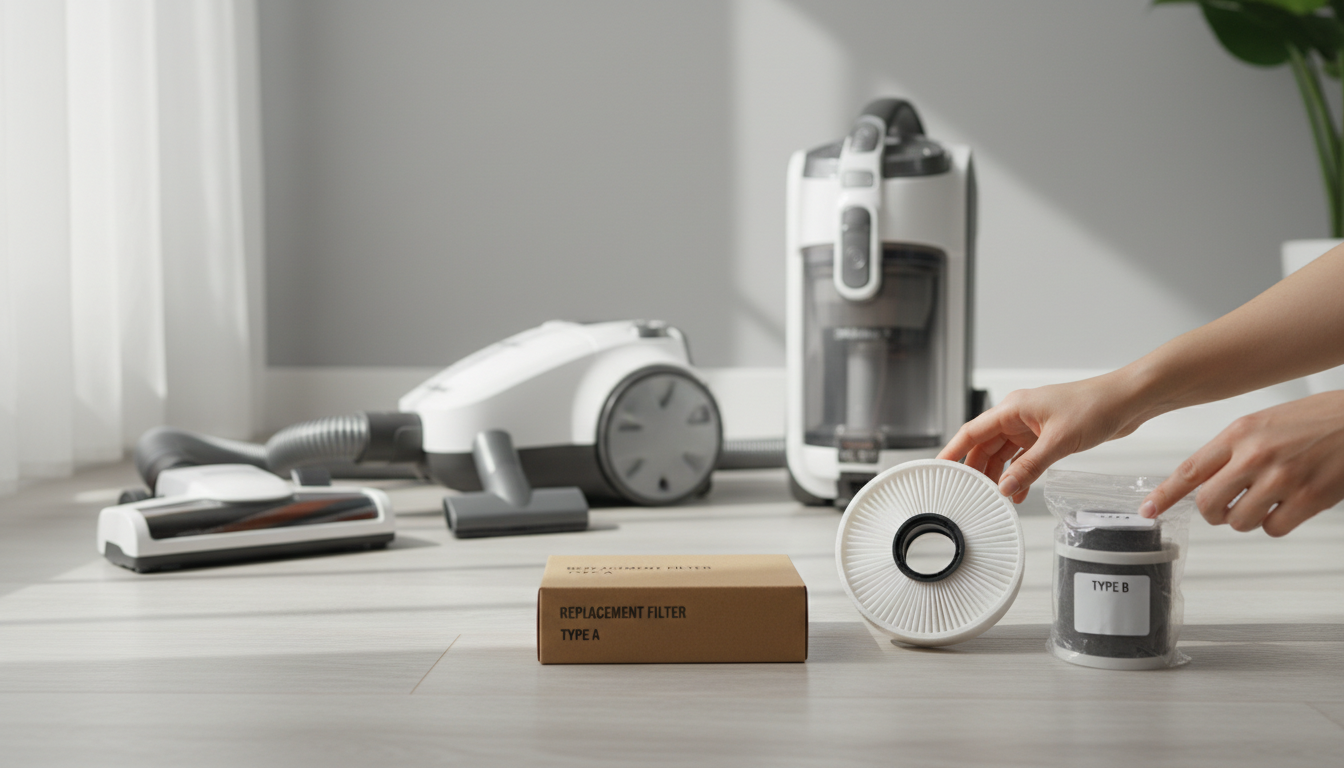
Dirt Devil Vacuum Cleaner Filters: Essential Replacements for Longevity
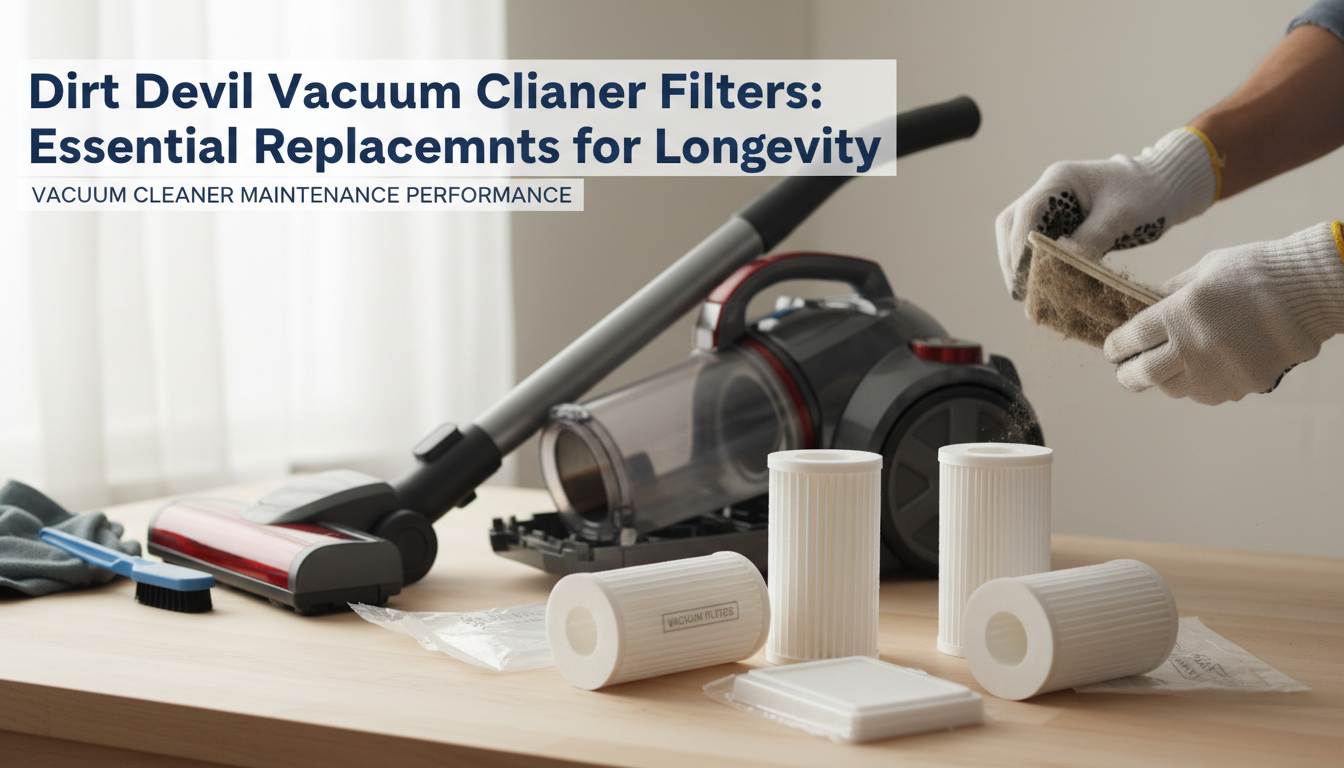
Unlock Peak Performance: Why Your Dirt Devil Vacuum Needs the Right Filters
Your Dirt Devil vacuum is engineered to tackle household dirt, but its consistent performance and long-term durability hinge on one crucial component: the filter. These essential parts are not merely dust catchers; they are integral to the vacuum's efficiency and overall lifespan. Neglecting filter maintenance can lead to a decline in cleaning power and even premature wear on your appliance.
A clean and functional filter system in your Dirt Devil vacuum serves multiple critical roles. Firstly, it acts as a protective barrier, preventing fine dust and debris from reaching and potentially damaging the motor. This protection is vital, as a compromised motor can lead to issues like overheating and reduced operational life. Secondly, filters play a significant role in indoor air quality by capturing microscopic particles and allergens, preventing them from being recirculated back into your home environment. This dual action directly contributes to maintaining strong, consistent suction power, ensuring your vacuum effectively cleans with every pass.
This guide aims to empower Dirt Devil owners with the knowledge needed to maintain their vacuum's peak performance. We will cover how to identify the correct replacement filter for your specific model, understand the different types available, and implement proper cleaning and replacement routines. By prioritizing filter care, you can safeguard your investment and ensure your Dirt Devil continues to deliver reliable cleaning power for years to come.
Decoding Dirt Devil Filters: Types, Materials, and Function
Understanding the filtration system in your Dirt Devil vacuum is key to maintaining its cleaning efficiency and extending its lifespan. Dirt Devil vacuums typically employ a multi-stage filtration process, utilizing different filter types and materials, each serving a specific purpose in capturing dust and debris.
Common filter types found in Dirt Devil vacuums include:
- Pleated Filters: Often made from paper or synthetic fibers, these filters feature a folded design that increases their surface area, allowing them to capture a significant amount of fine dust and allergens. They are frequently used as primary filters.
- Foam Filters: These sponge-like filters are excellent at trapping larger particles and often act as a pre-filter, protecting the more delicate pleated filters and the motor from excessive buildup.
- Exhaust Filters: Positioned at the vacuum's air outlet, these filters ensure that the air expelled back into your home is free of fine particles that may have bypassed earlier stages.
Dirt Devil filters are generally categorized by their maintenance requirements:
- Washable Filters: Many Dirt Devil models feature washable foam or pleated filters.
- Benefits: Cost-effective over time as they can be reused, reducing the need for frequent replacements.
- Drawbacks: Require regular cleaning and thorough drying (typically 24-48 hours) before reinstallation to prevent mold growth and damage to the vacuum. Using a damp filter can cause significant damage.
- Care: Always refer to your specific model's manual for cleaning instructions. Generally, they are rinsed under cool water until the water runs clear, then air-dried completely.
- Disposable Filters: Some Dirt Devil models or specific filter types are designed for single use.
- Benefits: Convenient; simply remove and discard when dirty, then replace with a new one.
- Drawbacks: Incur recurring costs for replacements.
Regarding HEPA filtration, it's important to clarify its role with Dirt Devil vacuums. While some Dirt Devil vacuums may not be advertised as having integrated HEPA filtration systems, certain replacement filter kits, such as the F45, are described as offering HEPA-rated filtration. This means that while the vacuum itself might not be a sealed HEPA system, installing a HEPA-rated replacement filter can significantly improve the capture of microscopic particles and allergens from the exhaust air. However, the overall effectiveness of HEPA filtration depends on the vacuum's design and seal.
The filtration process in Dirt Devil vacuums typically involves multiple stages:
- Pre-Motor Filters: These are the first line of defense, usually foam or pleated filters, located before the vacuum's motor. Their primary function is to protect the motor from dust and debris, which could otherwise cause overheating and premature wear. Maintaining these filters is crucial for the vacuum's longevity.
- Post-Motor Filters (Exhaust Filters): Positioned after the motor, these filters are responsible for cleaning the air before it is released back into the room. They capture fine particles that may have passed through the pre-motor stages, contributing to cleaner indoor air.
How to Select the Perfect Replacement Filter for Your Dirt Devil Model
Choosing the correct replacement filter is paramount for maintaining your Dirt Devil vacuum's performance and extending its operational life. An improperly fitted or incorrect filter can lead to diminished suction, motor strain, and reduced air filtration, ultimately undermining the vacuum's effectiveness. The selection process requires careful attention to detail to ensure compatibility and optimal function.
To accurately identify the filter you need, begin by locating your vacuum cleaner's specific model number. This number is the definitive identifier for your appliance and is crucial for finding compatible parts.
- Common Locations for Model Numbers:
- On a sticker or label on the back or bottom of the vacuum.
- Underneath the dust cup or dirt canister.
- On the handle or main body of the unit.
- Within the owner's manual that came with your vacuum.
Once you have your Dirt Devil model number, the next step involves understanding filter designations, often referred to as "F-numbers" or "style" numbers (e.g., F45, F112, F2). These specific codes are assigned by Dirt Devil to indicate the exact filter type and ensure a precise fit for particular vacuum models. This F-number is frequently printed directly on your existing filter or listed in your vacuum's user manual and online product specifications. Matching this designation is as critical as matching the model number itself, as it confirms the filter's dimensions and design are appropriate for your unit.
When considering your replacement filter options, you will typically encounter two main categories: Original Equipment Manufacturer (OEM) filters and aftermarket filters.
- Original Equipment Manufacturer (OEM) Filters: These are produced by Dirt Devil or under its direct authorization.
- Potential Benefits: Guaranteed fit, adherence to original performance specifications, and manufacturer quality assurance.
- Potential Trade-offs: Generally higher cost.
- Aftermarket Filters: These are produced by third-party manufacturers.
- Potential Benefits: Often more budget-friendly.
- Potential Trade-offs: Quality and fit can vary significantly. Some may not meet the same filtration standards as OEM filters, potentially affecting air quality or motor protection. Careful evaluation of seller reputation and customer reviews is advisable.
Before finalizing any purchase, take practical steps to verify compatibility. Always cross-reference your vacuum's model number and the required F-number with the replacement filter's listed compatibility. Review the product description thoroughly, looking for explicit mentions of your Dirt Devil model. If possible, compare images of the replacement filter with your existing one. Finally, consider the seller's return policy, which can provide a safeguard if the filter does not fit as expected.
Extend Your Vacuum's Life: Best Practices for Dirt Devil Filter Maintenance
Consistent filter maintenance is paramount for extending the operational life of your Dirt Devil vacuum and ensuring it delivers reliable cleaning performance. Neglecting these small components can lead to a cascade of issues, from diminished suction to potential motor damage. By following a routine of checking, cleaning, and timely replacement, you can safeguard your investment and maintain a cleaner home.
Recommended Filter Maintenance Frequency
The optimal schedule for your Dirt Devil filters depends on usage frequency and household environment (e.g., pets, allergies). However, general guidelines can help:
- Checking: Visually inspect your vacuum's filters every 1-2 uses, or at least monthly, for visible dirt, debris, or damage. This quick check helps identify accumulation before it becomes a problem.
- Cleaning (Washable Filters): For washable Dirt Devil filters, aim to rinse them every 1-3 months. If you vacuum frequently, have pets, or deal with significant dust, cleaning more often may be necessary.
- Replacing (All Filters):
- Washable Filters: Even with regular cleaning, washable filters degrade over time. Replace them every 6-12 months, or sooner if you notice persistent odors, visible damage, or a decline in performance.
- Non-Washable Filters: These filters are designed for single-use or a specific lifespan. Replace them according to your Dirt Devil model's manual, typically every 3-6 months, or when they appear heavily soiled.
Cleaning Washable Filters Step-by-Step
Many Dirt Devil models feature washable filters, offering a cost-effective way to maintain performance. Proper cleaning is critical to prevent damage and ensure filtration effectiveness:
- Remove the Filter: Consult your vacuum's manual for specific instructions on how to safely access and remove the filter(s) from your Dirt Devil model.
- Rinse Thoroughly: Hold the filter under cool, running water. Gently squeeze or tap the filter to dislodge trapped dirt and dust. Continue rinsing until the water runs clear. Avoid using soap or detergents, as these can damage the filter material and reduce its filtration capabilities.
- Allow Complete Air Drying: This is the most crucial step. Place the filter in a well-ventilated area to air dry completely for at least 24 to 48 hours. Do not use heat sources like a hairdryer or microwave, as this can warp or melt the filter material. Reinstalling a damp filter can lead to mold, mildew, and damage to your vacuum's motor.
- Reinstall: Once the filter is completely dry, reinsert it into your Dirt Devil vacuum according to the manufacturer's instructions, ensuring it is seated correctly.
Disposing of Non-Washable Filters
For Dirt Devil models equipped with non-washable filters, the process is straightforward:
- Remove and Discard: Once a non-washable filter is soiled or has reached its recommended lifespan, simply remove it from the vacuum and dispose of it with your regular household waste. Do not attempt to clean these filters, as it can damage their structure and compromise their filtration efficiency.
Preventing Common Vacuum Issues
Consistent filter maintenance directly impacts your Dirt Devil vacuum's health and performance:
- Overheating: Clogged filters severely restrict airflow to the vacuum's motor. When the motor has to work harder to pull air through a blocked filter, it generates excessive heat, which can lead to overheating, automatic shutdowns, and a shortened motor lifespan.
- Loss of Suction: A dirty filter acts as a barrier, preventing air from flowing freely through the vacuum. This directly translates to a significant reduction in suction power, making your vacuum less effective at picking up dirt and debris.
- Motor Damage: Prolonged operation with a clogged filter puts undue strain on the motor. Over time, this strain can cause premature wear and tear, leading to costly repairs or the need for a full vacuum replacement.
When to Clean Versus Replace
Understanding when a filter needs a simple clean versus a full replacement is key to optimal maintenance:
- Clean When:
- The filter appears dusty or lightly soiled but is otherwise intact.
- You notice a slight decrease in suction that improves after cleaning.
- There are no visible tears, holes, or structural damage.
- Replace When:
- The filter shows visible signs of damage, such as tears, holes, or fraying.
- It emits persistent foul odors that do not dissipate after cleaning.
- The filter material appears discolored, brittle, or degraded, even after washing.
- You experience a noticeable and consistent loss of suction, even immediately after cleaning the filter.
- The manufacturer's recommended replacement interval has passed.
Troubleshooting Common Dirt Devil Vacuum Problems Related to Filters
Neglecting your Dirt Devil vacuum's filters can manifest in several noticeable performance issues, often leading users to believe there's a more significant mechanical problem. Many prevalent complaints, from diminished cleaning power to unexpected shutdowns, frequently trace back to clogged or improperly maintained filters. Understanding these common problems and their connection to your filters can save time and extend your vacuum's operational life.
A primary consequence of a dirty or clogged filter is a significant reduction in suction power. Filters are designed to trap dust and debris while allowing air to flow freely through the vacuum's motor. When a filter becomes saturated with accumulated particles, this airflow is severely restricted. The motor struggles to pull air through the obstruction, resulting in a noticeable decline in its ability to pick up dirt effectively. This means you might find yourself going over the same spot multiple times, or your vacuum might leave behind visible debris.
Furthermore, a restricted airflow due to a dirty filter can cause your Dirt Devil vacuum to overheat and shut off unexpectedly. When the motor has to work harder against a blocked filter to maintain suction, it generates excessive heat. To prevent damage, Dirt Devil vacuums are often equipped with thermal cut-off switches that automatically power down the unit when it reaches an unsafe temperature. This protective measure, while essential for the vacuum's longevity, can be frustrating for users and is a strong indicator that filter maintenance is overdue. Research indicates that frequent filter clogging is a common issue reported by users, directly contributing to these performance and overheating problems.
Beyond performance, the condition of your filters directly impacts indoor air quality. Filters are your vacuum's last line of defense against recirculating fine dust, allergens, and other microscopic particles back into your home environment. If a filter is dirty, damaged, or not properly seated, these particles can bypass the filtration system and be exhausted back into the air you breathe. This can be particularly problematic for individuals with allergies or respiratory sensitivities.
To determine if filter issues are at the root of your Dirt Devil's performance problems, consider these simple diagnostic steps:
- Visual Inspection: Turn off and unplug your vacuum. Remove the filters (pre-motor and post-motor, if applicable) and visually inspect them. Are they visibly caked with dust, discolored, or torn?
- Cleaning/Replacement Test: If filters appear dirty, clean washable filters according to your model's instructions or replace disposable ones. Reassemble the vacuum and test its performance. A noticeable improvement in suction or the absence of overheating indicates the filters were the culprit.
- Check for Obstructions: While focusing on filters, quickly check the hose, brush roll, and nozzle for any large blockages that could also impede airflow.
By regularly cleaning or replacing your Dirt Devil vacuum cleaner filters, you can effectively mitigate these risks, maintain optimal suction, prevent overheating, and ensure cleaner air in your home. This proactive maintenance is a simple yet crucial step in extending the life and efficiency of your appliance.
Your Dirt Devil Filter Questions Answered
Understanding the nuances of your Dirt Devil vacuum's filters is key to maintaining its cleaning efficiency and extending its operational life. Here are concise answers to common questions about filter care and replacement.
Are all Dirt Devil filters washable? Not all Dirt Devil filters are designed for washing. While many models feature washable filters, it's crucial to consult your specific vacuum's user manual. Washing a non-washable filter can damage it and compromise its filtration capabilities. Always allow washable filters to air dry completely before reinstallation to prevent mold growth and motor damage.
How often should I replace my Dirt Devil vacuum filter? The frequency of filter replacement depends on your specific Dirt Devil model, usage habits, and household environment (e.g., pets, allergies). As a general guideline, consider replacing filters every 3 to 6 months. However, you may need to replace them sooner if you notice a significant decrease in suction, visible filter damage, or if the filter appears heavily soiled even after cleaning. Regular cleaning of washable filters can help prolong their effectiveness between replacements.
Do Dirt Devil vacuums use HEPA filters? While some replacement filter kits available for Dirt Devil vacuums may be advertised as HEPA-rated, it's important to note that not all Dirt Devil models are designed as sealed HEPA systems. A HEPA-rated filter can capture very fine particles, but for true HEPA filtration performance, the entire vacuum system needs to be sealed to prevent air bypass around the filter. Always check your vacuum's specifications and the replacement filter's details for clarity.
Can I use a generic filter in my Dirt Devil vacuum? Generic or aftermarket filters are available for many Dirt Devil models and can sometimes be a more economical choice. However, their compatibility and filtration quality can vary significantly. When considering a generic filter, ensure it explicitly states compatibility with your specific Dirt Devil model number. An ill-fitting or low-quality generic filter can lead to:
- Reduced suction power due to air leaks.
- Ineffective filtration, allowing dust and allergens to escape.
- Potential damage to your vacuum's motor if debris bypasses the filter.
What happens if I don't change my Dirt Devil filter? Neglecting to regularly clean or replace your Dirt Devil vacuum's filter can lead to several performance and longevity issues:
- Decreased Suction: Clogged filters restrict airflow, causing a noticeable drop in cleaning power.
- Motor Strain: The vacuum's motor must work harder to compensate for restricted airflow, leading to overheating and potential premature failure.
- Poor Air Quality: An overloaded filter can no longer effectively trap dust and allergens, causing them to be recirculated back into your home's air.
- Unpleasant Odors: Accumulated dirt and debris within a neglected filter can become a breeding ground for bacteria, resulting in stale or musty odors during operation.
Making the Smart Choice for Your Dirt Devil's Future
Selecting the correct replacement filter for your Dirt Devil vacuum is a foundational step in maintaining its effectiveness. This process involves carefully matching the filter to your specific vacuum model, understanding the designated filter style (such as F112 or F45, which are common Dirt Devil designations), and recognizing the filter type, whether it's a foam pre-motor filter or a pleated exhaust filter. Prioritizing this compatibility ensures the filter fits correctly and provides the intended level of filtration for your appliance.
Beyond the initial selection, consistent and proper filter maintenance yields significant long-term benefits. Regularly cleaning or replacing your Dirt Devil's filters directly contributes to sustained suction power, preventing the common issue of reduced cleaning performance. Crucially, well-maintained filters protect the vacuum's motor from fine dust and debris, mitigating the risk of overheating and extending the overall lifespan of your appliance. This proactive care also plays a role in improving indoor air quality by effectively trapping particles before they are recirculated.
Ultimately, viewing filter care as an essential aspect of Dirt Devil ownership is an investment in your vacuum's future. It's a straightforward practice that safeguards your appliance, ensures optimal cleaning results, and contributes to a healthier living environment. A diligently maintained Dirt Devil vacuum remains a reliable and valuable tool, consistently delivering the performance you expect for a cleaner home.
More in Vacuum Cleaner Filters
View AllHoover Vacuum Cleaner Filters: A Guide to Compatibility and Performance