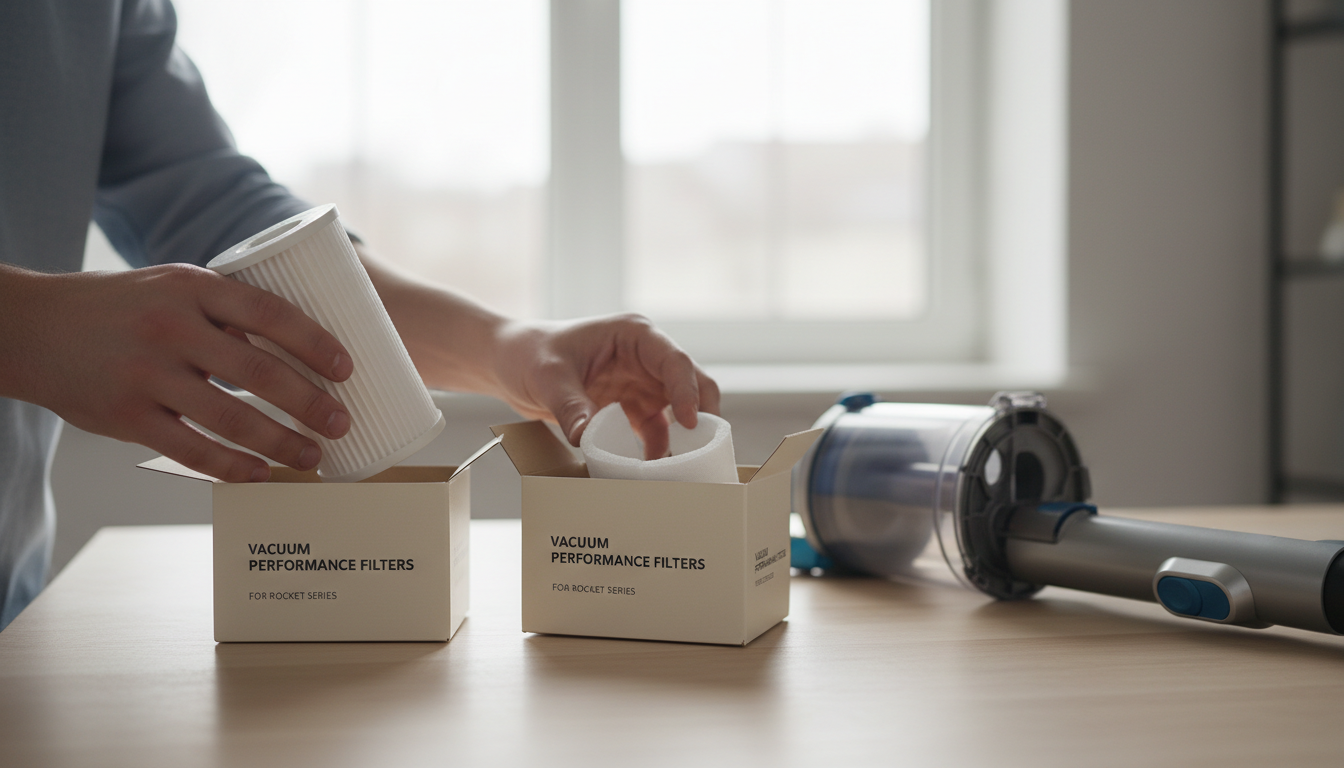
Ultimate Guide to Vacuum Cleaner Filters: Types, Lifespan, and Replacement
Breathe Easier: The Essential Role of Vacuum Cleaner Filters
Vacuum cleaner filters are often an overlooked component, yet they are fundamental to both the cleanliness of your home and the longevity of your appliance. These vital barriers trap dust, allergens, and other microscopic particles, preventing them from being recirculated back into your living space. Without effective filtration, a vacuum can inadvertently become a source of indoor air pollution, compromising air quality and potentially affecting household members, especially those with sensitivities.
When filters become clogged or worn, their ability to capture particles diminishes significantly. This not only allows contaminants to escape but also forces your vacuum's motor to work harder, leading to reduced suction power and decreased cleaning efficiency. Over time, this strain can contribute to premature wear and tear on the appliance itself. Ensuring the integrity of your vacuum cleaner's filtration system is therefore crucial for maintaining optimal performance and protecting your investment.
This guide aims to empower you to confidently navigate the world of filters for vacuum cleaner models. By understanding the different types, their lifespans, and how to choose the correct replacement for your specific vacuum and household needs, you can maximize your machine's effectiveness, improve your indoor air quality, and make informed purchasing decisions.
Demystifying Vacuum Cleaner Filters: Types and Their Functions
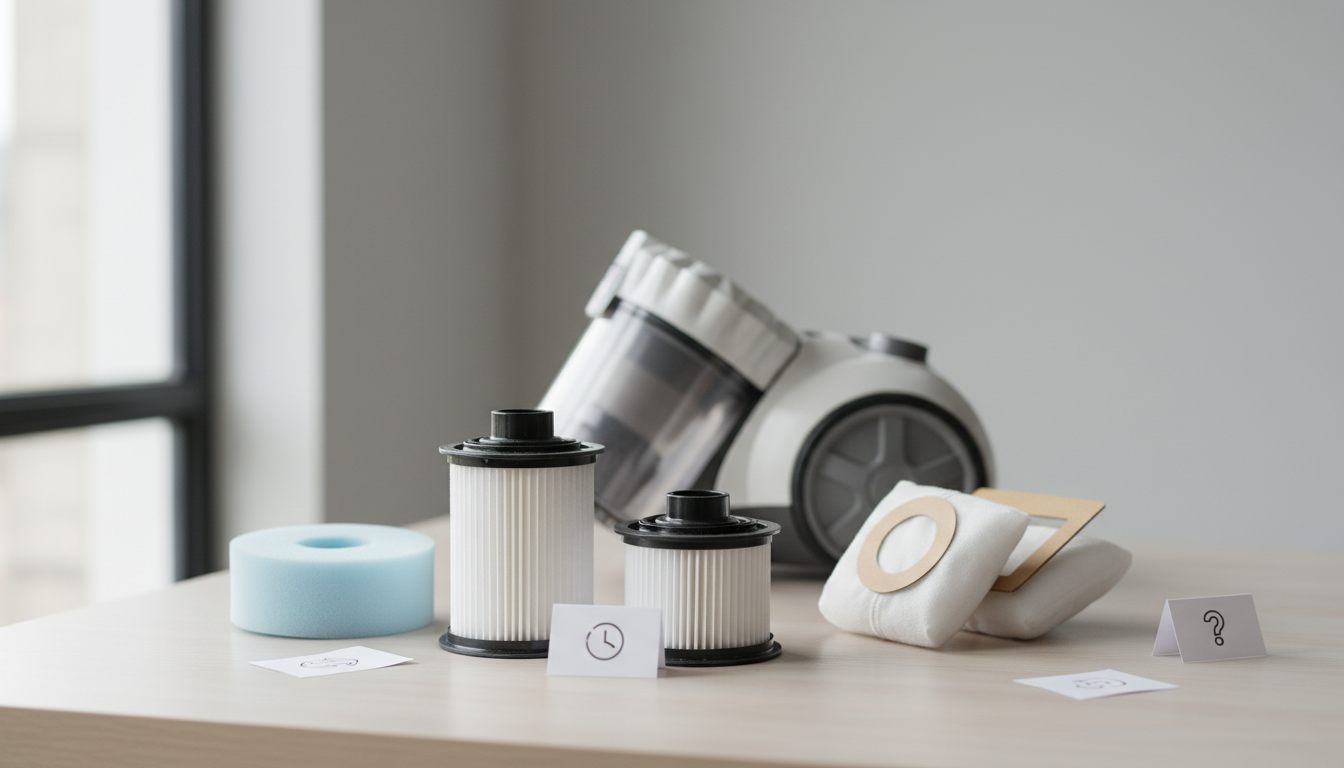
Understanding the various types of vacuum cleaner filters is fundamental to optimizing your vacuum's performance and maintaining indoor air quality. Filters serve distinct purposes within a vacuum's system, ranging from protecting its motor to capturing microscopic particles before air is expelled. Their design, material, and placement determine their specific function and the level of filtration they provide.
Here are the primary categories of vacuum cleaner filters and their characteristics:
-
Pre-Motor Filters:
- Function: Positioned before the vacuum's motor, these filters are the first line of defense, capturing larger debris, dust, pet hair, and lint. Their primary role is to protect the motor from damage, ensuring consistent suction and extending the vacuum's lifespan.
- Benefits: Essential for motor longevity and maintaining suction power.
- Trade-offs: Require frequent cleaning or replacement to prevent airflow restriction and motor strain. Often made of foam, felt, or pleated paper, their effectiveness can diminish if not maintained.
-
Post-Motor Filters (Exhaust Filters):
- Function: Located after the motor, these filters capture fine particles that may have passed through the initial filtration stages, ensuring cleaner air is released back into your living space.
- Benefits: Crucial for improving overall indoor air quality by trapping residual dust and allergens.
- Trade-offs: Can be disposable or washable. While not directly impacting motor protection, their performance directly relates to the cleanliness of the exhaust air.
-
HEPA Filters:
- Function: A specialized type of post-motor filter, true HEPA (High-Efficiency Particulate Air) filters are engineered to capture 99.97% of airborne particles as small as 0.3 microns. This includes common allergens like pollen, pet dander, dust mites, and mold spores.
- Benefits: Significantly improves air quality, making them particularly beneficial for households with allergy sufferers or individuals sensitive to airborne irritants.
- Trade-offs: Typically more expensive and may require a sealed vacuum system to be fully effective. Not all HEPA filters are washable, and their intricate design means they can clog if not replaced as recommended.
-
Washable Filters:
- Function: Designed for repeated use, these filters can be rinsed under water to remove trapped debris. They can be found in both pre-motor and post-motor positions, depending on the vacuum model.
- Benefits: Cost-effective and environmentally friendly due to their reusability, reducing the need for frequent purchases.
- Trade-offs: Require thorough cleaning and complete drying before reinsertion to prevent mold growth and potential damage to the vacuum. Improper drying can also lead to unpleasant odors.
-
Disposable Filters:
- Function: Intended for single-use or a limited lifespan before being discarded and replaced with a new one. These are common for both pre-motor and post-motor applications.
- Benefits: Convenient, requiring no cleaning. They offer consistent filtration performance throughout their recommended usage period.
- Trade-offs: Incur ongoing replacement costs and contribute to waste. Selecting the correct disposable filter specific to your vacuum model is essential for proper fit and function.
The variation in vacuum cleaner filters extends beyond these types to include specific materials (e.g., activated charcoal for odor filtration) and proprietary designs tailored to individual vacuum brands and models. Your choice depends on factors like your household's air quality needs, budget, and willingness to perform routine maintenance.
Selecting Your Ideal Filter: Key Criteria for a Perfect Match
Choosing the right vacuum cleaner filter is a critical decision that directly impacts your home's air quality, your vacuum's efficiency, and even its lifespan. The "ideal" filter isn't a single product but rather a specific match for your household's unique needs, your vacuum's design, and your maintenance preferences. Understanding these key criteria will empower you to make an informed choice for your filters for vacuum cleaner.
When evaluating your options, consider the following:
-
Household Needs and Air Quality Goals:
- General Dust & Debris: For routine cleaning in homes without specific allergen concerns, standard multi-layer or foam filters may suffice. These are typically cost-effective and capture common household dust and larger particles.
- Allergies and Asthma: If anyone in your household suffers from allergies or asthma, a true HEPA filter is often the most effective choice. These filters are designed to capture 99.97% of airborne particles as small as 0.3 microns, including pollen, pet dander, dust mites, and mold spores. They significantly improve indoor air quality by preventing these irritants from being recirculated into the air.
- Pet Owners: Homes with pets often benefit from HEPA filtration to manage pet dander, a common allergen. Some filters may also incorporate activated carbon layers to help neutralize pet odors.
-
Vacuum Model Compatibility: This is non-negotiable. Filters are engineered to fit specific vacuum makes and models precisely. Using an incompatible filter, even if it seems to fit loosely, can lead to:
- Reduced Performance: Air may bypass the filter, leading to dust expulsion and decreased suction power.
- Vacuum Damage: Improper fit can strain the motor or allow debris into sensitive components.
- Voided Warranty: Manufacturers often specify that only genuine or approved replacement parts should be used. Always consult your vacuum's user manual or the manufacturer's website. Whether you own an upright vacuum from a well-known American brand or a compact stick vacuum from a prominent European manufacturer, the filter must be an exact match for that specific model series.
-
Filter Maintenance Preferences: Your lifestyle and budget can influence your choice between washable and disposable filters.
- Washable Filters: These can be rinsed and reused multiple times, offering a more eco-friendly and potentially cost-effective long-term solution. However, they require drying completely before reinstallation to prevent mold growth and must be replaced eventually as their filtration efficiency degrades over time.
- Disposable Filters: These are designed for single use and are replaced when dirty. They offer maximum convenience, as there's no cleaning involved. While the upfront cost per filter might be lower, the recurring purchase cost can add up over time.
By carefully weighing these factors, you can confidently select filters for your vacuum cleaner that optimize its performance, enhance your home's air quality, and align with your maintenance routine.
Beyond the Dirt: Risks of Neglecting or Misusing Your Vacuum Filter
Overlooking the condition or compatibility of your vacuum cleaner filters can lead to more than just a less-than-perfect clean. It introduces a cascade of issues that impact both your vacuum's effectiveness and the air quality in your home. Understanding these risks is crucial for making informed decisions about filter maintenance and replacement.
- Reduced Suction Power and Performance: A clogged or damaged filter restricts airflow, forcing your vacuum's motor to work harder without achieving the intended suction. This directly translates to less effective dirt and debris pickup, leaving your floors and surfaces inadequately cleaned.
- Potential Motor Damage: Filters serve as a protective barrier for the vacuum motor, preventing fine dust and debris from entering and causing wear. A worn-out, torn, or incorrect filter compromises this protection, allowing particles to reach the motor. Over time, this can lead to overheating, reduced motor lifespan, and costly repairs or premature vacuum replacement.
- Recirculation of Pollutants: One of the most significant risks is the recirculation of dust, allergens, and other microscopic particles back into your living space. A filter that is full, damaged, or not designed for fine particle capture (like a standard filter used where a HEPA filter is needed) cannot effectively trap these contaminants. Instead, the vacuum exhausts them back into the air you breathe, diminishing indoor air quality.
- Compromised Indoor Air Quality: For many, the primary "buyer problem" solved by a vacuum is not just clean floors, but also cleaner air, especially for households with allergy sufferers or pets. Neglecting or misusing your vacuum cleaner filters undermines this core benefit, leading to an environment where allergens and dust persist. This inefficiency means you're not getting the expected value or health benefits from your cleaning efforts.
To ensure optimal function, protect your appliance, and maintain healthy indoor air, it is essential to use the correct vacuum cleaner filters specifically designed for your model and to replace or clean them according to manufacturer guidelines. Ignoring these aspects can turn a routine cleaning task into a source of frustration and potential health concerns.
Extending Life and Performance: Filter Replacement and Care
Maintaining your vacuum cleaner's filters is crucial for sustaining its cleaning effectiveness and ensuring the air it expels remains clean. Regular attention to these components prevents reduced suction, safeguards the motor, and minimizes the recirculation of dust and allergens back into your environment. Understanding when and how to care for your filters can significantly extend their lifespan and the overall performance of your vacuum.
Optimizing Filter Lifespan
The frequency for replacing or cleaning your vacuum filters depends on several factors, not just a fixed schedule. While many manufacturers suggest a general timeframe, your household's unique conditions should guide your routine.
- General Guideline: For average use, aim to replace non-washable filters every 3 to 6 months. Washable filters should be cleaned monthly or bi-monthly, depending on use.
- Increased Frequency for Specific Conditions:
- Pets: Households with pets generate more dander and hair, necessitating more frequent filter checks and cleaning/replacement, potentially every 1-3 months.
- Allergies/Asthma: If anyone in your home suffers from allergies or asthma, stricter adherence to replacement schedules (e.g., every 2-3 months for non-washable, weekly/bi-weekly for washable) helps maintain optimal indoor air quality.
- Heavy Use: Frequent vacuuming, especially across large areas or after renovations, will clog filters faster. Inspect filters more often and replace them as needed.
- Visible Dirt: If a filter appears heavily soiled, discolored, or emits an odor, it's time for cleaning or replacement, regardless of the last service date.
Neglecting filter maintenance can lead to diminished suction power, increased energy consumption as the motor works harder, and potentially releasing trapped particles back into the air.
General Steps for Filter Maintenance
While specific instructions vary by vacuum model, the core process for managing filters is generally consistent. Always consult your vacuum's user manual for precise guidance.
- Safety First: Before touching any part of your vacuum, always unplug it from the power outlet. This prevents accidental activation and potential injury.
- Locate Filters: Most vacuums have at least one pre-motor filter (often near the dustbin) and one post-motor or exhaust filter. Refer to your manual to identify all filter locations.
- Removal: Filters are typically secured by latches, clips, or a simple twist-and-pull mechanism. Handle them carefully to avoid dislodging trapped debris.
- Inspection: Examine the filter for visible dirt, tears, or damage. If non-washable and heavily soiled, prepare for replacement.
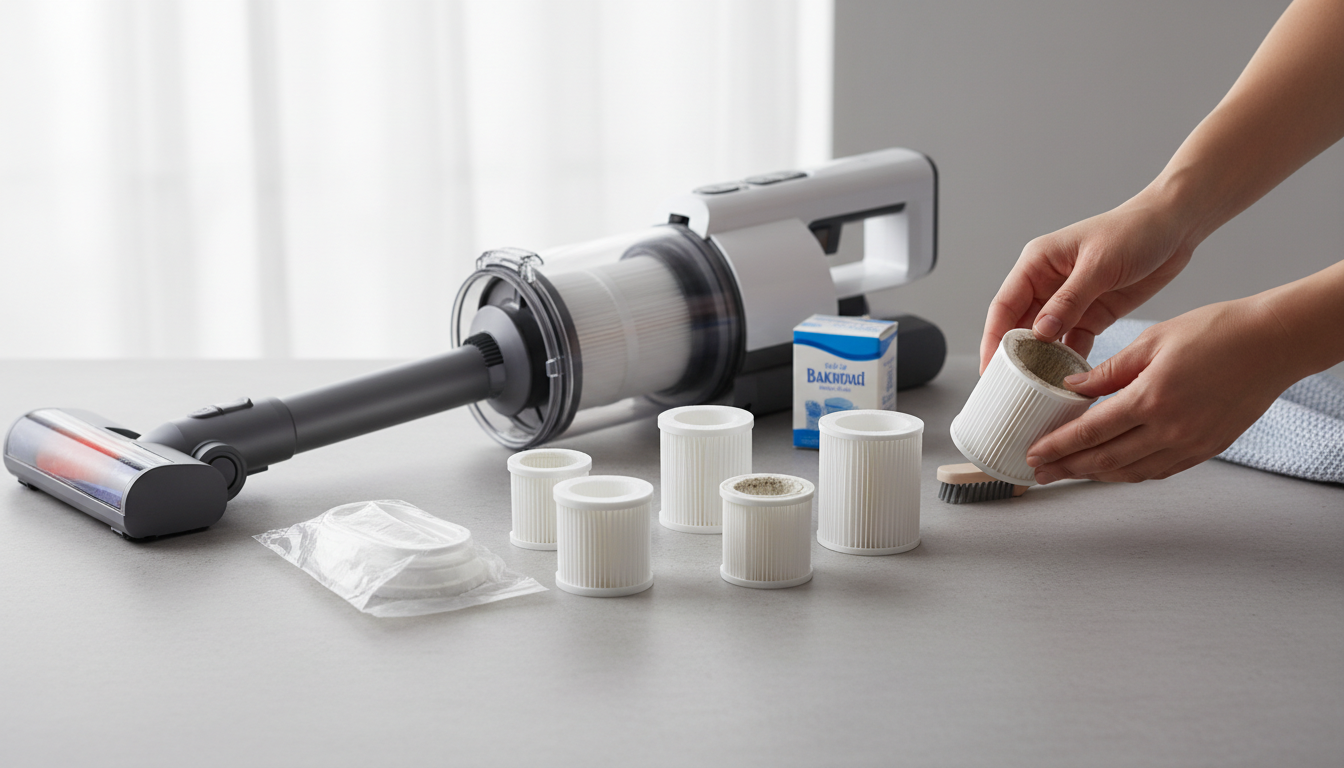
- Cleaning Washable Filters:
- Rinse Thoroughly: Hold the filter under cool running water until the water runs clear. Avoid using hot water, as it can damage some filter materials.
- No Detergents: Do not use soap, detergents, or harsh cleaning chemicals unless explicitly stated in your vacuum's manual, as these can degrade filter performance.
- Complete Drying: This is critical. Allow washable filters to air dry completely for at least 24 hours before reinstallation. Installing a damp filter can lead to mold growth and damage to the vacuum motor.
- Installation: Once clean and dry (or if replacing with a new filter), align the filter correctly and secure it back into its housing. Ensure it's seated properly to maintain an airtight seal.
Regular filter maintenance is a simple yet effective way to protect your investment, maintain peak cleaning performance, and contribute to a healthier home environment.
Frequently Asked Questions About Vacuum Cleaner Filters
Understanding your vacuum cleaner's filtration system is key to maintaining both its performance and your home's air quality. Here are answers to common questions that can help you make informed decisions about filter care and replacement.
-
How often should I replace my vacuum filter? The general recommendation is every 3 to 6 months for non-washable filters, or as specified in your vacuum's user manual. However, factors like frequent use, pet ownership, or household members with allergies may necessitate more frequent changes, potentially every 1 to 3 months. Washable filters require regular cleaning and replacement when they show signs of wear or damage.
-
Can all vacuum filters be washed? No, not all vacuum filters are designed to be washed. Filters made of foam or felt are often washable, but paper-based or certain HEPA filters are not. Attempting to wash a non-washable filter can damage its filtration media, rendering it ineffective and potentially harming your vacuum. Always consult your vacuum cleaner's manual to confirm if your specific filter type is washable.
-
What happens if I don't change my vacuum filter regularly? Neglecting filter replacement can lead to several issues:
- Reduced Suction: Clogged filters restrict airflow, causing your vacuum to lose suction power and clean less effectively.
- Poor Air Quality: A dirty filter can no longer trap particles efficiently, leading to dust, allergens, and other contaminants being recirculated back into your home's air.
- Vacuum Damage: The motor may overheat as it works harder to compensate for restricted airflow, potentially shortening the vacuum's lifespan.
- Unpleasant Odors: Trapped dirt and debris can begin to smell, especially if moisture is present.
-
Do HEPA filters really make a difference for allergies? Yes, true HEPA (High-Efficiency Particulate Air) filters can make a significant difference for allergy sufferers. They are designed to capture 99.97% of airborne particles as small as 0.3 microns. This includes common allergens like pollen, pet dander, dust mite debris, and mold spores, preventing them from being exhausted back into your living space and helping to improve indoor air quality.
-
Is it okay to use generic replacement filters? Using generic replacement filters can be a cost-effective option, but it comes with potential trade-offs. While many generic filters are designed to be compatible, some may not offer the exact fit or the same filtration performance as original equipment manufacturer (OEM) filters. An imperfect fit can allow air to bypass the filter, reducing its effectiveness, while lower-quality materials might not filter as thoroughly. Prioritize generics that explicitly state compatibility with your vacuum model and have positive user feedback regarding fit and performance to mitigate these risks.
Making Your Purchase Decision: A Smart Buyer's Checklist
Selecting the right vacuum cleaner filters is a straightforward process once you understand your specific needs and your vacuum's requirements. Before making a purchase, consider these essential questions to ensure you choose filters that will maximize performance and air quality.
- Is it the correct type for my needs? Evaluate whether you need standard filtration for general dust, or advanced HEPA filtration for allergies and pet dander. HEPA filters, for instance, capture 99.97% of particulates down to 0.3 microns, significantly improving indoor air quality.
- Is it compatible with my vacuum model? Filters are often model-specific. Always verify the exact make and model number of your vacuum to ensure a perfect fit and proper sealing, which is critical for effective filtration.
- What are the maintenance requirements? Determine if you prefer washable, reusable filters for eco-friendliness and frequent cleaning, or disposable filters for convenience. Understand the recommended replacement schedule for your chosen filter type.
Shopping for filters online offers distinct advantages, including a wider variety of options compared to local stores. This allows for easier price comparison and helps you find the precise filter needed for your specific vacuum. Investing in the correct filter type and replacing it as recommended is crucial; worn-out filters recirculate contaminants, reduce suction, and can even damage your vacuum's motor over time. Be mindful of potential trade-offs, such as the initial cost of higher-grade filters versus their long-term benefits in air quality and vacuum longevity. Using non-compatible or poorly-fitting filters can lead to filtration failure, diminishing your vacuum's effectiveness and compromising your indoor environment.
The Unsung Hero: Why the Right Filter Makes All the Difference
The often-overlooked vacuum cleaner filter plays a pivotal role in maintaining both the efficiency of your cleaning routine and the quality of the air you breathe. As this guide has explored, an informed choice regarding filter type, material, and replacement schedule directly translates to a healthier home environment and a vacuum cleaner that performs optimally for longer. Understanding these components empowers you to move beyond generic replacements and select filters that truly align with your household's specific needs, whether it's managing pet dander, addressing allergies, or simply maintaining general cleanliness.
By taking the time to identify the correct filter for your vacuum model and adhering to recommended maintenance, you are actively protecting your investment and enhancing your living space. This proactive approach ensures that your vacuum effectively captures dust, allergens, and other particles, rather than redistributing them. Embracing this knowledge allows you to confidently make decisions that maximize suction power, extend the lifespan of your appliance, and, most importantly, contribute to consistently cleaner air for everyone in your home.
More in Vacuum Cleaner Filters
View All
Hoover Vacuum Cleaner Filters: A Guide to Compatibility and Performance
Dirt Devil Vacuum Cleaner Filters: Essential Replacements for Longevity