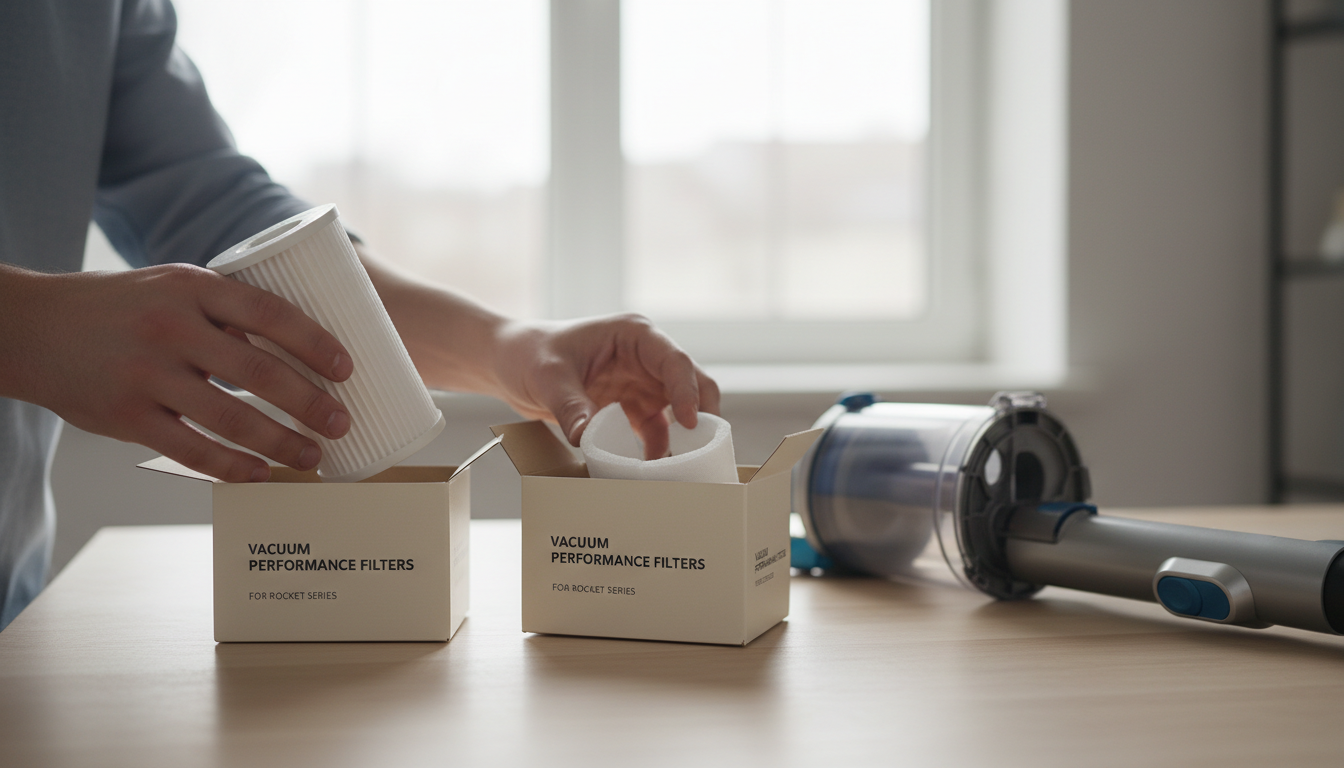
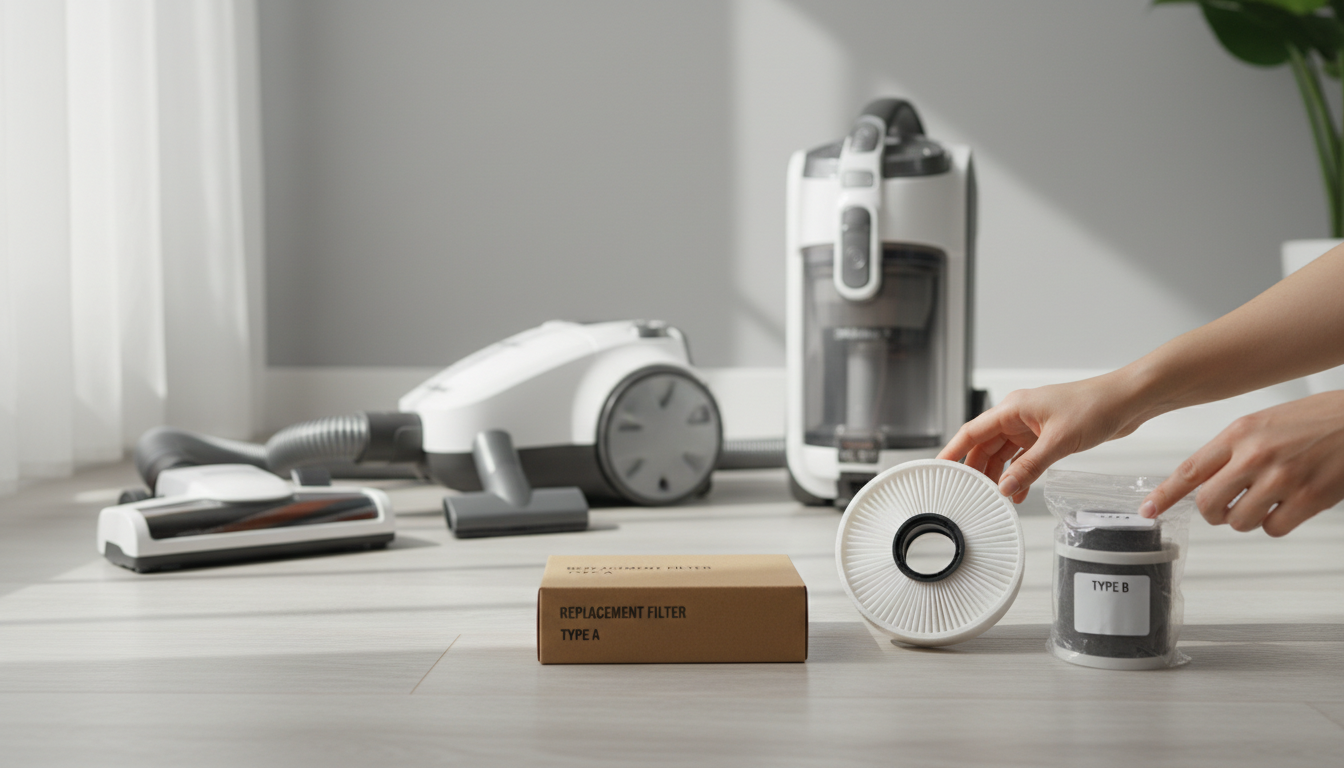
Hoover Vacuum Cleaner Filters: A Guide to Compatibility and Performance
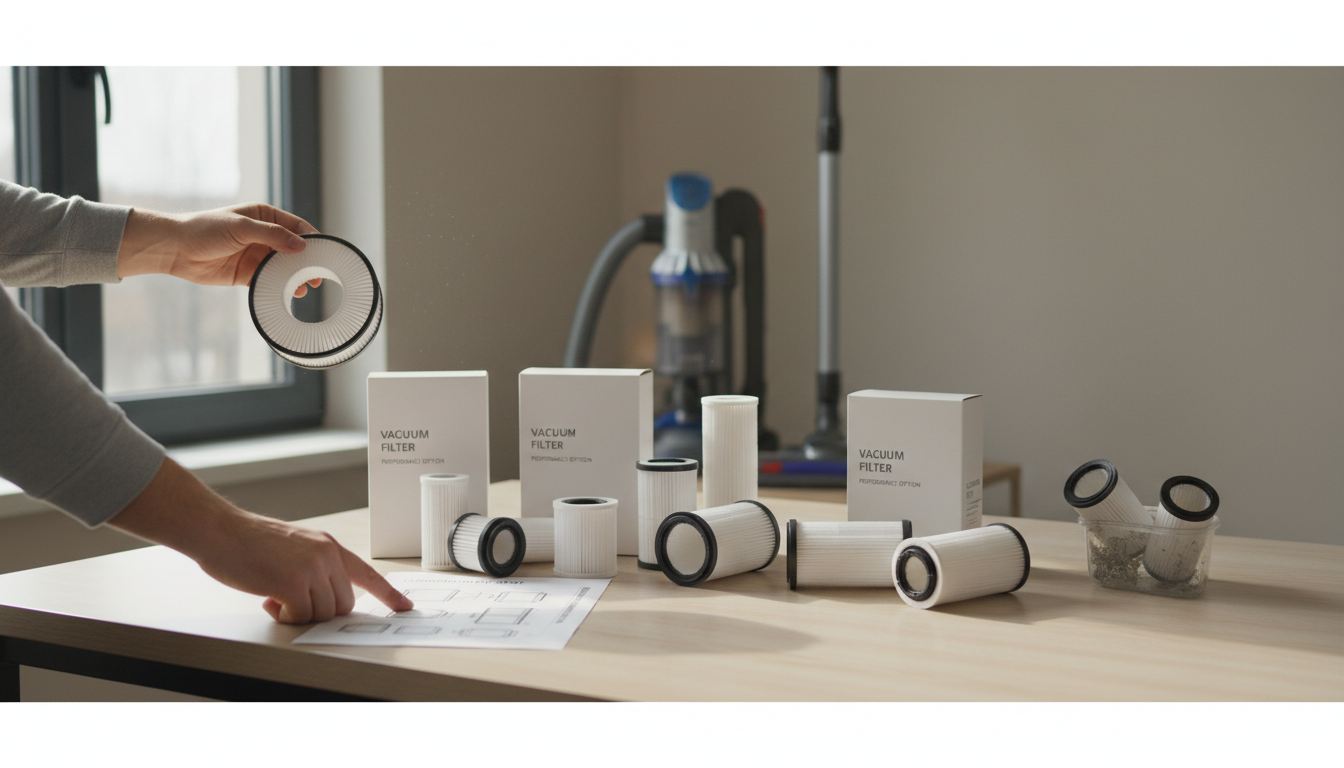
Navigating the World of Hoover Vacuum Cleaner Filters
Hoover vacuum cleaner filters are more than just accessories; they are critical components that directly influence your vacuum's performance, longevity, and the cleanliness of your indoor air. These filters are essential for maintaining strong suction, protecting the motor from debris, and capturing fine particles that could otherwise be recirculated into your home environment. Neglecting filter care can lead to noticeable drops in cleaning efficiency and even premature wear on your appliance.
For many Hoover owners, selecting the correct replacement filter can be a complex task. The brand offers a diverse range of vacuum models, each often requiring specific filter types and designs. This variety means that a "one-size-fits-all" approach rarely works, and choosing the wrong filter can compromise both the vacuum's functionality and its ability to improve air quality. Identifying the precise filter for your specific Hoover model is paramount to ensuring optimal operation.
This guide aims to demystify the process of understanding, selecting, and maintaining Hoover vacuum cleaner filters. We will equip you with the knowledge to confidently identify the optimal replacement for your specific model and needs, ensuring your vacuum continues to perform at its best.
Specifically, this guide will cover:
- Filter Types: An overview of the different filtration technologies Hoover employs.
- Compatibility: How to accurately match filters to your specific Hoover vacuum model.
- Maintenance: Best practices for cleaning and replacing filters to extend their lifespan.
- Buying Considerations: Key factors to evaluate when purchasing replacement filters.
Understanding Hoover Filter Types and Their Essential Role
Hoover vacuum cleaner filters are integral components that safeguard both the appliance's motor and the quality of the air exhausted back into your home. Rather than a single barrier, most Hoover models employ a multi-stage filtration system, with each filter type serving a distinct purpose in capturing dust and debris. Recognizing these types and their functions is key to selecting the appropriate replacement and maintaining optimal vacuum performance.
At the initial stage of the filtration process, pre-motor filters are positioned to intercept larger particles, such as dirt, hair, and bulk dust, before they can reach the vacuum's motor. This critical placement protects the motor from abrasive damage and overheating, directly contributing to the vacuum's longevity and consistent suction power. Neglecting to clean or replace these filters can lead to reduced airflow, causing the motor to work harder and potentially shortening its lifespan. Many Hoover pre-motor filters are designed to be washable, requiring regular cleaning to maintain their effectiveness.
Following the motor, post-motor filters are responsible for refining the air further before it exits the vacuum. These filters capture finer dust and microscopic particles that may have passed through the initial filtration stages. Their primary role is to improve the quality of the exhaust air, preventing these tiny particulates from being recirculated into your living space. The type and efficiency of a post-motor filter can vary significantly between Hoover models, impacting the overall cleanliness of your indoor air.
For those particularly concerned with indoor air quality, HEPA (High-Efficiency Particulate Air) filters represent the pinnacle of post-motor filtration. A true HEPA filter is engineered to capture at least 99.97% of airborne particles as small as 0.3 microns. This includes common allergens such as pollen, pet dander, dust mite debris, and mold spores. For allergy sufferers, a Hoover vacuum equipped with a HEPA filter, especially within a sealed system, can significantly reduce the concentration of these irritants in the air. While highly effective, HEPA filters typically require periodic replacement rather than washing to maintain their stringent filtration standards.
Collectively, these filter types form a layered defense system within your Hoover vacuum. The pre-motor filter acts as the first line, protecting the machine itself, while the post-motor and HEPA filters focus on purifying the air. The effectiveness of this entire system hinges on the proper functioning and maintenance of each component. Clogged or damaged filters, regardless of their type, compromise both the vacuum's suction capability and its ability to return clean air, underscoring their essential role in both appliance performance and indoor air quality.
The Impact of Filters on Your Hoover Vacuum's Performance
The filters in your Hoover vacuum cleaner are more than just simple components; they are critical to the machine's operational efficiency, your home's air quality, and the vacuum's overall lifespan. Understanding their function and maintaining them properly ensures your Hoover performs optimally.
When filters become heavily soiled or are incorrectly installed, they directly impede the vacuum's ability to clean effectively. Clogged filters restrict the crucial airflow necessary for suction. This obstruction forces the motor to work harder to pull air through, leading to a noticeable reduction in suction power and inefficient dirt collection. The vacuum may leave behind debris it would normally pick up, requiring more passes and extending cleaning time.
For households focused on indoor air quality, the type and condition of the exhaust filter are particularly important. Hoover vacuums equipped with HEPA (High-Efficiency Particulate Air) filters are designed to capture a significant percentage of microscopic particles, including common allergens like pollen, pet dander, and dust mite debris. This capability prevents these fine particles from being recirculated back into your living space, contributing to a healthier environment, especially for allergy or asthma sufferers.
Beyond immediate cleaning performance, proper filter maintenance and timely replacement are vital for extending the life of your Hoover vacuum's motor. A motor that consistently struggles against restricted airflow due to a dirty filter is prone to overheating and premature wear. Regular cleaning or replacement alleviates this strain, allowing the motor to operate at its intended efficiency and potentially prolonging the vacuum's service life.
Several signs indicate that your Hoover vacuum's filter requires attention. A primary indicator is a noticeable decrease in suction power, where the vacuum struggles to pick up dirt it once handled easily. Other cues include unusual noises from the motor, which may sound strained or louder than normal, or a persistent, unpleasant odor emanating from the vacuum during operation, often due to trapped organic matter or an overworked motor. Visible dust escaping from the exhaust port is another clear sign that the filter is no longer effectively trapping particles.
Ensuring the Perfect Match: Hoover Filter Compatibility Guide
Selecting the correct replacement filter is crucial for maintaining your Hoover vacuum's performance and ensuring effective air filtration. An exact match prevents common issues like reduced suction or compromised indoor air quality. Use this guide to confidently identify the optimal filter for your specific Hoover model.
-
Locate Your Hoover Model Number: This unique identifier is the starting point for any filter search.
- Upright Vacuums: Often found on the back of the main body, near the dirt bin, or on the baseplate.
- Canister Vacuums: Typically located on the underside of the unit or on the back panel.
- Stick and Handheld Vacuums: Look on the main body, handle, or sometimes near the battery compartment.
- Tip: Write down the full model number, including any letters or suffixes, as these can denote variations that require different filters.
-
Consult Official Resources for Specifications:
- Your Vacuum's User Manual: This is the most reliable source, detailing the exact filter types and part numbers recommended for your model. It often includes diagrams for filter placement.
- Hoover's Official Website: Utilize the support or parts section of Hoover's website. Many sites offer a model lookup tool where you can enter your vacuum's model number to find compatible accessories and replacement parts, including filters.
-
Match Filter Identifiers Precisely:
- Part Numbers: Always prioritize matching the specific filter part number listed in your manual or on Hoover's official site. This alphanumeric code guarantees an exact fit and the correct filtration specifications.
- Series Names: Some filters are compatible across a specific series of Hoover vacuums. Confirm that both your model and the filter are explicitly stated as part of that compatible series.
- Visual Confirmation: Once you have the part number, you can visually compare the new filter with your old one for shape, size, and attachment points as an additional check, but never rely on visual similarity alone.
-
Understand the Consequences of Incompatible Filters: Using a filter that doesn't perfectly match your Hoover vacuum can lead to several problems:
- Reduced Suction Power: Improperly sized or shaped filters can create air gaps, allowing dust to bypass the filter, or restrict airflow, significantly diminishing cleaning efficiency.
- Motor Damage: Restricted airflow from a poorly fitting or incorrect filter can cause the vacuum's motor to overheat, potentially leading to premature failure and costly repairs.
- Compromised Air Quality: If a filter doesn't seal correctly or isn't the specified filtration type (e.g., a standard filter instead of a required HEPA filter), dust, allergens, and fine particles can escape back into your home's air.
- Voided Warranty: Using non-specified or generic replacement parts may, in some cases, void your vacuum's manufacturer warranty.
Cleaning vs. Replacing: Maintaining Your Hoover Vacuum Filters
Effective filter maintenance is paramount for sustaining your Hoover vacuum's performance and ensuring clean exhaust air. Understanding when to clean a filter versus when a complete replacement is necessary can significantly impact your vacuum's lifespan and the air quality in your home. Neglecting these routines can lead to diminished suction, motor strain, and the recirculation of dust and allergens.
For many Hoover models, particularly those with foam or felt pre-motor filters, regular cleaning is a viable option to extend their utility. This process helps remove accumulated debris that would otherwise restrict airflow.
Method for Cleaning Washable Hoover Filters
If your Hoover model features washable filters, follow these steps to restore their function:
- Disconnect Power: Always unplug your Hoover vacuum from the power outlet before performing any maintenance.
- Locate and Remove: Refer to your vacuum's manual to find and carefully remove the washable filter, often located near the dustbin.
- Tap Off Debris: Gently tap the filter over a trash can to dislodge loose dirt and dust.
- Rinse Thoroughly: Hold the filter under cool, running water, rinsing from the clean side until the water runs clear. Avoid using soap or harsh detergents, as these can damage the filter material.
- Air Dry Completely: This is a critical step. Allow the filter to air dry for at least 24 hours, or until it is absolutely dry. Reinstalling a damp filter can lead to mold growth and damage to your vacuum's motor.
- Reinstall: Once fully dry, place the filter back into its designated compartment, ensuring it is correctly seated according to your vacuum's design.
While cleaning can refresh washable filters, there are clear indicators that signal a filter has reached the end of its effective life and requires replacement, regardless of its washability. These signs include:
- Visible Damage: Tears, holes, or significant fraying in the filter material compromise its ability to capture particles.
- Persistent Odor: If your vacuum emits a musty or unpleasant smell even after cleaning the filter and emptying the dustbin, the filter may be harboring bacteria or mold that cleaning cannot eliminate.
- Irreversible Discoloration: Stains or discoloration that remain after thorough washing suggest deep-seated dirt or material degradation.
- Reduced Suction: A noticeable and persistent drop in suction power, even after cleaning the filter and checking for blockages, often points to a filter that is too clogged or degraded to allow adequate airflow.
- Vacuum Overheating: If your Hoover vacuum consistently overheats and shuts off, a severely clogged filter could be restricting airflow to the motor, causing it to work harder and generate excessive heat.
Recommended Replacement Frequencies
Filter replacement schedules vary based on the filter type, vacuum usage, and household conditions (e.g., pets, allergies). While your Hoover vacuum's manual provides the most accurate guidance, general recommendations include:
- Washable Pre-Motor Filters: Clean every 1-3 months, and replace annually, even if they appear clean, to ensure optimal performance.
- Non-Washable/HEPA Post-Motor Filters: These typically require replacement every 6 to 12 months. HEPA filters, designed for high-efficiency particle capture, lose their effectiveness over time and cannot be washed without compromising their filtration capabilities.
Neglecting to maintain or replace filters can lead to a cascade of negative effects. Beyond the obvious reduction in cleaning efficiency, a clogged filter forces the vacuum's motor to work harder, potentially shortening its lifespan and increasing the risk of premature failure. Furthermore, compromised filtration means dust, allergens, and other fine particles are recirculated into your home's air, undermining the very purpose of vacuuming and potentially exacerbating allergy symptoms.
Key Considerations When Buying Replacement Hoover Filters
Selecting replacement filters for your Hoover vacuum involves more than just finding a match; it requires evaluating several factors to ensure optimal performance, air quality, and value. Overlooking these details can lead to diminished suction, compromised air filtration, or even damage to your appliance.
- Filtration Type and Household Needs: Your choice between a standard filter and a HEPA filter hinges on specific household requirements. While standard filters effectively capture common household dust and debris, HEPA filters are designed to trap a minimum of 99.97% of particles as small as 0.3 microns. For homes with allergy sufferers, individuals with asthma, or pets, opting for a HEPA filter can significantly improve indoor air quality by capturing allergens like pollen, pet dander, and dust mite particles. However, HEPA filters may sometimes be more expensive and require specific replacement schedules, representing a trade-off for enhanced air purification.
- Genuine Hoover vs. Aftermarket Alternatives: The market offers both genuine Hoover-branded filters and a variety of aftermarket options. Genuine filters are manufactured to Hoover's exact specifications, often ensuring a precise fit and consistent material quality, which contributes to maintaining the vacuum's original performance and filtration efficiency. Aftermarket filters can be a more budget-friendly alternative, but their quality can vary. Potential pitfalls include an imperfect fit that allows air to bypass the filter, materials that degrade quickly, or filtration efficiency that falls short of stated claims. A poor-fitting or low-quality filter can reduce suction and allow fine particles to recirculate into your home or even damage the vacuum's motor.
- Evaluating Multi-Pack Options: Multi-pack filter purchases can appear to offer better value per unit compared to single filter purchases. This can be advantageous for filters that require frequent replacement or cleaning, such as pre-motor filters. However, consider your actual usage and storage capacity. Purchasing a large multi-pack of a filter type you rarely replace, or one that may become obsolete if you upgrade your vacuum, could lead to unused filters. Assess the long-term cost-effectiveness and your replacement frequency before committing to bulk purchases.
- Importance of Product Description Accuracy: To prevent purchasing errors, meticulously review product descriptions. Key details to confirm include the specific Hoover vacuum model numbers the filter is compatible with, whether it's a pre-motor or post-motor filter, and if it's washable or disposable. Hoover vacuums often have model-specific filters, and a slight variation in model number can mean a completely incompatible filter. Mismatched filters will not fit correctly, can hinder performance, and might void warranties.
- Material and Construction Quality: Inspecting the material and construction quality, where possible, can offer insights into a filter's durability and effectiveness. Look for robust filter media that appears dense and evenly distributed, sturdy frames that resist warping, and seals that appear tight and complete. Filters with flimsy materials, uneven pleating, or loose seals may not capture particles effectively and could deteriorate rapidly, necessitating more frequent replacements and potentially compromising your vacuum's performance.
Frequently Asked Questions About Hoover Vacuum Filters
Navigating the specifics of Hoover vacuum cleaner filters can raise several common questions. Understanding these aspects helps ensure your vacuum operates efficiently and maintains optimal indoor air quality.
How often should Hoover vacuum filters be replaced?
The replacement frequency for Hoover vacuum filters largely depends on the filter type, your vacuum's usage, and your household environment. As a general guideline:
- Washable Pre-Motor Filters: These often need cleaning every 1-3 months, or more frequently if you vacuum often or have pets. They should be replaced annually, even if they appear clean, as their filtration material can degrade over time.
- Non-Washable Filters (including most HEPA filters): These typically require replacement every 6-12 months. Heavy use, pet hair, or high dust levels in your home may necessitate more frequent changes.
- Performance Indicators: A noticeable decrease in suction power, a persistent musty odor from the exhaust, or visible dirt accumulation that washing cannot remove are clear signs that a filter needs immediate attention or replacement.
Can all Hoover vacuum filters be washed?
No, not all Hoover vacuum filters are designed to be washed. While many pre-motor foam or felt filters are washable, allowing for rinsing under cool water until the water runs clear, most HEPA (High-Efficiency Particulate Air) filters are not. Washing a non-washable filter, especially a HEPA filter, can damage its delicate filtration media, rendering it ineffective and potentially releasing trapped particles. Always consult your Hoover vacuum's user manual or the filter's packaging to confirm if it is washable.
What happens if I don't replace or clean my Hoover filter?
Neglecting to replace or clean your Hoover vacuum filters can lead to several performance and air quality issues:
- Reduced Suction Power: Clogged filters restrict airflow, forcing the motor to work harder with less effective suction. This makes vacuuming less efficient and leaves more dirt behind.
- Motor Overheating and Damage: Increased strain on the motor due to restricted airflow can cause it to overheat, potentially leading to premature wear, failure, or a shortened lifespan for your vacuum.
- Decreased Air Quality: Filters are designed to trap dust and allergens. When clogged, they can no longer effectively capture these particles, allowing them to be recirculated into your home's air through the vacuum's exhaust.
- Unpleasant Odors: Trapped dirt, pet dander, and other debris in a neglected filter can lead to a musty or unpleasant smell emanating from the vacuum during operation.
Are aftermarket Hoover filters as effective as genuine ones?
The effectiveness of aftermarket Hoover filters can vary significantly. While some third-party manufacturers produce high-quality filters that offer comparable performance and fit to genuine Hoover filters, others may use lower-grade materials or less precise manufacturing processes.
- Genuine Filters: These are designed to meet Hoover's exact specifications for your specific model, ensuring optimal fit, filtration efficiency, and airflow.
- Aftermarket Filters: These can be a more budget-friendly option. However, trade-offs might include:
- Fit Issues: A filter that doesn't fit perfectly can allow air to bypass the filtration system, reducing effectiveness.
- Filtration Efficiency: Lower-quality materials may not capture as many fine particles, impacting air quality.
- Durability: Some aftermarket filters may degrade faster or not withstand washing as well as genuine counterparts.
When considering aftermarket options, prioritize reputable brands with positive user reviews that specifically mention good fit and performance for your Hoover model.
How do I find the correct filter for my specific Hoover vacuum model?
Identifying the correct replacement filter for your Hoover vacuum is crucial for maintaining performance and compatibility. Filters are often model-specific, and using the wrong one can lead to poor fit or inadequate filtration.
- Locate Your Model Number: Your Hoover vacuum's specific model number is usually found on a label on the back or bottom of the unit. This number is the primary identifier for compatible parts.
- Check Your User Manual: The manual provided with your vacuum cleaner will list the exact part numbers for compatible replacement filters.
- Manufacturer's Website: Hoover's official website typically has a parts and accessories section where you can search for filters by your vacuum's model number.
- Examine the Old Filter: Sometimes, the part number is printed directly on the filter itself. When removing your old filter, note any numbers or markings.
Making the Right Choice for Your Hoover Vacuum
Selecting the correct replacement filter for your Hoover vacuum is paramount for maintaining its suction power and protecting its internal components. The single most critical step is ensuring model-specific compatibility. Filters are engineered to fit precise dimensions and airflow pathways of individual Hoover models. Using an incompatible filter, even if it appears similar, can lead to poor filtration, reduced suction, motor strain, and potentially irreversible damage to your appliance. Always consult your Hoover vacuum's user manual or the label on the vacuum itself to locate the exact model number and corresponding filter part numbers.
Beyond fit, consider your household's specific needs when choosing a filter. For homes with allergy sufferers, asthmatics, or pets, opting for a HEPA filter is a significant upgrade to indoor air quality. These filters are designed to capture a high percentage of microscopic particles, including common allergens, ensuring cleaner air is exhausted back into your living space. For general cleaning, standard post-motor filters may suffice, but understanding the difference allows for an informed decision based on health priorities.
While the initial cost of a replacement filter is a factor, balancing it against long-term performance and vacuum longevity is crucial. A higher-quality filter, or one that is regularly maintained (if washable), contributes to sustained cleaning efficiency and reduces the likelihood of premature motor failure. Investing in the correct, compatible filter type can extend the life of your Hoover vacuum and ensure it continues to deliver optimal performance, potentially saving money on repairs or early replacement of the entire unit.
To ensure a confident and correct purchase decision, consider this checklist:
- Verify Model Number: Double-check your Hoover vacuum's exact model number.
- Match Part Number: Confirm the replacement filter's part number aligns with your vacuum's requirements.
- Assess Filtration Needs: Decide if standard or HEPA filtration best suits your indoor air quality concerns.
- Check Washability: Note if the filter is washable for convenience and potential cost savings over time.
- Review Replacement Frequency: Understand the recommended replacement schedule for your chosen filter type to plan for future maintenance.
More in Vacuum Cleaner Filters
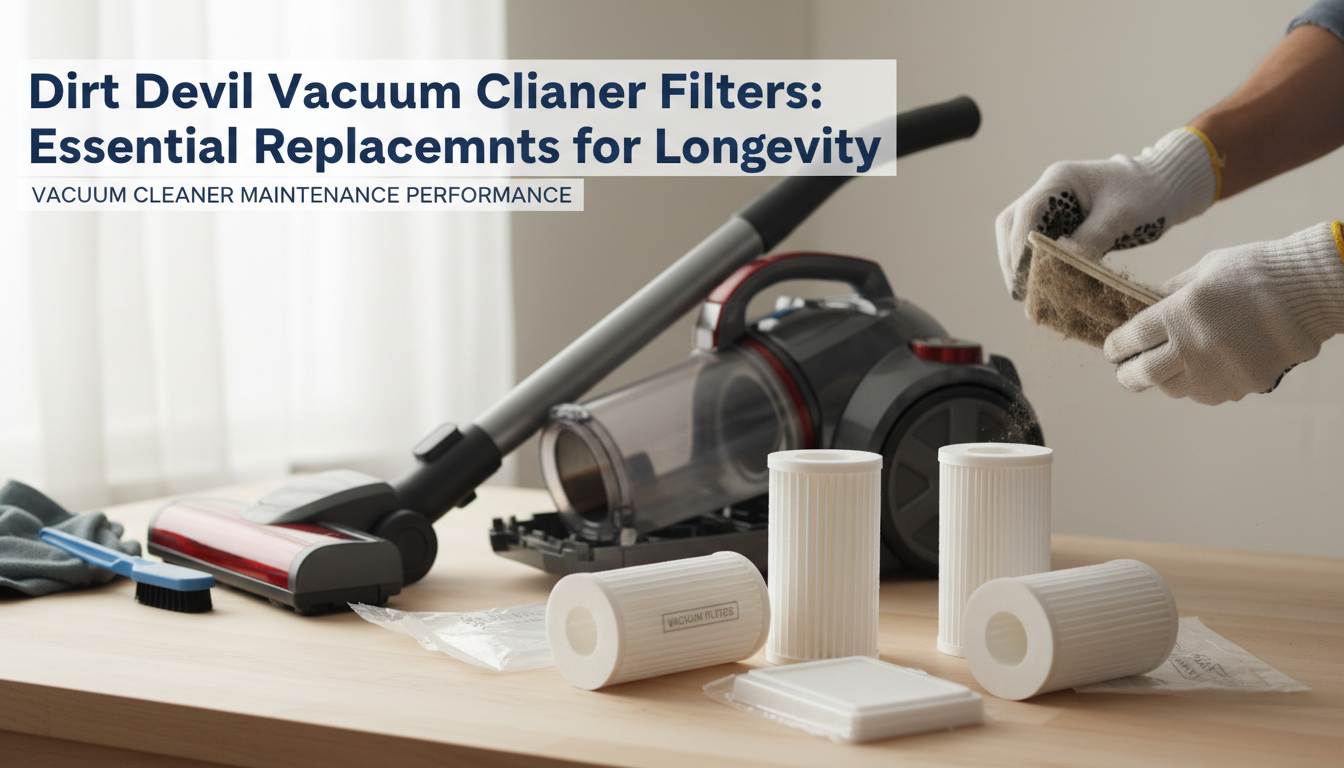
View AllDirt Devil Vacuum Cleaner Filters: Essential Replacements for Longevity