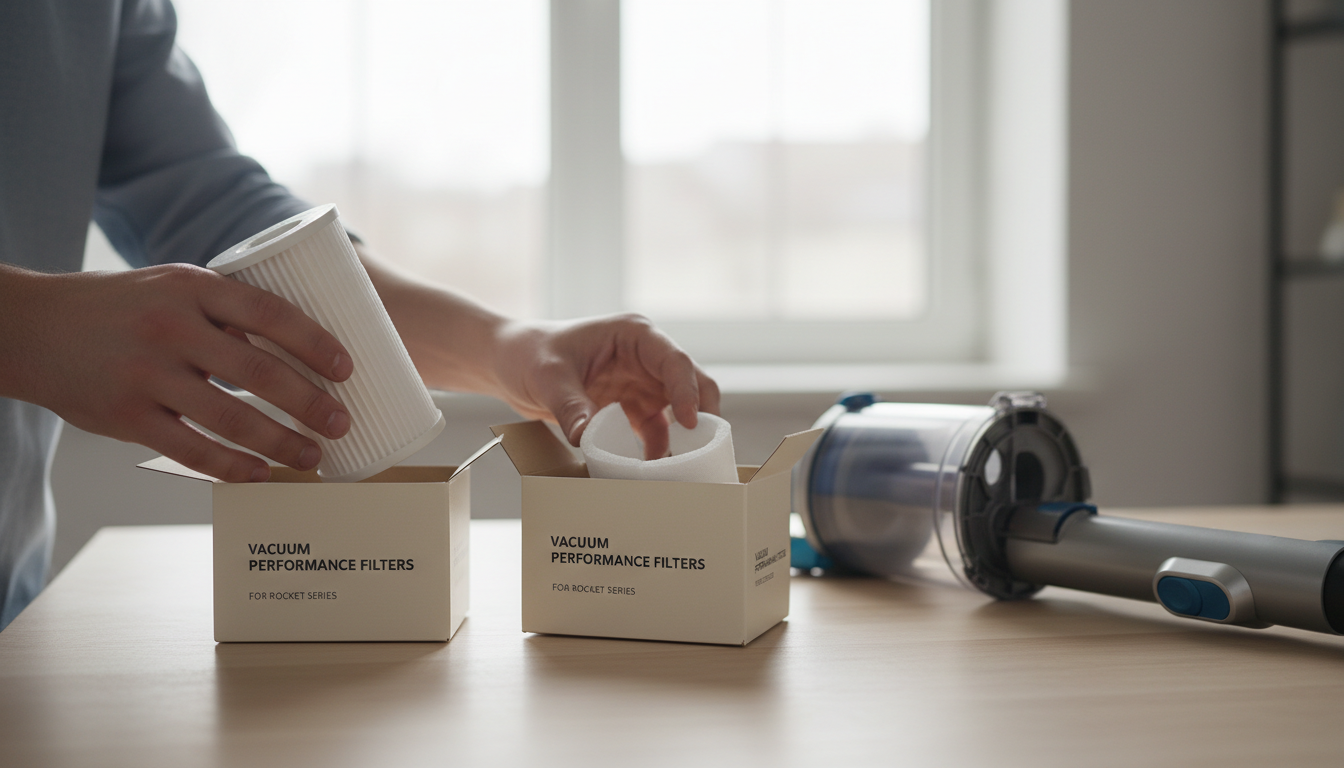
Shark Vacuum Cleaner Filters: A Buyer's Guide to Maintaining Your Machine
Maintaining Peak Performance: Your Guide to Shark Vacuum Filters
Shark vacuums are engineered for powerful cleaning, but their unique design, which often routes dust and debris directly to the filters, means these components play an exceptionally critical role. This direct path means that the filters are constantly working to trap particles, directly impacting both suction power and the air quality in your home. Neglecting these vital components can quickly lead to diminished cleaning efficiency, reduced suction, and the recirculation of allergens and dust back into your living space.
Understanding and maintaining your Shark vacuum's filters is not just about cleaning floors; it's about preserving the machine's effectiveness and ensuring a healthier environment. This guide will equip Shark vacuum owners with the knowledge to:
- Identify the specific filter types in their Shark model.
- Understand the importance of regular cleaning and timely replacement.
- Navigate selection criteria for replacement filters.
Making informed choices about filter selection and care is essential for resolving performance issues, ensuring the longevity of your machine, and optimizing your overall cleaning experience.
Understanding Shark Vacuum Filters: Types and Their Unique Role
Shark vacuum cleaners often feature a filtration system where dust and debris travel a direct path from the collection bin to the filters, rather than relying on extensive cyclonic separation to pre-filter larger particles. This design means the filters themselves are the primary barrier for capturing household contaminants, making their condition critical for both cleaning performance and maintaining indoor air quality.
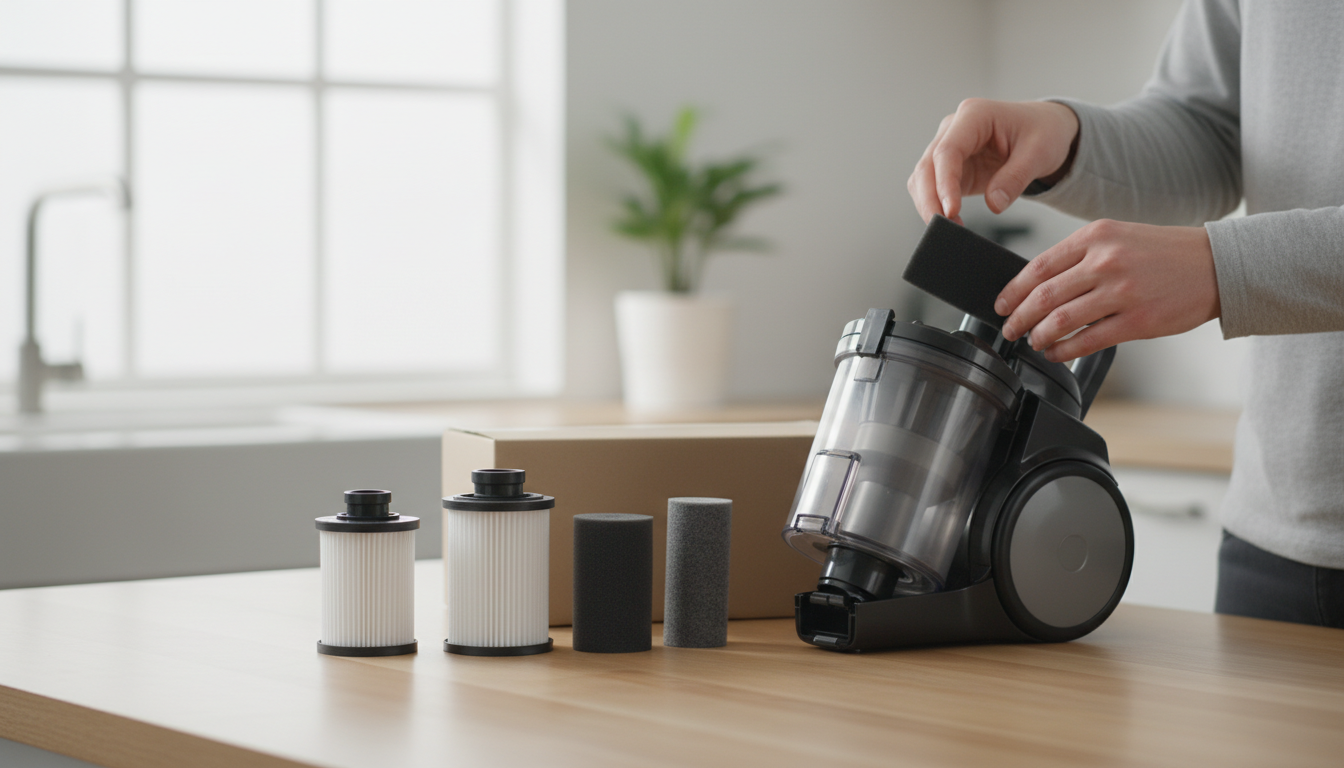
Within this system, Shark vacuums typically integrate a combination of filter types, each serving a distinct purpose in trapping particles:
- Foam Filters: These are often the first line of defense, designed to capture larger dust, dirt, and debris before they reach more delicate filters. Positioned in the pre-motor stage, they protect the vacuum's motor from larger particulates.
- Felt Filters: Working in conjunction with foam filters, felt filters target finer dust and allergens that bypass the foam layer. They provide an additional layer of pre-motor filtration, preventing smaller particles from impacting the motor or the exhaust filter.
- HEPA Filters: Many Shark models incorporate a High-Efficiency Particulate Air (HEPA) filter as the final stage of filtration. These filters are engineered to capture microscopic particles, including pet dander, pollen, and dust mites. A true HEPA filter is certified to remove 99.97% of airborne particles as small as 0.3 micrometers, significantly contributing to improved exhaust air quality.
Because Shark's design often places these filters directly between the dust bin and the motor, they are more susceptible to rapid clogging compared to vacuum designs that employ more robust multi-stage cyclonic separation. This direct exposure means the foam, felt, and HEPA filters can become saturated with debris quickly. When filters clog, airflow is restricted, leading to a noticeable decrease in suction power and potentially diminishing the vacuum's ability to trap fine particles effectively. Therefore, understanding the function of each filter type and adhering to a consistent maintenance and replacement schedule is essential for Shark owners to ensure optimal performance and air quality.
The Critical Impact of Filter Health on Your Shark Vacuum's Performance
Shark vacuums are engineered with a direct airflow path, channeling dust and debris straight to their filtration system. This design makes the health of your filters exceptionally critical, as they are the primary barrier between collected particles and your vacuum's motor, as well as the air you breathe. Neglecting these filters can rapidly diminish your machine's effectiveness and impact your home's air quality.
When filters become clogged with fine dust, pet dander, and other debris, they impede airflow. This restriction forces the vacuum's motor to work harder, leading to several direct consequences:
- Reduced Suction Power: The most immediate and noticeable effect is a significant drop in cleaning efficiency. Your Shark vacuum will struggle to pick up dirt, leaving behind debris and requiring more passes to achieve a clean surface.
- Compromised Air Quality: Dirty or worn filters, especially HEPA filters designed to capture 99.97% of particles 0.3 micrometers or larger, can no longer effectively trap microscopic allergens and dust. Instead, these particles may be re-circulated back into your living space, potentially exacerbating allergies or respiratory issues.
- Increased Machine Strain and Potential Damage: An obstructed filter causes the motor to overheat as it overcompensates for the lack of airflow. This sustained strain can shorten the lifespan of the motor and other internal components, leading to premature wear or even machine failure.
Conversely, regularly maintaining and replacing your Shark vacuum's filters offers clear benefits that address these issues directly. Proper filter management ensures:
- Optimal Cleaning Efficiency: Clean filters allow for unobstructed airflow, restoring your vacuum's suction power to its intended level and ensuring thorough cleaning with less effort.
- Extended Vacuum Lifespan: By preventing motor strain and overheating, regular filter care contributes significantly to the longevity of your Shark vacuum, protecting your investment.
- Improved Indoor Air Quality: Fresh, functional filters effectively capture allergens, dust, and other airborne irritants, preventing their release back into your home and promoting a healthier environment.
For Shark vacuum owners, understanding and implementing a consistent filter maintenance schedule is not just about cleaning; it's about preserving peak performance, extending the life of their appliance, and maintaining a healthier home environment.
Selecting the Correct Replacement Filters for Your Shark Vacuum Model
Shark vacuums often route dust directly to their filters, making precise filter selection and maintenance critical for sustained performance and air quality. Choosing the right replacement filters involves understanding your specific model's requirements, evaluating filter types, and weighing the trade-offs between various options.
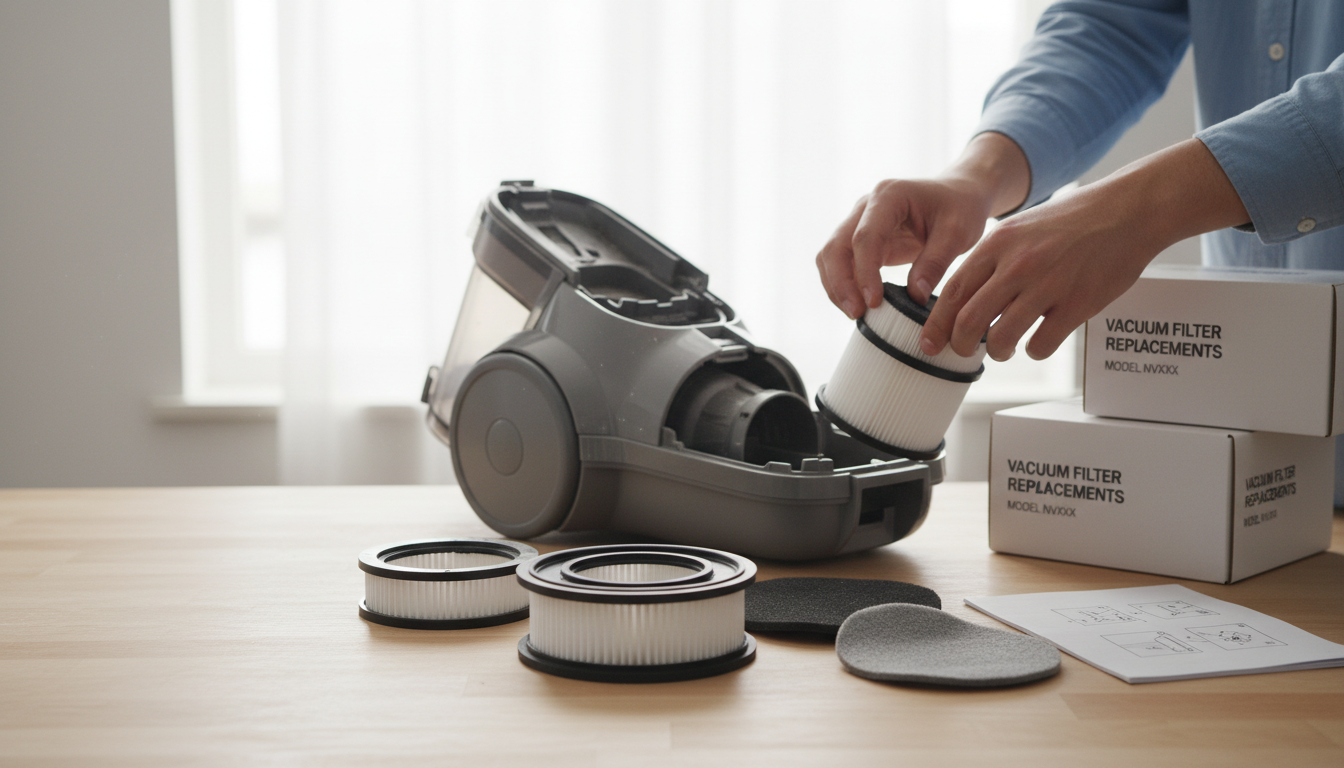
To begin, accurately identify your Shark vacuum model. This information is typically found on a sticker located on the back or bottom of the vacuum itself. Once identified, consult your vacuum's user manual or the manufacturer's website for the exact filter part numbers required. Shark vacuums commonly utilize a combination of foam, felt, and HEPA filters, each designed for a specific stage of the filtration process. Confirming these part numbers helps ensure compatibility and proper function.
When considering replacement filters, you'll generally encounter two main categories:
- Original Equipment Manufacturer (OEM) Filters: These are produced by Shark or its authorized partners.
- Considerations: OEM filters are designed to precise specifications for your vacuum model, ensuring an exact fit and optimal performance. They are typically made with materials that meet Shark's quality standards, which can contribute to effective filtration and motor protection. However, they usually come at a higher price point.
- Aftermarket Filters: These are produced by third-party manufacturers.
- Considerations: Aftermarket options are often more budget-friendly. However, their quality and fit can vary significantly. Some may offer comparable performance, while others might have less effective filtration media, looser seals, or dimensions that don't perfectly match, potentially leading to air leaks or reduced suction.
Another key decision involves the filter's washability:
- Washable Filters: Many Shark vacuums come with washable foam and felt filters.
- Trade-offs: These offer long-term cost savings and reduce waste, as they can be cleaned and reused. However, they require careful washing and a significant drying period (often 24-48 hours) to prevent mold growth and ensure proper function. Improper drying can damage the filter or introduce moisture into the vacuum. Repeated washing can also lead to gradual degradation of the filter material over time.
- Non-Washable (Disposable) Filters: Some HEPA filters, for instance, are designed for one-time use.
- Trade-offs: These provide consistent performance until replacement and eliminate the need for drying time. They are generally simpler to replace but incur ongoing costs and contribute more to waste over the vacuum's lifespan.
Regardless of your choice, evaluating filter quality and ensuring a proper fit are paramount. A well-fitting filter creates an airtight seal, preventing unfiltered air from bypassing the filtration system and protecting the motor from fine dust. Inspect the replacement filter for sturdy construction, dense material (for foam/felt), and robust seals. Any gaps or loose fit can compromise suction and allow dust to recirculate into your home or damage the vacuum's internal components.
Maintaining Your Shark Vacuum Filters: Cleaning and Replacement Schedule
The unique design of Shark vacuums, which often directs dust and debris through multiple filtration stages, means that consistent filter maintenance is crucial. Regular cleaning and timely replacement of your Shark vacuum's filters are essential steps to sustain optimal suction, prevent motor strain, and ensure the air expelled by your machine remains clean. Neglecting these tasks can lead to diminished performance, persistent odors, and a shortened lifespan for your appliance.
Cleaning Washable Filters
Many Shark vacuum models feature washable foam and felt pre-motor filters designed for regular cleaning. Proper technique is vital to avoid damage and ensure effective filtration.
- Removal: Consult your vacuum's user manual to locate and carefully remove the foam and felt filters. These are typically found near the dust cup.
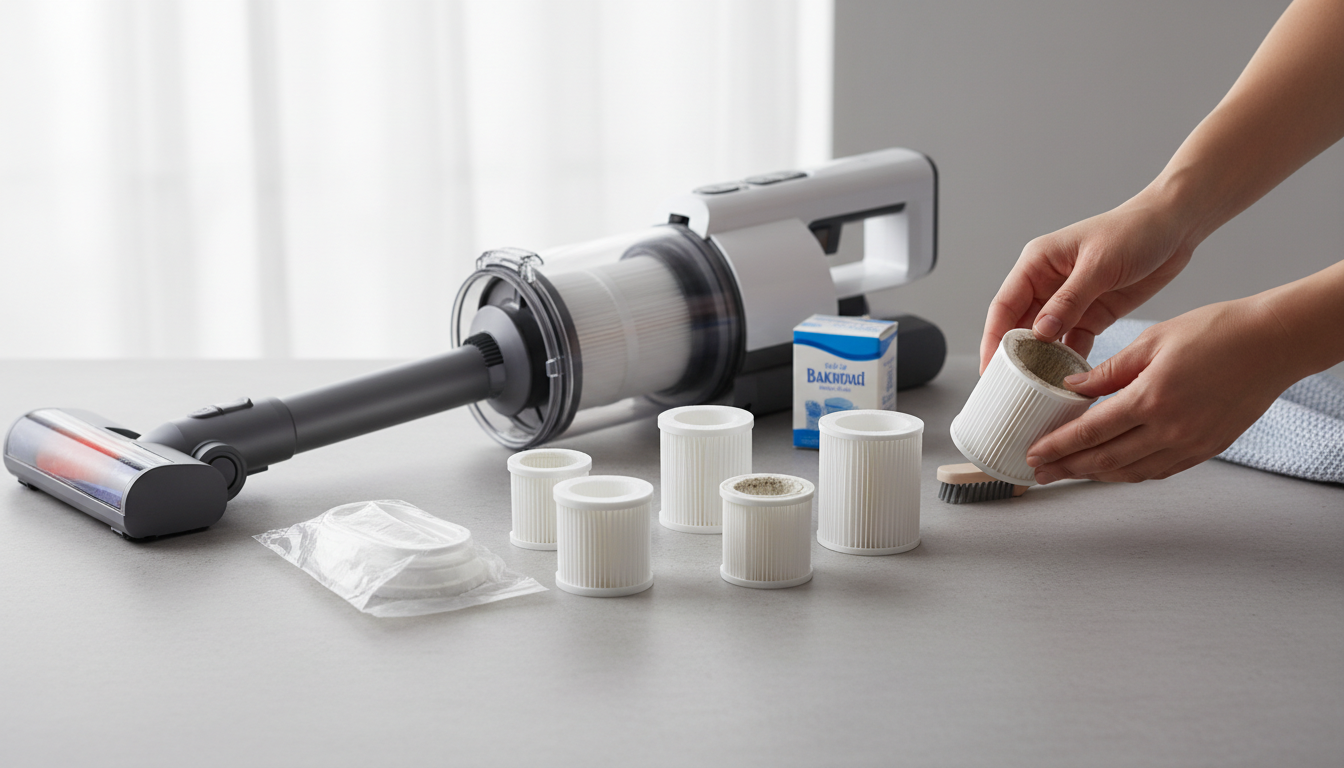
- Rinsing: Hold the filters under cool, running water. Gently squeeze and rinse them repeatedly until the water running off appears clear and free of debris. Avoid using soap or detergents, as these can degrade the filter material.
- Drying: This is a critical step. Squeeze out as much excess water as possible. Then, lay the filters flat in a well-ventilated area to air dry completely. This process can take at least 24 hours, and sometimes longer. Reinstalling even slightly damp filters can lead to mold growth, unpleasant odors, and potential damage to your vacuum's motor. Ensure they are bone dry before placing them back into the machine.
Replacement Schedule and Indicators
Even washable filters have a finite lifespan, and non-washable filters, like HEPA filters, require periodic replacement to maintain their effectiveness.
- Foam and Felt Filters: For most Shark models, these washable filters should be cleaned monthly with regular use. However, they typically need to be replaced entirely every 3 to 6 months, depending on usage frequency and household environment (e.g., presence of pets, high dust levels).
- HEPA Filters: Shark vacuums often incorporate a post-motor HEPA filter, which is generally not washable. These filters are designed to capture microscopic particles and allergens. HEPA filters typically require replacement every 1 to 2 years. Always check your specific model's manual for precise recommendations.
Beyond these general guidelines, several signs indicate that your filters, regardless of type, need immediate attention:
- Visible Dirt and Discoloration: If filters appear heavily soiled, discolored, or clogged with embedded dust and debris that cannot be rinsed away.
- Loss of Suction: A noticeable and persistent decrease in your vacuum's suction power, even after emptying the dust cup, often points to a clogged filter.
- Persistent Odors: If your vacuum emits a stale, musty, or unpleasant smell during operation, it could be due to dirty filters trapping odor-causing particles.
- Increased Dust Exhaust: If you observe fine dust or particles being expelled from the vacuum's exhaust, it suggests the filters are no longer effectively trapping debris.
- Motor Overheating: Clogged filters can restrict airflow, causing the motor to work harder and potentially overheat.
Adhering to these cleaning and replacement schedules helps ensure your Shark vacuum continues to perform efficiently, capturing dirt and allergens effectively, and extending the life of your appliance.
Troubleshooting Common Shark Vacuum Performance Issues Related to Filters
Shark vacuums are designed with a direct airflow path that routes dust and debris straight to the filtration system. While efficient, this design means filters bear the brunt of incoming dirt, making them a frequent culprit when performance declines. Recognizing filter-related problems early can prevent further issues and restore your vacuum's effectiveness.
A primary indicator of filter trouble is a significant loss of suction. When filters become saturated with fine dust and debris, they restrict airflow to the motor. This chokes the vacuum's ability to pull air, leading to poor cleaning performance. Improperly installed filters, even clean ones, can also cause air leaks, bypassing the filtration system and reducing suction.
Beyond reduced suction, other symptoms often point to filter issues:
- Unusual Noises: A motor straining against restricted airflow from a clogged filter may produce a higher-pitched whine or a labored sound.
- Unpleasant Odors: Filters can trap pet dander, mold spores, or general household grime, leading to stale or musty smells emitted during operation.
- Vacuum Shutting Off: Persistent restriction of airflow can cause the motor to overheat. Many Shark models have a thermal cut-off safety feature that will automatically shut down the vacuum to prevent damage.
Before considering more complex repairs, perform these simple troubleshooting steps:
- Inspect Filter Cleanliness: Remove all filters (foam, felt, and HEPA, if applicable) and visually check for accumulated dust and debris. Even seemingly minor build-up can impact performance due to Shark's direct dust-loading design.
- Clean Washable Filters Thoroughly: If your Shark filters are washable, rinse them under lukewarm water until the water runs clear. Crucially, allow them to air dry completely for at least 24 hours before reinstallation. Reinserting damp filters can damage the motor or promote mold growth.
- Ensure Correct Installation: Verify that each filter is seated firmly and correctly in its designated slot. Any gaps or misalignment can compromise the sealed system, leading to suction loss.
- Check Filter Integrity: Look for any tears, holes, or signs of degradation in the filter material. Foam filters, in particular, can become brittle or compressed over time.
If cleaning and correct installation do not resolve the performance issues, or if filters show visible signs of damage or wear, filter replacement is often the necessary solution. Given how directly dust impacts Shark filters, they have a finite lifespan. Persistent odors, chronic overheating, or a continued lack of suction after thorough cleaning are strong indicators that your filters have reached the end of their effective life and require replacement to restore your Shark vacuum's optimal performance.
Frequently Asked Questions About Shark Vacuum Filters
Understanding your Shark vacuum's filtration system is key to maintaining its cleaning power and ensuring healthy indoor air. Here are answers to common questions regarding these essential components.
Why are Shark vacuum filters so critical for performance?
Shark vacuums are designed with a direct airflow path that routes dust and debris through multiple filters before exhausting air. This design means filters are on the front lines of capturing particles. When filters become clogged with fine dust and debris, airflow is restricted, causing the motor to work harder and leading to a noticeable drop in suction power. This directly impacts the vacuum's ability to pick up dirt effectively and can strain the motor over time.
How often should I clean or replace my Shark vacuum filters?
The frequency for cleaning and replacement varies by filter type and vacuum usage. Foam and felt pre-motor filters often require cleaning every 1-3 months, or more frequently with heavy use or pet hair. HEPA post-motor filters, if your model includes one, are typically replaced annually. Always consult your specific Shark vacuum model's user manual for precise recommendations, as schedules can differ. Neglecting these intervals can lead to diminished performance and air quality.
Can I wash all types of Shark vacuum filters?
No, not all Shark vacuum filters are designed for washing. Many Shark models feature washable foam and felt pre-motor filters, which can be rinsed with water and air-dried completely before reinstallation. However, most HEPA post-motor filters are not washable. Attempting to wash a non-washable HEPA filter can damage its delicate fibers, reducing its filtration efficiency and potentially releasing trapped allergens back into the air. Always refer to your vacuum's manual to confirm which filters are washable.
What are the risks of not replacing Shark vacuum filters?
Failing to clean or replace filters as recommended poses several risks. The most immediate is a significant reduction in suction power, making the vacuum less effective. Over time, clogged filters can cause the motor to overheat and potentially lead to premature motor failure, shortening the vacuum's lifespan. Crucially, neglected filters can also compromise indoor air quality by allowing fine dust, allergens, and pet dander to recirculate into your home instead of being trapped.
Is it okay to use generic replacement filters for my Shark vacuum?
Using generic replacement filters can be a cost-effective option, but it's important to exercise caution. The primary concern is ensuring the generic filters meet the precise specifications and filtration standards of Shark's original equipment. Poorly fitting filters can create air gaps, allowing unfiltered air to bypass the system. Lower-quality generic materials might also offer inferior filtration, leading to reduced performance and compromised air quality. When considering generic options, look for those that explicitly state compatibility with your specific Shark model and have positive user feedback regarding fit and function.
Ensuring Longevity and Peak Performance for Your Shark Vacuum
Maintaining your Shark vacuum's filters is not merely a suggestion, but a critical practice for preserving its effectiveness. Given the direct path dust often takes to the filters in many Shark models, proactive management of these components directly impacts suction power and air quality.
Regularly inspecting, cleaning, and replacing your Shark's filters—whether foam, felt, or HEPA—ensures sustained performance, prevents common issues like reduced suction, and safeguards your indoor air. This consistent attention to filter care contributes to a cleaner home environment, healthier air for occupants, and significantly extends the operational lifespan of your appliance. Taking an active role in your vacuum's maintenance schedule is key to maximizing its potential.
More in Vacuum Cleaner Filters
View All
Hoover Vacuum Cleaner Filters: A Guide to Compatibility and Performance
Dirt Devil Vacuum Cleaner Filters: Essential Replacements for Longevity