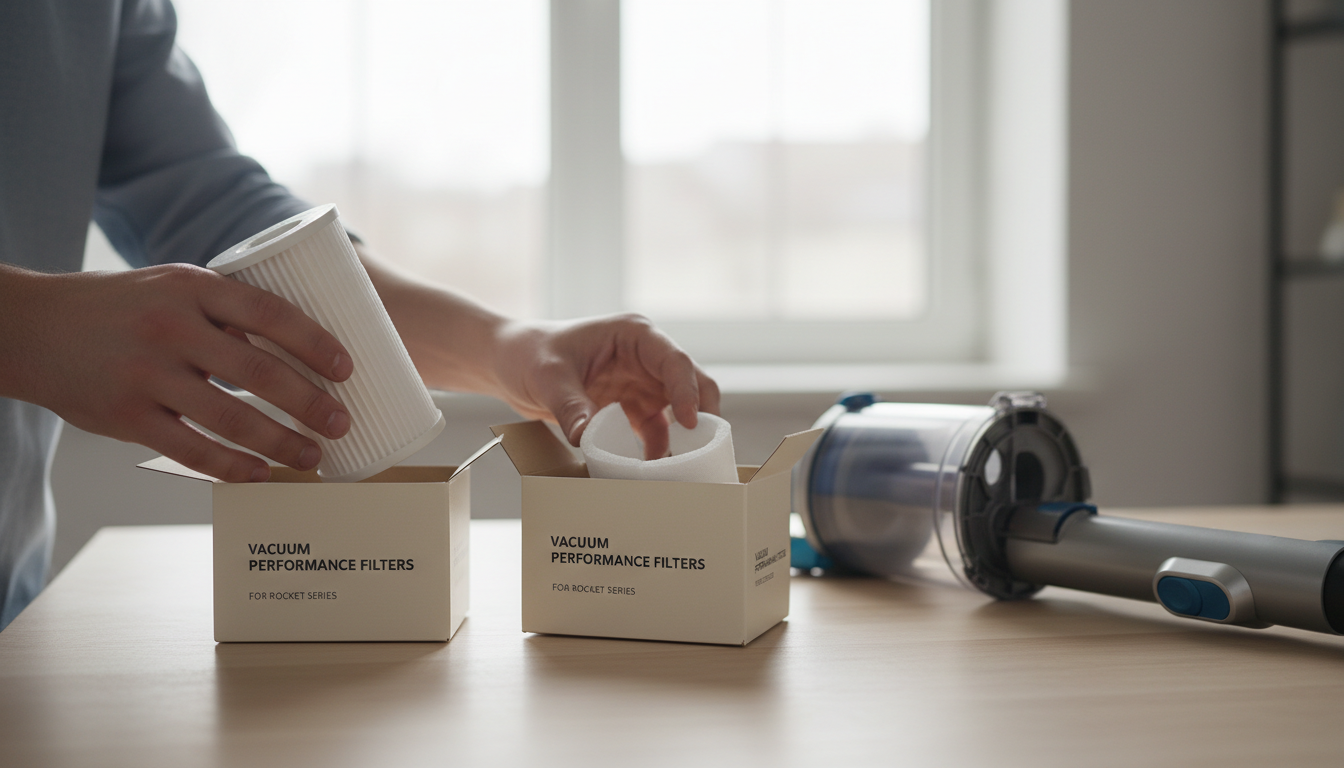
Finding the Best Shark Navigator Vacuum Cleaner Filters for Your Model
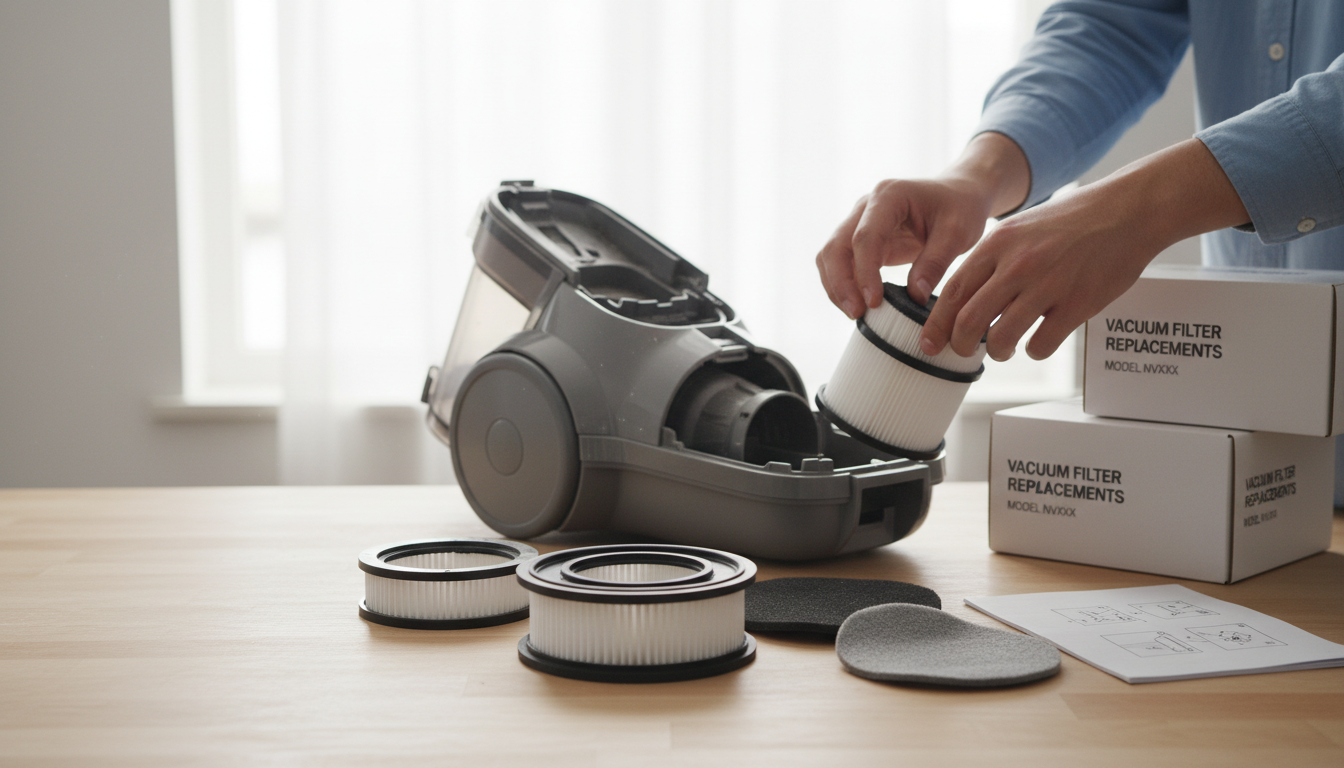
Essential Guide to Shark Navigator Vacuum Cleaner Filters
For Shark Navigator owners, the filtration system is central to both cleaning effectiveness and indoor air quality. Clean filters are critical for maintaining consistent suction power and extending your vacuum's operational life. As debris accumulates, a clogged filter can strain the motor and recirculate fine particles back into your home environment, diminishing the very purpose of vacuuming.
Most Shark Navigator vacuums employ a multi-stage filtration setup, typically including foam and felt pre-motor filters, alongside a post-motor HEPA filter. Each plays a distinct role in capturing particles of varying sizes, from visible dust to microscopic allergens. However, the diverse range of Navigator models means that filter dimensions and designs are not universal. Selecting the exact replacement filters—foam, felt, and HEPA—for your specific model is crucial for proper fit and sustained performance. This guide aims to clarify these distinctions, empowering you to confidently choose and maintain the correct filters for your Shark Navigator.
Decoding Your Shark Navigator's Filtration System: Foam, Felt, and HEPA
Shark Navigator vacuum cleaners employ a multi-stage filtration system designed to capture a wide range of particles, from large debris to microscopic allergens, before air is exhausted back into your home. This system typically relies on a combination of foam, felt, and HEPA filters working in sequence to ensure thorough air purification and maintain vacuum performance. Understanding each filter's role is key to proper maintenance and selecting the correct replacements.
The initial line of defense in your Shark Navigator is often the foam filter. Positioned to catch larger dust and debris, this filter prevents bigger particles from reaching and potentially clogging the finer filters downstream. Typically made from a porous foam material, these filters are designed for durability and are generally washable, allowing for regular cleaning to restore their effectiveness. Their primary function is to protect the subsequent filtration stages from premature wear and blockages.
Following the foam filter, a felt filter works to capture finer dust and smaller particles that bypass the initial foam layer. These filters are commonly made from a thicker, more fibrous material, sometimes with a textured surface, which enhances their ability to trap microscopic debris. Like their foam counterparts, felt filters are typically washable. Regular rinsing and drying are crucial to ensure they continue to efficiently trap particles and maintain optimal airflow through the vacuum.
The final and most critical stage for air quality is the HEPA filter. HEPA stands for High-Efficiency Particulate Air, and these filters are engineered to trap 99.97% of airborne particles 0.3 microns in diameter. Many Shark Navigator models feature an H13 HEPA filter, which meets this stringent standard, making them highly effective at capturing allergens, pet dander, dust mites, and other microscopic irritants. Unlike foam and felt filters, HEPA filters are generally not designed for washing; attempting to wash them can damage their delicate structure and compromise their filtration efficiency. They are typically replaced annually, depending on usage, to ensure continued high-level air purification.
Together, these three filter types create a comprehensive filtration barrier. The foam and felt filters protect the HEPA filter from larger debris, extending its lifespan and allowing it to focus on trapping the smallest, most problematic particles. This layered approach ensures that the air expelled from your Shark Navigator is cleaner, contributing to a healthier indoor environment while preserving the vacuum's suction power.
Matching Filters to Your Shark Navigator: Navigating Model Numbers
Selecting the correct replacement filters for your Shark Navigator is essential for maintaining its performance and ensuring proper air filtration. Even within the Shark Navigator line, filter dimensions and configurations can vary significantly between models. Accurately identifying your specific vacuum model is the critical first step to guarantee compatibility and avoid purchasing unsuitable filters.
To confidently select your filters, consider the following steps:
-
Locate Your Vacuum's Model Number: The most reliable way to identify your Shark Navigator model is to find the product information label directly on the vacuum cleaner. This label is typically located on the back, bottom, or side of the main motor body or the portable Lift-Away pod. Look for "Model No." or "P/N" followed by a series of letters and numbers (e.g., NV352, UV440, NV501). This exact sequence is your definitive reference.
-
Understand Navigator Series Distinctions: Shark Navigator vacuums are categorized into various series, such as Lift-Away, Professional, and Deluxe. While models within the same series might share some characteristics, their filter sets are not always interchangeable. For instance, a "Lift-Away Deluxe" model may have different filter requirements than a standard "Lift-Away" or "Professional" version. Always prioritize the specific model number over the general series name when searching for filters.
-
Address Model Number Variations: Occasionally, you might encounter similar-looking model numbers, such as UV440 and NV440, which can cause confusion. While some variations might indicate minor cosmetic differences or retail exclusives, their internal components, including filters, can sometimes be functionally identical. However, never assume interchangeability. If your model number has a slight variation, cross-reference it carefully with filter product descriptions. Many filter manufacturers or sellers will explicitly list compatible model numbers, including common variations, to guide your purchase.
-
Verify Filter Product Descriptions: Before finalizing any purchase, meticulously compare the filter product description against your vacuum's exact model number. Pay close attention to any listed compatibility details, including specific model numbers or series. A filter set designed for an NV352, for example, may not fit an NV501, even if both are "Lift-Away" models. Confirming that your vacuum's model number is explicitly stated as compatible in the filter's description is the most effective way to prevent fit issues and ensure optimal performance.
Optimizing Performance: Your Shark Navigator Filter Replacement Schedule
Maintaining a consistent filter replacement schedule is paramount for your Shark Navigator's performance, extending its lifespan, and ensuring effective air filtration. While general guidelines exist, your specific usage patterns and household environment will ultimately dictate the ideal frequency for each filter type. Proactive filter care prevents diminished suction, motor strain, and the recirculation of dust and allergens.
For the foam and felt pre-motor filters, which capture larger particles before they reach the motor, a regular cleaning routine is essential.
- Cleaning Frequency: Aim to wash these filters every 1 to 3 months, depending on your vacuuming habits. If you frequently clean up pet hair, fine dust, or use your vacuum in high-traffic areas, more frequent washing will be necessary.
- Replacement Frequency: Even with regular washing, these filters degrade over time. Plan to replace your foam and felt filters every 6 to 12 months, or sooner if you notice visible wear, tearing, or if they no longer return to their original color after washing.
The HEPA post-motor filter is critical for capturing microscopic allergens and fine dust particles before air is exhausted. Unlike the pre-motor filters, washing a HEPA filter is generally not recommended by experts, as it can damage the delicate filtration material and compromise its effectiveness, even if some manufacturer instructions suggest it's theoretically possible.
- Replacement Frequency: A good rule of thumb is to replace your Shark Navigator's HEPA filter annually. This ensures that its fine filtration capabilities remain intact, especially important for households with allergy sufferers or pets.
Several factors can accelerate filter degradation and necessitate more frequent replacement:
- Pet Hair: Vacuuming large amounts of pet hair can quickly clog filters, particularly the foam and felt layers.
- Heavy Usage: Frequent vacuuming, especially daily or multiple times a week, will naturally put more strain on your filters.
- Dusty Environments: Homes undergoing renovation, or those in areas with high pollen or construction dust, will require more diligent filter maintenance.
- Allergies/Asthma: If anyone in your household suffers from allergies or asthma, maintaining peak filter performance is even more critical, suggesting adherence to the shorter end of replacement intervals.
Your Shark Navigator will often provide clear indicators when its filters require attention:
- Reduced Suction Power: This is often the most noticeable sign. If your vacuum isn't picking up debris as effectively as it once did, even with an empty dust cup, clogged filters are a likely culprit.
- Unusual Odors: A musty or unpleasant smell emanating from the vacuum's exhaust can indicate trapped dirt, mold, or bacteria within the filters.
- Visible Dirt Exhaustion: If you notice fine dust or particles being expelled from the vacuum's exhaust, it's a strong sign that the post-motor (HEPA) filter is compromised or heavily soiled.
- Overheating Motor: Clogged filters force the motor to work harder, potentially leading to overheating and automatic shutdown to prevent damage.
- Visible Filter Degradation: Inspect your foam and felt filters for tears, thinning spots, or permanent discoloration that washing cannot remove. For the HEPA filter, look for significant dark discoloration or damage to the pleats.
To check and replace your filters, always unplug your Shark Navigator first. The foam and felt filters are typically located near the dust cup assembly, while the HEPA filter is often found at the rear or bottom of the main vacuum body. Refer to your specific Shark Navigator model's user manual for precise instructions on accessing and removing each filter.
Care for Your Filters: Washable Options and Critical HEPA Handling
Proper filter maintenance is pivotal for your Shark Navigator's performance and longevity. Not all filters are designed for the same care, and understanding these distinctions is crucial to avoid damage and ensure effective filtration. Your Shark Navigator typically uses a combination of washable foam and felt filters, and a non-washable HEPA filter.
Washing Foam and Felt Filters The foam and felt filters in your Shark Navigator are typically washable, designed to be cleaned and reused multiple times before needing replacement. Regular cleaning prevents dust and debris buildup, which can restrict airflow and strain your vacuum's motor.
- Remove Filters: Locate and remove the foam and felt filters from your vacuum, usually found in the dust cup assembly.
- Rinse with Cold Water: Hold the filters under cold, running water. Gently squeeze them to help dislodge trapped dirt. Continue rinsing and squeezing until the water runs clear. Avoid using detergents or hot water, as these can degrade the filter material.
- Squeeze Out Excess Water: Firmly squeeze out as much water as possible from both filters.
- Air Dry Completely: This step is critical. Lay the filters flat in a well-ventilated area to air dry for at least 24 hours. Do not use a clothes dryer, hairdryer, or any other heat source, as this can damage the filter material. Ensure they are completely dry before reinserting them into your vacuum. Any residual moisture can lead to mold growth or damage your vacuum's motor.
Handling HEPA Filters: A Non-Washable Component Unlike foam and felt filters, the HEPA (High-Efficiency Particulate Air) filter in your Shark Navigator is not washable. Attempting to wash a HEPA filter can severely compromise its effectiveness. Research indicates that the delicate fibers designed to trap microscopic particles can be damaged and clogged by water, rendering the filter ineffective at capturing allergens and fine dust.
- Do Not Wash: Never rinse, submerge, or attempt to clean your HEPA filter with water or any cleaning solution.
- Replacement Only: HEPA filters are designed for periodic replacement, typically once a year, depending on usage. If your HEPA filter appears discolored or your vacuum's suction power diminishes despite clean foam and felt filters, it's likely time for a replacement.
Risks of Improper Filter Care Neglecting proper filter care or mismanaging filter types can lead to several issues:
- Reduced Suction Power: Clogged or damaged filters restrict airflow, forcing the motor to work harder and significantly decreasing cleaning efficiency.
- Motor Damage: A continuously obstructed airflow can cause the vacuum motor to overheat and potentially fail prematurely, leading to costly repairs or replacement.
- Mold and Mildew Growth: Reinserting damp washable filters creates an ideal environment for mold and mildew to grow, introducing unpleasant odors and potentially harmful spores into your home.
- Compromised Air Quality: A damaged or improperly maintained HEPA filter cannot effectively trap allergens and fine particles, allowing them to recirculate into your living space and diminish the air quality.
Avoiding Filter Fails: What to Watch Out For When Buying Replacements
Purchasing replacement filters for your Shark Navigator should be a straightforward process, but several common pitfalls can lead to suboptimal performance or wasted expense. Being aware of these risks helps ensure you select the right filters for effective vacuum operation and indoor air quality.
- Generic Filter Quality and Fit: While aftermarket or generic filters can be more affordable, their quality can vary significantly. Filters that don't meet the original specifications for material density (e.g., foam PPI), filtration efficiency (e.g., true H13 HEPA standard), or precise dimensions can compromise your vacuum's performance. An ill-fitting filter may allow unfiltered air to bypass the system, re-releasing dust and allergens, or even strain the motor due to improper airflow. Always verify that generic options explicitly state compatibility with your model and adhere to filtration standards.
- Misidentifying Your Vacuum Model: A frequent mistake is assuming all "Shark Navigator Lift-Away" models use the same filters. Shark produces numerous Navigator variants, often with subtle differences in model numbers (e.g., NV352, NV360, UV440, NV440). Even a single digit or letter difference can mean incompatible filter sizes or designs. Always locate the specific model number, typically found on a sticker on the vacuum's body, before making a purchase. This ensures a precise fit for your foam, felt, and HEPA filters.
- Neglecting Regular Filter Replacement: Over time, filters become saturated with dust and debris, regardless of how often they are cleaned. A clogged filter restricts airflow, forcing your vacuum's motor to work harder, which can lead to decreased suction power, motor overheating, and reduced lifespan. Crucially, an overloaded filter can also lose its ability to trap fine particles, causing your vacuum to re-release allergens and dust back into your living space. While washable foam and felt filters can be cleaned, the HEPA filter is typically not washable and generally requires annual replacement, depending on usage.
- Overlooking Multi-Pack Options: Many Shark Navigator models require a set of filters—foam, felt, and HEPA—to function optimally. Purchasing these individually can sometimes be less convenient or more expensive. Look for multi-pack options that include all the necessary filter types for your specific model. This ensures you have a complete set for replacement, maintaining the integrity of your vacuum's multi-stage filtration system.
Your Questions Answered: Shark Navigator Filter FAQs
Understanding the nuances of Shark Navigator filters can help maintain your vacuum's performance and indoor air quality. Here are answers to common questions about selecting and caring for your filters.
-
Can I use any Shark filter for my Navigator model? No, Shark Navigator filters are typically model-specific. Dimensions, shapes, and even the materials of foam, felt, and HEPA filters can vary significantly between different Navigator series (e.g., NV350, NV360, ZU503AMZ). Using a filter not designed for your specific model can lead to an improper fit, reduced filtration efficiency, air leaks, or even damage to your vacuum's motor due to increased strain. Always verify compatibility by checking your vacuum's full model number, usually found on a sticker on the vacuum body, against the filter's listed compatible models.
-
Is it really necessary to replace the HEPA filter every year? For optimal performance and air purification, replacing your Shark Navigator's HEPA filter annually is generally recommended. While some manufacturers suggest a longer lifespan, consistent use, especially in homes with pets or allergy sufferers, can lead to faster accumulation of fine particles. Unlike foam and felt filters, HEPA filters are designed to capture microscopic allergens and are not washable. Attempting to wash a HEPA filter can damage its delicate structure, compromising its filtration capabilities and potentially releasing trapped particles.
-
What are the consequences of not replacing my vacuum filters? Neglecting filter replacement can lead to several issues that impact both your vacuum's effectiveness and your home environment:
- Reduced Suction Power: Clogged filters restrict airflow, forcing the motor to work harder with less effective suction.
- Motor Strain and Overheating: The increased effort required from the motor can lead to overheating, potentially shortening the vacuum's lifespan or causing it to shut off during use.
- Diminished Air Quality: Filters that are past their prime lose their ability to trap fine dust and allergens, allowing these particles to be recirculated back into your home's air.
- Unpleasant Odors: Trapped dust, pet dander, and other debris within old filters can develop unpleasant odors that are then expelled into your living space.
-
Are there different 'grades' or qualities of HEPA filters for Shark Navigator vacuums? Yes, while many Shark Navigator models come with "True HEPA" filters, which are certified to capture 99.97% of airborne particles 0.3 microns in size, there can be variations. Some aftermarket filters might be labeled "HEPA-type" or "HEPA-style," which may not meet the strict True HEPA standard. When selecting a replacement, look for filters explicitly stating they meet the True HEPA standard, often denoted by an H13 rating, to ensure you maintain the highest level of air filtration for your vacuum.
-
How do I know if my filters are washable? The washability of your Shark Navigator filters depends on the specific filter type and your vacuum model. Generally:
- Foam and Felt Filters: These pre-motor filters are typically washable. They are designed to be rinsed under cold water until the water runs clear.
- HEPA Filters: Post-motor HEPA filters are almost universally not washable. Washing can destroy the intricate fibers that make them effective. Always consult your Shark Navigator's user manual for definitive instructions on which filters are washable and the proper cleaning procedure. If a manual is unavailable, check for care instructions printed directly on the filter itself. After washing, allow foam and felt filters to air dry completely for at least 24 hours before reinserting them into your vacuum to prevent mold growth or damage to the motor.
Making the Right Choice for Your Shark Navigator's Longevity and Performance
Selecting the correct replacement filters for your Shark Navigator is a direct investment in both its cleaning efficacy and the air quality of your home. You've seen that the filtration system typically involves a sequence of foam, felt, and HEPA filters, each with a specific function. The foam filter acts as the first barrier, capturing larger debris and protecting the subsequent layers. The felt filter then targets finer dust particles. Finally, the HEPA filter, often rated H13, is crucial for trapping microscopic allergens and fine particulates before air is exhausted, preventing them from recirculating.
The critical takeaway is the non-negotiable need for model-specific compatibility. Despite visual similarities, filters are engineered to fit particular Shark Navigator models precisely. Using filters not designed for your specific model can lead to improper sealing, reduced filtration efficiency, and potential damage to your vacuum's motor due to increased strain. Always verify your vacuum's exact model number to ensure you purchase the correct replacement set, whether it's for washable foam and felt filters or the non-washable HEPA component.
Consistent maintenance, including regular cleaning of washable filters and timely replacement of all filter types, is paramount. Washable filters, while designed for longevity, can clog over time even with cleaning, reducing airflow and suction. The non-washable HEPA filter, in particular, requires annual replacement to maintain its allergen-trapping effectiveness. Adhering to these practices not only sustains your vacuum's powerful suction and filtration capabilities but also extends its operational lifespan, safeguarding your investment. By understanding these components and prioritizing compatibility and maintenance, you are now equipped to make confident, informed decisions for your Shark Navigator.
More in Vacuum Cleaner Filters
View All
Hoover Vacuum Cleaner Filters: A Guide to Compatibility and Performance
Dirt Devil Vacuum Cleaner Filters: Essential Replacements for Longevity