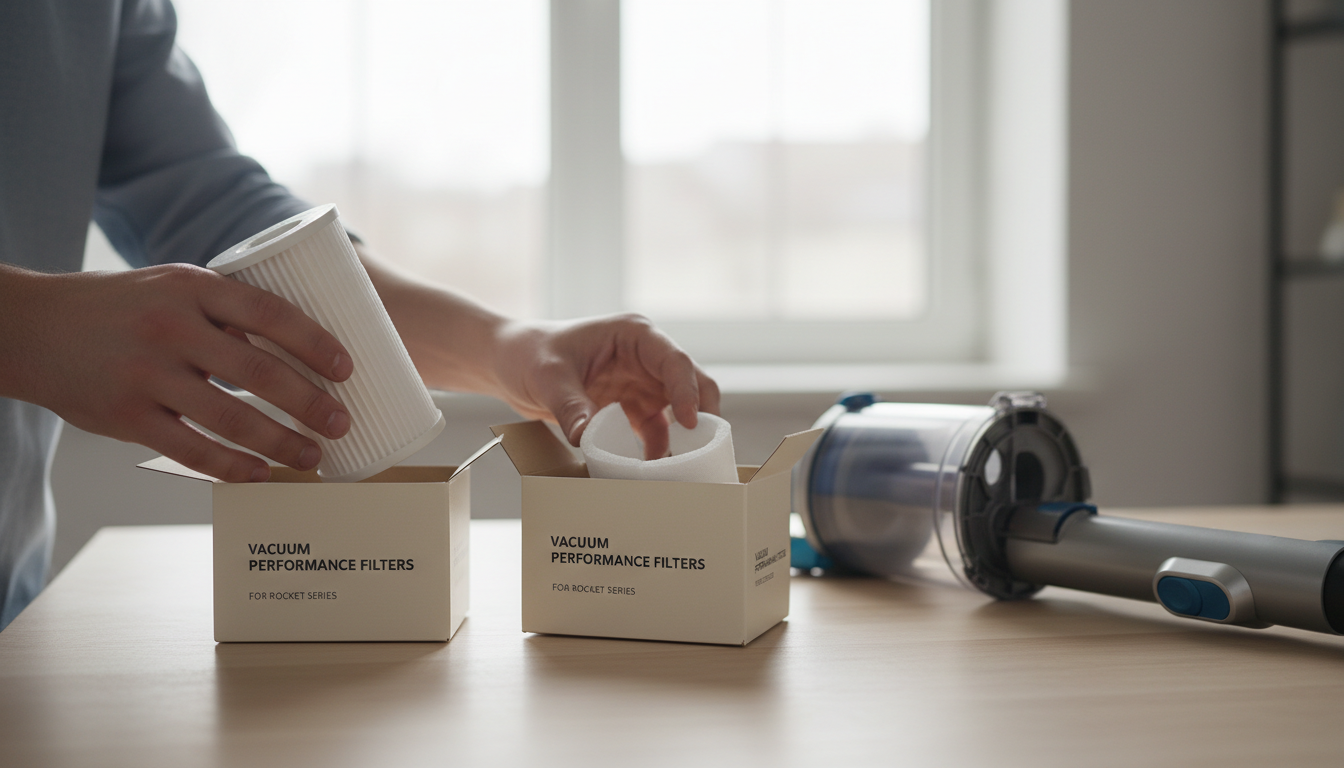
Dyson Vacuum Cleaner Filters: How to Choose and When to Replace for Peak Suction
Unlocking Peak Suction: Your Guide to Dyson Vacuum Cleaner Filters
Dyson vacuum cleaners are engineered for powerful suction and advanced air filtration, a performance promise critically dependent on their filters. These essential components work to capture microscopic dust, allergens, and debris, preventing them from recirculating into your home's air and ensuring the vacuum maintains its renowned cleaning efficiency. Neglecting filter care can lead to diminished suction, reduced air quality, and potentially shorten your machine's lifespan.
This comprehensive guide empowers Dyson owners to maintain their vacuum's peak performance. We will cover:
- Understanding the different types of Dyson filters and their functions.
- Best practices for routine filter maintenance and cleaning.
- Identifying the right time to replace filters for optimal operation.
- Addressing model-specific considerations for various Dyson vacuums.
By making informed decisions about filter selection and care, you can ensure your Dyson continues to deliver powerful, consistent cleaning for years to come.
Beyond the Dust Bin: Why Dyson's Filtration System is Key
Dyson vacuum cleaners are engineered with a sophisticated filtration system that extends beyond simple dust collection. This multi-stage approach, combined with a sealed machine design, is crucial for both maintaining powerful suction and ensuring the quality of air released back into your home. Understanding its technical significance empowers owners to appreciate the role filters play in overall vacuum performance and indoor environment.
Dyson's filtration is designed to capture microscopic particles, not just visible debris. This is achieved through:
- Multi-Stage Filtration: Before air reaches the final filter, it passes through several stages. These stages progressively remove larger particles, protecting the more delicate HEPA filter from premature clogging and ensuring a consistent airflow path.
- Sealed System Integrity: A key differentiator for Dyson is its commitment to a fully sealed system. This means that once dust and allergens are drawn into the vacuum, they are contained within the machine. Air is filtered before being expelled, preventing unfiltered air or captured particles from leaking back into the room through gaps or poor seals.
The final stage of this process often involves a High-Efficiency Particulate Air (HEPA) filter. These filters are critical for capturing minuscule particles that can trigger allergies and respiratory issues.
- HEPA Filter Function: Dyson's HEPA filters are designed to trap at least 99.97% of airborne particles as small as 0.3 microns. This includes common allergens like pollen, pet dander, dust mite feces, and even some bacteria and viruses. By capturing these microscopic pollutants, the HEPA filter ensures that only cleaner air is exhausted from the vacuum.
Neglecting or using substandard filters can undermine the entire system, leading to noticeable performance degradation and compromised indoor air quality.
- Reduced Suction: Clogged or damaged filters restrict airflow, forcing the motor to work harder and significantly diminishing the vacuum's suction power. This means less effective cleaning, requiring more passes and potentially leaving behind dirt.
- Compromised Air Quality: If filters are not performing optimally, or if the machine's seals are breached due to poor filter fit, dust and allergens can be recirculated into the air you breathe. This defeats the purpose of vacuuming for health and cleanliness, potentially exacerbating allergy symptoms.
- Motor Strain: An obstructed airflow path due to a dirty filter can put undue strain on the vacuum's motor, potentially shortening its lifespan over time.
Finding Your Match: Identifying the Correct Dyson Filter for Your Model
Selecting the precise filter for your Dyson vacuum is crucial for maintaining its engineered performance and preventing potential damage. Dyson vacuums are designed with specific filtration systems tailored to each model, meaning filters are not universally interchangeable. Using an incorrect filter can compromise suction power, allow fine dust and allergens to escape back into your air, and potentially void your vacuum's warranty.
Dyson vacuums typically utilize one or more filters, each serving a distinct purpose:
- Pre-Motor Filters: These are often washable and designed to capture larger dust and debris before it reaches the motor, protecting it from damage. They are usually located near the dust bin.
- Post-Motor Filters (including HEPA): Positioned after the motor, these filters capture microscopic particles, allergens, and pollutants, preventing them from being expelled back into your home. Many Dyson models feature a sealed, whole-machine HEPA filtration system, which is critical for trapping very fine particles.
To accurately identify the filter required for your specific Dyson model, follow these steps:
- Locate Your Model Number: Every Dyson vacuum has a unique model or serial number. This is typically found on a sticker or plate located in one of several places:
- On the main body of the vacuum, often behind the dust bin.
- On the underside of the vacuum head or base.
- On the battery pack for cordless models.
- On the original packaging or instruction manual.
- Note the Filter Type: Once you have your model number, you can often find information about the specific filter types (e.g., "washable pre-motor filter," "HEPA post-motor filter") associated with that model.
- Verify Compatibility: When purchasing a replacement, always cross-reference your vacuum's model number and the existing filter's part number (if visible) with the compatibility information provided by the filter manufacturer. Genuine Dyson filters are designed to meet the exact specifications of your machine, ensuring optimal fit and filtration efficiency. Opting for filters explicitly listed for your model helps maintain the vacuum's intended performance and filtration capabilities.
Maintain Your Machine: When and How to Clean or Replace Dyson Filters
Consistent filter maintenance is crucial for sustaining the suction power and overall efficiency of your Dyson vacuum. Neglecting filters can lead to diminished performance, increased motor strain, and potentially recirculated dust. Understanding when and how to clean or replace these components helps ensure your machine operates as intended.
For most Dyson models with washable filters, a general maintenance schedule involves cleaning the filter at least once a month, or more frequently with heavy use. Replacement, even for washable filters, is typically recommended every three to six months to ensure optimal filtration and prevent microscopic particles from re-entering your home's air.
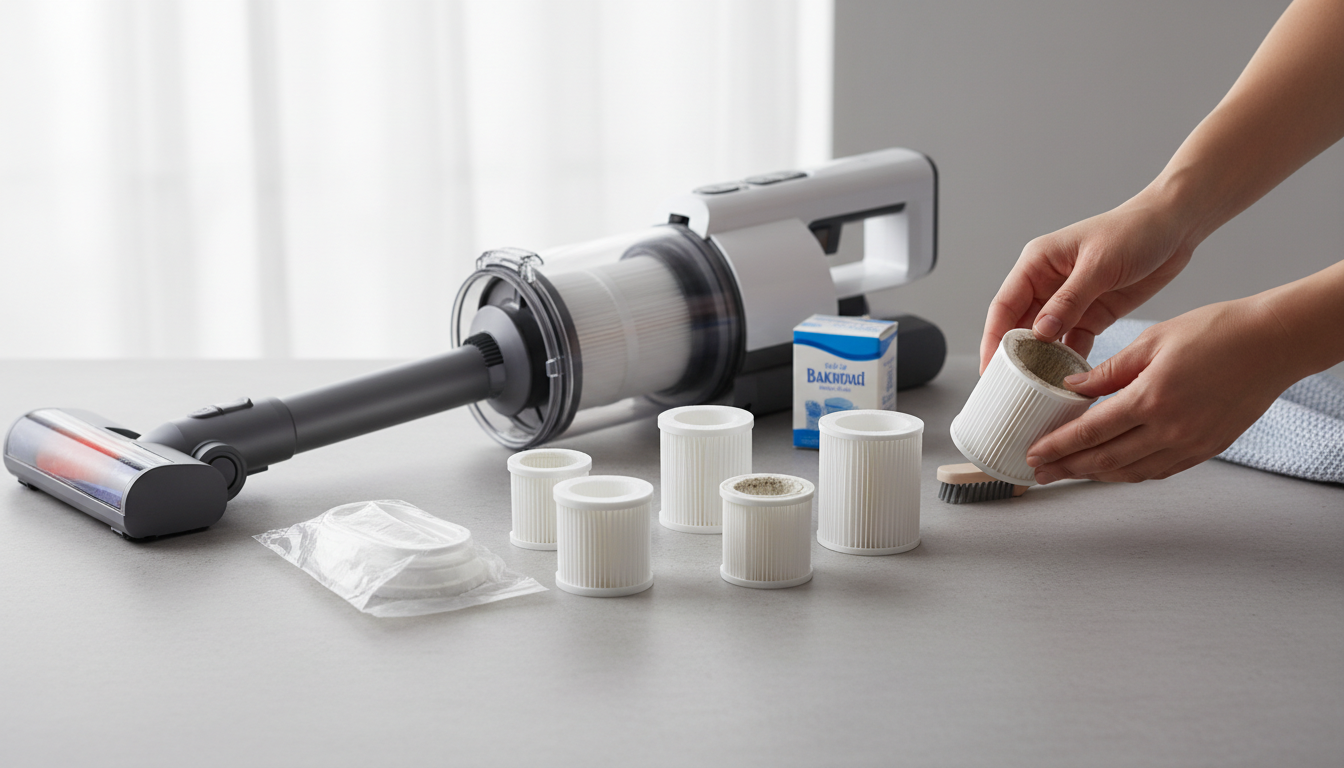
To clean a washable Dyson filter:
- Remove the filter: Consult your specific Dyson model's manual for precise instructions on filter removal.
- Rinse thoroughly: Hold the filter under cold running water, ensuring water flows through the pleated material until it runs clear. Avoid using detergents or hot water, as these can damage the filter material.
- Gently squeeze and tap: Lightly squeeze the filter to remove excess water. For cylindrical filters, gently tap the open end against a hard surface to dislodge water and debris. Repeat this process until no more water or debris comes out.
- Air dry completely: Place the filter in a warm, dry area with good airflow for at least 24 hours. It is imperative that the filter is completely dry before reinserting it into your vacuum. Reinstalling a damp filter can damage the motor and lead to mold growth.
Consider an additional filter: Having a spare, genuine Dyson filter allows you to continue using your vacuum without interruption while one filter is drying. This can be particularly beneficial for households that require frequent vacuuming.
Several indicators suggest your Dyson filter needs attention:
- Reduced suction power: This is often the most noticeable sign. If your vacuum isn't picking up debris effectively, a clogged filter is a common culprit.
- Unusual odors: A musty or stale smell emanating from the vacuum during operation can indicate a dirty filter trapping odor-causing particles.
- Visible dirt or debris: If the filter appears visibly caked with dust, hair, or other debris, it's time for a cleaning.
- Filter indicator light: Some Dyson models feature an indicator light that illuminates when the filter requires cleaning or replacement. Always refer to your model's user manual for specific alerts.
The Great Debate: Genuine Dyson vs. Aftermarket Filters
When it comes time to replace your Dyson vacuum cleaner's filter, owners often face a choice between purchasing a genuine Dyson filter and opting for a third-party aftermarket alternative. This decision involves weighing initial cost savings against potential impacts on your vacuum's performance, longevity, and overall air quality. Understanding the trade-offs is crucial for making an informed choice that aligns with your priorities.
Genuine Dyson filters are engineered to precise specifications, ensuring an exact fit and seamless integration within your specific vacuum model. Dyson states they undertake "significant safety checks and quality controls" for their components, which extends to filters. This commitment to original design means the filter's material, density, and structure are optimized for the vacuum's airflow and filtration system, contributing to consistent suction and effective capture of microscopic particles. Using a genuine filter also ensures adherence to the manufacturer's performance standards, which may be a factor in maintaining potential warranty considerations for your Dyson machine.
Conversely, aftermarket filters, while often more affordable, introduce a degree of variability. Their fit may not be as precise, potentially leading to air leaks that compromise the vacuum's sealed system and allow dust or allergens to bypass the filter and re-enter your home's air. The filtration efficiency can also differ significantly; some aftermarket options may not meet the same HEPA standards as genuine Dyson filters, even if advertised as such. Inconsistent material quality can affect the filter's durability and lifespan, potentially requiring more frequent replacements or even impacting the vacuum's motor over time due to inadequate protection.
When deciding, consider these criteria:
- Performance Assurance: If maintaining peak suction power, optimal filtration efficiency, and preserving your vacuum's lifespan are top priorities, genuine Dyson filters offer the highest assurance of meeting these standards.
- Cost vs. Risk: Aftermarket filters typically offer a lower upfront cost. However, this saving should be weighed against the potential for reduced performance, compromised air quality, or the need for more frequent replacements.
- Warranty Considerations: While not always explicitly stated to void a warranty, using non-genuine parts that contribute to a malfunction could complicate future service claims.
- Model Specificity: For Dyson models with advanced or sensitive filtration systems, the precise engineering of a genuine filter may be more critical to maintaining its intended function.
Common Hurdles: Troubleshooting Dyson Filter Issues
Even with proper maintenance, Dyson vacuum owners may encounter specific filter-related challenges that can impact performance. Recognizing these issues and understanding their solutions is crucial for maintaining optimal suction and extending your vacuum's lifespan. Addressing these hurdles proactively can prevent minor inconveniences from escalating into more significant problems.
A primary concern is filter clogging, which directly restricts airflow and leads to a noticeable reduction in suction power. When filters become excessively laden with dust and debris, the vacuum's motor must work harder to compensate, potentially leading to overheating or premature wear over time. This increased strain can compromise the vacuum's overall efficiency and longevity if not addressed promptly through cleaning or replacement.
Users frequently report difficulties with filter alerts, particularly when the indicator light remains on even after a filter has been cleaned or replaced. This can sometimes be due to an incomplete reset procedure or a sensor issue. Another common frustration involves receiving incorrect replacement parts, which underscores the importance of verifying your specific Dyson model number when ordering filters. Proper installation is also critical; a filter that isn't seated correctly can lead to air leaks, bypassing the filtration system and reducing effective suction.
If your Dyson vacuum's suction remains low even after you've cleaned or replaced the filter, consider these basic troubleshooting steps:
- Verify Filter Seating: Ensure the filter is fully and correctly inserted into its housing according to your model's instructions. A slight misalignment can prevent a proper seal.
- Check for Blockages: Inspect the main cleaner head, wand, and hose for any obstructions. Larger debris, pet hair, or fabric can become lodged, severely impacting airflow even with a clean filter.
- Allow Filters to Dry Completely: If you've washed a reusable filter, it must be completely dry before reinstallation. Moisture can damage the motor and impede airflow. Dyson recommends allowing 24-48 hours for air drying.
- Perform a Hard Reset: For persistent filter alerts, consult your Dyson manual for specific model-dependent reset procedures, which might involve disconnecting the battery or power for a short period.
- Confirm Part Compatibility: Double-check that any replacement filters are genuine Dyson parts designed specifically for your vacuum model. Aftermarket filters, or those for a different model, may not fit correctly or offer the same filtration efficiency.
Frequently Asked Questions About Dyson Filters
Dyson vacuum owners often have specific questions regarding filter maintenance and replacement. Understanding these aspects can help ensure your vacuum continues to perform efficiently.
-
Can all Dyson filters be washed? Many Dyson vacuum cleaner filters, particularly the HEPA filters found in various models, are designed to be washable. However, this is not universally true for every Dyson model or filter type. Always consult your specific vacuum's user manual to confirm if its filters are washable and to follow the correct cleaning instructions.
-
How often should I replace my Dyson vacuum filter? Even washable filters have a finite lifespan. Dyson generally recommends replacing your vacuum filter every three to six months, depending on your usage frequency and the amount of debris collected. Regular replacement helps maintain optimal suction power and filtration efficiency.
-
What are the signs that my Dyson filter needs replacing? Several indicators suggest your filter may need replacement. A noticeable decrease in suction power, even after cleaning the filter, is a primary sign. Other clues include a persistent musty or unusual odor emanating from the vacuum during use, or if the filter appears visibly discolored, torn, or damaged beyond what cleaning can remedy.
-
Will using an aftermarket filter void my Dyson warranty? Dyson emphasizes the use of genuine Dyson filters to ensure continued optimal performance and to meet their safety and quality standards. While your warranty terms may vary, using non-genuine aftermarket filters could potentially impact warranty claims if a malfunction is directly attributed to the use of such a part. Review your specific Dyson warranty documentation for precise details.
-
Why is my Dyson vacuum still losing suction after cleaning the filter? If your Dyson vacuum's suction remains low even after cleaning and properly drying the filter, other factors might be contributing to the issue. Common causes include a blockage in the vacuum's hose, wand, or brush bar, or a dust bin that is full or improperly seated. It's also possible the filter, despite being cleaned, has reached the end of its effective lifespan and requires replacement. Ensure the filter is completely dry before reinserting, as moisture can restrict airflow.
Your Dyson's Lifeline: A Summary of Filter Care for Lasting Performance
Maintaining your Dyson vacuum cleaner's filters is fundamental to its sustained performance and longevity. The correct filter type, properly installed and regularly maintained, directly impacts suction power and indoor air quality. Adhering to manufacturer-recommended cleaning and replacement schedules is not merely a suggestion but a critical practice for preventing reduced efficiency and premature wear on your appliance.
By prioritizing filter care—whether through routine washing of washable filters or timely replacement of non-washable types—Dyson owners ensure their vacuum continues to operate at peak efficiency. This consistent attention safeguards your investment, helping to maintain optimal suction and filtration capabilities throughout the vacuum's lifespan, and preventing the re-release of dust and allergens into your home environment.
More in Vacuum Cleaner Filters
View All
Hoover Vacuum Cleaner Filters: A Guide to Compatibility and Performance
Dirt Devil Vacuum Cleaner Filters: Essential Replacements for Longevity