Shark Upright Vacuum Cleaner Filters: Essential Replacements for Sustained Performance
Maintaining Peak Performance: The Role of Filters in Your Shark Upright Vacuum
Filters are integral to the operation of your Shark upright vacuum cleaner, serving as the primary barrier against dust, allergens, and debris. They protect the motor and, crucially, ensure that the air expelled back into your home is clean. Many Shark upright models incorporate a sealed system with HEPA filtration, designed to capture fine particles and prevent their escape, which is particularly beneficial for maintaining indoor air quality.
This guide will walk you through understanding the different types of filters in your Shark upright, how to identify the correct replacements for your specific model, and best practices for their cleaning and timely replacement. The goal is to empower you to make informed decisions that sustain your vacuum's cleaning power.
Regular filter maintenance is not just about cleanliness; it directly impacts your vacuum's core functions. Neglecting filters can lead to:
- Reduced suction power: Clogged filters force the motor to work harder, diminishing cleaning effectiveness and requiring more passes.
- Compromised indoor air quality: When filters are saturated, dust and allergens may be recirculated into your living space rather than trapped.
- Decreased vacuum longevity: A strained motor operating against resistance can experience premature wear, potentially shortening the appliance's lifespan.
Understanding Shark Upright Vacuum Filtration Systems
Shark upright vacuum cleaners employ a multi-stage filtration system designed to capture dust, debris, and microscopic particles, preventing them from recirculating into your home's air. This layered approach is critical for maintaining consistent suction power and improving indoor air quality, particularly for individuals sensitive to airborne allergens.
The typical Shark upright filtration setup involves two primary stages:
- Pre-Motor Filters: These are the initial line of defense, situated before the vacuum's motor. Most Shark uprights utilize a combination of foam and felt filters in this position. Their function is to trap larger dust particles and debris, protecting the motor from damage and extending its lifespan. By capturing these bigger elements, they also prevent the finer, post-motor filters from becoming overloaded too quickly. These filters are often washable, allowing for regular maintenance to preserve suction.
- Post-Motor Filters (including HEPA): Located after the motor, these filters capture the finer particles that bypass the pre-motor stage. Many Shark upright models feature a High-Efficiency Particulate Air (HEPA) post-motor filter. A HEPA filter is engineered to trap 99.97% of airborne particles as small as 0.3 microns, which includes common allergens like pollen, pet dander, dust mites, and mold spores. This advanced filtration is crucial for ensuring that the air expelled from the vacuum is cleaner than the air it takes in.
Shark's commitment to air quality is further demonstrated by its "sealed system" technology, often paired with HEPA filtration. A sealed system ensures that all the air drawn into the vacuum passes through the filtration stages before being exhausted. Without a sealed system, unfiltered air containing dust and allergens could leak out through cracks or poorly sealed connections in the vacuum's casing, negating the benefits of even a HEPA filter. For allergy sufferers, this combination of HEPA filtration within a sealed system is paramount, as it significantly reduces the re-release of irritants, contributing to a healthier living environment. The effectiveness of this system, however, relies on the proper maintenance and timely replacement of all filter components.
Identifying the Correct Replacement Filters for Your Shark Upright Model
Accurately identifying the correct replacement filters is a foundational step in maintaining your Shark upright vacuum's performance and air quality. Shark produces numerous upright models across popular series like Navigator, Rotator, and Stratos, and filters are not universally interchangeable, even within the same series. A precise match ensures proper fit, filtration efficacy, and sustained suction.
Follow these steps to confidently determine which filters your specific Shark upright vacuum requires:
-
Locate Your Vacuum's Model Number: This is the most critical piece of information. The model number is typically found on a rating label or sticker on the vacuum itself. Common locations include:
- The back or bottom of the main vacuum body.
- Behind the dust cup.
- On the handle or wand.
- Consult your original owner's manual if you cannot find it on the unit. The model number will usually start with "NV," "ZU," "LA," or similar prefixes, followed by a series of digits (e.g., NV356E, ZU62, LA500).
-
Cross-Reference with Filter Part Numbers: Once you have your model number, you can verify compatible filter part numbers.
- Manufacturer's Website: The official Shark website often has a "Parts & Accessories" or "Support" section where you can input your model number to find a list of compatible replacement parts, including specific filter kits.
- Owner's Manual: Your vacuum's manual will list the exact part numbers for the pre-motor foam and felt filters, as well as the post-motor HEPA filter, if applicable.
- Existing Filters: If available, check your current filters for any printed part numbers. While useful, always cross-reference with your model number as filter designs can evolve.
-
Understand Filter Variability: Shark upright vacuums often use a combination of filters:
- Pre-Motor Filters: Typically a set of foam and felt filters that capture larger debris and protect the motor. These are usually washable.
- Post-Motor Filter: Often a HEPA filter, designed to trap microscopic particles and allergens before air is expelled. This filter is usually not washable and requires periodic replacement. The specific shape, size, and material of these filters vary significantly by model. For instance, a Navigator Lift-Away model (e.g., NV350 series) will have different filter dimensions and part numbers than a Rotator Powered Lift-Away (e.g., NV752 series) or a Stratos model.
-
Consider OEM vs. Aftermarket Options:
- OEM (Original Equipment Manufacturer) Filters: These are filters produced by Shark or their authorized manufacturers. They are designed to exact specifications, ensuring a precise fit, optimal sealing, and filtration performance as intended by the vacuum's design. This minimizes the risk of air leaks or reduced suction.
- Aftermarket Filters: Produced by third-party manufacturers, these can offer a cost-effective alternative. However, compatibility and fit can vary. While many aftermarket filters are designed to be "compatible," slight variations in dimensions or material density can impact the seal, potentially leading to air bypass or reduced filtration efficiency. When considering aftermarket options, verify that the product explicitly lists your specific Shark model number to mitigate fit-related issues.
When and How to Clean or Replace Your Shark Upright Filters
Maintaining the filters in your Shark upright vacuum cleaner is crucial for sustaining its cleaning performance and ensuring healthy indoor air quality. Understanding the appropriate schedule and procedures for cleaning and replacement can prevent common issues like diminished suction and recirculated allergens.
Recognizing the Need for Filter Attention
Several indicators suggest your Shark upright vacuum filters require cleaning or replacement:
- Reduced Suction Power: This is often the most noticeable sign. If your vacuum struggles to pick up debris, a clogged filter is a primary suspect.
- Unusual Odors: A musty or unpleasant smell emanating from the vacuum, especially during operation, can indicate trapped dirt, pet dander, or mold in the filters.
- Visible Dirt or Discoloration: Inspecting your filters and finding them heavily coated in dust, discolored, or showing signs of wear is a clear signal for action.
- "Quick Clogging": If your vacuum seems to lose suction rapidly after a short period of use, it suggests the filters are already saturated and struggling to maintain airflow.
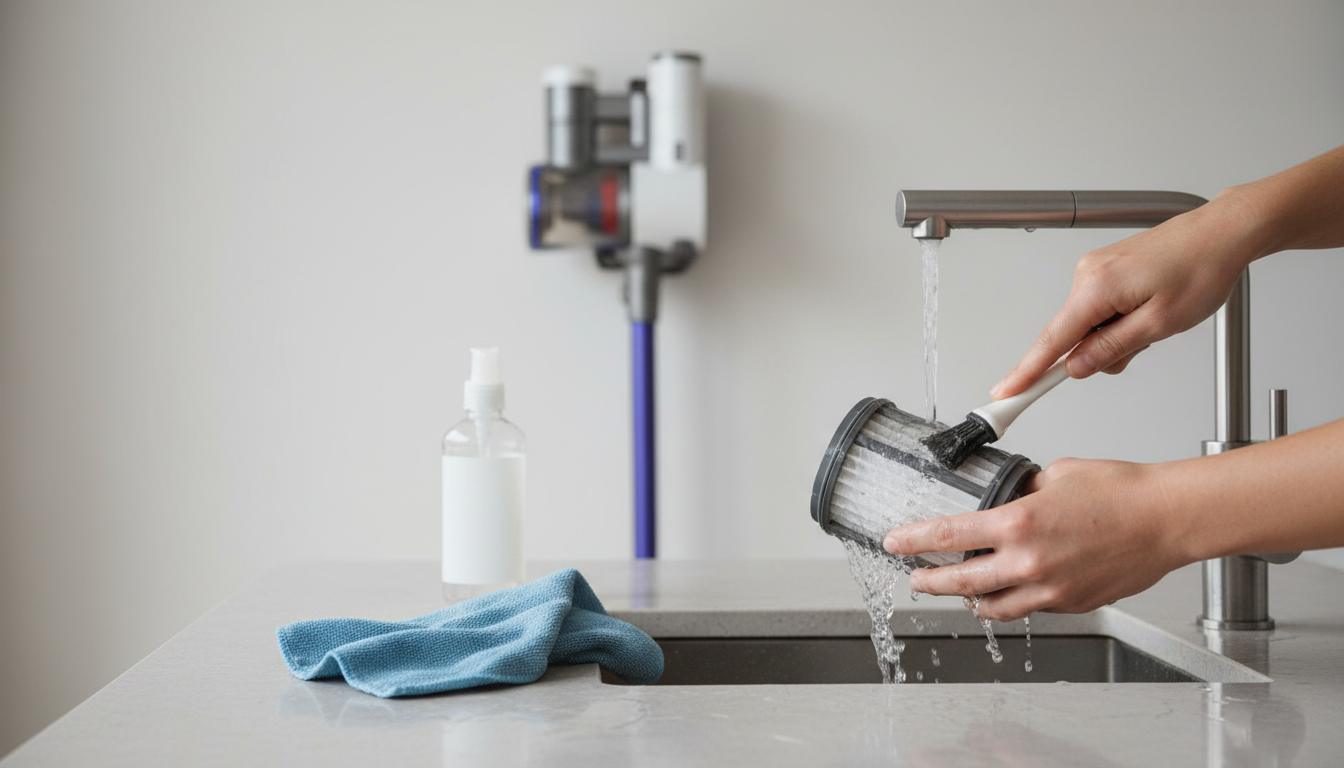
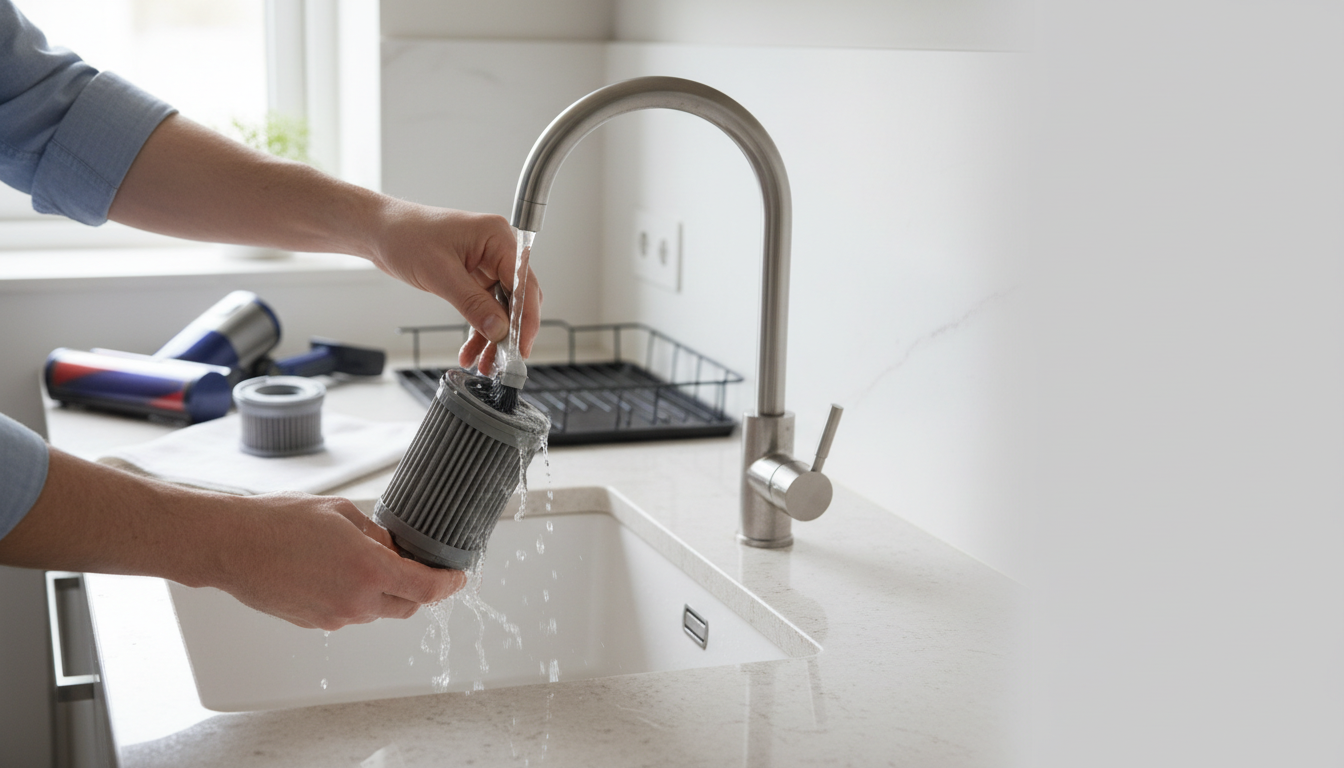
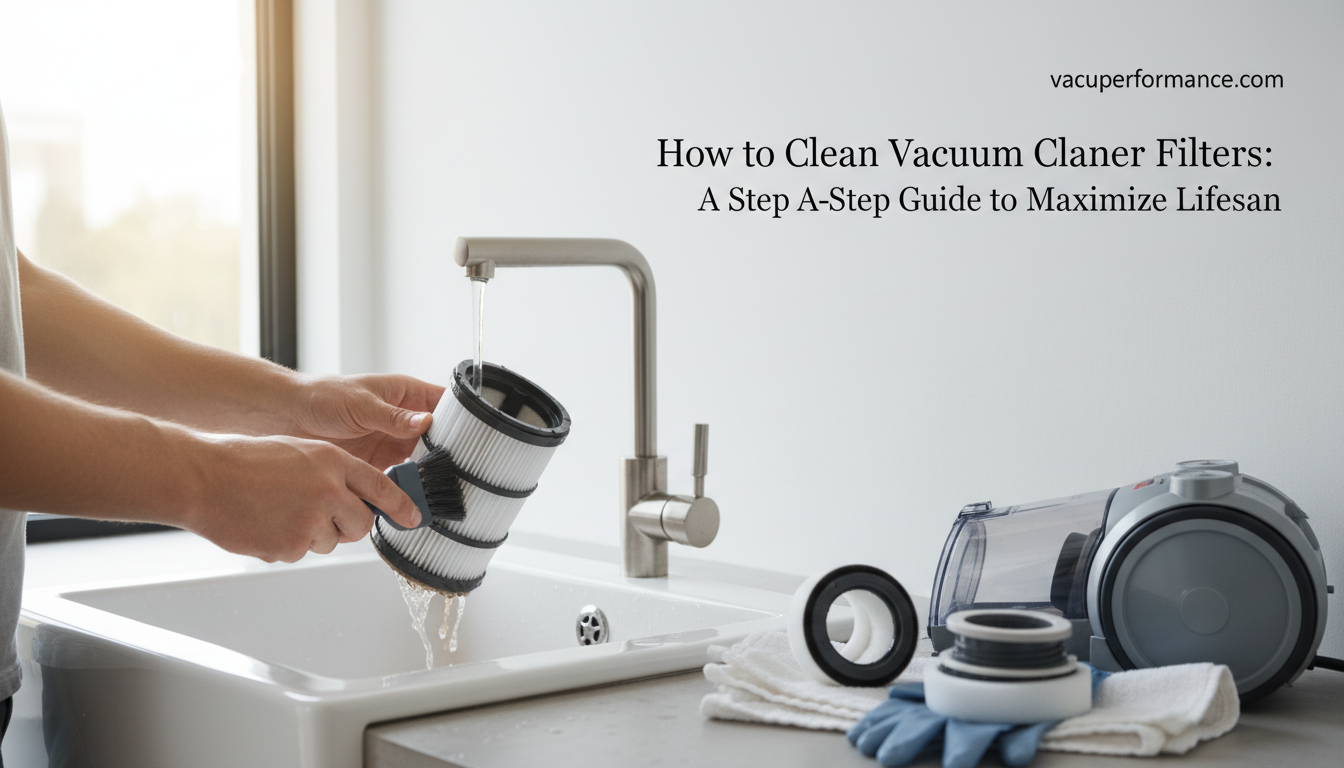
Cleaning Washable Filters (Foam and Felt)
Most Shark upright vacuums feature washable foam and felt pre-motor filters. These should typically be cleaned every 1 to 3 months, depending on usage frequency and the amount of debris collected.
- Locate and Remove: Consult your vacuum's manual to find the exact location of the foam and felt filters, usually near the dust cup. Carefully remove them.
- Rinse Thoroughly: Hold the filters under cool, running water. Gently squeeze them to remove trapped dirt. Continue rinsing until the water runs clear. Avoid using detergents or hot water, which can damage the filter material.
- Air Dry Completely: This step is critical. Squeeze out excess water and allow the filters to air dry for at least 24 hours, or until they are completely dry. Placing them in direct sunlight or using a dryer can deform or damage them. Reinserting damp filters can lead to mold growth and damage to the vacuum's motor.
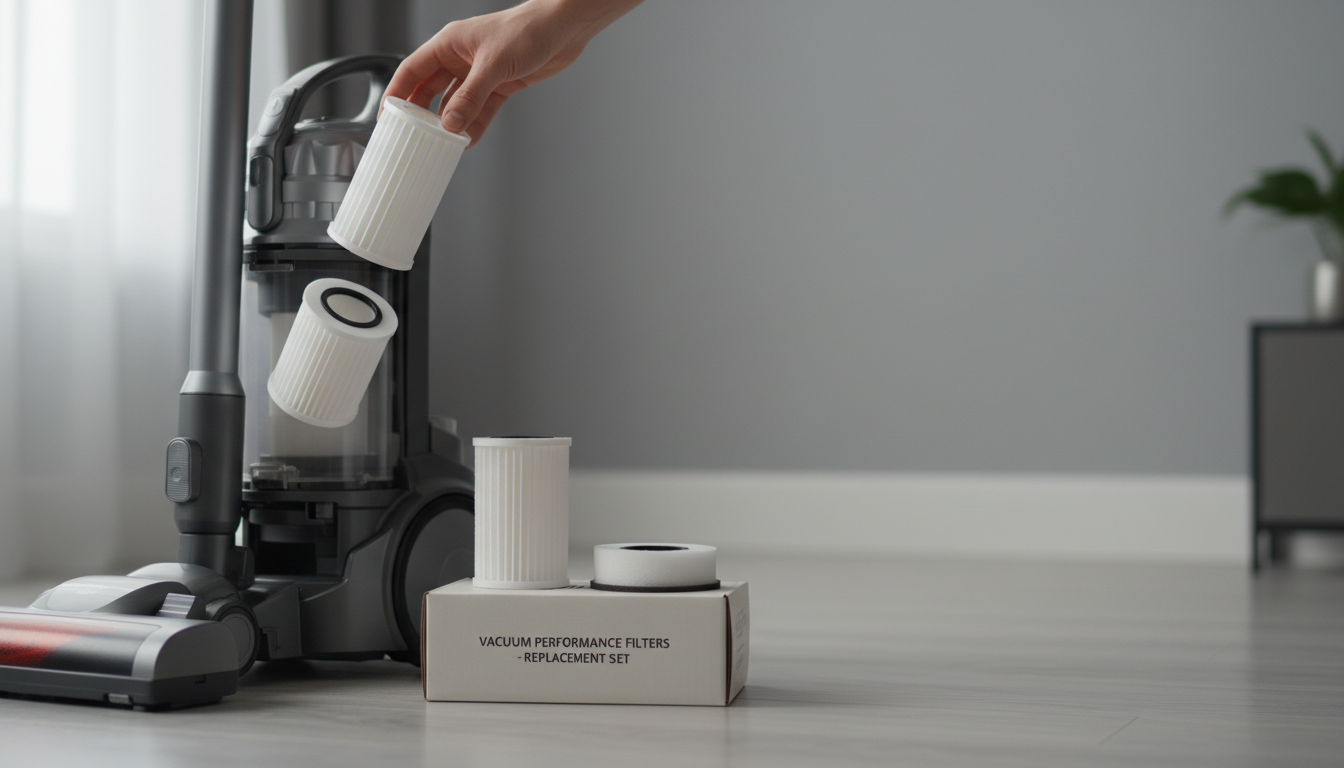
Replacing HEPA Filters
Shark upright vacuums often incorporate a post-motor HEPA filter, designed to capture microscopic particles and allergens. Unlike foam and felt filters, HEPA filters are generally not washable and must be replaced. The replacement frequency for HEPA filters varies by model, but a common recommendation is annually or every one to two years, depending on usage.
- Identify Filter Location: Refer to your specific Shark upright model's manual to pinpoint the HEPA filter's housing, often located at the bottom or rear of the vacuum.
- Remove Old Filter: Open the filter compartment and carefully remove the old HEPA filter. Note its orientation for correct installation of the new filter.
- Install New Filter: Insert the new HEPA filter into the compartment, ensuring it fits snugly. Close the compartment securely.
Regular filter maintenance, whether cleaning or replacing, directly contributes to your Shark upright vacuum's sustained performance and the quality of air in your home. Adhering to these guidelines helps maximize your appliance's lifespan and cleaning efficiency.
Key Considerations When Buying Replacement Shark Upright Filters
Selecting the appropriate replacement filters for your Shark upright vacuum is crucial for sustaining its cleaning performance and maintaining indoor air quality. Beyond simply finding a filter, understanding key criteria can help you make an informed decision that balances effectiveness, longevity, and cost.
Compatibility and Exact Fit
The most critical factor in choosing replacement filters is ensuring they are specifically designed for your Shark upright model. Shark produces a wide range of upright vacuums, and filter dimensions, shapes, and materials can vary significantly between series and even specific models. An ill-fitting filter can compromise your vacuum's sealed system, leading to air leakage and reduced suction power, or even allow debris to enter and damage the motor.
- Locate Your Model Number: Always verify the precise model number of your Shark upright vacuum, typically found on a sticker on the back or bottom of the unit.
- Cross-Reference: Use this model number to cross-reference with the compatibility information provided on filter packaging or product descriptions.
- Visual Confirmation: Compare the shape and size of the replacement filter with your existing one, if possible, to confirm visual alignment.
Filtration Efficiency and Material Quality
The effectiveness of a filter in trapping particles directly impacts your home's air quality. Many Shark upright vacuums feature HEPA filtration coupled with a sealed system, a standard that traps a high percentage of microscopic particles.
- HEPA Standard: For maximum air purification, especially if you have allergies or pets, look for filters explicitly labeled as HEPA. These are designed to capture 99.97% of airborne particles as small as 0.3 microns, including dust mites, pet dander, and pollen.
- Sealed System Integration: A HEPA filter is most effective when paired with a vacuum's sealed system, which prevents unfiltered air from bypassing the filter and escaping back into your environment. Ensure replacement filters support this sealed design.
- Pre-Motor Filter Materials: For the foam and felt pre-motor filters, material quality dictates their durability and ability to withstand repeated washing. High-quality materials resist tearing and maintain their structure over time, ensuring consistent protection for your vacuum's motor.
Value vs. Cost
When evaluating replacement filters, consider the balance between the initial purchase price and the filter's expected lifespan and performance. You'll often encounter both Original Equipment Manufacturer (OEM) filters and third-party alternatives.
- OEM Filters: These are manufactured by Shark and are guaranteed to meet the vacuum's specifications for fit and filtration performance. While often more expensive upfront, they offer assurance of quality and compatibility.
- Third-Party Options: Aftermarket filters can provide a more budget-friendly alternative. However, their quality can vary. Some third-party filters offer comparable performance and durability, while others may not fit as precisely or filter as effectively, potentially compromising your vacuum's efficiency and air quality.
- Multi-Packs: For washable filters, purchasing multi-packs can offer better long-term value, ensuring you always have a clean, dry filter ready for use.
Ease of Maintenance
Considering how easily filters can be cleaned or how frequently they need replacement can influence your long-term satisfaction and the vacuum's sustained performance.
- Washable Filters: Many Shark upright pre-motor filters (foam and felt) are designed to be washable. This feature can reduce recurring costs and environmental impact.
- Cleaning Requirements: Follow the manufacturer's instructions for washing, typically involving rinsing under water until clear. Allow filters to air dry completely for at least 24 hours before reinserting them to prevent mold or damage to the motor.
- Frequency: Washable filters generally require cleaning every 1-3 months, depending on usage.
- Non-Washable Filters: HEPA filters are typically not washable and must be replaced according to the manufacturer's recommendations, often annually or bi-annually, to maintain their filtration efficacy.
- Replacement Schedule: Adhering to the recommended replacement schedule for all filter types is essential for optimal suction and air quality. Overdue filters can become clogged, leading to diminished performance and increased strain on your vacuum's motor.
Common Filter-Related Issues and Troubleshooting Tips
Even with new or freshly cleaned filters, Shark upright vacuum owners might encounter issues that hinder performance. Understanding these potential problems and their solutions can help restore your vacuum's efficiency and maintain a healthy home environment.
-
Reduced Suction Power If your Shark upright vacuum experiences diminished suction despite recently replacing or cleaning the filters, several factors could be at play. While new filters should boost performance, improper installation can negate their benefits. Ensure all filters are correctly seated and sealed within their compartments; any gaps can allow air to bypass the filtration system, reducing effective suction. For washable filters, insufficient drying time is a common culprit. Reinstalling damp filters can create an immediate airflow restriction and potentially foster mold growth. Always allow washable filters to air dry completely for at least 24-48 hours before reinstallation. Beyond filters, check for clogs in the hose, brush roll, or dust cup. A full dustbin also restricts airflow, so ensure it's emptied regularly.
-
Unpleasant Odors from the Vacuum A persistent bad smell emanating from your vacuum during operation often points to accumulated debris or moisture. Filters, especially pre-motor foam and felt filters, can trap organic matter like pet dander, hair, and food particles. Over time, these can decompose and produce foul odors. Regular cleaning or replacement of these filters is crucial. If washable filters are not dried thoroughly before reinstallation, mold or mildew can develop, leading to a musty smell. Ensure all washable components are completely dry. Additionally, check the dust cup and internal components for any lingering debris or spills that might be contributing to the odor.
-
Dust Escaping the Vacuum Seeing dust or fine particles expelled from your vacuum's exhaust, particularly from a model designed with a sealed HEPA system, indicates a breach in the filtration integrity. The most common reasons include damaged or improperly installed filters. A filter that is torn, has holes, or is not the correct type for your specific Shark upright model will fail to trap fine particles effectively. Inspect all filters for visible damage and confirm they are the exact replacements for your unit. Furthermore, check the seals around the filter compartments and the dust cup. Any worn, cracked, or misaligned seals can allow unfiltered air to escape back into your living space.
-
Filter Durability and Frequent Usage Filters are consumable components, and their lifespan can be impacted by the frequency and intensity of vacuum use. In homes with pets, high foot traffic, or where fine particulate matter (like drywall dust) is frequently vacuumed, filters may clog more rapidly than the manufacturer's general recommendations. This increased load can lead to filters degrading faster, requiring more frequent cleaning or replacement to maintain optimal performance. While regular cleaning can extend the life of washable filters, they have a finite number of washes before their material begins to break down. Opting for quality replacement filters, whether genuine or reputable aftermarket options, can mitigate premature wear and ensure consistent filtration, even under heavy use.
Frequently Asked Questions About Shark Upright Vacuum Filters
Understanding common concerns about Shark upright vacuum filters can help maintain your appliance's performance and air quality. Here are answers to frequently asked questions.
Can I wash my HEPA filter? Generally, Shark HEPA filters are not designed to be washed. The delicate fibers that make up a HEPA filter can be damaged by water, which compromises their ability to capture microscopic particles effectively. Washing can reduce the filter's efficiency and potentially release trapped allergens. Always refer to your specific Shark upright model's user manual for definitive guidance; most HEPA filters are intended for dry replacement rather than washing.
How often should I clean my foam and felt filters? Shark typically recommends cleaning your foam and felt pre-motor filters at least once a month. This frequency should increase if you use your vacuum frequently, have pets, or notice a reduction in suction power. These filters are usually washable. To clean them, rinse thoroughly with water until the water runs clear, then squeeze out excess water. It is crucial to allow them to air dry completely for at least 24 hours before reinserting them into the vacuum to prevent mold growth and damage to the motor.
Will using non-original equipment manufacturer (OEM) filters void my vacuum's warranty? Using non-OEM filters typically does not automatically void your Shark vacuum's warranty. However, if a defect or damage to your vacuum can be directly attributed to the use of a non-OEM filter, the manufacturer may deny a warranty claim for that specific issue. To minimize this risk and ensure optimal performance, verify that any aftermarket filters you choose meet the original specifications and quality standards for your Shark upright model.
Why is my Shark vacuum still losing suction after I replaced the filters? If you've replaced your filters and still experience reduced suction, the issue likely lies elsewhere. Common culprits include blockages in the hose, nozzle, or brush roll assembly. Check these areas for any accumulated debris, pet hair, or obstructions. Ensure the dust bin is not overfilled and that all components, including the dust cup and filters, are correctly reassembled and sealed. A compromised seal within the vacuum's system can also lead to air leaks and reduced suction. In some cases, persistent low suction might indicate a non-filter related issue with the vacuum's motor or internal components.
Ensuring Longevity and Performance Through Proper Filter Care
The effectiveness of your Shark upright vacuum cleaner hinges significantly on the condition of its filters. As the primary defense against dust and debris, these components are not merely accessories but critical elements that directly influence both your vacuum's operational efficiency and the cleanliness of your indoor air. Regular attention to your Shark's filtration system is a straightforward yet impactful aspect of appliance maintenance.
By consistently cleaning and replacing your Shark upright vacuum filters as recommended, you actively preserve its intended suction power. This proactive approach prevents the motor from overworking, thereby contributing to the vacuum's overall longevity. Furthermore, well-maintained filters, especially those integrated into sealed HEPA systems common in many Shark uprights, ensure that allergens and fine particles are captured, not recirculated, fostering a healthier home environment.
Ultimately, diligent filter care is a simple investment in the sustained performance of your cleaning tool. This ongoing commitment to maintenance transforms a potential point of failure into a reliable asset for a consistently cleaner home, empowering your Shark upright to deliver effective cleaning with every use.
More in Vacuum Cleaner Filters
View All