Ridgid Vacuum Cleaner Filters: Finding the Best Fit for Your Workshop or Home
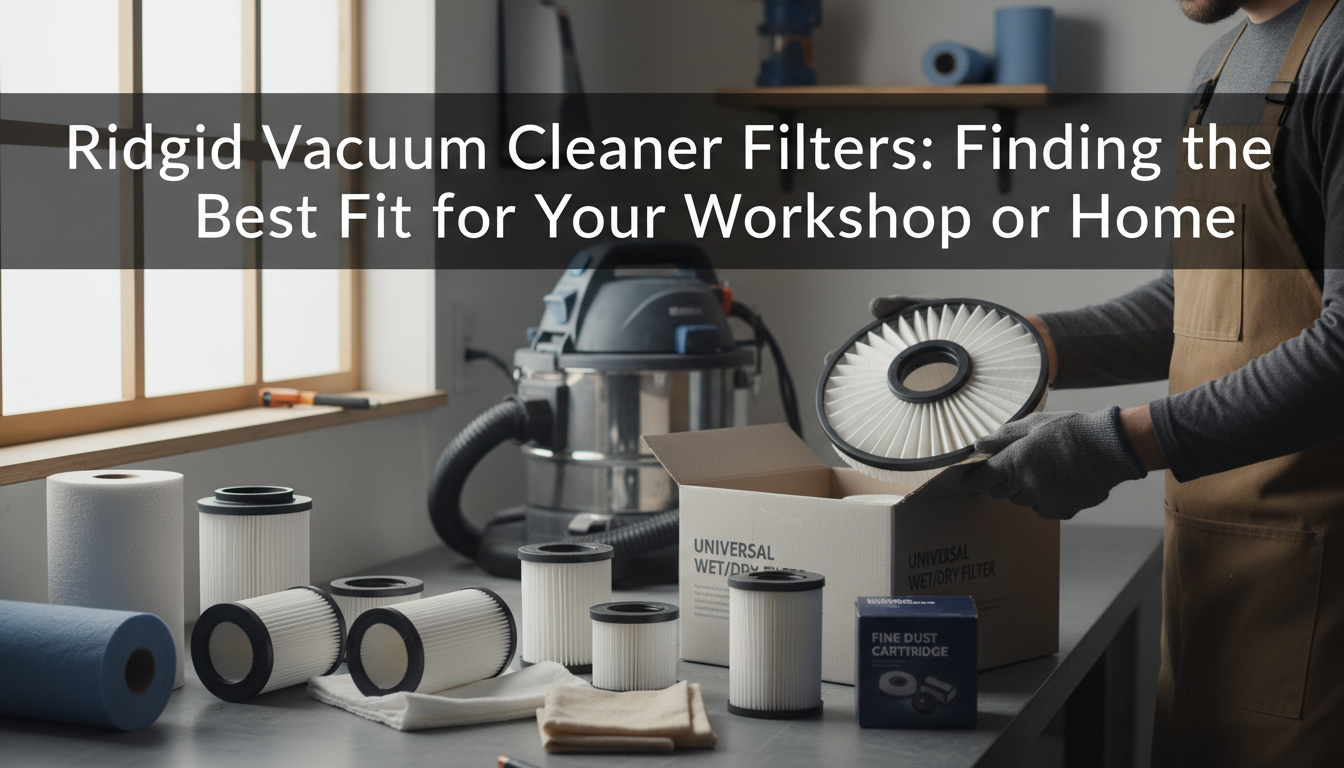
RIDGID wet/dry vacuums are engineered for demanding tasks, from workshop cleanup to job site debris. Maintaining their robust performance and extending their lifespan hinges significantly on selecting and using the correct filter. These powerful machines rely on their filtration system to effectively capture various types of messes, protect the motor, and ensure the air expelled is clean.
A single filter type rarely suits every cleaning scenario. RIDGID offers a range of specialized filters designed for specific applications, whether you're tackling general dry debris, fine dust particles like drywall or concrete, or wet spills. Each filter type impacts the vacuum's suction efficiency, the quality of the air returned to your environment, and the overall longevity of the unit.
This guide aims to help RIDGID wet/dry vacuum owners confidently identify, understand, and select the precise filter for their specific cleaning needs. By focusing on compatibility, performance characteristics, and durability in challenging environments, you can ensure your vacuum operates at its best, delivering consistent results for any task.
Understanding RIDGID's Range of Wet/Dry Vacuum Filters
RIDGID wet/dry vacuums are versatile tools, but their effectiveness across different cleaning tasks hinges significantly on using the correct filter. Each filter type is engineered with specific materials and designs to handle distinct debris, protecting the vacuum motor and optimizing collection efficiency. Selecting the appropriate filter ensures peak performance and extends the lifespan of your equipment.
RIDGID offers several distinct filter categories, each tailored for specific cleaning scenarios:
-
General Debris Filters: These filters are designed for everyday workshop and job site messes. They effectively capture common, larger particulate matter such as sawdust, wood chips, general dirt, and construction debris. Typically constructed from a durable pleated paper, these filters balance airflow with sufficient filtration for routine cleanup. While some general-purpose filters can be gently cleaned to extend their life, they are primarily intended for dry pickup.
-
Fine Dust Filters (e.g., VF5000): When tackling smaller, more pervasive particles like drywall dust, concrete dust, or cold ash, a fine dust filter is essential. Filters such as the VF5000 utilize a multi-layer (e.g., 3-layer) pleated paper construction that offers increased surface area and tighter filtration. This design traps fine particulates more effectively than general debris filters, preventing them from recirculating into the air or reaching the motor. These filters are generally considered disposable due to the microscopic nature of the dust they capture, which can embed deeply into the pleats.
-
HEPA Material Filters (e.g., VF6000, VF8000): For environments demanding the highest level of air purification, such as those with allergens or extremely fine dust, HEPA material filters are the choice. Filters like the VF6000 and VF8000 are constructed from specialized HEPA-rated pleated material designed to capture a very high percentage of microscopic particles, including pollen, mold spores, and other allergens. This enhanced filtration significantly improves indoor air quality. Due to their high-efficiency design, HEPA material filters are typically non-washable and should be replaced when their filtration capacity diminishes.
-
Wet Filters (e.g., VF7000): Unlike dry filters, wet filters are specifically engineered for liquid pickup. Their primary role is to prevent moisture and larger debris from entering the vacuum motor during wet applications. The VF7000, for instance, is often made from a durable foam material that allows water to pass through while trapping larger solid contaminants. A key advantage of many wet filters is their reusability; they can often be lightly washed and thoroughly dried before subsequent use, offering a practical solution for frequent liquid spills.
Key Factors for Selecting the Best RIDGID Vacuum Filter
Choosing the correct filter for your RIDGID wet/dry vacuum is essential for maintaining optimal performance and protecting your vacuum's motor. The ideal filter depends on your specific cleaning tasks and vacuum model. Consider the following criteria to make an informed selection:
-
Intended Use and Debris Type Your primary cleaning application dictates the necessary filter.
- Wet vs. Dry: Dedicated wet filters (e.g., RIDGID VF7000) are designed to handle liquids without damage, while dry filters are for solid debris. Using a dry filter for wet messes can compromise its structure and filtration efficiency.
- Coarse Debris: For general workshop dust, wood chips, or larger particles, a standard pleated paper filter often suffices.
- Fine Dust: When dealing with fine powders like drywall dust, cement dust, or cold ash, a fine dust filter (e.g., RIDGID VF5000) is crucial to prevent these small particles from recirculating into the air or damaging the motor.
- Allergen Capture: For environments requiring superior air quality, such as homes or sensitive workshops, HEPA material filters (e.g., RIDGID VF6000, VF8000) are engineered to capture a higher percentage of microscopic particles and allergens.
-
Vacuum Model and Capacity Compatibility Filters are designed to fit specific RIDGID wet/dry vacuum models and sizes.
- Always verify the filter's compatibility with your vacuum's model number and capacity range (e.g., "5-16 Gallon" filters are common). An ill-fitting filter can lead to air leaks, reduced suction, and ineffective filtration.
-
Filtration Efficiency Level Different filters offer varying degrees of particle capture.
- Standard: Suitable for general dry cleanup, capturing larger particles.
- Fine Dust: Provides enhanced filtration for smaller, more problematic dust types.
- HEPA Material: Offers the highest level of filtration, trapping a significant percentage of particles down to a specific micron size, improving air quality significantly.
-
Reusability and Maintenance Consider the long-term cost and convenience of filter care.
- Some filters, particularly wet filters, can be lightly washed and reused after thorough drying. This can extend their lifespan.
- Many pleated paper filters are designed for dry use and are typically replaced once heavily loaded. Regular replacement is key to maintaining vacuum performance and preventing motor strain.
-
Ease of Installation and Removal RIDGID often incorporates user-friendly designs for filter changes.
- Many filters feature systems like "Qwik Lock" for tool-free attachment and removal, simplifying maintenance and ensuring a secure seal. This design minimizes downtime during filter changes.
-
Durability and Construction The quality of the filter's materials and construction impacts its lifespan.
- Look for filters with robust pleat count and sturdy end caps that can withstand the rigors of demanding workshop or job site use. A well-constructed filter maintains its shape and filtration integrity over time.
Common Questions and Troubleshooting for RIDGID Filters
Understanding the nuances of RIDGID vacuum cleaner filters is essential for maintaining optimal performance and extending the life of your wet/dry vac. Addressing common concerns can clarify selection and maintenance practices.
-
How often should I clean or replace my RIDGID filter? The frequency depends heavily on usage. For general dry debris, cleaning may be needed after several uses. When dealing with fine dust, such as drywall or concrete, filters can clog rapidly, requiring more frequent cleaning or replacement to prevent suction loss and motor strain. Wet filters, after picking up liquids, should be rinsed and allowed to dry completely before storage or reuse to prevent mold or odors. Regular inspection is key; if the filter appears significantly dirty, torn, or performance drops, it's time for attention.
-
Can I use a dry filter for wet pickup? No, using a dry filter for wet pickup is not recommended and can lead to several issues. Dry filters, typically made of pleated paper or similar materials, are designed to capture dry particulates. When exposed to liquids, they can quickly become saturated, lose their filtration efficiency, and potentially disintegrate, allowing debris to reach the motor. This can damage the vacuum's motor and void warranties. For wet messes, always use a dedicated wet filter, such as the RIDGID VF7000, which is designed to handle liquids without degradation.
-
What are the signs of a clogged or failing filter? Several indicators suggest your filter needs attention:
- Reduced Suction Power: This is often the most immediate and noticeable sign.
- Increased Motor Noise or Strain: The motor may sound like it's working harder than usual.
- Dust Escaping the Exhaust: If you see dust or fine particles blowing out of the vacuum's exhaust port, the filter is no longer effectively trapping debris.
- Visible Dirt or Damage: A filter that is visibly caked with dirt, torn, or otherwise compromised needs replacement.
- Overheating: A severely clogged filter can cause the motor to overheat due to restricted airflow.
-
Are all RIDGID filters interchangeable across different models? No, RIDGID filters are not universally interchangeable across all models. While some filters are designed to fit a range of tank sizes (e.g., 5-16 gallons), specific models may require particular filter types or sizes. Always verify the filter's compatibility with your specific RIDGID wet/dry vac model number before purchase. Using an incompatible filter can result in a poor seal, leading to reduced performance and potential motor damage from unfiltered debris.
-
How do I properly clean different types of RIDGID filters? Cleaning methods vary by filter type:
- Pleated Paper Dry Filters: For general dry debris, gently tap the filter against a hard surface to dislodge accumulated dust. A soft brush can remove more stubborn dirt. Avoid washing these unless explicitly stated as washable by the manufacturer, as water can damage the paper media.
- Wet Filters: After wet pickup, rinse the filter thoroughly under running water to remove debris. Ensure it is completely dry before reinstallation or storage to prevent mold and mildew growth.
- Fine Dust/HEPA Filters: These often require careful handling. Tapping may be sufficient for light dust, but aggressive cleaning or washing can compromise their fine filtration capabilities. Always consult the specific filter's instructions for recommended cleaning practices.
-
What trade-offs or fit limits should I be aware of before buying? Selecting the wrong filter type can lead to significant trade-offs and limitations:
- Using a General Purpose Filter for Fine Dust: While it might fit, a general-purpose filter will clog faster and be less effective at trapping fine particulates like drywall dust or cold ash, potentially recirculating them into the air. This compromises air quality and increases cleaning frequency.
- Using a Dry Filter for Wet Pickup: As noted, this can damage the filter and the vacuum motor.
- Incorrect Filter Size/Fit: A filter that doesn't create a tight seal will allow unfiltered air and debris to bypass the filtration system, leading to motor damage and poor performance. Always match the filter to your vacuum's model and tank size.
- Filter Lifespan vs. Cost: Higher efficiency filters (e.g., HEPA) may cost more upfront but offer superior filtration. General-purpose filters are often more economical but require more frequent cleaning or replacement in demanding environments.
Optimizing Your RIDGID Vacuum's Performance and Filter Lifespan
Maintaining the filtration system of your RIDGID wet/dry vacuum is key to ensuring consistent suction, protecting the motor, and extending the life of both the filter and the vacuum itself. Proactive care and timely replacement can significantly impact your cleaning efficiency and the quality of the air in your workspace. RIDGID itself advises users to "Clean Filters Regularly" to maintain optimal performance.
Here are practical steps to maximize your filter's utility and your vacuum's effectiveness:
-
Implement Regular Cleaning Routines:
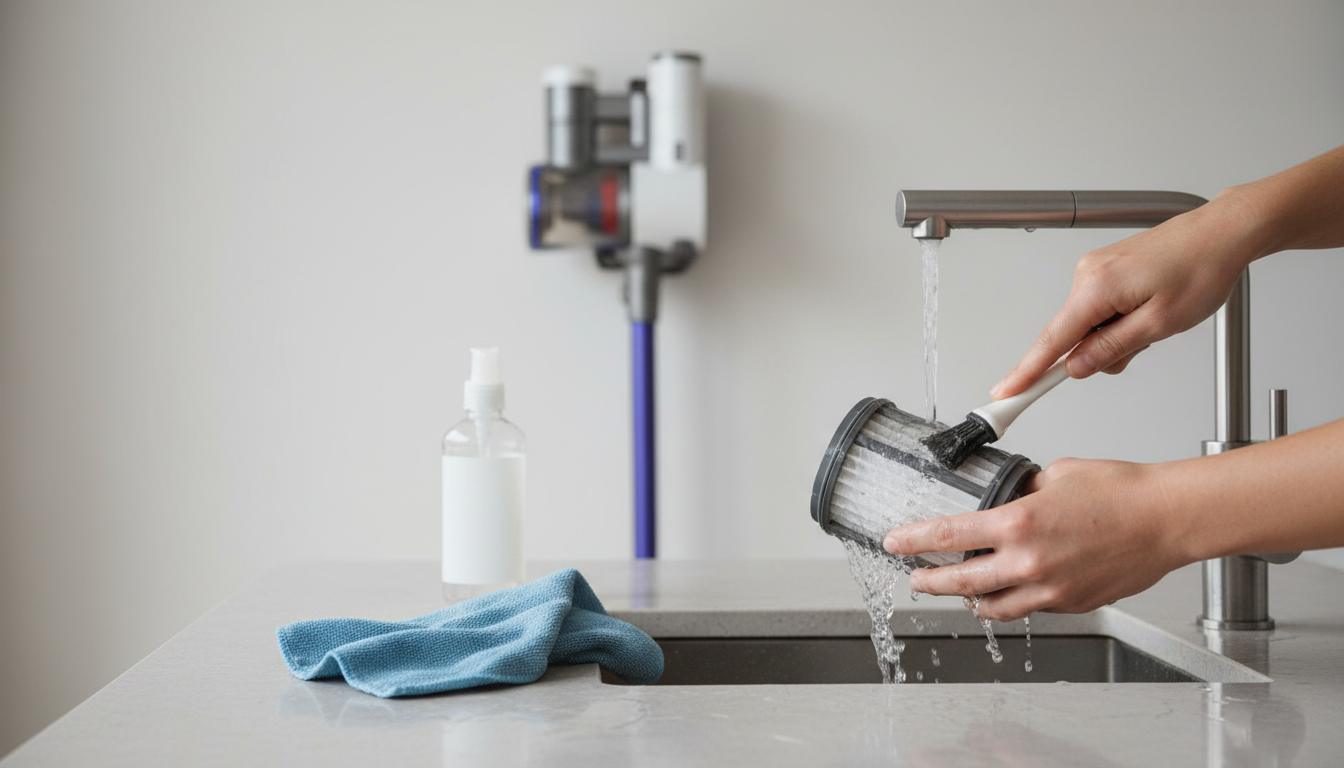
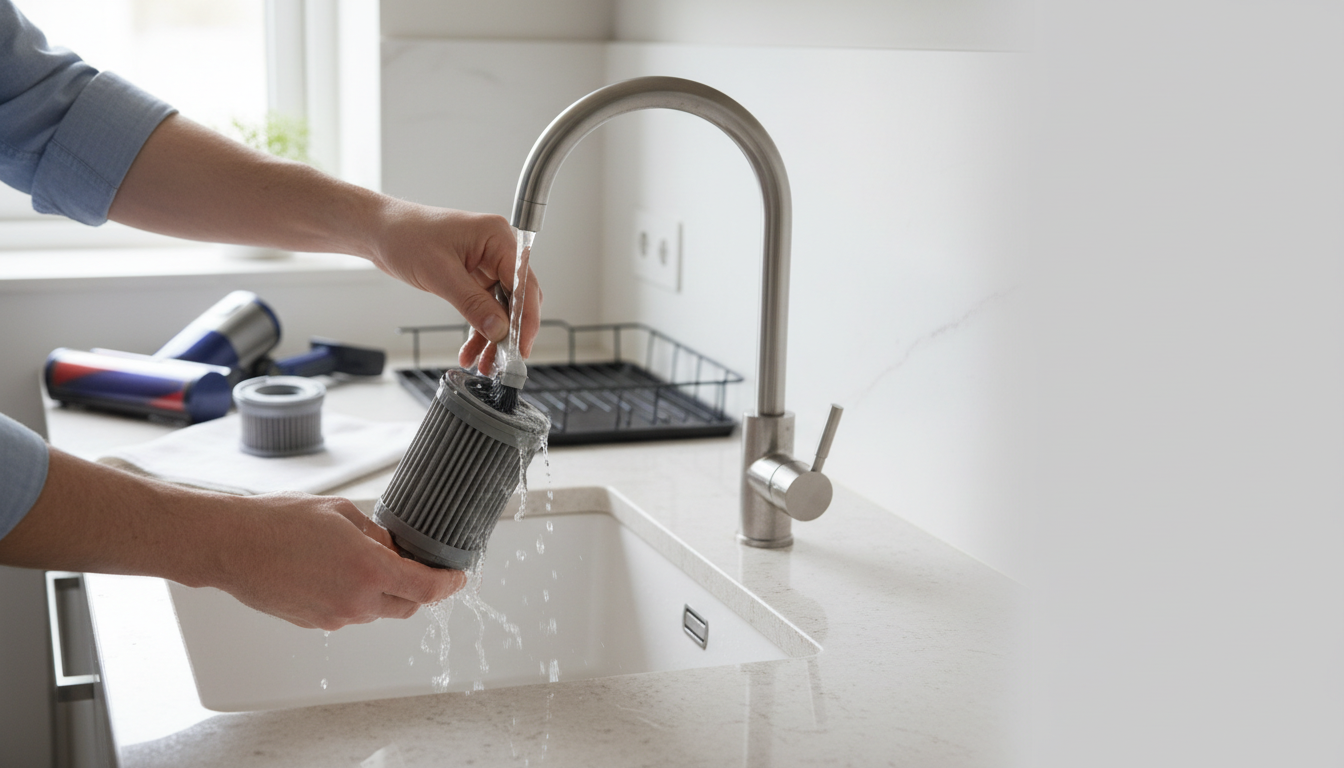
- For Dry Filters: After dry pickup, gently tap the filter against the inside of a trash bin to dislodge loose debris. For more embedded dust, use a soft brush (like a stiff paintbrush) to carefully clean between the pleats. Avoid aggressive brushing that could tear the filter material.
- For Wet Filters: If your filter is designed for wet pickup (or if it's a general-purpose filter that can be rinsed), remove it and rinse thoroughly under running water. Ensure all collected debris is washed away. Crucially, allow the filter to air dry completely before reinstalling it or storing it. Reusing a damp filter can lead to mold growth or damage to the vacuum.
-
Utilize Filter Bags for Fine Dust: For tasks that generate significant amounts of fine particulate matter, such as drywall sanding or concrete dust collection, employing a filter bag can be highly beneficial. These bags act as a pre-filter, capturing the majority of fine dust before it reaches the main pleated cartridge filter. This not only significantly extends the life of your primary filter by preventing premature clogging but also simplifies disposal of fine, often hazardous, dust.
-
Ensure Proper Filter Installation: A tight seal is paramount for effective filtration. Before operating your vacuum, always verify that the filter is correctly seated onto the filter cage and that any securing mechanisms (like a filter plate or nut) are firmly tightened. An improperly installed filter can lead to "bypass filtration," where air and debris bypass the filter entirely, reducing suction, allowing dust into the motor, and compromising air quality.
-
Store Filters Appropriately: Whether it's a cleaned filter awaiting reuse or a new spare, proper storage protects its integrity. Keep filters in a clean, dry environment, ideally in their original packaging or a sealed plastic bag. This prevents dust accumulation, protects against physical damage, and shields them from moisture, which could degrade the filter material over time.
-
Recognize When Replacement is Necessary: While cleaning can extend a filter's life, there comes a point when replacement is the only option. Key indicators include:
- Persistent Suction Loss: If your vacuum's suction remains noticeably weak even after a thorough filter cleaning, it suggests the filter's pores are permanently clogged or the material is degraded.
- Visible Damage: Tears, holes, or significant deterioration of the pleats mean the filter can no longer effectively trap debris.
- Unpleasant Odors: Lingering musty or foul smells, particularly after wet pickup, can indicate mold or bacterial growth within the filter material that cannot be cleaned away.
- Heavy Discoloration or Buildup: If the filter is heavily discolored or has a thick, embedded layer of dust that resists cleaning, its filtration capacity is likely compromised.
Making Your Final Decision: Matching the RIDGID Filter to Your Task
Choosing the correct RIDGID wet/dry vacuum filter is a straightforward process when you prioritize your cleaning task and vacuum model. The "best" filter is always the one that precisely matches your specific application, ensuring optimal performance, motor protection, and air quality. An informed selection not only enhances your vacuum's efficiency but also contributes to its longevity.
To confidently select the right filter, consider this simplified decision framework:
-
Step 1: Identify Your Primary Debris Type.
- Wet Messes: If your primary use involves vacuuming liquids, spills, or wet debris, you require a filter specifically designed for wet pickup. These filters, often foam-based, prevent water from reaching the motor.
- General Dry Debris: For common workshop dust, sawdust, wood chips, and larger construction debris, a standard pleated paper filter designed for general dry use is appropriate. These filters balance airflow and filtration for everyday tasks.
- Fine Dust or Allergens: When dealing with fine particulates like drywall dust, concrete dust, cold ash, or if you need enhanced air quality due to allergies, a specialized fine dust filter or a HEPA material filter is necessary. These filters offer higher filtration efficiency, capturing smaller particles that general filters might miss.
-
Step 2: Confirm Your RIDGID Vacuum Model and Size.
- Filter compatibility is crucial. Always cross-reference the filter's listed compatibility with your specific RIDGID wet/dry vacuum model and capacity (e.g., 5-16 gallons). Filters are designed to fit certain drum sizes and mounting mechanisms.
-
Step 3: Review Filter Designations and Specifications.
- RIDGID often uses specific designations to indicate a filter's intended use. For example, the VF7000 series is typically for wet applications, while the VF5000 series is designed for fine dust. Filters designated with VF6000 or VF8000 often indicate HEPA material or higher efficiency filtration for capturing allergens and very fine particles.
- Always check the product description for detailed filtration ratings (e.g., efficiency in capturing specific micron sizes) and material composition, especially when fine dust or allergen capture is a priority.
By following this framework, you can ensure that the filter you select is perfectly suited for your cleaning challenge. This precise match between filter and task is key to maintaining powerful suction, protecting your vacuum's motor from damaging particulates, and ensuring a cleaner environment during and after your work.
Invest in the Right Filter for a Cleaner, More Efficient Workshop
The performance and longevity of your RIDGID wet/dry vacuum are directly tied to the filter you choose. An informed selection not only ensures your vacuum operates at its peak efficiency, but also critically safeguards the motor from damaging debris and significantly improves the air quality in your workspace. Whether you're capturing coarse sawdust, fine drywall dust, or tackling wet spills, the correct filter is an essential component for effective cleanup.
To maximize the utility of your RIDGID vacuum, consider your specific cleaning tasks and the discussed criteria for each filter type. Matching the filter's design and material to the nature of the debris—be it general workshop waste, fine particulates, or liquid messes—is paramount. This thoughtful approach prevents premature filter clogging, maintains consistent suction, and ensures proper containment of airborne contaminants.
Ultimately, investing a small amount of time to understand and select the precise RIDGID vacuum cleaner filter yields substantial returns. It translates into a more durable vacuum, a cleaner environment, and the confidence that your equipment is ready for any challenge, operating efficiently for years to come.

More in Vacuum Cleaner Filters
View All