Dyson Vacuum Cleaner Filter Cleaning: Common Mistakes to Avoid and Best Practices
Why Your Dyson Filter Deserves Regular Attention
Your Dyson vacuum cleaner relies on its filters to capture dust and allergens, preventing them from recirculating into your home and protecting the motor. A clean filter is directly linked to the vacuum's ability to maintain powerful, consistent suction. When filters become clogged, airflow is restricted, forcing the motor to work harder, which can diminish cleaning efficiency and potentially shorten the appliance's lifespan.
Regular filter maintenance is a simple yet critical step in preserving your Dyson's performance. This article will guide you through effective cleaning practices, highlight common mistakes to avoid, and help you recognize when a filter needs replacement. The good news is that proper filter care is often straightforward, requiring minimal effort and no specialized tools.
Your Step-by-Step Guide to Cleaning Dyson Vacuum Filters
Properly cleaning your Dyson vacuum's filters is a straightforward process that significantly impacts its suction power and longevity. While Dyson models may feature different filter designs or locations, the fundamental cleaning method remains consistent for both cordless and corded units. Following these steps ensures your filters are maintained effectively without damage.
- Prioritize Safety: Before beginning any cleaning, always ensure your Dyson vacuum cleaner is unplugged from the power outlet or that the battery is removed from cordless models. This prevents accidental activation and potential injury.
- Locate and Remove Filters: Dyson vacuums typically have one or more filters. Refer to your specific model's manual for precise filter locations, which often include a main cylindrical filter near the dust bin and sometimes an additional post-motor filter. Twist or pull to detach them according to your model's design.
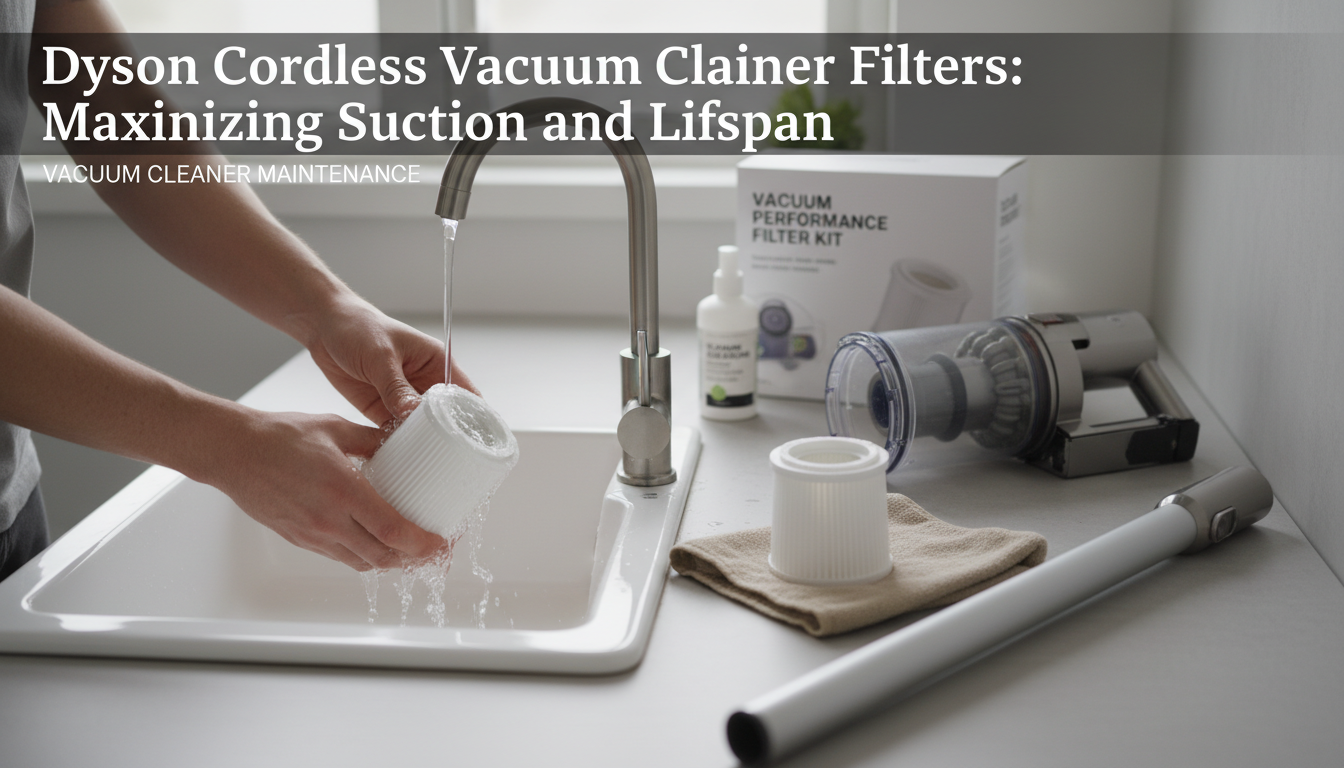
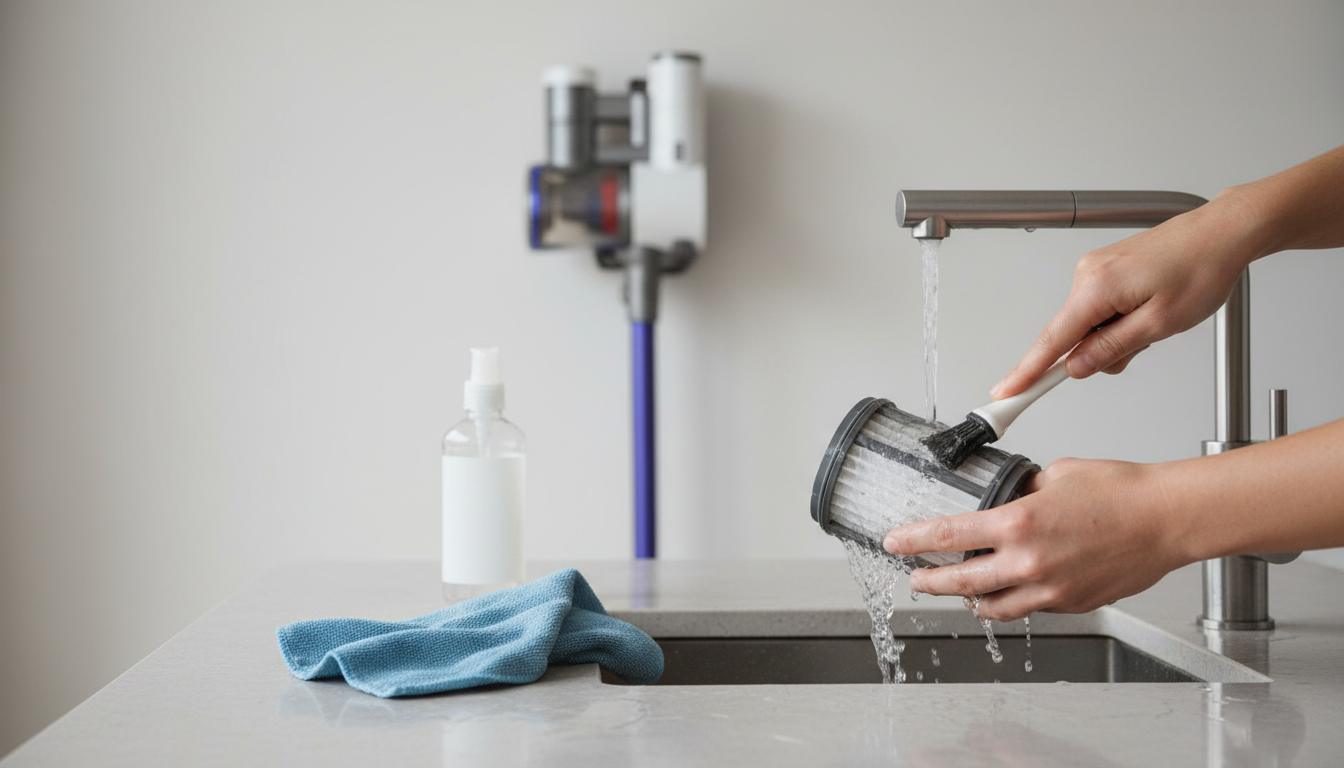
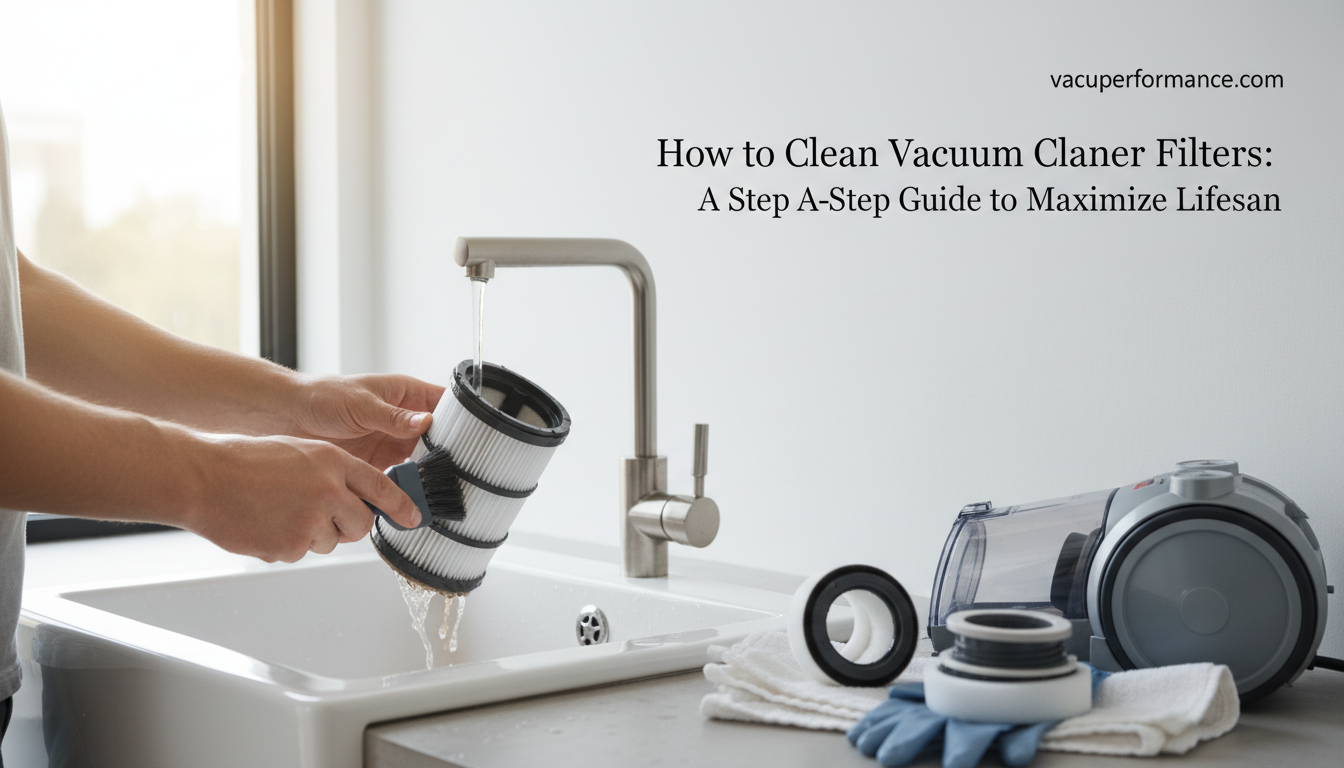
- Rinse Thoroughly with Cold Water: Hold the filter under a cold, running tap. Gently rotate it to allow water to flow through the pleated material until the water runs clear. It is crucial to avoid using any soap, detergent, or cleaning agents, as these can damage the filter material and impair its performance.
- Remove Excess Water: After rinsing, gently tap the filter against a sink to dislodge larger water droplets. You can also gently squeeze flexible filters to remove additional water, being careful not to twist or wring them aggressively.
- Crucial Drying Process: Place the cleaned filter in a warm, dry area to air dry completely for a minimum of 24 hours. Do not place it in direct sunlight, on a radiator, in a tumble dryer, or near any other heat source, as extreme heat can deform the filter material. Ensure air circulates around the filter for optimal drying. The filter must be bone dry before reinstallation; even slight dampness can lead to mold growth or damage to the vacuum's motor.
- Reinstall When Fully Dry: Once absolutely dry, reinsert the filter into its designated compartment. Ensure it clicks securely into place, following the removal steps in reverse.
Regular filter cleaning, typically monthly, helps maintain airflow and filtration efficiency, contributing to consistent vacuum performance.
Common Mistakes to Avoid When Cleaning Your Dyson Filter
Proper filter maintenance is crucial for your Dyson vacuum's performance and longevity. However, several common errors can inadvertently damage the filter or diminish cleaning effectiveness. Understanding these pitfalls can help you avoid costly repairs and ensure your vacuum operates as intended.
- Using Hot Water or Cleaning Agents: Dyson filters are designed to be cleaned with cold water only. Using hot water can potentially damage the delicate filter material or adhesive. Similarly, detergents, soaps, or other cleaning agents can leave behind residues that clog the filter's pores, reducing its ability to capture fine particles and impairing airflow. This residue can also lead to persistent, unpleasant odors.
- Incomplete Drying: A filter that isn't completely dry before reinstallation creates an ideal environment for mold and mildew growth. This not only introduces unpleasant odors into your home but can also lead to serious motor damage if moisture reaches the internal components. Dyson recommends a minimum of 24 hours for air drying.
- Accelerated Drying with Heat: Attempting to speed up the drying process using external heat sources, such as radiators, ovens, or tumble dryers, can cause irreversible damage. High heat can warp, melt, or shrink the filter material, compromising its structural integrity and filtration efficiency. Always allow the filter to air dry naturally.
- Infrequent Cleaning: Neglecting to clean your Dyson filter regularly—typically once a month for most models—allows dust and debris to accumulate. A clogged filter restricts airflow, forcing the vacuum's motor to work harder, which can lead to decreased suction power and premature motor wear.
- Ignoring Signs of Damage: Over time, filters can show signs of wear, such as tears, holes, or permanent discoloration that doesn't rinse away. Reinstalling a damaged filter allows unfiltered air and debris to pass through, potentially harming the motor and releasing allergens back into your environment. Reduced suction, persistent odors even after cleaning, or visible damage are indicators that cleaning may no longer be sufficient and replacement is necessary.
Committing these mistakes can lead to a cycle of reduced suction power, persistent odors, and potentially expensive repairs or premature filter replacement. Adhering to manufacturer guidelines for cleaning ensures optimal performance and extends the life of your Dyson vacuum.
Best Practices for Sustained Dyson Filter Health and Performance
Maintaining your Dyson vacuum cleaner's filters effectively extends its lifespan and ensures consistent cleaning power. Adopting a proactive approach to filter care, beyond just cleaning, can prevent common performance issues and reduce the need for premature replacements. These best practices form a comprehensive routine for optimal Dyson filter health and overall vacuum efficiency.
- Implement a Monthly Cleaning Schedule: Establish a routine to clean your Dyson vacuum's filters at least once a month. Regular cleaning prevents excessive dirt and debris buildup, which can strain the motor and diminish suction over time. This consistent maintenance is key to preserving the filter's functionality.
- Adhere to the Full 24-Hour Drying Period: After washing a filter, it is crucial to allow it to air dry completely for a minimum of 24 hours. Reinserting a damp filter can lead to mold growth, unpleasant odors, and potential damage to the vacuum's motor. Patience during this drying phase is non-negotiable for filter integrity and vacuum safety.
- Empty the Dustbin Frequently: Prevent premature filter clogging by regularly emptying the dustbin once debris reaches the MAX fill line, or even sooner for heavy-duty cleaning. An overfilled dustbin forces the vacuum to work harder, pushing more fine particles towards the filter and accelerating its saturation.
- Clear the Brush Bar of Debris: Periodically inspect and clear the brush bar of tangled hair, threads, and other debris. A clogged brush bar reduces overall vacuum efficiency, forcing the motor to compensate. This increased strain can indirectly impact filter performance and longevity by increasing the workload on the entire system.
- Consider a Spare, Genuine Filter: To avoid downtime while a cleaned filter dries, consider purchasing an additional genuine Dyson filter. This allows for continuous use of your vacuum, ensuring that you always have a dry, ready-to-use filter available. Opting for genuine filters helps maintain the manufacturer's intended performance and filtration standards.
- Regularly Inspect Filters for Wear: Beyond routine cleaning, make it a habit to visually inspect your filters for any signs of physical damage, tears, or excessive wear. Even with proper cleaning, filters degrade over time. Visible damage indicates that the filter's integrity is compromised, signaling that it's time for a replacement to maintain optimal air filtration and vacuum performance.
Cleaning vs. Replacing: Knowing When Your Dyson Filter Needs an Upgrade
While regular cleaning can significantly extend the life of your Dyson vacuum's filter, there comes a point when cleaning alone is no longer sufficient. Recognizing when a filter has reached the end of its effective lifespan is crucial for maintaining optimal suction power, protecting the vacuum's motor, and ensuring clean air output.
Consider replacing your Dyson filter if you observe any of the following indicators:
- Persistent Odors: Even after thorough cleaning and complete drying, if your vacuum emits a musty or unpleasant smell during operation, it often signals that the filter has absorbed odors that cannot be rinsed away.
- Visible Damage: Inspect the filter for tears, holes, fraying, or any significant structural compromise. Damaged filters cannot effectively trap dust and allergens, allowing them to recirculate into your home's air and potentially reach the motor.
- Inability to Restore Performance: If your vacuum's suction power remains noticeably diminished even after a proper filter cleaning and drying cycle, the filter's media may be too clogged or degraded to function efficiently.
- Stiffness or Brittleness: Over time, filter materials can degrade. If your filter feels stiff, brittle, or begins to shed material, it's a strong sign it needs replacement.
Many manufacturers suggest a general replacement frequency of every 6 to 12 months for vacuum filters, though this can vary based on usage intensity and household conditions (e.g., pets, allergies, frequent use). Regularly checking your filter's condition is more reliable than strictly adhering to a timeline.
When replacing, the choice of filter impacts your vacuum's performance. Genuine Dyson filters are designed to meet specific filtration standards and ensure compatibility, which can be critical for maintaining the vacuum's intended air quality and motor protection. High-quality, compatible alternatives may also be available, but verifying their filtration efficacy and fit is important.
The trade-off for replacing a filter is the immediate cost. However, this investment offers several long-term benefits:
- Sustained Suction Power: A new filter restores the vacuum's ability to capture fine dust and debris effectively.
- Motor Protection: A clogged or damaged filter forces the motor to work harder, potentially leading to overheating and premature wear. A clean filter reduces strain, extending the vacuum's lifespan.
- Improved Air Quality: Fresh filters efficiently trap allergens and microscopic particles, preventing them from being released back into your living space.
Ultimately, investing in a new filter when necessary is essential for optimal air quality in your home and for ensuring your Dyson vacuum operates at its peak performance.
Frequently Asked Questions About Dyson Filter Care
Proper maintenance of your Dyson vacuum's filter is key to sustaining its performance. Addressing common questions can clarify cleaning practices and help avoid errors that might impact your vacuum's efficiency or filter lifespan.
-
Can I use soap or detergent to clean my Dyson filter? No. Dyson explicitly recommends using only clean, cold water for washing filters. Soaps, detergents, or other cleaning agents can leave residues that clog the filter material or degrade its effectiveness, potentially damaging the filter and affecting air filtration.
-
How often should I clean my Dyson vacuum filter? For optimal performance, Dyson generally advises cleaning your vacuum's filter monthly. However, this can vary based on your usage frequency and the amount of debris collected. If you notice a drop in suction power, it's often a sign that the filter needs attention sooner.
-
How long does a Dyson filter take to dry completely? A Dyson filter requires a minimum of 24 hours to air dry completely after washing. It is crucial that the filter is bone dry before being reinserted into the vacuum. Using a damp filter can damage the motor and compromise performance.
-
What if my filter still smells after cleaning? If a persistent odor remains after thorough washing and complete drying, it may indicate that the filter has absorbed deep-seated smells or developed mildew. In such cases, cleaning may no longer be sufficient, and replacing the filter is the most effective solution to restore fresh-smelling air.
-
Are all Dyson vacuum filters washable? Most Dyson vacuum filters are designed to be washable. However, it's essential to consult your specific model's user manual, as there might be exceptions or particular instructions for certain filter types. Always confirm washability before attempting to rinse any filter.
-
Can I use a hairdryer to dry my Dyson filter faster? No. Using a hairdryer, tumble dryer, or any other heat source to accelerate drying can damage the filter material. The heat can deform or degrade the delicate fibers, rendering the filter less effective at capturing dust and allergens. Always allow the filter to air dry naturally for the recommended 24 hours.
Maintain Peak Performance with Proper Filter Care
Consistent and correct filter maintenance is a simple yet powerful practice for any Dyson vacuum owner. The process, while straightforward, profoundly impacts your appliance's long-term performance and efficiency. By diligently avoiding common cleaning mistakes and adhering to best practices, you ensure your Dyson continues to operate as intended.
This simple habit directly contributes to maintaining strong suction, extending the lifespan of your appliance, and ensuring cleaner air in your home. Regularly cleaning your filters, as recommended, prevents undue strain on the motor and maintains optimal airflow. By consistently applying these best practices and understanding when a filter reaches the end of its effective life, you empower your Dyson to perform at its best.
More in Vacuum Cleaner Filters
View All