Understanding Vacuum Cleaner Air Filters: What They Do and When to Replace Them
Breathe Easier: The Critical Role of Vacuum Cleaner Air Filters
Vacuum cleaners are essential for a clean home, but their effectiveness extends beyond visible dirt, largely thanks to their often-overlooked air filters. These critical components are not just simple dust catchers; they perform a dual function vital for both your appliance and your indoor environment. A vacuum cleaner air filter works by trapping dust, dirt, pet dander, and other microscopic particles as air passes through the machine.
This filtration system serves two primary purposes:
- Motor Protection: By preventing fine debris from entering and damaging the vacuum's motor, filters help maintain consistent suction power and extend the appliance's lifespan.
- Indoor Air Quality Improvement: Crucially for homeowners and allergy sufferers, effective filters capture airborne irritants, preventing them from being recirculated back into your living space. This significantly contributes to a healthier home environment by reducing allergens and particulate matter.
This article aims to empower you with the knowledge to understand the various types of vacuum cleaner air filters, identify the correct replacement for your specific model, and make informed decisions about when and how to replace them for optimal vacuum performance and superior indoor air quality.
Beyond the Dirt Bin: How Air Filters Safeguard Your Home and Vacuum
Vacuum cleaner air filters are essential components that do more than just collect debris; they actively purify the air expelled by your machine and protect its internal mechanisms. Understanding their function is key to maintaining both your vacuum's efficiency and your home's air quality.
These filters operate by trapping microscopic particles as air passes through them. This includes common household contaminants such as dust, dirt, pet dander, and various allergens. Effective filtration prevents these particles from being recirculated back into your living space, contributing significantly to a cleaner indoor environment. For individuals prone to allergies or respiratory sensitivities, this reduction in airborne irritants can lead to noticeable improvements in comfort and health.
Beyond air purification, filters play a critical role in preserving the vacuum itself. They act as a barrier, preventing fine dust and debris from reaching the vacuum's motor. Without this protection, abrasive particles could enter the motor housing, causing wear and tear that leads to reduced performance and premature failure. A clean, functional filter ensures unrestricted airflow, which is vital for maintaining consistent suction power and extending the lifespan of your appliance. When filters become clogged, airflow is restricted, leading to decreased suction and potential strain on the motor.
Vacuum cleaners typically incorporate two main types of filters, each serving a distinct purpose:
- Pre-motor filters: Positioned before the motor, these filters are the first line of defense. Their primary role is to capture larger dust particles and debris, preventing them from entering and damaging the motor. This protection is crucial for the vacuum's longevity and consistent operation.
- Post-motor filters: Located after the motor, these filters are responsible for cleaning the air before it is exhausted back into the room. They capture finer particles that may have passed through the pre-motor filter or been generated by the motor itself. Filters designed to meet High-Efficiency Particulate Air (HEPA) standards are examples of advanced post-motor filtration, capable of trapping a high percentage of microscopic particles, including many common allergens.
Understanding Your Options: A Guide to Different Vacuum Filter Types
Selecting the appropriate air filter for your vacuum cleaner is crucial for both cleaning performance and indoor air quality. Filters vary significantly in their design, material, and particle capture capabilities, each suited to different household needs and priorities. Understanding these distinctions empowers you to make an informed choice for your home environment.
-
HEPA Filters HEPA stands for High-Efficiency Particulate Air. These filters meet a stringent standard, designed to capture 99.97% of airborne particles as small as 0.3 microns. This includes common allergens like pollen, pet dander, dust mite debris, and mold spores. For allergy sufferers or households prioritizing superior air quality, a vacuum equipped with a true HEPA filter is often a key consideration. However, the effectiveness of a HEPA filter is maximized when paired with a vacuum's sealed system, ensuring all air passes through the filter rather than leaking around it.
-
Standard and Pleated Filters These represent the more basic level of filtration. Often made from paper, foam, or synthetic fibers, standard filters are primarily designed to protect the vacuum motor from larger dust and debris. Pleated designs increase the surface area, allowing for slightly better capture of finer particles than flat standard filters, but they do not meet the high filtration standards of HEPA. They are generally sufficient for general household cleaning where allergen removal is not the primary concern.
-
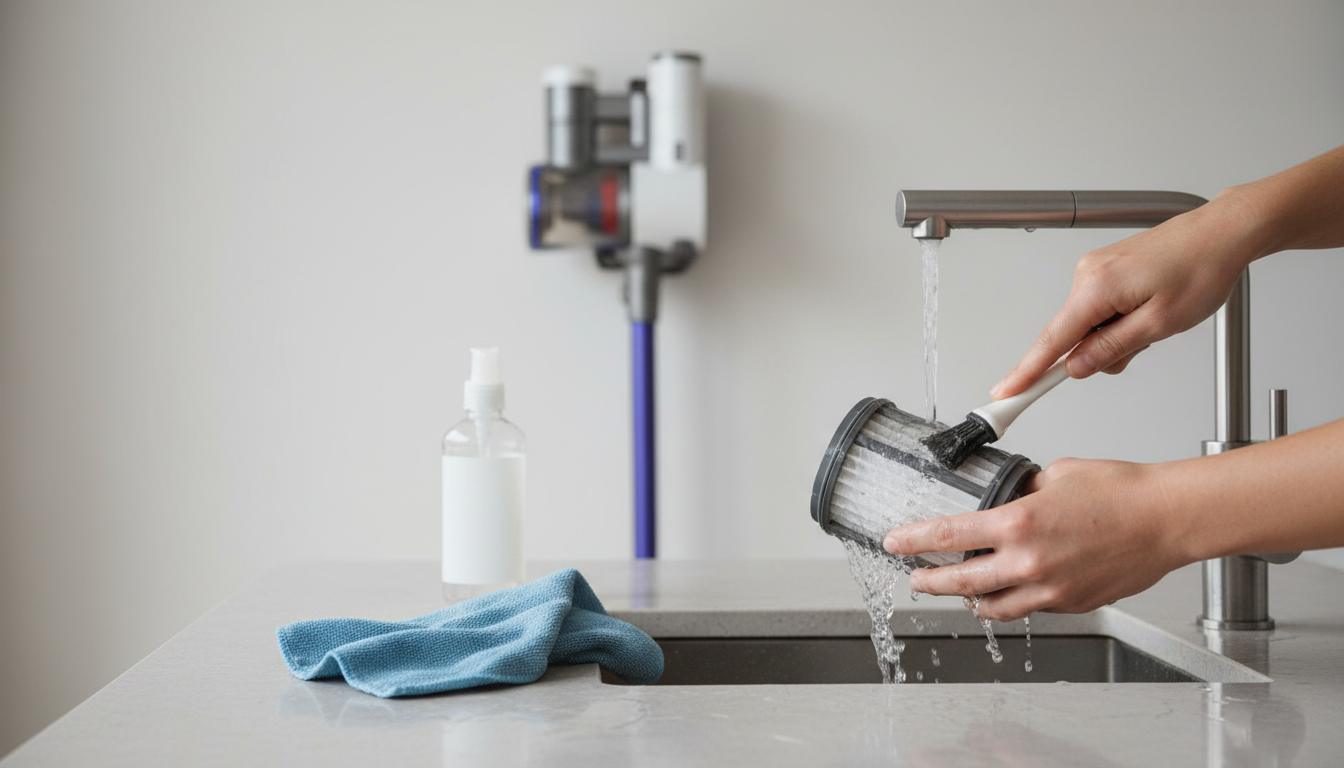
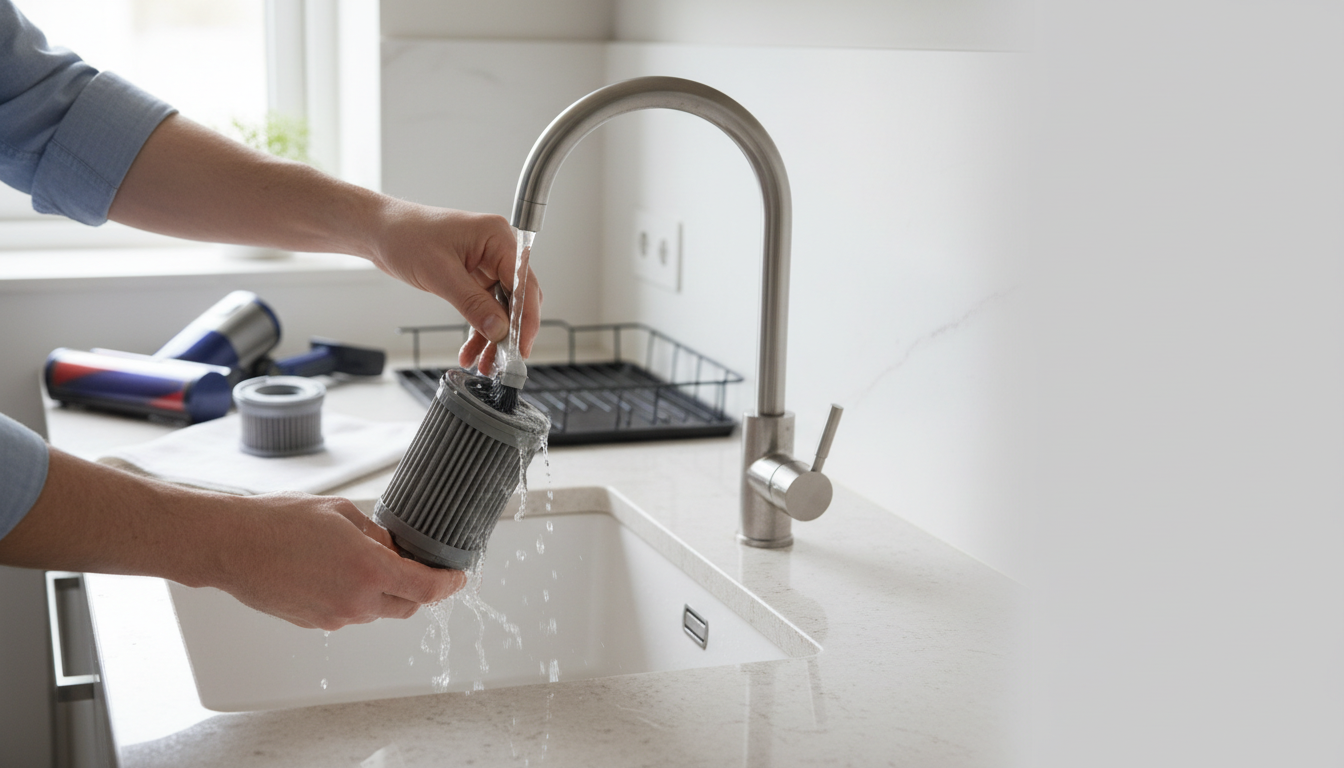
Washable and Reusable Filters Offering environmental and potential cost-saving benefits, these filters are designed to be cleaned and reused multiple times. They are typically made from foam or synthetic materials. While convenient and reducing the need for frequent replacements, proper maintenance is critical. Filters must be thoroughly washed according to manufacturer instructions and completely air-dried before reinstallation to prevent mold growth and maintain effective airflow. Their filtration efficiency varies, with some washable filters offering HEPA-level performance while others provide more basic filtration.
-
Disposable Filters Disposable filters offer maximum convenience, requiring no cleaning—simply remove the old filter and insert a new one. These are often made from paper or synthetic materials and can range from basic motor protection to high-efficiency designs, including disposable HEPA options. They are preferred in busy households or by those who wish to avoid the maintenance associated with washable filters. The primary trade-off is the ongoing cost of replacements and the environmental impact of disposal.
Time for a Change? Key Signs Your Vacuum Filter Needs Replacing
Recognizing when your vacuum cleaner's air filter needs attention is crucial for maintaining both cleaning efficiency and indoor air quality. Ignoring a clogged or damaged filter can diminish your vacuum's performance and potentially impact its lifespan. Here are key indicators that signal it's time to inspect or replace your filter:
- Reduced Suction Power: One of the most immediate signs of a compromised filter is a noticeable drop in your vacuum's ability to pick up debris. A dirty or clogged filter restricts airflow, forcing the motor to work harder without delivering effective suction. As noted in a YouTube discussion on vacuum filter warning signs, restricted airflow directly impacts performance, making tasks less efficient.
- Unusual Odors During Operation: If your vacuum emits a stale, musty, or otherwise unpleasant smell while running, a dirty filter is often the culprit. Over time, trapped dust, pet dander, and other particles can accumulate bacteria and mold, leading to these odors being expelled back into your home. This is a common issue stemming from faulty filtration, as highlighted in vacuum maintenance discussions.
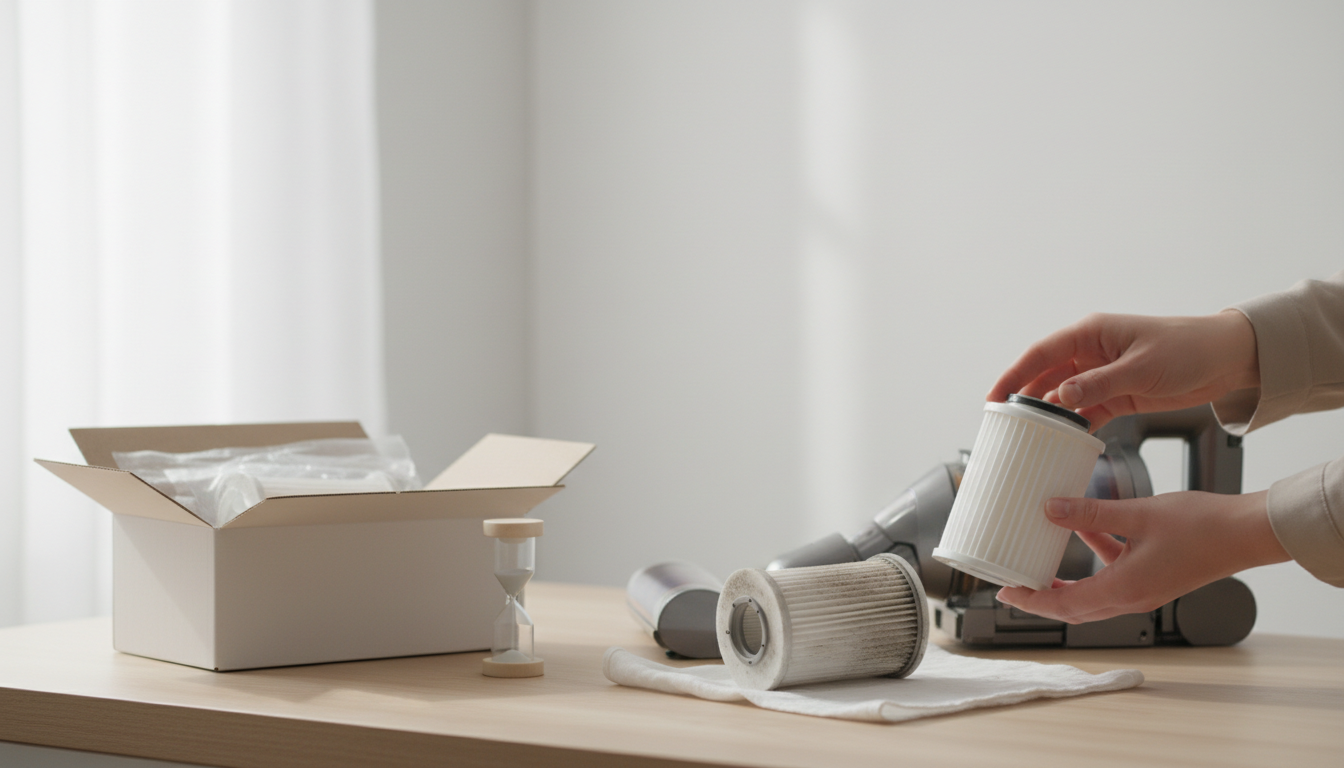
- Visible Dirt or Damage: A direct visual inspection can reveal a lot. Look for excessive dust and debris buildup on the filter surface that cannot be easily cleaned, or any tears, holes, or structural damage. Filters should appear relatively clean and intact; heavy discoloration or physical damage indicates it's no longer performing effectively.
- Dusty Exhaust: If you notice fine dust or a visible plume of particles escaping from your vacuum's exhaust port, it's a clear indication that the filter is failing to capture pollutants. This means your vacuum is essentially recirculating dust back into your home, negating its purpose and potentially worsening indoor air quality.
- Motor Overheating: A severely clogged filter can cause the vacuum's motor to strain excessively due to restricted airflow. This increased workload generates more heat, which can lead to the motor overheating and potentially shutting off, or even shortening its lifespan. Protecting the motor is a key function of the filter, and its failure can lead to this critical issue, as discussed in video guides about vacuum filter replacement.
Beyond these signs, general manufacturer recommendations typically suggest replacing filters every 3 to 6 months for optimal performance, depending on usage frequency and household conditions (e.g., pets, allergies). Always consult your vacuum's user manual for model-specific guidelines.
<h2>Making the Right Choice: How to Select Your Next Vacuum Cleaner Air Filter</h2> Choosing the correct replacement air filter for your vacuum is essential for maintaining its cleaning efficacy and ensuring the air expelled back into your home is as clean as possible. An informed selection process helps avoid performance issues and supports a healthier indoor environment.When evaluating replacement filters, prioritize these key considerations:
-
Verify Exact Compatibility: The most critical step is to match the filter to your vacuum's specific brand and model number. Filters are not universal; an incorrect fit can lead to reduced suction, motor damage, or bypass filtration, where air leaks around the filter. Always consult your vacuum's user manual or locate the model number (often found on a sticker on the vacuum's base or back) to identify the precise filter part number required.
-
Align with Household Needs:
- Allergy Sufferers: If anyone in your home experiences allergies, asthma, or respiratory sensitivities, a High-Efficiency Particulate Air (HEPA) filter is often the preferred choice. HEPA filters are designed to capture a high percentage of microscopic particles, including pollen, pet dander, dust mites, and mold spores, significantly improving indoor air quality.
- Sustainability and Cost: Washable and reusable filters can offer a more economical and environmentally friendly option over time. These filters require regular cleaning and thorough drying before reinstallation, but they reduce the need for frequent replacements, saving costs and minimizing waste. Ensure your vacuum model is designed to accommodate washable filters, as not all are.
-
Address All Filter Types: Many modern vacuums utilize a multi-stage filtration system, often including both pre-motor and post-motor filters.
- Pre-Motor Filters: These are typically located near the dustbin and protect the vacuum's motor from larger debris. They are often washable.
- Post-Motor Filters (Exhaust Filters): Positioned near the air exhaust, these filters capture fine particles before air is released back into the room. This is where HEPA filters are commonly found. Ensure you identify and plan to replace all applicable filters in your vacuum according to the manufacturer's recommendations.
-
Consider Purchase Options: While local retailers offer convenience, purchasing replacement filters online often provides a wider selection and competitive pricing. Online platforms allow for easier comparison of genuine manufacturer parts versus compatible aftermarket options, and access to customer reviews can provide additional insights into fit and performance. Always verify seller credibility and return policies when buying online.
Avoiding Pitfalls: Common Trade-offs and Misconceptions in Filter Selection
Choosing and maintaining vacuum cleaner air filters involves several considerations that, if overlooked, can diminish performance or even harm your vacuum. Understanding these common pitfalls helps ensure your selection supports both effective cleaning and healthy indoor air.
The allure of 'universal' filters can be strong due to perceived convenience or lower cost. However, these non-specific filters often present significant risks. A filter that isn't precisely designed for your vacuum model may not create an airtight seal, allowing dust and allergens to bypass the filtration system and re-enter your home's air or even damage the vacuum's motor. Always prioritize filters specified for your vacuum's make and model to guarantee proper fit and filtration efficiency.
Balancing cost with filtration performance is another common trade-off. While budget-friendly options exist, they may not offer the same level of particle capture as higher-grade filters, such as true HEPA filters. For allergy sufferers or households with pets, investing in filters with superior filtration capabilities might be more beneficial for indoor air quality, even if the initial cost is higher. Assess your specific needs to determine the most effective balance.
For those with washable filters, proper care is paramount. While reusable filters can save money and reduce waste, inadequate cleaning or incomplete drying can lead to significant problems. Always follow the manufacturer's instructions for washing. Crucially, ensure the filter is completely dry before reinserting it into the vacuum. Reinstalling a damp filter can foster mold or mildew growth, introducing unpleasant odors and potentially harmful spores into your home's air.
Additionally, be aware of airflow restriction. While denser filters capture more microscopic particles, an overly dense filter not correctly matched to your vacuum's design can impede airflow. This restriction forces the vacuum's motor to work harder, potentially leading to reduced suction power, overheating, and premature motor wear. Always select filters recommended by the vacuum manufacturer to ensure optimal airflow and performance.
Finally, the concept of 'lifetime' filters is a common misconception. Even filters marketed as permanent or washable will degrade over time with repeated use and cleaning cycles. Their material can break down, pores can become irrevocably clogged, or the structural integrity can weaken. Regular inspection for wear, tears, or persistent discoloration, even in washable filters, is essential. Replacing filters periodically, as recommended by your vacuum's manufacturer, is critical for maintaining peak filtration and suction power.
Frequently Asked Questions About Vacuum Cleaner Air Filters
Navigating the world of vacuum cleaner filters can bring up several common questions. Understanding these aspects helps homeowners make informed choices for their vacuum's longevity and indoor air quality.
-
What's the difference between pre-motor and post-motor filters? Pre-motor filters are positioned before the vacuum's motor. Their primary role is to capture larger dust and debris, preventing these particles from entering and potentially damaging the motor. Post-motor filters, conversely, are located after the motor. They are designed to trap fine particles and allergens from the air before it's exhausted back into your home, contributing to cleaner indoor air.
-
How often should I replace my vacuum cleaner filter? Replacement frequency varies based on your vacuum's usage, the type of filter, and whether you have pets or allergies. As a general guideline, disposable filters often require replacement every 3 to 6 months. Washable filters can be cleaned more frequently (e.g., every couple of months) but still need to be replaced periodically when they show signs of wear or diminished performance. A noticeable reduction in suction is a key indicator that it's time for a filter check or replacement.
-
Can I wash all vacuum filters? No, not all vacuum filters are designed to be washable. Attempting to wash a non-washable filter can damage its filtration media, rendering it ineffective or even harmful to your vacuum. Always consult your vacuum's user manual to determine if your specific filters are washable. If they are, ensure they are completely air-dried before reinstallation to prevent mold growth or damage to the vacuum's internal components.
-
Is a HEPA filter really necessary? HEPA (High-Efficiency Particulate Air) filters meet a stringent standard, capturing 99.97% of airborne particles as small as 0.3 microns. While not strictly "necessary" for all households, they are highly beneficial for allergy sufferers, those with respiratory sensitivities, or anyone prioritizing superior indoor air quality. For a HEPA filter to be truly effective, the vacuum cleaner must also have a sealed system, preventing unfiltered air from escaping.
-
Will a dirty filter affect my vacuum's performance? Absolutely. A dirty or clogged filter severely restricts airflow through the vacuum. This restriction directly leads to a noticeable decrease in suction power, making your vacuum less effective at picking up dirt and debris. Furthermore, a strained motor working harder against restricted airflow can overheat, potentially shortening the vacuum's lifespan.
-
How do I find the right filter for my vacuum model? To ensure proper fit and optimal performance, always identify the correct replacement filter for your specific vacuum. The most reliable method is to check your vacuum cleaner's user manual or the manufacturer's website. Look for your vacuum's exact model number, which is usually found on a label on the vacuum itself. Filters are often identified by a specific part number that corresponds to your model.
Your Path to Cleaner Air and a Healthier Home
Your vacuum cleaner's air filter is a vital component, acting as a barrier that protects both your appliance's performance and your indoor air quality. By understanding the different filter types and recognizing the signs of a clogged filter, you empower yourself to make informed decisions that benefit your home environment. Proper filtration ensures that the dust, allergens, and microscopic particles picked up by your vacuum remain contained, rather than being recirculated into the air you breathe.
To maintain optimal vacuum performance and a cleaner home, regularly check your vacuum's air filter. Refer to your vacuum's manual for specific guidance on filter type, cleaning instructions for washable filters, and recommended replacement intervals. This proactive approach prevents diminished suction, reduces strain on the motor, and most importantly, ensures that your vacuum effectively contributes to superior indoor air quality. A clean filter is a simple yet profoundly impactful step towards a healthier living space.
More in Vacuum Cleaner Filters
View All