Cleaning Filters on Your Dyson Vacuum Cleaner: A Detailed Step-by-Step Guide
Unlock Peak Performance: Why Cleaning Your Dyson Vacuum Filter Matters
Your Dyson vacuum is engineered for powerful suction and advanced air filtration, delivering a cleaner home environment. The filters are a critical component of this system, trapping microscopic dust, allergens, and debris, preventing them from recirculating into your air. When these filters become clogged with accumulated particles, your vacuum's performance can diminish significantly, leading to reduced suction power and compromised air quality.
Regular filter maintenance is not just about cleaning; it's about preserving the efficiency and longevity of your appliance. This guide empowers Dyson owners with the knowledge to:
- Execute proper cleaning techniques for various Dyson filter types.
- Identify and avoid common mistakes that can damage filters or reduce their effectiveness.
- Understand the critical role of complete drying to prevent mold and maintain airflow.
- Recognize when a filter needs replacement versus just a thorough cleaning.
By following these practical, evidence-oriented steps, you can ensure your Dyson vacuum consistently operates at its peak, maintaining robust suction and superior air purification for years to come.
The Science Behind a Clean Filter: How It Boosts Your Dyson's Efficiency
Dyson vacuum cleaners rely on their filtration systems to capture microscopic dust, allergens, and other particles, preventing them from being recirculated into your home's air. These filters are designed to trap fine debris, contributing to both a cleaner home environment and the vacuum's operational integrity.
When a Dyson filter becomes saturated with trapped particles, its ability to allow air to pass through diminishes. This restriction forces the vacuum's motor to work harder to maintain airflow, leading to several issues:
- Reduced Suction Power: A clogged filter directly impedes the vacuum's suction, making it less effective at picking up dirt and debris from surfaces. This means more passes are required, or some particles are left behind.
- Increased Motor Strain: The motor compensates for reduced airflow by drawing more power, which can lead to overheating and potentially shorten the motor's lifespan over time. This added stress can also increase energy consumption.
- Compromised Air Quality: If the filter is severely clogged or damaged, it may fail to adequately capture fine particles, allowing them to escape back into the air through the exhaust. This defeats the purpose of the filtration system and can impact indoor air quality.
To maintain optimal performance and prolong the life of your Dyson vacuum, cleaning the filter regularly is crucial. Dyson generally recommends cleaning filters at least once a month. This consistent maintenance helps ensure the vacuum operates at its intended efficiency, effectively capturing debris and maintaining cleaner exhaust air.
Your Step-by-Step Guide to Cleaning Your Dyson Vacuum Filter
Maintaining your Dyson vacuum's filter is crucial for its performance and longevity. While Dyson models feature various filter designs—from cylindrical to pleated—the fundamental cleaning process remains consistent. This guide provides actionable steps to ensure your filter functions optimally, preserving your vacuum's suction power and air filtration capabilities.
Preparation: What You'll Need (Spoiler: Not Much!)
Cleaning your Dyson filter requires minimal supplies. You will only need access to clean, cold running water. It's essential to explicitly avoid any cleaning agents.
- Clean, cold running water: This is the only substance recommended for washing Dyson filters.
- Avoid soap or detergent: These can damage the filter material, reduce its effectiveness, and potentially create suds that are difficult to rinse out, leading to residue buildup or motor damage if not fully removed.
Locating and Removing Your Dyson Filter(s)
Dyson vacuum cleaners typically house their filters in accessible locations, though their exact appearance and placement can vary significantly between cordless, upright, and canister models.
- Cordless models (e.g., V-series, Outsize): Filters are often located at the top of the main cyclone assembly, usually requiring a simple twist or pull to detach.
- Upright and canister models: Filters might be found near the dust bin, at the back of the motor housing, or sometimes in multiple locations.
- Consult your manual: If you are unsure about your specific model's filter location or removal method, refer to your Dyson user manual for precise instructions.
The Rinsing Process: Washing Away the Grime
Once removed, the cleaning process focuses on thoroughly rinsing away accumulated dust and debris.
- Tap off excess dust: Before wetting, gently tap the filter over a waste bin to dislodge loose dirt and dust. This prevents excessive grime from going down your drain.
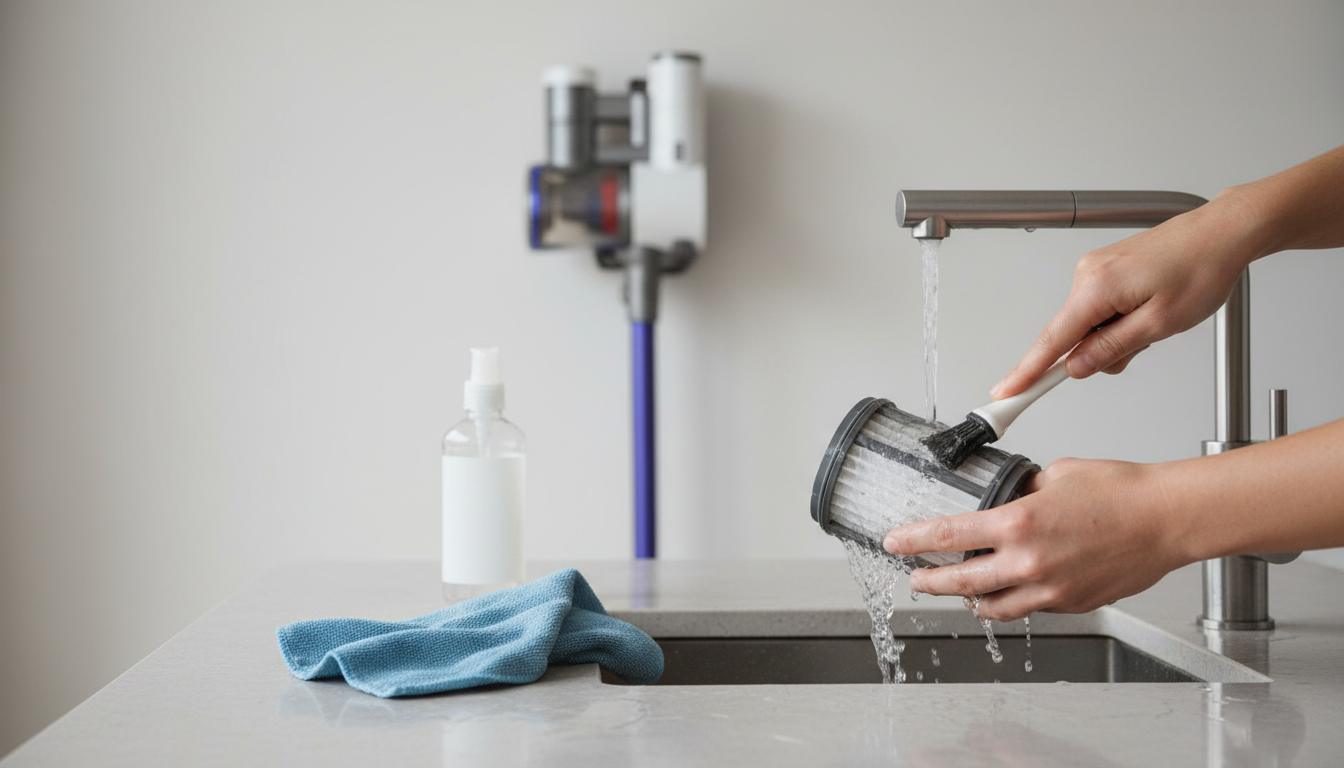
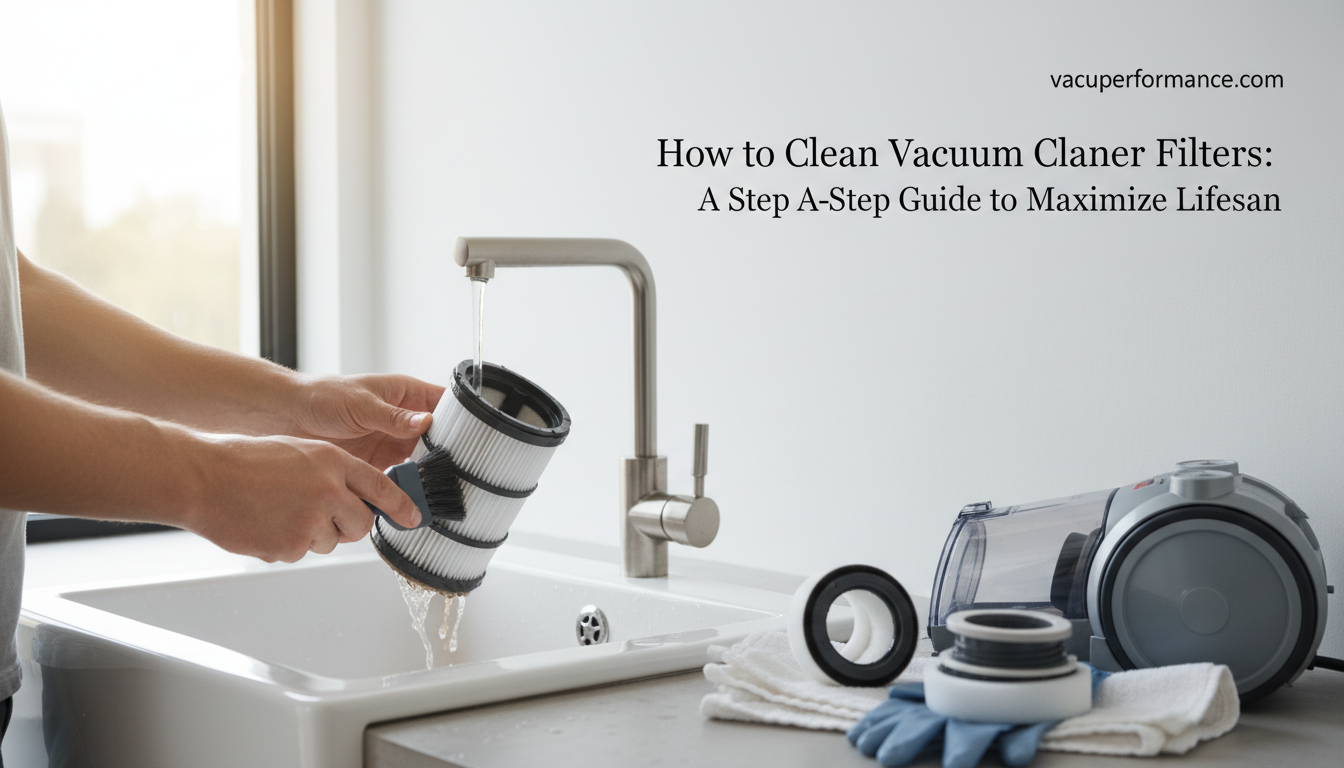
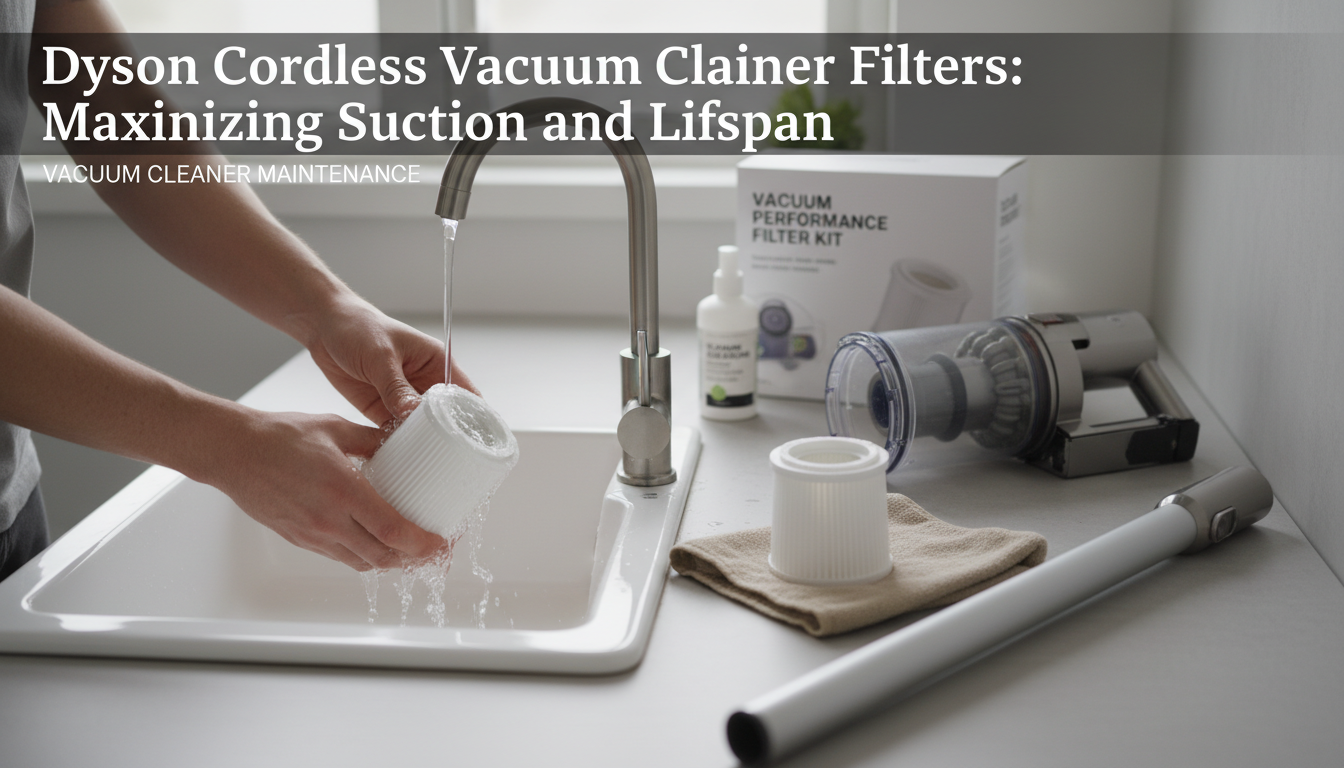
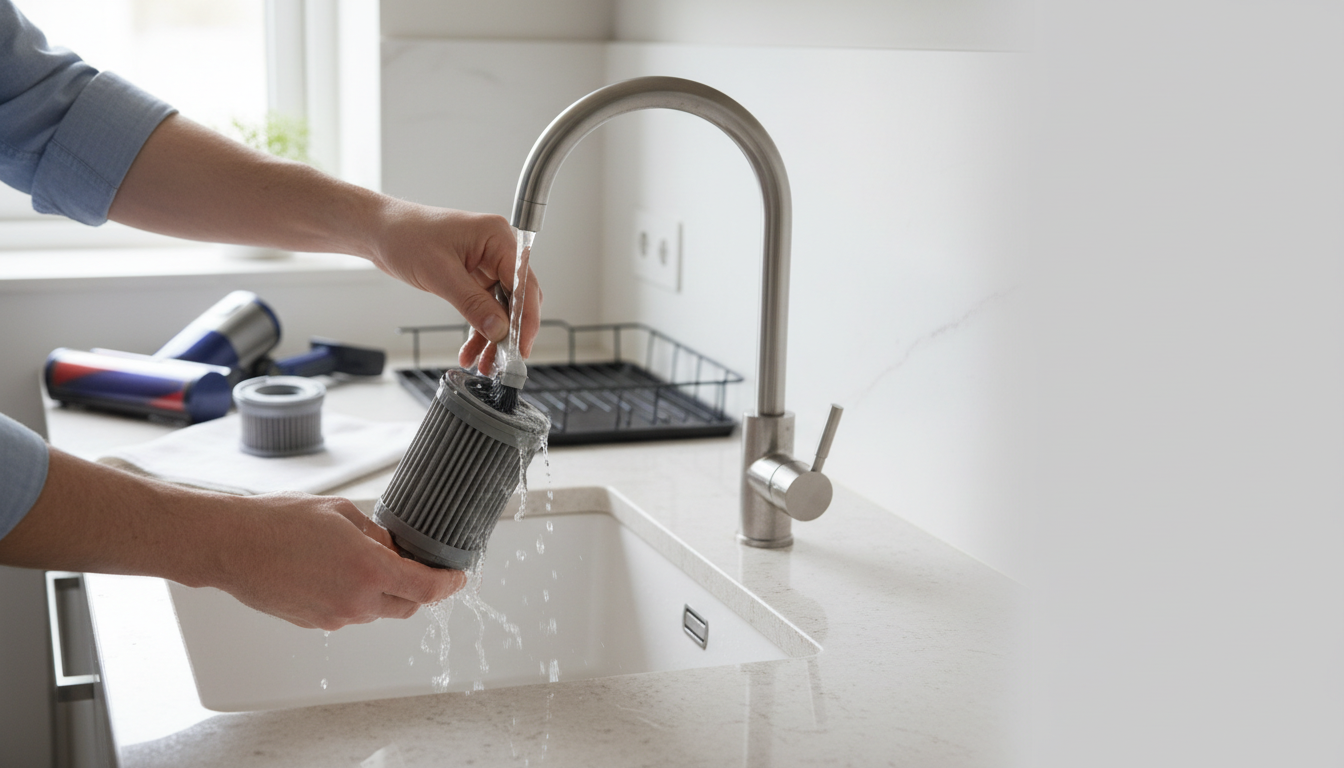
- Rinse under cold running water: Hold the filter under a cold tap, ensuring water flows through the pleated or foam material. For cylindrical filters, rotate it to ensure all sides are rinsed.
- Gently squeeze (if applicable): For foam or soft pleated filters, gently squeeze the material to work out trapped dirt. Avoid twisting or aggressive squeezing, which can damage the filter structure.
- Continue rinsing until water runs clear: Keep rinsing and gently squeezing until the water coming off the filter is completely clear and free of discolored residue.
The Critical Drying Phase: Why Patience is Key
This is arguably the most crucial step. A filter that is not completely dry before reinstallation can lead to mold growth, unpleasant odors, damage to your vacuum's motor, and a significant loss of suction.
- Air dry only: Place the filter in a warm, dry environment with good airflow. A windowsill, near a fan, or in a well-ventilated room are suitable options.
- Minimum 24 hours: Allow the filter to air dry for at least 24 hours. Depending on humidity and ambient temperature, it may take longer.
- Avoid heat sources: Do not use radiators, tumble dryers, microwaves, or direct sunlight to speed up drying. High heat can warp or degrade the filter material, rendering it ineffective.
- Check for complete dryness: Before proceeding, visually inspect and gently feel the filter. It must be bone dry, with no hint of dampness or moisture.
Reassembling Your Dyson: The Final Step
Once you are absolutely certain the filter is completely dry, you can reassemble your vacuum.
- Ensure complete dryness: Double-check that the filter is thoroughly dry. Even slight dampness can cause issues.
- Reinstall correctly: Place the dry filter back into its designated housing in your Dyson vacuum, ensuring it clicks securely into place according to your model's design.
- Resume cleaning: Your Dyson vacuum is now ready for use, with its filtration system restored to optimal performance. Regular cleaning helps maintain efficiency and extends the life of both the filter and the vacuum itself.
Common Pitfalls to Avoid When Maintaining Your Dyson Filter
Proper filter maintenance is crucial for sustaining your Dyson vacuum's performance and longevity. However, certain common mistakes can inadvertently damage filters or compromise their effectiveness, leading to reduced suction, poor air quality, or even appliance malfunction. Understanding and avoiding these pitfalls can help ensure your Dyson operates as intended.
-
Using Cleaning Agents: Introducing soap, detergent, or other cleaning chemicals to your Dyson filter can be detrimental. These substances can leave residues that clog the fine filter material, reducing its ability to trap microscopic dust and allergens. Furthermore, some chemicals may degrade the filter's structural integrity over time. Always rinse filters with plain water as recommended by the manufacturer.
-
Applying Heat for Drying: Attempting to speed up the drying process with heat sources like tumble dryers, microwaves, or direct sunlight can cause irreversible damage. High temperatures can warp plastic components, melt or degrade the delicate filter media, and in extreme cases, pose a fire hazard. The integrity of the filter is compromised, rendering it less effective at filtration.
-
Insufficient Drying Time: Filters must be completely dry before being reinserted into the vacuum. Not allowing at least 24 hours for air drying, or until the filter is visibly and tactilely dry, can lead to several problems. Moisture trapped within the filter creates an ideal environment for mold and mildew growth, resulting in unpleasant odors and potentially expelling spores into your home. A damp filter can also introduce moisture into the vacuum's motor, risking electrical damage or corrosion.
-
Forcing a Damp Filter Back: Reinstalling a filter that is still damp directly contributes to the issues mentioned above, including mold growth, odors, and potential damage to the vacuum's internal components. Always confirm the filter is bone dry before reassembly to protect both the filter and the vacuum's motor.
-
Neglecting to Tap Off Loose Dust: Before rinsing your filter, it's beneficial to gently tap it against a waste bin to dislodge as much loose dust and debris as possible. Skipping this step can push dirt deeper into the filter fibers during rinsing, making it harder to clean thoroughly and potentially reducing the filter's long-term efficiency.
Beyond Cleaning: Knowing When It's Time to Replace Your Dyson Filter
While regular cleaning is essential for maintaining your Dyson vacuum's performance, filters have a finite lifespan. Over time, even diligently cleaned filters can degrade, losing their effectiveness and impacting both suction power and air quality. Recognizing when a filter needs replacement, rather than just another wash, is crucial for preserving your vacuum's efficiency and extending its overall lifespan.
Several indicators suggest that your Dyson filter may be nearing the end of its functional life, even if it appears clean. Paying attention to these signs can help you decide when a new filter is a more effective solution than continued cleaning.
- Persistent Odors: If your vacuum emits a stale, musty, or unusual smell even after the filter has been thoroughly cleaned and dried, it often indicates that microscopic particles or mold spores are embedded too deeply within the filter material to be removed. These odors can then be recirculated into your home's air.
- Visible Damage: Inspect your filter for any physical signs of wear and tear. Tears, holes, fraying, or significant deformation of the filter material compromise its ability to trap dust and allergens effectively. Similarly, if the plastic frame of a cartridge filter shows cracks or damage, it may not create a proper seal within the vacuum.
- Noticeable Reduction in Suction: If your Dyson vacuum's suction power remains diminished even after cleaning the filter, emptying the bin, and checking for blockages in other parts of the machine, the filter itself might be the culprit. An aged or compromised filter can restrict airflow, thereby reducing cleaning performance.
Dyson generally recommends replacing filters approximately every 12 months, or as needed based on usage intensity. Households with pets, young children, or individuals with allergies may find that more frequent replacement is beneficial due to increased particulate matter. Adhering to these guidelines helps ensure your vacuum consistently provides optimal filtration and cleaning power.
Considering the drying time required after cleaning, having an additional genuine Dyson filter can offer practical advantages. A spare allows you to continue using your vacuum without interruption while the other filter is air-drying completely for the recommended 24 hours. This proactive approach ensures continuous peak performance and air filtration, avoiding the temptation to reinsert a damp filter, which can lead to odors or internal damage to the vacuum. When selecting a replacement, ensuring it's a genuine Dyson filter helps guarantee compatibility and maintains the vacuum's intended filtration standards.
Frequently Asked Questions About Dyson Filter Care
Maintaining your Dyson vacuum's filters is key to its performance and longevity. Here are answers to common questions that can help clarify proper care.
-
Can I put my Dyson filter in the washing machine? No, Dyson filters are not designed for machine washing. Placing them in a washing machine can damage the delicate filter material and compromise its filtration capabilities. Always hand-wash your Dyson filter under running water as per manufacturer instructions.
-
How often should I clean my Dyson filter? For optimal performance, Dyson generally recommends cleaning your vacuum filter once a month. However, usage frequency and the type of debris collected can influence this. If you notice a significant drop in suction power, it might be an indicator that your filter needs cleaning sooner.
-
What if my filter still smells after cleaning? A persistent odor after a thorough cleaning often indicates that the filter has absorbed strong smells or developed mold or mildew, which can be difficult to eliminate entirely. If rinsing under water and allowing for complete air-drying (for at least 24 hours) does not remove the smell, it is usually a sign that the filter needs to be replaced.
-
Are all Dyson filters washable? Most Dyson vacuum filters are designed for washing. However, it is crucial to consult your specific Dyson model's user manual or the Dyson support website to confirm if your particular filter type is washable and to follow any specific cleaning guidelines provided.
-
Where can I buy genuine Dyson replacement filters? Genuine Dyson replacement filters are typically available directly from Dyson's official website. They can also be purchased through authorized Dyson retailers, ensuring you receive a product that meets Dyson's quality and performance standards.
Maintain Your Dyson, Master Your Clean: Final Thoughts on Filter Care
Consistently caring for your Dyson vacuum's filters is a straightforward yet impactful practice that directly influences your appliance's performance and longevity. By regularly cleaning these vital components, you actively preserve the powerful suction and superior air filtration capabilities your Dyson was designed to deliver. This simple habit ensures that microscopic dust and allergens are effectively trapped, maintaining a cleaner home environment and preventing unnecessary strain on your vacuum's motor.
Making filter maintenance a routine part of your vacuum care schedule, perhaps monthly as recommended, requires minimal effort but yields significant returns. It's a proactive step that safeguards your investment, preventing diminished performance and potential issues down the line. Ultimately, this attention to detail translates into sustained efficiency, optimal air quality, and a more reliable cleaning experience, extending the effective lifespan of your Dyson vacuum for years to come.