Riccar Vacuum Cleaner Bags: Maintaining Suction Power and Air Quality
Why Choosing the Right Riccar Vacuum Bag is Essential
Riccar vacuums have earned a reputation for their robust construction, reliable performance, and lasting durability. To uphold these core qualities, every component, particularly the vacuum bag, plays a critical role. More than just a container for debris, the bag acts as a foundational element in your vacuum's overall system, directly influencing its operational efficiency and lifespan.
Selecting the precise Riccar vacuum bag is crucial for two main reasons: preserving optimal suction power and ensuring effective air filtration. A correctly fitted, high-quality bag facilitates proper airflow, which is vital for preventing motor strain and maintaining the consistent, powerful suction characteristic of Riccar machines. Simultaneously, these bags are designed to capture fine dust particles and allergens, contributing significantly to cleaner indoor air. Utilizing an incorrect or ill-fitting bag can compromise both performance and air quality, potentially leading to diminished suction, premature motor wear, or the release of dust back into your living space.
This guide is designed to equip Riccar owners with the knowledge needed to confidently identify and select the exact replacement bags for their specific model. By understanding the critical compatibility and filtration factors, you can ensure your vacuum operates at its peak, prolong its service life, and maintain a healthier home environment.
Decoding Riccar Vacuum Bag Compatibility: Finding Your Perfect Match
Selecting the correct replacement bag for your Riccar vacuum cleaner is not merely a matter of size; it's fundamental to maintaining the appliance's optimal performance, air filtration, and overall longevity. Each Riccar vacuum model is engineered to work with a specific bag type, ensuring a secure fit, proper airflow, and effective containment of debris. Using an incompatible bag can compromise suction power, allow dust to escape, and potentially strain the vacuum's motor.
Riccar manufactures a range of vacuum cleaner types, and each series often requires a distinct bag. These include:
- Upright Vacuums: Series such as the SupraLite (R10), R25, R30, and R40 typically use bags designed for their specific upright chassis. These bags are shaped to fit within the upright's internal compartment and connect precisely to the intake port.
- Canister Vacuums: Models like the Prima canister series utilize bags tailored to their compact, horizontal design. The bag's connection point and capacity will differ significantly from those used in uprights.
To confidently identify the precise bag your Riccar vacuum requires, locate your vacuum's model number. This critical information is usually found in one of the following places:
- Vacuum Body Sticker: Look for a label or sticker on the underside, back, or side of the vacuum cleaner itself. This sticker often contains the full model number and sometimes the series name.
- Owner's Manual: The original owner's manual will clearly list the vacuum's model number and the corresponding replacement bag type.
- Original Packaging: If you still have the box, the model number and bag specifications are typically printed on it.
Once you have the exact model number, you can cross-reference it with bag product descriptions. This ensures you select a bag designed to integrate perfectly with your Riccar vacuum's engineering, preserving its cleaning efficiency and filtration capabilities.
Beyond the Basics: Riccar Bag Types and Filtration Levels
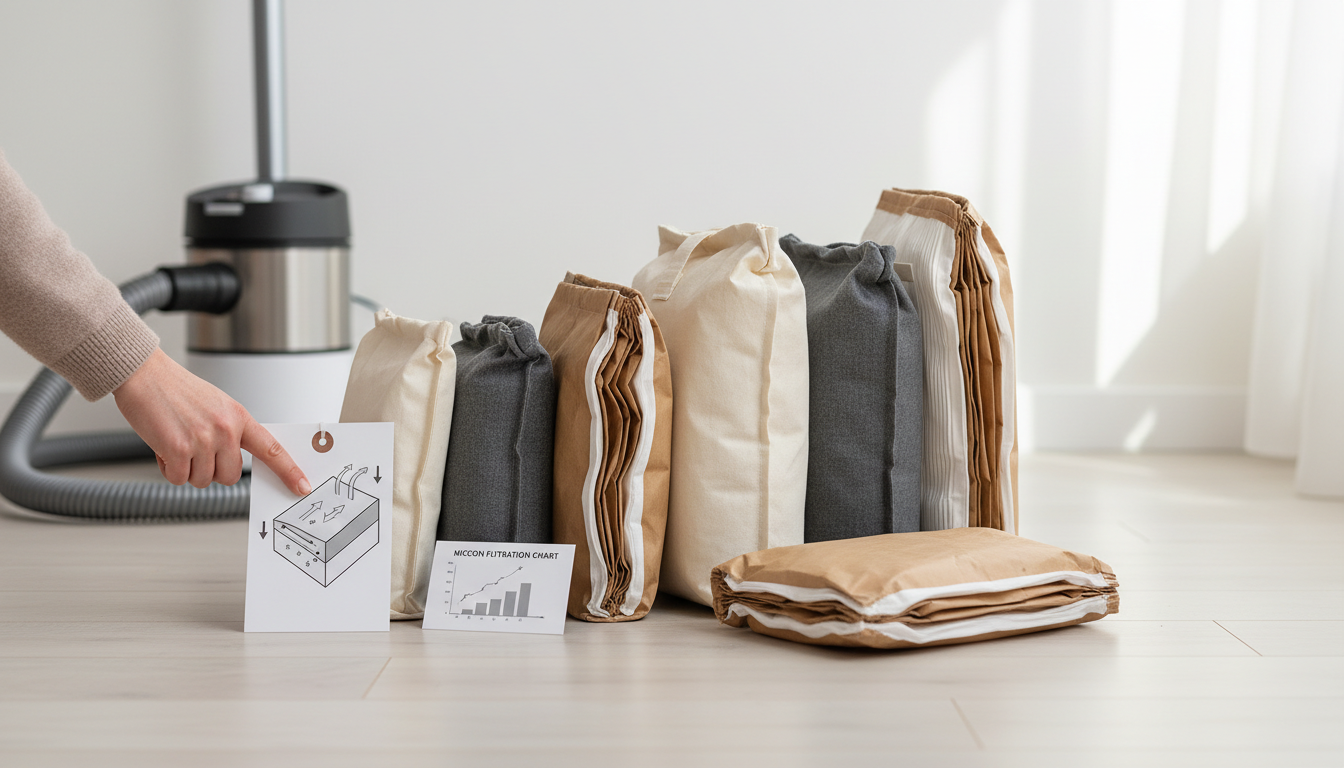
Riccar vacuum cleaner bags are not all designed with the same materials or filtration capabilities. Understanding the distinctions between available bag types allows Riccar owners to select replacements that align with their specific cleaning needs and indoor air quality priorities. The primary differentiation lies in the bag's construction and its ability to capture microscopic particles.
-
Standard Paper Bags These bags are typically constructed from multiple layers of paper, designed to contain common household dust, dirt, and larger debris. They offer effective containment for general cleaning tasks and are often the most economical option. While they prevent most visible particles from re-entering the air, their filtration capacity for very fine allergens and pollutants is more limited compared to specialized alternatives. They are suitable for users whose primary concern is collecting visible dirt and who do not have specific sensitivities to airborne particles.
-
HEPA Filtration Bags HEPA (High-Efficiency Particulate Air) bags represent a significant upgrade in air filtration. These bags are engineered with advanced synthetic materials, often in multiple layers, to capture a high percentage of microscopic particles. A true HEPA filter is designed to trap 99.97% of particles as small as 0.3 microns. Riccar HEPA bags work by creating a dense, intricate fiber matrix that physically traps fine particles such as pollen, pet dander, dust mite allergens, mold spores, and even some bacteria.
- How They Work: The dense structure of HEPA bag material forces air to navigate a complex path, causing tiny particles to collide with and adhere to the fibers, effectively removing them from the air stream.
- Benefits for Air Quality: For households with allergy sufferers, asthmatics, or those simply seeking improved indoor air quality, HEPA bags significantly reduce the recirculation of airborne irritants. This results in cleaner exhaust air from the vacuum, contributing to a healthier home environment.
Trade-offs Between Bag Types
Choosing between standard paper and HEPA bags involves considering several factors:
- Cost: HEPA filtration bags generally come at a higher price point due to their specialized materials and manufacturing processes. Standard paper bags offer a more budget-friendly option for routine cleaning.
- Filtration Effectiveness: HEPA bags provide demonstrably superior filtration for microscopic particles, making them the preferred choice for allergy management and enhanced air quality. Standard bags offer basic containment.
- Airflow and Suction: Both bag types are designed to maintain optimal airflow for Riccar vacuums when new and correctly installed. However, as any bag fills, airflow naturally decreases. HEPA bags, by design, have a finer pore structure, which means they might reach their effective capacity for fine particles sooner than a standard bag, potentially leading to a quicker perceived reduction in suction or triggering a "bag full" indicator, even if not visibly packed. Regular replacement, as indicated by your vacuum, is crucial for both types to maintain performance.
Optimizing Performance: When and How to Replace Your Riccar Vacuum Bag
Maintaining your Riccar vacuum cleaner's peak performance and air quality hinges significantly on timely bag replacement. Understanding the indicators and implications of a full bag can prevent suction loss, motor strain, and diminished air filtration.
Several clear signals indicate it's time to replace your Riccar vacuum bag:
- Full Bag Indicator: Many Riccar models feature a visible "full bag" indicator light or gauge. This is the most straightforward signal, designed to alert you when the bag is nearing capacity.
- Noticeable Suction Loss: If your vacuum struggles to pick up debris, or you observe a significant drop in cleaning power, a full or nearly full bag is a common culprit. The restricted airflow reduces the vacuum's ability to create effective suction.
- Visible Fullness: While less precise than an indicator, you can often visually inspect the bag compartment. If the bag appears visibly distended or packed, it's time for a change, even if the indicator hasn't yet activated.
- Odor or Dust Leakage: An overfilled bag can sometimes lead to dust escaping back into the room or an unpleasant odor emanating from the vacuum, signaling that the filtration capacity is compromised.
Delaying bag replacement beyond these indicators can have several negative consequences. An overfilled bag severely restricts airflow, forcing the vacuum's motor to work harder to compensate. This increased strain can lead to premature motor wear, overheating, and ultimately, a shortened lifespan for your appliance. Moreover, a packed bag compromises the filtration system, allowing fine dust and allergens to recirculate into your home's air, counteracting the vacuum's primary purpose of cleaning.
It is crucial to understand that Riccar vacuum bags are designed for single use. Unlike some filter types, they are not washable or reusable. Attempting to empty, wash, or reuse a Riccar bag can damage its filtration media, compromise its structural integrity, and lead to dust leakage. Following manufacturer guidance for disposable bags ensures optimal performance and protects your vacuum's internal components and your indoor air quality.
<h2>Common Challenges and Misconceptions About Riccar Vacuum Bags</h2>Navigating the options for Riccar vacuum bags can present several challenges and misconceptions that, if unaddressed, can compromise your vacuum's performance and longevity. Understanding these potential pitfalls is key to making an informed choice and ensuring your cleaning routine remains effective.
One significant risk is the potential for fit issues when an incorrect bag is purchased. Each Riccar vacuum model is designed for a specific bag type, and even slight deviations can lead to problems. An ill-fitting bag may not seal properly within the vacuum's compartment, creating gaps through which dust and debris can escape. This bypasses the intended filtration, allowing particles to re-enter your environment and, critically, to reach and potentially damage the vacuum's motor. The immediate consequence is often a noticeable reduction in suction power, as airflow is compromised and the vacuum struggles to maintain its seal.
Furthermore, some Riccar owners have reported concerns regarding bag durability or unexpected tears. While Riccar bags are generally designed for robust performance, user experiences indicate that issues like premature tearing can occur. Such failures can lead to significant debris leakage inside the vacuum, requiring extensive cleaning and potentially exposing internal components to harmful dust. This underscores the importance of not only selecting the correct bag but also handling it with care during installation and removal.
Proper bag installation is paramount to preventing these issues. Even a perfectly compatible bag can fail to perform if not seated correctly. Manufacturers design specific attachment points and seals to ensure an airtight connection. If the bag collar isn't securely fastened or the bag isn't fully expanded within its compartment, it can lead to internal leaks, diminished filtration effectiveness, and undue strain on the vacuum's motor. Always consult your Riccar model's user manual for precise installation instructions.
Finally, the impact of bag choice on vacuum motor protection and warranty considerations is a critical, though often overlooked, aspect. The vacuum bag acts as the primary barrier protecting the motor from fine dust and debris. Using a bag that doesn't meet Riccar's specifications—whether due to poor fit, inadequate filtration, or compromised material quality—can allow microscopic particles to infiltrate the motor housing. Over time, this can lead to premature motor wear, overheating, and eventual failure. While specific warranty terms vary by model and region, using non-genuine or incompatible parts can, in some cases, affect the validity of your vacuum's warranty. Prioritizing genuine or manufacturer-approved compatible bags helps safeguard your investment and maintain performance.
Your Essential Checklist for Buying Riccar Vacuum Bags
Before finalizing your purchase of Riccar vacuum bags, use this checklist to ensure you select the optimal option for your specific model and cleaning needs. A careful review helps maintain your vacuum's performance and air quality.
- Confirm Your Exact Riccar Model Number: Locate the precise model number on your vacuum cleaner (often on a label on the back, bottom, or under the bag compartment lid). Riccar bags are model-specific, and even slight variations can lead to an improper fit, diminished suction, or dust leakage.
- Decide on Desired Filtration Level: Riccar bags are typically available in standard paper or advanced HEPA filtration options.
- Standard Bags: Suitable for general household dust and debris.
- HEPA Bags: Recommended for households with allergy sufferers or pets, as they capture a higher percentage of microscopic particles and allergens.
- Consider Bag Quantity: Evaluate your usage frequency and storage space. Purchasing multi-packs can offer convenience and often a better value over time, ensuring you always have a replacement ready when the indicator signals a full bag.
- Verify Authenticity and Compatibility: Prioritize genuine Riccar bags to ensure precise fit and filtration performance as designed by the manufacturer. If considering aftermarket alternatives, confirm they explicitly state compatibility with your exact Riccar model and come from a reputable brand with a track record of quality.
- Review Product Descriptions and User Feedback: Examine product details for specifications on material, filtration, and fit. Look for user reviews that specifically comment on the bag's fit within the vacuum, ease of installation, durability, and absence of dust leakage. This can provide practical insights into real-world performance.
Frequently Asked Questions About Riccar Vacuum Bags
Riccar owners often have specific questions regarding their vacuum bags, from replacement timing to filtration types. Understanding these details helps maintain your vacuum's performance and ensures a clean home environment.
How do I know when to replace my Riccar vacuum bag?
You should replace your Riccar vacuum bag when the full bag indicator light illuminates, if your model has one. Alternatively, you can visually inspect the bag; it's generally advisable to replace it before it becomes completely packed to maintain optimal airflow and suction power. Overfilling a bag can strain the motor and diminish cleaning effectiveness.
Can I wash or reuse Riccar vacuum bags?
No, Riccar vacuum bags are designed for single use and should not be washed or reused. The materials used in their construction, whether paper or synthetic, are not intended to withstand washing. Attempting to clean and reuse them can compromise their filtration capabilities, lead to tears, and allow dust to escape back into the air or damage your vacuum.
Why is it important to use genuine Riccar bags?
Using genuine Riccar bags is crucial for several reasons. They are specifically engineered to fit your Riccar model precisely, ensuring a secure seal that prevents dust leakage and maintains consistent airflow. This proper fit is vital for preserving optimal suction power and protecting your vacuum's motor from overheating or premature wear. Genuine bags also meet Riccar's filtration standards, contributing to effective dust capture and improved indoor air quality.
What's the difference between standard and HEPA Riccar bags?
The primary difference lies in their filtration efficiency. Standard Riccar bags effectively capture common household dust and debris. HEPA (High-Efficiency Particulate Air) Riccar bags, however, are constructed with advanced filtration layers designed to trap a much higher percentage of microscopic particles, including allergens like pollen, pet dander, and dust mites. For individuals with allergies or asthma, HEPA bags offer superior air purification.
Where can I find my Riccar vacuum's model number?
Your Riccar vacuum's model number is typically located on a label or sticker on the appliance itself. Common places to check include the back of the vacuum, the underside of the unit, or sometimes under the bag compartment lid or canister. Locating this number is essential for ensuring you purchase the correct replacement bags and other compatible parts.
Maintaining Your Riccar's Peak Performance with the Right Bags
Ultimately, the choice of the correct Riccar vacuum bag is a straightforward yet impactful decision that underpins your vacuum's core performance. By ensuring a precise fit and appropriate filtration, you directly contribute to maintaining robust suction power, improving indoor air quality through effective particle capture, and safeguarding your vacuum's motor from unnecessary strain. These combined benefits translate into a more efficient cleaning experience and a significantly extended lifespan for your appliance.
Having explored the critical factors of compatibility, filtration types, and the importance of timely replacement, you are now equipped to confidently identify and purchase the precise bags for your specific Riccar model. This informed approach moves beyond simply replacing a full bag; it's about actively preserving the engineering integrity and cleaning efficacy that define your Riccar vacuum.
Investing a small amount of time to select the right bag is a fundamental act of maintenance that yields substantial returns, ensuring your Riccar continues to deliver reliable, powerful cleaning for years to come.
More in Vacuum Cleaner Bags
View All