Understanding Vacuum Cleaners with Bags: Benefits, Maintenance, and Types
The Enduring Appeal of Vacuum Cleaners with Bags
In a cleaning appliance market often focused on bagless convenience, vacuum cleaners with bags continue to offer distinct advantages that make them a compelling choice for many households. A bagged vacuum cleaner utilizes a disposable bag to collect and contain dust, dirt, and allergens, providing a sealed system for debris management. While earlier models sometimes faced criticism for perceived inconvenience or reduced suction, modern bagged vacuums have evolved significantly, integrating advanced filtration and user-friendly designs.
This evolution ensures their continued relevance, particularly for those seeking superior air quality and hygienic disposal. For individuals managing allergies, asthma, or simply prioritizing a cleaner home environment, the sealed containment offered by bags addresses common household cleaning dilemmas by preventing dust and allergens from re-entering the air during and after vacuuming.
This article will explore the specific benefits of bagged vacuum cleaners, delve into various types available, provide a comprehensive buying guide to help you assess fit, and offer practical maintenance tips to ensure long-term performance.
Why a Bagged Vacuum Cleaner Might Be Your Best Choice
In a market often highlighting bagless convenience, bagged vacuum cleaners continue to offer distinct advantages, particularly for households prioritizing air quality and hygienic maintenance. These benefits often address specific concerns that bagless alternatives may not fully resolve, making them a compelling option for many consumers.
-
Superior Dust and Allergen Containment For individuals with allergies, asthma, or general sensitivity to airborne particles, bagged vacuums excel at containing dust and allergens. Their design typically incorporates a sealed system where collected debris is immediately isolated within a multi-layered bag. This acts as a primary barrier, trapping microscopic dust mites, pollen, pet dander, and other irritants, preventing them from recirculating into the air during cleaning. Many modern bagged systems integrate advanced filtration, including HEPA filters, which work in conjunction with the bag to capture very fine particles, further enhancing indoor air quality.
-
Hygienic Disposal Process One of the most significant advantages of a bagged vacuum is the hygienic disposal of collected debris. When the bag is full, it can be removed and sealed, then discarded directly into the trash. This process minimizes direct contact with the dirt, dust, and allergens, avoiding the "dust cloud" often associated with emptying bagless canisters. For allergy sufferers, this means less exposure to irritants that could trigger symptoms.
-
Enhanced Filtration Capabilities Bagged vacuum cleaners often feature multi-stage filtration systems, where the bag itself serves as a crucial filter layer. High-quality vacuum bags are constructed from multiple layers of material designed to trap progressively smaller particles. When combined with additional motor filters and post-motor HEPA filters, this creates a robust filtration barrier that significantly reduces the amount of fine dust and allergens exhausted back into the room.
-
Motor Protection and Longevity The bag acts as a protective barrier for the vacuum's motor. By capturing the vast majority of dust and debris before it reaches the internal components, it prevents fine particles from accumulating on the motor. This reduction in internal contamination can decrease wear and tear, potentially extending the operational lifespan of the vacuum cleaner and contributing to its long-term reliability.
-
Consistent Suction Performance While some older designs might have shown reduced suction as bags filled, modern bagged vacuum cleaners are engineered to maintain consistent airflow and effective suction performance until the bag reaches its capacity. This design minimizes the gradual loss of cleaning power often experienced in bagless models as their filters become clogged with fine dust, ensuring efficient cleaning throughout the bag's life.
Decoding Vacuum Cleaner Bags and Filtration Systems
Bagged vacuum cleaners rely on a multi-stage filtration system where the bag itself is the primary filter, working in concert with additional filters to ensure clean exhaust air. Understanding these components is crucial for maximizing cleaning efficiency and protecting indoor air quality, particularly for individuals sensitive to airborne particles.
The effectiveness of a bagged vacuum's filtration begins with the bag's construction and material:
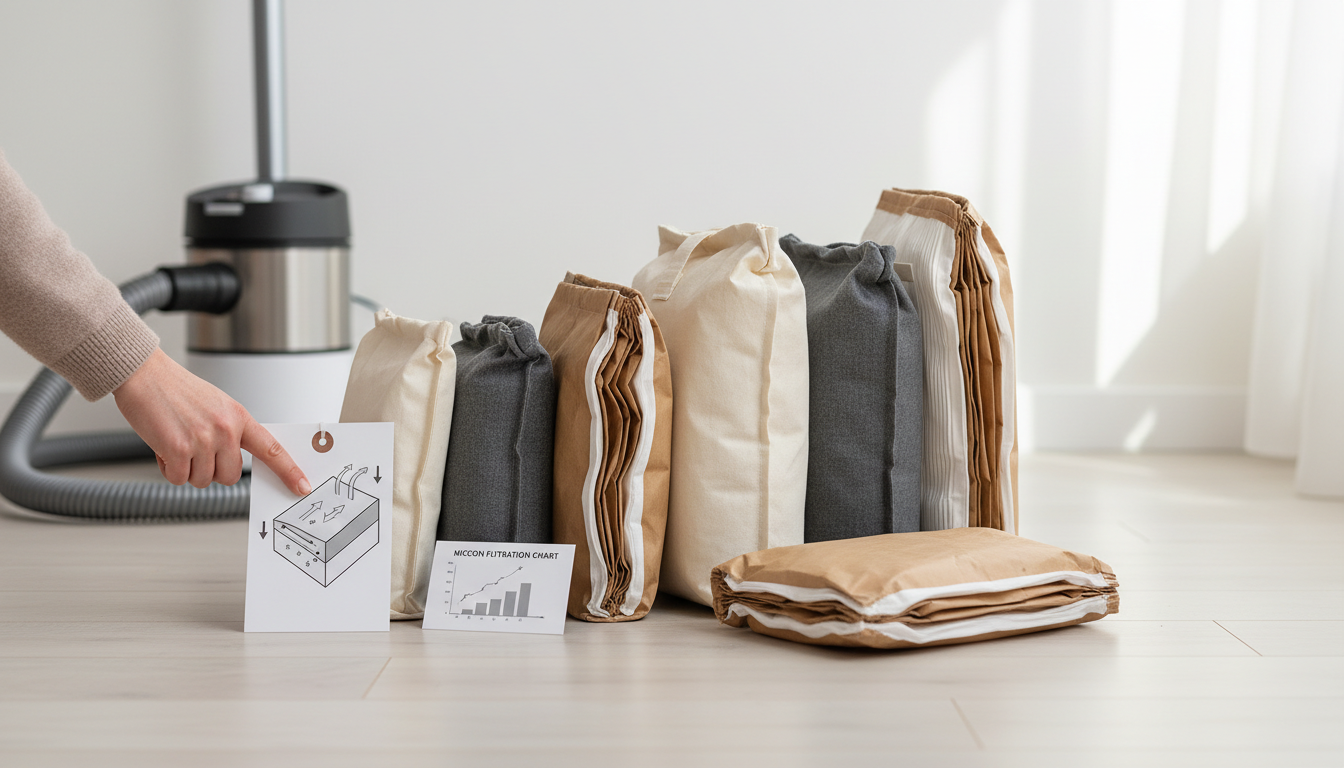
- Paper Bags: These are often single or double-layered and provide basic filtration, capturing larger dust and debris. While economical, their pore size can allow finer particles and allergens to pass through.
- Synthetic Bags: Typically constructed from multiple layers of non-woven material, synthetic bags offer significantly improved filtration compared to paper. Their denser weave and electrostatic properties can trap smaller particles, including many common allergens.
- HEPA-rated Bags: These represent the highest standard for bag filtration. Designed to capture 99.97% of particles as small as 0.3 microns, HEPA-rated bags are highly beneficial for allergy and asthma sufferers, effectively sealing in pet dander, pollen, dust mite allergens, and mold spores.
Beyond the bag, vacuum cleaners incorporate additional filters to further purify the air. A pre-motor filter is positioned before the vacuum's motor to prevent larger debris and dust from entering and potentially damaging the motor. These are often washable or replaceable. Following the motor, a post-motor filter (sometimes called an exhaust filter) cleans the air before it's expelled back into the room. This is where a true HEPA filter is often located, capturing microscopic particles that might have escaped the bag and pre-motor filter, ensuring the cleanest possible exhaust.
For optimal air purification, bags and filters must interact seamlessly. The bag captures the bulk of debris, preventing premature clogging of the secondary filters. The pre-motor filter safeguards the appliance's core, and the post-motor filter provides the final purification stage, critical for trapping fine allergens. This layered approach is a key advantage for bagged vacuums in maintaining hygienic environments.
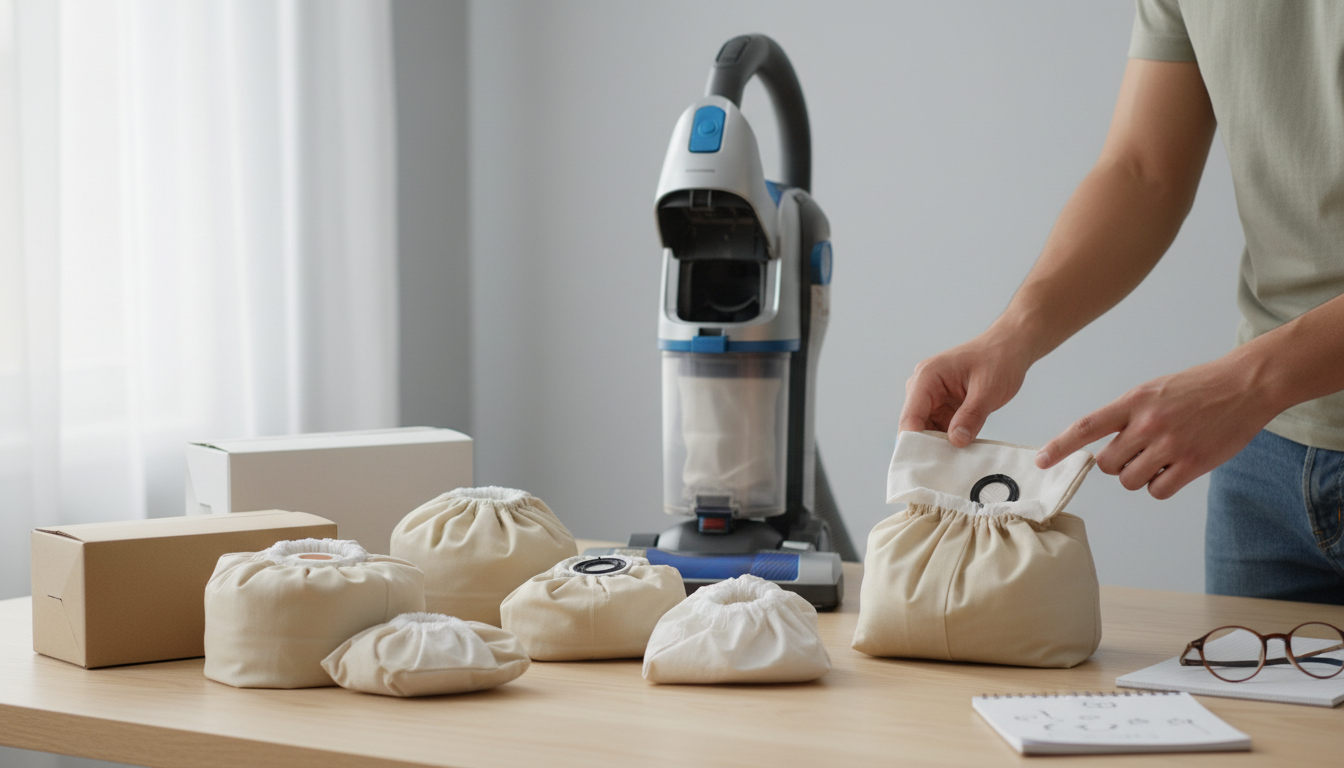
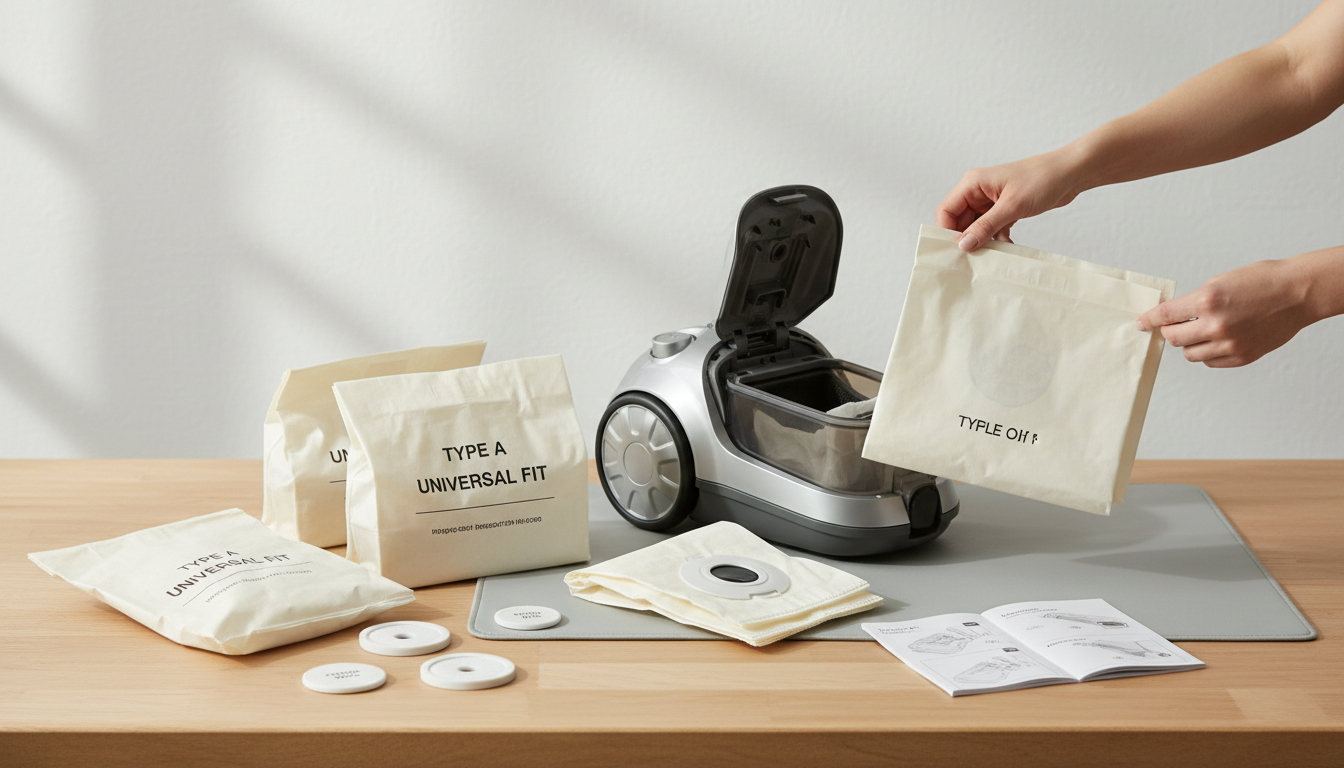
The importance of using the correct, compatible 'vacuum bags for vacuum cleaner' and 'filter vacuum cleaner bags' cannot be overstated. Using an incompatible bag or filter can compromise the vacuum's suction power, reduce its filtration efficiency, and potentially lead to motor damage by allowing fine particles to bypass protection. While generic options exist, specific 'vacuum cleaner filter bags' designed for your model often ensure a precise fit and maintain the manufacturer's intended filtration standards, a critical consideration for those prioritizing air quality.
Essential Criteria for Choosing Your Bagged Vacuum Cleaner
Selecting a bagged vacuum cleaner involves weighing several factors beyond its basic cleaning function. For those prioritizing hygiene and effective allergen containment, specific design elements and features become particularly important for ensuring the vacuum meets your household's unique needs.
-
Vacuum Configuration: Bagged vacuums are available in various forms, each suiting different cleaning requirements.
- Upright models typically house the bag within the main body, offering a familiar form factor often preferred for extensive carpeted areas. Their design often means the bag is larger, contributing to less frequent changes.
- Canister vacuums separate the motor and bag into a wheeled unit, allowing for a lighter cleaning head. This design makes them highly maneuverable for hard floors, stairs, and above-floor cleaning, with the bag contained securely within the canister.
- While less common, some bagged stick vacuums exist, prioritizing lightweight design and portability, though often with smaller bag capacities. Your home's layout and primary cleaning surfaces will guide this foundational choice.
-
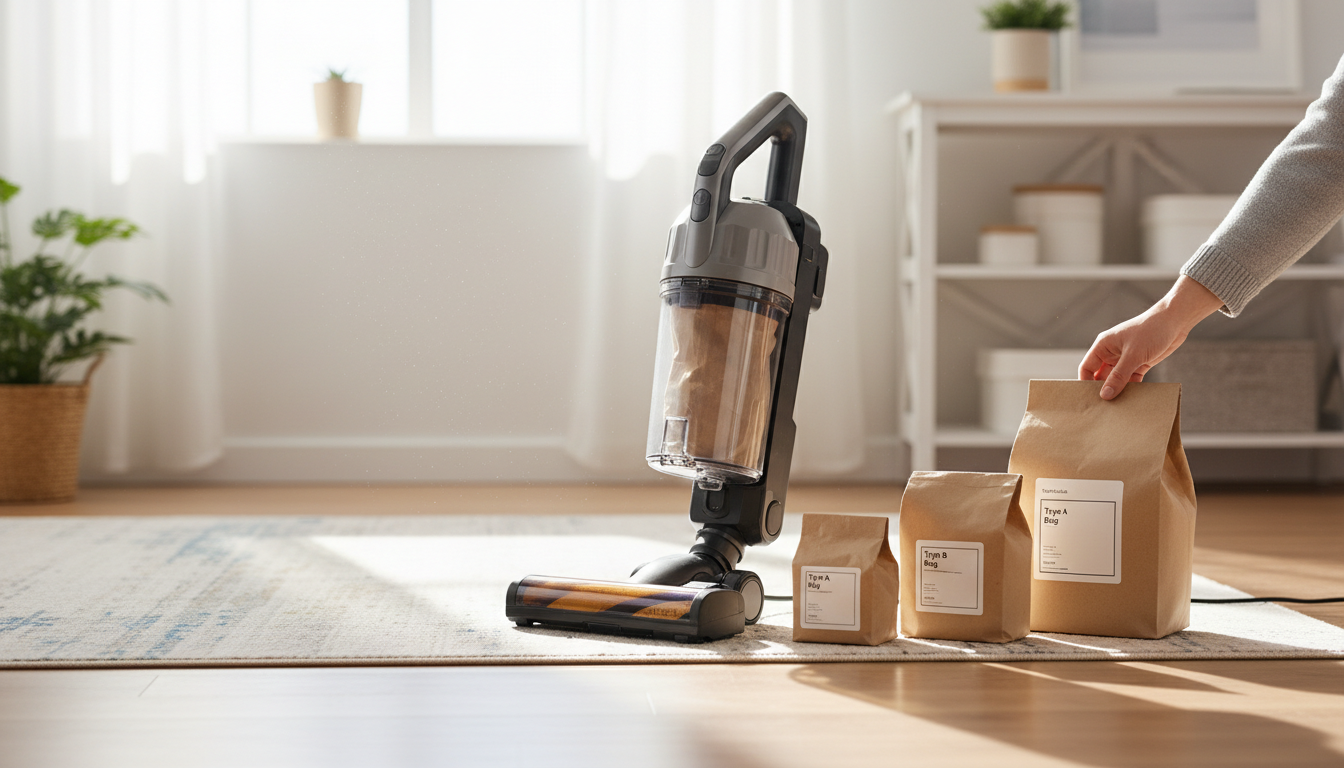
Bag Capacity and Cost Implications: The volume a bag can hold directly influences how often you'll need to replace it. Larger bags mean less frequent changes, which can be convenient but may also lead to a higher per-bag cost. Conversely, smaller bags require more frequent purchasing. Consider your home size, presence of pets, and cleaning frequency, as replacement bags are an ongoing operational expense that can vary, with non-generic options potentially costing several dollars each.
-
Sealed System Design: For allergy and asthma sufferers, a truly sealed system is paramount. This design ensures that all air drawn into the vacuum passes through the filtration system and bag, preventing dust and allergens from leaking back into your home's air through unsealed compartments. Look for explicit mentions of "sealed system" in product specifications to confirm this critical feature, which works in conjunction with the bag to keep particles contained.
-
Advanced Filtration Capabilities: Beyond the bag itself, additional filters enhance air purification. Compatibility with a True HEPA filter is a significant advantage, as these filters are designed to capture 99.97% of airborne particles as small as 0.3 microns, including pet dander, pollen, and dust mite allergens. This layered filtration system works in conjunction with the bag to maintain optimal indoor air quality.
-
Bag Replacement and Indicators: A well-designed bagged vacuum simplifies the replacement process, ensuring minimal contact with collected debris. Look for mechanisms that allow for quick, hygienic bag removal and installation. An indicator light is a practical feature, signaling when the bag is full and needs changing, which helps maintain consistent suction performance and prevents overfilling. Without an indicator, it can be harder to tell when a bag is full.
-
Usability and Storage: Consider the vacuum's weight, maneuverability, and overall footprint. A lighter model is easier to carry up stairs, while swivel steering enhances navigation around furniture. Assess your storage space, as uprights can be bulky, and canister models require space for both the canister and wand.
-
Noise Level and Accessory Kit: While not always a primary concern, a quieter vacuum can significantly improve the cleaning experience. Check for decibel ratings if noise is a concern. Additionally, a comprehensive set of attachments—such as crevice tools, upholstery brushes, and dusting tools—expands the vacuum's versatility, allowing you to clean various surfaces and hard-to-reach areas effectively.
Understanding the Trade-offs: What to Consider Before Buying
While bagged vacuum cleaners offer distinct advantages, particularly for allergy sufferers, it's essential to consider their practical implications before making a purchase. Understanding these trade-offs ensures your choice aligns with your long-term budget, maintenance preferences, and environmental concerns.
- Ongoing Cost of Replacement Bags: Unlike bagless models, bagged vacuums require a continuous supply of replacement bags. These costs accumulate over time, as bags typically need changing several times per year. Prices for bags vary by brand, with some non-generic options potentially costing several dollars or more per bag. Deciding between OEM (Original Equipment Manufacturer) bags and potentially more affordable aftermarket alternatives involves balancing cost savings against guaranteed fit and filtration performance.
- Difficulty in Assessing Bag Fullness: Bagged vacuum cleaners lack the transparent canisters common in bagless designs, making it difficult to visually determine when the bag is full. Users often need to manually check the bag, or rely on a noticeable drop in suction, which indicates the bag is already overfilled.
- Environmental Impact of Disposable Bags: Most vacuum cleaner bags are designed for single use and are not typically recyclable. This means used bags, along with their contents, contribute to landfill waste. For environmentally conscious consumers, this disposable aspect can be a significant consideration.
- Necessity of Regular Bag Changes: To maintain optimal suction power and prevent undue strain on the vacuum's motor, bags must be changed regularly, even if not completely full. An overfilled bag can significantly reduce cleaning effectiveness and, if neglected, may lead to motor overheating or damage.
- Potential for Bulk and Weight: Traditional bagged vacuum cleaner designs, particularly upright models, can sometimes be bulkier or heavier than their bagless counterparts due to the internal bag compartment and robust construction. This might affect maneuverability and storage, depending on the specific model and your home's layout.
Maximizing Performance: Maintenance Tips for Bagged Vacuums
Regular maintenance is crucial for ensuring your bagged vacuum cleaner continues to deliver optimal suction, effective filtration, and hygienic dust containment, especially important for allergy sufferers. Adhering to a consistent maintenance routine can also significantly extend the lifespan of your appliance.
- Timely Bag Replacement: Do not wait until the vacuum bag is completely full before replacing it. Suction power can diminish noticeably as the bag fills, even before it reaches maximum capacity. A partially full bag can still impede airflow, causing the motor to work harder and reducing cleaning efficiency. Consult your vacuum's manual for specific instructions on how to correctly remove and install new vacuum bags, ensuring a proper seal to prevent dust leakage.
- Filter Care: Bagged vacuums typically feature both pre-motor and post-motor filters.
- Pre-motor filters protect the motor from incoming debris and dust. Depending on your model, these may be washable or require periodic replacement.
- Post-motor filters, often HEPA-rated in models designed for allergy sufferers, capture fine particles before air is expelled. These are usually replaceable and not washable. Always follow the manufacturer's guidelines for cleaning or replacing these filters. Clogged filters reduce suction, strain the motor, and compromise the vacuum's ability to trap allergens effectively.
- Clear Blockages: Loss of suction is often attributable to blockages within the vacuum's hose or attachments. Periodically disconnect the hose from both the vacuum body and the cleaning head to inspect for obstructions. Similarly, check brush rolls and nozzles for tangled hair or debris. Clearing these blockages restores airflow and prevents motor overheating.
- Motor Health and Suction Consistency: Consistent maintenance directly supports the vacuum's motor. When bags are overfilled, or filters and hoses are clogged, the motor must exert more effort to pull air through the system. This increased strain can lead to premature wear and reduced suction power over time. Regular checks and replacements ensure the motor operates under optimal conditions, preserving its efficiency and extending the vacuum's operational life.
- Longevity Practices: Beyond routine bag and filter changes, consider other habits to prolong your vacuum's life. Avoid vacuuming liquids, extremely fine powders (like drywall dust, unless specifically designed for it), or sharp objects that could tear the bag or damage internal components. Store your vacuum in a clean, dry place, and handle it carefully to prevent accidental damage.
Frequently Asked Questions About Bagged Vacuum Cleaners
Consumers often have specific questions about bagged vacuum cleaners, especially when comparing them to bagless alternatives. Understanding these common points can help clarify their advantages and maintenance needs.
-
Are bagged vacuums truly better for allergy sufferers? Yes, bagged vacuum cleaners are generally considered more beneficial for individuals with allergies or asthma. The design of a bagged system seals dust, pet dander, and other allergens within the disposable bag. When it's time to empty, you simply remove and discard the sealed bag, minimizing direct contact with the collected debris and preventing fine particles from re-entering the air. This contrasts with bagless models, where emptying a dustbin can release a plume of allergens.
-
How often should I change my vacuum bag? The frequency of bag replacement depends on several factors, including how often you vacuum, the size of your home, and the amount of debris collected (e.g., pet hair, heavy dust). Rather than a fixed schedule, it's best to observe the bag's fullness indicator (if your model has one) or check the bag visually. A good rule of thumb is to change the bag when it's about two-thirds to three-quarters full. Overfilling the bag can reduce suction performance and potentially strain the vacuum motor. While some sources suggest replacing bags several times per year, heavy users may need to do so more frequently.
-
Can I use generic vacuum bags? Generic or aftermarket vacuum bags are widely available and often cost less than manufacturer-branded (OEM) bags. While they can be a cost-effective option, it's crucial to ensure they are specifically designed to be compatible with your vacuum model. Poorly fitting generic bags can lead to leaks, allowing dust and allergens to escape, or reduce suction efficiency. Always check reviews and product specifications to confirm proper fit and filtration capabilities before purchasing generic alternatives.
-
Do bagged vacuums lose suction as the bag fills? Yes, bagged vacuums can experience a reduction in suction power as the bag fills with debris. This occurs because the accumulating dirt and dust restrict airflow through the bag material, making it harder for the vacuum's motor to pull air effectively. This decrease in performance is a key indicator that it's time to replace the bag. Changing the bag promptly helps maintain optimal cleaning efficiency and extends the life of your vacuum.
-
What's the difference between a vacuum bag and a filter? In a bagged vacuum, the bag itself acts as the primary filter, capturing the bulk of dirt, dust, and debris. It's the first line of defense for air purification. Beyond the bag, many bagged vacuums also incorporate additional filters, such as pre-motor filters (to protect the motor from fine dust) and post-motor or HEPA filters (to capture even finer particles before the air is exhausted back into the room). So, while the bag performs a significant filtration role, dedicated filters often provide an extra layer of air purification, especially important for allergen containment.
Making an Informed Decision for a Cleaner, Healthier Home
Having explored the specific attributes and evolving role of bagged vacuum cleaners, you are now equipped to make a decision tailored to your household's unique needs. The core value proposition of a bagged system lies in its superior ability to contain dust and allergens, offering a distinct advantage in air quality and hygienic disposal. This sealed approach minimizes exposure to irritants, making it a compelling choice for allergy and asthma sufferers.
However, an informed purchase also acknowledges the practical considerations. The ongoing investment in replacement bags and the need to monitor bag fullness are part of the ownership experience. Weighing these against the benefits of contained debris and reduced filter maintenance common in some bagless models is crucial.
Ultimately, your ideal vacuum cleaner aligns with your personal priorities and home environment. Consider these factors as you finalize your decision:
- Health Needs: If anyone in your household has allergies, asthma, or respiratory sensitivities, the sealed filtration and mess-free disposal of a bagged vacuum offer significant advantages.
- Cleaning Frequency and Tasks: For homes with pets, high foot traffic, or extensive cleaning needs, the capacity and efficient containment of bags can simplify routine maintenance.
- Maintenance Preference: Evaluate your willingness to periodically purchase and replace bags versus emptying and cleaning a reusable canister and filters.
- Budget Alignment: Factor in the long-term cost of replacement bags when assessing the overall value proposition of a bagged model.
By carefully considering these elements, you can confidently select a vacuum cleaner that not only meets your cleaning demands but actively contributes to a healthier and more comfortable living space.
More in Vacuum Cleaner Bags
View All