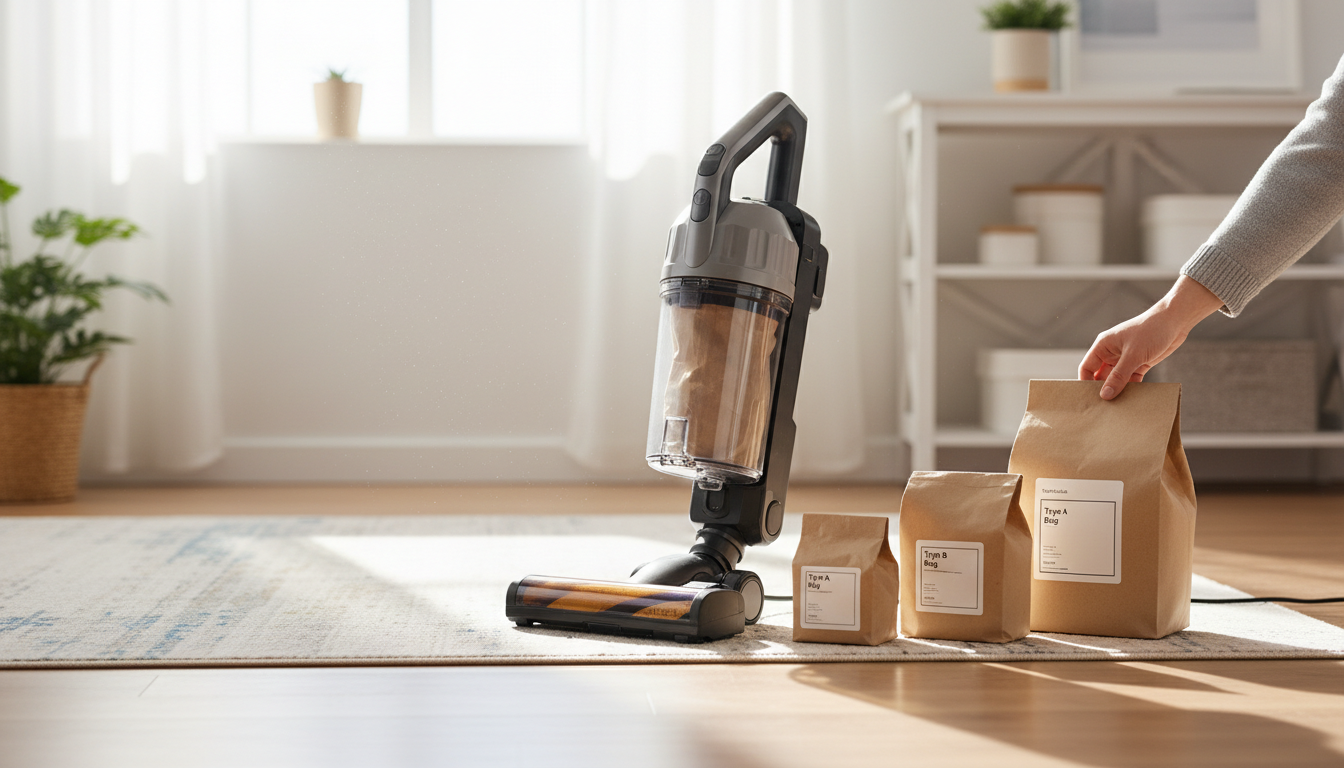
Choosing the Right Central Vacuum Cleaner Bags for Your Home System
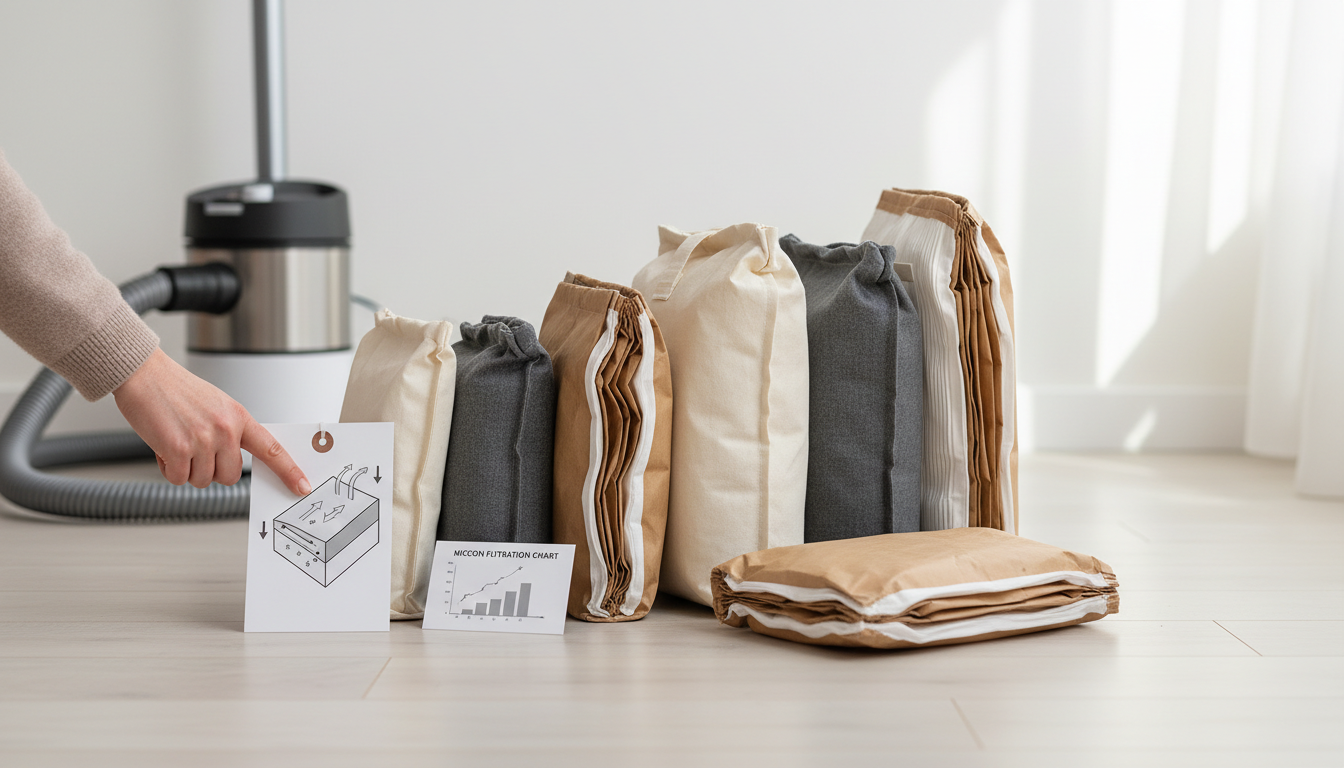
Setting the Stage: Why Your Central Vacuum Bag Matters
Central vacuum cleaner bags are more than simple receptacles for debris; they are a fundamental component of your home's central vacuum system. Their design and material directly influence the system's ability to collect dirt, dust, and allergens, impacting both cleaning effectiveness and the air quality within your living space. Recognizing their importance is the first step toward maintaining an efficient and hygienic home environment.
The right central vacuum bag is crucial for sustaining peak system performance and extending the lifespan of your unit. An ill-fitting or low-quality bag can lead to reduced suction, motor strain, and premature wear on components. Conversely, a compatible and robust bag ensures consistent airflow, trapping collected materials effectively and allowing the central vacuum's motor to operate without undue stress.
Beyond performance, the filtration capabilities of a central vacuum bag play a significant role in indoor air quality. High-efficiency bags are designed to capture microscopic particles, preventing them from recirculating into your home. This containment is particularly beneficial for allergy sufferers or households prioritizing cleaner air.
This article will guide you through the essential criteria for selecting central vacuum bags, focusing on how different types align with specific system requirements and homeowner priorities. Understanding these factors will empower you to confidently choose bags that optimize your system's efficiency, protect its longevity, and contribute to a healthier home.
The Unseen Hero: What Central Vacuum Bags Do for Your Home
Central vacuum cleaner bags serve as a fundamental component, performing the dual critical functions of collecting debris and filtering the air. Unlike portable vacuums where the motor and collection bin are in the same unit, central vacuum systems draw air and particulates through a network of pipes to a central power unit, typically located in a garage or utility room. The bag within this unit is the primary receptacle, capturing everything from dust and pet dander to larger debris, preventing these contaminants from recirculating into your living spaces.
A key advantage of bagged central vacuum systems over bagless alternatives lies in their superior mess containment and filtration. When it's time to empty a bagless system, dust and allergens can often escape back into the air during the process. Central vacuum bags, however, are designed to seal dirt and debris securely inside. When a bag is full, it can be removed and disposed of without direct contact with the collected contents, significantly reducing the release of airborne particles and contributing to improved indoor air quality. This sealed containment is especially beneficial for individuals sensitive to allergens or dust.
Beyond simple collection, the bag's material plays a crucial role in the system's overall filtration efficacy and longevity. Different bag materials offer varying levels of filtration, from standard paper bags that capture larger particles to multi-ply synthetic bags designed to trap microscopic allergens. High-efficiency bags, for instance, can capture fine dust, pollen, and pet dander, acting as an additional layer of filtration before air is exhausted. Properly functioning bags also protect the central vacuum's motor and internal filters from excessive dust and debris buildup, which can otherwise lead to reduced suction, motor strain, and potentially shorten the system's operational lifespan.
Essential Factors for Selecting the Perfect Central Vacuum Bags
Choosing the correct central vacuum cleaner bags involves more than just finding one that fits. It requires a strategic assessment of your system's specifications, household needs, and long-term maintenance goals. This checklist outlines the critical criteria to consider, ensuring your selection optimizes performance and protects your investment.
-
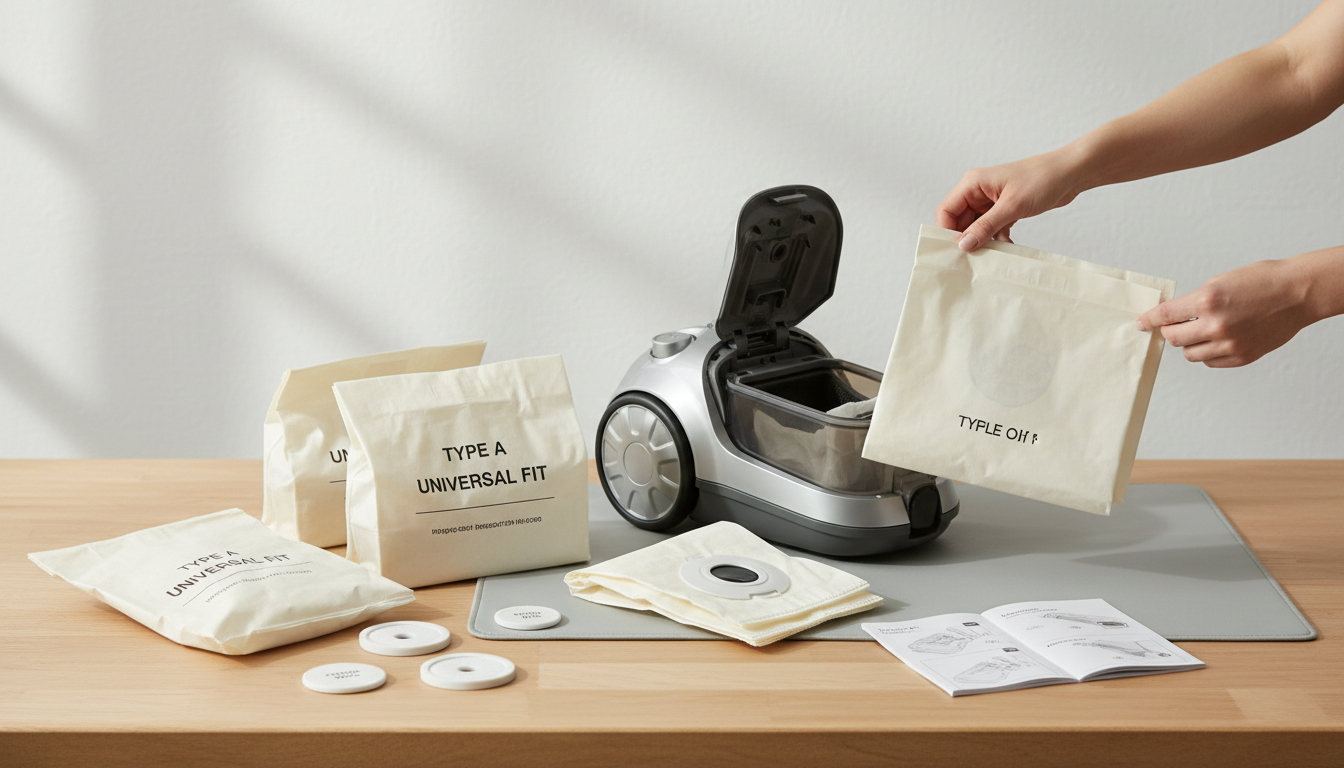
Ensuring a Perfect Fit: System Compatibility The most crucial factor is matching the bag precisely to your central vacuum unit. An incompatible bag can lead to air leaks, reduced suction power, and allow dust and debris to escape back into your home's air.
- Identify your system: Locate the manufacturer and specific model number of your central vacuum power unit. This information is typically found on a label on the unit itself.
- Consult specifications: Refer to your central vacuum's user manual or the manufacturer's website for the recommended bag type and part number.
- Verify connection type: Bags are designed with specific collars or cardboard connections that securely seal to your system's inlet. Ensure the replacement bag's connection matches your unit to prevent leaks.
-
Breathing Easier: Filtration Levels (Standard vs. HEPA) The filtration capability of a central vacuum bag directly impacts indoor air quality. Different bag types offer varying levels of particle capture.
- Standard bags: These typically offer basic filtration, suitable for general dirt and debris, but may allow finer particles to pass through.
- Synthetic/Micro-filtration bags: Constructed from multiple layers of non-woven material, these bags trap smaller particles more effectively than standard paper bags, contributing to cleaner exhaust air.
- HEPA-rated bags: Designed to capture a high percentage of microscopic particles, including allergens like pollen, pet dander, and dust mites. These are particularly beneficial for households with allergy sufferers or those prioritizing superior air quality. While the central vacuum unit itself may not be HEPA-certified, using a HEPA-rated bag significantly enhances its filtration performance.
-
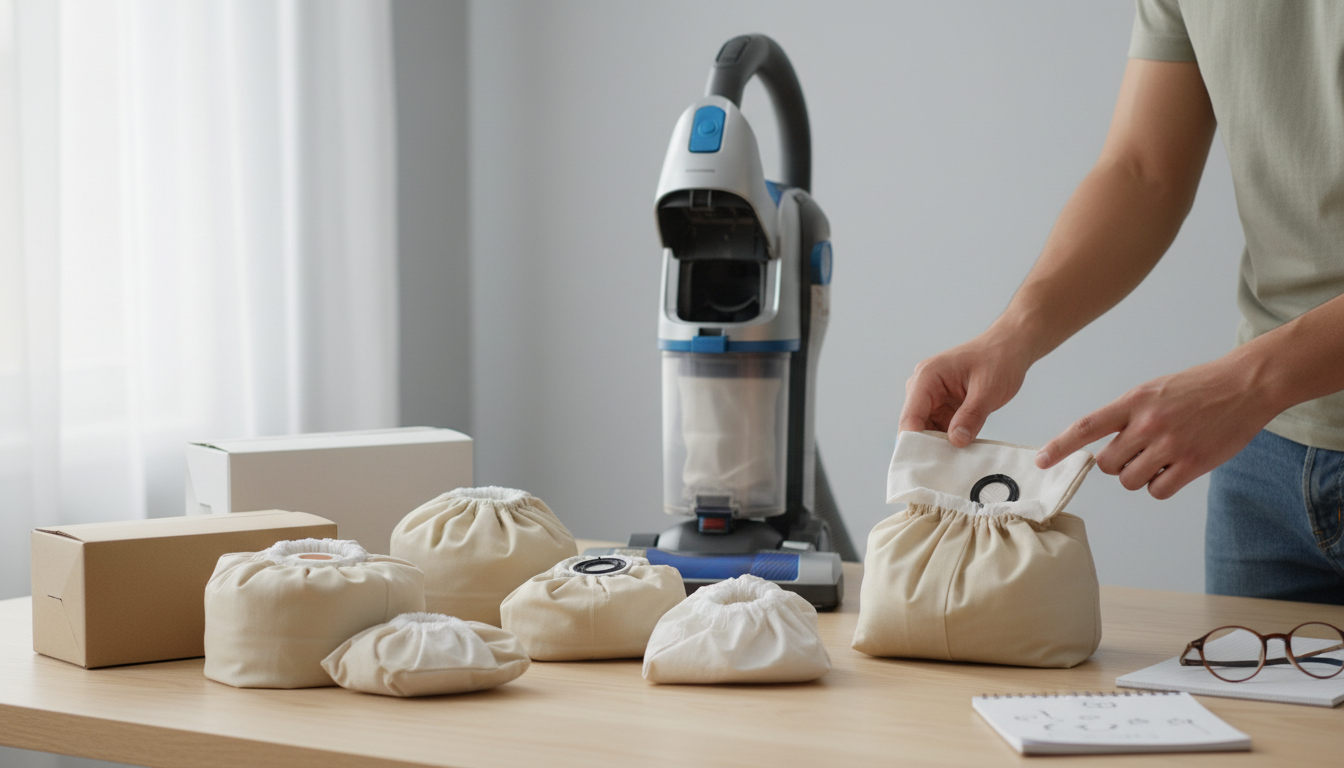
Capacity and Durability: Choosing the Right Material and Size The bag's construction material and its capacity influence how often you need to replace it and its resilience during use.
- Bag Material:
- Paper bags: Often single-ply, these are generally more economical but can be more susceptible to tearing, especially with sharp objects or heavy debris.
- Synthetic bags: Typically multi-ply and made from stronger, non-woven materials, offering enhanced durability against punctures and tears. They often provide better filtration as well.
- Bag Capacity: Select a bag size that corresponds to your central vacuum's debris canister. While larger bags require less frequent changes, ensure they fit without impeding airflow or causing installation difficulties. An overfilled bag can restrict suction.
- Bag Material:
-
Balancing Cost and Value: Long-Term Considerations The initial price of a central vacuum bag is only one aspect of its overall value. Consider the long-term implications for your system and home.
- Upfront vs. ongoing cost: While synthetic or HEPA-rated bags may have a higher per-unit cost, their enhanced filtration can contribute to a healthier home environment and potentially extend the life of your central vacuum's motor by preventing fine dust from reaching it.
- Durability and mess prevention: More durable bags reduce the risk of ruptures, which can necessitate extensive clean-up and expose your home to collected debris.
- System longevity: Using the correct, high-quality bag helps maintain optimal airflow and prevents motor strain, contributing to the long-term reliability and performance of your central vacuum system.
Avoiding Common Mistakes When Purchasing Central Vacuum Bags
Selecting the appropriate central vacuum bags involves more than just picking a generic size off the shelf. Overlooking specific system requirements or household needs can lead to diminished cleaning performance, increased maintenance, and potentially costly system damage. Understanding these common pitfalls helps ensure your purchase supports optimal system function and indoor air quality.
The Impact of an Incorrect Fit
Using a central vacuum bag that doesn't precisely fit your system's canister or inlet port can compromise its integrity and performance. An ill-fitting bag may not seal correctly, allowing dust and debris to escape into the motor compartment or back into your home's air. This bypass not only reduces effective suction by diverting airflow but can also lead to premature wear on the motor due to exposure to fine particles it's not designed to filter.
- Verify Model Compatibility: Always cross-reference your central vacuum system's make and model number with the bag's specifications to ensure a perfect seal.
- Inspect the Seal: Before fully installing, visually check that the bag's collar or gasket forms a tight, unobstructed seal within the canister.
- Avoid Forcing: Never attempt to force a bag into a space it doesn't naturally fit, as this can tear the bag or damage the system's internal components.
Overlooking Your Household's Specific Filtration Needs
All central vacuum bags capture debris, but their filtration efficiency varies significantly. Choosing a bag with inadequate filtration for your home's environment can undermine the very benefits a central vacuum system offers, particularly concerning indoor air quality. For households with allergy sufferers, pets, or high dust levels, a standard bag may not suffice, allowing microscopic allergens and fine particulate matter to recirculate.
- Assess Allergen Concerns: If allergies or asthma are present, prioritize bags with high-efficiency filtration, often labeled as HEPA-style or allergen-specific.
- Consider Pet Dander: Homes with pets benefit from bags designed to trap pet dander and odors, which typically offer enhanced filtration layers.
- Understand Micron Ratings: While not always explicitly stated, higher-quality bags often filter smaller particles, contributing to cleaner exhaust air.
The Pitfalls of Delayed Bag Replacement
Neglecting to replace a full central vacuum bag is a common oversight that directly impacts system performance and longevity. As a bag fills with debris, airflow through the system becomes restricted, forcing the motor to work harder to maintain suction. This increased strain can lead to overheating, reduced motor lifespan, and higher energy consumption. Furthermore, an overfilled bag can tear, releasing its contents into the canister and potentially clogging the system or exposing the motor to unfiltered debris.
- Monitor Bag Fullness: Regularly check the bag's fill level, especially after heavy cleaning sessions. Some systems include indicator lights for this purpose.
- Adhere to Manufacturer Guidelines: Follow the recommended replacement schedule provided by your central vacuum system's manufacturer.
- Replace Proactively: Replace bags before they are completely full to maintain optimal suction and prevent undue strain on the motor.
Optimizing Your Central Vacuum's Performance Through Proper Bag Use
Effective utilization of central vacuum cleaner bags extends beyond initial selection; it involves proper installation, timely replacement, and basic troubleshooting. Adhering to these practices ensures your system operates at peak efficiency, maintains indoor air quality, and prolongs the life of the unit.
Correctly Inserting Your Central Vacuum Bag
Proper bag installation is critical for maintaining an airtight seal and preventing dust leakage. A secure fit ensures that all debris is captured within the bag and that air flows correctly through the system, protecting the motor and filtration components.
- Consult Your Manual: Always refer to your central vacuum system's owner's manual for model-specific instructions, as designs can vary.
- Locate and Open: Turn off the central vacuum unit at the main power switch. Locate the debris canister or collection compartment on your central vacuum power unit and unlatch or twist to open it.
- Remove Old Bag: Carefully remove the full bag, attempting to keep the opening sealed to minimize dust release. Dispose of it according to local guidelines.
- Inspect and Clean: Briefly inspect the bag housing area for any debris or obstructions. A clean surface helps ensure a proper seal for the new bag.
- Align and Secure: Take the new bag and align its collar or cardboard flange with the intake port inside the canister. Push the collar firmly onto the port, ensuring it's fully seated and creates a tight, uncreased seal. Some systems may require a twist or specific locking mechanism.
- Close and Latch: Carefully close the canister door, ensuring it latches securely. A loose door can compromise suction and allow dust to escape.
- Test Briefly: Turn the system on for a few seconds to confirm normal operation and listen for any unusual air leaks or sounds.
Recognizing When to Change Bags
Timely bag replacement is essential for consistent suction and to prevent strain on your central vacuum's motor. Ignoring a full bag can lead to reduced performance and potential system damage.
- Reduced Suction Power: The most common indicator is a noticeable decrease in suction at your wall inlets. As a bag fills, airflow is restricted, diminishing cleaning effectiveness.
- Visual Inspection: Periodically open the canister and visually check the bag's fullness. Many bags have a fill line, or you can observe if it appears distended.
- Unusual Odors: If you notice a musty or unpleasant odor emanating from the power unit or exhaust during operation, it could indicate trapped organic matter in a full or old bag.
- Manufacturer Guidelines: Adhere to the replacement schedule recommended by your central vacuum system's manufacturer. This often ranges from every 3 to 6 months, depending on usage and household size. Some advanced systems may feature indicator lights or gauges that signal when a bag needs changing.
Addressing Bag-Related Suction Problems
If your central vacuum system experiences a sudden drop in suction, a bag-related issue is often a primary culprit. Basic diagnostic steps can help identify and resolve these common problems.
- Bag Fullness: The first check should always be the bag's fill level. A completely full bag will severely restrict airflow. Replace it if necessary.
- Improper Installation: Re-open the canister and re-inspect the bag's collar. Ensure it is fully seated and sealed around the intake port. Even a small gap can lead to significant suction loss.
- Bag Damage: Examine the bag for any tears, punctures, or manufacturing defects. A damaged bag will allow air to bypass the filtration, reducing suction and potentially releasing dust into the motor compartment.
- Canister Seal Integrity: Verify that the central vacuum unit's debris canister door is fully closed and latched. A loose or improperly sealed door can cause air leaks that reduce overall system suction.
- Obstruction at Intake: While less common for bags themselves, a large piece of debris might be lodged at the bag's intake opening, blocking airflow. Carefully check for any visible obstructions.
Your Questions About Central Vacuum Bags, Answered
Understanding the nuances of central vacuum bags is key to maintaining an efficient system and a clean home environment. Here are answers to common questions that can help guide your selection and maintenance practices.
-
How often should central vacuum bags be replaced? There isn't a universal schedule for replacing central vacuum bags, as frequency depends heavily on usage and the type of debris collected. Generally, bags should be replaced when they are about two-thirds to three-quarters full, or when you notice a significant drop in suction power. Overfilling a bag can reduce cleaning effectiveness, strain the motor, and potentially lead to clogs. Regularly checking the bag's fullness, especially after heavy cleaning, is a practical approach to ensure consistent performance and prevent motor strain.
-
Can I use generic bags with my central vacuum system? Using generic or aftermarket bags can be a cost-effective alternative to manufacturer-specific (OEM) bags, but it requires careful consideration. The primary concern is compatibility and fit. Generic bags must precisely match your system's inlet collar diameter and overall dimensions to ensure a secure seal. A poor fit can lead to air leaks, allowing dust and debris to bypass the bag and potentially damage the motor or reduce filtration efficiency. While some generic options offer comparable filtration, always verify that they meet or exceed the filtration standards recommended for your specific central vacuum model to avoid compromising indoor air quality.
-
What makes HEPA central vacuum bags different and worth the investment? HEPA (High-Efficiency Particulate Air) central vacuum bags are designed for superior filtration. They are constructed from materials capable of capturing 99.97% of airborne particles as small as 0.3 microns. This includes microscopic allergens like pollen, pet dander, dust mite debris, and mold spores that standard bags might allow to recirculate. For households with allergy sufferers, asthma, or those prioritizing exceptional indoor air quality, the enhanced filtration of HEPA bags provides a significant benefit. While they may carry a higher cost, their ability to effectively trap fine particulates contributes to a cleaner, healthier living environment, making them a worthwhile investment for specific needs.
-
How do I determine if my central vacuum system uses bags? To identify whether your central vacuum system uses bags, locate the main power unit. This unit is typically installed in a less-trafficked area such as a garage, basement, utility room, or storage closet. Once located, open the latches or access door on the collection canister. If you find a disposable bag inside, your system is designed to use bags. If, instead, you see a large, empty collection bin with a reusable filter (often pleated or foam), your system is bagless and requires periodic emptying and filter cleaning rather than bag replacement.
Your Personalized Checklist for Choosing Central Vacuum Bags
Selecting the appropriate central vacuum cleaner bags involves more than just finding any bag that fits. It requires a focused assessment of your specific central vacuum unit, your household's unique cleaning demands, and your priorities for indoor air quality and system maintenance. Use the following checklist to guide your decision, ensuring you choose bags that optimize performance and extend the life of your central vacuum system.
- Is the bag explicitly compatible with my central vacuum model? Begin by identifying your central vacuum system's brand and model number. Consult your system's manual or the unit itself for this information. A precise fit is critical to prevent leaks, maintain suction, and avoid motor strain.
- What level of filtration does my household require? Consider if standard filtration is sufficient or if you need enhanced options, such as HEPA-type filtration, to capture microscopic allergens, pet dander, or fine dust. Higher filtration can improve indoor air quality but may sometimes slightly impact airflow.
- What is the bag's capacity and material strength? Evaluate the bag's volume to estimate replacement frequency based on your cleaning habits and home size. Also, assess the material for durability and tear resistance, especially if you frequently vacuum sharp debris or large volumes of material.
- Does the bag design support easy and mess-free replacement? Some bags feature self-sealing collars or integrated flaps designed to contain dust during removal. This can be a significant factor for those sensitive to dust exposure or seeking to minimize cleanup during maintenance.
- How does the bag's design impact system longevity? A well-designed bag supports consistent airflow, which is vital for preventing your central vacuum motor from overheating or working inefficiently. Poorly fitting or low-quality bags can compromise this, potentially shortening your system's operational life.
- What are the long-term cost implications? While initial price is a factor, consider the bag's efficiency and durability. A more robust or higher-filtration bag might cost more upfront but could lead to less frequent replacements or better protection for your system, offering better value over time.
The Right Bag, A Cleaner Home: Final Thoughts
Selecting the appropriate central vacuum cleaner bags is a fundamental decision that directly impacts your system's efficiency, the longevity of its components, and the quality of the air you breathe. The right bag acts as a critical barrier, ensuring that collected debris and microscopic particles are securely contained, preventing their recirculation into your living spaces. This thoughtful choice contributes significantly to maintaining consistent suction, reducing motor strain, and ultimately extending the service life of your entire central vacuum system.
Armed with an understanding of bag compatibility, filtration capabilities, and maintenance considerations, you are now equipped to make informed decisions. Applying this knowledge ensures your central vacuum operates at peak performance, effectively capturing dust, allergens, and other particulates. This proactive approach safeguards your investment and enhances your home's indoor air quality, which is particularly beneficial for allergy sufferers.
By prioritizing the correct central vacuum bags, you're not just making a purchase; you're investing in the sustained cleanliness and health of your home environment. This attention to detail transforms routine maintenance into an opportunity to optimize your system, providing you with a consistently clean and healthy living space for years to come.
More in Vacuum Cleaner Bags
View All