Miele C1 Vacuum Cleaner Bags: Choosing the Best for Your Classic C1 Model
Finding the Perfect Fit: Your Guide to Miele C1 Vacuum Cleaner Bags
The Miele Classic C1 vacuum cleaner has earned its reputation for robust cleaning power and enduring performance, making it a valued appliance in many homes. Central to its effective operation and the air quality it delivers are the specific vacuum cleaner bags designed for this model. These bags are more than simple dust collectors; they are an integral part of the C1's advanced filtration system, engineered to capture fine dust, allergens, and debris while maintaining consistent suction.
The importance of using the correct, high-quality vacuum bags cannot be overstated. They are crucial for preserving your Miele C1's optimal cleaning performance, safeguarding its motor from particulate damage, and ensuring the high level of air hygiene the brand is known for. Using ill-fitting or substandard bags can lead to diminished suction power, dust leakage back into your environment, and potentially compromise the longevity of your vacuum.
This guide is crafted to empower Miele Classic C1 owners to confidently identify and purchase the right replacement bags. We will help you navigate the choices by covering:
- Compatibility: Ensuring a precise fit for your Classic C1 model.
- Performance: Understanding how different bag options impact filtration and vacuum efficiency.
- Value: Balancing the benefits of genuine options with practical considerations for your budget.
For Miele Classic C1 owners, the vacuum bag is more than a simple receptacle for debris; it's a critical component that directly influences the appliance's performance, longevity, and your home's air quality. Opting for the correct, high-quality bag ensures the C1 operates as designed, delivering consistent cleaning results and protecting its internal mechanisms.
The specific design of Miele Classic C1 bags contributes to several key functional benefits:
- Enhanced Filtration and Air Quality: Genuine Miele bags, such as the FJM type often compatible with Classic C1 models, are engineered with a multi-layer filtration system. This advanced construction is designed to capture and retain a high percentage of fine dust particles, allergens, and pet dander, preventing them from recirculating into your indoor air. This is crucial for maintaining a cleaner breathing environment.
- Motor Protection and Vacuum Longevity: The bag acts as the primary barrier, preventing fine dust and debris from reaching the vacuum's motor. An ill-fitting or low-quality bag can allow microscopic particles to bypass the filtration system, potentially leading to premature wear and tear on the motor and other internal components, thereby shortening the vacuum's lifespan.
- Maintaining Optimal Suction Power: Properly designed bags allow for consistent airflow while effectively containing dirt. As the bag fills, its structure is intended to maintain airflow paths, helping to preserve the vacuum's suction power until it's time for replacement. Bags that clog prematurely or collapse can restrict airflow, leading to a noticeable drop in cleaning efficiency.
While the cost of replacement bags might seem like an ongoing expense, viewing them as an integral part of your Miele Classic C1's operational system shifts the perspective. The investment in appropriate bags contributes to the sustained performance of your vacuum, helps protect its motor, and supports better indoor air quality, ultimately offering long-term value that extends beyond the immediate cost of a single bag.
<h2>Identifying the Correct Miele C1 Bag Type: FJM, GN, or Other?</h2>Ensuring your Miele Classic C1 vacuum operates at its peak requires selecting the precise vacuum cleaner bag type. Miele employs specific designations for its dustbags, primarily FJM and GN, each designed for a range of models based on their internal dimensions and airflow characteristics. Understanding these distinctions is key to maintaining filtration efficiency and preventing damage to your appliance.
The Miele Classic C1 series typically utilizes FJM dustbags. These bags are characterized by their smaller opening and are engineered for compact Miele canister vacuums. In contrast, GN dustbags feature a larger opening and are designed for Miele's full-size canister models, such as the Complete C2 and C3 series. While the Classic C1 generally falls into the FJM category, verifying your specific model is always the most reliable approach.
To accurately determine the bag type for your Miele Classic C1, consider the following:
- Check Your Vacuum's Model Plate: Every Miele vacuum has a rating plate, usually located on the underside or back of the appliance. This plate will clearly state the full model name (e.g., "Miele Classic C1 Pure Suction," "Miele Classic C1 Compact") and often specifies the compatible dustbag type.
- Consult Your Owner's Manual: The instruction manual that came with your Miele Classic C1 contains a compatibility chart or a dedicated section detailing the correct replacement parts, including the dustbag type.
- Understand Shared Compatibility: Miele designs its bags to fit across various series. For instance, FJM bags are compatible not only with the Classic C1 but also with other models like the Complete C1, Compact C1 and C2, and certain S series vacuums (S2xx, S3xx, S5xx, S7xx). This broad compatibility means that if you've owned other Miele compact models, you might already be familiar with the FJM bag type.
By taking a moment to confirm your specific Classic C1 variant and its designated bag type, you ensure a perfect fit, optimal filtration, and consistent performance from your Miele vacuum.
<h2>Key Considerations When Choosing Miele C1 Replacement Bags</h2>Selecting the appropriate replacement bags for your Miele Classic C1 vacuum cleaner involves evaluating several key features that impact performance, hygiene, and value. Understanding these criteria will help you make an informed decision that supports your vacuum's efficiency and your home's air quality.
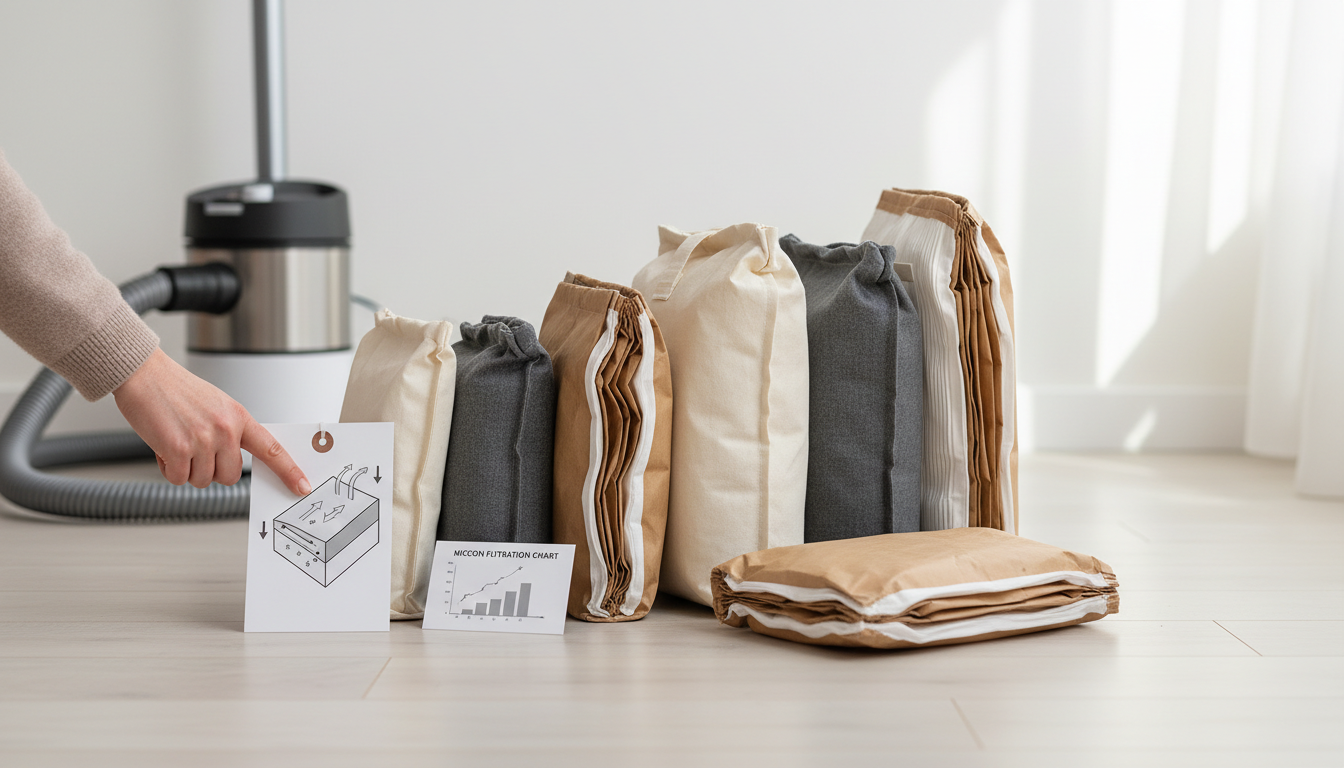
- Bag Material and Construction: Miele C1-compatible bags are typically constructed from multi-layered synthetic fleece rather than traditional paper. This synthetic material offers superior tear resistance and enhanced filtration capabilities. Genuine Miele bags, such as the FJM type often used with Classic C1 models, commonly feature a multi-layered design, with some variations boasting up to seven layers. Look for descriptions like "3D Efficiency AirClean" which indicate a design optimized for airflow and dust retention throughout the bag's capacity.
- Filtration Layers and Efficiency Claims: The number of filtration layers directly correlates with the bag's ability to capture microscopic particles. High-quality bags for the Miele C1 are designed to retain a significant percentage of dust, allergens, and fine particulates. For instance, some Miele FJM dustbags are specified to capture and retain over 99.95% of all dust particles, contributing to cleaner exhaust air. This level of filtration is crucial for households concerned with indoor air quality.
- Bag Capacity and Fill Indicator Compatibility: The capacity of the bag determines how frequently it needs to be changed. While specific capacities vary, ensuring the bag is designed to integrate with your Classic C1's fill indicator is essential. This indicator provides a visual cue when the bag is full, preventing overfilling which can strain the motor and reduce suction power.
- Integrated Features (e.g., Automatic Hygiene Closure): A notable feature in many high-quality Miele bags is an automatic hygiene closure. This self-locking collar seals the bag opening when the dustbag compartment is opened, preventing dust and debris from escaping back into the environment during disposal. This enhances hygiene and convenience, especially for allergy sufferers.
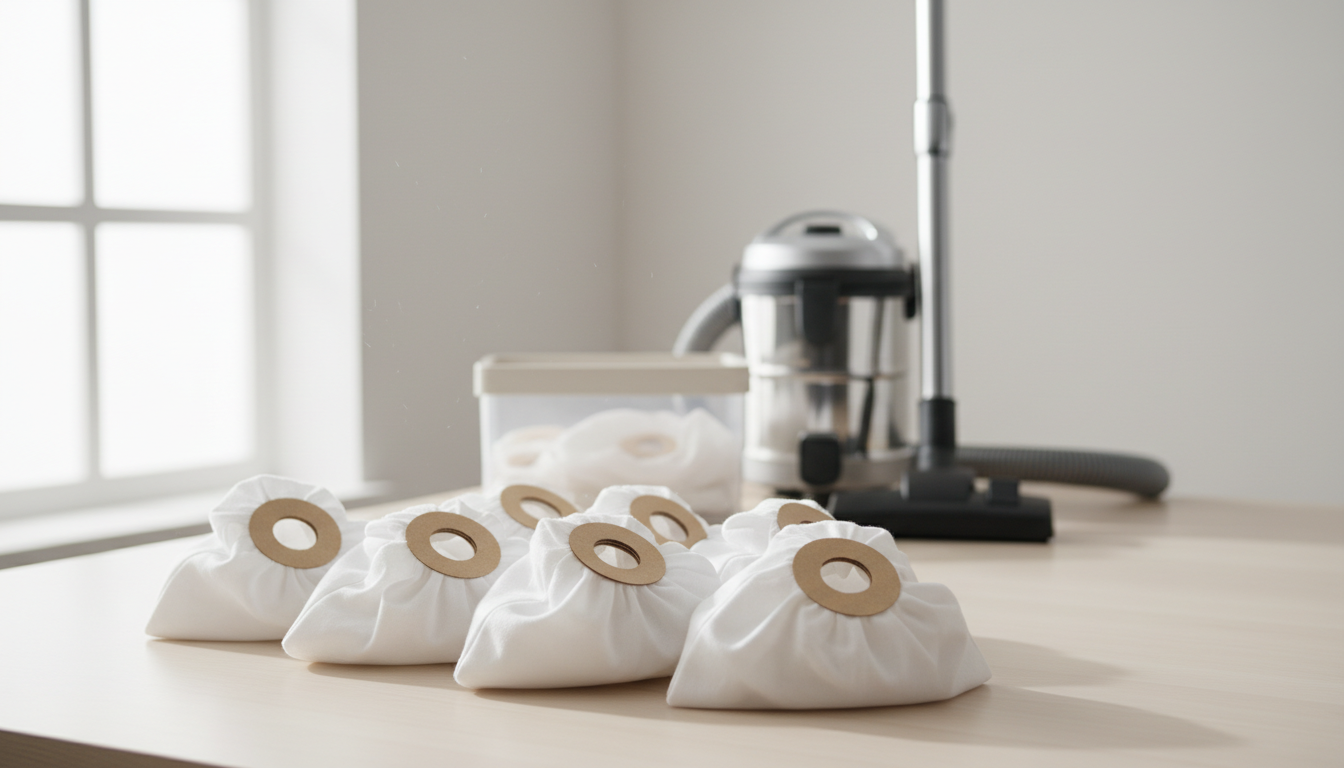
- Quantity Per Pack and Included Filters: Replacement bag packs often vary in quantity, which can influence overall cost and convenience. Many packs also include essential motor protection filters and/or exhaust filters. The motor protection filter shields the vacuum's motor from fine dust, while the exhaust filter provides an additional layer of air purification before air is expelled from the vacuum. Confirming the inclusion of these supplementary filters can offer better value and ensure comprehensive maintenance for your Miele C1.
When selecting replacement bags for your Miele Classic C1, owners often face a choice between genuine Miele-branded bags and various aftermarket or compatible alternatives. This decision involves balancing upfront cost savings with potential impacts on performance, vacuum longevity, and warranty considerations. Each option presents distinct benefits and risks that warrant careful evaluation.
Genuine Miele Bags Opting for genuine Miele Classic C1 bags offers several advantages rooted in their design and manufacturing standards:
- Guaranteed Fit and Seal: Genuine bags are engineered to precise specifications for your Classic C1 model, ensuring a perfect fit within the dust compartment. This secure seal prevents dust leakage, which can compromise filtration and deposit fine particles back into your home or inside the vacuum's motor housing.
- Optimal Filtration Performance: Miele bags, such as the FJM type often compatible with Classic C1 models, feature a multi-layer filtration system. This advanced construction is designed to capture and retain a high percentage of fine dust particles and allergens, contributing to superior indoor air quality.
- Motor Protection: The integrity of genuine bags helps shield the vacuum's motor from abrasive dust and debris. By effectively containing particles, these bags reduce the risk of internal damage and contribute to the appliance's overall lifespan.
- Warranty Considerations: Using genuine Miele accessories can be a factor in maintaining your vacuum's manufacturer warranty. While not always explicitly stated to void a warranty, using non-approved parts that contribute to a malfunction could potentially impact coverage.
Compatible (Aftermarket) Bags Aftermarket bags typically offer a lower price point, which can be an attractive option for budget-conscious owners. However, they come with potential risks and drawbacks:
- Variable Fit and Seal: The fit of compatible bags can vary significantly. A poor fit can lead to dust escaping the bag and entering the vacuum's motor or being exhausted back into the air, diminishing cleaning effectiveness and air quality.
- Reduced Filtration Efficiency: Aftermarket bags may use different materials or fewer filtration layers than genuine Miele bags. This can result in less effective capture of fine dust and allergens, potentially exposing your home to more airborne particles.
- Increased Motor Strain: If an aftermarket bag allows excessive dust to reach the motor, it can lead to increased wear and tear, potentially shortening the motor's life or requiring costly repairs.
- Uncertain Longevity: The durability and tear resistance of compatible bags can be inconsistent, potentially leading to premature bag failure or messy ruptures during use or disposal.
Cost and Long-Term Value While genuine Miele bags often have a higher per-unit cost, their consistent performance, superior filtration, and protective qualities can offer long-term value. Investing in genuine accessories may help preserve your Classic C1's performance and extend its operational life, potentially offsetting the higher initial cost by reducing the need for repairs or premature replacement of the vacuum itself. The decision ultimately involves weighing the immediate savings of compatible options against the potential risks to your vacuum's health and your home's air quality.
<h2>Getting the Most from Your Miele C1 Bags: Installation and Maintenance Tips</h2>Proper installation and timely maintenance of your Miele Classic C1 vacuum cleaner bags and associated filters are fundamental to sustaining the appliance's performance and the cleanliness of your indoor environment. Adhering to manufacturer guidelines for these components ensures optimal suction, effective filtration, and extends the lifespan of your vacuum.
To ensure your Miele Classic C1 operates at its peak, consider the following practical steps:
-
Correct Bag Installation:
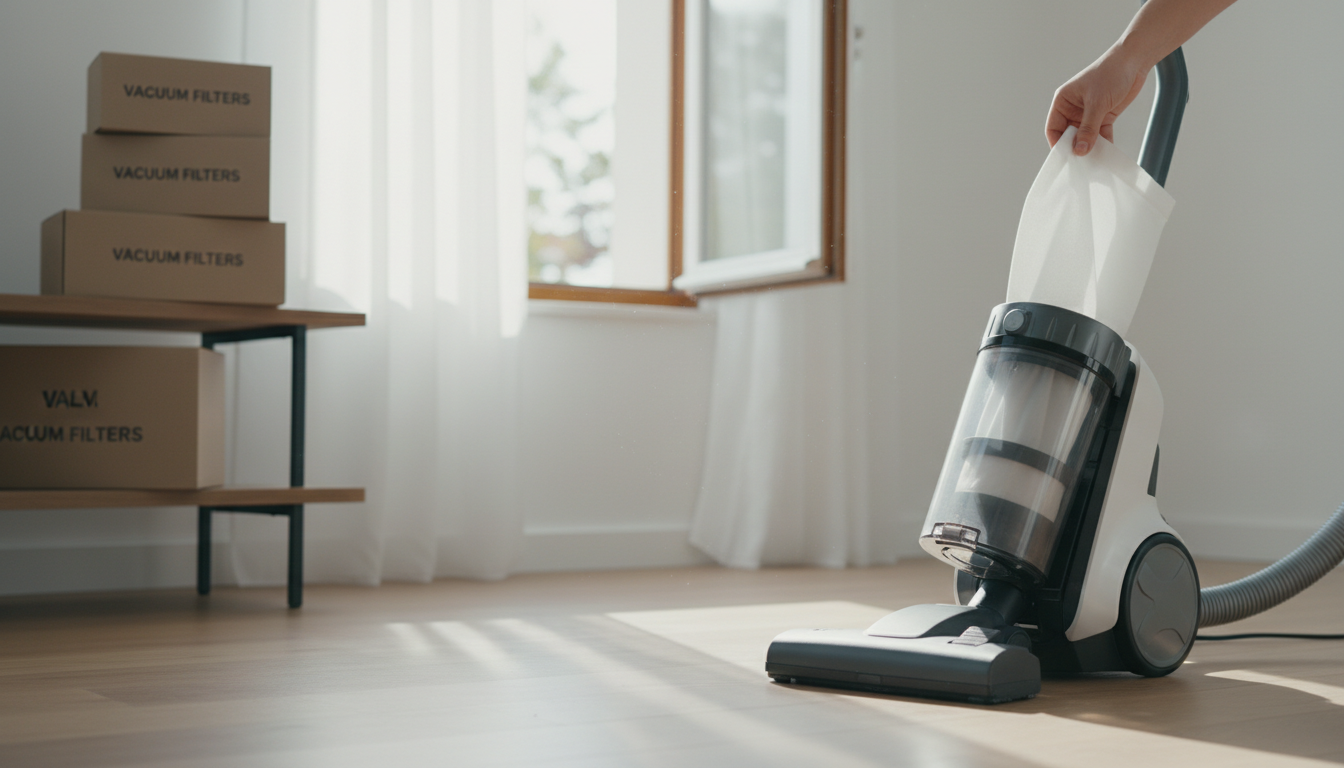
- Open the vacuum's dust compartment lid.
- Carefully remove the full bag by pulling the collar upwards, which automatically seals the bag opening to contain dust.
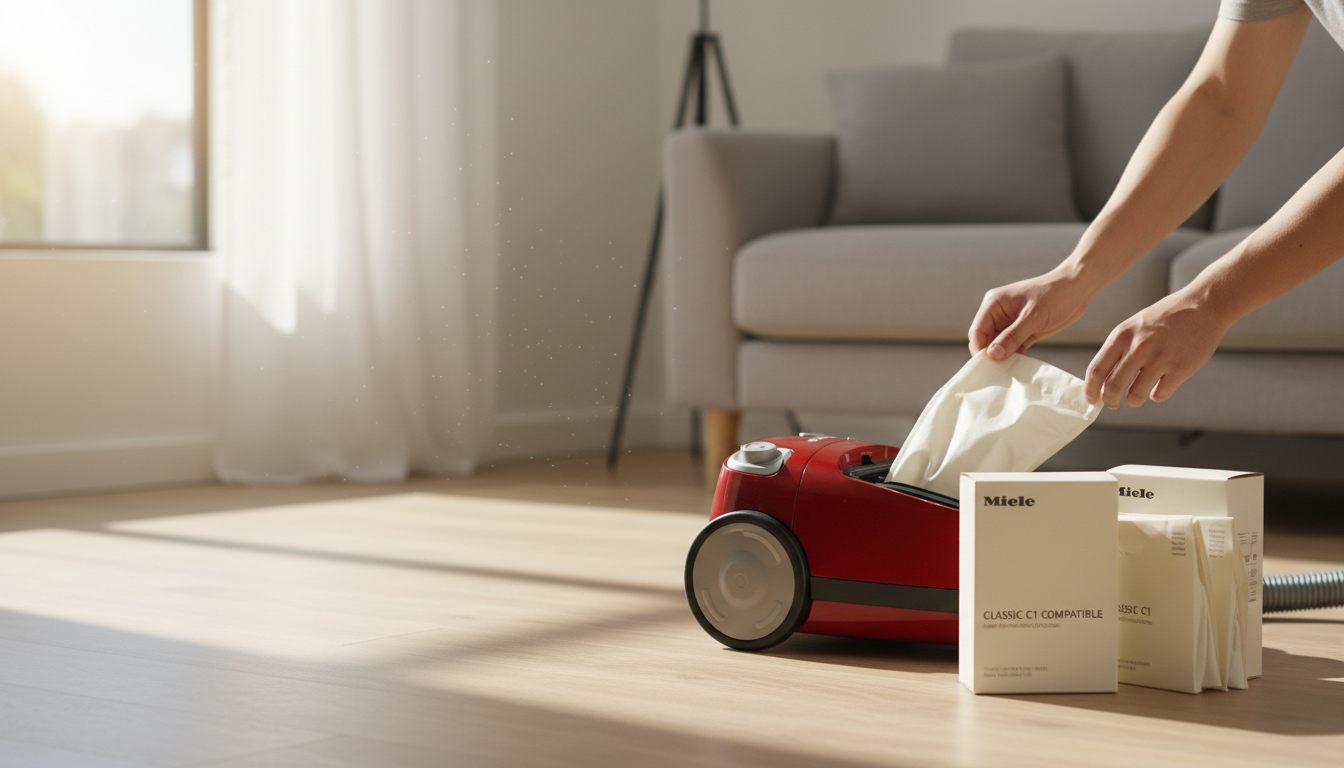
- Insert the new bag by sliding its collar into the bag holder until it clicks securely into place. Ensure the bag is fully unfolded within the compartment and not creased or obstructing the lid. A secure fit prevents dust from bypassing the bag and entering the motor.
- Close the dust compartment lid firmly until it latches.
-
Understanding the Bag Change Indicator:
- Your Miele Classic C1 features a visual indicator, typically a colored bar or arrow, that signals when the dustbag is full or when airflow is restricted.
- Do not rely solely on the bag appearing visually full. The indicator measures airflow resistance, which can be affected by fine dust compaction even if the bag isn't outwardly bulging.
- Change the bag as soon as the indicator fully illuminates or reaches the "full" mark. Delaying replacement can strain the motor, reduce suction power, and diminish filtration efficiency.
-
Replacing Motor Protection and Exhaust Filters:
- Motor Protection Filter: Located beneath the dustbag, this filter safeguards the motor from fine dust particles. It should be replaced with every pack of new dustbags (typically 4-5 bags) or as indicated in your vacuum's manual. Many genuine Miele bag packs include a new motor protection filter.
- Exhaust Filter (AirClean Filter): Positioned at the vacuum's exhaust, this filter captures any remaining particles before air is expelled into the room. Depending on your specific C1 model and the type of exhaust filter (e.g., AirClean, HEPA AirClean, Active AirClean), replacement frequency varies. Standard AirClean filters are often included with bag packs and should be replaced at the same interval as the motor protection filter. HEPA or Active AirClean filters typically have a longer lifespan, often replaced annually.
- Always ensure filters are correctly seated to maintain a sealed system and prevent unfiltered air from escaping.
-
Maximizing Bag Life and Vacuum Hygiene:
- Avoid Overfilling: Changing the bag when indicated, rather than waiting for it to burst or severely impede suction, protects your vacuum and maintains air quality.
- Strategic Cleaning: Avoid vacuuming large, sharp objects that could tear the bag. For very fine dust (e.g., drywall dust), consider using a specialized bag if available for your model, or be prepared to change the standard bag more frequently.
- Regular Compartment Check: Periodically inspect the dust compartment for any accumulated debris or dust outside the bag, and wipe it clean to maintain hygiene and prevent odors.
- Store Bags Properly: Keep replacement bags in a dry, cool place to prevent damage or degradation of the filter material before use.
Making Your Informed Choice for Miele C1 Vacuum Cleaner Bags
Selecting the ideal replacement bags for your Miele Classic C1 involves weighing several factors to ensure continued performance and value. Your decision should align with your specific priorities, balancing filtration efficacy, budget, and the assurance of a precise fit.
Consider these aspects before making your purchase:
- Model-Specific Compatibility: The paramount factor is ensuring the bags are explicitly designed for your Miele Classic C1. Miele vacuums often require specific bag types, such as the FJM, which is commonly associated with Classic C1 models. Using the incorrect bag type can lead to poor fit, reduced suction, and dust leakage. Always verify your exact C1 model number against the bag's compatibility list.
- Filtration Needs: If indoor air quality is a top concern, prioritizing bags with advanced, multi-layer filtration is essential. Genuine Miele bags are engineered to capture a high percentage of fine particulates and allergens, contributing significantly to a cleaner home environment.
- Genuine vs. Compatible:
- Genuine Miele Bags: These offer the highest assurance of performance, filtration quality, and motor protection. They are designed to integrate seamlessly with your C1's system, often featuring multiple layers for superior dust retention. The trade-off is typically a higher cost per bag.
- Compatible Bags: These can offer a more budget-friendly alternative. However, their filtration efficiency and build quality can vary. It's important to research compatible options carefully, prioritizing those that specify multi-layer construction and a secure fit to minimize the risk of dust leakage or reduced performance.
- Budget Considerations: Evaluate the long-term cost of replacement bags against your financial plan. While compatible options may seem more economical upfront, potential compromises in filtration or vacuum longevity should be factored into the overall value.
Ultimately, your choice should reflect whether your primary goal is maximum filtration and guaranteed performance, or a more cost-effective solution with potentially varied results. Before finalizing your purchase, double-check your specific Miele Classic C1 model number and confirm the corresponding bag type to ensure a perfect match. This diligence helps maintain your vacuum's efficiency and the air quality in your home.
Frequently Asked Questions About Miele C1 Vacuum Bags
Navigating the specifics of Miele C1 vacuum cleaner bags can raise several common questions for owners. Understanding these details helps ensure your vacuum continues to perform efficiently and effectively.
-
How often should I change my Miele C1 vacuum bag? Miele Classic C1 vacuum cleaners are typically equipped with an indicator that signals when the dustbag is full or when airflow is significantly restricted. This visual cue is the most reliable guide. Factors influencing bag life include cleaning frequency, the volume and type of debris collected (e.g., fine dust, pet hair, construction dust), and the size of the area being cleaned. Changing the bag when the indicator suggests it, or when you notice a decrease in suction power, helps maintain optimal performance and prevent strain on the motor.
-
Can I reuse or empty Miele C1 vacuum bags? Miele C1 vacuum bags are designed for single-use and hygienic disposal. Attempting to empty and reuse them is not recommended. The multi-layer filtration system, characteristic of bags compatible with the C1, is engineered to trap fine dust and allergens securely. Opening and emptying the bag can compromise this intricate structure, leading to dust leakage, reduced filtration efficiency, and the release of trapped particles back into your environment. It also negates the sealed, hygienic disposal benefit.
-
Are all Miele C1 vacuum bags the same, or are there different types? Not all Miele vacuum bags are universally compatible. For the Miele Classic C1 model, a specific type of bag, commonly designated as FJM, is required. These bags are engineered to fit the C1's dust compartment precisely and work with its airflow system. Other Miele models may use different bag types, such as GN bags for larger canister vacuums. Using an incorrect bag type can lead to an improper seal, resulting in dust escaping into the vacuum's motor compartment or back into the room, and a significant loss of suction.
-
Do Miele C1 vacuum bags come with filters, or do I need to buy them separately? Genuine Miele C1 vacuum bag packs typically include essential filters designed to be replaced with each bag change. These usually consist of a motor protection filter, which safeguards the vacuum's motor from fine dust, and an AirClean exhaust filter, which provides final filtration before air is expelled. It is crucial to replace these filters as directed by the manufacturer to maintain the vacuum's filtration performance and protect its internal components.
More in Vacuum Cleaner Bags
View All