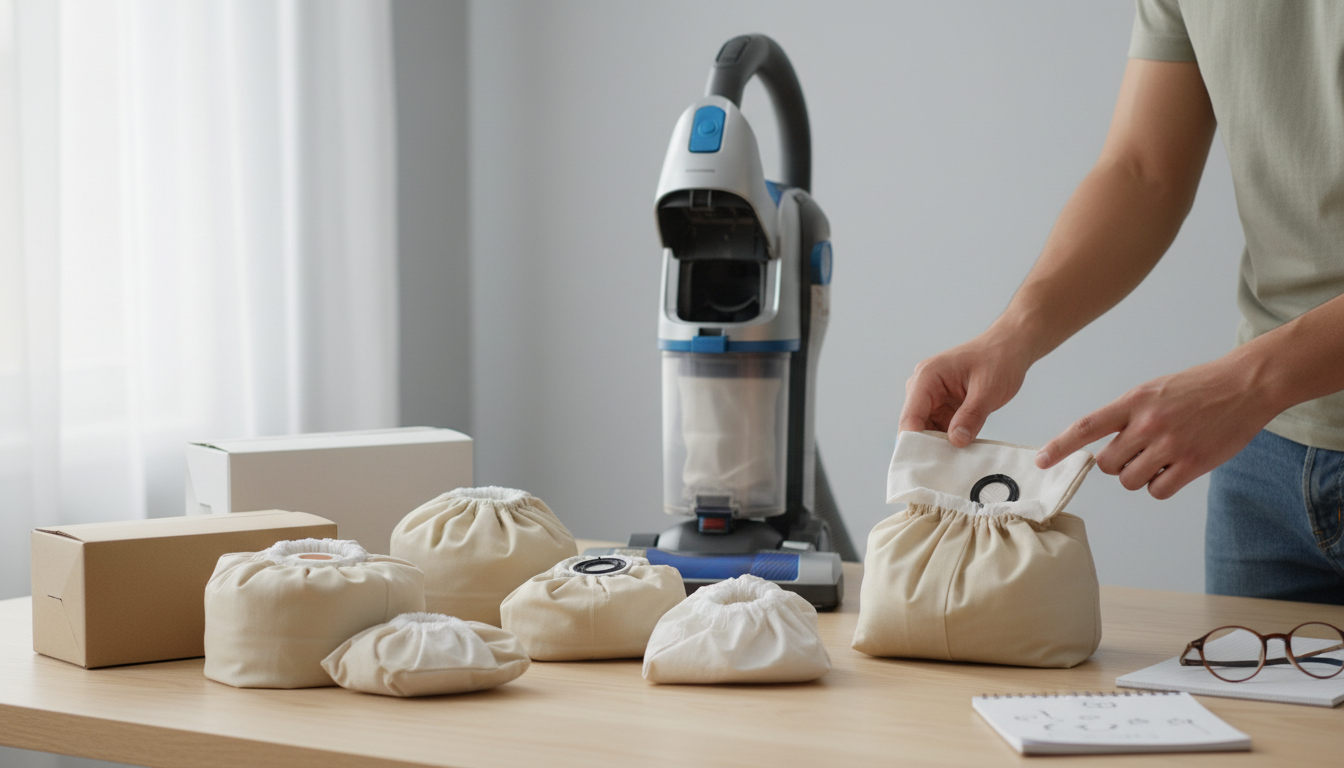
Bissell PowerForce Vacuum Cleaner Bags: A Guide to Compatibility and Performance
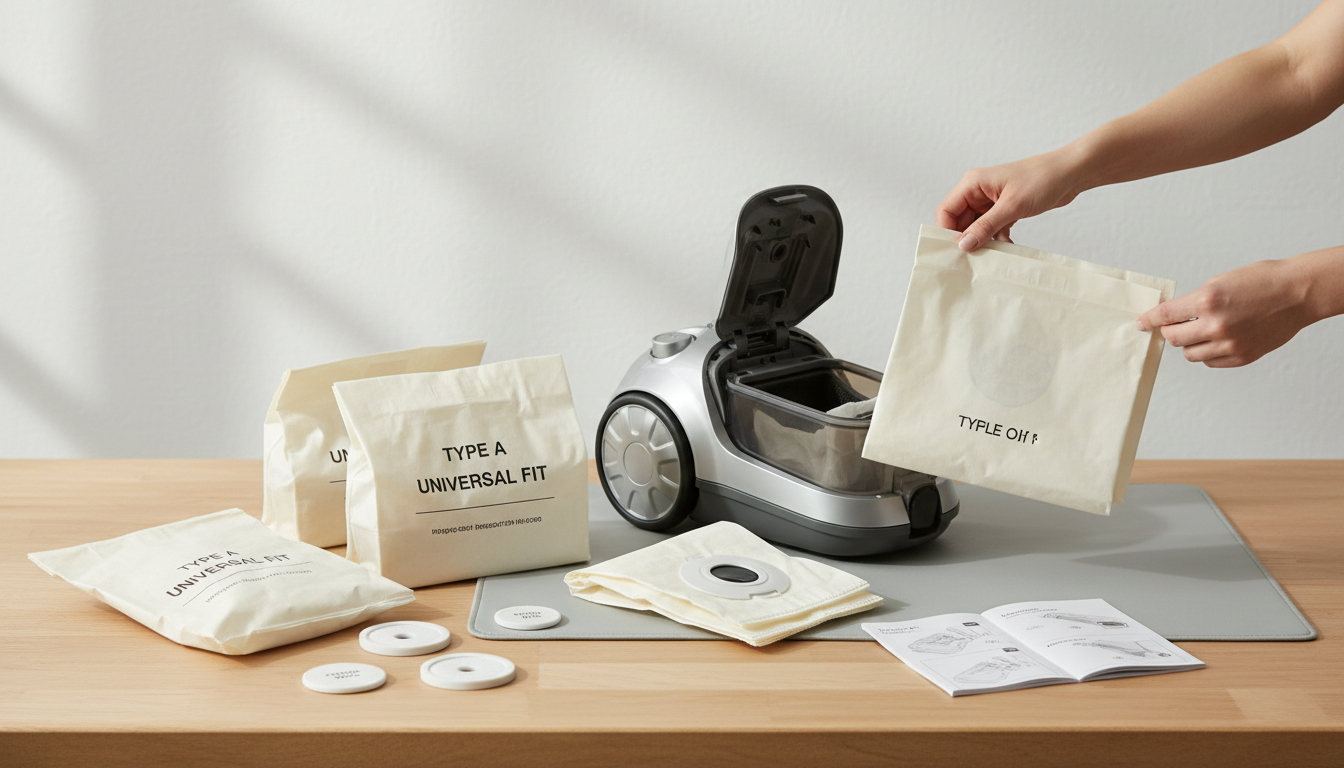
Finding the Right Bags for Your Bissell PowerForce Vacuum
The sustained performance of your Bissell PowerForce vacuum cleaner relies significantly on selecting the correct replacement bags. More than just a simple receptacle for debris, the right vacuum bag is a critical component that directly influences your machine's suction power, the quality of air it expels, and its overall cleaning efficiency. Using an incompatible or sub-optimal bag can lead to reduced suction, premature motor wear, or diminished air filtration, compromising both your cleaning results and indoor air quality.
Specific bag types are designed with varying filtration capabilities and material strengths. A bag's construction impacts how effectively it traps fine dust, allergens, and pet dander, preventing these particles from recirculating into your home. Furthermore, the durability and precise fit of a bag are essential for maintaining consistent suction and preventing leaks that could damage your vacuum or create a mess.
This guide aims to demystify the process of choosing bissell powerforce vacuum cleaner bags. We will explore the crucial compatibility factors, delve into performance considerations like filtration efficiency and bag durability, and discuss common trade-offs to help you make an informed decision that aligns with your cleaning needs and budget.
Understanding Bissell PowerForce Bag Compatibility
Selecting the correct replacement bags for your Bissell PowerForce vacuum is critical for maintaining its performance and ensuring effective cleaning. Unlike some general-purpose household items, vacuum cleaner bags are not universally interchangeable. Bissell PowerForce models are designed with specific internal dimensions and airflow systems that demand a precise fit. Using a bag that isn't engineered for your particular model can lead to several issues, including reduced suction, dust leakage back into your home's air, and even potential strain on the vacuum's motor.
To ensure you choose compatible bags, identifying your specific Bissell PowerForce model number is the essential first step. This number helps you pinpoint the exact bag type required.
- Locating Your Model Number: On most Bissell PowerForce machines, the model number is found on a white label. This label is typically situated on the lower back or bottom of the vacuum. If you own a Lift-Off® PowerForce model, you may need to remove the Lift-Off pod to access the label. Alternatively, it might be located behind the cleaning tanks.
Once you have your model number, you can then focus on the key physical characteristics that determine bag compatibility:
- Bag Size and Shape: The bag must fit snugly within the vacuum's internal compartment without being too cramped (which can restrict airflow and capacity) or too loose (which can cause it to shift and leak).
- Collar Type: The bag's opening, often a cardboard or plastic collar, must precisely match the vacuum's intake port. This ensures an airtight seal, preventing dirt and debris from escaping into the vacuum's motor or back into your living space.
- Connection Mechanism: The way the bag attaches to the vacuum's internal port is model-specific. This could involve a slide-on design, specific clips, or a locking mechanism that secures the bag in place.
Ultimately, when searching for "vacuum cleaner bags for bissell powerforce," it's imperative to match the bags directly to your specific model number. This guarantees that the bag will function correctly, maintain optimal suction, and prevent premature wear on your vacuum cleaner.
Key Performance Factors in Vacuum Cleaner Bags
Selecting replacement bags for your Bissell PowerForce vacuum involves more than just ensuring a physical fit. The performance of a vacuum bag significantly impacts cleaning effectiveness, indoor air quality, and even the longevity of your vacuum. Understanding the differences in bag construction and features can guide you toward a more informed choice.
Consider these factors when evaluating potential replacement bags:
- Material and Filtration Capabilities:
- Standard Paper Bags: These are typically the most economical option. They offer basic dust collection but may allow finer particles and allergens to escape back into the air through the vacuum's exhaust.
- Multi-layer or Synthetic Bags: Often constructed from multiple layers of synthetic fibers, these bags provide superior filtration. They are designed to trap a wider range of particles, including fine dust, pollen, and pet dander, more effectively than single-layer paper bags. This enhanced filtration contributes to cleaner exhaust air and improved indoor air quality.
- HEPA Filtration Benefits: For households concerned with allergies, asthma, or general indoor air quality, bags featuring HEPA (High-Efficiency Particulate Air) filtration are a critical consideration. These bags are engineered to capture a high percentage of microscopic particles, down to 0.3 microns, preventing them from recirculating into your living space. While not all multi-layer bags are HEPA-rated, those that are offer a significant advantage in allergen retention.
- Impact on Suction Power: As a vacuum bag fills with debris, airflow through the bag can become restricted. This restriction directly leads to a reduction in the vacuum's suction power. Bags with a more advanced design, such as those made from porous synthetic materials or engineered with internal channels, can sometimes maintain better airflow for longer as they fill, helping to preserve suction performance until the bag is nearly full. Bag capacity also plays a role; a larger capacity bag might allow for more debris accumulation before suction noticeably declines, though this can vary by design.
- Durability and Tear Resistance: The material and construction of a vacuum bag directly influence its durability. Standard paper bags can be more prone to tearing, especially when encountering sharp objects, larger debris, or if overfilled. Multi-layer and synthetic bags generally offer enhanced tear resistance, reducing the risk of a messy rupture inside your vacuum. This added durability is particularly valuable if you frequently vacuum varied types of household debris, including pet hair or small, harder particles.
Original vs. Aftermarket Bissell PowerForce Bags: What to Know
When replacing your Bissell PowerForce vacuum cleaner bags, you'll encounter two primary categories: Original Equipment Manufacturer (OEM) bags and aftermarket alternatives. OEM bags are produced by Bissell itself, designed to meet the exact specifications of your PowerForce model. Aftermarket bags, conversely, are manufactured by third-party companies that aim to offer compatible replacements. Understanding the distinctions and potential trade-offs between these options is crucial for making an informed purchase.
The primary difference often lies in cost, with aftermarket bags typically presenting a more budget-friendly option. However, this price difference can sometimes come with perceived variations in quality, fit, and performance. While OEM bags offer the assurance of being engineered specifically for your vacuum, many aftermarket brands have developed reputations for reliable performance. For example, some users specifically recommend aftermarket brands like 'Clean Fairy' for Bissell PowerForce vacuums, noting their HEPA filtration capabilities and overall performance as a strong alternative.
Evaluating aftermarket options requires careful consideration of several factors to mitigate potential risks:
- Fit Discrepancies: An ill-fitting bag can lead to reduced suction, dust leakage, and increased motor strain. While OEM bags guarantee a precise fit, aftermarket options should clearly state compatibility with your specific PowerForce model number. Look for detailed product descriptions and user reviews that confirm a snug, secure fit.
- Material Quality: The durability and filtration efficiency of the bag material are paramount. Lower-quality materials might tear more easily, leading to messes, or offer inferior filtration, allowing fine dust and allergens to escape back into your air. Some aftermarket bags, including certain 'Clean Fairy' offerings, are noted for their HEPA-grade filtration, which can be a significant advantage for allergy sufferers. Cheaper paper versions, while available, typically offer less effective filtration compared to multi-layer synthetic options.
- Filtration Efficiency: This is critical for indoor air quality. OEM bags are designed to maintain the vacuum's intended filtration level. Reputable aftermarket brands will specify their filtration capabilities, often highlighting multi-layer construction or HEPA standards. Be wary of generic descriptions that don't detail filtration performance.
To identify reliable aftermarket options, scrutinize merchant data and product descriptions. Look for:
- Explicit Model Compatibility: The product listing should clearly state which Bissell PowerForce models the bags are designed for.
- Material and Filtration Claims: Details about the bag's construction (e.g., synthetic, multi-ply, HEPA-rated) provide insight into its potential performance.
- Customer Reviews: User feedback often highlights real-world experiences with fit, durability, and overall satisfaction, offering practical insights beyond marketing claims.
Maximizing the Life and Efficiency of Your PowerForce Vacuum Bags
Proper handling and timely replacement of your Bissell PowerForce vacuum cleaner bags are essential practices that directly influence your vacuum's performance and longevity. Adhering to best practices for bag usage ensures consistent suction, effective filtration, and prevents unnecessary strain on your appliance.
Installing and Removing Bags Correctly
A secure fit is paramount for both performance and hygiene.
- Installation: Before inserting a new bag, ensure the vacuum is unplugged. Open the bag compartment and carefully align the bag's cardboard collar or rubber gasket with the inlet port inside the compartment. Push firmly until it clicks or seats snugly into place, creating a tight seal. Verify that the bag is unfolded and positioned without obstructing the compartment closure.
- Removal: When the bag is full, unplug the vacuum. Locate the bag compartment release latch, often found on the front or side of the compartment (as noted in some PowerForce models). Once opened, carefully grasp the bag's collar and pull it away from the inlet port. Many bags feature a self-sealing tab or flap; activate this before completely removing the bag to contain dust and allergens. Dispose of the sealed bag responsibly.
Recognizing When to Replace Your Bag
While a visibly full bag is an obvious indicator, other signs point to the need for replacement, even if the bag doesn't appear completely packed.
- Reduced Suction: A noticeable drop in cleaning power, where the vacuum struggles to pick up debris, is a primary indicator. As a bag fills, airflow decreases, diminishing suction.
- Increased Motor Noise: If your vacuum sounds like it's working harder or straining, it often means the motor is compensating for restricted airflow due to a full or clogged bag.
- Dust or Odor Emission: If you detect a dusty odor or see fine particles escaping from the vacuum's exhaust, it suggests the bag's filtration capacity is compromised or the bag is overfilled, allowing particles to bypass the filter.
- Visible Dirt on Exhaust Filter: Some PowerForce models have a secondary filter. If this filter appears excessively dirty soon after cleaning, it can indicate that the primary bag filter is failing to capture particles effectively.
Preventing Common Bag Issues
Proactive measures can prevent common problems like bag tears and blockages, which can lead to messes and reduced performance.
- Avoid Overfilling: Replace bags before they are completely packed. An overfilled bag strains the vacuum, reduces airflow, and increases the risk of tearing.
- Pre-Clean Large Debris: Avoid vacuuming large, sharp objects like broken glass, staples, or excessive amounts of string, which can puncture the bag or create internal blockages.
- Steer Clear of Moisture: Never vacuum wet spills or damp debris. Moisture can weaken bag material, promote mold growth, and damage the vacuum's internal components.
- Check for Internal Obstructions: Periodically inspect the hose and nozzle for blockages that might force debris into the bag too aggressively, increasing tear risk.
Impact on Performance and Longevity
Regular and timely bag replacement is not merely a maintenance task; it's a critical component of your Bissell PowerForce vacuum's overall health and cleaning efficacy.
- Sustained Suction Power: A fresh bag ensures unimpeded airflow, allowing your vacuum to maintain its designed suction power for efficient dirt and debris removal.
- Optimal Air Filtration: New bags provide maximum filtration, trapping allergens and fine dust particles within the bag and preventing them from being recirculated into your home's air. This is especially important for households with allergy sufferers.
- Extended Vacuum Lifespan: By preventing restricted airflow, regular bag changes reduce strain on the vacuum's motor, fan, and other internal components. This mitigates the risk of overheating and premature wear, contributing to the appliance's overall longevity.
- Preventing Internal Contamination: A properly functioning and regularly replaced bag prevents dust and debris from escaping into the vacuum's internal mechanisms, which could otherwise lead to clogs, motor damage, or the need for more extensive cleaning.
Common Pitfalls and What to Avoid When Buying Bags
Navigating the options for Bissell PowerForce vacuum cleaner bags can present several traps that compromise your vacuum's effectiveness and longevity. Being aware of these common pitfalls allows for a more informed purchase, ensuring your vacuum continues to perform as intended.
-
Using Incorrect Bag Types or Sizes A primary risk is selecting bags that do not precisely match your Bissell PowerForce model. An ill-fitting bag can create gaps around the seal, allowing dust, dirt, and allergens to bypass the filtration system and escape back into your home's air. This not only diminishes air quality but also permits debris to reach and potentially damage the vacuum's motor, leading to costly repairs or premature failure. Furthermore, an incorrect size can obstruct airflow, causing reduced suction power and inefficient cleaning.
-
Overfilling Bags While it might seem economical to use a vacuum bag until it's completely full, overfilling can severely impact your Bissell PowerForce's performance. As a bag fills, the available space for airflow decreases, forcing the vacuum motor to work harder to maintain suction. This increased strain can lead to motor overheating and reduced lifespan. An overfilled bag also compromises cleaning effectiveness, as the vacuum struggles to pick up new debris, and the material inside can become so compacted that it resists airflow, further reducing suction.
-
Opting for Very Low-Quality Aftermarket Bags The market offers a range of aftermarket bags, some of which may appear to be a significant cost-saving alternative. However, very low-quality options often come with their own set of problems. These bags might be constructed from thinner, less durable materials that are prone to tearing, especially when encountering sharp debris. A torn bag immediately releases all collected dirt back into your vacuum and home. Additionally, cheaper bags may lack adequate filtration capabilities, failing to capture fine dust and allergens effectively, which defeats the purpose of a bagged system designed for improved air quality. Their dimensions might also be slightly off, leading to a poor fit even if advertised as compatible.
To mitigate these risks, always verify the product specifications against your Bissell PowerForce model number before making a purchase. Cross-reference bag numbers and descriptions to ensure a proper fit and adequate filtration performance. This proactive step helps avoid disappointment, potential vacuum damage, and ensures your cleaning efforts are truly effective.
Frequently Asked Questions About Bissell PowerForce Vacuum Bags
Understanding the nuances of replacement bags can significantly impact your Bissell PowerForce vacuum's effectiveness and longevity. Here are answers to common questions that can help guide your purchasing decisions and optimize usage.
-
What type of replacement bags are recommended for Bissell PowerForce vacuums for optimal performance and air quality? For optimal performance and improved air quality, bags featuring HEPA-grade filtration are generally recommended. These bags are designed to capture a higher percentage of microscopic particles, including allergens, dust mites, and pet dander, preventing them from recirculating into your home's air. While standard paper bags are typically more affordable, they offer less effective filtration. When considering options, look for bags explicitly stating HEPA-level filtration or multi-layer construction for enhanced particle retention.
-
How can I find the correct model number for my Bissell PowerForce vacuum to ensure bag compatibility? Ensuring bag compatibility begins with identifying your specific Bissell PowerForce model number. This number is usually located on a white label affixed to your vacuum cleaner. Typically, you'll find it on the lower back or the bottom of the machine. For Bissell PowerForce models that feature a removable Lift-Off® pod, you might need to detach the pod to locate the label underneath. Once you have this number, you can cross-reference it with the compatibility information provided on bag packaging or product listings.
-
How often should I change the vacuum bag in my Bissell PowerForce, and what are the signs it needs replacement? The frequency of bag replacement depends heavily on your usage patterns, the amount of debris collected, and the type of material being vacuumed (e.g., pet hair, fine dust). There isn't a fixed schedule, but several signs indicate it's time for a change:
- Reduced Suction Power: As a bag fills, airflow through the vacuum decreases, leading to a noticeable drop in suction.
- Visible Fullness: Many bags have a fill line or become visibly distended.
- Unpleasant Odors: If your vacuum starts emitting a stale or dusty smell, even after cleaning the filters, a full bag could be the cause.
- Increased Motor Strain: A heavily filled bag can make the vacuum's motor work harder, potentially leading to overheating or a louder operating sound. Changing the bag before it's completely full can help maintain consistent suction and prevent strain on the motor.
-
Are aftermarket or generic bags a suitable alternative to original Bissell PowerForce bags? Aftermarket or generic bags can be a suitable and often more cost-effective alternative to original equipment manufacturer (OEM) Bissell bags, provided they meet specific criteria. The primary considerations are fit, filtration quality, and material durability. A well-made aftermarket bag should fit securely into your PowerForce model without gaps, ensuring no dust leaks. Look for descriptions that specify multi-layer construction or HEPA-type filtration if air quality is a priority. However, there is a risk that poorly manufactured generic bags may not fit correctly, leading to reduced suction, dust leakage, or even potential damage to your vacuum. It's advisable to review product details carefully and consider user feedback regarding fit and performance for your specific PowerForce model when evaluating aftermarket options.
Final Considerations and Making Your Best Choice
Selecting the optimal replacement bags for your Bissell PowerForce vacuum cleaner culminates in synthesizing key criteria: unwavering compatibility, appropriate filtration, and a balance of durability and value. Your decision directly impacts not only the cleanliness of your floors but also the air quality in your home and the operational lifespan of your appliance. The right bag ensures maximum suction, prevents particulate leakage, and protects your vacuum's motor from fine dust.
To make an informed selection, consider your individual needs and priorities:
- For the Budget-Conscious Buyer: If cost-effectiveness is paramount, focus on standard paper bags that explicitly match your Bissell PowerForce model number. These offer foundational filtration and are generally more affordable. However, be aware that their filtration efficiency for very fine particles and allergens may be less robust compared to advanced options. Durability should still be a consideration to prevent premature tearing.
- For Maximum Filtration and Air Quality: If you or household members have allergies, pets, or a strong preference for superior indoor air quality, prioritize bags with HEPA-level filtration. While potentially a higher initial investment, these bags are designed to trap a significantly greater percentage of microscopic particles, allergens, and pet dander. Ensure they are still the correct fit for your specific PowerForce model to guarantee proper sealing and performance. These often come with enhanced multi-layer construction for improved durability.
Regardless of your primary focus, the absolute most critical step remains matching the bag to your specific Bissell PowerForce model number. This number, typically found on a label on the vacuum's base or back, is your definitive guide to ensuring a perfect fit and preventing issues like reduced suction or dust leakage. An ill-fitting bag negates any filtration benefits and can compromise your vacuum's efficiency and longevity.
By thoughtfully weighing compatibility, filtration capabilities, and your personal priorities, you empower yourself to confidently choose Bissell PowerForce vacuum cleaner bags that not only meet your requirements but also maintain your vacuum's peak performance. This informed approach ensures your vacuum continues to operate effectively, protecting both your investment and your home environment for the long term.
More in Vacuum Cleaner Bags
View All