Canister Vacuum Cleaner Bags: What to Look For in Replacements
The Essential Guide to Canister Vacuum Cleaner Bags
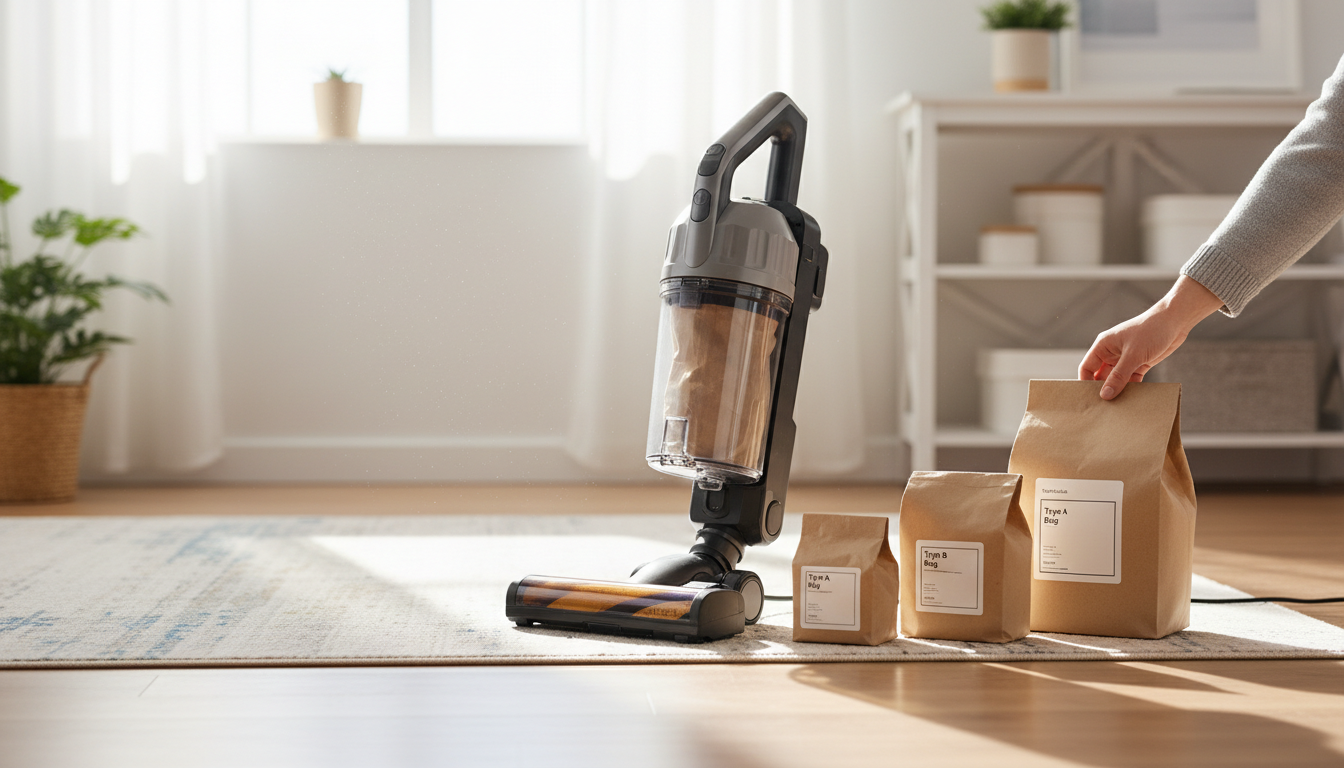
Canister vacuum cleaners utilize specialized bags as the primary receptacle for collecting dust, dirt, and debris. Far more than simple containers, these bags are a critical component of your vacuum's overall performance and, significantly, your home's indoor air quality. A well-chosen bag maintains consistent suction power, preventing premature motor strain and ensuring efficient cleaning across various surfaces.
For homeowners, especially those managing allergies or asthma, the filtration capabilities of these bags are paramount. High-quality replacement bags are designed to trap microscopic particles, allergens, and pet dander, preventing them from recirculating into the air during vacuuming and emptying. This containment is a key advantage over many bagless systems, which can release dust clouds when emptied.
This guide aims to empower you with the knowledge to confidently select the most appropriate replacement canister vacuum cleaner bags. We will explore the critical factors, trade-offs, and compatibility considerations necessary to ensure your vacuum operates at its best, providing a cleaner, healthier living environment.
Understanding Canister Vacuum Bags: More Than Just a Dirt Holder
Canister vacuum cleaners operate with a distinct two-part design: a powerhead for cleaning surfaces and a separate canister unit that houses the motor, filtration system, and dirt collection. Within this system, the vacuum bag serves as the primary receptacle for debris, capturing dust, dirt, and allergens as they are drawn in. Unlike bagless models that use a dirt cup, bagged canister vacuums direct collected material directly into a sealed, disposable bag.
This design offers several key advantages, particularly for homeowners and allergy sufferers.
- Enhanced Filtration: Vacuum bags, especially multi-layered or HEPA-rated options, act as an integral part of the filtration system. They trap fine particles, dust mites, pet dander, and other allergens within the bag itself, preventing them from recirculating into the air. This contributes to improved indoor air quality.
- Hygienic Disposal: When a bag is full, it can be removed and sealed, minimizing direct contact with collected debris. This process significantly reduces the release of dust clouds and allergens back into the environment during emptying, offering a cleaner and more hygienic disposal experience compared to emptying a bagless dirt cup.
While bagless vacuums eliminate the ongoing cost of replacement bags, they often involve direct exposure to dust during emptying and may require more frequent filter cleaning. Bagged systems, conversely, entail a recurring expense for bags but provide a cleaner emptying process and often superior overall filtration, making them a considered choice for those prioritizing air quality and convenience in debris disposal.
Essential Factors for Selecting Replacement Canister Vacuum Bags
Choosing the correct replacement bags for your canister vacuum is vital for maintaining its cleaning efficiency, protecting indoor air quality, and ensuring the longevity of the appliance. Understanding the key characteristics of these bags allows homeowners and allergy sufferers to make informed decisions.
Compatibility is Paramount
The most critical factor when selecting replacement bags is ensuring they are specifically designed for your vacuum cleaner model. Using an incompatible bag can lead to poor performance, dust leakage, and potential damage to your vacuum.
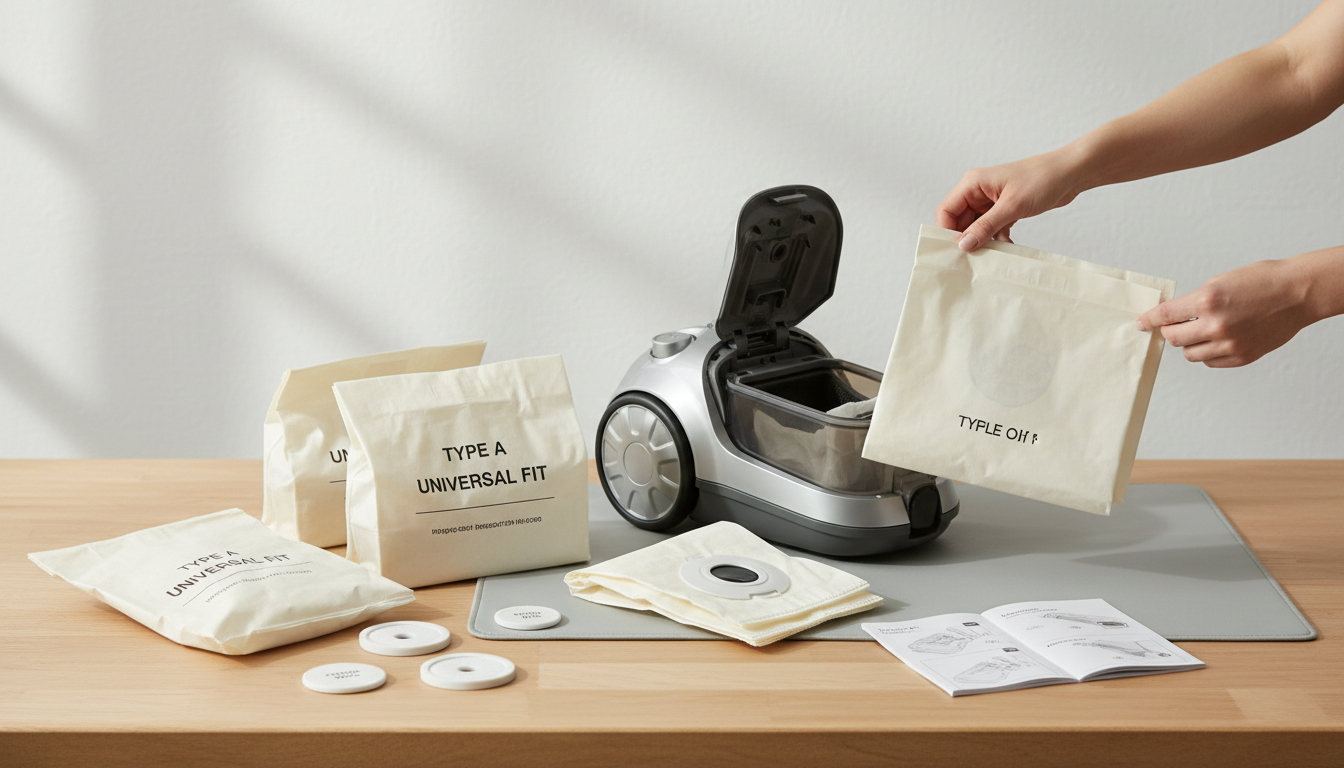
- Model-Specific Fit: Always check your vacuum's brand, model number, and the specific bag style number. For instance, bags might be labeled for "Eureka Style MM" or "Electrolux Style C" models. This information is typically found on the vacuum itself, in the user manual, or on the manufacturer's website.
- Manufacturer Recommendations: While third-party options exist, consulting your vacuum's manual for recommended bag types or part numbers is the most reliable starting point. This ensures the bag fits securely and functions as intended by the vacuum's design.
- Risks of Mismatch: An ill-fitting bag can compromise the vacuum's suction, allow dust and allergens to escape back into the air, and potentially strain the motor due to improper airflow.
Filtration Performance and Material
The material and filtration capabilities of a vacuum bag directly impact its ability to capture dust, allergens, and microscopic particles, which is particularly important for allergy sufferers.
- HEPA Filtration: For those concerned with allergies, asthma, or general air quality, bags marketed with HEPA (High-Efficiency Particulate Air) filtration are a significant consideration. These bags are designed to capture a high percentage of tiny particles, including pollen, pet dander, and dust mites.
- Material Types:
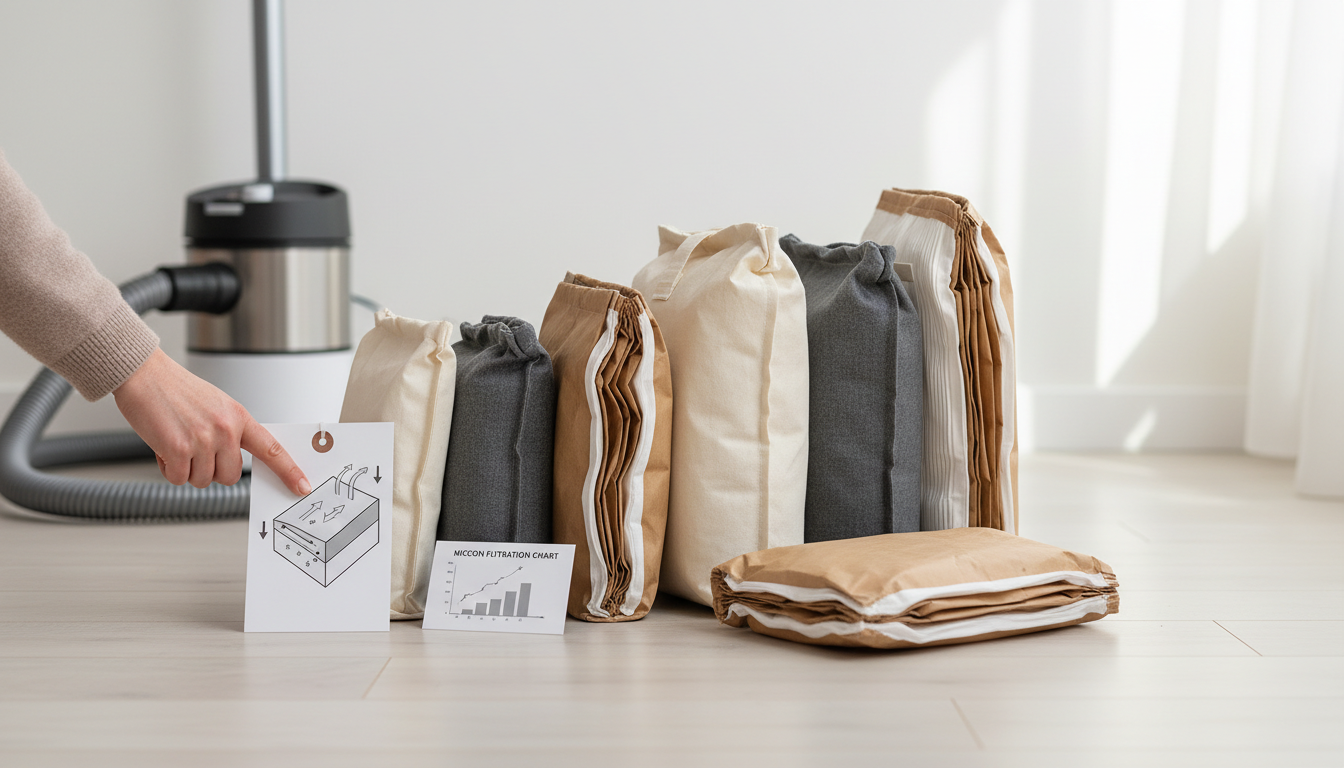
- Paper Bags: Often multi-layered, these are a common and economical choice. Their filtration effectiveness varies, but they generally offer good basic particle capture.
- Synthetic/Micro-filtration Bags: Made from advanced synthetic materials, these bags typically offer superior filtration compared to standard paper bags. They are often multi-layered, providing better particle retention and sometimes enhanced durability.
- Trade-offs: While higher filtration often means cleaner exhaust air, some advanced filtration materials can slightly restrict airflow, potentially impacting suction power in some vacuum models.
Capacity and Quantity
Considering the bag's capacity and the quantity you purchase can influence both convenience and cost-effectiveness over time.
- Bag Capacity: Larger capacity bags mean less frequent changes, which can be a convenience factor for larger homes or frequent vacuum users. However, a full bag can reduce suction, so changing it before it's completely packed is often recommended.
- Purchasing Quantity: Bags are often sold in multi-packs (e.g., 8-packs or 9-packs). Buying in larger quantities can reduce the per-bag cost, offering a more economical long-term solution. However, ensure you have adequate storage space and that the bags won't degrade if stored for extended periods.
- Cost-Effectiveness: While individual bag prices can vary, factoring in replacement frequency and bulk purchasing can help manage ongoing operational costs.
Seal and Durability
A secure seal and robust construction are essential for a vacuum bag to effectively contain debris and prevent leaks.
- Secure Bag Seal: The mechanism by which the bag connects to the vacuum's intake port is crucial. A strong, tight seal prevents dust and debris from escaping the bag and entering the vacuum's motor or being released back into the room. Many bags feature a self-sealing collar that closes upon removal, preventing dust clouds during disposal.
- Material Durability: The bag material must be strong enough to withstand the suction force and the weight of collected debris without tearing or bursting. This is especially important if you frequently vacuum sharp objects or heavy particles.
- Risk of Leaks: Issues with bag leaks are a common concern for bagged vacuum owners. A poorly constructed bag or one with a weak seal can lead to dust escaping, diminishing the vacuum's effectiveness and potentially creating a mess inside the canister and your home.
Addressing Common Concerns with Canister Vacuum Bags
While canister vacuum bags offer distinct advantages for filtration and dust containment, understanding potential downsides and how to mitigate them is crucial for a satisfactory cleaning experience. Proactive measures can address common frustrations and ensure your vacuum operates effectively.
Cost and Environmental Impact
The convenience and air quality benefits of bagged canister vacuums come with an ongoing financial commitment for replacement bags. Unlike bagless systems, which require only filter maintenance, bagged models necessitate regular purchases of new bags. Prices can vary significantly by brand and type, contributing to the overall cost of ownership. Beyond the expense, the environmental footprint is a consideration. Most vacuum cleaner bags are not designed for recycling and typically end up in landfills, contributing to waste.
Preventing Leaks and Maximizing Bag Life
One of the primary concerns for users of bagged vacuums is the potential for dust leaks, which can compromise air quality and negate the benefits of a sealed system. Another common issue is the need for frequent bag replacement due to reaching capacity.
To prevent leaks and get the most out of each bag:
- Proper Installation: Always ensure the bag's cardboard collar or plastic flange is securely seated within the vacuum's bag compartment. A slight misalignment can create gaps where fine dust can escape into the motor or back into the room.
- Pre-Installation Check: Before inserting a new bag, quickly inspect it for any manufacturing defects, small tears, or punctures. Even minor damage can lead to leaks under vacuum pressure.
- Monitor Fill Indicators: Many canister vacuums include a bag full indicator. Pay attention to this signal rather than waiting for a noticeable drop in suction, which often indicates the bag is critically full or airflow is severely restricted.
- Avoid Overfilling: Overpacking a bag beyond its recommended capacity can strain the vacuum motor, reduce cleaning efficiency, and increase the risk of the bag bursting or tearing, leading to a significant mess and potential damage to the vacuum.
- Regular Disposal: While it might seem counterintuitive to replace a bag that isn't completely full, disposing of bags when they are two-thirds to three-quarters full can maintain optimal airflow and suction, especially for allergy sufferers who prioritize consistent filtration.
Practical Tips for Identifying and Replacing Your Canister Vacuum Bags
Ensuring your canister vacuum operates effectively, especially for allergy sufferers, relies heavily on correctly identifying and replacing its dirt bags. A systematic approach helps maintain optimal suction and filtration.
Pinpointing the Correct Replacement Bag
Finding the right bag for your specific canister vacuum model is the first critical step. Using an incompatible bag can lead to poor performance, dust leakage, and potential damage to your appliance.
- Consult Your Vacuum's Manual: The user manual is the most reliable source for your vacuum's exact bag type, model number, or style code. Keep this information handy for future purchases.
- Examine the Existing Bag: If you no longer have the manual, carefully remove the current bag. Most bags have a model number, brand, or specific style code printed directly on them.
- Check the Vacuum Housing: Look for a label or sticker on the vacuum cleaner itself, often located near the bag compartment, on the underside, or on the back. This label typically lists the vacuum's model number, which can then be used to find compatible bags.
- Understand Brand and Model Specificity: Be aware that vacuum bags are almost always designed for specific brands and models or series of vacuums. A bag for one brand or even a different model within the same brand may not fit or function correctly.
Step-by-Step Bag Replacement
Once you have the correct replacement bag, the installation process is generally straightforward but requires attention to detail to ensure a secure seal.
- Unplug the Vacuum: Always disconnect the vacuum cleaner from the power outlet before performing any maintenance.
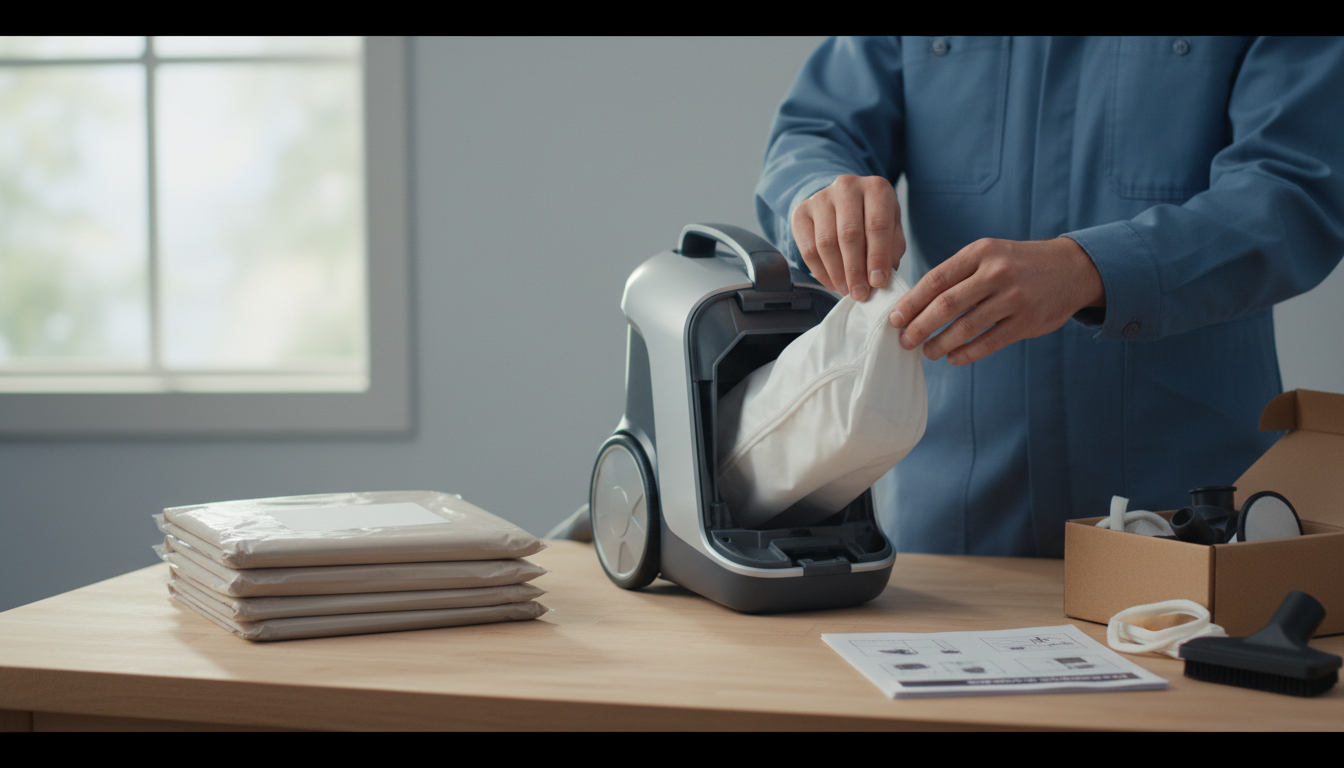
- Access the Bag Compartment: Locate and open the latch or release mechanism for the bag compartment, typically found on the main canister unit.
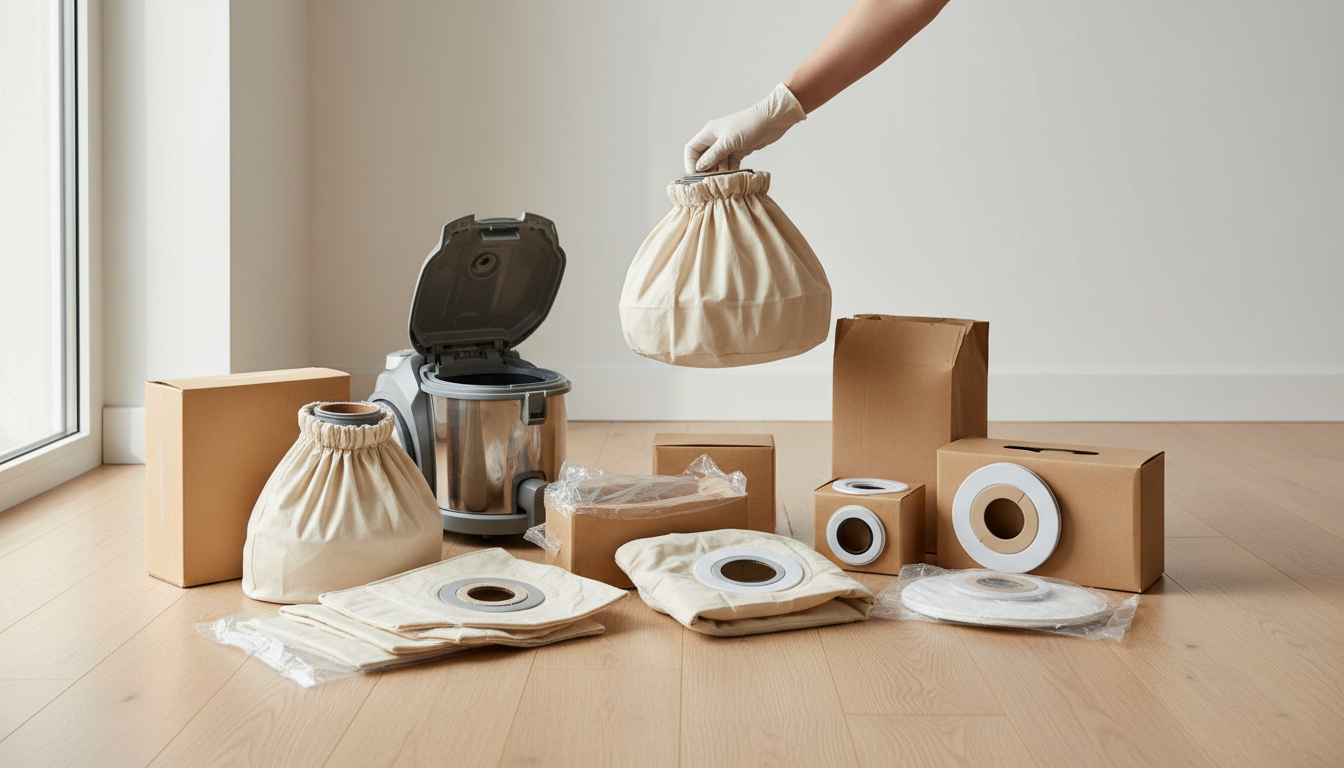
- Carefully Remove the Full Bag: Grasp the bag's cardboard collar or plastic flap. Many bags are designed with a self-sealing mechanism that closes the opening as you pull it out, preventing dust from escaping. Dispose of the full bag responsibly.
- Insert the New Bag: Align the new bag's collar with the intake port inside the vacuum's bag compartment. Push it firmly until it clicks into place or feels securely seated. Ensure the bag is fully unfolded inside the compartment without obstructing any sensors or filters.
- Close the Compartment: Securely close the bag compartment door or lid until you hear it latch. A proper seal is crucial for maintaining suction and preventing dust leaks.
Recognizing When a Bag Needs Changing
Proactive bag replacement is key to maintaining your vacuum's efficiency and air quality.
- Reduced Suction Power: This is the most common indicator. As a bag fills, airflow through the vacuum decreases, leading to noticeably weaker suction.
- Visual "Full Bag" Indicator: Many canister vacuums feature a mechanical or electronic indicator light that illuminates when the bag is full or airflow is significantly restricted.
- Visible Dust or Debris Escape: If you notice dust escaping from the vacuum's exhaust or seams, it could indicate an overfilled bag, a torn bag, or an improperly installed bag.
- Unpleasant Odor: A persistent musty or stale smell during operation often signifies a bag filled with dirt, pet dander, or other odor-causing particles that require replacement.
Making the Right Choice: Prioritizing Your Canister Bag Needs
Selecting the optimal replacement canister vacuum cleaner bags hinges on understanding that the "best" option is subjective, aligning with your specific cleaning environment and priorities. While many factors contribute to bag performance, one criterion remains non-negotiable: compatibility with your vacuum model. Always verify the exact model number and bag type specified by your vacuum's manufacturer to ensure a proper fit and seal, preventing dust leakage and maintaining suction.
Once compatibility is confirmed, your decision process can then focus on balancing critical factors based on your household's unique demands:
- For Allergy Sufferers and Pet Owners: Prioritize bags with advanced filtration capabilities. Look for multi-layered synthetic bags or those explicitly labeled as HEPA-rated. These bags are designed to capture microscopic particles, allergens, and pet dander more effectively, significantly improving indoor air quality and reducing allergen recirculation during vacuuming and disposal. The trade-off is often a higher cost per bag, but the health benefits can outweigh the expense.
- For Budget-Conscious Homeowners: Cost-effectiveness becomes a primary driver. While generic or off-brand bags might offer a lower upfront price, it's crucial to assess their quality. Cheaper bags may have thinner material, leading to easier tearing, reduced filtration efficiency, or premature filling if capacity is compromised. Consider purchasing in bulk from reputable manufacturers to achieve a better per-bag price without sacrificing essential performance.
- For General Household Cleaning: A balanced approach is often ideal. Seek bags that offer a good combination of durability, reasonable filtration (e.g., micro-filtration or multi-ply paper), and adequate capacity without being excessively expensive. These bags provide reliable performance for everyday dust and debris, preventing frequent replacements while still offering a clean exhaust.
Ultimately, your choice involves weighing these priorities. A household with severe allergies might justify the investment in premium HEPA bags, even if they cost more. Conversely, a home with minimal dust and no allergy concerns might find standard multi-ply bags perfectly sufficient and more economical. The goal is to find the bag that not only fits your vacuum but also effectively addresses your cleaning challenges and contributes to your desired home environment.
Common Questions About Canister Vacuum Cleaner Bags
Understanding the nuances of canister vacuum bags can enhance your cleaning experience and prolong your vacuum's life. Here are answers to frequently asked questions to guide your choices.
-
How often should I change my canister vacuum bag? The frequency depends on several factors, including how often you vacuum, the size of your home, whether you have pets, and the type of debris collected.
- Practical Indicators: Most manufacturers recommend changing the bag when it is two-thirds to three-quarters full. Waiting until it's completely packed can reduce suction efficiency, strain your vacuum's motor, and potentially lead to premature wear.
- Performance Cues: A noticeable drop in suction power, even with a clean filter, often indicates a full bag. Some canister vacuums also feature a "bag full" indicator light or gauge.
- Allergy Considerations: For allergy sufferers, changing bags more frequently, even if not entirely full, can help maintain optimal air filtration and prevent allergens from building up.
-
Can I use a bag from a different brand or a generic bag? While generic or "compatible" bags are available for many models, exercising caution is advisable.
- Fit and Seal: The most critical factor is a precise fit. An ill-fitting bag can lead to dust leakage inside the vacuum, bypassing the filtration system and potentially damaging the motor. This also releases allergens back into your home's air.
- Filtration Quality: Generic bags may not offer the same level of filtration or material quality as bags specifically designed for your vacuum model. This can compromise air quality, especially for those with sensitivities.
- Risk vs. Cost: While generic options might offer cost savings, weigh this against the potential risks of reduced performance, compromised air quality, and possible damage to your appliance, which could void warranties. Always verify specific model compatibility carefully.
-
Are all HEPA bags equally effective? The term HEPA (High-Efficiency Particulate Air) refers to a specific standard of filtration, but not all bags labeled "HEPA" are identical in performance or certification.
- True HEPA Standard: A true HEPA filter or bag is designed to capture 99.97% of airborne particles 0.3 microns in size. This is a rigorous standard crucial for trapping fine dust, pollen, pet dander, and other allergens.
- Variations: Some bags may be marketed as "HEPA-type," "HEPA-like," or "HEPA media," which indicates they use similar materials but may not meet the strict 99.97% efficiency standard.
- System Integrity: The overall effectiveness of a HEPA bag also depends on the vacuum's sealed system. Even a high-quality HEPA bag cannot prevent particle leakage if the vacuum itself is not well-sealed, allowing air to bypass the filtration. Look for bags that explicitly state they meet the HEPA standard and consider the sealed nature of your vacuum model.
The Foundation of a Clean Home Starts with the Right Bag
The journey to a consistently clean home and improved indoor air quality often begins with seemingly small decisions, such as the choice of your canister vacuum cleaner bags. As we've explored, these aren't merely disposable containers but integral components that dictate your vacuum's performance and its ability to safeguard your living environment from dust and allergens. Making an informed selection ensures that your cleaning efforts are not only effective but also contribute to a healthier space.
Recapping the critical factors, remember that compatibility with your specific vacuum model is non-negotiable for proper fit and function. Beyond that, evaluating the filtration capabilities of the bag, particularly multi-layered or HEPA-rated options, is crucial for those prioritizing allergen containment. Finally, considering the material quality and overall design can influence both the bag's durability and its impact on your vacuum's suction power over time.
By prioritizing these considerations, you reinforce the benefits of a well-maintained bagged system. A correctly chosen and regularly replaced bag supports consistent suction, protecting your vacuum's motor from undue strain and extending its lifespan. Crucially for homeowners and allergy sufferers, it acts as a sealed barrier, effectively trapping microscopic particles and preventing their re-release into the air during vacuuming and disposal. This commitment to the right replacement bags ensures that your canister vacuum remains a powerful tool for a truly clean and breathable home.
More in Vacuum Cleaner Bags
View All