Miele Olympus Vacuum Cleaner Bags: Ensuring Peak Filtration for Your Olympus Model
Optimizing Your Miele Olympus: The Essential Guide to Vacuum Cleaner Bags
The Miele Olympus vacuum cleaner is recognized for its consistent cleaning performance and robust design. To uphold its superior suction power and advanced filtration capabilities, the selection of appropriate vacuum cleaner bags is a critical factor. This guide is crafted specifically for Miele Olympus owners, aiming to demystify the process of choosing and utilizing the correct replacement bags.
Opting for genuine, model-specific bags is fundamental for several reasons:
- Filtration Integrity: Correct bags ensure the multi-layered filtration system functions as intended, effectively capturing fine dust and allergens.
- Sustained Performance: A properly fitting bag prevents air leaks and maintains optimal airflow, which is vital for consistent suction and cleaning efficiency.
- Appliance Longevity: Using the designated bags protects the vacuum's motor and internal components from premature wear caused by dust and debris bypass.
This article will equip you with the knowledge to confidently select and properly install the ideal vacuum cleaner bags for your Miele Olympus. We will explore key buying criteria, discuss the implications of various choices, provide guidance on ensuring a perfect fit, and highlight potential risks to avoid, all to maximize your vacuum's effectiveness and lifespan.
Understanding Miele Olympus Bags: Filtration Technology and Model-Specific Fit
Maintaining the Miele Olympus vacuum cleaner's performance and air quality relies significantly on the specific design and filtration capabilities of its bags. Miele engineers its vacuum bags to work in conjunction with the vacuum's internal airflow and sealing mechanisms, ensuring that dust and allergens are captured effectively. This integrated approach is critical for the Olympus model, where the bag functions as a primary component of the overall filtration system.
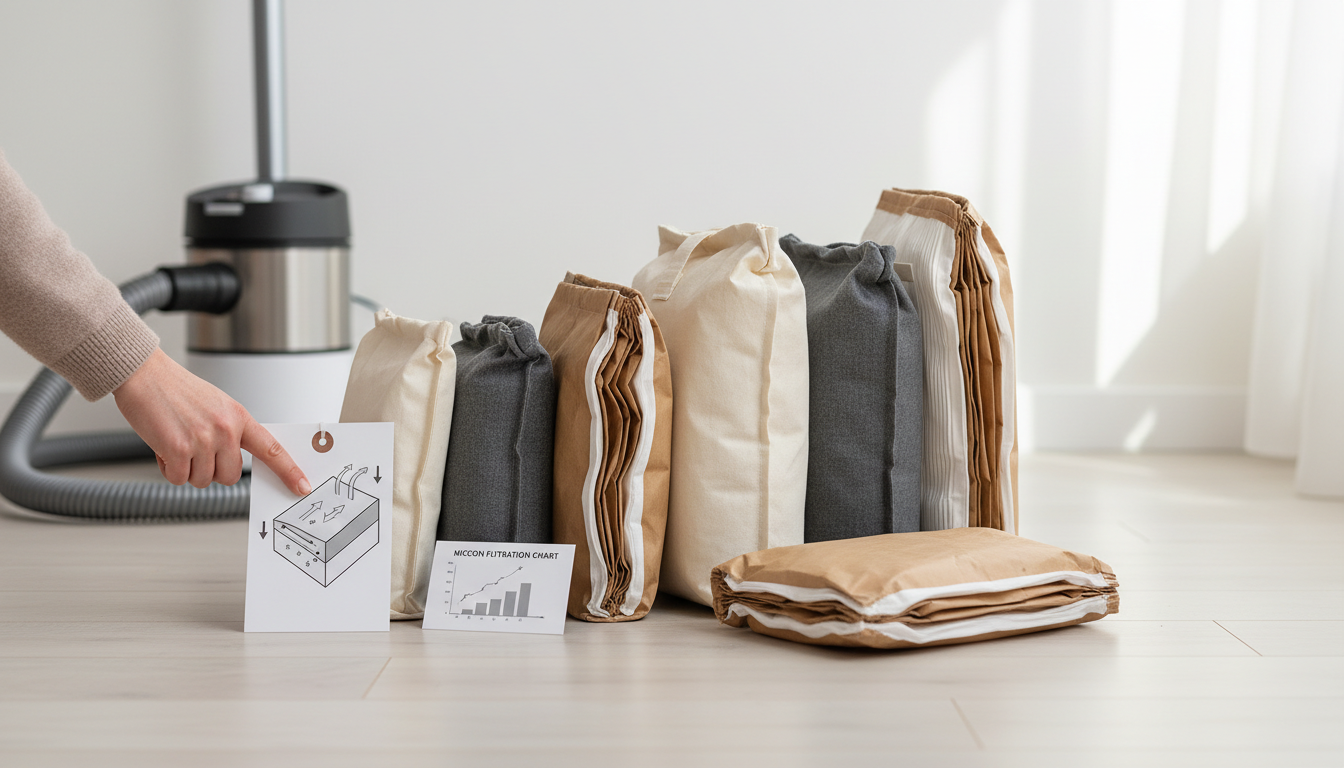
Miele's HyClean 3D Efficiency bag technology, which applies to genuine bags compatible with the Olympus, incorporates a multi-layer design to maximize dust retention. These bags typically feature a seven-layer filtration system. This intricate construction is engineered to capture over 99.95% of fine dust particles and allergens, preventing them from recirculating into the air. The layers work synergistically to trap microscopic debris, contributing to improved indoor air quality and protecting the vacuum's motor from fine particulate damage.
A key feature of these genuine bags is the self-sealing collar mechanism. This design element automatically closes the bag opening when the vacuum cleaner compartment is opened, or the bag is removed. This mechanism is crucial for hygienic disposal, as it effectively seals in captured dust and debris, preventing accidental spills and minimizing exposure to allergens during bag changes. This feature also ensures that no dust escapes back into the vacuum's interior or the room during operation.
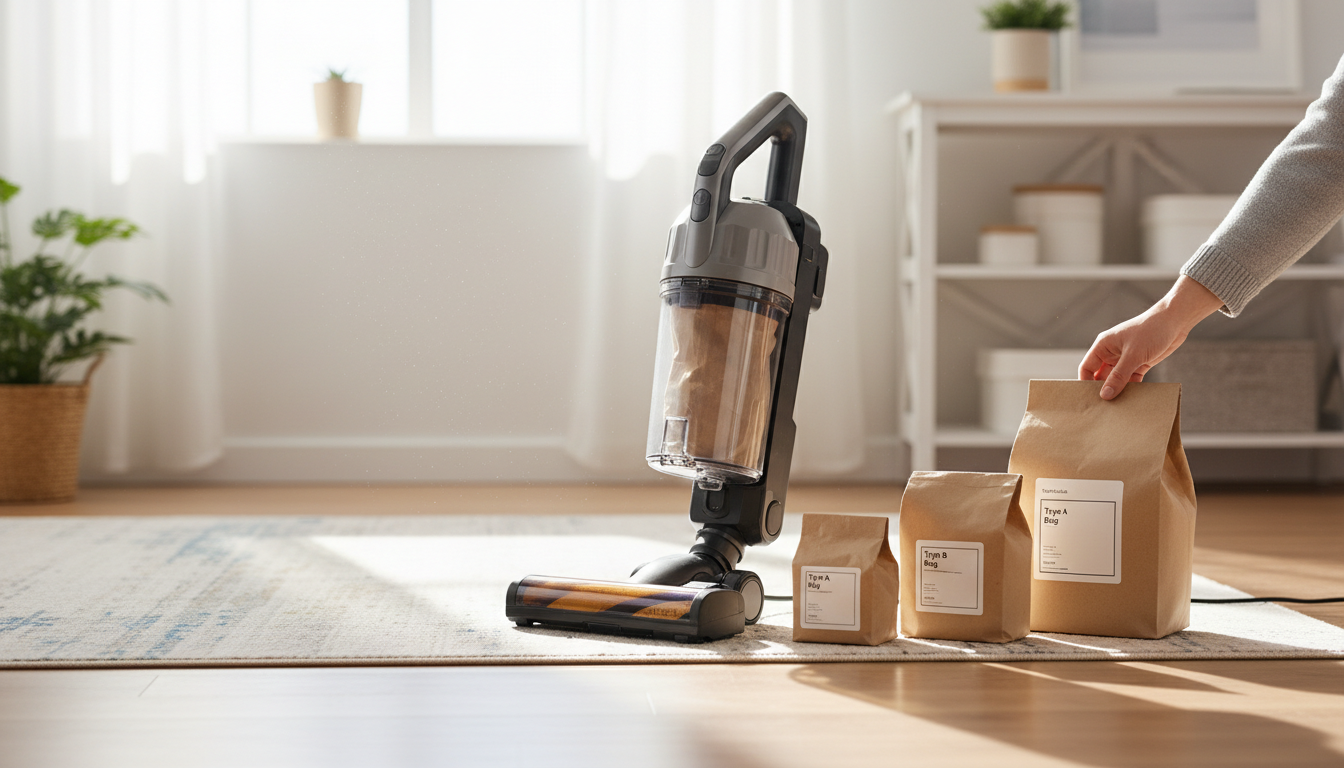
The paramount importance of using genuine, model-specific bags for the Miele Olympus cannot be overstated. Miele designs its vacuum bags to fit seamlessly within particular vacuum models, including the Olympus. This precise fit is essential for maintaining optimal suction power and preventing dust leakage. An improperly fitting bag, often encountered with non-genuine alternatives, can create gaps where air, along with fine dust particles, can bypass the filtration system. This bypass not only reduces the vacuum's effective suction power, leading to diminished cleaning performance, but also allows dust to escape into the environment and potentially enter the vacuum's motor compartment, risking damage and shortening the appliance's lifespan.
Selecting and Replacing Your Miele Olympus Vacuum Bags Correctly
Maintaining your Miele Olympus vacuum cleaner's performance and filtration capabilities hinges on using the correct dustbags and replacing them properly. The Miele Olympus model, typically part of the Classic C1 series, requires specific bag types designed for its internal architecture and filtration system. Using an incompatible bag can compromise suction, allow dust leakage, and potentially strain the motor.
To ensure you select the appropriate bags for your Miele Olympus, first confirm your vacuum's exact model number, usually found on a label on the underside of the appliance. For the Miele Olympus (Classic C1 series), you will generally need Miele's Type GN HyClean dustbags. These bags are engineered to fit precisely and are integral to the vacuum's multi-stage filtration.
Replacing a full dustbag involves a straightforward process designed for hygiene and ease:
- Preparation: Always unplug your Miele Olympus from the power outlet before opening the dust compartment.
- Access the Compartment: Locate the dust compartment release latch, typically on the top or side of the vacuum, and open the lid.
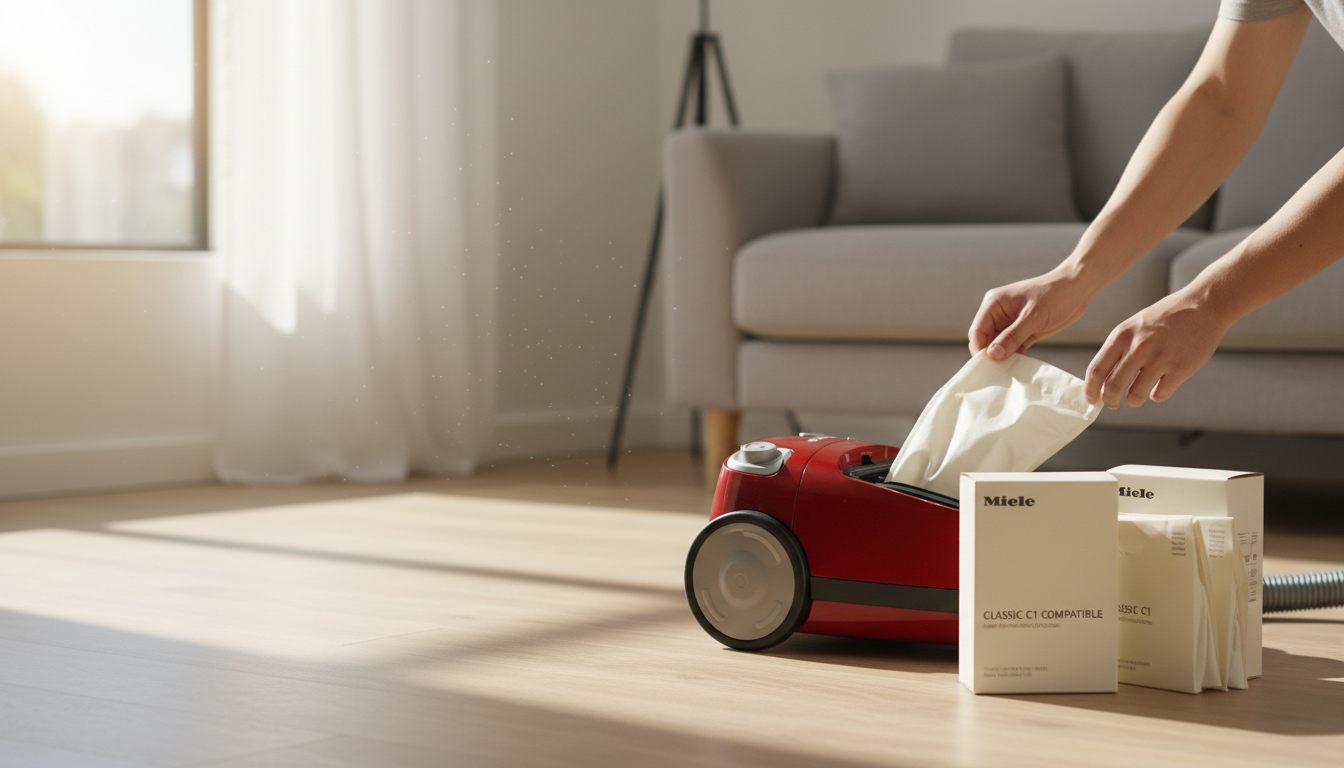
- Remove the Full Bag: The Miele HyClean bags feature an automatic closing flap. As you pull the bag holder upwards, this flap seals the opening, preventing dust from escaping. Carefully lift the bag holder and the full bag out of the compartment.
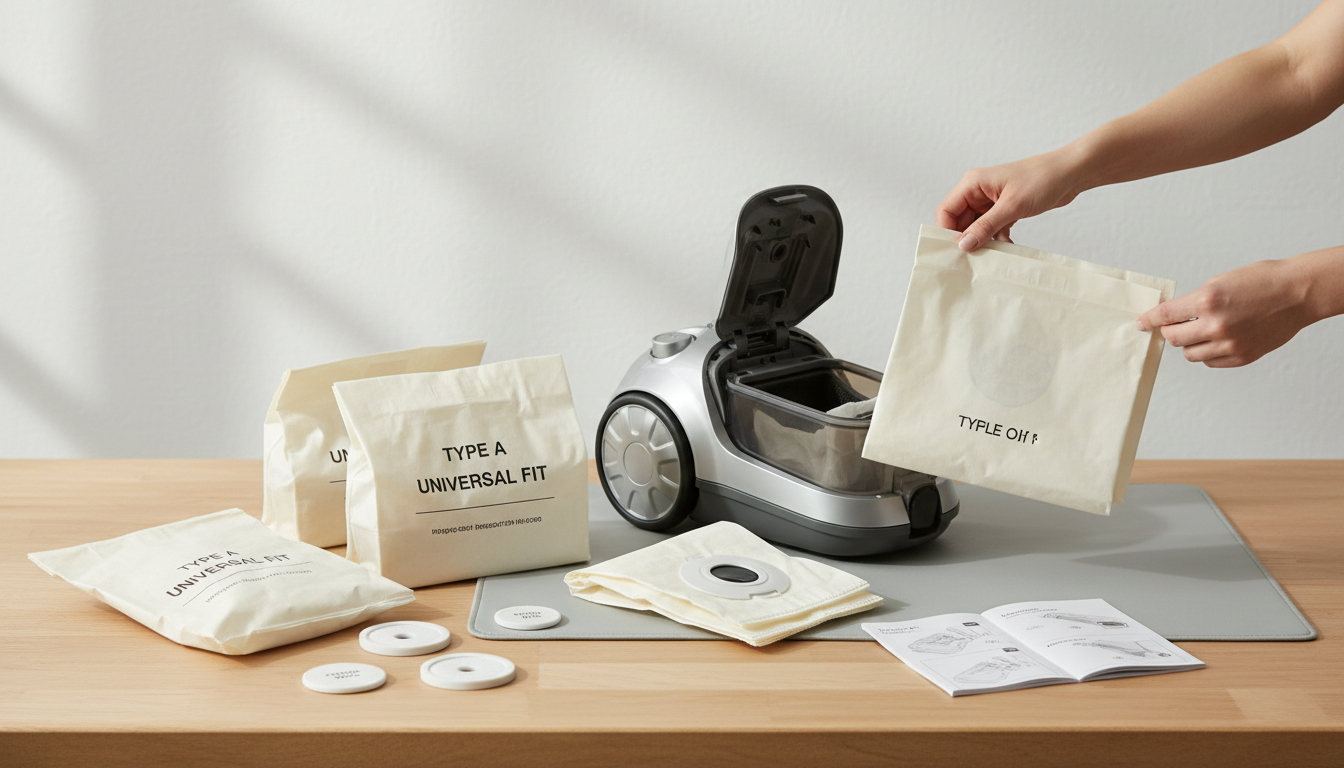
- Insert the New Bag: Unfold a new Type GN HyClean dustbag. Align the bag's collar with the bag holder's guides and push it firmly into place until it clicks or seats securely. Ensure the bag is fully expanded within the compartment without being creased or pinched.
- Secure the Seal: Double-check that the bag collar is flush with the bag holder and that the holder itself is firmly seated in its designated slot. A proper fit is crucial for maintaining the vacuum's sealed system and preventing dust bypass.
- Close the Compartment: Gently close the dust compartment lid, ensuring it latches securely.
Knowing when to change the bag is essential for consistent performance. Your Miele Olympus is equipped with a "change bag" indicator, typically a small colored display that fills as the bag accumulates debris. Beyond this visual cue, you might notice a decrease in suction power, an unusual motor sound, or a faint dusty odor as the bag becomes full. Change the bag as soon as the indicator suggests, or if you observe these performance changes, even if the indicator isn't fully colored.
For disposal, simply place the sealed, full dustbag directly into your household waste. The self-sealing design of Miele HyClean bags minimizes contact with dust and allergens, making the disposal process hygienic.
Avoiding Common Pitfalls: Risks of Incorrect or Non-Genuine Miele Olympus Bags
Selecting the appropriate vacuum cleaner bag for your Miele Olympus is crucial for maintaining its designed performance and longevity. Opting for bags not specifically engineered for the Olympus model, or those that are not genuine Miele products, can introduce several risks that compromise both your cleaning results and the health of your appliance. These potential drawbacks often outweigh any perceived short-term savings.
Consider the following critical issues that can arise from using ill-fitting or unauthorized bags:
- Reduced Suction Power: Bags that do not precisely match the Miele Olympus's internal dimensions and airflow pathways can create blockages or air leaks within the dust compartment. This directly impedes the vacuum's ability to draw in debris effectively, leading to a noticeable loss of suction and requiring more passes to clean surfaces.
- Compromised Filtration and Air Quality: The Miele Olympus is designed with a sealed system that works in conjunction with its specific bags to capture fine dust and allergens. Non-genuine bags may lack the multi-layered filtration or secure seal of genuine bags, allowing microscopic particles to escape back into your home's air or even into the vacuum's motor compartment. This negates the Olympus's filtration benefits, particularly for allergy sufferers.
- Risk of Internal Damage: Dust and debris that bypass an ill-fitting bag can infiltrate the vacuum's motor and other sensitive internal components. Over time, this can lead to overheating, premature wear, and potentially costly repairs or a shortened appliance lifespan. The motor protector filter, intended to shield the motor, can also become overwhelmed.
- Bag Dislodgement Issues: Bags that do not securely lock into the Olympus's bag holder mechanism are prone to dislodging during operation. This can result in the contents of the bag spilling inside the vacuum, creating a significant mess and exposing the internal workings to dirt and dust.
- False Economy: While alternative bags might appear less expensive upfront, the potential for diminished cleaning performance, increased energy consumption (due to reduced efficiency), compromised indoor air quality, and eventual damage to your Miele Olympus can quickly accumulate into a greater overall cost. The trade-off for minor savings often involves significant long-term risks to your vacuum's functionality and your home environment.
Your Essential Miele Olympus Vacuum Bag Buying Checklist
Selecting the correct replacement bags for your Miele Olympus vacuum cleaner is fundamental to maintaining its filtration efficiency and cleaning performance. This checklist provides key considerations to ensure you choose bags that align with your specific model and uphold Miele's performance standards.
-
Confirm Model Compatibility: Verify that the bags are explicitly labeled for the 'Miele Olympus' model. Using bags not designed for your specific vacuum can lead to poor fit, reduced suction, and potential dust leakage, compromising filtration and potentially damaging the appliance.
-
Prioritize Genuine Miele and HyClean 3D Efficiency: Look for bags marked as 'Genuine Miele' and featuring 'HyClean 3D Efficiency' technology. Genuine bags are engineered to precise specifications for optimal fit and multi-layered filtration, capturing fine dust and allergens effectively. The HyClean 3D design optimizes bag capacity and airflow.
-
Check Pack Size and Included Filters: Evaluate the pack size based on your usage frequency. Many genuine Miele bag packs include additional filters, such as a pre-motor filter and an exhaust filter (sometimes an AirClean or Active AirClean filter). Ensure these are included if your vacuum requires them, as they contribute to overall air quality and motor protection.
-
Review Filtration Claims and Benefits: Consider the stated filtration capabilities. Genuine Miele bags typically feature a multi-layer construction designed to retain a high percentage of dust particles and allergens. This is crucial for maintaining indoor air quality, especially for households with allergy sufferers.
-
Verify Self-Sealing Mechanism: Confirm the bags incorporate a self-sealing collar. This feature automatically closes the bag opening when removed from the vacuum, preventing dust and debris from escaping during disposal and ensuring a hygienic experience.
Frequently Asked Questions About Miele Olympus Vacuum Bags
Understanding the nuances of your Miele Olympus vacuum cleaner bags can significantly impact your cleaning efficiency and indoor air quality. Here are answers to common questions specific to maintaining your Olympus model.
How often should Miele Olympus vacuum bags be changed?
The frequency of changing your Miele Olympus vacuum bag primarily depends on usage, the types of debris collected, and the size of the area being cleaned. Miele vacuum cleaners, including the Olympus, typically feature an indicator that signals when the bag is full or when suction power is significantly reduced. It is best practice to rely on this indicator. While Miele's GN bags, commonly used by the Olympus, are generally larger and designed for extended use, consistent monitoring through the vacuum's indicator is the most reliable method to ensure optimal performance.
Can I use generic or 'compatible' bags with my Miele Olympus?
While various generic or 'compatible' vacuum bags are available, Miele specifically designs its genuine bags for a precise fit and optimal performance with models like the Olympus. Using non-genuine bags can introduce several risks:
- Reduced Suction: An improper fit can lead to air leaks, diminishing the vacuum's suction power.
- Dust Leakage: Gaps around a poorly fitting bag can allow fine dust and allergens to escape back into your indoor air.
- Compromised Filtration: Generic bags may not offer the multi-layer filtration system found in genuine Miele HyClean bags, impacting the vacuum's ability to capture microscopic particles.
- Potential Damage: An ill-fitting bag can strain the vacuum's motor or allow debris into internal components, potentially shortening the appliance's lifespan.
For these reasons, genuine Miele bags are recommended to maintain the Olympus's designed performance and filtration capabilities.
Do Miele Olympus bags come with filters, and how often should filters be replaced?
Genuine Miele Olympus vacuum bags (GN type) are an integral part of the vacuum's filtration system, featuring multiple layers designed to capture fine particles. Additionally, new packs of genuine Miele bags often include a motor protection filter and at least one exhaust filter (such as an AirClean filter).
- Motor Protection Filter: This filter typically needs to be replaced with each new dustbag to protect the motor from fine dust.
- Exhaust Filter (AirClean or HEPA): These filters contribute to the final stage of air purification. For optimal performance and air quality, it's generally recommended to replace the exhaust filter after every four to five dustbags, or at least once a year, whichever comes first. Always consult your Olympus model's specific user manual for precise recommendations.
How do Miele bags contribute to indoor air quality?
Miele bags, particularly the HyClean GN type used by the Olympus, are engineered with several features that significantly enhance indoor air quality:
- Multi-Layer Filtration: They incorporate multiple layers of material that work together to trap fine dust, pollen, pet dander, and other microscopic allergens. Some bags feature up to nine layers.
- Self-Sealing Collar: Each bag is designed with a self-sealing collar that automatically closes when the vacuum cleaner is opened. This prevents dust and debris from escaping back into the air during bag changes, making the process more hygienic.
- Dust Retention: The robust construction ensures that once particles are captured, they remain securely inside the bag, preventing recirculation into your home's atmosphere. This is especially beneficial for individuals with allergies or asthma.
What are the signs that my Miele Olympus vacuum bag needs changing?
Beyond the specific indicator light on your Miele Olympus vacuum, several other signs suggest it's time to replace the bag:
- Reduced Suction Power: If your vacuum isn't picking up debris as effectively as usual, even after checking for blockages, a full bag could be the cause.
- Visible Dust or Odor: Noticing dust escaping from the vacuum's exhaust or a stale, dusty odor during operation indicates that the bag's filtration capacity is compromised or it's overfilled.
- Bag Firmness: A bag that feels very firm or bulges significantly when you check it is likely at or near its capacity.
Maximizing Performance and Longevity for Your Miele Olympus
Throughout this guide, the critical role of the right vacuum bag for your Miele Olympus has been highlighted. Opting for genuine, model-specific Miele Olympus bags directly translates to several key advantages: maintaining the powerful, consistent suction characteristic of your vacuum, ensuring superior filtration that captures fine dust and allergens within its multi-layer design, and ultimately safeguarding the internal components of your appliance from premature wear.
This informed choice extends beyond just a replacement part; it represents an investment in the sustained efficiency of your cleaning routine and the air quality within your home. Understanding the precise fit and filtration capabilities ensures that your Miele Olympus operates as intended, preventing common issues like reduced performance or dust leakage.
By prioritizing the correct accessories, Miele Olympus owners can confidently maintain their vacuum's peak performance for years to come, securing long-term satisfaction and a consistently clean environment.
More in Vacuum Cleaner Bags
View All