Miele Vacuum Cleaner Bags: A Buyer's Guide to Compatibility and Performance
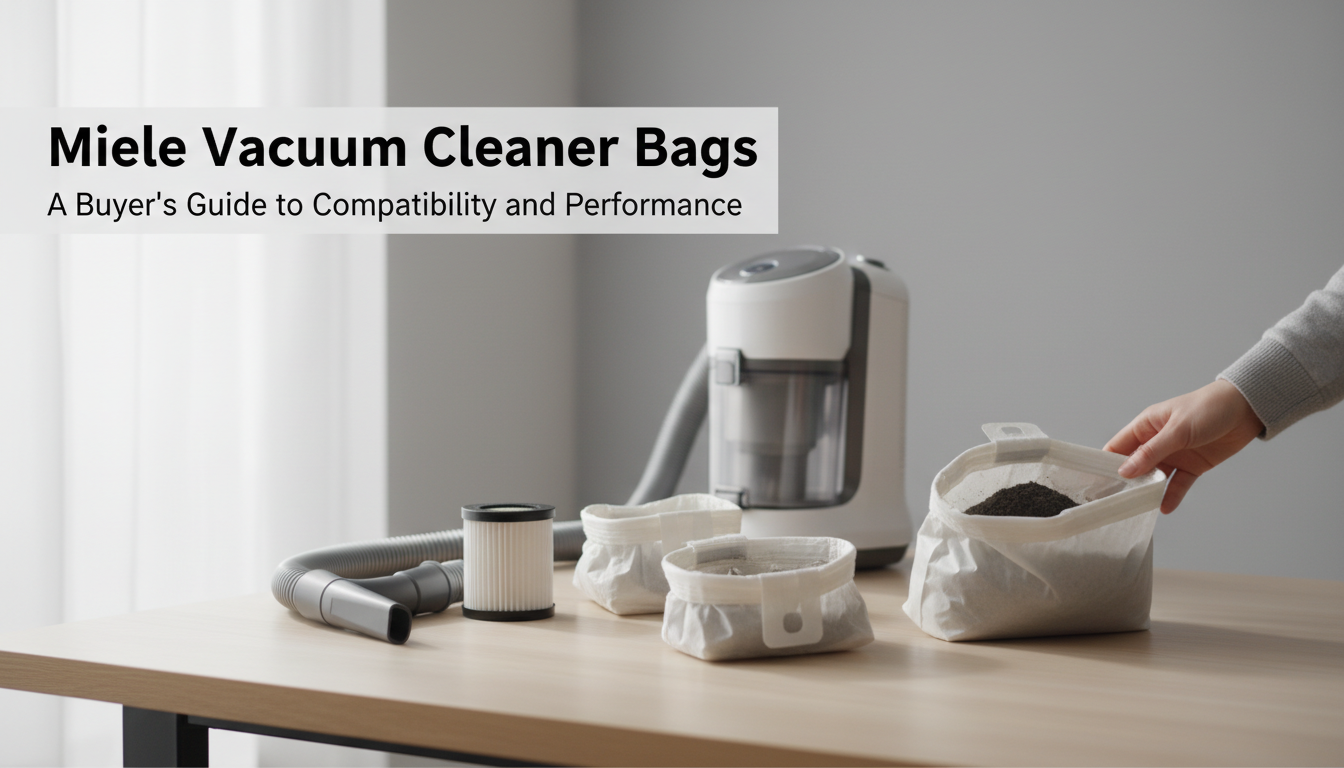
Miele's approach to vacuum cleaner bags is rooted in an integrated system design, where the bag functions as a critical component of the vacuum's overall filtration and performance. The brand intends for its AirClean bags to not only collect debris but also to contribute significantly to the vacuum's multi-stage filtration, capturing fine dust and allergens. This design philosophy aims to protect the vacuum's motor, maintain consistent suction, and ensure high air hygiene standards throughout the appliance's lifespan.
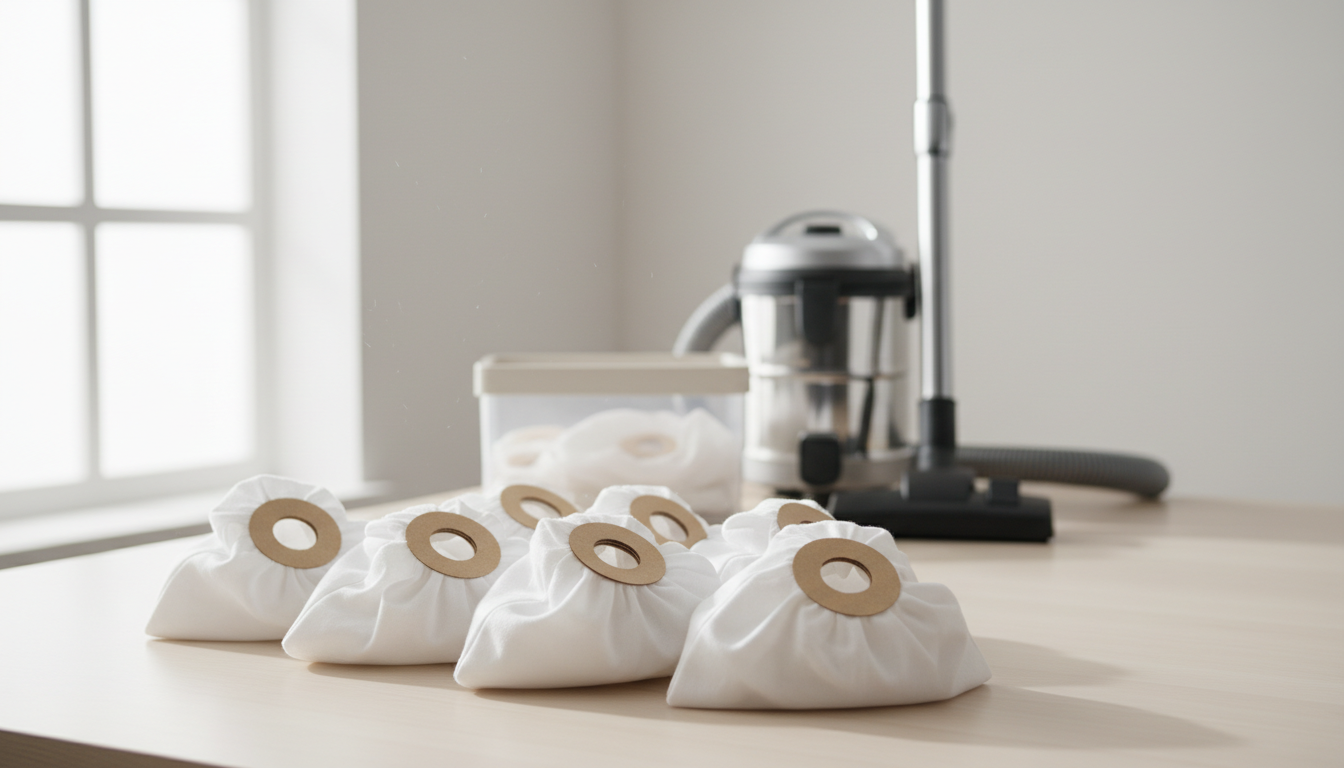
This brand fit is particularly relevant for existing Miele vacuum owners who prioritize maintaining their appliance's original performance specifications and warranty. Buyers who value consistent filtration, effective dust retention, and the longevity of their vacuum cleaner often find Miele's genuine bags align with their expectations. The brand's commitment to specific bag types, such as AirClean FJM, G/N, and U, tailored to different vacuum models, underscores an emphasis on precise compatibility and optimized function.
Buyers evaluating bags for their Miele vacuum should compare options based on their specific priorities. Those weighing the initial cost against the long-term benefits of motor protection, sustained filtration efficiency, and warranty adherence will find Miele's genuine bags a direct match. Conversely, individuals exploring third-party alternatives should critically assess the potential trade-offs in filtration quality, fit, and the impact on their vacuum's performance or warranty terms before making a decision.
Bags-Miele Evidence evidence checklist
When evaluating Miele vacuum cleaner bags, discerning buyers benefit from distinguishing between verifiable product specifications and general claims. This checklist provides points to consider for factual evidence, aiding in an informed decision regarding compatibility and expected performance.
-
Bag Type Identification:
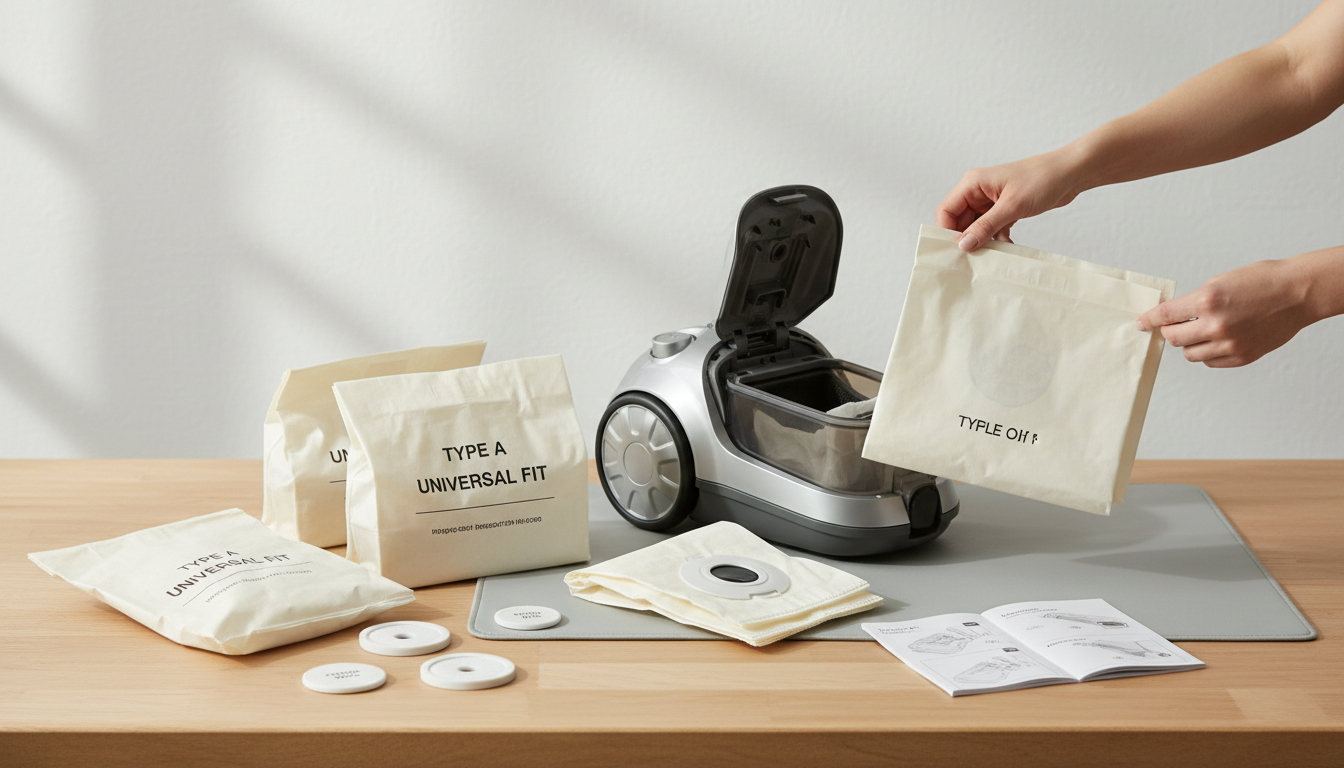
- Fact: Miele vacuum cleaners are designed for specific bag types, such as AirClean FJM, G/N, or U. Each type corresponds to particular vacuum series.
- Verification: The required bag type is typically indicated in the vacuum cleaner's manual, on the vacuum itself, or on the packaging of the previous bag. Miele also uses color-coded collars (e.g., blue for G/N, red for FJM) to aid identification.
- Proof Point: Matching the bag type (e.g., G/N for Complete C3 models) ensures physical fit and proper sealing.
-
Stated Capacity:
- Fact: Miele bags have defined capacities. For example, G/N bags are often listed with a 4.76-quart capacity, while FJM bags typically hold 3.7 quarts.
- Verification: These capacities are published in product specifications by Miele and reputable retailers.
- Spec Limit: The stated capacity represents the maximum volume the bag is designed to hold before requiring replacement, impacting how frequently bags need changing.
-
Filtration System Claims:
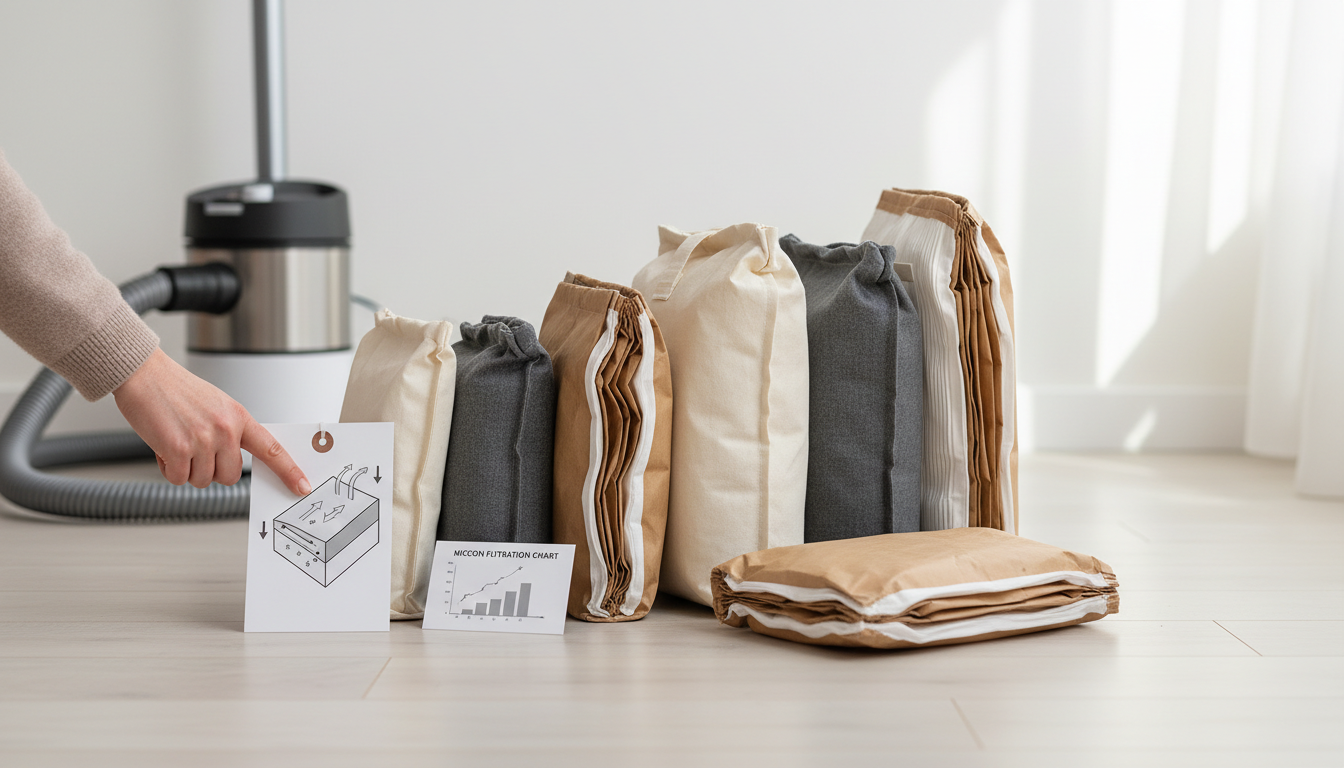
- Fact: Genuine Miele HyClean bags are constructed with multiple layers (e.g., 9 layers) designed to capture fine dust particles.
- Verification: This multi-layer construction is a design feature specified by the manufacturer. Some Miele bag bundles may also include or integrate HEPA filters (e.g., HA50) as part of the overall filtration system.
- Proof Point: The filtration design contributes to the vacuum's ability to retain allergens and dust within the bag.
-
Motor Protection and Warranty Impact:
- Fact: Miele states that using genuine HyClean bags protects the vacuum cleaner's motor and helps maintain the validity of the appliance's warranty.
- Verification: This is a manufacturer's declaration found in Miele's product literature and warranty terms.
- Risk Guidance: Deviating from genuine bags could potentially impact warranty coverage or motor longevity, as per the manufacturer's stance.
-
Return Policy for Consumables:
- Fact: Return policies for vacuum cleaner bags, being consumable items, are generally determined by the individual retailer rather than Miele directly.
- Verification: Buyers must review the specific merchant's terms and conditions regarding returns for opened or used bags prior to purchase.
- Trade-off: While unopened packages may be returnable, used bags are typically non-refundable, underscoring the importance of correct initial selection.
Bags-Miele Use Case ownership experience
The experience of owning a Miele vacuum, particularly concerning its bags, shapes daily cleaning routines, user comfort, and ongoing maintenance. Miele's design philosophy for its bag systems aims to integrate filtration and containment directly into the consumable, influencing how users interact with their appliance. This approach offers specific benefits and considerations for potential buyers.
-
Daily Use and Performance Consistency Miele vacuum bags, such as the HyClean series (e.g., FJM, G/N, U), are engineered as a multi-layered filtration component. In daily operation, this design contributes to maintaining consistent suction power until the bag is nearly full, as the airflow path is managed through the bag's structure. The integrated filtration also means that dust and fine particles are captured within the bag, preventing re-emission into the air during cleaning. This reduces the need for frequent filter cleaning, streamlining the actual vacuuming process.
-
User Comfort and Air Quality A significant aspect of Miele bag ownership is the focus on hygiene and air quality. Each bag is designed with a self-sealing collar that automatically closes upon removal from the vacuum. This feature minimizes direct contact with collected dust and allergens during disposal, enhancing user comfort and reducing exposure to airborne particles. For households with allergy sufferers or those sensitive to dust, this containment mechanism contributes to a noticeably cleaner exhaust air stream and a more pleasant post-vacuuming environment.
-
Maintenance and Longevity Considerations Maintenance for Miele bag systems primarily revolves around timely bag replacement and understanding the role of genuine consumables.
- Replacement Frequency: Bag capacity varies by model (e.g., G/N bags hold approximately 4.76 quarts). Depending on usage intensity and the volume of debris collected, replacement frequency can influence the ongoing cost and convenience. While some users note that smaller bag capacities may lead to more frequent changes, the trade-off is often enhanced filtration and hygiene.
- Genuine Bag Importance: Miele emphasizes the use of genuine bags for optimal performance. These bags are designed to fit precisely, ensuring a proper seal that protects the vacuum's motor from fine dust and maintains the intended filtration efficiency. Using non-genuine alternatives might compromise this seal, potentially leading to dust leakage, reduced motor lifespan, or even voiding warranty coverage.
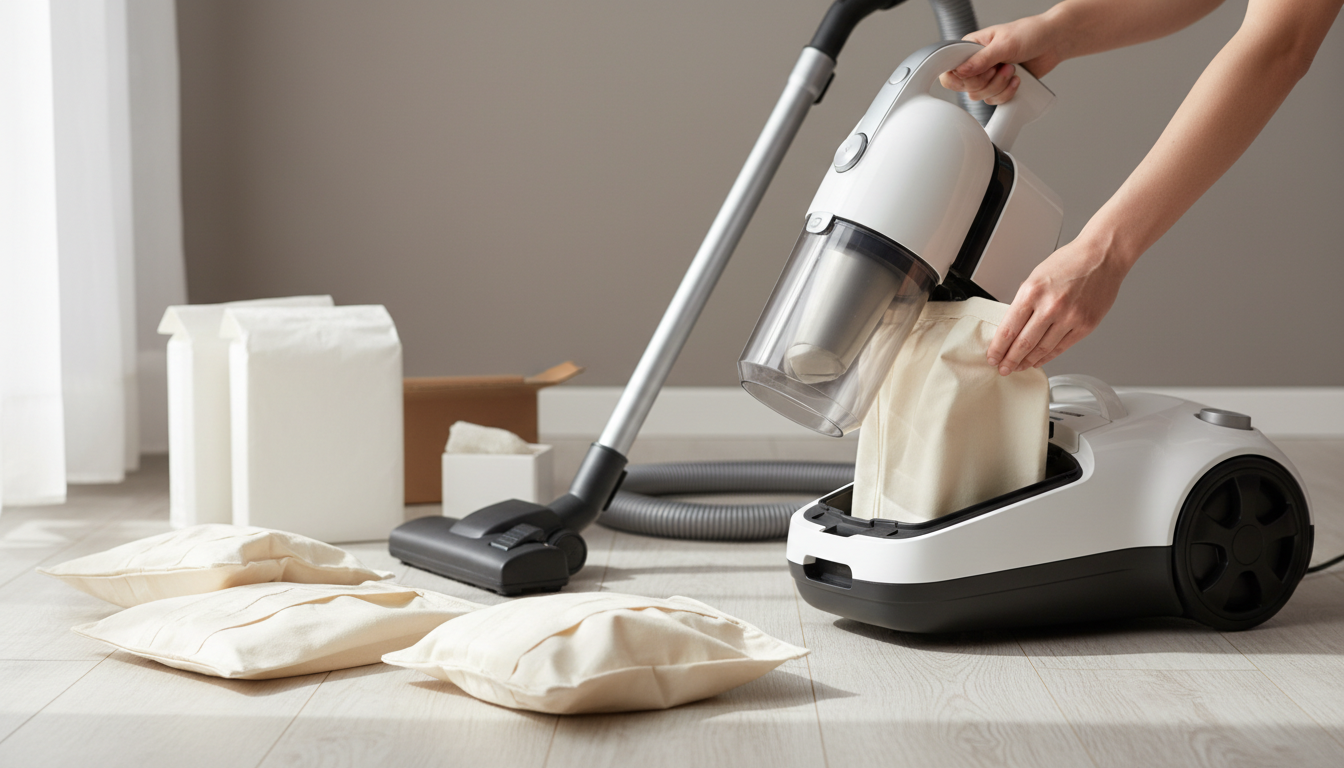
- Installation: While designed for straightforward installation, ensuring the bag is seated correctly is crucial. Improper seating can lead to dislodgement during operation, which can impact performance and containment.
- Complementary Filters: Beyond the dustbag, Miele vacuums typically incorporate a motor protection filter and an exhaust filter (such as a HEPA filter) that also require periodic inspection and replacement. These components work in conjunction with the dustbag to provide comprehensive air filtration, forming a complete maintenance schedule for the system.
Bags-Miele Trade-Offs alternatives to compare
When evaluating bags for a Miele vacuum cleaner, buyers often weigh the benefits of genuine Miele-branded bags against aftermarket alternatives. This decision involves trade-offs concerning cost, performance, and long-term vacuum health. Understanding these distinctions helps clarify which option best fits specific cleaning needs and priorities.
Substitutes and Their Implications
The primary substitute for genuine Miele HyClean bags are generic or "aftermarket" vacuum bags. These alternatives typically offer a lower price point, which can be appealing for budget-conscious buyers. However, this cost saving often comes with potential compromises:
- Filtration Efficiency: Genuine Miele bags, particularly the HyClean series, are designed with multiple layers and specific materials to capture fine dust particles and allergens effectively. Aftermarket bags may not replicate this filtration standard, potentially leading to reduced air quality or more dust escaping back into the environment.
- Vacuum Motor Protection: Miele bags are engineered to allow optimal airflow while trapping debris, which is crucial for preventing strain on the vacuum's motor. Bags with inadequate design or material can restrict airflow, causing the motor to work harder and potentially shortening its lifespan.
- Warranty Considerations: Using non-OEM (Original Equipment Manufacturer) bags can, in some cases, void the vacuum's warranty if their use is determined to have caused damage. This is a significant risk factor for newer Miele vacuum owners.
Better-Fit Scenarios for Genuine Miele Bags
Genuine Miele bags offer distinct advantages in specific situations, making them the better-fit choice:
- Allergy and Asthma Sufferers: The multi-layered construction and advanced filtration of HyClean bags are designed to retain a high percentage of fine dust, pollen, and allergens, contributing to superior indoor air quality.
- Maintaining Warranty and Longevity: For owners of new or high-end Miele models, using genuine bags helps ensure adherence to manufacturer recommendations, protecting the warranty and promoting the vacuum's intended operational lifespan.
- Optimal Performance: Genuine bags are precisely fitted to Miele vacuum models (e.g., FJM for Compact C2, G/N for Complete C3, U for Dynamic U1), ensuring a secure seal and consistent suction power without dislodgement issues.
Deal Breakers and Risk Guidance
While aftermarket options exist, certain factors might make them a deal breaker for many Miele owners:
- Compromised Air Quality: If maintaining the highest possible indoor air quality is a priority, especially in homes with pets, children, or individuals with respiratory sensitivities, straying from genuine Miele bags may not be advisable due to potentially inferior filtration.
- Risk of Vacuum Damage: The potential for reduced motor lifespan or even damage due to improper airflow or bag fit is a significant risk associated with non-OEM bags. The cost of a new motor or vacuum can far outweigh the savings on bags.
- Warranty Invalidation: For any Miele vacuum still under warranty, using non-genuine bags carries the inherent risk of voiding that warranty, leaving the owner responsible for repair costs if issues arise.
Ultimately, the decision hinges on balancing initial cost savings against the long-term performance, protection, and air quality benefits that genuine Miele vacuum cleaner bags are designed to provide.
Bags For Miele Vacuum Cleaner FAQ
When evaluating Miele vacuum cleaner bags, buyers often have specific questions regarding their unique design and the brand's recommendations. Understanding these points can help clarify the decision-making process.
-
Why are genuine Miele HyClean bags often recommended, despite their cost? Genuine Miele HyClean bags are engineered as an integral part of the vacuum's filtration system. They typically feature multiple layers designed to capture fine dust particles and allergens, contributing to the vacuum's overall air filtration performance. This construction also helps protect the vacuum's motor from dust ingress, which can contribute to the appliance's longevity. Using genuine bags is also often linked to maintaining the manufacturer's warranty. The value proposition centers on sustained performance, air quality, and appliance protection.
-
Are there viable alternatives to genuine Miele vacuum bags, and what are the trade-offs? Yes, aftermarket or generic vacuum bags designed to fit Miele models are available. These alternatives often present a lower upfront cost. However, potential trade-offs exist:
- Filtration Efficiency: Generic bags may not offer the same multi-layer filtration or material quality as genuine HyClean bags, potentially leading to reduced air quality or more dust escaping back into the room.
- Motor Protection: Inferior bag materials or construction might allow more fine dust to reach the vacuum's motor, potentially impacting its lifespan or performance over time.
- Fit and Seal: A less precise fit can compromise the vacuum's suction power and allow dust to bypass the bag entirely, collecting inside the vacuum compartment.
- Warranty: Using non-OEM (Original Equipment Manufacturer) parts, including bags, could potentially affect the terms of your vacuum's warranty if a malfunction is attributed to their use.
-
What are common mistakes to avoid when selecting or using Miele vacuum cleaner bags? Avoiding common pitfalls ensures optimal performance and prevents potential issues:
- Incorrect Bag Type: Miele vacuums use different bag types (e.g., Type FJM, Type G/N, Type U), each designed for specific models. A common mistake is purchasing a bag that doesn't match your vacuum's specific model or series. Always verify compatibility, often indicated by the bag's type code or the color of the bag collar.
- Overlooking Collar Color: Miele often uses distinct bag collar colors (e.g., blue, red) to identify different bag types. Matching the collar color of your old bag is a quick way to ensure you're buying the correct replacement.
- Ignoring Full Bag Indicators: Continuing to use a bag once it's full can strain the vacuum's motor, reduce suction power, and potentially lead to premature wear. Miele vacuums often have an indicator to signal when the bag needs changing.
- Improper Installation: A bag that isn't seated correctly within its compartment can lead to dust leakage inside the vacuum, diminishing filtration and potentially damaging internal components. Ensure the bag's collar is securely clicked into place.
The decision to purchase Miele vacuum cleaner bags, whether genuine or third-party, hinges on a clear understanding of Miele's integrated system design and your personal priorities. Opting for genuine Miele AirClean bags generally means investing in the intended performance, filtration efficacy, and motor protection that the brand engineers into its vacuums. This choice supports the appliance's longevity and helps maintain its warranty, aligning with Miele's design philosophy where the bag is a critical component of the filtration chain.
Conversely, considering alternatives often stems from a desire for cost savings. While third-party bags may offer a lower initial price point, buyers should be aware of potential trade-offs. These can include variations in filtration efficiency, material quality that affects dust retention, and a fit that might not perfectly seal within the vacuum, potentially impacting suction or allowing fine dust to escape. Such compromises could, over time, affect the vacuum's motor or air hygiene performance and may void the manufacturer's warranty.
Therefore, the qualified verdict is to buy genuine Miele bags if your primary concerns are maintaining peak performance, maximizing filtration, ensuring motor protection, and preserving your vacuum's warranty. If budget is a significant constraint, and you are prepared to accept potential risks to filtration quality, vacuum performance, and warranty coverage, then exploring well-regarded third-party alternatives might be considered.
Your next action should be to verify the precise bag type (e.g., FJM, G/N, U) required for your specific Miele vacuum model. Then, weigh the long-term value of guaranteed compatibility and performance against the immediate cost savings offered by non-OEM options, factoring in the potential for reduced efficacy or increased risk to your appliance.
More in Vacuum Cleaner Bags
View All