Hoover Vacuum Cleaner Bags: Compatibility, Types, and When to Replace
Bags Hoover Brand Fit Snapshot
When considering replacement bags for a Hoover vacuum cleaner, buyers are engaging with a brand known for its long-standing presence in the vacuum market. However, the experience of sourcing and using these bags can vary, influencing who might find Hoover's bag ecosystem a straightforward fit versus those who should conduct a more thorough comparison.
Hoover's intent, particularly for older or less common models, may lean towards supporting the vacuum unit itself rather than consistently providing readily available, direct-from-manufacturer bag options. This can sometimes lead customers to seek aftermarket solutions.
This brand perspective is a fit for:
- Existing Hoover owners: Specifically those who appreciate the performance of their current Hoover model and seek to maintain it with compatible bags.
- Budget-conscious buyers: If compatible third-party bags are readily available and perform adequately, they can offer a cost-effective maintenance solution.
- Environmentally aware consumers: The availability of reusable or washable bag alternatives for some models, while not universally offered by Hoover, can be a deciding factor for those looking to reduce waste.
Conversely, buyers should compare Hoover's bag offerings more closely if they:
- Prioritize seamless, guaranteed OEM availability: Some users report challenges in sourcing specific Hoover bags directly, occasionally being directed to third-party retailers.
- Require specific filtration standards: While some Hoover vacuums offer advanced filtration, verifying the filtration capabilities of replacement bags (both genuine and aftermarket) is critical for allergy sufferers.
- Are concerned about bag integrity: Reports of potential issues like leaks or poor sealing with some bags necessitate careful selection and potentially exploring alternative brands known for bag durability.
Bags-Hoover Evidence evidence checklist
Evaluating Hoover vacuum cleaner bags involves separating marketing claims from verifiable facts. For buyers considering Hoover, specific evidence points can clarify compatibility, performance, and ownership considerations. This checklist outlines practical aspects to consider when assessing Hoover bag options.
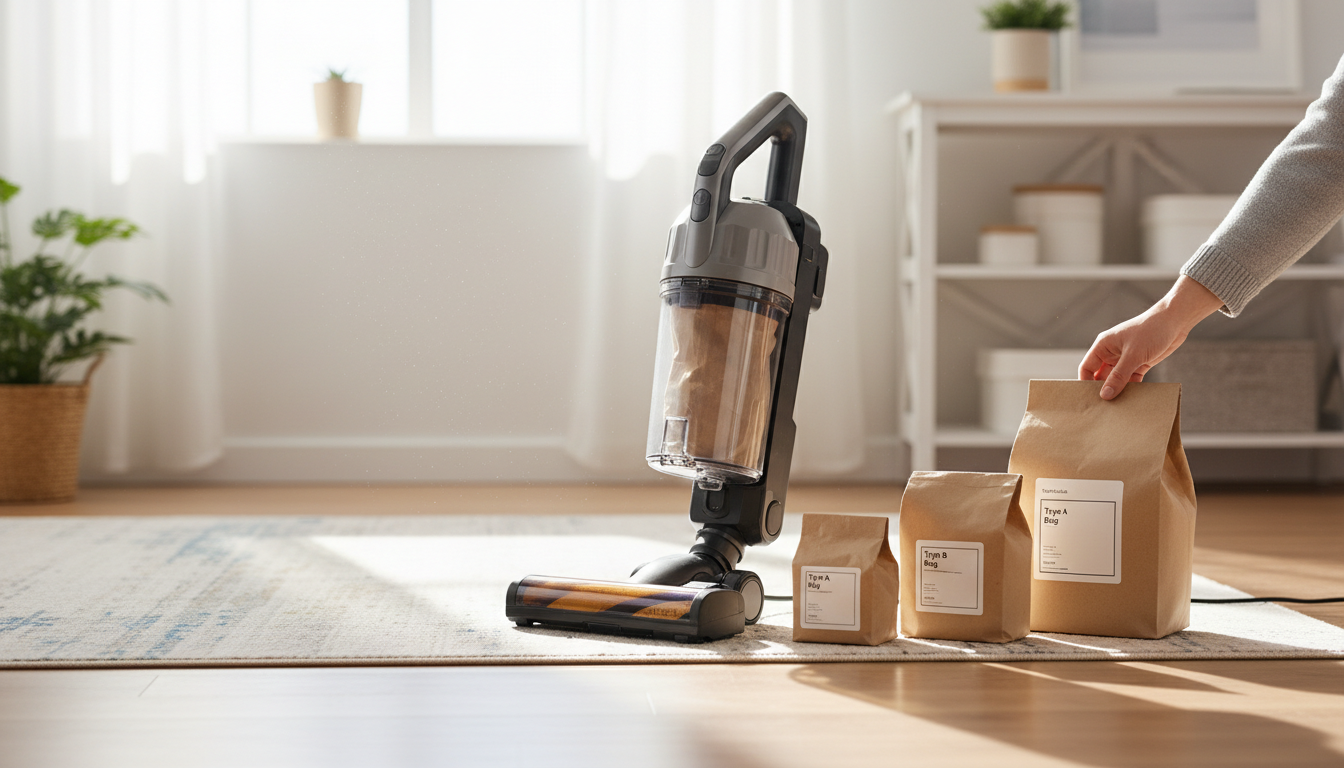
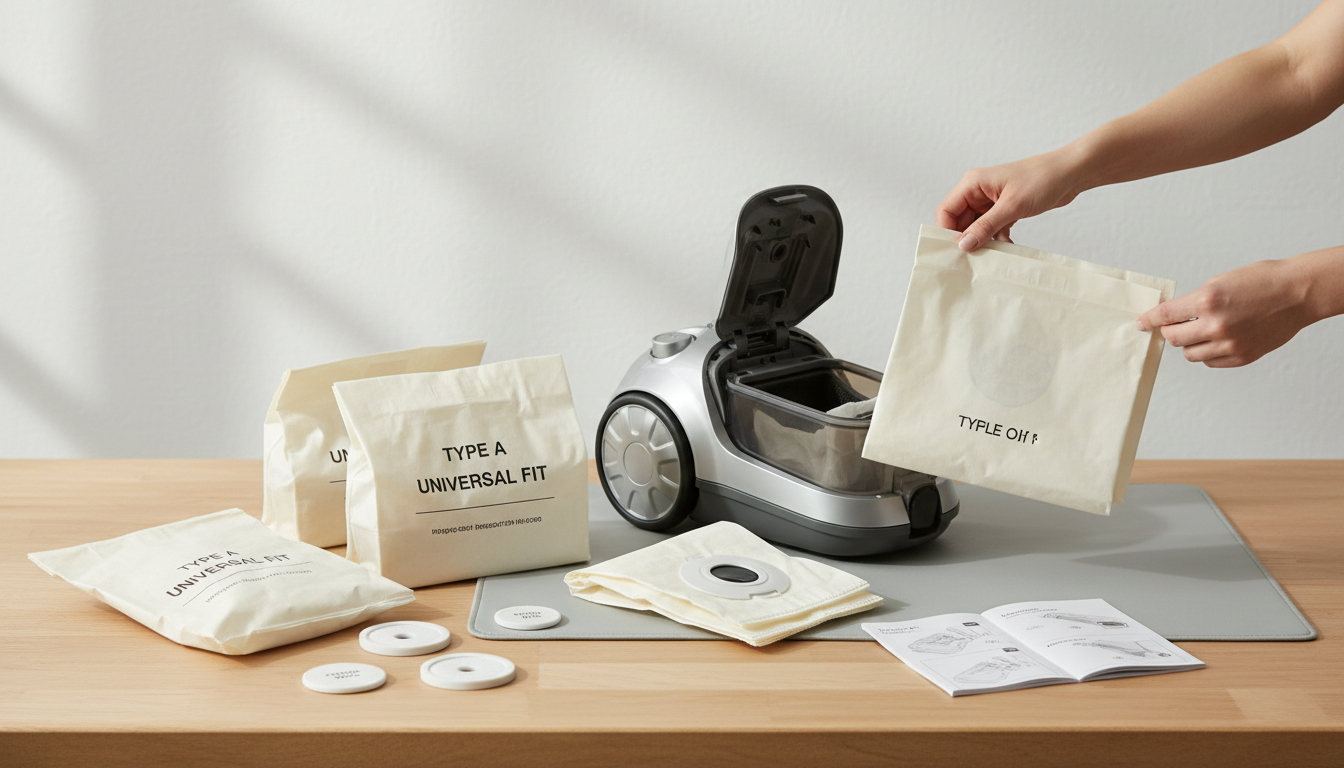
- Model-Specific Compatibility: Hoover vacuum cleaner bags are designed for specific vacuum models. For instance, bags designated "Type Y" are cited for compatibility with various Hoover upright vacuums, including Windtunnel, Savvy, Tempo, and Widepath series. Verifying the exact model number of your Hoover vacuum against the bag's stated compatibility is crucial for proper fit and function.
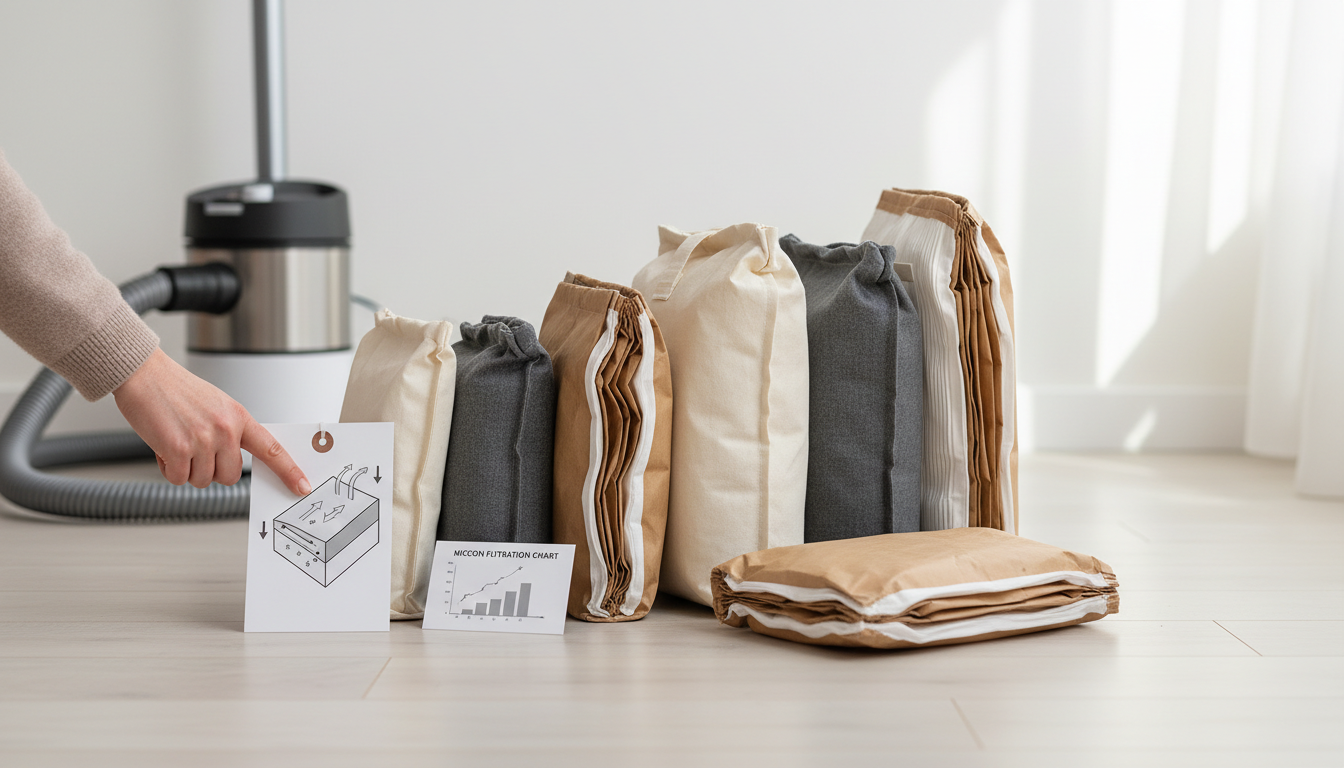
- Filtration Capabilities: Certain Hoover replacement bags, such as the "Type Y" mentioned in product listings, are available with HEPA filtration. This feature indicates a capacity to trap fine particles and allergens, which can be a significant factor for indoor air quality. The presence of HEPA or S-class filtration is a verifiable specification that impacts performance, particularly for allergy sufferers.
- Material and Environmental Impact: Hoover offers both disposable and, for some models, reusable or washable bag options. Disposable bags are typically made from paper or fabric, often featuring a plastic seal. While paper bags may biodegrade under specific conditions, synthetic fabrics and plastic components can persist for extended periods. Reusable bags offer an alternative to reduce waste.
- Potential for Performance Issues: User feedback on some Hoover vacuum bags has indicated occasional issues such as leaks or poor sealing. These reports suggest that while bags are designed to contain debris, the effectiveness of the seal can vary. This highlights the importance of proper installation and inspecting bags for manufacturing defects.
- Availability of Support and Parts: Customer support channels exist for obtaining replacement parts, including bags, for Hoover vacuum cleaners. This indicates that resources are available for identifying correct parts and addressing potential issues, though the efficiency of this support can vary.
- Retailer Return Policies: Purchases of Hoover vacuum bags through major retailers are subject to the retailer's standard return policies. For example, products sold via platforms like Amazon typically offer specific return windows and procedures, which can provide recourse for incorrect or defective items. It is advisable to review these policies before purchase.
Bags-Hoover Use Case ownership experience
Moving beyond the initial purchase, the practical ownership experience with Hoover vacuum cleaner bags shapes daily cleaning routines, user comfort, and ongoing maintenance. For those evaluating Hoover as a brand, understanding these aspects can clarify whether the bag system aligns with long-term expectations.
In daily use, Hoover's bagged systems are designed to contain dust and debris effectively. A properly fitted bag ensures that collected material remains sealed, contributing to overall vacuum performance. However, optimal cleaning relies on replacing bags before they become overfilled, which can strain the motor and reduce suction. The frequency of replacement depends on usage patterns and the type of debris collected.
Comfort during and after vacuuming is significantly influenced by the bag system. For individuals sensitive to airborne particles, Hoover vacuums that utilize bags with advanced filtration, such as HEPA or S-class ratings, can be a notable advantage. These sealed systems are designed to trap fine dust and allergens, preventing them from recirculating into the air. This can contribute to a more comfortable indoor environment, particularly for allergy sufferers. Conversely, reports of some Hoover bags experiencing leaks or poor sealing highlight a potential comfort drawback, as it could lead to dust escaping during disposal or operation.
Maintenance considerations for Hoover vacuum bags involve both routine replacement and strategic choices:
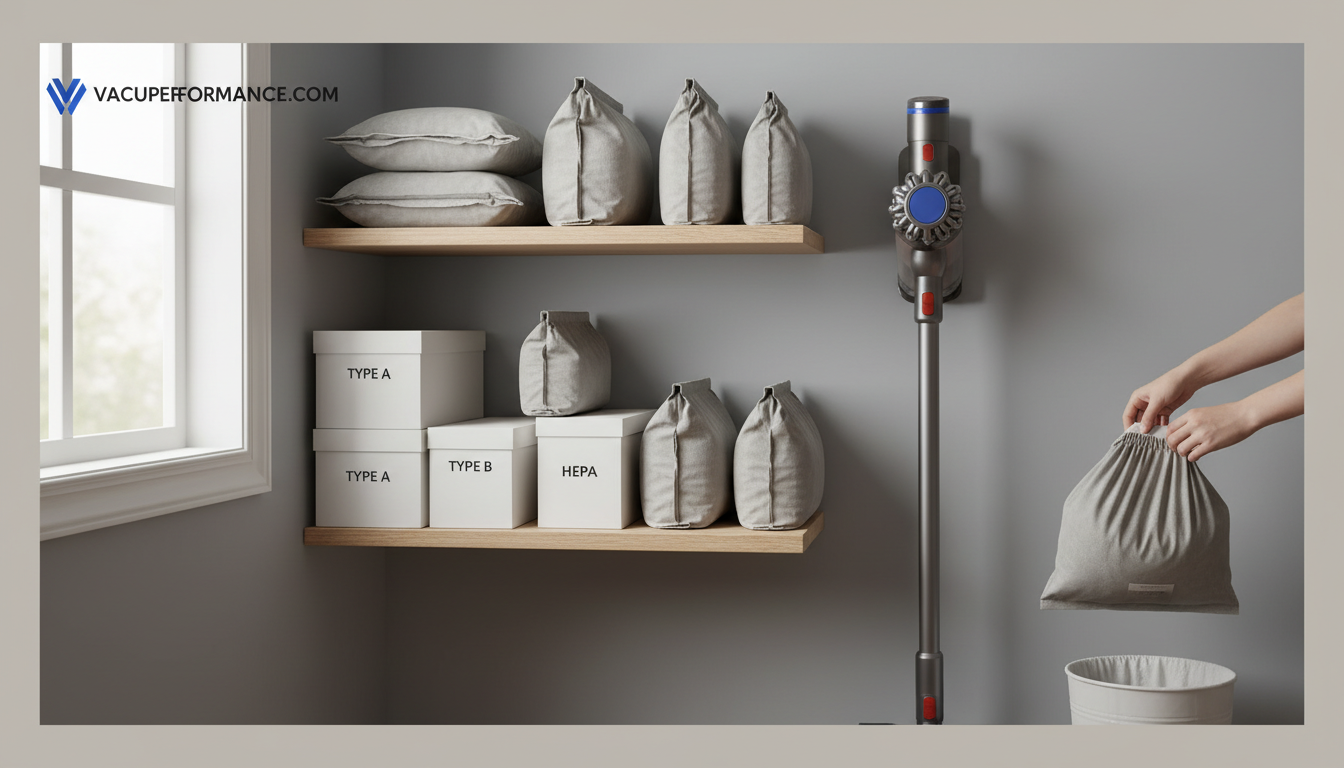
- Replacement Cycles: Regular bag changes are essential for maintaining suction power and filtration efficiency. Ignoring a full bag can lead to diminished cleaning performance and potentially stress the vacuum's motor.
- Bag Availability & Cost: While genuine Hoover bags are available, some users may find themselves seeking aftermarket options, especially for older or less common models. This introduces a decision point regarding potential cost savings versus guaranteed compatibility and filtration standards of OEM products.
- Environmental Impact: For those prioritizing sustainability, the option of reusable or washable bags for certain Hoover models can reduce waste and offer a long-term cost benefit compared to disposable paper or synthetic bags. However, the availability of these options varies by model and may not be universally offered by Hoover directly.
- Addressing Potential Issues: Should issues like poor sealing or bag integrity arise, identifying the cause—whether it's an ill-fitting bag, a specific bag type, or a vacuum component—is key to effective maintenance and preventing recurring problems.
Ultimately, the ownership experience with Hoover vacuum cleaner bags hinges on selecting the correct bag for the specific model, adhering to replacement schedules, and being aware of the trade-offs between genuine and aftermarket options for both performance and environmental considerations.
Bags-Hoover Trade-Offs alternatives to compare
Deciding on bags for a Hoover vacuum cleaner involves weighing their specific advantages against other options available in the market. This comparison helps clarify when Hoover's bag system aligns with user priorities and when alternatives might offer a better fit or mitigate potential drawbacks.
When Hoover Bags Are a Stronger Fit
For certain users and scenarios, continuing with Hoover-specific bags, whether original equipment manufacturer (OEM) or compatible aftermarket versions, can be the most practical choice.
- Maintaining Original System Performance: Using bags specifically designed for your Hoover model helps ensure the vacuum operates as intended, preserving airflow, filtration efficiency, and motor longevity. This is particularly relevant for models with unique bag housing designs.
- Cost-Effective Maintenance for Specific Models: For Hoover models where compatible aftermarket bags are widely available and competitively priced, sticking with these can offer an economical way to maintain a functional vacuum without significant upfront investment in a new system.
- Familiarity and Convenience: Existing Hoover owners who are accustomed to their vacuum's bag replacement process may prefer to continue with the familiar system rather than adapting to a new vacuum type.
When Alternatives Might Be Preferable
Exploring options beyond Hoover-specific disposable bags can address various user needs, from environmental impact to maintenance preferences.
- Bagless Vacuum Systems: For those who prioritize immediate debris disposal and zero recurring bag costs, a bagless vacuum (from Hoover or other brands) eliminates the need to purchase or store replacement bags. However, this often involves direct exposure to dust during emptying and more frequent filter cleaning.
- Reusable or Washable Bags: If reducing waste and long-term cost savings are primary concerns, investigating if a compatible reusable or washable bag exists for your Hoover model, or considering a vacuum system designed for such bags, could be beneficial. These alternatives require regular cleaning but significantly cut down on disposable waste.
- Other Bagged Vacuum Brands: If sourcing Hoover bags for your specific model proves consistently challenging, or if you seek specific filtration standards not easily met by available Hoover bags, exploring other bagged vacuum brands known for robust bag availability and advanced filtration (e.g., HEPA-rated bags) might be a better path.
Deal Breakers for Hoover Bags
Certain factors can make Hoover bags an unsuitable choice, prompting users to reconsider their vacuum maintenance strategy or even their vacuum cleaner brand.
- Consistent Availability Issues: If finding the correct replacement bags for your specific Hoover model becomes a recurring problem, leading to downtime or reliance on unverified third-party options, this can be a significant deterrent.
- Filtration and Sealing Concerns: Reports of issues like leaks or poor sealing with certain Hoover bags, as noted by some users, could compromise indoor air quality and lead to dust re-emission. For allergy sufferers or those prioritizing pristine air, this can be a deal-breaker.
- Unsatisfactory Cost-to-Value Ratio: If the cost of Hoover-specific bags (especially OEM bags for older or niche models) seems disproportionately high compared to their perceived performance or the overall value of the vacuum, it might signal that a different system offers better long-term value.
Bags For Hoover Vacuum Cleaner FAQ
Navigating the options for Hoover vacuum cleaner bags can present specific questions for buyers evaluating the brand. This section addresses common objections and provides practical insights into value, alternatives, and potential pitfalls when maintaining your Hoover vacuum.
What value do genuine Hoover vacuum bags offer, and are they always necessary? Genuine Hoover bags are designed to fit specific Hoover models, aiming for optimal airflow and filtration as intended by the manufacturer. They can provide peace of mind regarding compatibility and performance. However, some users report challenges in directly sourcing genuine bags from Hoover, occasionally being directed to third-party retailers. This can impact the perceived value and ease of maintenance.
What alternatives exist to genuine Hoover vacuum cleaner bags? Buyers have a few alternatives if genuine Hoover bags are difficult to find or if they seek different characteristics:
- Aftermarket/Third-Party Bags: Many manufacturers produce bags compatible with Hoover models. These can often be more cost-effective but require careful verification of fit and filtration claims.
- Reusable/Washable Bags: For certain Hoover models, reusable or washable bags are available. These can reduce ongoing costs and waste, aligning with environmental considerations. They require regular cleaning to maintain performance.
What common mistakes should I avoid when purchasing or using bags for my Hoover vacuum? To ensure effective cleaning and prolong your vacuum's life, be mindful of these common errors:
- Incorrect Model Compatibility: A significant mistake is purchasing bags that do not precisely match your Hoover vacuum's model number. An ill-fitting bag can lead to reduced suction, dust leakage, and potential damage to the vacuum.
- Neglecting to Replace Full Bags: Operating a Hoover vacuum with a full bag significantly diminishes suction power and can strain the motor. Always replace bags before they are completely full to maintain cleaning efficiency.
- Ignoring Bag Quality and Integrity: Some bags, whether genuine or aftermarket, may exhibit issues such as leaks or poor sealing. Regularly inspect new bags for any visible defects before installation to prevent dust escaping back into your home.
Bags-Hoover-Pick buy-or-skip verdict
Deciding whether to commit to Hoover vacuum cleaner bags involves weighing the brand's long-standing presence against practical considerations for ongoing maintenance. For many existing Hoover owners, continuing with Hoover-compatible bags remains a practical path, particularly if their specific model has readily available options, whether genuine or aftermarket.
Consider purchasing Hoover-compatible bags if:
- You currently own a Hoover vacuum that meets your cleaning needs, and you're looking to maintain its functionality.
- Your Hoover model has a clear, easily identifiable bag type with multiple sourcing options, including reputable aftermarket providers.
- You are comfortable researching and comparing various bag options, including those that might offer better value or environmental benefits like reusability.
- Cost-effectiveness is a primary concern, and you're willing to explore third-party alternatives that fit your model.
You might consider broadening your search beyond Hoover bags, or proceeding with caution, if:
- Seamless access to genuine, manufacturer-backed bags with clear quality assurances is a top priority. Some users report challenges in direct sourcing or inconsistent support for specific bag types.
- You require certified filtration standards (e.g., HEPA) and need absolute confidence in the bag's sealing and material integrity to contain allergens.
- You prioritize convenience and wish to avoid potential issues with bag fit, leaks, or inconsistent performance reported by some users for certain bag variations.
Your next action:
Before making a final decision, verify the exact bag type required for your specific Hoover vacuum model. Research the availability and user reviews for both genuine Hoover bags and reputable aftermarket alternatives. This focused investigation will help determine if the Hoover bag ecosystem aligns with your expectations for ease of maintenance, performance, and filtration needs.
More in Vacuum Cleaner Bags
View All