Buying Vacuum Cleaner Bags on Amazon: Tips for Finding the Best Deals and Compatibility
Navigating Amazon for Your Next Vacuum Cleaner Bags
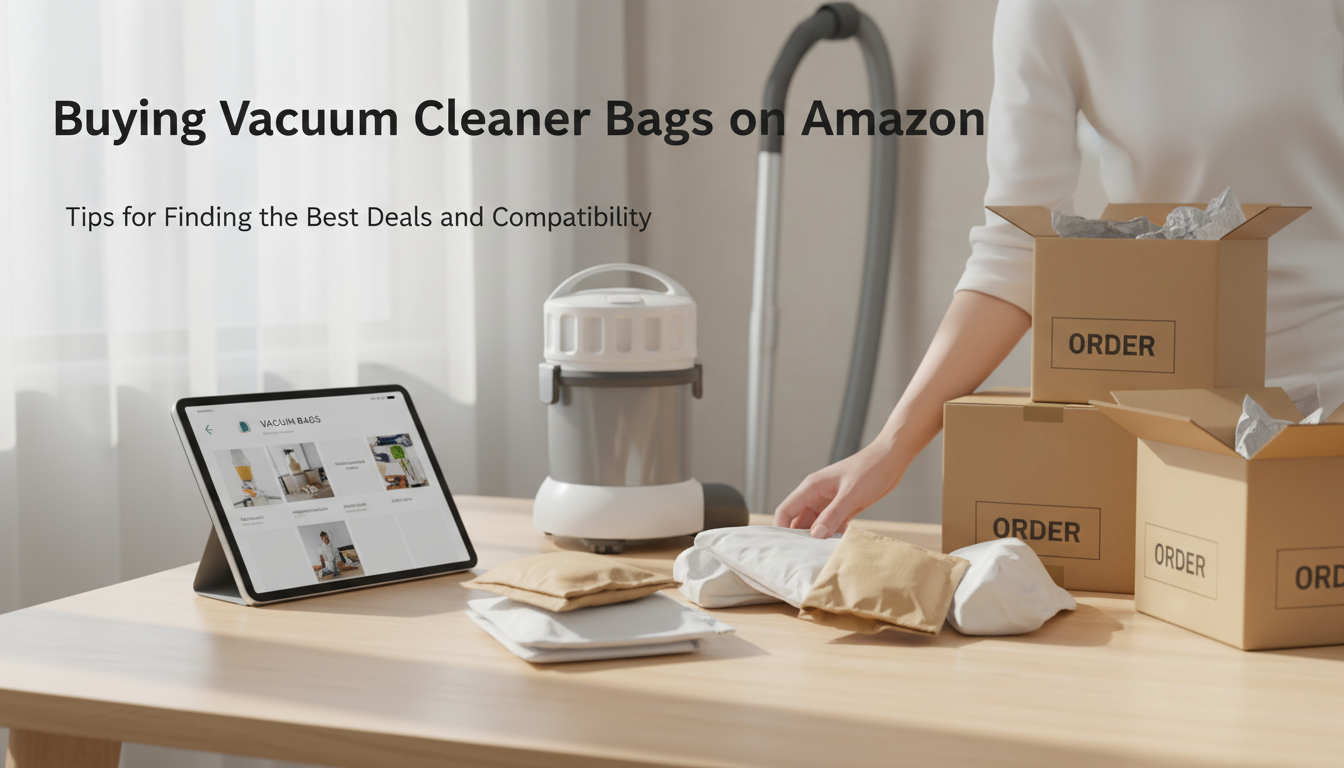
Amazon offers unparalleled convenience for purchasing a wide array of household items, including replacement vacuum cleaner bags. The platform's extensive selection and quick delivery options can make restocking your cleaning essentials a seamless process. However, the sheer volume of choices and varied product listings also present specific challenges for shoppers seeking the right fit.
Finding the correct vacuum cleaner bags on Amazon requires careful attention to detail. Common concerns include ensuring precise compatibility with your specific vacuum model and understanding the differences between original equipment manufacturer (OEM) bags and various third-party alternatives. Without clear guidance, buyers may encounter issues like ill-fitting bags or suboptimal performance.
This guide aims to empower you to confidently navigate the Amazon marketplace for vacuum cleaner bags. We will outline practical strategies for verifying compatibility, distinguishing between product types, and making informed decisions to secure the most suitable bags for your vacuum, thereby minimizing the risk of purchasing errors and maximizing your cleaning efficiency.
Understanding Vacuum Bag Compatibility: The Key to a Perfect Fit
Ensuring compatibility is the single most critical step when purchasing vacuum cleaner bags, particularly when navigating the vast selection on Amazon. Unlike some universal household items, vacuum bags are highly specific to make, model, and often even series. Overlooking this detail can lead to a frustrating experience, including reduced cleaning performance, potential damage to your appliance, and the inconvenience of returns. Many Amazon shoppers encounter issues with bag fitment, highlighting the importance of thorough verification before adding an item to their cart.
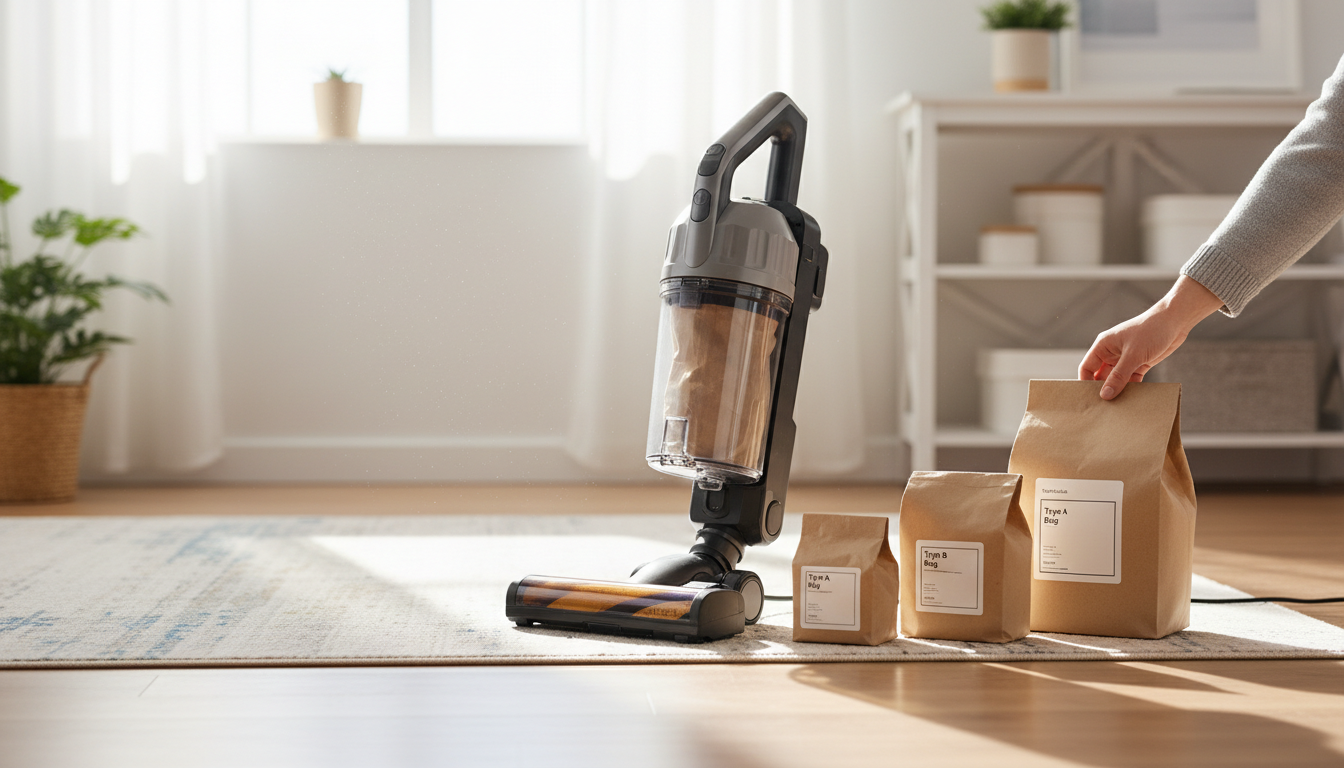
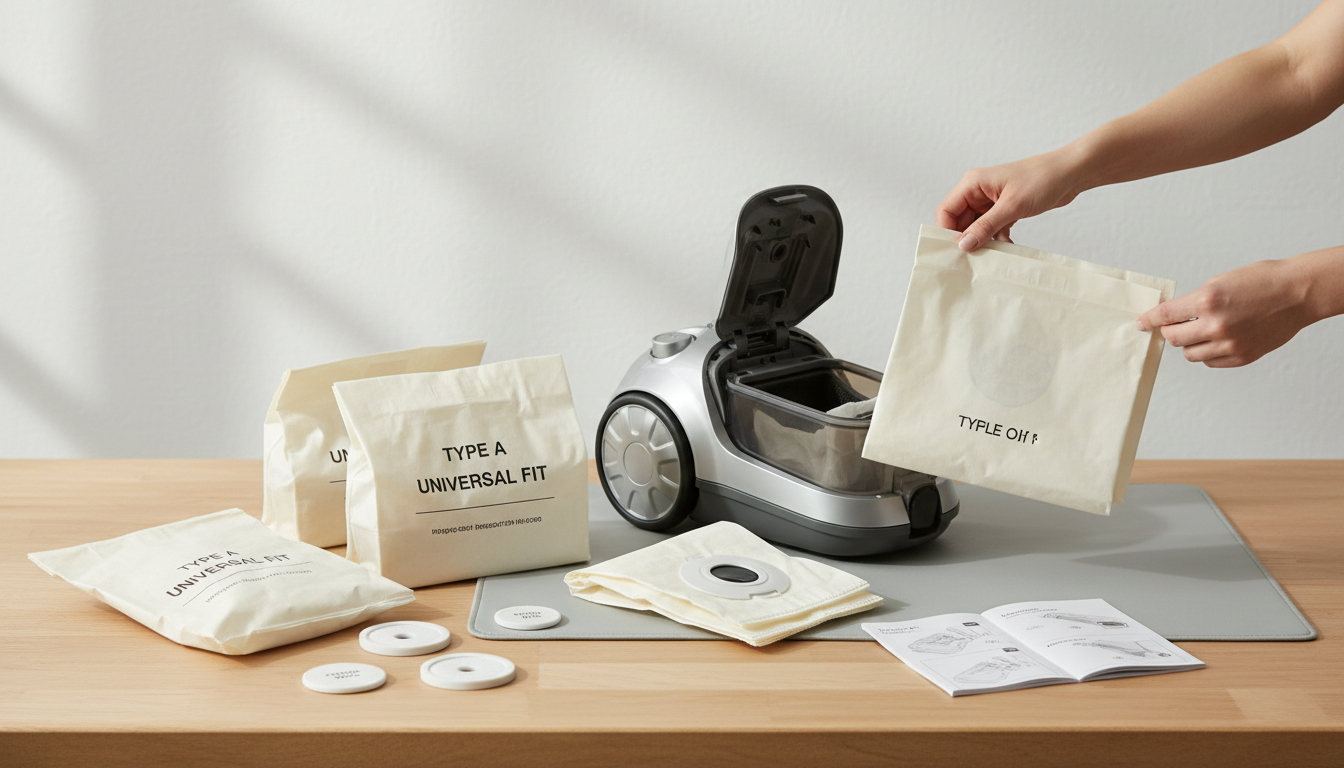
To confidently select the correct bags, you must first precisely identify your vacuum cleaner. This involves knowing its brand, full model name or number, and the specific bag type it requires. Vacuum cleaners come in various designs—upright, canister, robot, and even wet/dry shop vacs—each often utilizing distinct bag styles. For instance, a Miele vacuum might use an FJM or GN bag, while a Hoover might require a Type Y or Type A bag. These designations are not interchangeable and are engineered for a precise fit within your machine.
Locating this vital information is usually straightforward:
- On the Vacuum Cleaner Itself: Look for a label or sticker. This is commonly found on the back, bottom, or side of the vacuum, or sometimes beneath the bag compartment lid. This label typically lists the brand, model number, and often the specific bag type or part number.
- User Manual: Your vacuum cleaner's original instruction manual is an authoritative source for compatible accessories, including bag types.
- Manufacturer's Website: If the physical label is worn or the manual is lost, the manufacturer's official website usually provides detailed specifications and compatible parts for all their models.
- Existing Bag: If you still have an unused or recently removed bag, examine it for printed model numbers or bag type designations.
Purchasing bags that are not an exact match can have several negative consequences. An incorrect fit can prevent the bag from sealing properly within the vacuum's compartment. This allows dust and debris to bypass the bag, leading to reduced suction power and inefficient cleaning. More critically, fine particles can escape into the motor, potentially causing overheating, premature wear, or even damage to the vacuum cleaner's internal components. Furthermore, dust leakage back into your home's air can negate the very purpose of vacuuming, especially for allergy sufferers. Prioritizing compatibility ensures your vacuum operates as intended, maintaining its performance and prolonging its lifespan.
Smart Shopping on Amazon: Tips for Finding the Right Vacuum Bags
Navigating Amazon for replacement vacuum cleaner bags requires a strategic approach to ensure you purchase compatible and effective options. The platform's vast inventory includes both original equipment manufacturer (OEM) bags and numerous third-party alternatives, each with distinct considerations for compatibility and quality. By leveraging Amazon's search and filtering tools, and carefully scrutinizing product details, you can confidently identify suitable bags for your specific vacuum model.
-
Refine Your Search Query: Begin your search on Amazon with precise terms. Instead of just "vacuum bags," use "bags for [Vacuum Brand] [Vacuum Model Number]" (e.g., "bags for Bissell Zing 4122" or "bags for Miele Classic C1"). Your vacuum's user manual or a label on the vacuum itself typically provides the exact model number and compatible bag series. This specificity dramatically reduces irrelevant results.
-
Utilize Amazon's Filters: Once search results appear, apply filters to narrow down choices.
- Brand: Filter by your vacuum's brand to prioritize OEM options or trusted third-party manufacturers.
- Customer Reviews: Pay close attention to average star ratings and the number of reviews. Products with a high volume of positive reviews often indicate reliable compatibility and quality.
- "Type" or "Style" (if available): Some vacuum brands use specific bag styles (e.g., "Type C," "Style Y"); filtering by these can further refine your search.
-
Scrutinize Product Titles and Descriptions: Compatibility claims are paramount.
- Exact Model Match: Confirm that your vacuum's brand and model number are explicitly listed in the product title or description as compatible. Avoid assumptions based on similar-looking models.
- "Fits" or "Compatible With": Look for clear statements of compatibility rather than vague terms.
- Bag Dimensions/Style: Some descriptions include dimensions or a specific bag style number. Compare these against your vacuum's requirements if you have them.
-
Leverage Customer Reviews and Q&A: Real-world feedback offers invaluable insights.
- Read Critical Reviews: Look for comments addressing fit issues, bag tearing, or poor filtration, particularly for third-party options. These can highlight common pitfalls.
- Check the Q&A Section: Buyers often ask direct questions about compatibility with specific vacuum models. Seller responses and other customer answers can confirm fit or reveal potential problems.
- Photos: User-submitted photos can sometimes show how bags fit (or don't fit) inside a vacuum, offering visual confirmation.
-
Verify Seller Information: Understanding who is selling the product can inform your purchasing decision.
- Official Brand Store: If available, purchasing from an official brand store on Amazon (often indicated by "Sold by [Brand Name] and Fulfilled by Amazon") typically ensures you receive genuine OEM products.
- Third-Party Sellers: When considering third-party sellers, especially for generic or "compatible" bags, check their seller rating and reviews. A long history of positive feedback can indicate reliability, but exercise more caution than with official channels.
Genuine vs. Aftermarket Vacuum Bags on Amazon: Weighing Your Options
When browsing Amazon for vacuum cleaner bags, you'll encounter two primary categories: genuine (OEM) and aftermarket (third-party) options. Understanding the distinctions between these can significantly influence your purchasing decision and your vacuum's performance.
Original Equipment Manufacturer (OEM) bags are produced by the vacuum cleaner's brand itself. These are often labeled as "genuine" or "authentic" and are designed specifically for their respective models. Aftermarket bags, conversely, are manufactured by third-party companies and are marketed as compatible with various vacuum models. These are typically found in greater abundance on Amazon, often at a lower price point.
Genuine (OEM) Vacuum Bags
Choosing genuine bags on Amazon typically offers a more predictable experience.
- Guaranteed Fit: OEM bags are engineered to precise specifications for your vacuum model, ensuring a perfect seal and preventing dust leakage.
- Consistent Quality: You can generally expect uniform material quality, construction, and filtration efficiency, adhering to the manufacturer's original design standards.
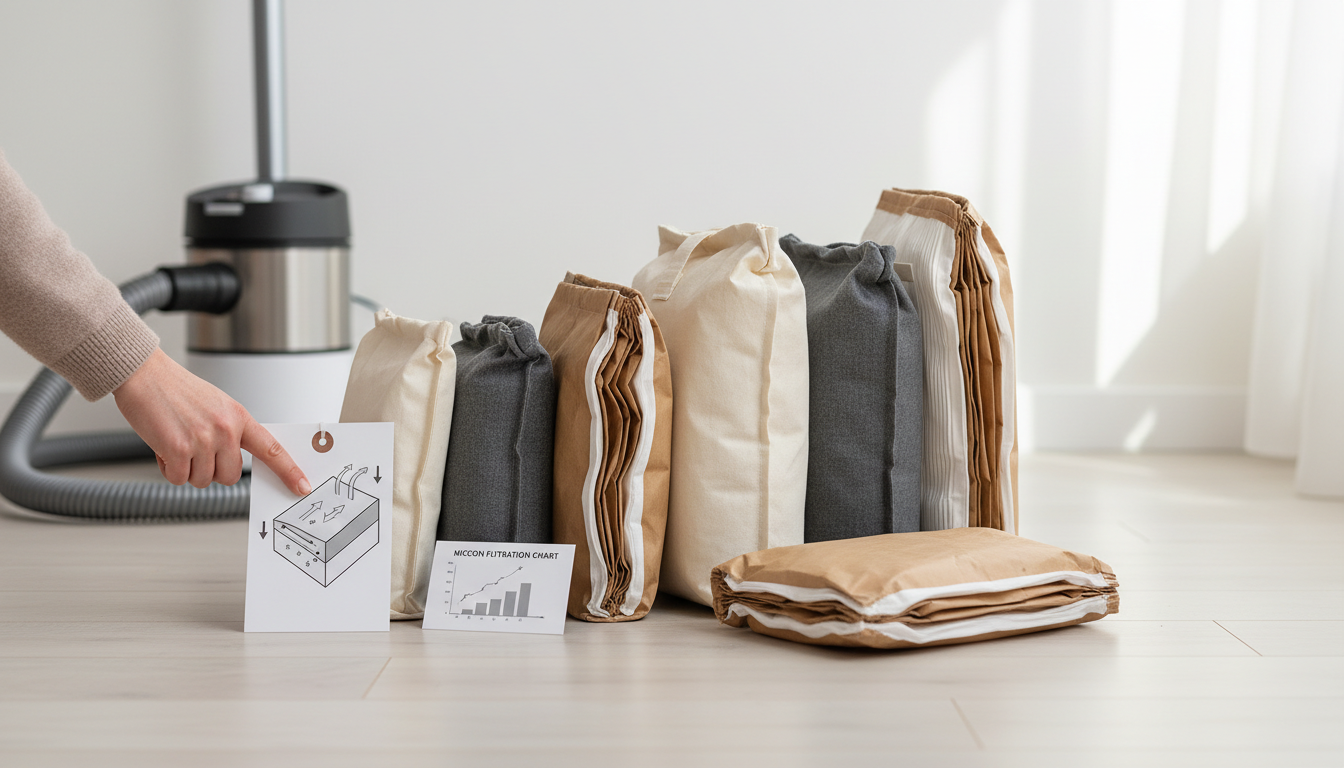
- Adherence to Filtration Standards: Genuine bags are designed to work optimally with your vacuum's filtration system, which can be crucial for maintaining indoor air quality, especially for allergy sufferers.
Aftermarket (Third-Party) Vacuum Bags
Aftermarket bags present a different set of considerations, particularly appealing due to their cost.
- Lower Cost: One of the most significant advantages is their price, which is often substantially less than OEM alternatives, making them an attractive budget-friendly option.
- Wider Availability: Amazon's marketplace is rich with third-party sellers, potentially offering more immediate availability or bulk purchase options.
However, the perceived value of aftermarket bags can come with trade-offs:
- Variable Quality: The quality of materials and construction can differ widely among third-party brands. Some may use thinner materials, leading to potential tears or reduced filtration.
- Potential Fitment Issues: While advertised as compatible, some aftermarket bags might not fit as snugly as OEM versions, leading to compromised suction or dust escaping into the vacuum motor compartment.
- Filtration Efficiency Concerns: Aftermarket bags might not always meet the same filtration standards as genuine bags, potentially allowing more allergens and fine dust particles to re-enter your home's air.
- Risk of Vacuum Damage: A poorly fitting or constructed bag can strain your vacuum's motor or lead to internal dust accumulation, potentially shortening its lifespan.
When considering aftermarket options on Amazon, scrutinize product listings and customer feedback. Look for clear compatibility claims that specifically list your vacuum model number. Prioritize products with a high volume of positive reviews that specifically comment on aspects like fit, durability, and filtration performance, rather than just price. This can help mitigate the risks associated with variable quality.
Common Pitfalls and How to Avoid Them When Buying Vacuum Bags on Amazon
Navigating the vast selection of vacuum cleaner bags on Amazon can present several challenges that, if not addressed, can lead to frustration and incorrect purchases. Being aware of these common pitfalls and employing proactive strategies can significantly improve your buying experience.
One frequent issue is incorrect bag fitment. Many Amazon shoppers encounter bags that don't precisely match their vacuum model. To circumvent this, always locate the exact model number of your vacuum cleaner, typically found on a label on the appliance itself, in the user manual, or on the manufacturer's website. Do not rely solely on the vacuum's brand name. Cross-reference this specific model number with the compatibility information provided in the Amazon product listing. While Amazon's return policy offers a safety net, preventing an incorrect purchase upfront saves both time and effort.
Another pitfall involves misleading product descriptions or images. Sometimes, generic images or incomplete specifications can make it difficult to ascertain if a bag is truly compatible or of the expected quality. Before purchasing, cross-reference the bag's stated part number or compatibility list found on Amazon with your vacuum manufacturer's official website. This verification step can confirm the precise bag type required for your model and clarify any ambiguities in the Amazon listing.
The varying quality of aftermarket bags is also a significant concern. While third-party or generic bags often come at a lower price point, their material quality, filtration effectiveness, and durability can differ substantially from original equipment manufacturer (OEM) bags. Some aftermarket options may not perform as well, potentially leading to reduced suction, premature tearing, or inadequate filtration. When considering aftermarket alternatives, prioritize brands with a high volume of consistently positive customer reviews on Amazon, specifically looking for feedback on fit, suction performance, and tear resistance.
Beyond product-specific issues, general delivery and customer service concerns can arise when shopping on Amazon. Although Amazon generally offers robust customer support and a clear return policy, individual sellers may vary. Always check the seller's rating and read recent reviews before making a purchase, especially from third-party merchants. Familiarize yourself with Amazon's A-to-z Guarantee, which can provide recourse if an item isn't delivered or isn't as described.
Finally, a common source of confusion stems from the term "Amazon Basics." When searching for "Amazon Basics vacuum bags," results often display vacuum storage bags designed for compressing clothes and linens, rather than bags for vacuum cleaners. To avoid this mix-up, ensure your search terms explicitly include "vacuum cleaner bags" along with your specific vacuum brand and model. This precision in your search query will help filter out irrelevant products and lead you to the correct replacements.
Frequently Asked Questions About Amazon Vacuum Cleaner Bags
Navigating the options for vacuum cleaner bags on Amazon can bring up several common questions. Understanding these points can help you make a more informed purchase and ensure your vacuum operates effectively.
-
How do I know which vacuum bag fits my vacuum cleaner? The most reliable method is to locate your vacuum cleaner's specific model number, usually found on a sticker or plate on the appliance itself. Once you have this, use it as your primary search term on Amazon. Look for product listings that explicitly state compatibility with your model number in the title or description. Cross-reference with customer reviews, as buyers often confirm fitment. Some listings also provide a "compatible with" list or a visual guide.
-
Are aftermarket vacuum bags as good as original ones? Aftermarket (or third-party) vacuum bags can offer a more budget-friendly alternative to original equipment manufacturer (OEM) bags available on Amazon. However, their quality and performance can vary significantly. While OEM bags are designed to meet the vacuum manufacturer's exact specifications for fit, filtration, and airflow, some aftermarket options may not perform as well. Buyers have reported issues with bag fitment and suboptimal performance with certain third-party bags. It's crucial to review product descriptions for material quality and filtration claims, and carefully read customer reviews on Amazon for feedback on specific aftermarket brands regarding fit and effectiveness for your model.
-
What should I do if the vacuum bags I ordered on Amazon don't fit? If the vacuum cleaner bags you purchased on Amazon do not fit your vacuum, first double-check your vacuum's model number against the product description on the Amazon listing to confirm a mismatch. Then, utilize Amazon's return policy. Most items purchased through Amazon are eligible for returns within a specific timeframe. You can typically initiate a return directly through your Amazon order history, following the provided instructions for packaging and shipping.
-
Can I use vacuum storage bags instead of vacuum cleaner bags? No, vacuum storage bags are fundamentally different from vacuum cleaner bags and cannot be used interchangeably. Vacuum storage bags, often found on Amazon, are designed to compress items like clothing and linens for space-saving storage by removing air, often with a separate pump or a standard vacuum hose. Vacuum cleaner bags, conversely, are specifically designed to collect and contain dust, dirt, and debris within your vacuum cleaner, featuring filtration layers and specific dimensions to fit inside the vacuum's bag compartment. Attempting to use a storage bag in a vacuum cleaner would not work and could damage the appliance.
-
How often should I change my vacuum cleaner bag? The frequency of changing your vacuum cleaner bag depends on usage, the type of debris being collected, and the bag's capacity. A general guideline is to change the bag when it is about two-thirds to three-quarters full, or when you notice a significant decrease in suction power. Many bagged vacuums also feature an indicator light or gauge that signals when the bag needs to be replaced. Regularly changing the bag helps maintain optimal vacuum performance and filtration.
Your Amazon Vacuum Bag Buying Checklist
Before finalizing your purchase of vacuum cleaner bags on Amazon, a thorough review of key details can prevent compatibility issues and ensure you receive a product that meets your expectations. Use this checklist to navigate listings effectively and make an informed decision.
- Confirm Your Vacuum Cleaner's Make and Model Number: Locate the exact make (e.g., Bissell, Hoover) and full model number of your vacuum cleaner. This information is typically found on a label on the vacuum's body, often near the motor, on the base, or behind the bag compartment. Even slight variations in model numbers can mean different bag types.
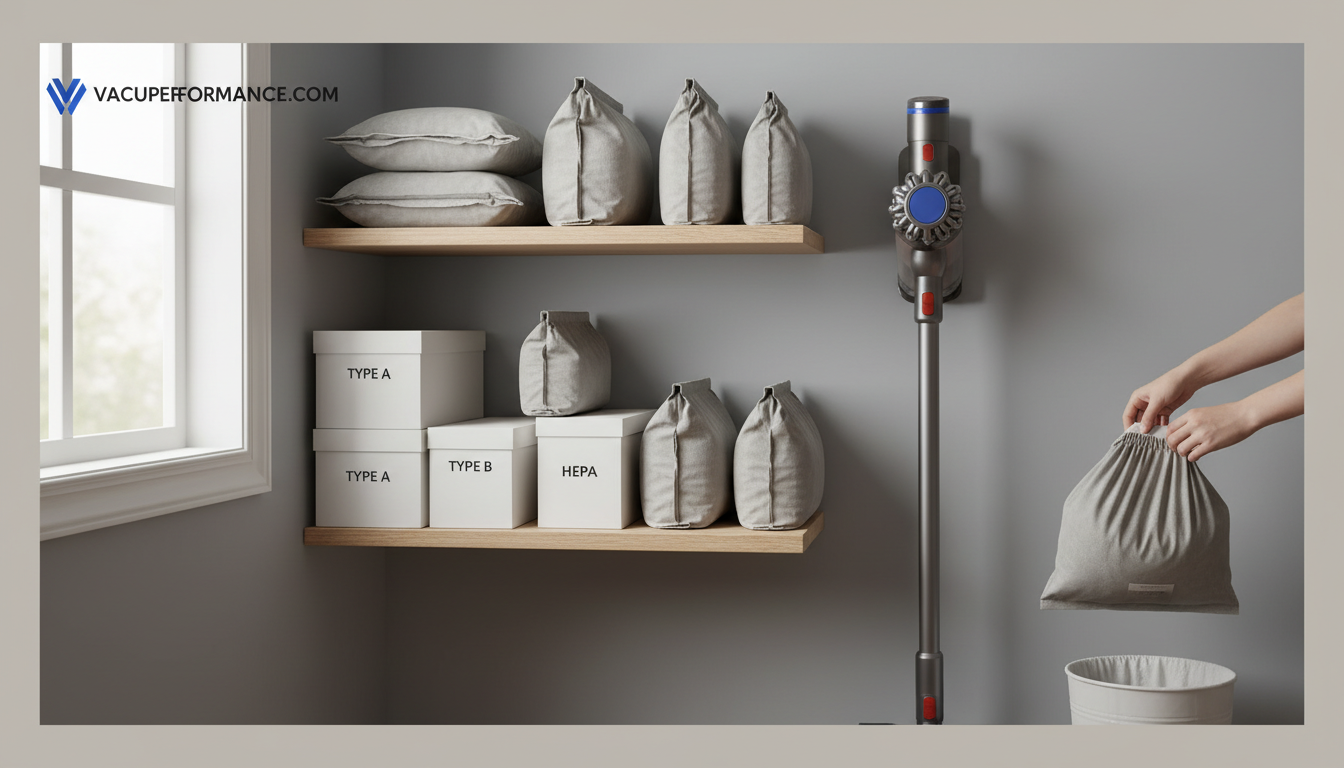
- Verify the Required Bag Type or Style Number: Many vacuum manufacturers use specific bag style designations (e.g., "Type A," "Style 7," "HEPA Filter Bag"). Cross-reference this specific bag type number with your vacuum's manual or the manufacturer's website.
- Check the Amazon Product Description for Explicit Compatibility: Always read the "Product description" and "Technical details" sections on the Amazon listing. Look for a clear statement of compatibility that lists your vacuum's make and model number directly. Do not rely solely on product titles or images.
- Read Recent Customer Reviews for Fitment and Performance Feedback: Customer reviews on Amazon often highlight real-world experiences with compatibility and performance. Pay close attention to recent reviews that mention your specific vacuum model, noting comments on bag fit, suction power, and durability. Be wary of patterns indicating poor fit or material quality.
- Compare Original Equipment Manufacturer (OEM) vs. Aftermarket Options: Amazon offers both OEM (genuine manufacturer) bags and third-party "aftermarket" alternatives. OEM bags typically guarantee a precise fit and filtration performance, but often come at a higher price. Aftermarket bags can offer cost savings, but may vary in quality, fit, and filtration effectiveness. Assess your priority between cost and assured performance.
- Review Seller Ratings and Return Policy: Check the seller's rating and feedback on Amazon. A high rating from numerous buyers indicates reliability. Additionally, familiarize yourself with Amazon's return policy for the specific item, especially if you are purchasing from a third-party seller, to understand your options if the bags prove incompatible or defective.
Confidently Purchasing Vacuum Cleaner Bags on Amazon
Amazon remains a powerful platform for its convenience and vast selection, offering the potential for significant savings on vacuum cleaner bags. However, unlocking these benefits hinges on a strategic approach to your purchase. The ability to quickly find and receive replacement bags is a major advantage, but it requires diligence to ensure you're getting the right product for your specific vacuum model.
Successfully navigating the Amazon marketplace means prioritizing thorough research and careful selection. This includes meticulously verifying compatibility, understanding the distinctions between OEM and third-party options, and scrutinizing product descriptions and reviews. By applying the practical tips discussed, you can confidently identify the correct bags, mitigate the risks of incompatibility, and avoid common purchasing pitfalls.
Empowered with this knowledge, you can transform the often-tricky task of buying vacuum cleaner bags into a straightforward and satisfying experience, ensuring your vacuum operates effectively with the right fit every time.
More in Vacuum Cleaner Bags
View All