Kenmore Progressive Vacuum Cleaner Bags: Maintaining Suction and Filtration for Your Model
Restore Peak Performance: Finding the Right Kenmore Progressive Vacuum Cleaner Bags
Kenmore Progressive vacuum cleaners have long been a popular choice for household cleaning, often valued for their consistent performance. To ensure your model continues to deliver on that promise, selecting the correct replacement vacuum bags is not merely a convenience—it's essential for maintaining both cleaning efficacy and indoor air quality. The specific engineering of Kenmore Progressive vacuums means that bag compatibility directly impacts how well the appliance functions.
Using the precise bag type for your Kenmore Progressive model is crucial for several reasons:
- Sustained Suction Power: An exact-fit bag ensures optimal airflow within the vacuum system. Incorrect bags can restrict this flow, forcing the motor to work harder and leading to a noticeable drop in suction, leaving behind more dirt and debris.
- Effective Filtration: Many Kenmore Progressive bags are designed with multi-layer or HEPA-grade filtration to capture microscopic particles, allergens, and pet dander. An ill-fitting or non-specific bag may bypass these filtration stages, allowing pollutants to escape back into your home's air rather than being contained.
- Preventing Dust Leakage: A common concern among some Kenmore owners is ensuring a tight seal around the bag's collar. Bags not designed for your specific Progressive model can create gaps, allowing dust and debris to leak into the vacuum's motor compartment or back into your living space, negating your cleaning efforts.
- Protecting Vacuum Longevity: When the vacuum's internal components are exposed to dust due to poor bag fit or when the motor is strained by restricted airflow, it can accelerate wear and tear, potentially reducing the overall lifespan of your appliance.
Understanding these critical factors will empower you to confidently identify and purchase the correct replacement bags, ensuring your Kenmore Progressive vacuum continues to operate at its peak performance.
Why Specific Kenmore Progressive Bags Matter for Suction and Air Quality
Kenmore Progressive vacuum cleaners are engineered with a precise internal architecture where the dust bag is an integral component, not merely a receptacle. The vacuum's motor, airflow pathways, and filtration system are designed to operate optimally with bags that meet specific dimensions and material specifications. This integrated design ensures that air moves efficiently through the system, maximizing cleaning performance.
A correctly fitting bag is crucial for maintaining consistent suction power. An ill-fitting bag can create bypass routes for air, allowing dust to escape into the motor compartment or reducing the vacuum's ability to pick up debris effectively. This inefficiency forces the motor to work harder, potentially leading to overheating and premature wear. Conversely, a bag that is too restrictive can also strain the motor by impeding airflow. Proper installation and a secure seal are paramount to prevent dust leakage, a common issue reported with some Kenmore models, which directly impacts both suction and the longevity of the appliance.
Beyond collecting visible dirt, Kenmore Progressive bags often feature advanced filtration capabilities, such as HEPA-grade materials. These multi-layered bags are designed to capture 99.97% of microscopic particles, including allergens like pollen, pet dander, and dust mites, preventing their re-emission into your home's air. This is vital for improving indoor air quality, especially for allergy sufferers.
Using incorrect or generic bags can severely compromise both air quality and vacuum efficiency. Bags that do not seal properly or lack adequate filtration allow fine dust and allergens to escape back into the environment, negating the cleaning effort. Furthermore, dust leakage within the vacuum can clog internal filters and components, reducing overall cleaning power and potentially leading to costly repairs or a shortened lifespan for your Kenmore Progressive vacuum.
Essential Criteria: What to Look for in Kenmore Progressive Vacuum Bags
Selecting the correct replacement bags for your Kenmore Progressive vacuum cleaner is crucial for maintaining its cleaning performance and indoor air quality. Focusing on specific criteria helps ensure compatibility and prevents common issues like dust leakage.
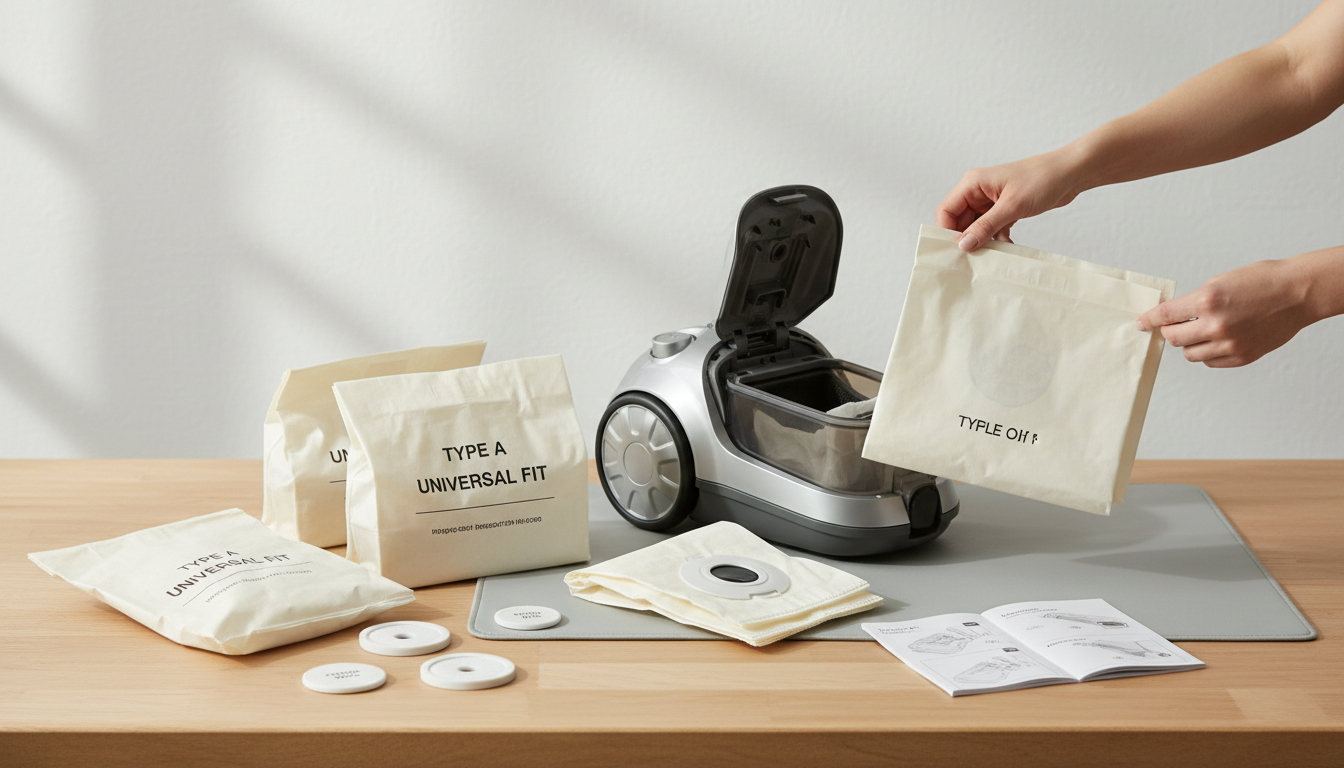
- Bag Type/Letter Designation Kenmore Progressive vacuum cleaners are designed to work with specific bag types, often identified by a letter (e.g., Q, C, O, U, M, Z, I, L). This letter is not arbitrary; it signifies the precise shape, size, and connection mechanism required for your particular model. Always verify your vacuum's model number or the existing bag's letter designation to ensure a perfect physical fit and proper sealing.
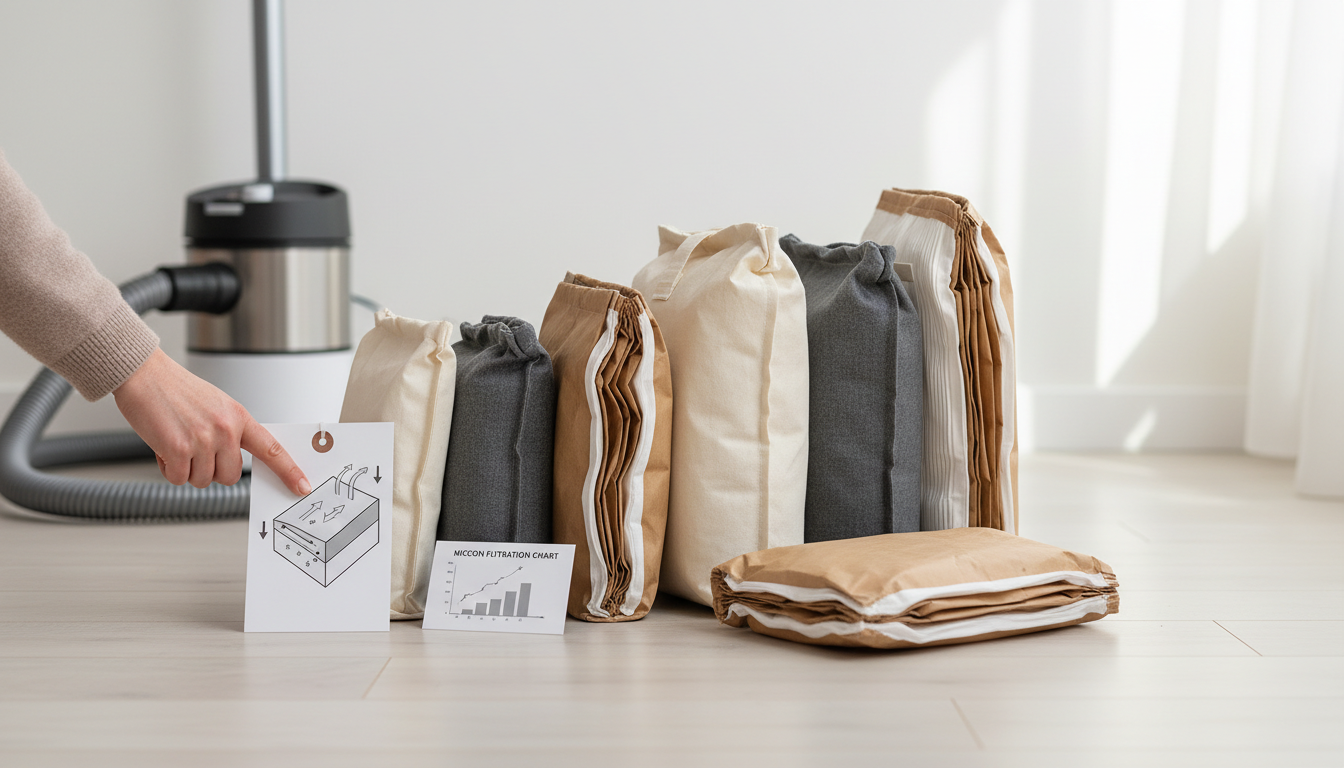
- Filtration Level Prioritize bags offering high-efficiency filtration, such as HEPA-rated options. These are engineered to capture a significant percentage of microscopic particles, commonly cited as 99.97% of particles down to 0.3 microns. This capability is vital for trapping dust mites, pet dander, pollen, and other allergens, contributing to cleaner exhaust air and a healthier home environment.
- Material Quality The construction material of the bag directly impacts its durability and filtration effectiveness. Look for multi-layer synthetic materials that resist tearing and puncturing. Superior material quality ensures that collected debris remains securely contained within the bag, preventing fine dust from escaping back into the air or into the vacuum's motor compartment, which can compromise performance and longevity.
- Capacity and Full Bag Indicator Consider the bag's capacity, as it dictates how frequently replacements are needed. Larger capacity bags generally require less frequent changes, offering convenience. Some bags or vacuum models include a full bag indicator, a useful feature that signals when the bag is nearing capacity, helping to prevent overfilling that can reduce suction power and potentially strain the vacuum's motor.
- Ease of Installation and Secure Seal A critical factor for Kenmore Progressive models is the bag's ability to install easily and form a tight, leak-proof seal. Given that some Kenmore designs have been noted for potential sealing challenges, choose bags with robust cardboard collars or plastic flanges that lock securely into place. A proper seal is paramount to prevent dust and debris from bypassing the bag, ensuring optimal suction and filtration performance, and preventing internal contamination of the vacuum.
Identifying Your Kenmore Progressive Vacuum Bag Type and Model Number
Selecting the correct replacement bags for your Kenmore Progressive vacuum cleaner is essential for maintaining its suction power and filtration efficiency. Incorrect bags can lead to dust leakage, reduced performance, and even damage to your appliance. This guide provides a systematic approach to ensure you purchase compatible bags, specifically addressing the fit and sealing requirements unique to the Kenmore Progressive line.
To accurately identify the bags you need:
-
Locate Your Vacuum's Model Number: The model number is the primary identifier for your specific Kenmore Progressive unit. Look for a sticker or plate typically found on the back, bottom, or side of the vacuum cleaner. For canister models, it might be on the underside or near the motor housing. For uprights, check the lower back or base. This number is crucial for cross-referencing.
-
Check Existing Bags or Bag Compartment: If you still have an old bag, examine it for a printed bag type letter (e.g., "Type Q," "Type C," "Type O") or a specific part number. Sometimes, this information is also printed inside the vacuum's bag compartment door or on a label near where the bag attaches. Note down any letters or numbers you find.
-
Utilize Kenmore's Official Resources: Kenmore provides a dedicated "bag finder" tool on its official website. Input your vacuum's model number or the bag type letter you found. This tool is designed to direct you to the exact compatible bags for your Kenmore Progressive model, minimizing guesswork. Many reputable online retailers also offer compatibility search functions where you can enter your model number.
-
Verify Compatibility Before Purchase: Even after using search tools, double-check the product description of the replacement bags. Look for explicit mentions of "Kenmore Progressive" compatibility and confirm the bag type letter or part number matches your findings. Pay attention to any listed series numbers or specific model ranges to ensure a precise fit, as minor variations can impact sealing and performance.
Common Pitfalls & Trade-offs: Addressing Kenmore Progressive Bag Challenges
Owners of Kenmore Progressive vacuum cleaners may encounter specific challenges when selecting and installing replacement bags, impacting both cleaning effectiveness and indoor air quality. Understanding these potential issues can help in making an informed choice and ensuring optimal performance.
One frequently reported concern involves the sealing mechanism of some Kenmore Progressive models. Certain designs, particularly older iterations, may not consistently achieve a complete, airtight seal between the bag and the vacuum's internal port. This can allow fine dust and allergens to bypass the bag, re-entering the room or accumulating within the vacuum's motor compartment. Such leakage compromises filtration efficiency and can diminish the vacuum's ability to maintain clean air.
Installation itself can present a hurdle. Some Kenmore Progressive bags feature a thick mounting card designed to create a secure fit. While this thickness is intended for a tight seal, it can make the bag difficult to install or remove from the vacuum's bag mount. If not precisely aligned and fully seated, the bag may not seal correctly, leading to the aforementioned dust leakage.
Choosing the right bag also involves a trade-off related to capacity. While larger capacity bags mean less frequent changes, they might be bulkier and potentially more difficult to manage during installation or disposal, especially within the confines of some vacuum designs. Conversely, smaller bags require more frequent replacement but can be easier to handle.
Using generic or incorrect bags introduces several risks:
- Reduced Suction: Improperly fitting bags can disrupt airflow, leading to a noticeable drop in suction power.
- Motor Damage: Dust and debris bypassing an ill-fitting bag can enter and damage the vacuum's motor over time.
- Dust Escape: The primary function of a bagged vacuum—to contain dust—is compromised, releasing allergens back into the environment.
- Compromised Filtration: If your Kenmore Progressive model relies on the bag for a significant portion of its filtration (e.g., HEPA-rated bags), an incorrect bag will fail to meet these standards.
To minimize these issues, always verify that the replacement bag's type and number precisely match your Kenmore Progressive model. During installation, take extra care to ensure the bag's mounting card is firmly and completely seated onto the vacuum's port, checking for any visible gaps before closing the compartment. Periodically inspect the bag compartment for any dust accumulation outside the bag, which can indicate a sealing problem.
<h2>Beyond the Bag: Maximizing Your Kenmore Progressive's Performance</h2> While selecting the correct replacement bag is crucial, the overall efficiency and longevity of your Kenmore Progressive vacuum depend on a broader maintenance approach. Understanding how to integrate proper bag usage with other care routines ensures consistent cleaning power and air quality.Optimal performance requires more than just waiting for a bag to visibly fill. Fine dust and debris can clog the microscopic pores of the bag material, even if there appears to be empty space. This restriction reduces airflow, forcing your vacuum's motor to work harder and diminishing suction power long before the bag is physically packed. Replacing bags based on usage frequency and a slight drop in performance, rather than just visual fullness, helps maintain consistent suction and extends motor life.
Beyond the primary dust bag, your Kenmore Progressive likely features additional filters that are vital for air quality and motor protection. These typically include:
- Pre-motor filters: Protect the motor from larger dust particles.
- Exhaust filters (including HEPA filters in many models): Capture fine particles and allergens before air is expelled, crucial for maintaining indoor air quality.
Regularly check and clean or replace these filters according to your vacuum's user manual. Clogged secondary filters can severely impede airflow, mimicking the effects of a full bag and compromising filtration effectiveness.
Several indicators suggest it's time for a bag change or further inspection:
- Reduced suction: The most common sign that airflow is restricted.
- Dust escaping: If you notice dust plumes from the exhaust or around the vacuum's seams, the bag may be faulty, improperly installed, or overfull, leading to leakage.
- Unusual motor noise: A straining or higher-pitched whine can indicate the motor is working harder against restricted airflow.
- Persistent odors: A musty or dusty smell during operation often means the bag is full or filters need attention.
To prolong the life of your Kenmore Progressive, periodically check the hose for clogs, remove tangled hair and debris from the brush roll, and inspect attachments for wear. Consulting your specific model's owner's manual for recommended maintenance schedules will provide the most accurate guidance.
Frequently Asked Questions About Kenmore Progressive Vacuum Bags
Owners of Kenmore Progressive vacuum cleaners often have specific questions about maintaining their appliance's performance through proper bag selection and use. Here are answers to common queries to help ensure your vacuum continues to operate effectively.
-
How often should I change my Kenmore Progressive vacuum bag? The frequency depends on your usage, the amount of debris collected, and the presence of pets. A good indicator is when suction power noticeably decreases, or when the bag appears visibly full. Overfilling a bag can strain the motor and reduce cleaning efficiency. For optimal performance and filtration, it's generally recommended to change the bag when it's about two-thirds full, rather than waiting until it's completely packed.
-
Can I use generic bags with my Kenmore Progressive vacuum? While generic bags may seem like a cost-effective alternative, using them with your Kenmore Progressive vacuum carries risks. Kenmore Progressive models are often designed with specific bag dimensions and collar seals to ensure proper airflow and prevent dust leakage. Generic bags might not create a tight seal, leading to dust escaping into the motor compartment or back into your home's air. This compromises filtration and can reduce suction. For consistent performance and air quality, verifying that any non-OEM bag explicitly states compatibility with your specific Kenmore Progressive model and has positive user feedback regarding fit and seal is crucial.
-
What does HEPA filtration mean for my vacuum bags? HEPA (High-Efficiency Particulate Air) filtration in vacuum bags signifies that the bag is designed to capture a high percentage of microscopic particles. Specifically, HEPA-rated bags are engineered to trap 99.97% of airborne particles as small as 0.3 microns. For Kenmore Progressive owners, this means the bag effectively retains fine dust, pollen, pet dander, and other allergens, preventing them from recirculating into your home's air. This is particularly beneficial for individuals with allergies or asthma, contributing to improved indoor air quality.
-
My Kenmore Progressive vacuum seems to be losing suction, could it be the bag? Yes, a full or improperly installed vacuum bag is a very common reason for reduced suction in Kenmore Progressive models. As the bag fills, airflow becomes restricted, diminishing the vacuum's ability to pick up debris. Additionally, if the bag is not seated correctly or if its collar doesn't create a tight seal, air can bypass the bag, leading to a loss of suction and potential dust leakage. Before troubleshooting other components, check your bag's fullness and ensure it is installed securely and correctly.
-
Where can I find the model number or bag type for my Kenmore Progressive? Identifying your specific model and compatible bag type is essential. You can typically find this information in a few places:
- On the vacuum cleaner itself: Look for a label or sticker on the underside, back, or side of the main unit.
- In your owner's manual: The manual will list the specific bag type or part number required for your model.
- On the existing bag: If you still have an original or previous replacement bag, the bag type (often a letter or number code) might be printed directly on it. Once you have this information, you can use it to accurately search for compatible replacement bags.
Making the Right Choice for a Cleaner Home
Choosing the correct replacement bags for your Kenmore Progressive vacuum is a critical decision that directly impacts both your cleaning effectiveness and indoor air quality. By prioritizing specific criteria, you can ensure your vacuum continues to perform as intended, protecting your home and extending the life of your appliance.
To confidently select the ideal bags, remember these essential factors:
- Model-Specific Fit: Always verify the bag type is explicitly designed for your Kenmore Progressive model. This ensures a proper connection and prevents dust leakage, a common concern with ill-fitting bags.
- Filtration Standards: Opt for bags with HEPA or multi-layer filtration if your model supports them. These advanced materials capture microscopic allergens and particles, significantly improving the air quality in your home.
- Secure Seal: A well-designed bag will form a tight, reliable seal within the vacuum's bag compartment. This prevents dust from escaping back into the air or damaging internal components.
- Proper Installation: Even the best bag requires correct installation. Follow your vacuum's manual to ensure the bag is seated perfectly, preventing tears or gaps that compromise performance.
Making an informed choice provides tangible benefits for your home environment. You'll experience consistent, powerful suction, ensuring thorough cleaning with every use. Improved indoor air quality means fewer airborne allergens and irritants, contributing to a healthier living space. Furthermore, by preventing dust ingress and motor strain, you can extend the operational life of your Kenmore Progressive vacuum, safeguarding your investment. Use these criteria as your guide to confidently purchase replacement bags and maintain your vacuum's optimal performance.
More in Vacuum Cleaner Bags
View All