Finding the Right Bags for Your Eureka Vacuum Cleaner: A Comprehensive Compatibility Guide
Keeping Your Eureka Running Strong: Why the Right Bag Matters
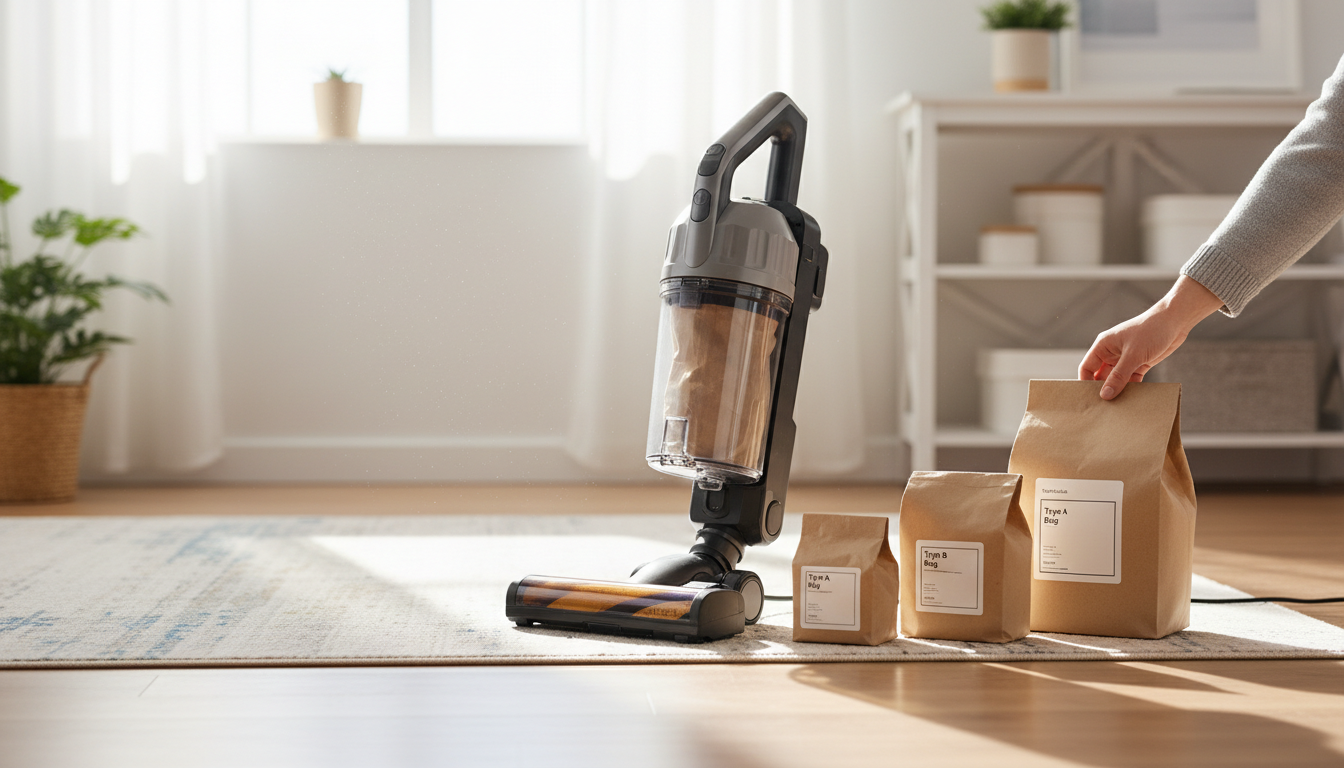
The performance and longevity of your Eureka vacuum cleaner depend significantly on using the correct replacement bags. An improperly fitted or incompatible bag can lead to reduced suction, inefficient filtration, and even potential damage to the vacuum's motor over time. For Eureka owners, ensuring the right "bags for eureka vacuum cleaner" are installed is a fundamental step in maintaining optimal cleaning power and indoor air quality.
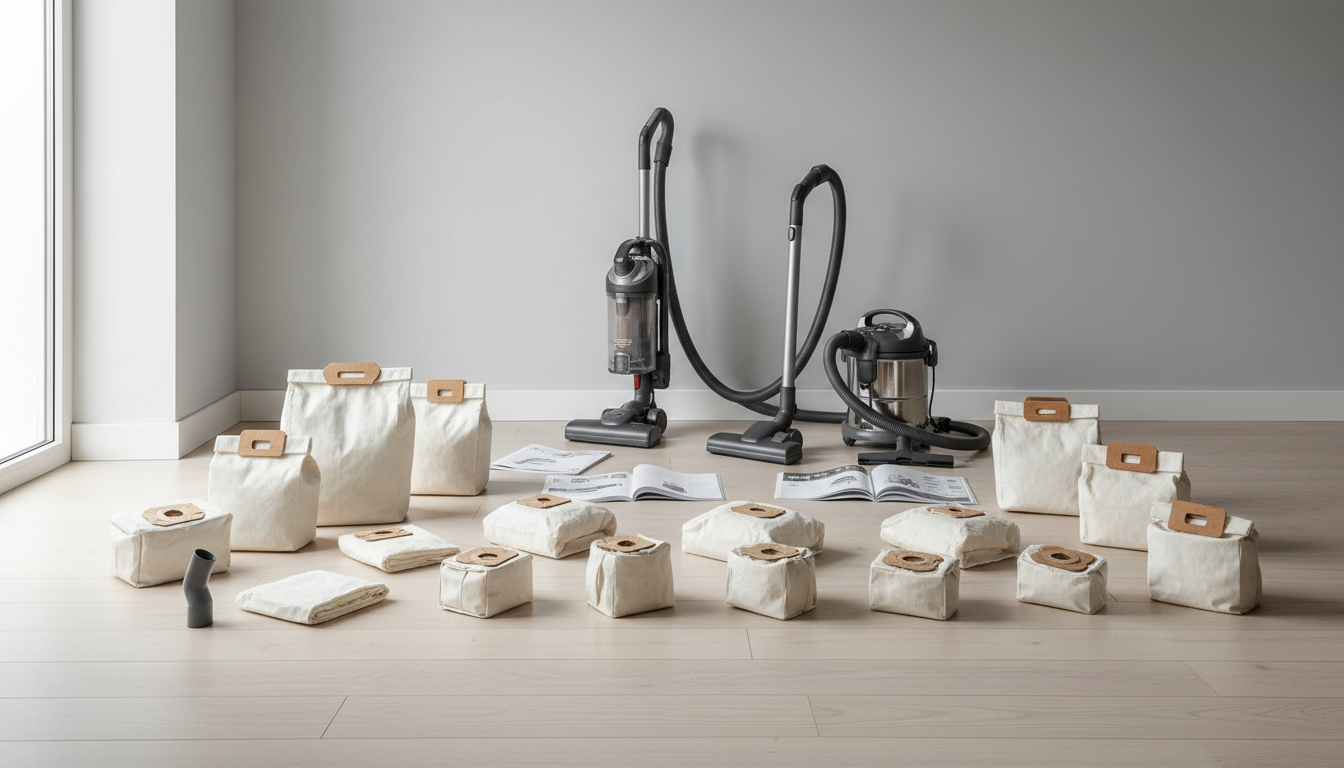
However, navigating the array of Eureka models and their specific bag requirements can be a common challenge. Eureka has produced various vacuum cleaner lines, each often requiring a distinct bag style and filtration type. Identifying the exact bag that matches your specific model is crucial to avoid compatibility errors that compromise your vacuum's effectiveness.
This guide aims to demystify the selection process. By understanding the key factors for compatibility, you can confidently identify and choose the appropriate replacement bags and filters for your Eureka vacuum, ensuring it continues to operate at its peak.
Understanding Eureka Vacuum Bag Types and Materials
Selecting the correct replacement bags for your Eureka vacuum cleaner is crucial for maintaining its cleaning performance and indoor air quality. The market offers various "vacuum cleaner bags for Eureka" models, each with distinct characteristics regarding material, filtration capabilities, and origin. Understanding these differences helps in making an informed choice.
Material and Filtration Variations
Eureka vacuum bags primarily fall into two categories based on their construction and filtration properties:
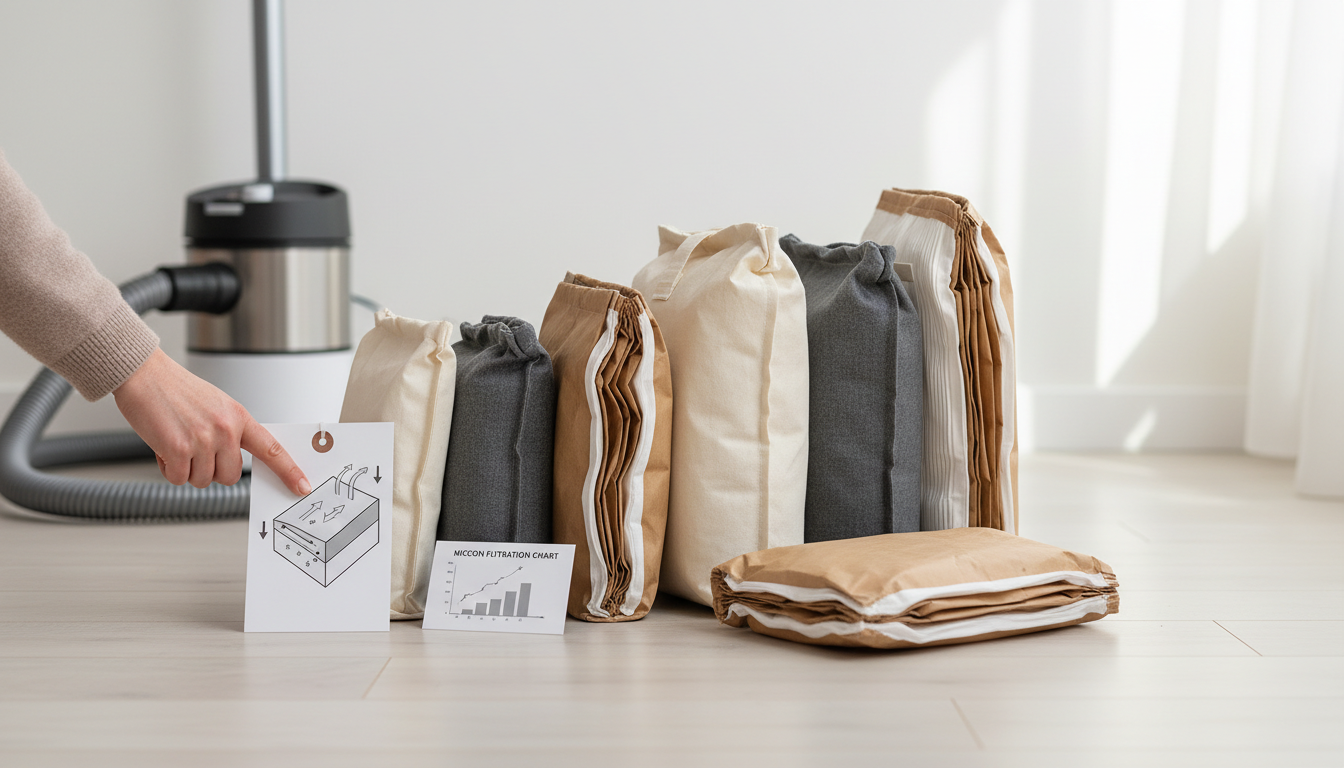
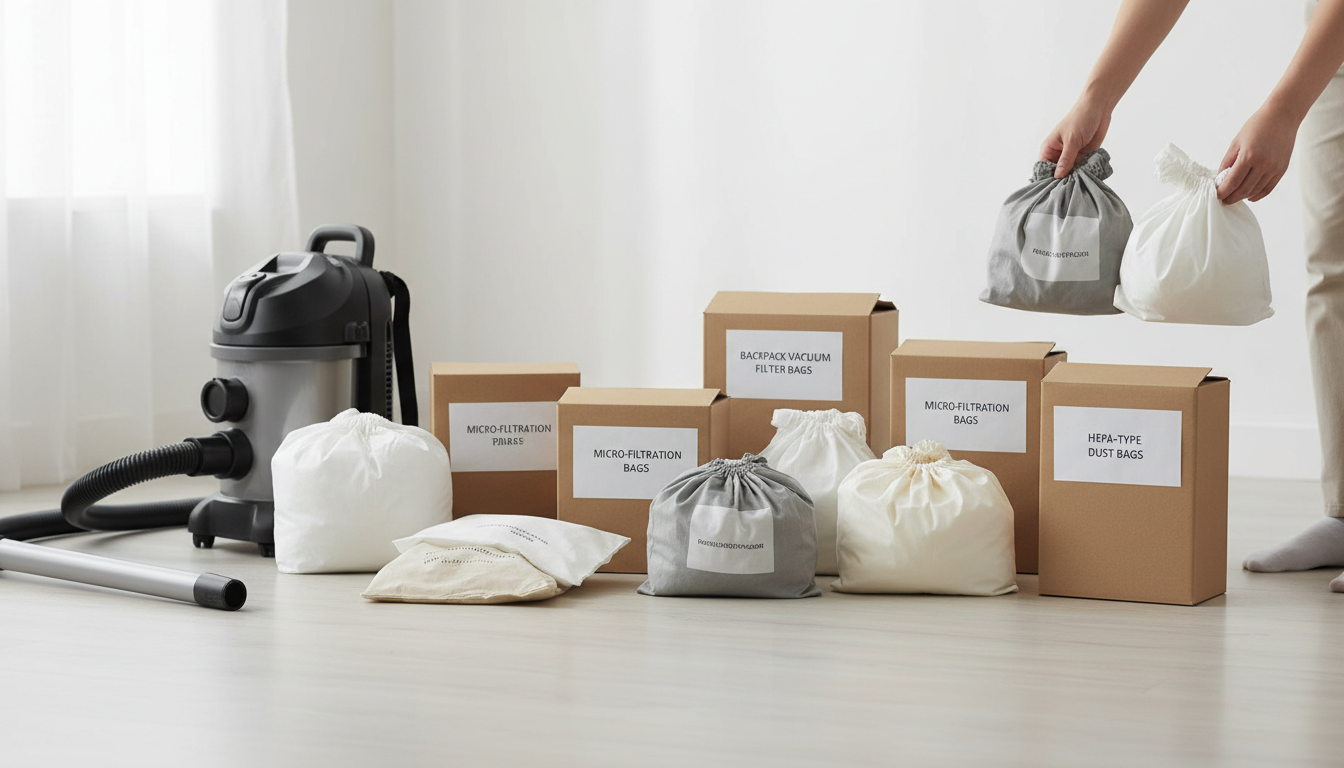
- Standard Paper Bags: These are typically single-layer bags designed for basic dust and debris collection. They are generally more economical and are effective for everyday cleaning tasks where advanced air filtration is not the primary concern. Their material allows for adequate airflow while containing collected dirt.
- Multi-layer Synthetic Bags: Constructed from multiple layers of synthetic fibers, these bags offer enhanced durability and filtration compared to standard paper options. The layered design provides greater resistance to tearing, especially when picking up sharp objects, and can capture finer dust particles more effectively. This often translates to better air quality.
- HEPA Filtration Bags: A specialized type of multi-layer synthetic bag, HEPA (High-Efficiency Particulate Air) filtration bags are engineered to trap a significant percentage of microscopic particles, often down to 0.3 microns. These include common allergens like pollen, pet dander, dust mites, and mold spores. For households with allergy sufferers or those prioritizing superior indoor air quality, HEPA bags offer a notable benefit by preventing these fine particles from recirculating into the air.
Genuine (OEM) vs. Generic Bags
When searching for replacement bags, you'll encounter both genuine Eureka (Original Equipment Manufacturer, or OEM) bags and various generic or aftermarket alternatives. Each option presents a different set of trade-offs:
- Genuine Eureka Bags: These bags are manufactured by or for Eureka, specifically designed to fit particular vacuum models.
- Fit and Seal: OEM bags are engineered for a precise fit, ensuring an optimal seal within the vacuum's bag chamber. This prevents dust leakage and maintains consistent suction power.
- Performance: They are designed to meet the vacuum's original specifications for airflow and filtration, contributing to the appliance's intended performance and longevity.
- Cost: Generally, genuine bags are priced higher than generic alternatives.
- Generic Bags: These are produced by third-party manufacturers and are marketed as compatible with Eureka vacuum models.
- Cost: The primary advantage of generic bags is often their lower price point, offering a more budget-friendly option.
- Fit and Performance Variability: While some generic bags offer a comparable fit and filtration, others may have slight dimensional differences or use less robust materials. A poor fit can lead to air leaks, reducing suction efficiency, allowing dust to escape into the vacuum motor compartment (potentially causing damage), or diminishing overall air filtration.
- Risk: Using ill-fitting generic bags can compromise the vacuum's performance, potentially shorten its lifespan, and reduce the effectiveness of its filtration system.
Identifying Your Eureka Model and Compatible Bag Style
Selecting the correct replacement bags and filters for your Eureka vacuum cleaner is fundamental to maintaining its performance and ensuring efficient cleaning. An incompatible bag can lead to reduced suction, improper filtration, and even damage to your vacuum. The first step in this process is accurately identifying your specific Eureka model number.
Your vacuum's model number is typically located on a sticker or engraved plate on the appliance itself. For upright Eureka vacuums, check the back, side, or bottom of the main unit. Canister models often have the information on the underside, the back, or sometimes beneath the lid of the dust compartment. For stick vacuums, look along the main body or handle. This number is your key to unlocking compatibility information.
Once you have your model number, you can cross-reference it with Eureka's "Style Bag" system. Many Eureka vacuum bags are categorized by a specific style letter or code (e.g., Style MM, Style F&G, Style C). These style identifiers correspond to a range of vacuum models, simplifying the selection process. Online compatibility charts, often provided by manufacturers or retailers, list specific Eureka model numbers alongside their compatible bag styles.
For instance, popular Eureka series often have distinct bag styles. Many models within the Mighty Mite and The Boss canister vacuum lines typically utilize "Style MM" bags. Other series, such as the Eureka 4100, 4300-4600, and 5180 models, commonly require "Style AA" bags, while the 3000 and 3100 series might use "Style C" bags. Consulting these charts with your vacuum's model number ensures you match the correct bag style, preventing fit issues and maintaining your vacuum's intended functionality.
Navigating Eureka Bag Compatibility: A Model-Specific Overview
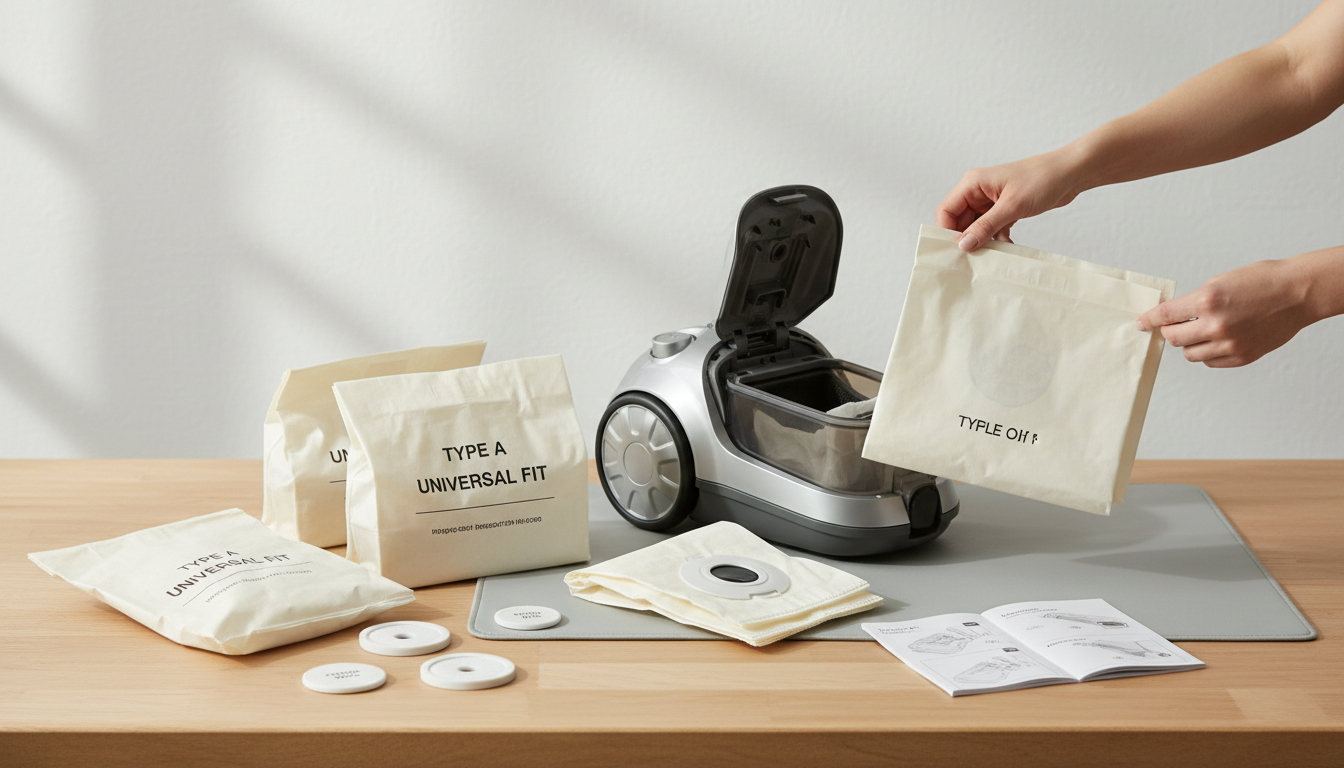
Eureka vacuum cleaners are designed to operate with specific bag styles, a critical detail often overlooked that directly impacts performance and longevity. Unlike a universal fit, each Eureka bag style is engineered to integrate precisely with particular vacuum models, ensuring proper airflow, filtration, and dust containment. Understanding these distinctions is key to maintaining your vacuum's efficiency.
Eureka employs a system of alphanumeric style codes for its bags, such as 'AA', 'F&G', or 'MM'. These codes are not arbitrary; they denote unique bag dimensions, collar designs, and filtration levels tailored to the internal mechanics of specific vacuum series. For instance:
- Eureka Style AA Bags: These bags are commonly associated with various upright models, including those in the 4100, S4170, 4300-4600, and 5180 series. Their design ensures a secure fit within the dust compartment of these specific upright vacuums.
- Eureka Style F&G Bags: This style typically serves a different range of Eureka uprights, often found in models requiring a specific bag collar and capacity for optimal function.
- Eureka Style MM Bags: The 'MM' designation frequently refers to bags for Eureka's Mighty Mite canister vacuum cleaners. Models like the 3670A, 3670G, and other 3600-series Mighty Mites are designed to use this particular bag style, which features a compact size and specific inlet for canister operation.
The necessity of exact matching cannot be overstated. An incorrectly sized or styled bag may not seal properly, leading to dust leakage, reduced suction power, and potential damage to the motor from fine particulate matter. To prevent these issues, always check the exact part number or style code. This information is typically printed on the existing bag, found in your vacuum's user manual, or located on a label on the vacuum cleaner itself. For comprehensive cross-referencing, many online retailers and manufacturers provide a "Eureka Bag Chart," which serves as a detailed guide to match specific vacuum models with their corresponding bag styles. Consulting such a chart helps confirm compatibility before purchase, safeguarding your vacuum's performance.
Beyond Bags: The Importance of Eureka Vacuum Filters
While vacuum bags are essential for containing collected debris, filters play an equally critical role in maintaining your Eureka vacuum's performance and ensuring clean exhaust air. These components work in tandem to trap microscopic particles that bags might miss, protecting the motor and improving indoor air quality.
Eureka vacuums often incorporate several types of filters, each designed for a specific function:
- Pre-Motor Filters: Positioned before the vacuum's motor, these filters capture larger dust and debris particles, preventing them from entering and potentially damaging the motor. They are crucial for the longevity of the appliance.
- Post-Motor Filters: Located after the motor, these filters trap fine dust and allergens before the air is expelled back into your living space. This is particularly important for preventing the recirculation of pollutants.
- HEPA Filters: High-Efficiency Particulate Air (HEPA) filters are a type of post-motor filter designed to capture 99.97% of airborne particles 0.3 microns or larger, including pollen, pet dander, dust mites, and mold spores. They are highly beneficial for households with allergy sufferers or pets.
The effectiveness of your Eureka vacuum in picking up dirt and maintaining healthy indoor air quality relies heavily on the condition of its filters. Clogged filters can restrict airflow, leading to reduced suction power, increased motor strain, and diminished air purification.
To ensure optimal performance, regularly inspect your Eureka vacuum cleaner filters. Replacement frequency varies based on usage, household environment, and filter type. General guidelines suggest:
- Washable Filters: Clean these according to your vacuum's manual, typically every 1-3 months, and replace them if they show signs of wear or damage.
- Non-Washable Filters: Replace these filters every 6-12 months, or more frequently with heavy use or if you notice a decrease in suction or an unusual odor.
It's important to note that specific Eureka models, such as the 4236AZ Comfort Clean Upright, and bagless models like the 3270 and 4230, rely heavily on their filter systems. These models often require particular filter sets designed for their unique airflow and filtration needs, highlighting the importance of checking your vacuum's manual for the correct replacement filter type.
Key Considerations for Purchasing Eureka Vacuum Bags and Filters
Ensuring your Eureka vacuum cleaner performs effectively and lasts for years depends significantly on selecting the correct replacement bags and filters. Making an informed choice involves more than just picking up any bag; it requires understanding specific compatibility, performance needs, and potential pitfalls.
-
Verify Your Eureka Model Number Precisely: This is the most crucial step in preventing compatibility issues. Eureka has manufactured a wide range of vacuum models, each often designed for a specific bag style (e.g., Style F&G, Style N, Style MM). An incorrect bag, even if it appears to fit loosely, may not seal properly within the vacuum's bag compartment. This "fit limit" can lead to dust escaping back into your home's air or, more critically, bypassing the filtration system and entering the vacuum's motor, potentially causing damage. Always locate your vacuum's exact model number, typically found on a rating label on the back or bottom of the unit, before purchasing.
-
Assess Filtration Needs and Bag Capacity:
- Filtration Level: Consider your household's environment. Standard paper bags are effective for general dirt and debris. However, if you or family members experience allergies or asthma, opting for multi-layer synthetic bags with HEPA-style filtration can significantly improve indoor air quality by capturing finer particles like pollen and pet dander. The "trade-off" for enhanced filtration might be a slightly higher cost per bag and potentially a minor reduction in airflow compared to basic paper options.
- Capacity: Bag capacity varies by specific Eureka model and bag style. Larger capacity bags mean less frequent changes, which can be convenient for bigger homes or those with pets. However, it's vital to remember that an overfilled bag, regardless of its initial capacity, becomes a "failure point" that severely restricts airflow and diminishes cleaning power.
-
Weigh Original Equipment Manufacturer (OEM) vs. Generic Options:
- OEM Bags and Filters: These are produced by or for Eureka and are designed to meet the exact specifications of your vacuum model. They typically guarantee a precise fit, optimal filtration performance as advertised, and can help maintain your vacuum's warranty. The primary "trade-off" is often a higher purchase price compared to generic alternatives.
- Generic/Aftermarket Bags and Filters: These are manufactured by third parties and marketed as compatible replacements. While they offer a more budget-friendly option, quality can vary. Potential "failure points" include inconsistent fit (leading to dust leakage), lower filtration efficiency than claimed, and less durable materials that could tear during use. Using non-OEM parts might also, in some cases, affect your vacuum's warranty if damage is directly attributed to their use.
-
Adhere to Recommended Replacement Schedules:
- Bags: For optimal performance and to maintain hygienic cleaning, Eureka vacuum bags should generally be replaced every 1 to 2 months, or sooner if the bag is approximately two-thirds full. Waiting until a bag is completely full can drastically reduce suction power, put undue strain on the motor, and diminish cleaning effectiveness.
- Filters: Just like bags, filters are crucial. While some Eureka filters are washable, others are disposable. Always consult your vacuum's user manual for specific filter replacement guidelines. Disposable filters typically require replacement every 3-6 months, or more frequently with heavy use or pet hair, to prevent air restriction and maintain motor health.
-
Understand the Risks of Incorrect or Overfilled Bags: Using an incompatible bag or allowing a bag to become excessively full can lead to several performance and durability issues. These "failure points" include:
- Reduced Suction: A full or poorly fitting bag restricts airflow, causing a noticeable drop in your vacuum's cleaning power.
- Dust Leakage: An improper seal allows dust and allergens to escape the bag compartment, re-entering your home's air and potentially contaminating the vacuum's internal components.
- Clogging: Severely restricted airflow from an overstuffed bag can lead to clogs in the vacuum hose or internal pathways.
- Motor Strain and Damage: When airflow is impeded, the vacuum's motor must work harder, leading to increased heat generation. This can shorten the motor's lifespan, potentially resulting in costly repairs or complete vacuum failure.
Common Questions About Eureka Vacuum Bags and Filters
Understanding the nuances of Eureka vacuum bags and filters can help maintain your cleaner's efficiency and prolong its lifespan. Here are answers to frequently asked questions that address common concerns for Eureka vacuum owners.
How often should I change my Eureka vacuum bag?
The frequency for changing your Eureka vacuum bag largely depends on usage, the type of debris collected, and the size of your home. As a general guideline, it is often recommended to replace your Eureka vacuum bag every one to two months for optimal performance. However, if you vacuum frequently, have pets, or deal with significant dust and dirt, you may need to change it more often. Conversely, lighter use might allow for slightly longer intervals.
How do I know when my Eureka bag is full?
Several indicators can signal that your Eureka vacuum bag is full and requires replacement. The most common sign is a noticeable decrease in suction power, even when the vacuum is otherwise functioning correctly. Many Eureka models also feature a "bag full" indicator light or gauge that illuminates when the bag has reached its capacity. Additionally, visually inspecting the bag through any transparent panels or by opening the bag compartment can confirm if it's visibly expanded and packed with debris.
Can I wash and reuse Eureka vacuum bags?
No, Eureka vacuum bags are generally designed for single use and are not intended to be washed and reused. Attempting to wash a disposable vacuum bag can compromise its filtration capabilities, weaken the material, and potentially lead to tears or bursting during operation. The fine dust particles trapped within the bag are also difficult to thoroughly remove through washing, which can reintroduce allergens into your home. While some vacuum filters are washable and reusable, this typically does not apply to the bags themselves.
What are the signs that my Eureka vacuum filter needs replacing?
Beyond the bag, your Eureka vacuum's filters play a critical role in air purification and motor protection. Signs that a filter needs replacing include a persistent decrease in suction power, even after changing the bag. You might also notice unusual odors emanating from the vacuum's exhaust, indicating that the filter is no longer effectively trapping particles. Visible discoloration, clogging, or tears on the filter material are clear indications that it's time for a replacement. Regularly inspecting your filters, as recommended in your vacuum's manual, can help prevent these issues.
Where can I buy reliable replacement 'bags for eureka vacuum cleaner'?
Reliable replacement bags and filters for your Eureka vacuum cleaner can be purchased from various sources. These include reputable online retailers specializing in vacuum parts, dedicated vacuum cleaner stores, and authorized Eureka dealers. When purchasing, always verify the specific model number of your Eureka vacuum and the corresponding bag or filter style to ensure compatibility. Both genuine Eureka brand replacements and compatible aftermarket options are typically available, offering choices based on preference and budget.
Ensuring Peak Performance for Your Eureka Vacuum
Maintaining your Eureka vacuum cleaner's effectiveness hinges significantly on the precise compatibility of its bags and filters. The detailed guidance provided throughout this article aims to simplify the often-complex task of identifying the correct replacements for your specific Eureka model. Understanding these compatibility requirements is not merely about finding a bag that fits; it's about safeguarding your vacuum's operational integrity.
Regular replacement of both bags and filters is a critical step in preserving your vacuum's efficiency and extending its lifespan. Using the correct, fresh bags ensures consistent suction power, preventing clogs and undue strain on the motor. Similarly, properly functioning filters are essential for trapping fine dust and allergens, thereby maintaining optimal indoor air quality. Depending on usage, replacing bags every 1-2 months can help sustain peak performance.
By applying the insights from this guide, you are empowered to confidently identify and select the appropriate "bags for eureka vacuum cleaner" and corresponding filters. This informed approach minimizes the risk of compatibility errors, ensuring your Eureka continues to deliver reliable cleaning results and maintains its longevity for years to come.
More in Vacuum Cleaner Bags
View All