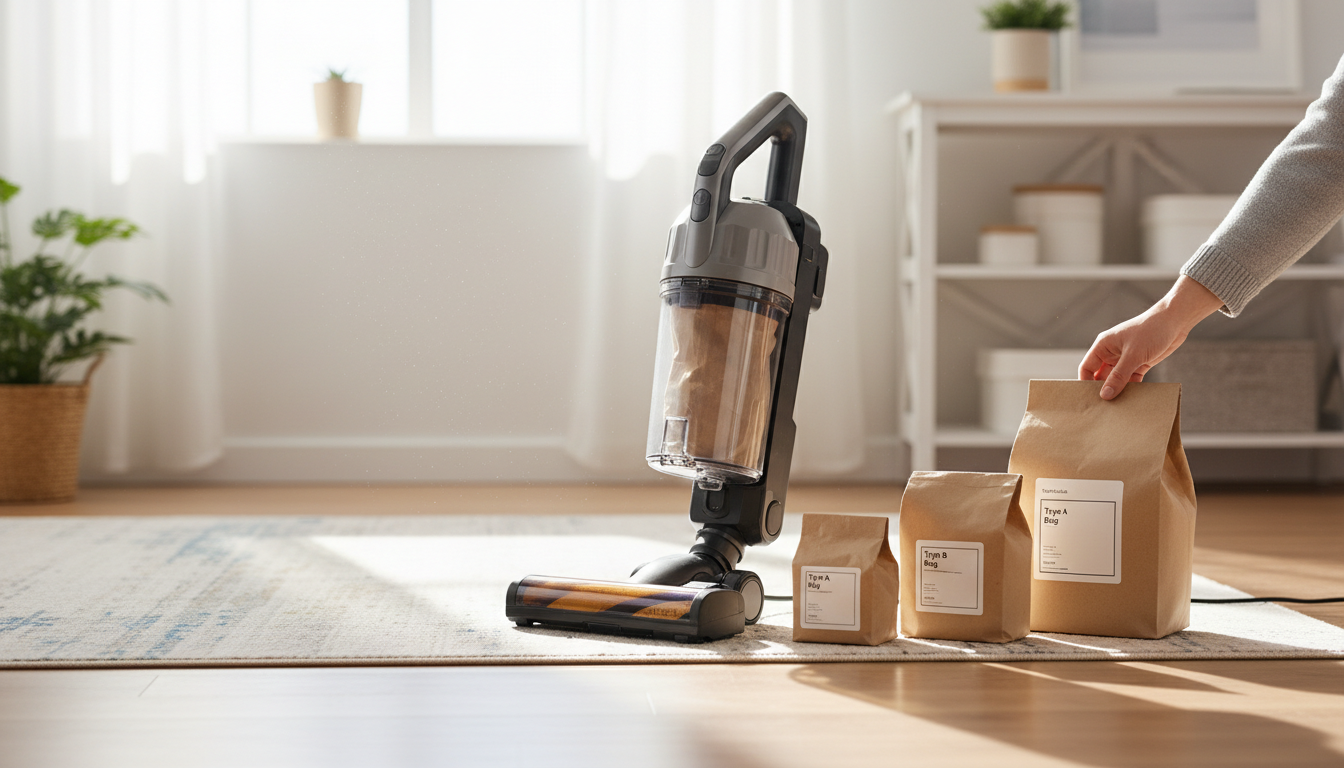
The Ultimate Guide to Vacuum Cleaner Replacement Bags: What to Know Before You Buy
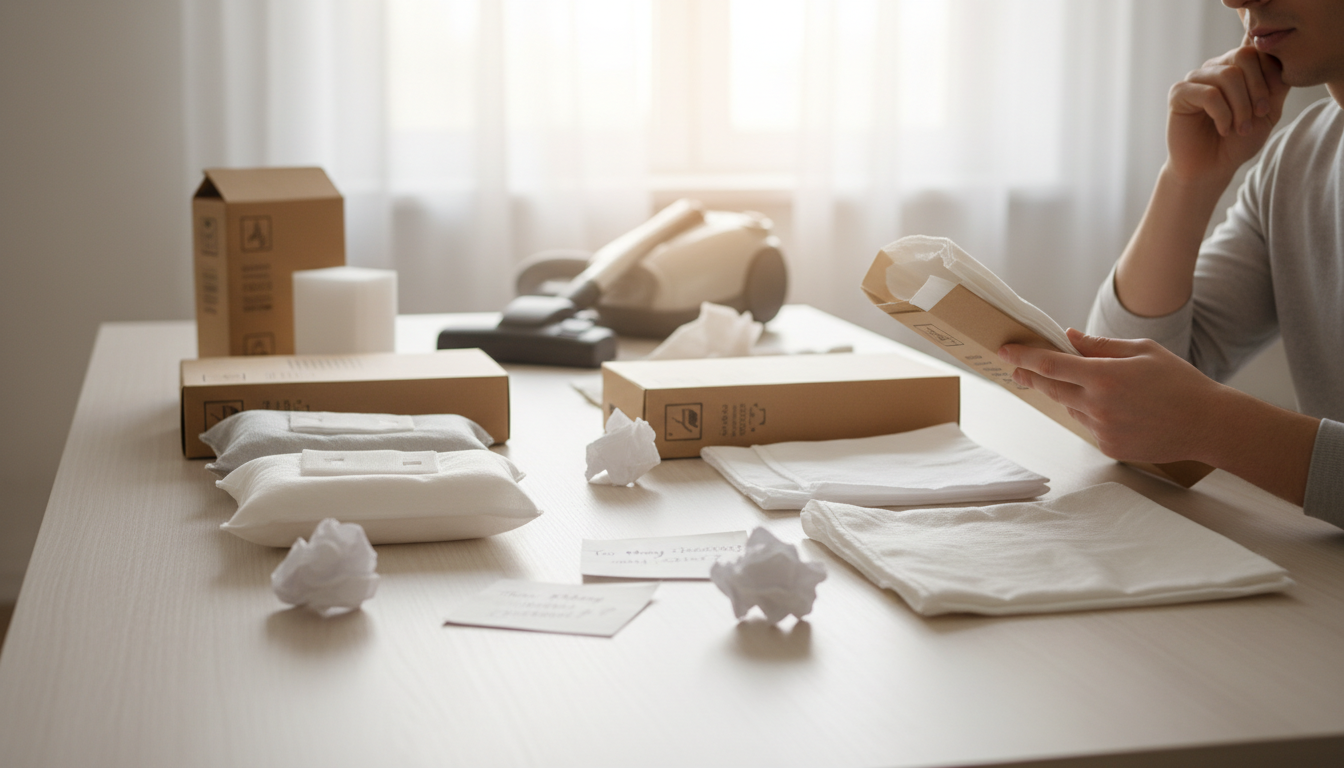
Introduction: Your Essential Guide to Vacuum Cleaner Replacement Bags
While often viewed as a simple consumable, the replacement bag is a critical component of any bagged vacuum cleaner. Far from being just a receptacle for dirt, the right bag directly influences your vacuum's suction power, filtration efficiency, and overall performance. An ill-fitting or low-quality bag can lead to diminished cleaning results, poor indoor air quality, and even potential damage to your appliance.
The importance of selecting the correct replacement bag is frequently underestimated. It acts as a primary filter, trapping dust, allergens, and debris, and preventing them from recirculating into your home's air. Choosing wisely is key to:
- Maintaining optimal suction: Ensuring consistent airflow for effective cleaning.
- Improving indoor air quality: Preventing microscopic particles from escaping.
- Extending vacuum longevity: Reducing strain on the motor and internal components.
This comprehensive guide is designed to empower you with the necessary criteria and practical advice to confidently select the most effective replacement vacuum cleaner bags for your specific model and cleaning needs. We'll navigate compatibility, performance factors, and potential pitfalls, enabling an informed purchase that supports both a cleaner home and a healthier environment.
Beyond Just Dirt: Why the Right Vacuum Bag Makes All the Difference
A vacuum cleaner bag does more than simply hold collected debris; it is a critical component of the vacuum's filtration system and overall operational efficiency. The material and design of the bag directly influence suction power. As air is drawn through the vacuum, it passes through the bag, which traps dirt and dust while allowing clean air to exit. A correctly fitted, high-quality bag ensures optimal airflow, which is essential for maintaining consistent suction and effective cleaning performance.
The right replacement bag significantly impacts indoor air quality. Many bags are designed with multi-layer filtration, and some even meet HEPA standards, capable of capturing microscopic particles such as pollen, pet dander, and dust mite allergens. This advanced filtration prevents these fine contaminants from being recirculated into your home's air, offering a tangible benefit for allergy sufferers and contributing to a healthier living environment.
Conversely, using an incorrect or low-quality bag can compromise your vacuum's effectiveness and your home's air. Poorly fitting bags can create air leaks within the vacuum, allowing dust and allergens to bypass the filtration system and be released back into the room. Bags with insufficient filtration material may also fail to capture fine particles, leading to diminished cleaning results and a noticeable dust residue after vacuuming.
Beyond immediate cleaning performance, selecting the proper bag protects your vacuum cleaner itself. An ill-fitting or overfilled bag restricts airflow, forcing the vacuum motor to work harder to maintain suction. This increased strain can lead to overheating, premature wear, and a shortened lifespan for the appliance. Investing in the correct, high-quality replacement bag helps ensure your vacuum operates efficiently, maintains its suction power, and lasts longer.
Key Factors for Selecting Compatible Vacuum Cleaner Replacement Bags
Selecting the correct replacement bag is fundamental to maintaining your vacuum's performance, protecting its motor, and ensuring effective air filtration. A systematic approach to bag selection can prevent common issues like reduced suction, dust leakage, and premature wear. Consider the following criteria to make an informed choice for your specific vacuum cleaner.
-
Identify Your Vacuum Model Precisely The absolute first step is to locate your vacuum cleaner's brand, model number, and sometimes a series or version number. This information is typically found on a label on the vacuum's body (often on the bottom, back, or under the canister lid), in the owner's manual, or on the original packaging. Even small variations in model numbers can dictate different bag types, making precise identification essential for compatibility.
-
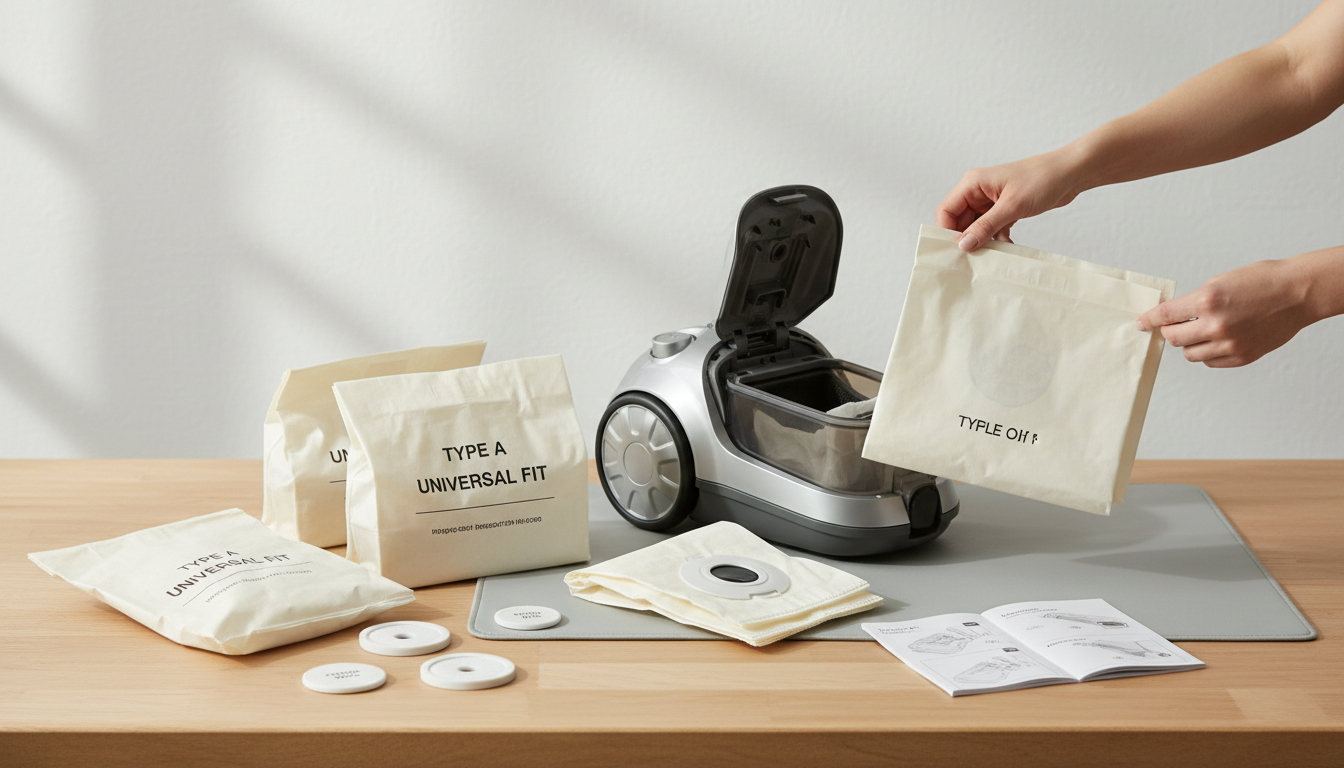
Match Bag Type and Compatibility Codes Vacuum manufacturers use specific codes, often letters (e.g., Type A, Style C, FJM) or numbers, to designate compatible bag types for their various models. Once you have your vacuum's model information, consult your owner's manual or check the existing bag for these codes. Using a bag with the correct code ensures it fits securely into the vacuum's bag housing and seals properly, preventing dust from escaping into the motor or back into your home's air.
-
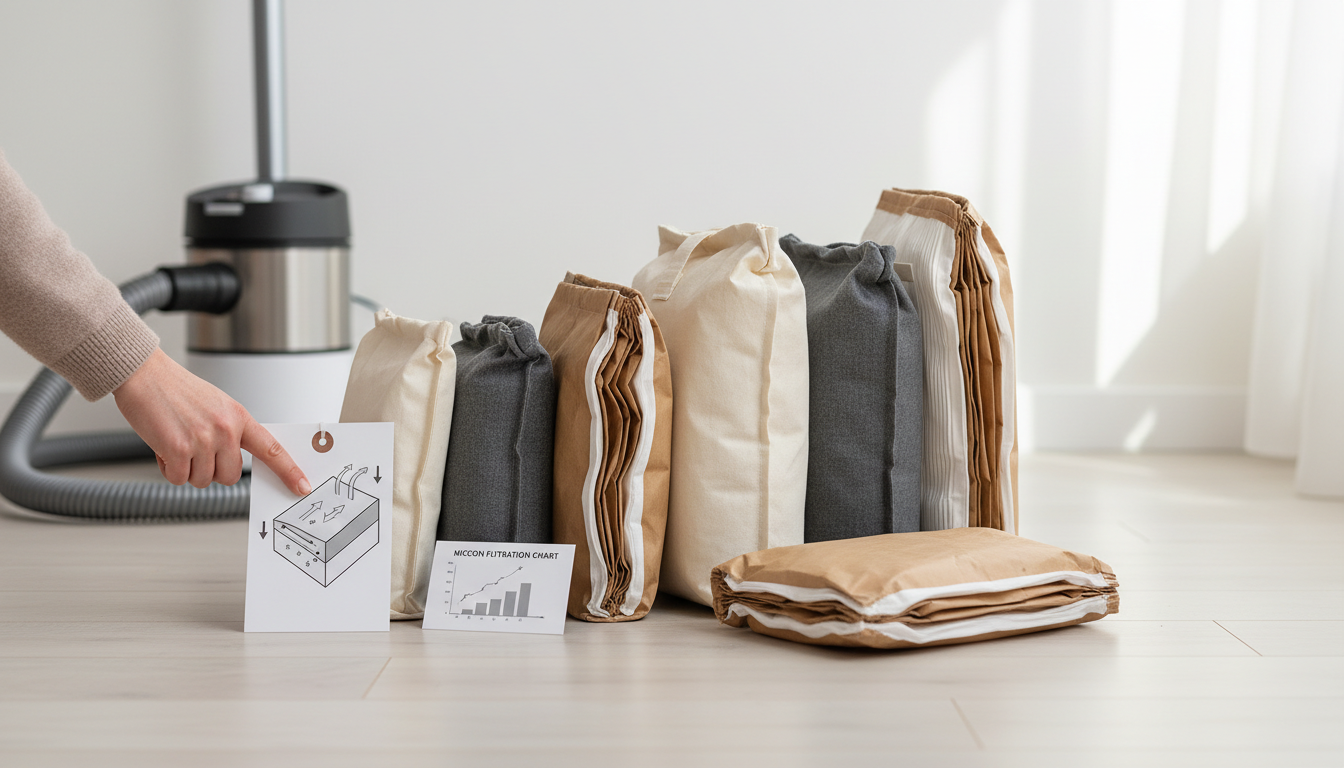
Assess Filtration Standards Replacement bags offer varying levels of filtration, impacting indoor air quality.
- HEPA-rated bags are designed to capture 99.97% of airborne particles as small as 0.3 microns, including allergens like pollen, pet dander, and dust mite debris. These are particularly beneficial for allergy sufferers or homes where air quality is a priority.
- Standard bags effectively collect general household dust and debris but may allow finer particles to pass through. While more affordable, they offer less protection against microscopic allergens. Understand your needs to choose the appropriate filtration level.
-
Evaluate Material Quality and Durability The construction material of a vacuum bag directly influences its ability to contain dust and prevent rips. Look for bags made from robust, multi-layer synthetic materials rather than single-ply paper. Higher quality materials resist tearing, even when encountering sharp debris, and provide a better barrier against fine dust escaping through the bag's pores. A durable bag ensures that collected particles remain contained until disposal, protecting both your vacuum and your indoor air.
-
Consider Capacity and Size Each vacuum cleaner is designed to accommodate a bag of a specific capacity and physical dimensions. Using a bag that is too small will require more frequent changes and can lead to overfilling, which restricts airflow and reduces suction. Conversely, a bag that is too large or incorrectly shaped may not fit properly, leading to poor sealing, dust leakage, or difficulty closing the vacuum's housing. Always match the bag's stated capacity and dimensions to your vacuum's specifications.
-
Weigh OEM vs. Aftermarket Options You generally have two choices for replacement bags:
- Original Equipment Manufacturer (OEM) bags are produced by the vacuum cleaner brand itself. They are designed specifically for your model, guaranteeing a precise fit, optimal performance, and consistent filtration quality. While often more expensive, they typically offer peace of mind regarding compatibility and vacuum longevity.
- Aftermarket bags are produced by third-party manufacturers. These can be a more budget-friendly option, but their quality, fit, and filtration effectiveness can vary widely. While some aftermarket bags perform comparably to OEM, others may have inferior materials, poor sealing, or less effective filtration, potentially leading to reduced suction, dust leakage, or even strain on your vacuum's motor. Carefully review product descriptions and user feedback for aftermarket options.
Avoiding Common Problems with Replacement Vacuum Cleaner Bags
Selecting the wrong replacement vacuum cleaner bag can lead to a cascade of issues, diminishing cleaning effectiveness and potentially shortening your vacuum's lifespan. Understanding these common pitfalls allows for more informed decisions, safeguarding both your cleaning performance and indoor air quality.
One primary concern is poor fit and air leaks. If a replacement bag does not precisely match your vacuum's specifications, it may fail to create a proper seal within the dust chamber. This incorrect sizing allows dust, allergens, and debris to bypass the bag entirely, escaping back into your home's air and coating internal vacuum components. Not only does this compromise indoor air quality, but it also significantly reduces the vacuum's effective suction power, as air is diverted around the bag instead of through it.
Reduced suction power is a frequent complaint stemming from various bag-related issues. Beyond poor fit, low-quality bag materials can impede airflow, making the motor work harder without effectively picking up dirt. Bags with improper design may not align with the vacuum's internal air pathways, creating blockages. Furthermore, overfilling a bag severely restricts airflow, acting as a clogged filter and causing a noticeable drop in suction, even if the bag itself is otherwise suitable.
Unpleasant odors can also arise from replacement bags. Trapped organic debris, pet dander, and other particles within the bag can decompose over time, releasing foul smells. While some higher-quality bags incorporate odor-neutralizing layers, cheaper or less breathable materials can exacerbate the issue by not adequately containing these odors, allowing them to escape and circulate through your vacuum's exhaust.
The risks extend to the vacuum itself, including potential motor strain and damage. When airflow is restricted—whether due to an ill-fitting, overfilled, or poorly designed bag—the vacuum motor must work harder to draw air, leading to overheating and premature wear. Consistent strain can shorten the motor's lifespan and necessitate costly repairs or replacement of the entire unit.
Finally, durability concerns are paramount. Overly cheap or thin replacement bags are prone to tearing, especially when encountering sharp debris or becoming heavily filled. A torn bag immediately releases its contents back into the vacuum and the environment, negating its purpose and potentially causing damage. Such options often provide inadequate filtration, allowing fine particles to pass through the material itself, compromising the air quality benefits of a bagged system. Choosing bags that prioritize material quality and construction helps avoid these critical failures.
When and How to Replace Your Vacuum Cleaner Bag for Peak Performance
Timely replacement of your vacuum cleaner bag is fundamental to maintaining optimal cleaning efficiency and indoor air quality. Delaying this simple task can lead to diminished suction, increased energy consumption, and the recirculation of dust and allergens back into your home. Understanding the indicators for replacement and the correct procedure ensures your vacuum operates as intended.
Recognize these signs that your vacuum bag requires changing:
- Reduced Suction Power: This is often the most noticeable indicator. As a bag fills, airflow becomes restricted, causing a significant drop in your vacuum's ability to pick up debris.
- Visible Fullness Indicator: Many modern vacuums feature a gauge or light that signals when the bag is approaching full capacity.
- Unpleasant Odors: A full bag can harbor bacteria and mold from trapped organic matter, leading to stale or musty smells emitted during operation.
- Visible Debris or Leaks: If you notice dust escaping from the vacuum's exhaust or around the bag compartment, it could indicate an overfilled, damaged, or improperly installed bag.
While usage varies, a general guideline is to replace the bag when it is about two-thirds full, or if you observe any of the signs above. Households with pets, young children, or those performing frequent, heavy-duty cleaning may need to change bags more often.
To safely and effectively replace your vacuum bag:
- Unplug the Vacuum: Always disconnect the power cord from the outlet before opening the vacuum to prevent accidental activation.
- Locate the Bag Compartment: This is typically found on the front, side, or top of upright vacuums, or within the main body of canister models.
- Open and Remove the Old Bag: Carefully open the compartment door or latch. Most bags feature a collar or seal that slides off a port; some may have a self-sealing tab to contain dust upon removal. Dispose of the full bag responsibly.
- Install the New Bag: Align the new bag's collar with the vacuum's bag port, ensuring it slides fully and securely into place. Check that the bag is unfolded inside the compartment without obstructing the door.
- Close the Compartment: Securely close the bag compartment door or latch until it clicks into place.
Replacing your vacuum bag promptly offers several benefits: it restores full suction power for effective cleaning, maintains the vacuum's filtration integrity to improve indoor air quality, and reduces strain on the motor, contributing to the longevity of your appliance.
Making Your Purchase Decision: A Quick Recap for Buying Replacement Bags
Selecting the right replacement vacuum cleaner bags transforms a routine purchase into an investment in your home's cleanliness and air quality. As you finalize your choice, remember that an informed decision hinges on a few critical considerations. Prioritizing these factors ensures your vacuum operates at its best and continues to deliver effective results.
To confidently choose your next set of replacement bags:
- Verify Compatibility First: This is the non-negotiable step. Always confirm the specific model number of your vacuum cleaner and consult the manufacturer's recommendations or your vacuum's manual. An ill-fitting bag can compromise suction, allow debris to escape, and potentially damage your appliance.
- Balance Filtration, Material, and Value: Consider your household's needs. If allergies or pet dander are concerns, prioritize multi-layer or HEPA-rated bags for superior air purification. Evaluate the bag material for durability to prevent rips and tears that can release trapped particles. While cost is a factor, weigh the initial price against the long-term benefits of improved performance and reduced motor strain.
- Double-Check Requirements: Before adding to your cart, take a moment to cross-reference the bag's specifications with your vacuum's design. This includes not just the model number, but also any specific bag types (e.g., Type A, Type C) that ensure a proper seal and optimal airflow.
- Recognize Long-Term Benefits: Investing in high-quality, compatible replacement bags extends beyond immediate cleaning power. It contributes to maintaining consistent suction, prolonging your vacuum's lifespan by reducing strain on its motor, and significantly improving indoor air quality by trapping microscopic allergens and dust. This mindful selection supports both a cleaner home environment and the longevity of your cleaning appliance.
Frequently Asked Questions About Vacuum Cleaner Replacement Bags
Selecting the right replacement bag can seem straightforward, but many common questions arise that impact compatibility, performance, and indoor air quality. Understanding these nuances helps ensure your vacuum operates effectively.
-
Can I use any vacuum bag in my cleaner? No, compatibility is crucial. Vacuum cleaner bags are specifically designed to fit particular makes and models. Using a bag not intended for your vacuum can result in a poor seal, leading to air leaks that allow dust and allergens to escape back into your home. An ill-fitting bag can also reduce suction power and potentially strain your vacuum's motor, leading to inefficient cleaning and premature wear. Always verify the specific bag type or model number required by your vacuum cleaner before purchasing replacements.
-
What is a HEPA vacuum bag and why is it important? HEPA stands for High-Efficiency Particulate Air. A HEPA vacuum bag is constructed from advanced filtration materials designed to capture a high percentage of microscopic particles, typically 99.97% of airborne particles as small as 0.3 microns. This is particularly important for improving indoor air quality, as these bags effectively trap common allergens such as pollen, pet dander, dust mite debris, and mold spores, preventing them from being recirculated into your living space. For individuals with allergies or asthma, HEPA filtration can significantly contribute to a healthier home environment.
-
How often should I change my vacuum bag? It is generally recommended to change your vacuum bag when it is approximately two-thirds to three-quarters full, or when you notice a decrease in suction power. Waiting until the bag is completely full can severely restrict airflow, forcing the motor to work harder and reducing cleaning efficiency. Factors such as the presence of pets, frequency of vacuuming, and the amount of dirt collected can influence how often a bag needs to be replaced. Regularly checking the bag's fullness is a good practice.
-
Are aftermarket replacement bags as good as OEM bags? The quality of aftermarket replacement bags can vary significantly. While some reputable aftermarket brands produce bags that offer comparable fit, filtration, and durability to Original Equipment Manufacturer (OEM) bags, others may be made with inferior materials or have less precise construction. Low-quality aftermarket bags can lead to issues such as poor seals, reduced filtration efficiency, air leaks, and even damage to your vacuum's internal components due to dust ingress. When considering aftermarket options, prioritize brands known for their quality and ensure they explicitly state compatibility with your vacuum model and meet relevant filtration standards.
-
What happens if I don't change my vacuum bag regularly? Neglecting to change your vacuum bag regularly can lead to several detrimental outcomes:
- Reduced Suction Power: An overfilled bag restricts airflow, causing a noticeable drop in your vacuum's ability to pick up dirt and debris.
- Motor Strain and Overheating: The vacuum's motor must work harder to compensate for the restricted airflow, which can lead to overheating and shorten the motor's lifespan.
- Poor Indoor Air Quality: A clogged bag can become less effective at trapping fine particles, allowing dust, allergens, and other contaminants to escape back into the air.
- Unpleasant Odors: Trapped dirt, pet hair, and other organic matter can develop foul odors over time, especially if moisture is present, which can then be dispersed throughout your home.
- Risk of Bag Rupture: An excessively full bag is more prone to tearing or bursting, potentially releasing all collected debris back into the vacuum or onto your floor.
Conclusion: Empowering Your Vacuum's Cleaning Power with the Right Bags
Ultimately, the choice of replacement vacuum cleaner bags extends beyond simple containment; it is a fundamental factor influencing your vacuum's operational efficiency, sustained suction power, and, critically, the purity of your indoor air. An informed selection directly contributes to a more effective cleaning routine and a healthier living environment.
Equipped with a clear understanding of compatibility requirements, the nuances of filtration, and potential pitfalls, you are now well-prepared to navigate the array of options with confidence. This knowledge empowers you to move past generic choices and select bags that genuinely support your vacuum's design and your cleaning goals.
Prioritize verifying the exact fit for your specific vacuum model and opting for quality materials with appropriate filtration levels. This strategic approach ensures optimal suction, minimizes the recirculation of dust and allergens, and contributes to the longevity of your appliance. Making a deliberate choice for your replacement bags transforms a routine purchase into a proactive step towards a cleaner, healthier home.

More in Vacuum Cleaner Bags
View All