Choosing the Right Backpack Vacuum Cleaner Bags: A Comprehensive Buyer's Guide
The Unsung Hero: Why Your Backpack Vacuum Bags Deserve Attention
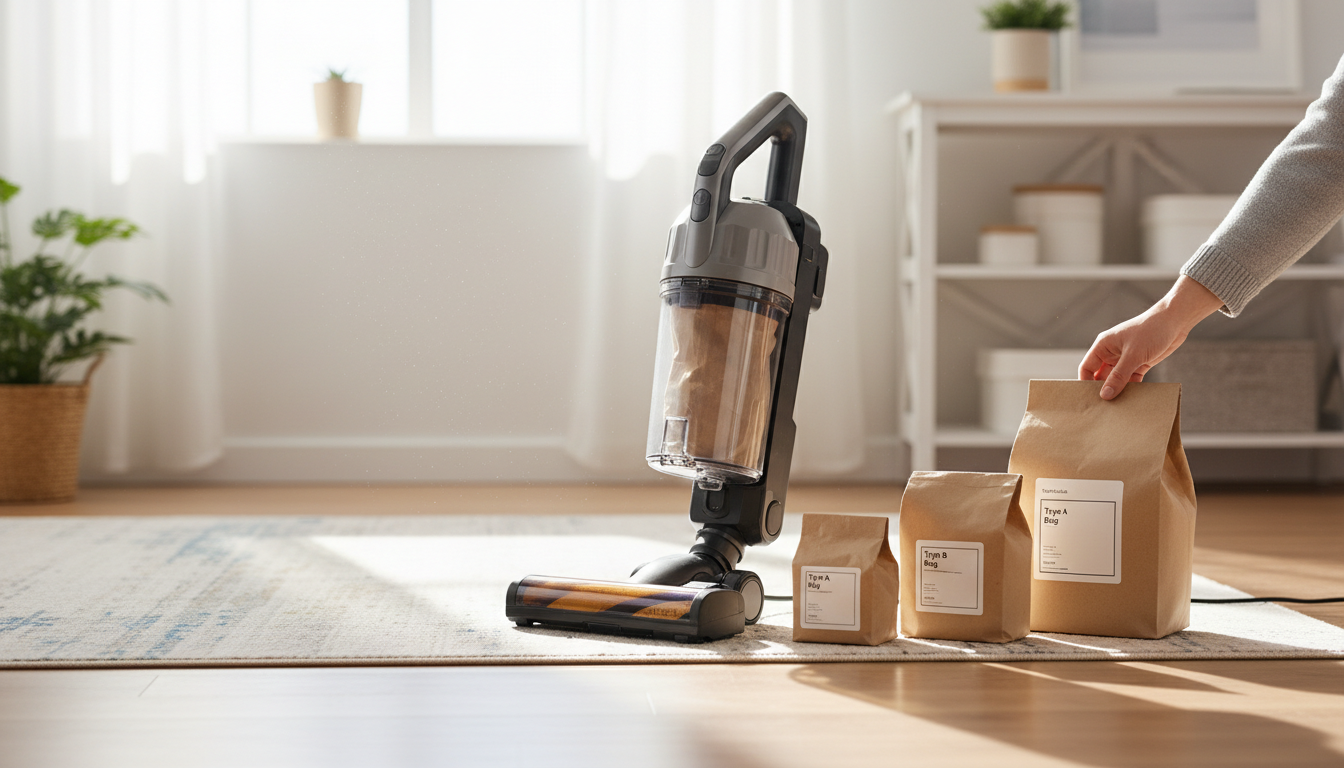
While often perceived as simple receptacles for debris, the bag within a backpack vacuum cleaner is a critical component influencing its overall performance, air quality, and user experience. Far from a mere accessory, the right bag directly impacts the vacuum's filtration efficiency, suction power, and the hygienic containment of collected materials. For both commercial operators and residential users, overlooking the specific requirements of these bags can lead to diminished cleaning results and potential health concerns.
A properly functioning bag is essential for effective filtration, preventing dust and allergens from recirculating into the air. This is particularly vital in commercial settings where air quality impacts employees and customers, and in homes for allergy sufferers. Furthermore, the bag's material and design maintain consistent suction, allowing the vacuum to pick up dirt and debris efficiently. An ill-fitting or overfilled bag can restrict airflow, causing the motor to work harder and reducing cleaning effectiveness. From a hygiene standpoint, a well-sealed bag ensures collected contaminants remain contained until disposal, protecting the user and the environment from exposure to dust, mold spores, and other particulates.
This guide aims to demystify the selection process for backpack vacuum cleaner bags. By understanding the criteria, trade-offs, and fit considerations, you can confidently choose replacement bags that optimize your vacuum's performance, extend its lifespan, and contribute to a cleaner, healthier space, whether in a demanding commercial environment or a residential setting.
Beyond Simple Storage: The Core Functions of Backpack Vacuum Bags
Backpack vacuum cleaner bags serve a far more critical role than merely holding collected debris. They are integral components of the vacuum's overall performance, directly influencing air quality, operational efficiency, and the longevity of the machine itself. Understanding these core functions helps users make informed choices that prevent common issues and optimize cleaning outcomes.
-
Integrated Filtration System The bag acts as the primary filter layer in a backpack vacuum. Its material and design are engineered to capture particulate matter, preventing it from recirculating into the air. Many bags offer multi-stage filtration capabilities, with some even providing HEPA-level efficiency to trap microscopic particles, allergens, and pet dander. This is particularly vital in commercial settings or for residential users with allergy sensitivities, as it directly impacts indoor air quality.
-
Efficient Dust and Allergen Containment Beyond simply filtering, the bag's construction ensures that once dust, dirt, and allergens are captured, they remain contained. A well-designed bag seals effectively within the vacuum chamber and, crucially, during removal and disposal. This containment minimizes exposure to airborne irritants, offering a cleaner, healthier environment for both the operator and occupants, a key benefit for backpack vacuums often used in occupied spaces.
-
Maintaining Optimal Airflow for Consistent Suction The integrity of the bag directly affects the vacuum's airflow pathway. A bag designed for the specific vacuum model allows air to pass through efficiently while trapping debris. This unimpeded airflow is essential for maintaining consistent suction power throughout the cleaning process. Conversely, an ill-fitting, low-quality, or overfilled bag can restrict airflow, leading to a noticeable drop in suction, increased motor strain, and reduced cleaning effectiveness.
-
Protecting the Vacuum Motor from Fine Particles The bag serves as a crucial barrier, shielding the vacuum's motor from abrasive fine dust and debris. Without an effective bag, microscopic particles can bypass secondary filters and enter the motor housing, causing wear, overheating, and potential premature failure. Selecting bags that provide robust filtration and a secure fit is therefore a preventative measure that contributes significantly to the vacuum cleaner's operational lifespan.
Key Considerations for Selecting the Right Backpack Vacuum Bags
Choosing the appropriate replacement bags for a backpack vacuum cleaner is fundamental to maintaining its performance, protecting indoor air quality, and ensuring user comfort. The decision extends beyond just finding a bag that physically fits; it involves evaluating several technical and practical factors that directly impact cleaning efficiency and operational longevity.
-
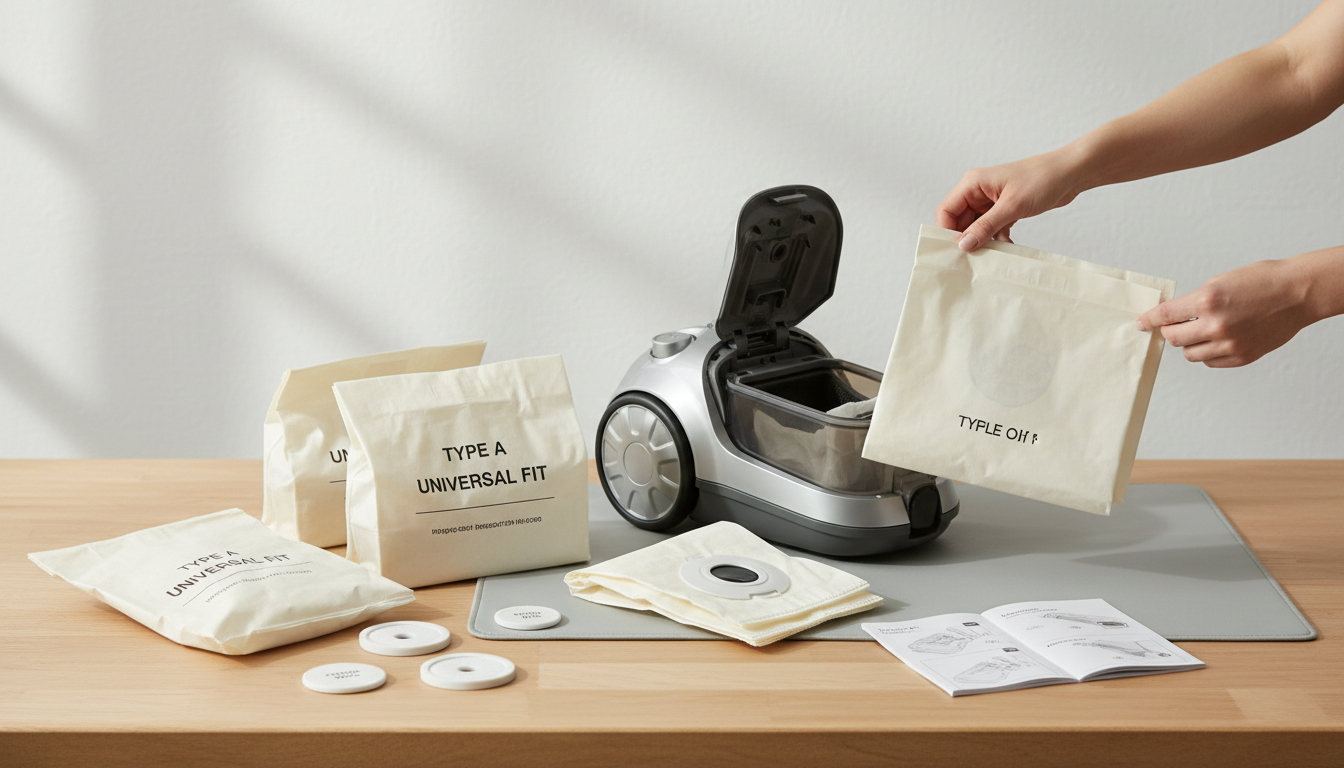
Model Compatibility and Fit The most critical factor is ensuring the bag is explicitly designed for your specific backpack vacuum cleaner model. An ill-fitting bag can lead to a significant loss of suction power, allow dust and debris to bypass the filtration system, and potentially damage the vacuum's motor by forcing it to work harder. Always consult your vacuum's user manual or the manufacturer's website for precise bag specifications, often identified by model number or series. For commercial operations, using manufacturer-recommended bags helps avoid performance issues that can impact productivity.
-
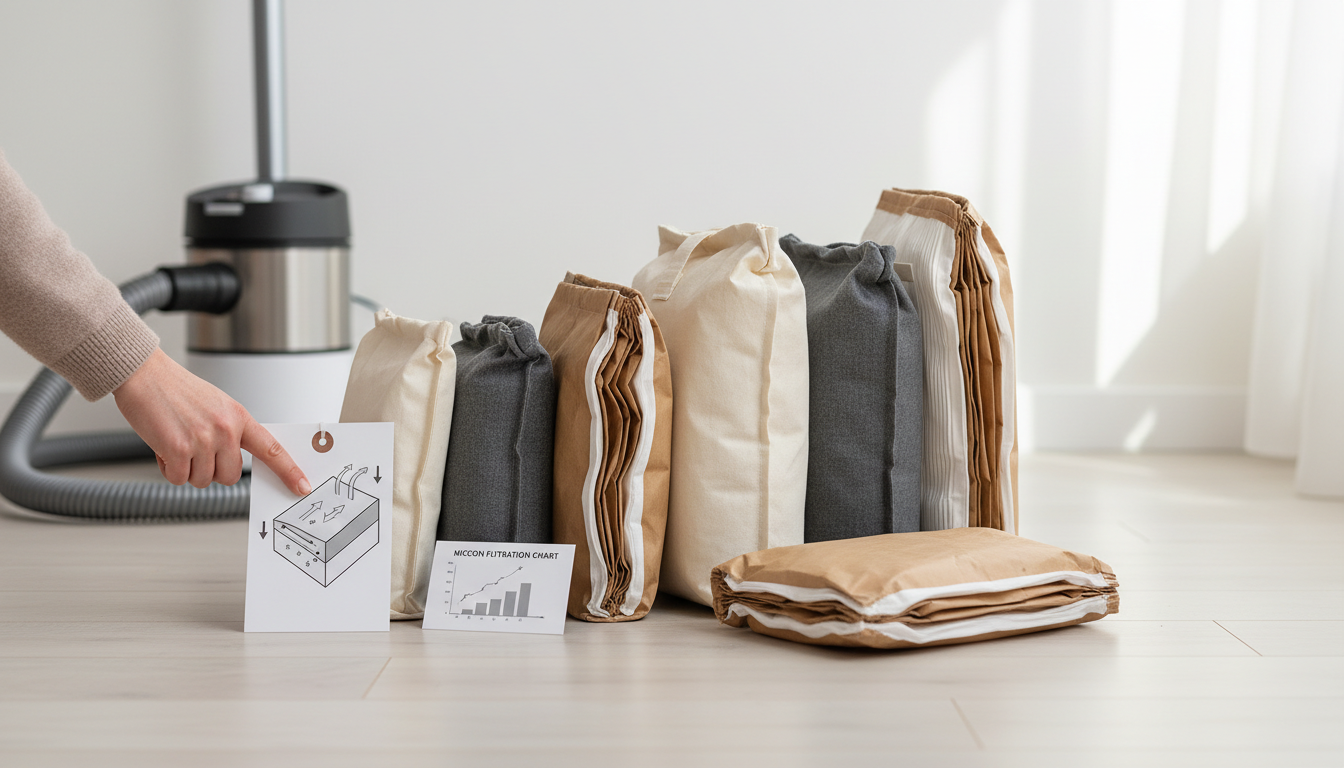
Bag Material and Construction The material of a backpack vacuum bag dictates its durability, filtration capabilities, and overall cost-effectiveness.
- Paper Bags: Typically a single-layer construction, these are generally the most economical option. They are suitable for general dry debris and offer basic filtration. However, paper bags are more susceptible to tearing, especially when encountering sharp objects or heavy loads, which can release collected dust back into the environment.
- Synthetic (Multi-Layer) Bags: Often made from fleece or microfiber, these bags feature multiple layers that enhance filtration and significantly improve tear resistance. Their robust construction makes them ideal for demanding commercial environments where durability and consistent performance are paramount. They capture finer particles more effectively than single-layer paper bags.
- Cloth (Reusable) Bags: While offering an environmentally friendly alternative, reusable cloth bags require regular emptying and cleaning. This process can expose users to accumulated dust and allergens. Their filtration efficiency can vary, and they may not be suitable for environments requiring stringent hygienic standards, such as healthcare facilities.
-
Filtration Level and Efficiency The bag often serves as a primary filter, directly influencing the air quality post-vacuuming. Different bags offer varying levels of filtration:
- Standard Filtration: Captures visible dust and larger debris.
- Allergen Filtration: Designed to trap smaller particles like pollen, pet dander, and dust mite allergens, benefiting residential users with sensitivities.
- HEPA-Rated Filtration: The highest standard, capable of capturing 99.97% of airborne particles as small as 0.3 microns. This level of filtration is crucial for environments where air purity is critical, such as hospitals, schools, or homes with severe allergy sufferers. Selecting a HEPA-rated bag contributes to a healthier indoor environment by preventing fine particulate matter from being recirculated.
-
Capacity and Replacement Frequency Backpack vacuum bags are measured in quarts, with capacities varying significantly. A larger capacity bag, common in commercial models (e.g., 6-10 quarts), allows for longer cleaning sessions without interruption, reducing the frequency of bag changes and improving operational efficiency. For residential use, smaller capacities (e.g., 2-4 quarts) might be sufficient. However, regardless of size, an overfilled bag will restrict airflow, leading to decreased suction power and reduced filtration effectiveness.
-
Durability and Tear Resistance In high-traffic or demanding cleaning scenarios, such as those encountered in commercial settings, bag durability is paramount. Synthetic multi-layer bags typically offer superior tear resistance compared to paper alternatives. A torn bag not only compromises filtration but can also lead to dust leakage into the vacuum's internal components, potentially causing damage or re-contaminating cleaned areas.
-
Ease of Installation and Hygienic Disposal A well-designed bag should be easy to install and remove securely, minimizing the risk of accidental spills or dust exposure. Many modern bags feature self-sealing collars or flaps that automatically close upon removal. This design significantly enhances hygienic disposal, containing collected debris and preventing the release of dust and allergens back into the air, a critical feature for both commercial users and residential allergy sufferers.
Tailoring Your Choice: Bags for Commercial vs. Home Backpack Vacuums
Selecting the appropriate replacement bags for your backpack vacuum cleaner is not a one-size-fits-all decision. The demands of a busy commercial environment differ significantly from those of routine home cleaning. Understanding these distinctions is crucial for maintaining optimal vacuum performance, ensuring air quality, and managing operational costs.
Commercial Demands: Durability and Efficiency
For commercial applications, backpack vacuum bags must withstand rigorous daily use and diverse debris. The priority shifts towards durability, capacity, and consistent filtration to meet professional standards and maintain productivity.
- Heavy-Duty Use & Varied Debris: Commercial bags are engineered to handle a wider range of materials, from fine construction dust and office debris to larger particulate matter. They often feature multi-ply construction or specialized materials to resist tearing and punctures, which are common risks in high-traffic or industrial settings.
- Higher Capacity: To minimize downtime and maximize cleaning efficiency, commercial bags typically offer larger capacities. This reduces the frequency of bag changes, allowing cleaning crews to cover more ground without interruption. An overfilled bag can restrict airflow, diminishing suction and straining the vacuum motor.
- Robust Filtration for Professional Standards: Many commercial environments require stringent air quality control. Bags designed for commercial use often incorporate advanced filtration layers, including those that meet HEPA standards, to capture microscopic allergens, dust mites, and other particulates. This is vital for maintaining healthy indoor air and complying with industry regulations.
- Cost-Effectiveness & Bulk Purchasing: Businesses often benefit from purchasing bags in bulk. This not only secures a lower per-unit cost but also ensures a consistent supply, preventing workflow interruptions. Evaluating the long-term cost per bag, including shipping and storage, becomes a key consideration.
Home Use: Allergen Control and Convenience
For residential users, the focus often leans towards effective allergen control, ease of use, and general cleanliness, with less emphasis on extreme durability or bulk capacity.
- Allergen Control: While not always HEPA-grade, bags for home use should offer effective filtration to trap common household allergens like pet dander, pollen, and dust. A well-sealed bag prevents these particles from re-entering the air during and after vacuuming.
- Quieter Operation: While the bag itself doesn't generate noise, selecting the correct bag size and ensuring it's not overfilled contributes to the vacuum operating at its intended noise level. A strained motor due to restricted airflow can lead to increased operational sound.
- Less Frequent Replacement: Home cleaning typically occurs less frequently and covers smaller areas than commercial operations. Therefore, home users prioritize bags that maintain performance over longer periods between changes, offering convenience without excessive capacity.
- General Cleanliness: The primary goal is efficient dirt and debris collection, ensuring a visibly clean home environment. The bag acts as the primary containment system, preventing dust from circulating back into the living space.
- Individual Bag Cost: Home users generally purchase bags in smaller quantities, making the individual bag price a more direct consideration than bulk discounts. Balancing performance with a reasonable per-bag cost is typical.
Choosing the right bag type ensures your backpack vacuum performs optimally for its intended purpose. Using bags designed for light home use in a commercial setting can lead to premature tearing, inadequate filtration, and frequent replacements, ultimately increasing operational costs and potentially damaging the vacuum. Conversely, over-specifying for home use might result in unnecessary expense without proportional benefit.
<h2>Avoiding Common Pitfalls: Signs of a Bad Bag Choice</h2> Selecting the wrong backpack vacuum cleaner bag can significantly undermine performance and user experience, leading to more than just inefficient cleaning. Understanding the signs of an unsuitable bag can help prevent costly repairs and maintain optimal operation.One immediate consequence of an incorrect or low-quality bag is reduced suction power and cleaning efficiency. Bags that restrict airflow, either due to their material density, design, or being overfilled, force the vacuum motor to work harder. This results in weaker suction, requiring more passes to collect debris and leaving behind fine particles, diminishing the overall effectiveness of your cleaning efforts.
Another critical issue is dust leakage and re-emission into the air. If a bag does not fit snugly within the vacuum's compartment or is made from porous, substandard material, fine dust and allergens can escape back into the environment. This not only negates the purpose of vacuuming by re-depositing dirt but also compromises indoor air quality, a significant concern in both residential and commercial settings, particularly for allergy sufferers.
The strain from restricted airflow can also lead to premature wear and tear on the vacuum motor. When the motor has to compensate for poor bag performance, it can overheat and operate under undue stress. Over time, this accelerates the degradation of internal components, potentially leading to expensive repairs or a shortened lifespan for the entire backpack vacuum unit.
Unpleasant odors from trapped debris can also become a noticeable problem. Bags that lack sufficient filtration layers or odor-neutralizing properties may allow the smells of collected dirt, pet dander, or organic waste to permeate the cleaned space. This is especially relevant for commercial applications where various types of debris are routinely collected.
Furthermore, an improper fit can lead to bag tearing or dislodgement. A bag that is too large, too small, or incorrectly shaped for the vacuum's internal cavity can shift during use, snag, or even rupture. This results in a sudden release of collected debris into the vacuum's motor housing, creating a substantial mess and potentially causing internal damage to the fan or motor.
To prevent these issues, the importance of using manufacturer-recommended bags cannot be overstated. These bags are specifically engineered to match the vacuum's design specifications, including airflow dynamics, filtration requirements, and physical dimensions. While generic alternatives exist, ensuring they meet the exact specifications and quality standards of the original equipment manufacturer (OEM) is crucial to maintain vacuum performance and longevity.
Your Smart Buying Checklist for Backpack Vacuum Bags
Selecting the correct replacement bags is paramount for maintaining your backpack vacuum's performance, filtration efficacy, and user experience. Before finalizing your purchase, consult this checklist to ensure you acquire bags that align with your specific model and operational demands.
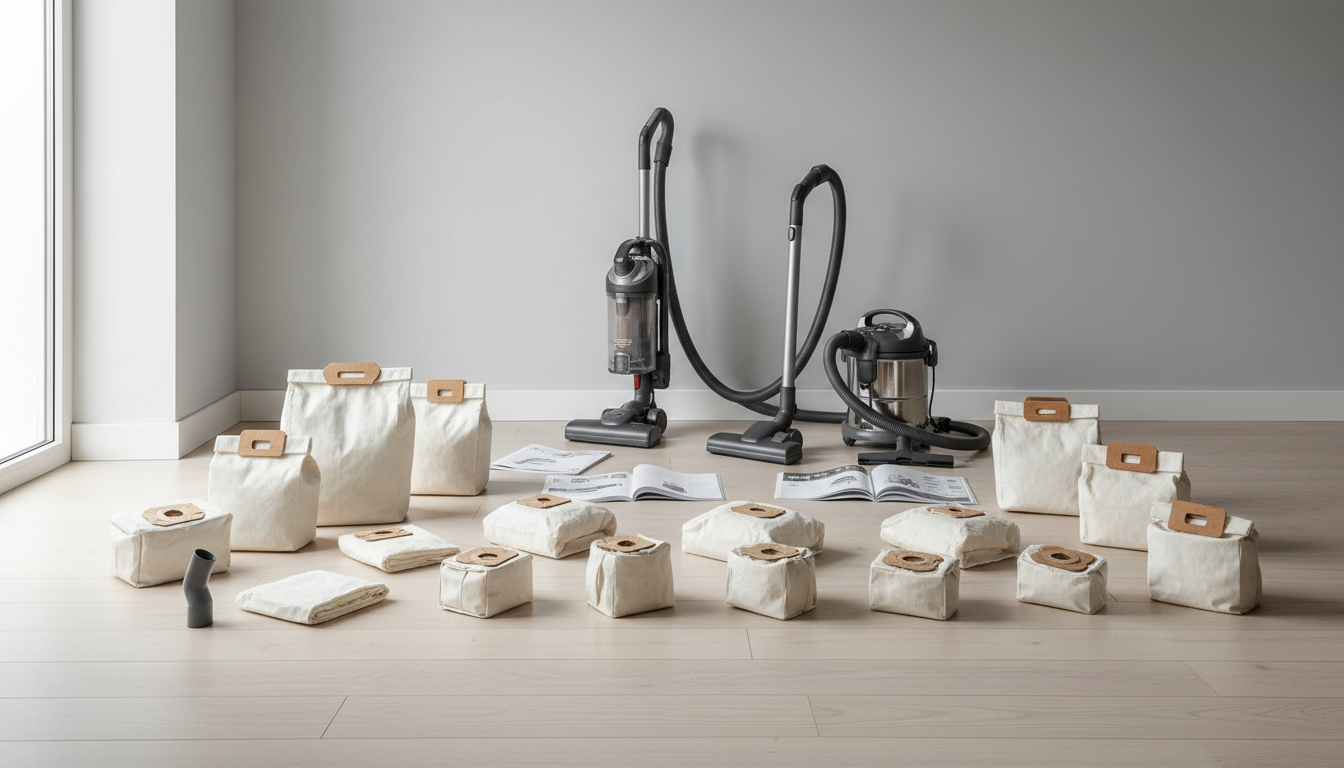
- Confirm Your Vacuum Model Number: Precision is critical. Locate the exact model number on your backpack vacuum cleaner. Bags are often designed with specific collars, dimensions, and airflow pathways unique to each model. An incorrect fit can lead to dust leakage, reduced suction, and potential damage to your vacuum's motor.
- Identify Filtration Requirements: Consider the environment and type of debris you typically collect. For general cleaning, standard bags may suffice. However, for environments with allergens, pet dander, or fine particulate matter (common in commercial settings or workshops), look for bags with enhanced filtration capabilities, such as HEPA-rated or multi-layered options, which act as a crucial part of the vacuum's air purification system.
- Evaluate Bag Material and Construction: The material directly impacts durability and filtration. High-quality synthetic materials often offer superior tear resistance and better filtration compared to basic paper bags, especially when collecting sharp debris or fine dust. Ensure the material can withstand the demands of your cleaning tasks without compromising the vacuum's seal or internal components.
- Assess Optimal Capacity for Usage: Bag capacity influences how frequently you'll need to change them. For frequent, heavy-duty commercial use, larger capacity bags reduce downtime and labor. For lighter, residential use, a standard capacity might be more practical. Balance the convenience of larger bags against the potential for decreased suction as they fill.
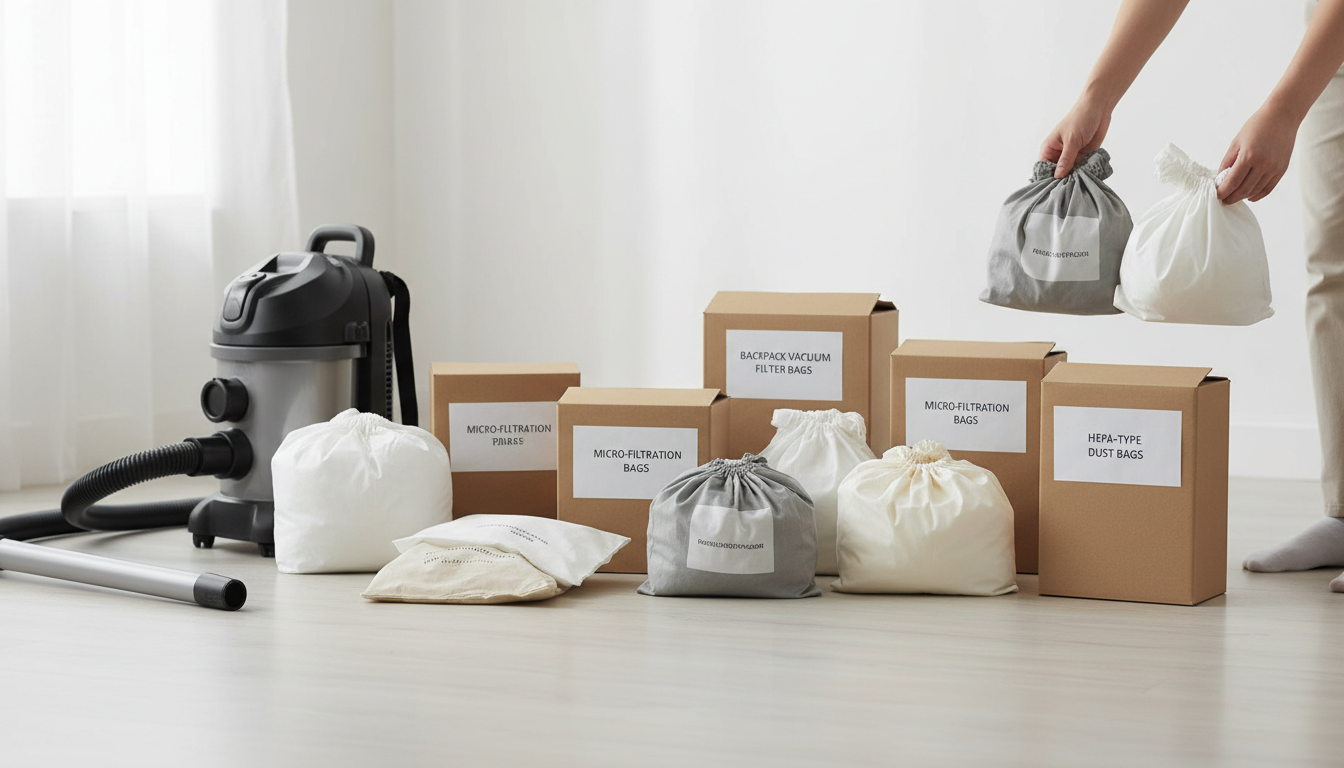
- Determine Pack Size and Overall Value: Consider your usage frequency and storage space. Buying in bulk can offer cost savings per bag, particularly for commercial operations with high consumption. For residential users, smaller packs might prevent bags from degrading over time in storage. Evaluate the long-term value, including shipping costs and the quality-to-price ratio, rather than just the upfront cost.
Frequently Asked Questions About Backpack Vacuum Bags
Navigating the nuances of backpack vacuum bags can raise several questions, especially given their critical role in both cleaning efficiency and user comfort. Here are answers to common queries to help you make informed choices.
How often should backpack vacuum bags be changed?
The frequency of bag changes depends on usage intensity, the type of debris collected, and the bag's capacity. For optimal performance, change the bag when it is approximately two-thirds to three-quarters full, or when you notice a significant decrease in suction power. Overfilling a bag restricts airflow, forcing the motor to work harder, which can lead to overheating and reduced cleaning effectiveness. A full bag also acts like a clogged filter, diminishing its ability to trap dust and potentially releasing particles back into the air. Commercial users performing heavy-duty cleaning might change bags daily, while residential users may do so weekly or monthly.
Can I use non-OEM or generic bags?
While non-OEM (Original Equipment Manufacturer) or generic bags can be a more economical option, their use carries potential trade-offs and risks. The primary concern is compatibility and fit. Generic bags may not perfectly match the dimensions or collar design of your specific backpack vacuum model, leading to air leaks that reduce suction and allow dust to escape into the environment or even into the vacuum's motor compartment. They might also use different filtration materials or construction, potentially compromising air quality and the vacuum's overall filtration system. If considering generic options, ensure they explicitly state compatibility with your exact model and review user feedback regarding fit and performance.
What are the benefits of HEPA-rated bags?
HEPA (High-Efficiency Particulate Air) rated bags offer superior filtration, trapping a significantly higher percentage of microscopic particles compared to standard bags. This includes common allergens like pollen, pet dander, dust mites, and fine particulate matter. For users with allergies, asthma, or those working in environments requiring stringent air quality (e.g., healthcare facilities, schools, or homes with sensitive individuals), HEPA-rated bags are highly beneficial. They contribute to a cleaner exhaust air stream, improving indoor air quality and reducing the recirculation of airborne contaminants, which is particularly important when the vacuum is worn close to the user.
How do I ensure proper bag fit and prevent leaks?
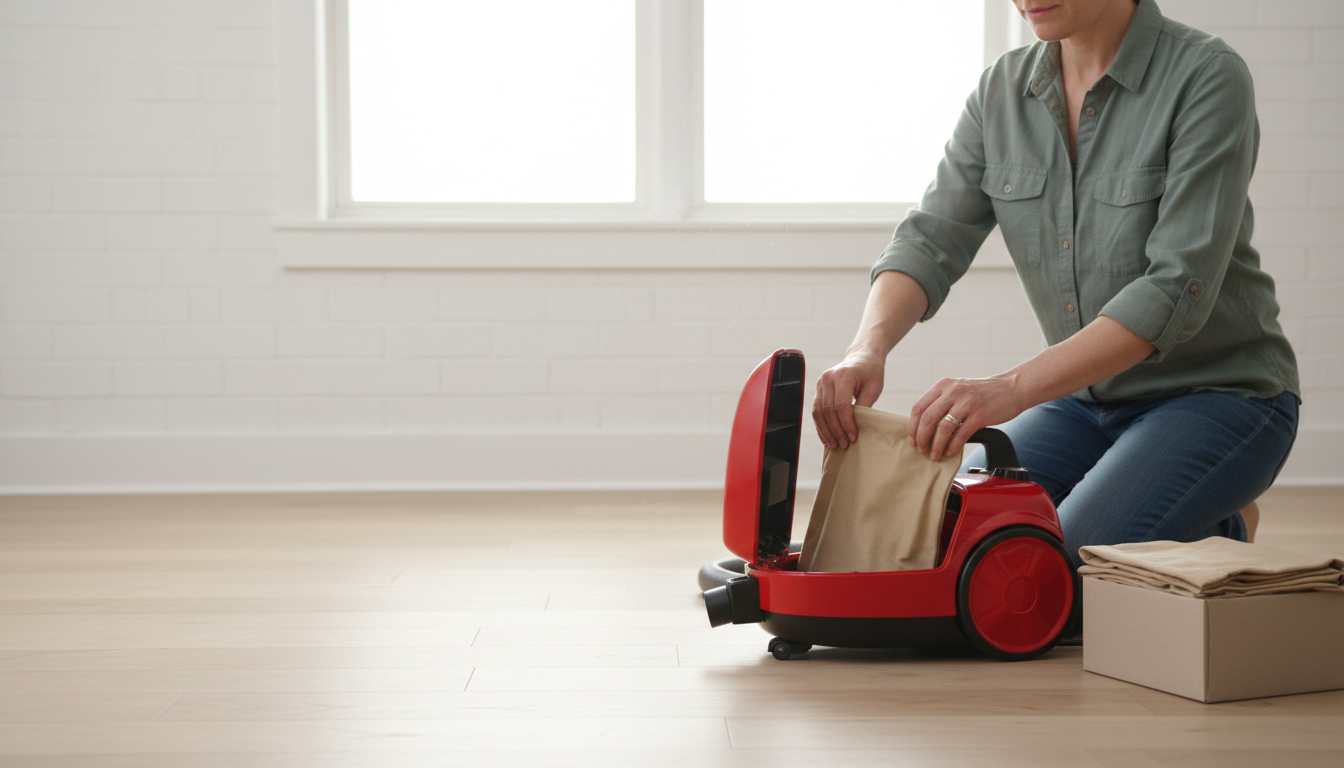
Ensuring a proper bag fit is crucial for both effective cleaning and protecting your vacuum. First, always confirm the bag is specifically designed for your backpack vacuum's make and model number. Before installation, inspect the bag for any tears or manufacturing defects. When inserting the bag, align the collar correctly with the vacuum's intake port and ensure it seats firmly and securely. Many backpack vacuums have a specific locking mechanism or a tight seal that needs to be engaged. After installation, gently pull on the bag to confirm it's seated properly and check for any visible gaps around the collar. A correctly installed bag will create an airtight seal, preventing dust bypass and maintaining consistent suction.
Empowering Your Clean: The Impact of the Right Backpack Vacuum Bag
The journey through understanding backpack vacuum cleaner bags reveals their pivotal role in both cleaning efficacy and user health. By diligently considering factors like model-specific compatibility, filtration capabilities, material durability, and capacity tailored to your commercial or residential needs, you transform a simple replacement task into a strategic decision. An informed choice actively prevents common issues such as diminished suction, premature motor wear, and the recirculation of fine particulates, ensuring your vacuum operates at its intended performance level.
Ultimately, selecting the correct bag empowers your backpack vacuum to deliver consistent, hygienic results. This attention to detail not only optimizes cleaning efficiency but also safeguards air quality and extends the lifespan of your equipment. Approach your next bag purchase with confidence, knowing that this seemingly small component is critical for a healthier environment and a more effective cleaning operation.
More in Vacuum Cleaner Bags
View All