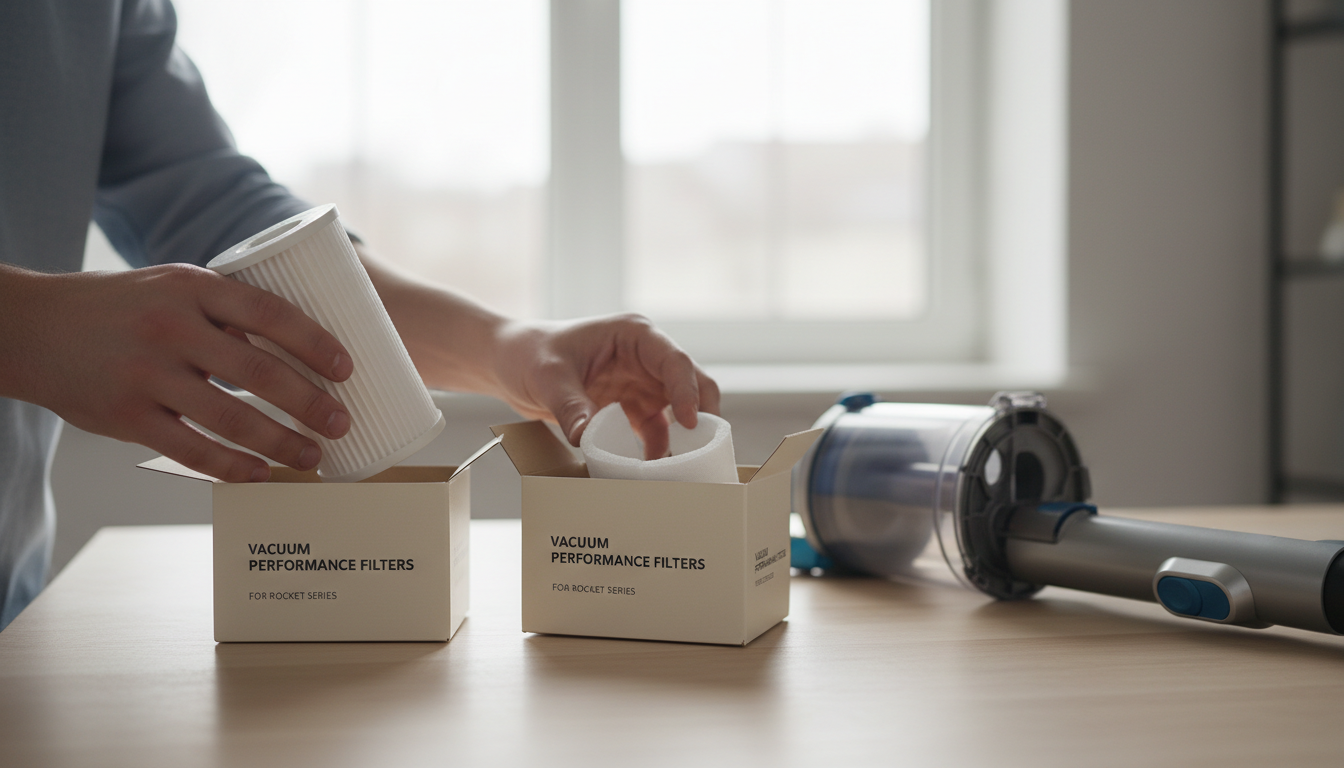
Bissell Vacuum Cleaner Filters: Ensuring Clean Air and Powerful Suction
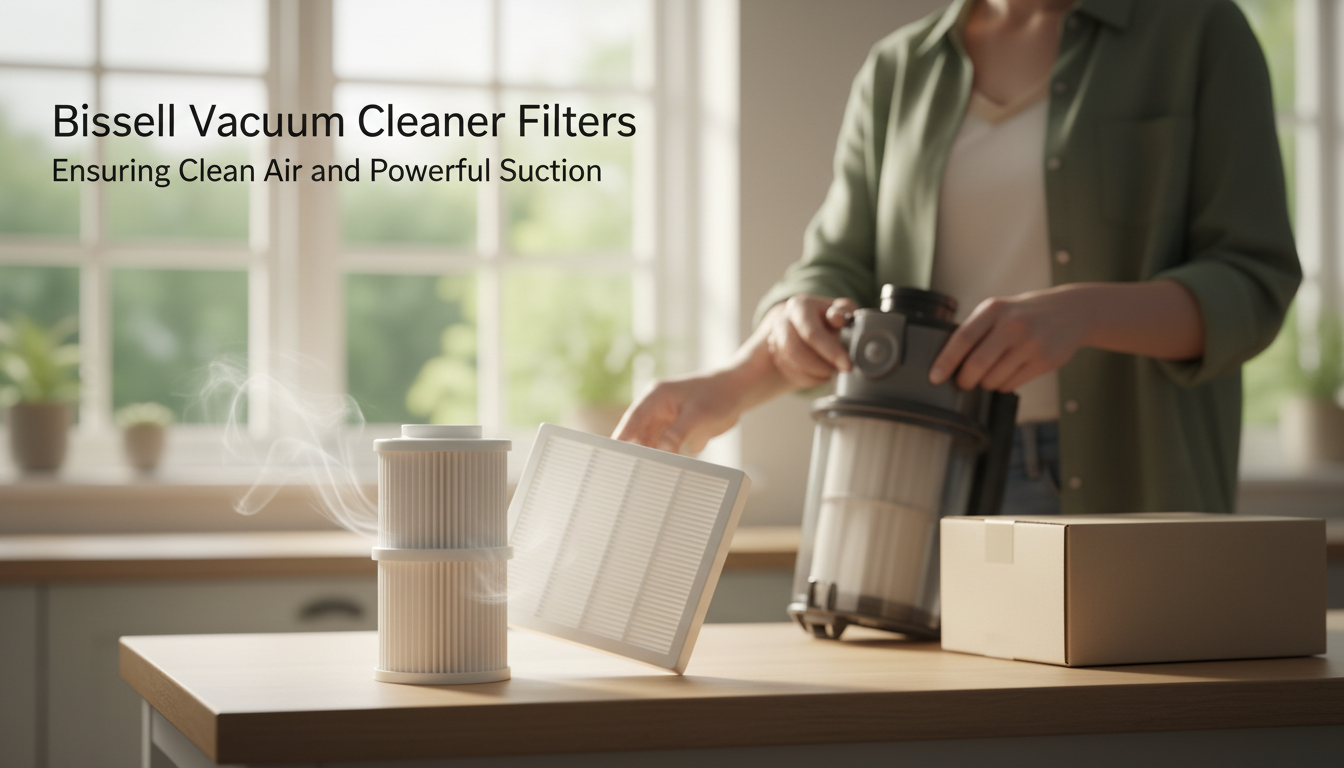
Unlock Your Bissell Vacuum's Full Potential with the Right Filters
For Bissell vacuum owners, the filters within your machine are more than just components; they are critical to both its cleaning power and the air quality in your home. These essential parts work diligently to capture dust, debris, pet dander, and allergens, preventing them from recirculating into your living space. When filters become clogged or compromised, your vacuum's suction can diminish, making cleaning less effective, and its ability to trap airborne particles is severely reduced.
Maintaining healthy filters ensures your Bissell vacuum operates at peak performance, effectively removing dirt from carpets and hard floors while contributing to a cleaner, healthier indoor environment. This guide is designed to empower you with the knowledge to confidently identify, select, and properly care for the filters specific to your Bissell model. We will explore the various types of filters, how to ensure compatibility, and essential maintenance practices to maximize your vacuum's efficiency and longevity.
<h2>Why Bissell Vacuum Filters Are More Than Just Dust Traps</h2> Bissell vacuum cleaner filters perform critical functions beyond simply collecting visible debris. These components are integral to both the longevity of the appliance and the quality of the indoor environment. Understanding their multifaceted role highlights why proper filter selection and maintenance are essential for any Bissell vacuum owner.At a fundamental level, filters serve as a protective barrier for the vacuum's motor. By capturing dust, dirt, and larger particles before they can enter the motor housing, they prevent abrasive wear and potential damage. This mechanical protection is crucial for extending the operational lifespan of the vacuum, safeguarding its core mechanical components from premature failure.
Beyond basic protection, many Bissell models incorporate advanced filtration technologies, including multi-layer systems and, in select vacuums, HEPA filters. These sophisticated designs are engineered to capture microscopic particles that often go unnoticed. This includes fine dust, pollen, pet dander, and dust mite allergens. By trapping these minute irritants within the filter media, they are prevented from being recirculated back into the room, significantly contributing to improved indoor air quality. For individuals sensitive to allergens, this effective particle capture can lead to a noticeable reduction in airborne triggers.
Conversely, neglecting filter maintenance directly impacts the vacuum's performance. When filters become clogged with accumulated dust and debris, airflow through the vacuum system is restricted. This obstruction forces the motor to work harder, leading to a direct and often significant reduction in suction power. A vacuum with an inefficient or dirty filter will struggle to pick up dirt effectively, diminishing its cleaning performance and potentially increasing energy consumption. Therefore, filters are not just passive collectors but active components vital for maintaining both cleaning efficacy and a healthier home environment.
Navigating the World of Bissell Filter Types and Compatibility
Understanding the various types of filters within your Bissell vacuum and their specific roles is fundamental to maintaining both the appliance's performance and your indoor air quality. Bissell vacuums often employ a multi-stage filtration system, with each filter designed for a particular function. Recognizing these differences and ensuring correct compatibility is key to maximizing your vacuum's efficiency and longevity.
Pre-Motor Filters: Your First Line of Defense
Pre-motor filters are strategically placed before the vacuum's motor. Their primary function is to capture larger particles, dust, and debris, preventing them from reaching and potentially damaging the motor. This protection is crucial for extending the motor's lifespan and ensuring consistent suction power.
- Function: Traps significant dust, dirt, and hair before they can enter the motor housing.
- Placement: Typically located within the dirt cup or dust tank assembly, often visible once the collection bin is removed from the vacuum body.
Post-Motor Filters: Ensuring Clean Exhaust Air
Positioned after the motor, post-motor filters are responsible for capturing the finer particles that may have bypassed the pre-motor filtration. These filters are critical for ensuring that the air expelled back into your home is clean, particularly for households concerned with allergens and fine dust. Some Bissell models feature advanced post-motor filters, including those with HEPA-grade filtration, designed to trap a high percentage of microscopic particles.
- Function: Filters out fine dust, allergens, and other microscopic particles from the air before it exits the vacuum.
- Placement: Generally found at the exhaust port of the vacuum, often behind a removable grille or cover.
Washable vs. Disposable: Understanding Your Options
Bissell offers filters that are either designed for washing and reuse or for single-use disposal. Each type presents different considerations for maintenance and cost.
- Washable Filters:
- Pros: Can be rinsed clean and reused multiple times, potentially reducing long-term replacement costs and environmental impact.
- Cons: Require a significant drying period (often 24-48 hours) before reinstallation, meaning the vacuum might be out of commission during this time unless a spare filter is available. Improper or incomplete drying can lead to mold or mildew growth. Over time, even washable filters degrade and will eventually require replacement.
- Disposable Filters:
- Pros: Offer convenience, as they are simply removed and replaced when dirty, requiring no cleaning or drying time.
- Cons: Incur recurring costs as new filters must be purchased regularly. Contribute to landfill waste.
The Critical Role of Model-Specific Compatibility
A common pitfall for vacuum owners is assuming that all Bissell filters are interchangeable. However, Bissell manufactures a diverse range of vacuum models, each often designed with specific filter dimensions, materials, and filtration capabilities. Using the correct filter for your specific model is not merely a recommendation; it is essential for the vacuum's performance and your indoor air quality.
- Compromised Performance: An ill-fitting filter will not create a proper seal, allowing unfiltered air to bypass the system. This reduces suction efficiency and can expel dust and allergens back into your environment.
- Risk of Damage: Incorrect pre-motor filters can fail to adequately protect the motor, leading to premature wear, overheating, and potential motor failure.
- Suboptimal Air Quality: If a post-motor filter is not the correct type or fit, it cannot effectively trap fine particles, negating any benefits of advanced filtration, such as HEPA-grade systems.
- Warranty Implications: Using non-specified or incompatible parts may void your vacuum's manufacturer warranty.
Always consult your Bissell vacuum's user manual or the product specifications to identify the precise filter part numbers or "Style" designations (e.g., Style 12) compatible with your model. This ensures that you select filters designed to integrate seamlessly with your vacuum's engineering and filtration system.
Key Considerations for Purchasing Replacement Bissell Filters
Selecting the correct replacement filters for your Bissell vacuum is fundamental to maintaining its cleaning power and ensuring healthy indoor air. This decision involves understanding filter types, recognizing the trade-offs between options, and knowing how to identify the precise components needed for your specific model. Thoughtful selection directly impacts both vacuum efficiency and the air quality in your home.
When evaluating replacement filters, consider these aspects:
-
Filter Material and Filtration Efficiency Bissell vacuums employ various filter materials, each contributing differently to air purification. Common types include foam filters, pleated paper filters, and HEPA (High-Efficiency Particulate Air) filters. Foam filters often serve as pre-filters, capturing larger debris and protecting subsequent filtration stages. Pleated paper filters offer a larger surface area for trapping fine dust. For those concerned with allergens, select Bissell models feature HEPA filters, which are designed to capture a high percentage of microscopic particles like dust mites, pet dander, and pollen, significantly improving indoor air quality. The trade-off for higher efficiency, particularly with HEPA, can be a potentially higher cost and the need for more frequent replacement if not washable, to prevent airflow restriction.
-
Frequency of Replacement and Maintenance Needs The longevity and effectiveness of your Bissell filters depend on both their type and your vacuuming habits. Many Bissell pre-filters are washable, offering extended use if cleaned regularly according to manufacturer guidelines. However, even washable filters have a finite lifespan and should be replaced periodically as their material degrades. Disposable filters, such as many post-motor or HEPA filters, require replacement at recommended intervals, typically every 3 to 6 months, depending on usage and household environment (e.g., presence of pets, allergy sufferers, heavy dust). Neglecting timely replacement or cleaning can lead to diminished suction, reduced air filtration efficiency, and increased strain on the vacuum's motor.
-
Genuine vs. Aftermarket Filters: What You Need to Know Bissell vacuum owners often encounter a choice between purchasing genuine (OEM – Original Equipment Manufacturer) filters and aftermarket alternatives. Genuine Bissell filters are engineered to precise specifications for your vacuum model, ensuring optimal fit, filtration performance, and durability. They are designed to integrate seamlessly with the vacuum's sealed system, preventing air leaks that could compromise filtration. Aftermarket filters, while often more budget-friendly, can present a trade-off. Their filtration efficiency might vary, and an imprecise fit could lead to air bypassing the filter, releasing dust and allergens back into the air. While some aftermarket options perform adequately, others may not meet the same quality standards as genuine parts.
-
Understanding Filter Kits and Part Numbers To ensure perfect compatibility, identifying the correct filter for your Bissell vacuum requires attention to detail. Many Bissell models utilize filter kits that include multiple components, such as a pre-motor filter, post-motor filter, and sometimes a specialized HEPA filter. These kits are often identified by a specific "style" number (e.g., "Bissell Style 12 Filter Kit") or a unique part number (e.g., "203-2120"). The most reliable method to find the correct replacement is to consult your vacuum's user manual, check the existing filter for a part number, or locate your vacuum's model number (usually found on a sticker on the vacuum itself) and cross-reference it with the filter manufacturer's compatibility list. This precision prevents purchasing incompatible filters that could lead to poor performance or damage.
- Reduced Suction: A noticeable drop in your vacuum's ability to pick up dirt and debris is a primary indicator. Clogged filters restrict airflow, directly impacting suction strength.
- Visible Dirt or Discoloration: Inspect your filters regularly. If they appear heavily coated with dust, discolored, or matted, they likely need cleaning or replacement.
- Unusual Odors: A musty or stale smell emanating from the vacuum during operation can indicate trapped dirt, pet dander, or mold within the filters.
- Increased Motor Strain: If your vacuum's motor sounds like it's working harder than usual, it could be struggling against restricted airflow caused by dirty filters.
- Manufacturer Guidelines: Always consult your Bissell vacuum's user manual for specific recommendations on filter cleaning and replacement intervals. General advice often suggests cleaning washable filters monthly and replacing disposable filters every 3 to 6 months, or more frequently with heavy use or pet ownership.
- Locate and Remove Filters: Refer to your vacuum's manual to identify and safely remove all washable filters. These are often located near the dust cup or motor.
- Tap Off Loose Debris: Over a trash can, gently tap the filter to dislodge any large clumps of dust, hair, or debris. This prevents clogging your sink.
- Rinse Thoroughly: Hold the filter under lukewarm running water. Continue rinsing until the water runs clear and all visible dirt is gone. Avoid using soap or detergents unless specifically instructed by your manual, as these can damage filter material.
- Remove Excess Water: Gently squeeze foam filters to remove excess water. For other washable types, shake off as much water as possible.
- Air Dry Completely: This is the most critical step. Place the clean filters in a well-ventilated area to air dry for a minimum of 24 to 48 hours. They must be completely dry before being reinstalled. Reinstalling a damp filter can lead to mold growth, unpleasant odors, and damage to your vacuum's motor.
- Reinstall: Once bone dry, carefully place the filters back into your vacuum according to the manual's instructions, ensuring they are correctly seated.
- Identify Disposable Filters: Consult your vacuum's manual to confirm which filters are disposable and their location.
- Remove Old Filter: Carefully remove the old, dirty filter. It may be held in place by a clip or simply slide out.
- Discard: Dispose of the used filter responsibly.
- Insert New Filter: Unpack your new replacement filter and insert it into the vacuum, ensuring it fits snugly and in the correct orientation. Double-check that any arrows or markings align as specified in your manual.
- Adhere to Cleaning Schedules: Regularly clean washable filters as recommended, and replace disposable ones on time.
- Avoid Washing Non-Washable Filters: Never attempt to rinse or wash filters explicitly labeled as non-washable or disposable. This can destroy the filter material and potentially harm your vacuum.
- Tap Between Cleans: For both washable and disposable filters, a quick tap over a trash can between uses can dislodge surface debris, maintaining airflow and delaying the need for a full clean or replacement.
- Consult Your User Manual: Each Bissell model can have unique filter configurations and care instructions. Your vacuum's manual is the definitive source for specific maintenance guidance.
- Vacuum Appropriately: If your filters clog very quickly, consider if you are frequently vacuuming extremely fine dust, construction debris, or excessive pet hair. Adjusting vacuuming habits or increasing filter maintenance frequency may be necessary.
Avoiding Common Pitfalls When Dealing with Bissell Filters
Navigating the world of Bissell vacuum cleaner filters involves more than just identifying the right model number. Understanding potential issues and making informed choices can prevent frustration, maintain optimal performance, and safeguard your investment. Being aware of these common pitfalls helps ensure your vacuum continues to clean effectively and contributes to healthier indoor air.
The Risk of Incorrect Filter Fit
A filter that doesn't fit perfectly into your Bissell vacuum can compromise its entire cleaning system. Even a small gap allows unfiltered air and debris to bypass the filter media and re-enter your living space. This significantly reduces the vacuum's ability to trap allergens and fine dust, negating the purpose of the filtration system. Furthermore, an improper fit can lead to reduced suction as the vacuum struggles to create a sealed airflow path, or even overwork the motor due to restricted or misdirected airflow. Always verify the exact model compatibility before purchasing a replacement filter.
Overlooking Regular Maintenance
Neglecting the recommended cleaning or replacement schedule for your Bissell filters is a frequent oversight with clear consequences. Clogged filters are a primary cause of diminished suction power, forcing your vacuum to work harder and less effectively. This strain can lead to premature motor wear and overheating. Beyond performance, dirty filters lose their ability to trap microscopic particles, meaning dust, pet dander, and allergens are recirculated into the air you breathe. Many Bissell filters are washable, but even these require proper drying and eventual replacement to maintain their filtration efficiency.
The Trade-offs of Aftermarket Options
While aftermarket filters can sometimes offer a cost-effective alternative to genuine Bissell parts, they come with potential trade-offs. The quality and specifications of non-OEM filters can vary significantly. Some may not meet the same filtration standards, leading to less effective particle capture. Others might have slight dimensional differences that result in a less-than-perfect fit, leading back to the issues of reduced suction and air bypass. When considering aftermarket options, research reviews for specific brands and prioritize those that clearly state adherence to original equipment specifications.
Understanding Filter Lifespan Expectations
Bissell vacuum filters are consumables, designed to be replaced or regularly cleaned over the vacuum's lifespan. They are not permanent components. The frequency of replacement or cleaning depends on factors like vacuum usage, the type of debris collected (e.g., pet hair, fine dust), and whether the filter is washable. Continuing to use a filter beyond its recommended lifespan, even if cleaned, can lead to a gradual decline in filtration effectiveness and overall vacuum performance. Recognizing that filters have a finite life is key to proactive maintenance and sustained cleaning power.
Frequently Asked Questions About Bissell Vacuum Filters
Understanding the nuances of Bissell vacuum filters can significantly impact your cleaning routine and indoor air quality. Here are answers to common questions that Bissell owners often have regarding their vacuum's filtration system.
How often should I replace my Bissell vacuum filters?
The frequency of filter replacement for your Bissell vacuum largely depends on your usage habits and the specific model. While manufacturer guidelines often suggest a general timeframe, factors such as cleaning frequency, the presence of pets, and the amount of dirt and debris collected can accelerate wear.
- General Guideline: Many Bissell models recommend replacing filters every 3 to 6 months.
- High Usage: If you vacuum frequently, have pets, or deal with significant dust and allergens, you may need to replace them more often.
- Low Usage: For occasional use in less demanding environments, filters might last closer to the longer end of the recommended spectrum.
- Consult Your Manual: Always refer to your specific Bissell vacuum model's user manual for the most accurate and tailored replacement schedule.
Can all Bissell vacuum filters be washed?
No, not all Bissell vacuum filters are designed to be washed. It is crucial to distinguish between washable and non-washable filters to avoid damage to the filter and potentially your vacuum.
- Washable Filters: These are typically made from foam or certain synthetic materials and are often labeled as "washable" or "reusable." They can be rinsed under cool water until the water runs clear. It is vital to allow them to air dry completely for at least 24 hours before reinserting them into the vacuum to prevent mold growth or motor damage.
- Non-Washable Filters: Filters made of pleated paper or HEPA material are generally not washable. Washing these can degrade their filtration capabilities, damage the filter media, and reduce their effectiveness. Attempting to wash a non-washable filter can compromise its structure, leading to diminished performance and potentially allowing fine particles to escape.
- Check Your Manual: Always consult your Bissell vacuum's user manual or check the filter itself for specific cleaning instructions. Improper cleaning can reduce the filter's lifespan and the vacuum's efficiency.
What are the signs that my filter needs to be replaced?
Recognizing the indicators that your Bissell vacuum filter is compromised can help you maintain optimal cleaning performance and air quality. Ignoring these signs can lead to reduced efficiency and potential damage to the vacuum's motor.
- Decreased Suction Power: This is often the most noticeable sign. If your vacuum isn't picking up dirt as effectively as it used to, a clogged filter could be restricting airflow.
- Unusual Odors: A dirty or moldy filter can emit unpleasant smells, especially when the vacuum is in operation, indicating a buildup of debris or moisture.
- Visible Dirt or Damage: If you can see a significant accumulation of dirt, dust, or pet hair on the filter that cannot be cleaned, or if the filter material appears torn or degraded, it's time for a replacement.
- Increased Motor Noise: When a filter is clogged, the vacuum's motor has to work harder to pull air through, which can result in a louder operating noise.
- Dust Escaping: If you notice fine dust or particles being exhausted back into the room while vacuuming, the filter is likely no longer effectively trapping allergens and debris.
Is it worth buying genuine Bissell filters?
When considering replacement filters for your Bissell vacuum, you typically have the option between genuine Bissell (OEM - Original Equipment Manufacturer) filters and aftermarket alternatives. Each option presents different considerations regarding fit, performance, and cost.
- Genuine Bissell Filters: These filters are designed specifically for your Bissell model, ensuring a precise fit and optimal filtration performance. They are manufactured to meet Bissell's quality standards, which can provide assurance regarding their effectiveness in trapping particles and protecting the vacuum's motor. Using genuine parts may also be a factor in maintaining your vacuum's warranty, depending on the terms.
- Aftermarket Filters: These are produced by third-party manufacturers and are often marketed as compatible replacements at a lower cost. While some aftermarket filters can offer comparable performance, there is a risk of variations in material quality, fit, and filtration efficiency. A less precise fit could lead to air leaks, reducing suction and allowing unfiltered air to escape. Lower-quality materials might not capture fine particles as effectively or could degrade more quickly.
- Considerations: The decision often comes down to balancing cost savings with guaranteed compatibility and performance. For critical filtration, such as HEPA filters for allergy sufferers, or to ensure the longevity of your vacuum, investing in genuine filters might be a preferred choice. For less critical applications, or if budget is a primary concern, a well-researched aftermarket option from a reputable brand could be considered, but it's important to verify user reviews regarding fit and function.
Your Path to Cleaner Air and a Healthier Home with the Right Bissell Filters
Making an informed decision about your Bissell vacuum cleaner filters directly influences both your vacuum's effectiveness and the air quality in your home. By consolidating the key considerations, you can confidently select and maintain the filters that will keep your Bissell machine performing optimally and contribute to a healthier living environment. The right filter choice isn't just about cleaning; it's about safeguarding your investment and the air you breathe.
When navigating your options, focus on these critical decision factors:
- Exact Model Compatibility: This is the most crucial step. Bissell offers a diverse range of vacuum models, and filters are often designed specifically for particular series or even individual models. Always consult your vacuum's user manual or the label on the vacuum itself for the precise model number. Matching this number to the filter's compatibility specifications prevents incorrect purchases and ensures a proper seal, which is vital for effective filtration.
- Filter Type and Function: Understand the role of each filter in your Bissell vacuum.
- Pre-Motor Filters: These typically protect the motor from larger debris and are often washable. Their primary function is to extend the life of your motor and prepare the airflow for finer filtration.
- Post-Motor Filters (Exhaust Filters): These are responsible for capturing fine particles before the air is expelled back into your room. Some Bissell models feature multi-layer post-motor filters, and select vacuums include HEPA filters, which are designed to trap a high percentage of microscopic allergens and irritants. Your choice here directly impacts indoor air quality.
- Washable vs. Disposable: Consider the long-term maintenance. Washable filters offer convenience and can reduce recurring costs, but require regular cleaning to remain effective. Disposable filters provide consistent performance but necessitate periodic replacement.
- Maintenance Requirements: Factor in the commitment to regular cleaning or replacement. Neglecting filter maintenance, regardless of type, can lead to diminished suction, increased motor strain, and reduced air filtration efficiency. Adhering to manufacturer guidelines for cleaning or replacing filters is paramount for sustained performance.
By carefully considering your Bissell vacuum's specific model, the type of filtration it uses, and the maintenance schedule you're prepared to follow, you empower yourself to make choices that directly translate into a more powerful vacuum and cleaner air. This proactive approach ensures your Bissell continues to deliver on its promise of a cleaner home for its entire lifespan.
More in Vacuum Cleaner Filters
View All
Hoover Vacuum Cleaner Filters: A Guide to Compatibility and Performance
Dirt Devil Vacuum Cleaner Filters: Essential Replacements for Longevity