Dirt Devil Vacuum Cleaner Belts: Essential Replacements for Longevity
Why Your Dirt Devil Vacuum Needs the Right Belt
The vacuum belt is a critical component in your Dirt Devil's cleaning system, directly responsible for transferring power from the motor to the brush roll. This rotation is essential for agitating carpet fibers and lifting embedded dirt, making the difference between effective cleaning and merely pushing debris around. A functional belt ensures your vacuum operates at its intended efficiency, protecting the motor from undue strain.
Over time, or sometimes sooner, Dirt Devil vacuum belts can stretch, wear, or break. Users occasionally report frequent belt issues, underscoring the importance of understanding this component. When a belt fails, your vacuum's cleaning power diminishes significantly.
Recognizing the signs of a compromised belt is the first step toward restoring your Dirt Devil's performance:
- Loss of Brush Roll Rotation: The brush roll no longer spins, even when the vacuum is powered on.
- Reduced Cleaning Effectiveness: Your vacuum struggles to pick up debris, particularly from carpets.
- Burning Odor: A distinct smell of burning rubber can indicate a belt that is slipping or breaking.
- Increased Motor Noise: The motor may sound like it's working harder, but without corresponding cleaning action from the brush roll.
This guide is designed to empower you with the knowledge to correctly identify, purchase, and prepare for the replacement of the specific belt needed for your Dirt Devil vacuum model, addressing common challenges and ensuring your machine returns to optimal performance.
Identifying the Correct Dirt Devil Vacuum Belt for Your Model
Selecting the appropriate replacement belt for your Dirt Devil vacuum is critical for restoring its cleaning performance and avoiding future issues. The specific model number of your vacuum serves as the primary identifier for compatible parts, as Dirt Devil produces various belt styles tailored to different machine designs. An incorrect belt can lead to poor brush roll rotation, excessive strain on the motor, or premature belt breakage.
To accurately determine the belt you need, begin by locating your vacuum's model number. This number is typically found on a label or sticker affixed to the vacuum itself. Its exact location can vary based on the vacuum type:
- Upright Vacuums: Check the back or bottom of the main unit, often near the wheels or on the motor housing.
- Canister Vacuums: Look on the underside of the canister body or the rear panel.
- Stick Vacuums: The label is usually on the main body of the vacuum, often near the handle or the base.
Once you have your model number, you can then cross-reference it with Dirt Devil's belt compatibility information, which often uses a "Style" numbering system. Dirt Devil categorizes its belts into styles (e.g., Style 1, Style 4/5) that correspond to specific groups of vacuum models. For example, research indicates that certain UD702xx series Dirt Devil vacuums are compatible with Style 4/5 belts. Understanding these style numbers is key, as they simplify the selection process by grouping many models under a single belt type.
For further confirmation, consider these steps:
- Consult Your Manual: The original owner's manual for your Dirt Devil vacuum typically lists the exact part number or style for replacement belts.
- Examine the Old Belt: If you still have the broken or worn belt, sometimes a part number or style designation is printed directly on it. You can also compare its physical characteristics (width, circumference, tooth pattern if applicable) with potential replacements.
Common Challenges with Dirt Devil Vacuum Belts
Dirt Devil vacuum owners often encounter specific challenges related to their vacuum cleaner belts, which can impact performance and longevity. Understanding these common issues can help in making informed decisions when purchasing replacements and preparing for maintenance.
One frequently reported concern is belt durability. User feedback sometimes highlights instances of belts breaking prematurely, with some accounts noting breakage in as little as three months of use. This can lead to unexpected downtime for the vacuum and the need for more frequent replacements than anticipated. Such experiences underscore the importance of selecting replacement belts that are designed for resilience.
Another area where users sometimes face difficulties is during the installation process. Replacing a broken belt can involve disassembling parts of the vacuum, and some users have noted that screws or components may not be robust, potentially complicating the task. Preparing for installation by reviewing specific model instructions can help, but the physical act of replacement may still present a challenge for some.
To mitigate these issues, focusing on compatibility and perceived quality when selecting replacement belts is crucial. While all belts wear over time, choosing a belt specifically designed for your Dirt Devil model and considering options known for their durability can help reduce the frequency of replacements and improve the overall reliability of your vacuum.
Step-by-Step Guide to Replacing Your Dirt Devil Vacuum Belt
Replacing a worn or broken belt can restore your Dirt Devil vacuum's cleaning power, but it requires careful attention to detail. Before starting any repair, prioritize safety. Always unplug your vacuum cleaner from the power outlet to eliminate any risk of electrical shock or accidental activation. If the vacuum was recently in use, allow it to cool down completely before handling internal components.
The general process involves accessing the brush roll compartment, removing the old belt, and correctly installing the new one. While specific designs vary between Dirt Devil models, the underlying principles remain consistent.
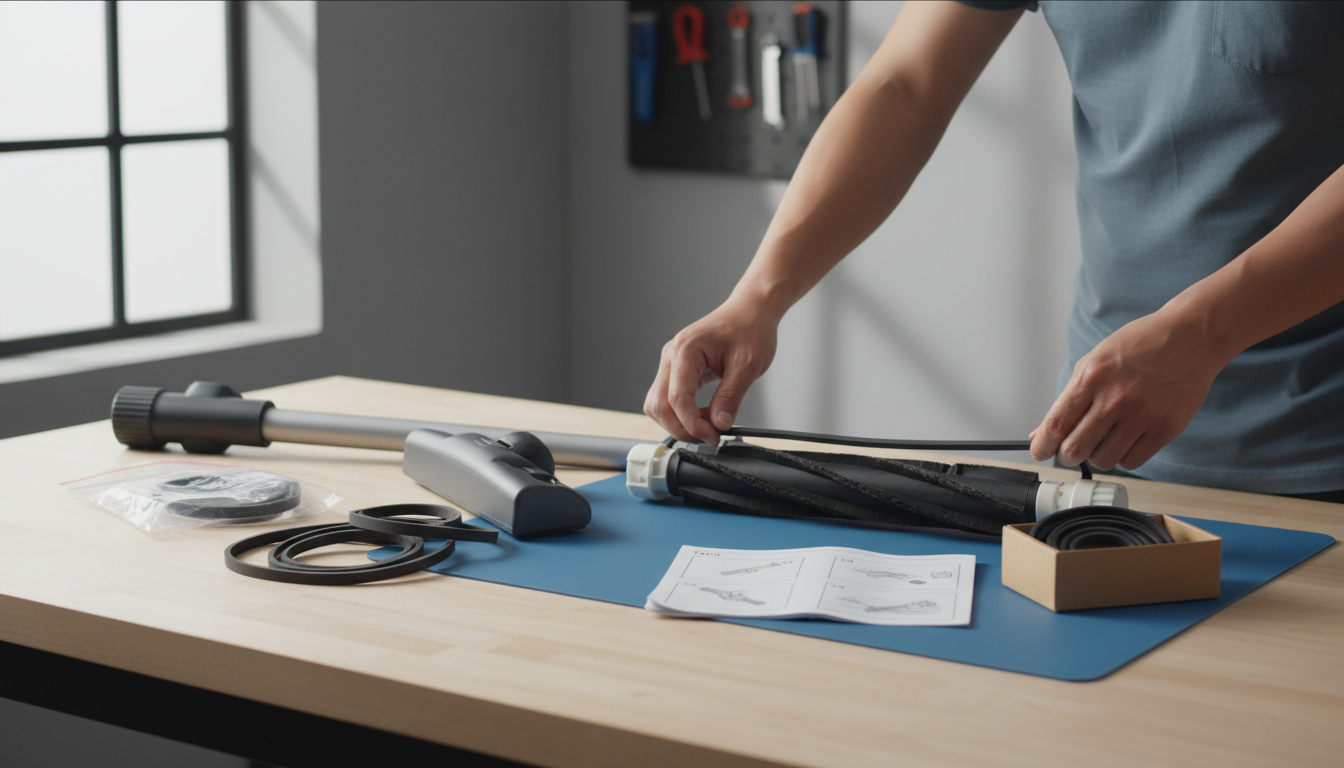
Common tools you might need for this task include:
- Screwdrivers: Typically Phillips-head or flathead, to remove screws securing the base plate or brush roll cover.
- Pliers: Occasionally useful for gripping stubborn parts or guiding the belt.
- Work gloves: Optional, but can provide better grip and protect your hands.
- Clean work surface: To keep track of small screws and components.
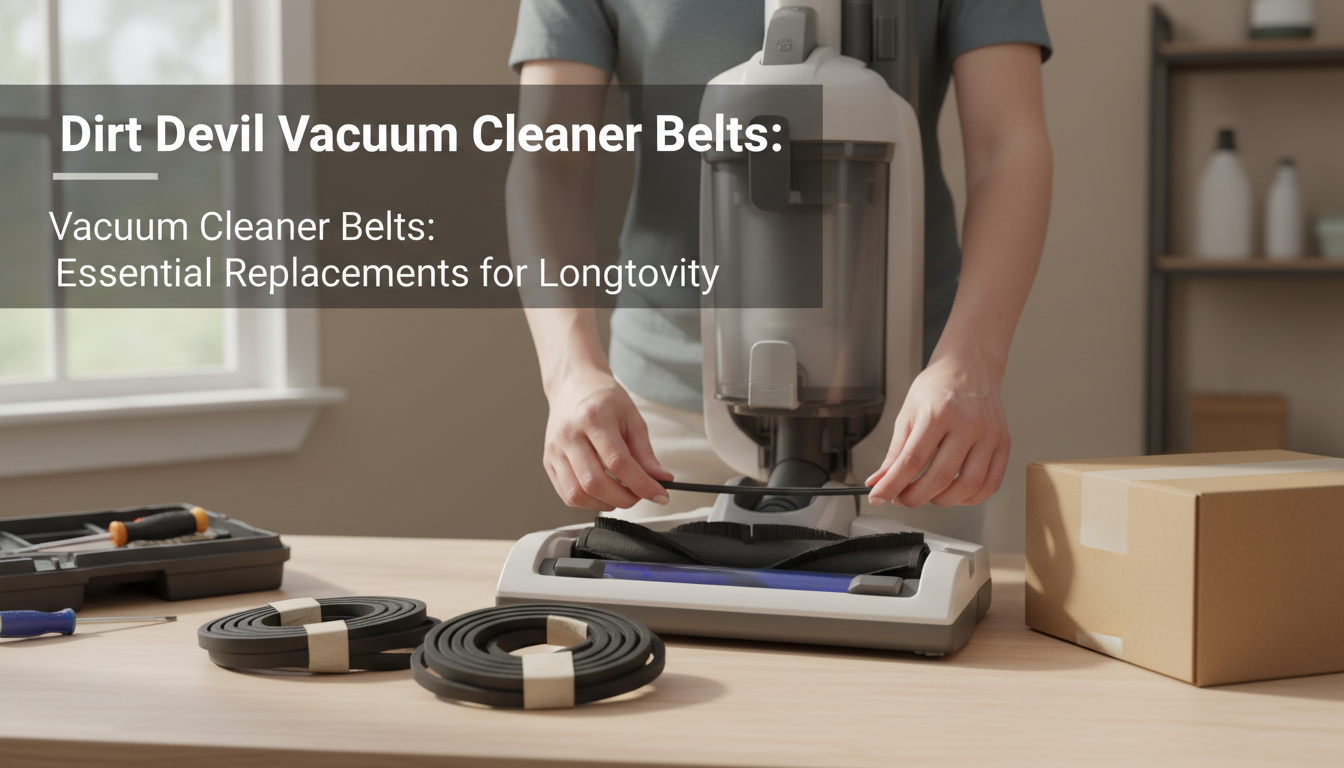
Begin by carefully turning your Dirt Devil vacuum over to expose the underside. Locate the brush roll housing, which is usually secured by several screws. Remove these screws and carefully lift off the base plate or cover to expose the brush roll and the motor shaft. Gently remove the old, broken, or stretched belt from both the brush roll and the motor shaft. Take note of how the old belt was routed, as this will guide the installation of the new one. Loop the new belt around the motor shaft first, then carefully stretch it over the brush roll. Ensure the belt is seated properly in any grooves on both components and is not twisted. Once the new belt is in place, manually spin the brush roll to confirm it rotates freely and the belt remains securely positioned. If there's resistance or the belt slips, re-check its placement. Finally, reattach the base plate or cover, securing all screws firmly but without over-tightening.
For easier installation and troubleshooting common snags:
- Always check for a belt routing diagram, often found on the vacuum's underside or in the user manual.
- Ensure the new belt is not twisted during installation, as this can cause premature wear or breakage.
- If the brush roll feels stiff after installing the new belt, ensure no debris is caught in the bearings or brush bristles.
- Confirm the belt is the correct size and type for your specific Dirt Devil model; an incorrect belt can lead to poor performance or damage.
Given the variations between Dirt Devil models, it's highly recommended to consult your specific model's user manual for detailed, step-by-step instructions and diagrams. Many manufacturers also provide video tutorials online that offer visual guidance, which can be invaluable for understanding the exact procedure for your vacuum.
Key Considerations When Buying a Replacement Dirt Devil Belt
Selecting the correct replacement belt for your Dirt Devil vacuum involves more than just matching a model number. Understanding material differences, purchasing strategies, and how to evaluate suppliers can help ensure you get a durable and compatible part, reducing the frequency of future replacements.
-
Belt Material and Durability Dirt Devil vacuum belts are typically made from rubber or a synthetic material like polyurethane. Each has distinct properties that can influence performance and lifespan:
- Rubber belts are common due to their flexibility and elasticity, which allows them to stretch and grip the brush roll effectively. However, rubber can degrade over time due to heat, friction, and exposure to cleaning chemicals, potentially leading to cracking or stretching, and ultimately, breakage.
- Polyurethane belts often offer greater tensile strength and resistance to wear, heat, and oil. These properties can translate to a longer service life and more consistent performance compared to standard rubber options, though they might be less flexible initially. When evaluating options, consider if the material type is specified and how it aligns with your usage patterns.
-
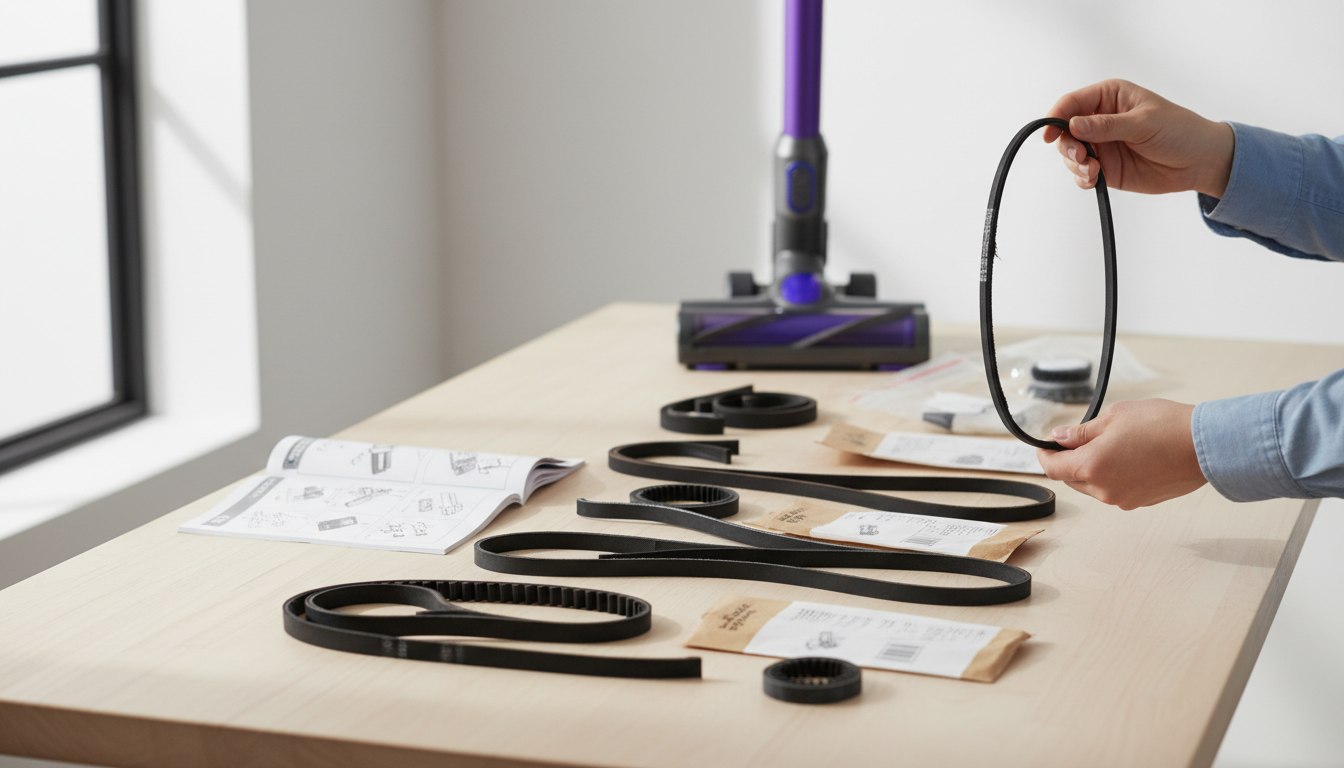
Benefits of Multi-Packs Given that Dirt Devil vacuum belts can require replacement every 3 to 6 months, purchasing multi-packs can be a practical approach. This strategy offers several advantages:
- Cost-Effectiveness: Buying in bulk often reduces the per-belt cost compared to single purchases.
- Convenience: Having spare belts on hand minimizes downtime when a belt unexpectedly breaks, preventing interruptions to your cleaning routine.
- Proactive Maintenance: A multi-pack encourages timely replacement, which is crucial for maintaining optimal brush roll agitation and suction power.
-
Sourcing Replacement Belts Where you purchase your replacement belt can impact its quality and compatibility.
- Official Dirt Devil Channels: Purchasing directly from Dirt Devil or authorized retailers often provides assurance of genuine parts designed specifically for your model, reducing the risk of fit issues.
- Reputable Third-Party Suppliers: Many third-party manufacturers offer compatible belts, sometimes at a lower cost. When considering these, prioritize suppliers with a strong reputation for quality and accurate product descriptions. Common retail stores, such as Walmart, may also carry specific Dirt Devil belt styles (e.g., Style 4/5) for various models.
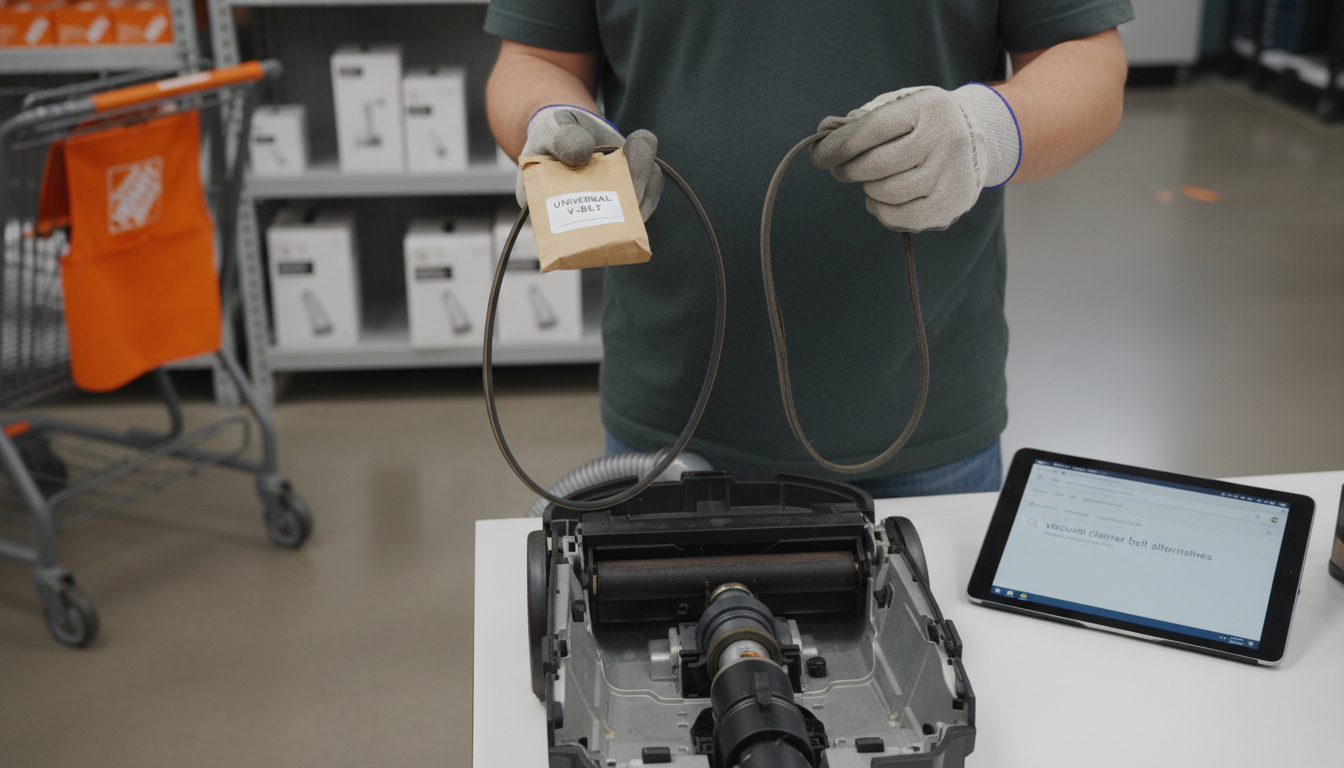
- Avoid Generic Listings: Be cautious of listings that claim "universal fit" without specifying Dirt Devil model compatibility, as these may not provide the precise tension and dimensions required for optimal function.
-
Evaluating Product Listings and User Reviews Before making a purchase, scrutinize product information and feedback:
- Verify Model and Style Numbers: Ensure the product listing explicitly states compatibility with your specific Dirt Devil model number and the correct "belt style" (e.g., Style 1, Style 5). This is the most critical step for correct fit.
- Check Dimensions (if available): While less common for belts, if dimensions are provided, compare them to your existing belt or vacuum specifications.
- Read User Reviews: Pay close attention to reviews that mention fit, durability, and ease of installation for your particular Dirt Devil model. Look for patterns in feedback regarding premature breakage or difficulty during installation, as these can indicate potential quality issues or compatibility challenges.
- Supplier Reputation: Review the seller's overall rating and return policy, especially when purchasing from third-party sources.
Your Top Questions About Dirt Devil Vacuum Belts Answered
Understanding the nuances of Dirt Devil vacuum belts can extend your appliance's life and maintain its cleaning efficiency. Here are answers to common questions Dirt Devil owners have about these essential components.
-
How often should a Dirt Devil vacuum belt be replaced? It's generally recommended to replace your Dirt Devil vacuum belt every 3 to 6 months, depending on usage frequency and the types of surfaces you clean. Regular replacement helps maintain optimal brush roll speed and cleaning performance. Heavy use or frequent encounters with obstructions may necessitate more frequent changes.
-
What are the clear signs that a vacuum belt needs replacing? Several clear indicators suggest your Dirt Devil vacuum belt requires replacement. The most common signs include a brush roll that has stopped spinning or spins inconsistently, a noticeable decrease in the vacuum's ability to pick up debris, particularly on carpets, and a burning rubber smell during operation. Additionally, if the motor sounds like it's working harder without a corresponding increase in cleaning action, the belt may be stretched or worn.
-
Can I use a generic or universal belt for my Dirt Devil vacuum? While generic or universal belts might seem like a convenient option, using them for your Dirt Devil vacuum is generally not recommended. Dirt Devil models are designed with specific belt dimensions and tension requirements. An incorrect belt, even if it appears to fit, may not provide the proper tension, leading to inefficient brush roll operation, premature wear on the motor, or breakage. For optimal performance and longevity, always seek out belts specified for your particular Dirt Devil model.
-
What should I do if a new belt breaks shortly after installation? If a newly installed Dirt Devil belt breaks quickly, it often points to an underlying issue beyond the belt itself. First, ensure you installed the correct belt type for your specific Dirt Devil model, as an ill-fitting belt can fail rapidly. Second, thoroughly check the brush roll for any obstructions, such as tangled hair, string, or debris, which can cause excessive strain and lead to belt breakage. A jammed brush roll prevents the belt from moving freely, causing it to snap. If the problem persists after verifying the belt type and clearing obstructions, there might be an issue with the brush roll assembly or motor.
Ensuring Peak Performance for Your Dirt Devil
Maintaining the effectiveness of your Dirt Devil vacuum hinges significantly on the condition of its belt. As you navigate the replacement process, remember that correctly identifying the specific belt for your model is paramount. This involves accurately locating your vacuum's model number and cross-referencing it with the corresponding belt style, such as Style 1 or Style 4/5. Choosing the precise fit prevents issues like reduced brush roll rotation, motor strain, and premature belt failure, which some users experience.
Proactive maintenance of this essential component can significantly extend your vacuum's operational life and cleaning efficiency. Regularly inspecting your Dirt Devil's belt for signs of wear, stretching, or damage is a simple yet impactful step. While durability can vary, considering a replacement every 3 to 6 months, especially with frequent use, can help preempt common problems. This routine attention ensures your vacuum consistently delivers its intended cleaning power.
Ultimately, a properly functioning belt is the cornerstone of optimal cleaning performance for your Dirt Devil. It directly drives the brush roll, which is critical for dislodging embedded dirt and debris from carpets and other surfaces. By prioritizing the correct belt selection and engaging in consistent, proactive maintenance, you safeguard your vacuum's motor, maximize its cleaning capability, and ensure it remains a reliable tool for keeping your home clean.
More in Vacuum Cleaner Belts
View All