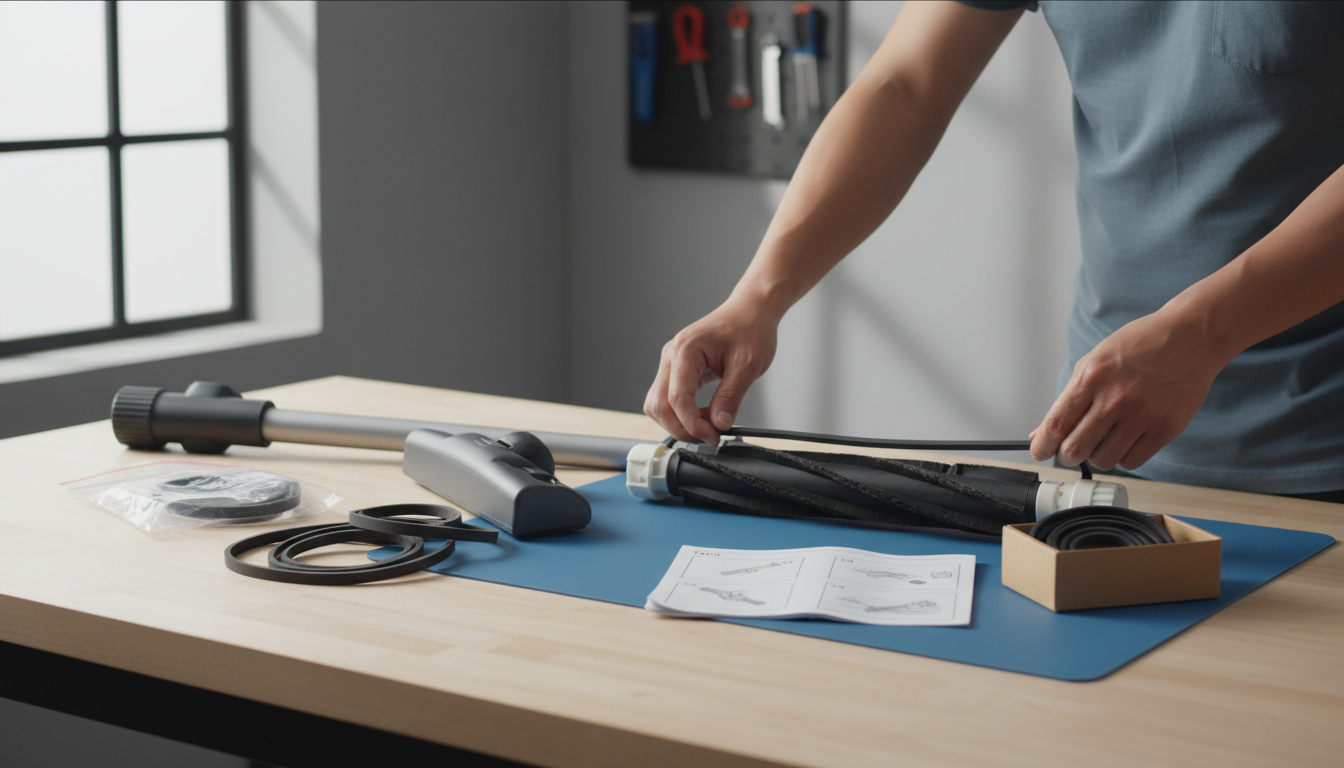
Buying Vacuum Cleaner Belts at Walmart: What to Look For and Alternatives
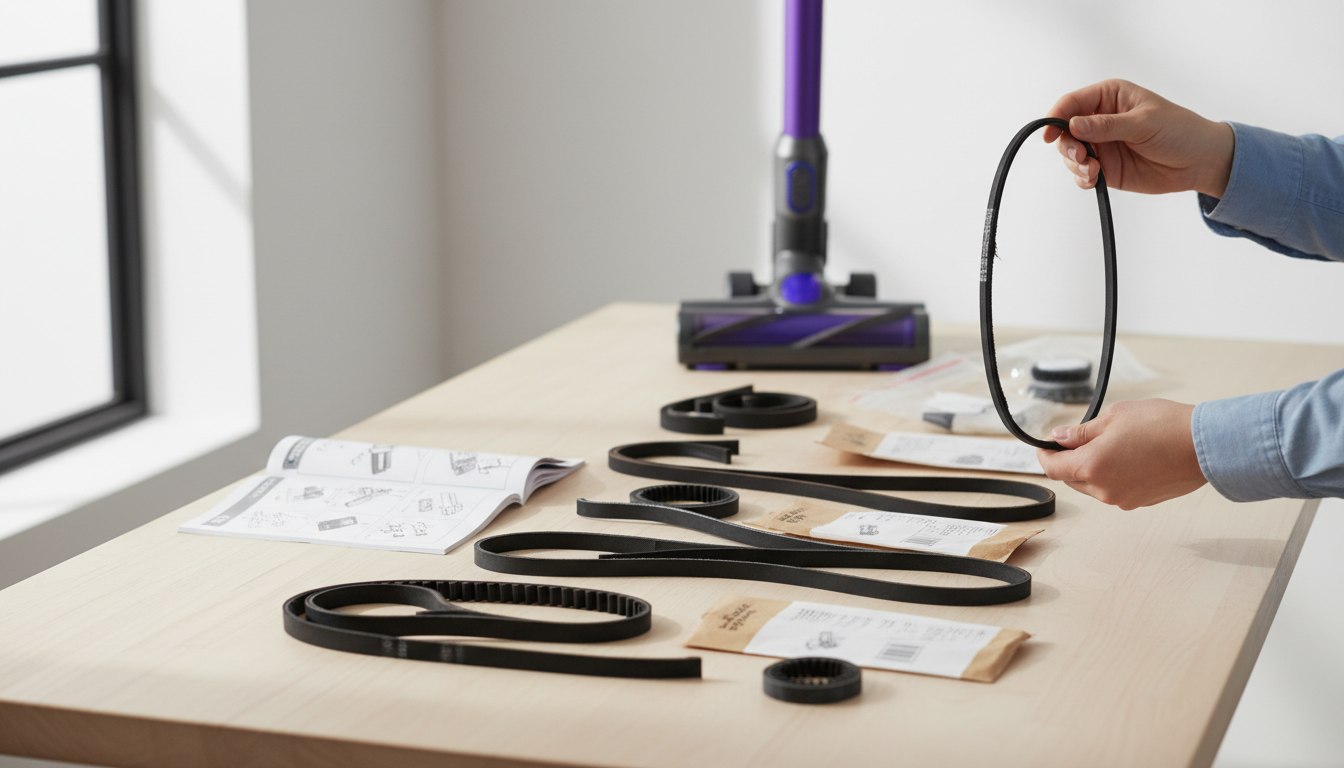
Shopping for Vacuum Cleaner Belts at Walmart: Your Guide to Finding the Right Fit
When your vacuum cleaner loses suction, a worn or broken belt is often the culprit. For many, Walmart represents a convenient and accessible option for finding a replacement. The appeal of purchasing vacuum cleaner belts at Walmart lies in its widespread presence and the potential for immediate availability. However, navigating the selection requires a clear understanding of what you need to ensure a successful repair.
This guide aims to equip you with the knowledge to confidently choose the correct vacuum belt at Walmart, or to recognize when alternative purchasing channels might be more suitable. Selecting the precise belt for your vacuum model is critical; an ill-fitting or incorrect belt can lead to poor cleaning performance, strain your vacuum's motor, or even cause further damage, ultimately shortening its lifespan. We'll explore the considerations involved, from identifying your belt type to understanding the trade-offs of in-store versus online options.
The Appeal of Buying Vacuum Belts at Walmart: Convenience and Value
For many vacuum owners, Walmart serves as a primary destination for replacement parts due to its accessibility and pricing. The widespread presence of Walmart stores means a quick, in-person purchase is often possible, eliminating waiting times associated with online orders. This immediate availability can be crucial when a vacuum belt breaks unexpectedly, allowing for a swift repair. Beyond physical locations, Walmart's online platform offers an expanded selection, providing another layer of convenience for those who prefer shopping from home.
Competitive pricing is another significant draw. Walmart frequently offers vacuum cleaner belts at accessible price points, which can be particularly appealing for a routine maintenance item. Shoppers often find value in multi-pack options, such as two-count or four-pack assortments, which can lower the cost per belt and provide spares for future needs. The store's own 'Great Value' brand is a common offering in this category, with customer reviews often highlighting its affordability and effectiveness for basic repairs, positioning it as a practical solution for getting a vacuum operational again without a significant investment.
Essential Criteria for Choosing the Right Vacuum Belt at Walmart
Selecting the correct vacuum cleaner belt at Walmart requires careful attention to detail to ensure compatibility and effective performance. Before making a purchase, consider these key factors to confidently find the right replacement for your vacuum.
-
Identify Your Vacuum's Make and Model The most crucial first step is to accurately determine your vacuum cleaner's make and full model number. This information is typically found on a sticker or plate located on the back, bottom, or side of the vacuum. Without this specific detail, you risk purchasing an incompatible belt. Note down the brand (e.g., Bissell, Hoover) and the exact model number (e.g., PowerForce Helix Turbo 1700).
-
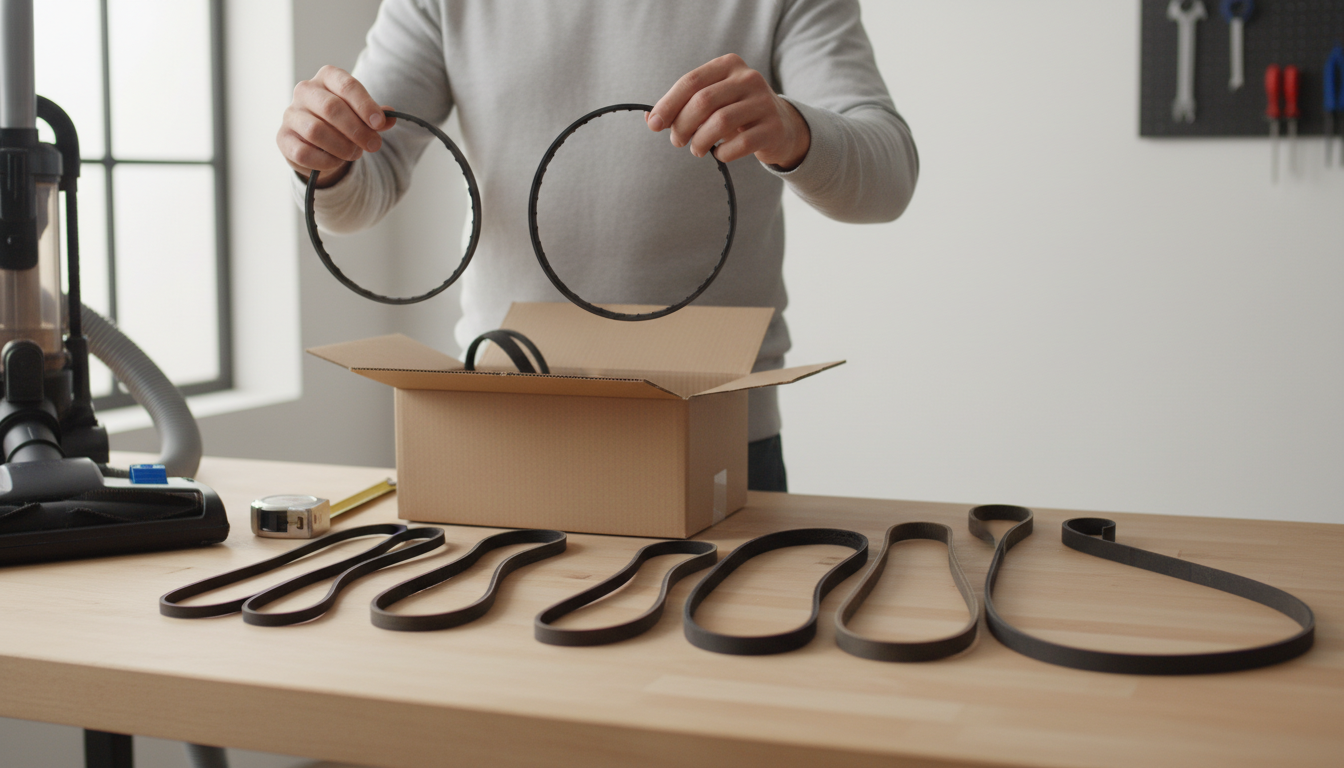
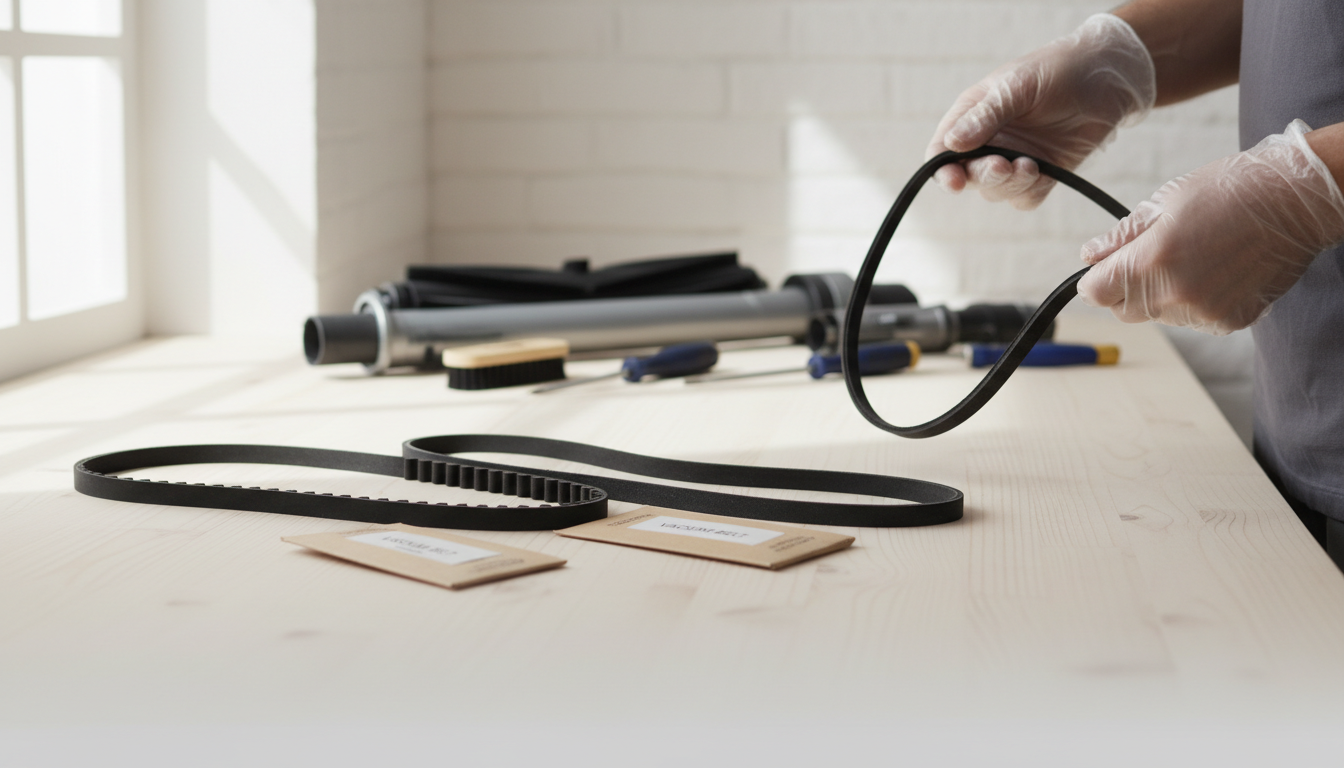
Understand Common Belt Types Vacuum belts are not universal and come in various designs. Familiarize yourself with the common types to help identify what you need:
- Flat Belts: These are wide, thin bands often found in many upright vacuums, driving the brush roll.
- V-Belts: Thicker and often trapezoidal in cross-section, V-belts provide more grip and are used in some heavier-duty brush roll systems.
- Cogged (or Toothed) Belts: These belts have teeth that engage with gears, offering precise timing for brush roll rotation, though they are less common in standard household vacuums. Visually inspecting your vacuum's old belt (if available) will help you determine its type and general appearance.
-
Weigh OEM vs. Generic Options Walmart typically stocks both original equipment manufacturer (OEM) belts and generic alternatives. OEM belts are produced by your vacuum's original manufacturer and are designed for a perfect fit and specified durability. Generic options, often more affordably priced, can also be effective. For example, Walmart's "Great Value" brand offers replacement belts compatible with various models, and customer feedback sometimes highlights their cost-effectiveness for routine repairs. Consider your budget and how long you intend to keep your current vacuum when deciding between these options.
-
Check Product Specifications and Compatibility Once you have your vacuum's model number and an idea of the belt type, carefully examine the product packaging or online listing at Walmart. Look for explicit statements of compatibility with your specific vacuum make and model. Some belts are designed for a range of models or "styles" (e.g., "Bissell Style 7, 9, 10, 12, 14"). Verify the belt's material and dimensions if listed, though direct model compatibility is usually the most reliable indicator.
-
Reference Customer Reviews for Insights Customer reviews on Walmart's product pages can offer practical insights into the fit and durability of specific belts, especially for generic options. For instance, reviews for Great Value replacement belts might mention aspects like "easy repair" or "durable material," providing real-world feedback on their performance. Pay attention to comments from users who own the same vacuum model as yours to gauge how well a particular belt performs in practice, noting any recurring issues related to fit or premature wear.
Navigating Potential Challenges When Shopping for Belts at Walmart
While Walmart offers convenience, purchasing vacuum cleaner belts there can present specific challenges that buyers should anticipate. Understanding these potential pitfalls can help you prepare for a more successful purchase or guide you toward alternative solutions when necessary.
One primary concern involves stock limitations and brand availability. Walmart's inventory, both in-store and online, can fluctuate significantly. You might find a wide range of common belts for popular brands, but specific or older vacuum models, or less common manufacturers, may not have readily available replacement belts. This variability means that a quick trip might not always yield the exact part you need, leading to multiple visits or the need to search elsewhere.
A significant risk of incorrect fit also exists. Even when a belt is listed as compatible with your vacuum's brand or style number, real-world fit issues can arise. Buyers sometimes report purchasing belts that, despite stated compatibility, do not fit correctly or perform optimally. This can be due to subtle manufacturing variations or general-purpose replacement belts not precisely matching the original equipment specifications. An ill-fitting belt can lead to poor cleaning performance or even damage your vacuum's motor over time.
Furthermore, consumers may encounter the 'Walmart-Exclusive' model dilemma. Some vacuum cleaners are manufactured exclusively for Walmart, often featuring unique model numbers or slight design variations. If you own one of these models, finding replacement parts like belts outside of Walmart can be exceptionally difficult, especially if the store discontinues carrying that specific vacuum or its associated parts. This can leave owners with a functional vacuum but no readily available replacement components.
Given these potential issues, it is advisable to check Walmart's return policies thoroughly before making a purchase. Understanding the conditions for returns, especially for opened or incorrectly sized parts, can mitigate the financial risk if the belt you buy doesn't fit or perform as expected. Keeping your receipt and original packaging is crucial for facilitating any necessary exchanges or refunds.
When to Consider Alternatives to Walmart for Your Vacuum Belt
While Walmart offers a convenient solution for many common vacuum cleaner belt replacements, specific situations may warrant exploring other purchasing channels. The optimal choice often hinges on the vacuum's model, the urgency of the repair, and your preference for selection depth versus immediate availability. Understanding these trade-offs can guide you to the most suitable source for your replacement belt.
-
Specialized Retailers and Online Marketplaces For less common vacuum models, older machines, or when seeking specific belt materials or designs, dedicated vacuum parts stores or large online marketplaces often provide a broader inventory. These channels typically stock a wider array of belt types, including flat, round, and V-belts, for numerous brands beyond what a general retailer might carry. This expanded selection increases the likelihood of finding an exact match, which is crucial for optimal vacuum performance and longevity. While specialized stores might offer expert advice, online platforms allow for detailed comparison of specifications and customer reviews, aiding in a precise selection. The primary trade-off is the potential for shipping delays and costs compared to an immediate in-store purchase.
-
Direct from Manufacturer Purchasing directly from the vacuum cleaner manufacturer is often advisable for newer, high-end, or proprietary models. Manufacturers guarantee that their belts meet exact specifications and quality standards for their specific machines. This can be particularly important for models with unique belt designs or when using a non-OEM (Original Equipment Manufacturer) part could potentially impact warranty coverage. While often the most expensive option, buying direct minimizes the risk of receiving an incompatible or substandard belt, ensuring a perfect fit and preserving the vacuum's intended performance. This route is less about immediate convenience and more about guaranteed compatibility and quality assurance.
-
Urgent Needs Versus Comprehensive Selection Walmart excels when you have an immediate need for a common vacuum belt, such as those for widely popular models where generic or 'fits-many' options are readily available on shelves. The benefit here is instant gratification and the ability to get your vacuum operational without delay. However, if your vacuum requires a specific, less common belt, or if you prefer to compare multiple options for durability, material, or brand, Walmart's in-store selection might be limited. In such cases, the broader inventory of online retailers or specialized parts stores, despite potential shipping times, can provide a more comprehensive selection, allowing for a more informed decision and a better long-term fit for your vacuum.
Recognizing When Your Vacuum Belt Needs Replacing
Before heading to Walmart for a replacement, understanding the indicators of a failing vacuum belt can save you time and prevent further issues. A worn or broken belt is a common culprit behind diminished vacuum performance, signaling the need for a new part. Identifying these signs early helps ensure your vacuum operates efficiently and avoids potential damage to other components.
Here are the key symptoms that suggest your vacuum belt requires attention:
- Loss of Brush Roll Rotation: This is often the most obvious sign. If your vacuum's brush roll (the spinning brush that agitates carpet fibers) stops rotating, or rotates intermittently, the belt is likely broken, stretched, or dislodged.
- Decreased Suction Power: A failing belt can indirectly impact suction. When the brush roll doesn't spin effectively, it can't agitate dirt from carpets, leading to a noticeable reduction in the vacuum's ability to pick up debris. While decreased suction can also indicate a full bag, clogged filter, or blocked hose, a belt issue should be considered if other causes are ruled out.
- Burning Smell: A burning odor during operation often points to a belt that is slipping, overheating, or encountering excessive friction. This can occur if the belt is stretched, if there's an obstruction in the brush roll, or if the belt is simply worn out and struggling to maintain tension.
Once you suspect a belt issue, a quick inspection can confirm the problem. Always ensure the vacuum is unplugged from the power outlet before performing any inspection or maintenance to prevent accidental activation.
To safely check your vacuum belt:
- Disconnect Power: Unplug your vacuum cleaner from the wall outlet.
- Access the Brush Roll: Typically, this involves flipping the vacuum over and removing a cover plate, often secured by screws or latches, to expose the brush roll and belt.
- Visually Inspect the Belt: Look for visible signs of wear, such as cracks, fraying, stretching, or if the belt is completely broken. Note if it's loose or has slipped off its pulleys.
- Test Brush Roll Movement: Gently try to spin the brush roll by hand. If it doesn't move freely or feels unusually loose, it reinforces the likelihood of a belt problem.
Recognizing these signs and performing a basic inspection can confirm the need for a new belt. Replacing a vacuum belt is often a straightforward repair that can restore your vacuum's performance quickly, with many users reporting successful replacements in a matter of minutes.
Frequently Asked Questions About Vacuum Belts at Walmart
Navigating the purchase of a replacement vacuum belt, especially at a large retailer like Walmart, often brings several questions to mind. Understanding the answers to these common queries can streamline your shopping experience and help ensure you make an informed decision.
Can I find any vacuum belt at Walmart?
Walmart typically stocks replacement belts for many popular and commonly owned vacuum cleaner brands and models. You'll often find options for widely used brands like Bissell and Hoover, including their "Great Value" brand equivalents. However, if your vacuum is an older model, a specialized commercial unit, or a less common brand, finding an exact match at Walmart might be challenging. In such cases, the selection might be limited, and you may need to explore specialty parts stores or online retailers.
How do I know which vacuum belt to buy at Walmart?
To ensure you purchase the correct belt, first identify your vacuum cleaner's specific brand and model number. This information is usually found on a sticker on the vacuum's base, back, or side. Next, if possible, remove the old belt and note its type (e.g., flat, V-belt, round, cogged) and any numbers or letters printed on it. When shopping at Walmart, whether in-store or online, carefully compare your vacuum's model number and the belt type with the product's compatibility list. Look for explicit statements like "compatible with [Your Brand] [Your Model]" to confirm the fit.
Are generic vacuum belts from Walmart reliable?
Generic vacuum belts, such as Walmart's "Great Value" brand, can be a cost-effective solution for replacing a worn belt. Many users report that these belts are durable and effective for restoring vacuum function. However, the reliability can sometimes vary compared to Original Equipment Manufacturer (OEM) belts, which are designed to exact specifications for specific vacuum models. While generic options often provide good value, it's advisable to check customer reviews for the specific generic belt you're considering to gauge general satisfaction and fit accuracy.
What if the vacuum belt I bought at Walmart doesn't fit?
If a vacuum belt purchased from Walmart doesn't fit your machine, it's important to understand their return policy. Walmart generally allows returns for most items, including vacuum parts, provided you have the receipt and the item is in its original packaging. To minimize the chances of a misfit, double-check your vacuum's model number and the belt's specifications before completing your purchase. If a belt doesn't fit, initiating a return promptly is the recommended course of action.
How often should I replace my vacuum cleaner belt?
There isn't a universal schedule for replacing a vacuum cleaner belt, as it depends heavily on usage and vacuum type. However, several signs indicate it's time for a replacement:
- Loss of Suction: If your vacuum isn't picking up dirt effectively, and other issues like a full bag or clogged filter have been ruled out, a stretched or worn belt could be the cause.
- Brush Roll Stalling: The brush roll (beater bar) might stop spinning or spin intermittently, even when the vacuum is on.
- Visible Wear: Inspect the belt for cracks, fraying, stretching, glazing, or a brittle texture.
- Burning Smell: A burning rubber smell during operation often signals that the belt is slipping or breaking.
For regular household use, checking your belt every 6 to 12 months for signs of wear is a good practice. Replacing it proactively when signs of degradation appear can help maintain your vacuum's performance and prevent further damage.
Making Your Decision: Walmart or Elsewhere for Your Vacuum Belt?
Deciding where to purchase your replacement vacuum cleaner belt ultimately hinges on balancing immediate needs with specific model requirements. Walmart offers undeniable advantages in terms of convenience and often competitive pricing, making it a viable option for many. However, its limitations in selection, particularly for less common or older vacuum models, mean it's not always the optimal choice. Your decision should be an informed one, weighing these factors against the precise demands of your vacuum and your personal shopping preferences.
When considering a purchase, prioritize confirming your vacuum's exact model number and the specific belt type it requires (e.g., flat, round, V-belt). This crucial step helps mitigate the risk of buying an incompatible part, a common issue reported by some shoppers when selection is broad but guidance is limited. While Walmart's online platform may offer a wider array of options than in-store, including various brands and multi-packs, verifying compatibility remains paramount regardless of the purchasing channel.
-
Choose Walmart if:
- Urgency is high: You need a belt immediately and can find a match in-store.
- Your vacuum is a common model: Standard belts for popular brands are more likely to be stocked.
- Budget is a primary concern: Walmart often provides cost-effective options, including 'Great Value' brand alternatives.
- You prefer in-person shopping: The ability to physically inspect packaging for compatibility information is valuable.
-
Consider alternatives if:
- Your vacuum is an older or niche model: Specialized appliance stores or online retailers often carry a broader, more specific inventory.
- You require an exact OEM (Original Equipment Manufacturer) part: While Walmart carries some branded belts, a dedicated parts supplier might offer a more comprehensive selection of genuine parts.
- You've encountered fit issues: If initial attempts at Walmart didn't yield the correct belt, exploring specialized vacuum stores or online parts distributors can provide better success.
- You need expert advice: For complex vacuum models or uncertainty about belt types, a specialty store might offer knowledgeable assistance.
Ultimately, whether you find your belt at Walmart or through another vendor, the goal is to secure a compatible part that restores your vacuum's performance without causing further damage. Your specific vacuum model, the urgency of the repair, and your willingness to explore various purchasing channels will guide you to the most suitable solution.
More in Vacuum Cleaner Belts
View All