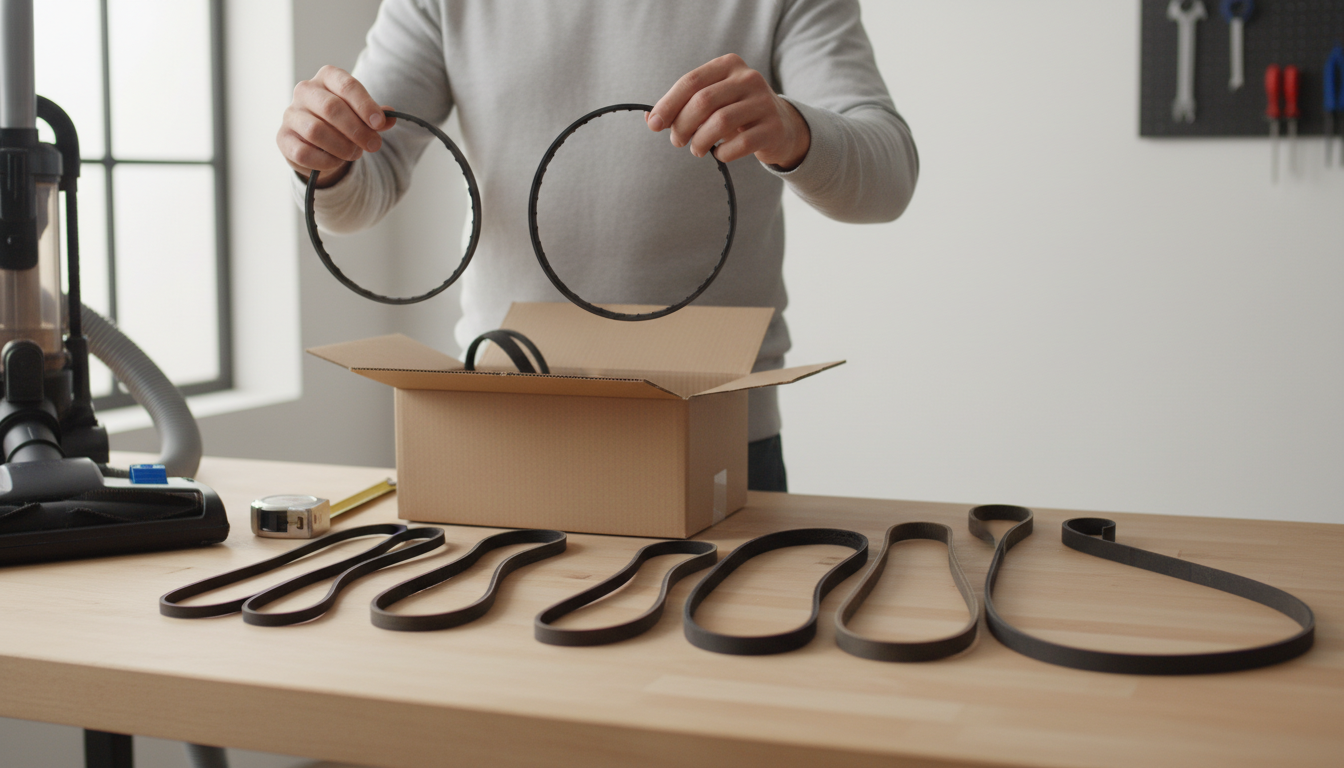
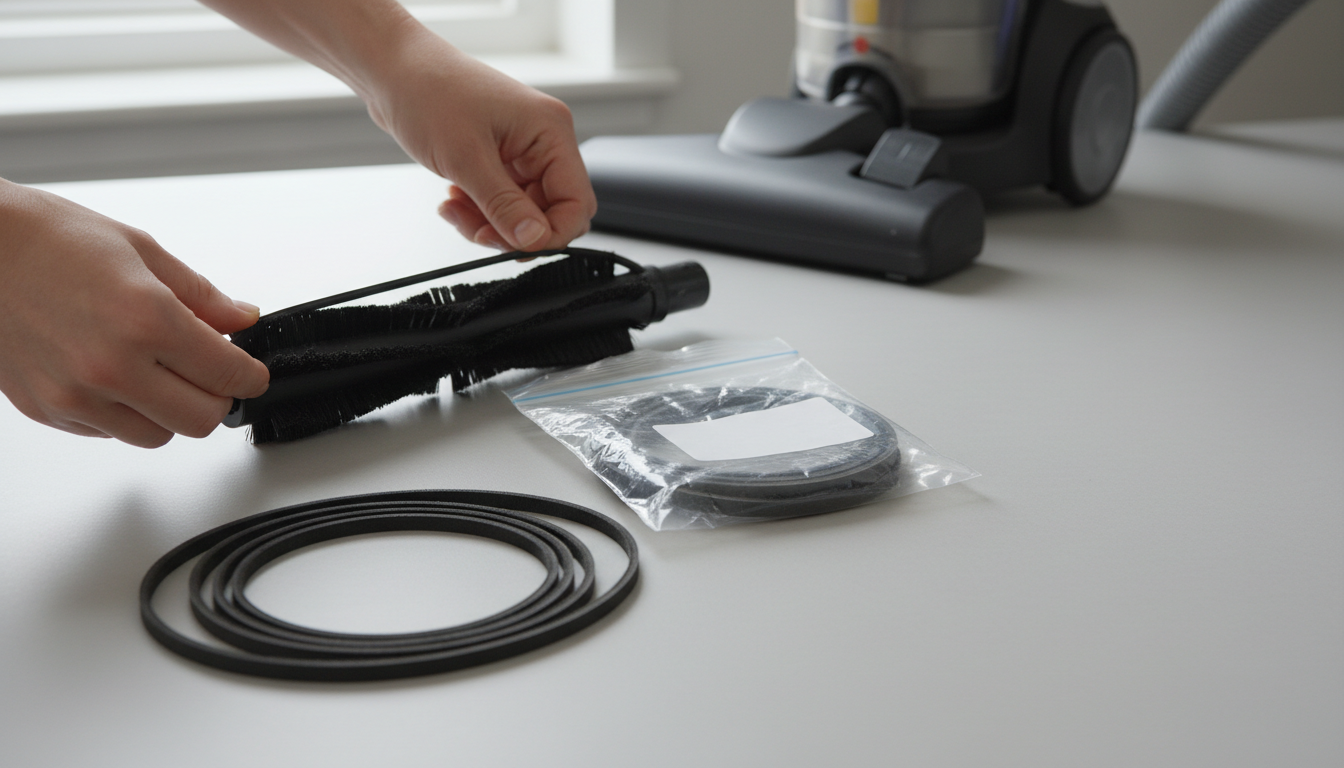
Shark Vacuum Cleaner Belts: Essential Replacements for Your Model's Performance
Restore Your Shark Vacuum's Power: Why the Belt Matters
A functional belt is essential for your Shark vacuum to deliver its intended cleaning performance. This often-overlooked component acts as the critical link between the motor and the brushroll, enabling the brushroll to spin and agitate carpets, effectively lifting dirt and debris. Without a properly working belt, even the most powerful Shark vacuum can lose its deep-cleaning capability, leaving behind noticeable dirt and diminishing overall efficiency.
Over time, vacuum belts can wear out due to friction, heat, and age, typically lasting several years under normal use. When a belt begins to degrade or breaks entirely, it directly impacts your vacuum's ability to clean. Recognizing these signs early can prevent further issues and help restore your Shark's power.
Common indicators that your Shark vacuum belt needs attention include:
- Brushroll not spinning: This is the most direct sign of a broken or severely stretched belt.
- Reduced suction or cleaning effectiveness: If your vacuum isn't picking up debris like it used to, especially from carpets, a failing belt might be the cause.
- Burning smell: A stretched or slipping belt can generate heat and a distinct burning odor.
- Unusual noises: A worn belt might cause grinding or squealing sounds as it struggles to operate.
This guide aims to empower Shark vacuum owners to confidently identify, source, and understand the replacement process for the correct belt. By focusing on model-specific compatibility and the nuances of Shark's design, you can ensure your vacuum returns to its optimal performance, tackling household messes with renewed vigor.
Understanding Shark Vacuum Belts: Their Role and When to Replace
The belt in a Shark vacuum cleaner is a critical component that translates power from the motor to the brushroll, also known as the agitator. This mechanical connection is essential for the brushroll to spin, lifting dirt and debris from carpets and hard floors into the vacuum's suction path. Without a functional belt, the brushroll remains stationary, significantly impacting the vacuum's ability to clean effectively.
Shark vacuums, depending on their model and design, may utilize different types of belts. Common configurations include flat belts, which often provide direct drive to the brushroll, or geared belts, which offer precise power transfer and are less prone to slipping. Some models might also incorporate stretch belts or V-belts, each designed for specific operational demands. Identifying the correct belt type is crucial for proper function and compatibility.
Over time, even the most robust belts will show signs of wear and tear. Key indicators that your Shark vacuum belt needs attention include visible cracking, stretching, fraying, or, in severe cases, snapping entirely. A stretched belt may slip, causing the brushroll to spin inconsistently or slowly. Cracks and fraying indicate material fatigue, increasing the likelihood of a complete failure.
The impact of a worn or broken belt on your vacuum's performance is immediate and noticeable. You might observe a significant decrease in dirt pickup, especially on carpets, as the brushroll is no longer agitating the fibers. The brushroll may stop spinning altogether, or it might spin weakly, resulting in poor cleaning efficiency. Addressing these issues promptly is key to restoring your Shark vacuum's optimal performance. While durability varies, Shark vacuum belts typically last around 7 years, though heavy use or encountering obstructions can shorten this lifespan.
Finding the Perfect Fit: Matching the Right Belt to Your Shark Model
Selecting the correct replacement belt for your Shark vacuum is crucial for restoring its optimal performance. Unlike generic components, Shark vacuum belts are engineered for specific models and series, directly impacting the brushroll's rotation and, consequently, the vacuum's cleaning efficacy. An incompatible belt may not fit, could stretch prematurely, or fail to drive the brushroll effectively, leading to continued performance issues.
To ensure you acquire the precise belt, begin by accurately identifying your Shark vacuum's model number. This number is the cornerstone of compatibility.
- Locating Your Model Number: Most Shark vacuums feature a product label or sticker that clearly displays the model number.
- Upright Models: Check the back or base of the main vacuum body, often near the wheels or motor housing.
- Canister Models: Look on the underside of the canister or the powerhead.
- Handheld/Stick Vacuums: The label might be on the main unit's handle, battery compartment, or the body itself.
Once located, note the complete model number, which often includes letters and numbers (e.g., NV500, UV810, IZ462H).
Shark often organizes its vacuums into distinct series, such as Rotator, Navigator, Apex, or Stratos. While a model number like "NV500" indicates a specific series, variations within that series might still exist, leading to different belt specifications. For instance, a "Rotator Powered Lift-Away" model might have a unique belt compared to a standard "Rotator" model. Always cross-reference your full model number with the belt's listed compatibility.
- Cross-Referencing for Accuracy:
- Manufacturer Part Numbers: Look for a specific part number associated with your vacuum's belt in your owner's manual or on the manufacturer's support website.
- Online Databases: Many reputable parts suppliers allow you to search by your Shark model number to find compatible belts.
- Visual Confirmation: If possible, compare images of the replacement belt with your existing belt (if still intact) or consult diagrams specific to your model.
It's important to acknowledge that finding specific replacement belts for certain Shark models can sometimes be challenging. Some designs may feature integrated belts that are not intended for user replacement, or older models might have limited parts availability. In such cases, verifying the belt's replaceability for your specific model is an important first step before purchasing.
Navigating Replacement Options: OEM vs. Aftermarket Belts
Once you've determined a replacement is needed, the next step involves choosing the right type of belt. Shark vacuum owners typically face a choice between Original Equipment Manufacturer (OEM) belts and aftermarket alternatives. Each option presents distinct trade-offs in terms of cost, availability, and perceived quality.
Original Equipment Manufacturer (OEM) belts are produced by Shark or by a manufacturer authorized to supply parts for Shark vacuums.
- Perceived Benefits: These belts are designed to meet the exact specifications of your specific Shark model, often ensuring a precise fit and material quality consistent with the original component. This can offer peace of mind regarding compatibility and expected performance.
Aftermarket belts are manufactured by third-party companies not affiliated with Shark.
- Potential Advantages: They are often more widely available and typically come at a lower price point than OEM options. This can be particularly beneficial for older or less common Shark models where OEM parts might be scarce.
- Potential Disadvantages: The quality of aftermarket belts can vary significantly. While some third-party manufacturers produce high-quality alternatives, others may use materials that are less durable or don't precisely match the original specifications. This variability can lead to issues such as premature cracking, stretching, or a less effective brushroll rotation, which some users have reported with replacement belts.
When choosing between OEM and aftermarket options, consider several factors:
- Budget: Aftermarket belts are generally more budget-friendly.
- Availability: For certain models, especially older ones, aftermarket belts might be the only readily available option.
- Specific Model Requirements: Some Shark vacuums may be more sensitive to the precise tension and material of the belt, making an OEM belt a safer choice for optimal performance.
- Risk Tolerance: OEM belts typically offer a lower risk of fit or durability issues, while aftermarket options introduce a variable quality factor.
Regardless of whether you choose an OEM or aftermarket belt, purchasing from reputable sources is crucial. This helps mitigate the risk of acquiring counterfeit or low-quality parts and often provides better customer support should any issues arise. Look for sellers with transparent product descriptions, positive reviews, and clear return policies to ensure you're getting a reliable replacement for your Shark vacuum.
General Steps for Replacing a Shark Vacuum Belt
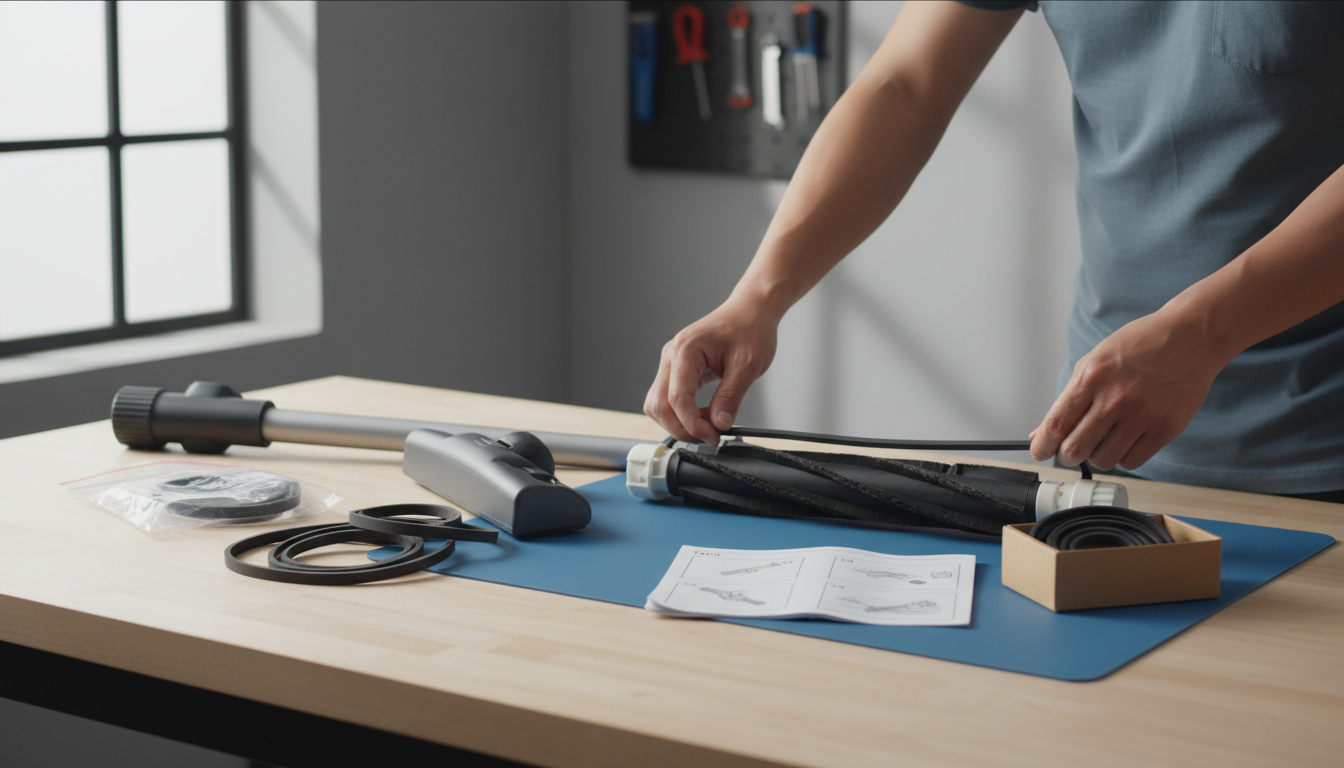
Replacing a worn or broken belt on your Shark vacuum can restore its cleaning performance, but it requires careful attention to safety and model-specific details. While the exact procedure varies by Shark model, a general sequence of steps can guide you through the process.
- Prioritize Safety: Always begin by unplugging your Shark vacuum cleaner from the power outlet. This prevents accidental activation and potential injury during the repair.
- Gather Your Tools: Most belt replacements typically require only basic tools. A Phillips head screwdriver is commonly needed to remove screws securing covers, and sometimes a flathead screwdriver or pry tool may be useful for gently detaching components.
- Access the Brushroll Area:
- Lay your vacuum flat on its back or side on a clean, stable surface.
- Locate the brushroll housing or bottom plate, which usually covers the brushroll and belt.
- Unscrew any visible screws that secure this cover. Some Shark models may use latches or clips instead of, or in addition to, screws.
- Carefully remove the brushroll cover.
- Inspect and Remove the Old Belt:
- Once the brushroll is exposed, you should see the belt connecting the motor shaft (often a small pulley) to the brushroll.
- Examine the old belt for signs of wear, such as cracks, fraying, stretching, or if it's completely broken. This inspection helps confirm the belt was indeed the issue.
- Carefully remove the old belt. If it's intact but stretched, you might need to gently pry it off the motor shaft or brushroll. If broken, simply remove the pieces.
- Install the New Belt:
- Loop the new belt around the motor shaft first, ensuring it's seated correctly.
- Then, stretch the belt over the brushroll. You may need to rotate the brushroll manually to help the belt settle into its groove. Ensure the belt is taut but not excessively strained.
- Reassemble and Test:
- Carefully replace the brushroll cover, ensuring all components align correctly.
- Secure the cover with the screws or clips you removed earlier.
- Before using the vacuum on floors, plug it back in and briefly turn it on to confirm the brushroll spins freely and quietly.
Crucial Advice: These are generalized steps. Shark vacuum models vary significantly in their design and belt replacement procedures. Always consult your specific Shark vacuum's user manual or refer to official online guides for precise, model-specific instructions. Following manufacturer guidelines ensures correct installation and prevents damage.
Post-Replacement Troubleshooting: If, after replacing the belt, the brushroll still isn't spinning, consider these common checks:
- Belt Seating: Ensure the new belt is properly seated on both the motor shaft and the brushroll, without being twisted or misaligned.
- Obstructions: Check the brushroll for any hair, debris, or other obstructions that might be preventing it from spinning freely.
- Brushroll Damage: Inspect the brushroll itself for any damage that could impede its rotation.
- Power Connection: Verify the vacuum is fully plugged in and receiving power.
- Reset Button: Some Shark models have a thermal reset button that might need to be pressed if the motor overheated.
Essential Considerations Before Buying a Replacement Belt
Selecting the correct replacement belt for your Shark vacuum is crucial for restoring its performance and avoiding further issues. A methodical approach ensures compatibility and helps you navigate the available options with confidence. Before making a purchase, consider these key factors to ensure you acquire the right component for your specific model.
-
Verify Your Shark Model Number: The single most important step is accurately identifying your Shark vacuum's full model number. This number is typically found on a label on the back or bottom of the vacuum itself, or sometimes under the dust cup. Shark produces numerous models, and belts are often model-specific. Even slight variations in model numbers can indicate different belt types or sizes. Without this precise information, you risk purchasing an incompatible belt.
-
Understand Fit Limits and Compatibility: Once you have your model number, use it to search for compatible replacement belts. A belt that is too short will be difficult to install, strain the motor, and wear out prematurely. Conversely, a belt that is too long will slip, fail to spin the brushroll effectively, and can generate heat or a burning smell. Incorrect width can also cause issues, leading to improper seating or damage to the brushroll mechanism. Always cross-reference the belt's listed compatibility with your exact Shark model number.
-
Evaluate Cost Versus Perceived Quality: Replacement belts are available from various sources, including original equipment manufacturers (OEM) and aftermarket suppliers. OEM belts, often sold directly by Shark or authorized parts distributors, typically offer guaranteed compatibility and quality, but may come at a higher price point. Aftermarket belts can be more budget-friendly, but their quality and precise fit can vary. Consider the trade-off between initial cost savings and the potential for reduced durability or performance issues if an aftermarket belt is not manufactured to precise specifications.
-
Risks of Incorrect Belt Use or Installation: Using the wrong type of belt or installing it improperly carries several risks. An ill-fitting belt can cause excessive friction, leading to premature failure of the belt itself or even damage to the vacuum's motor or brushroll assembly. Incorrect installation, such as improper tension or misalignment, can also result in poor cleaning performance, unusual noises, or a shortened lifespan for both the belt and other internal components. Always ensure the vacuum is unplugged before attempting any inspection or installation.
-
Sourcing Replacement Belts: Replacement belts for Shark vacuums can be purchased from authorized appliance parts retailers, direct from the manufacturer's website, or through various online marketplaces. When shopping, look for product descriptions that explicitly state compatibility with your Shark model number. If a specific part number is provided for the belt, use that as a primary identifier. For online purchases, review seller ratings and customer feedback regarding the accuracy of product descriptions and belt quality to mitigate risks.
Frequently Asked Questions About Shark Vacuum Belts
Understanding the nuances of your Shark vacuum's belt can help maintain its performance and extend its lifespan. Here are answers to common questions about these essential components.
How often should a Shark vacuum belt be replaced?
The lifespan of a Shark vacuum belt can vary based on usage frequency, the types of surfaces cleaned, and the presence of obstructions. While some belts can last for several years, a general guideline from maintenance information suggests they typically last around 7 years. However, it's more practical to replace a belt based on its condition rather than a strict timeline. Look for signs of wear such as stretching, cracking, fraying, or a complete break, which indicate an immediate need for replacement.
Can I use a universal belt for my Shark vacuum?
It is generally not recommended to use a universal belt for your Shark vacuum. Shark vacuums are designed with specific belt dimensions (length, width, and thickness) and tension requirements tailored to their brushroll and motor configuration. A universal belt might appear to fit, but it could be slightly off, leading to suboptimal performance, increased strain on the motor, or premature failure of the belt itself. Always prioritize finding a belt specifically designed for your Shark model.
What happens if I use the wrong belt?
Using an incorrect belt can lead to several issues:
- Reduced Performance: A belt that is too loose will not effectively spin the brushroll, leading to poor cleaning, especially on carpets.
- Overheating and Damage: A belt that is too tight can put excessive strain on the vacuum's motor, causing it to overheat and potentially leading to motor damage or rapid belt wear.
- Premature Failure: Incorrect dimensions or material can cause the belt to stretch, crack, or break much faster than a compatible belt, requiring more frequent replacements.
- Increased Noise: An ill-fitting belt might slip or rub incorrectly, generating unusual noises during operation.
Is it difficult to replace a Shark vacuum belt myself?
The difficulty of replacing a Shark vacuum belt varies significantly by model. Some Shark models are designed with user-friendly access to the brushroll and belt, often requiring only the removal of a few screws or clips to access the brushroll cover. Other models may necessitate more extensive disassembly. Repair guides exist for specific models, such as the Shark Rotator Powered Lift-Away Speed, detailing the steps involved. Before attempting a replacement, always unplug the vacuum and consult your model's user manual or an online repair guide for specific instructions.
How do I know if my Shark vacuum belt is broken or just stretched?
- Broken Belt: The most obvious sign of a broken belt is a completely non-spinning brushroll, even when the vacuum motor is running and suction is present. You might also hear the motor running freely without the characteristic brushroll sound, or see visible evidence of a snapped belt when inspecting the brushroll area.
- Stretched Belt: A stretched belt might allow the brushroll to spin, but with significantly reduced speed or intermittent operation. This often results in a noticeable decrease in cleaning effectiveness, particularly on carpeted surfaces. Other indicators include a burning rubber smell from friction, or the brushroll stopping under slight pressure while cleaning. A visual inspection might reveal a belt that appears loose or slack around the brushroll and motor shaft.
Keep Your Shark Vacuum Running Smoothly
Ensuring your Shark vacuum operates at its best hinges significantly on the condition of its belt. As a critical, yet often overlooked, component, a functional belt directly dictates your vacuum's ability to effectively clean by driving the brushroll. Identifying the specific belt compatible with your Shark model and understanding the replacement process are key steps to maintaining peak performance.
A timely and correct belt replacement offers tangible benefits for your cleaning routine and the longevity of your appliance. It restores the brushroll's proper rotation, allowing your vacuum to agitate carpets and lift debris with its intended efficiency. This not only optimizes cleaning results but also helps extend the overall lifespan of your Shark vacuum by preventing undue strain on other components.
Do not let a worn or broken belt diminish your Shark vacuum's capabilities. By promptly addressing belt issues with the correct, model-specific part, you can ensure your vacuum continues to deliver powerful, consistent cleaning, keeping your home spotless for years to come.
More in Vacuum Cleaner Belts
View All