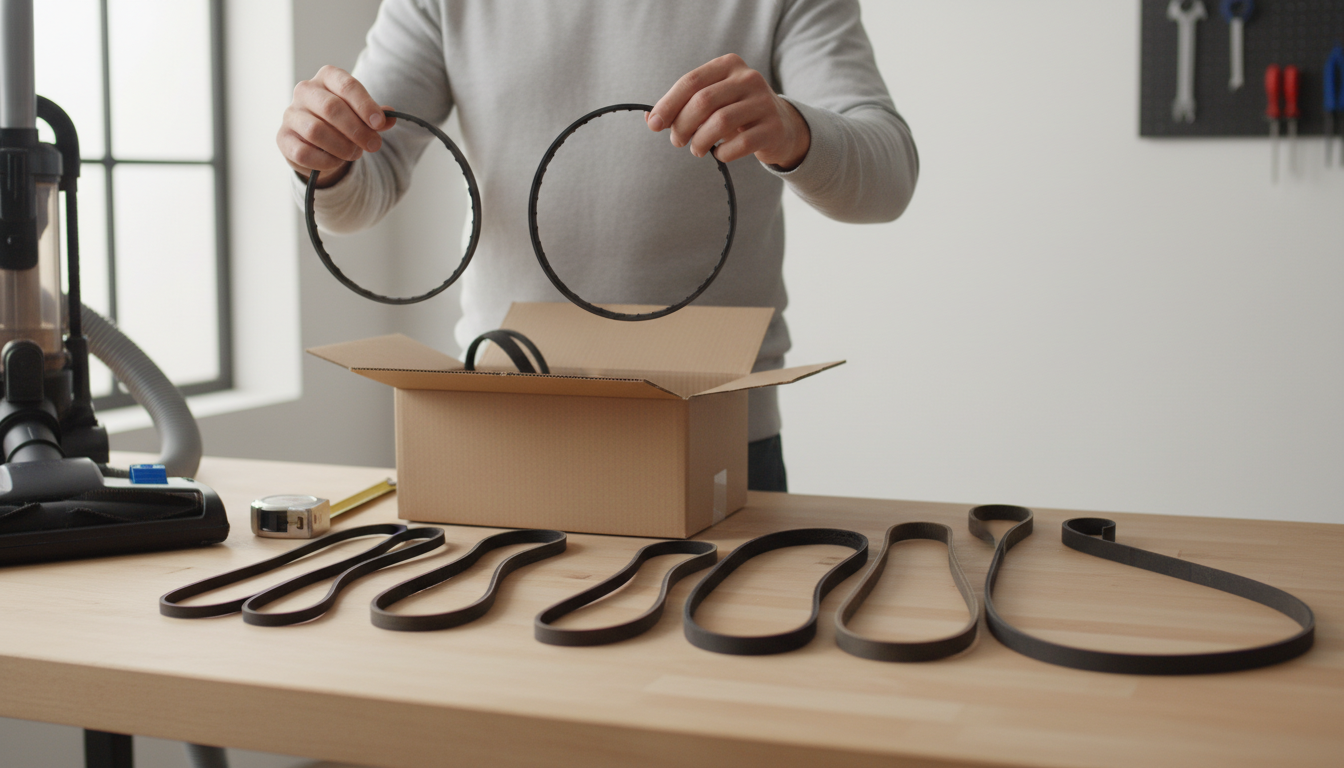
Buying Vacuum Cleaner Belts at Home Depot: What to Look For and Alternatives
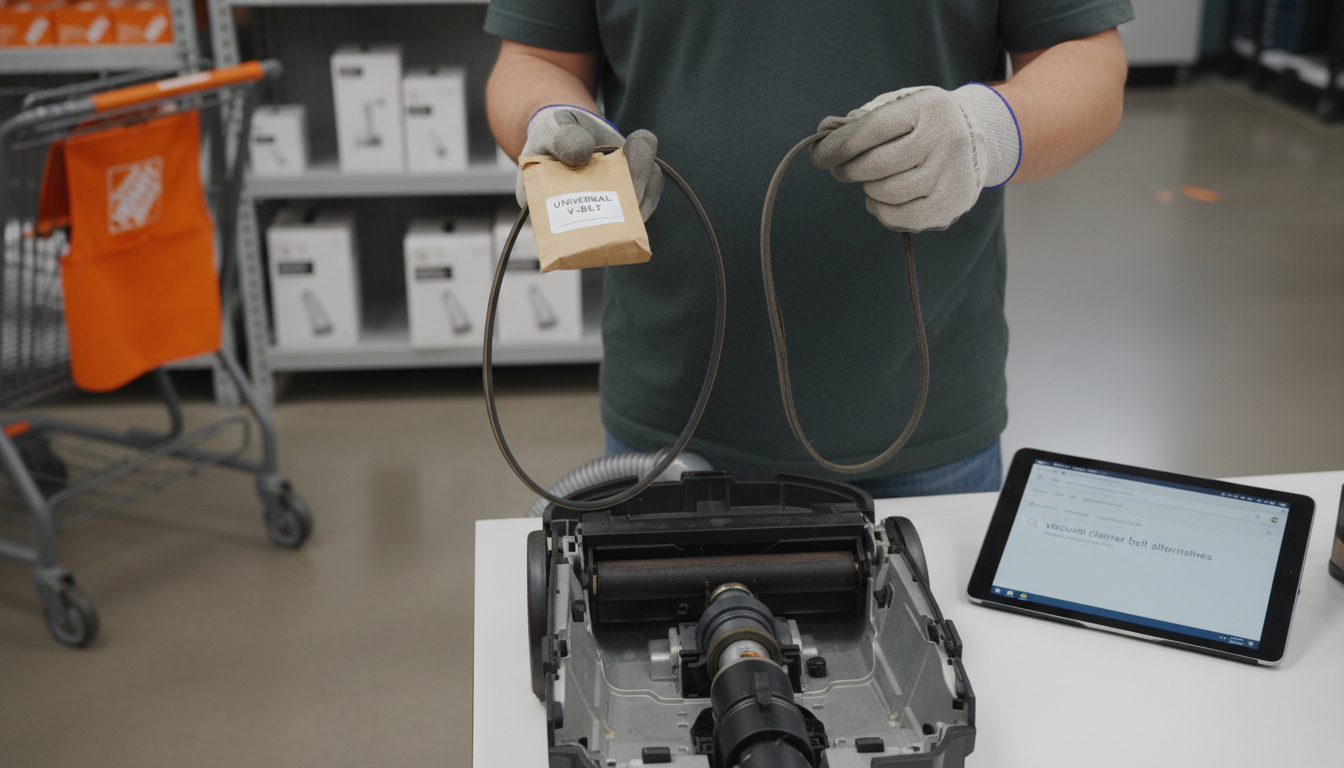
Navigating Home Depot for Your Vacuum Cleaner Belt Needs
A functional vacuum cleaner belt is essential for effective cleaning. This small but critical component drives the brush roll, allowing it to agitate carpet fibers and effectively lift dirt and debris into the vacuum's suction path. Without a properly working belt, your vacuum may lose its ability to clean thoroughly, often manifesting as reduced suction, a stationary brush roll, or unusual noises.
It's a common scenario for homeowners and DIY enthusiasts to find themselves in need of a replacement belt, as these parts wear out over time with regular use, often requiring replacement every 3 to 12 months depending on usage frequency. For many, Home Depot is a primary consideration for such purchases due to its widespread presence and the convenience of in-store availability, offering the possibility of an immediate fix.
This guide aims to empower you with the knowledge needed to confidently purchase the correct vacuum cleaner belt. We'll explore:
- Key criteria for selecting the right belt.
- Understanding compatibility to ensure a proper fit for your specific vacuum model.
- Potential challenges you might encounter when shopping at Home Depot.
- Viable alternative purchasing channels to consider.
Understanding Your Vacuum Cleaner's Belt Type and Compatibility
Before considering a purchase at Home Depot or any other retailer, accurately identifying your vacuum cleaner's specific belt requirements is a critical first step. An incorrect belt can lead to poor cleaning performance, damage to your vacuum, or premature belt failure. This identification process relies heavily on understanding different belt types and locating your vacuum's model information.
Vacuum cleaner belts typically fall into a few primary categories, each designed for specific drive mechanisms:
- Flat Belts: These are common, featuring a smooth, flat surface. They often drive brush rolls in upright vacuums and rely on tension to grip.
- Round Belts: Less common in modern vacuums, these have a circular cross-section and are sometimes found in older models or for specific internal drives.
- Cogged (or Ribbed) Belts: These belts have teeth or grooves that engage with matching gears on the motor and brush roll, providing a more positive, slip-free drive. They are often found in higher-performance models.
- V-Belts: Characterized by a trapezoidal cross-section, these belts fit into V-shaped grooves on pulleys, offering good grip and torque transmission.
The most reliable method for ensuring compatibility is to use your vacuum's brand and full model number. This information allows you to cross-reference with manufacturer specifications or replacement part guides. You can typically find your vacuum's model number on a sticker or plate located in various places:
- On the underside of the main body or powerhead.
- On the back or side of the vacuum's canister or upright body.
- Underneath the dustbin or dirt cup.
- On the handle or wand assembly.
Purchasing the wrong belt carries several risks. A belt that is too loose will slip, causing the brush roll to stop spinning or spin inefficiently, leading to reduced cleaning effectiveness and leaving dirt behind. Conversely, a belt that is too tight can strain the vacuum's motor, potentially causing it to overheat or burn out prematurely. It can also lead to the new belt breaking quickly, necessitating another replacement sooner than expected. Common indicators of a failing belt, such as reduced suction or unusual noises, often point to the need for a precise replacement.
If your old belt is still available, you can use it as a reference for size, though it's crucial to remember that old belts often stretch over time. To measure:
- If broken: Lay the pieces end-to-end and measure the total length. This gives you the approximate circumference.
- If intact but stretched: Carefully remove the belt and measure its circumference while laid flat, or measure its length and width.
Always prioritize the vacuum's model number over a measurement of an old, potentially stretched belt, as the model number provides the exact manufacturer specification.
Is Home Depot the Right Place to Buy Your Vacuum Belt?
When your vacuum cleaner belt breaks, the immediate need for a replacement often drives the decision of where to shop. Home Depot, with its widespread locations and reputation for carrying home improvement essentials, frequently comes to mind. Evaluating whether it's the optimal choice involves weighing its advantages against potential limitations.
Consider the following points when deciding if Home Depot aligns with your specific needs for a vacuum belt purchase:
- Immediate Availability: Home Depot often stocks common vacuum belt sizes and types, making it an excellent option for urgent replacements. Many stores offer "Pick Up Today" services, allowing you to secure a belt within hours of realizing you need one. This addresses the critical problem of getting your vacuum operational without delay.
- Local Access: For many homeowners, a Home Depot store is conveniently located, reducing travel time compared to specialty vacuum repair shops or waiting for online deliveries.
- Physical Inspection (Limited): While most belts are packaged, the ability to physically be in a store can sometimes aid in identifying the general type of belt or seeking assistance from store associates for general location.
However, there are also potential drawbacks to consider:
- Limited Selection: Compared to online retailers specializing in vacuum parts or dedicated vacuum repair stores, Home Depot's in-store inventory for vacuum belts can be more restricted. You might find belts for popular brands and common models, but less common or older vacuum models may not have readily available replacements.
- Brand-Specific Availability: While they carry a range of products, the specific belt for a less common vacuum brand or a very old model might not be in stock, requiring a special order or a trip elsewhere.
- Staff Expertise: While Home Depot staff can assist with locating products, their in-depth knowledge of vacuum cleaner belt compatibility across all brands and models may vary, potentially making self-identification of the correct belt crucial.
When shopping at Home Depot, remember that their website often reflects a broader inventory than what's immediately available in a single store. You can check stock online for your local store or explore options for ordering a belt for in-store pickup or home delivery if your specific model isn't on the shelf.
Ultimately, Home Depot excels at solving the problem of an immediate need for a common replacement part with local, convenient access. If your vacuum belt breaks and you need a quick fix today, Home Depot's in-stock options and local pickup capabilities offer a distinct advantage over alternatives that require waiting for shipping or traveling to a specialized store.
Key Factors When Selecting a Replacement Vacuum Belt
When purchasing a vacuum cleaner belt, especially from a general retailer like Home Depot, a careful evaluation of several factors beyond just finding "a" belt is essential. The quality and type of belt directly impact your vacuum's cleaning performance and longevity.
-
Material Composition and Durability: Belts are typically made from rubber or synthetic compounds.
- Rubber belts are common and offer good elasticity, allowing them to stretch and maintain tension. However, they can degrade over time due to heat, friction, and exposure to cleaning chemicals, leading to cracking or stretching.
- Synthetic belts, often reinforced with materials like polyurethane, tend to offer greater durability and resistance to heat and wear. They may maintain their elasticity longer, potentially extending the time between replacements. Considering your vacuum's usage frequency, opting for a more durable material can reduce the hassle of frequent replacements, which are generally recommended every 3 to 12 months.
-
Brand Reputation and OEM Equivalents: While Home Depot may offer generic or store-brand options, prioritizing belts from reputable aftermarket manufacturers or those explicitly marketed as OEM (Original Equipment Manufacturer) equivalents can be beneficial. OEM equivalents are designed to meet the original specifications of your vacuum cleaner, ensuring a precise fit and intended performance characteristics. Reputable brands often invest in quality control, which can translate to more consistent belt performance and a lower risk of premature failure compared to unbranded alternatives.
-
Single Belts vs. Multi-Packs: Home Depot often stocks belts individually or in multi-packs.
- Single belts are suitable for immediate replacement needs, offering a quick solution.
- Multi-packs typically provide better cost-effectiveness per belt and ensure you have spares on hand. Given that vacuum belts are consumable parts designed to wear out, having an extra belt can prevent cleaning interruptions and save a trip to the store when the next replacement is due. This trade-off balances immediate cost against future convenience and value.
-
Impact of Quality on Performance: A high-quality belt ensures consistent power transfer from the motor to the brush roll. This directly affects the brush roll's speed and ability to agitate carpets effectively, which is critical for lifting dirt and debris. A low-quality belt can stretch, slip, or break prematurely, leading to a noticeable decrease in suction, an ineffective brush roll, or unusual noises, all of which compromise your vacuum's cleaning efficacy and can strain the motor.
-
Fit Limits and Potential Failure Points: An incorrect belt size or type, even if it appears to fit, can lead to significant problems. A belt that is too tight can overstress the motor and brush roll bearings, causing premature wear or motor burnout. A belt that is too loose will slip, fail to drive the brush roll effectively, and generate excessive heat, leading to rapid degradation. Using a belt with inappropriate material properties can also result in frequent breakage or stretching, requiring more frequent replacements and potentially damaging other vacuum components. Ensuring the belt precisely matches your vacuum's model specifications is paramount to avoid these common failure points and maintain optimal function.
Recognizing When to Replace Your Vacuum Belt and Common Issues
Understanding when your vacuum cleaner belt needs attention is crucial for maintaining effective cleaning performance and preventing more significant damage. Belts are wear-and-tear components, and their failure can manifest in several ways.
Key indicators that your vacuum belt may be failing include:
- Reduced Suction or Cleaning Efficiency: While the vacuum motor might still run, a failing belt means the brush roll isn't spinning effectively, or at all. This significantly reduces the vacuum's ability to agitate carpet fibers and pick up embedded dirt, leading to noticeably poorer cleaning.
- Stationary Brush Roll: The most direct sign of a broken or severely stretched belt is a brush roll that doesn't spin when the vacuum is on and engaged.
- Burning Smell: A burning rubber smell often indicates the belt is slipping or rubbing excessively, generating heat. This can happen if the belt is stretched, misaligned, or if the brush roll is jammed.
- Unusual Noises: While motor noises can signal various issues, a squealing or grinding sound specifically when the brush roll should be active might point to a worn or damaged belt.
To ensure optimal performance, vacuum cleaner belts are generally recommended for replacement every 3 to 12 months, depending on usage frequency and the vacuum model. High-traffic use or frequent vacuuming of pet hair might necessitate replacement closer to the 3-6 month mark, while lighter use could extend this to 6-12 months. Keeping a spare belt on hand can prevent cleaning interruptions.
Delaying belt replacement carries several risks:
- Motor Strain: A slipping or broken belt forces the motor to work harder without achieving the intended cleaning action, potentially leading to premature motor wear or overheating.
- Reduced Cleaning Effectiveness: As noted, a compromised belt directly impacts your vacuum's ability to clean thoroughly, leaving dirt and debris behind.
- Damage to Other Components: Continuous operation with a faulty belt can cause friction and heat buildup, potentially damaging the brush roll bearings, motor, or other internal parts.
Before concluding that your belt is the sole culprit, it's prudent to rule out other common vacuum issues. Check for clogged filters, a full dust bag or canister, or blockages in the hose or brush roll itself. These problems can also lead to reduced suction or brush roll stoppage, mimicking belt failure. Addressing these simpler issues first can help accurately diagnose whether a new belt is truly needed.
Exploring Alternatives to Home Depot for Vacuum Belts
While Home Depot offers a convenient option for many common vacuum cleaner belts, it's beneficial to understand other purchasing channels that might better suit specific needs regarding selection, expertise, or price. Each alternative presents its own set of advantages and compromises when compared to the immediate availability often found at Home Depot.
-
Specialty Vacuum Stores: These dedicated retailers often boast a deep inventory of belts for a wide array of vacuum brands and models, including older or less common units.
- Pros: Expert staff can provide precise compatibility advice and may even offer installation tips. Their selection often extends beyond what mass retailers carry.
- Cons: These stores are becoming less common, meaning fewer locations and potentially longer travel times for some buyers. Prices might also be slightly higher due to specialized inventory and service.
- Trade-off: You gain specialized knowledge and a broader selection for unique models, but sacrifice the widespread convenience of a big-box store.
-
Online Retailers: Websites like Amazon, eBay, and specialized appliance parts stores offer an extensive marketplace for vacuum belts.
- Pros: Unparalleled selection, often including both OEM and aftermarket options for virtually any vacuum model. Competitive pricing is common, and shopping from home offers maximum convenience.
- Cons: The primary drawback is shipping time; immediate gratification for a broken belt is not possible. There's also an inability to physically inspect the belt before purchase, making careful review of product descriptions and seller ratings crucial.
- Trade-off: You access a vast inventory and competitive prices, but must plan ahead for shipping and rely on accurate online descriptions.
-
Manufacturer Websites: For guaranteed authenticity, purchasing directly from your vacuum cleaner's manufacturer website is a reliable route.
- Pros: You are assured of receiving Original Equipment Manufacturer (OEM) parts, which are designed to perfectly fit and function with your specific model, maintaining warranty validity in some cases.
- Cons: Selection is limited exclusively to belts for that manufacturer's brand. Prices can sometimes be higher than aftermarket options found elsewhere, and shipping is always required.
- Trade-off: You ensure a perfect, brand-specific fit and quality, but at the cost of broader brand selection and potentially higher prices compared to generic alternatives.
Considering these options allows you to weigh factors like urgency, budget, and the uniqueness of your vacuum model against the immediate, but sometimes limited, offerings at Home Depot.
Frequently Asked Questions About Vacuum Belts at Home Depot
Navigating replacement parts can raise several questions. Here are common concerns homeowners and DIY enthusiasts often have when considering vacuum cleaner belts, especially through Home Depot:
-
Why should I consider buying vacuum belts from Home Depot? Home Depot offers the convenience of immediate, in-store pickup for many common vacuum belt sizes and brands, allowing for quick repairs. Their online inventory also provides options for home delivery.
-
How do I find the correct vacuum belt for my specific model? Always start by locating your vacuum cleaner's make and model number, usually found on a sticker on the base or back. Cross-reference this information with the compatibility lists on belt packaging or product descriptions at Home Depot, or consult your vacuum's manual.
-
How often should vacuum cleaner belts be replaced? For optimal performance, vacuum belts typically require replacement every 3 to 12 months, depending on usage frequency. Heavy use (daily cleaning) warrants more frequent changes.
-
What are the signs that my vacuum belt needs replacing? Key indicators include a brush roll that has stopped spinning or spins slowly, a noticeable decrease in suction power, a burning rubber smell, or unusual noises like squealing or grinding during operation.
-
Can using the wrong belt damage my vacuum cleaner? Yes. An ill-fitting belt can cause excessive strain on the motor, leading to overheating or premature motor failure. It can also prevent the brush roll from functioning correctly, reducing cleaning effectiveness and potentially damaging other components.
-
Are multi-packs of belts a good value? Often, yes. Multi-packs typically offer a lower per-belt cost compared to individual purchases. Having a spare belt on hand is practical, as they are wear-and-tear items that benefit from regular replacement to maintain vacuum efficiency.
Making Your Informed Purchase Decision
Empowering yourself with the right information is the most effective way to ensure your vacuum cleaner performs optimally. When seeking a replacement belt, whether at Home Depot or through alternative channels, your success hinges on a few critical factors that guide your selection and purchasing path.
Your primary focus should always be on identifying the precise specific vacuum model information. This includes the brand, model number, and often the serial number, usually found on a label on the vacuum itself. This detail is paramount for determining the correct compatibility and belt type (flat, round, or cogged) required for your machine. Without it, you risk purchasing an ill-fitting belt that could lead to poor performance or even damage.
Consider these key elements before making your final choice:
- Accurate Identification: Double-check your vacuum's model number and any existing belt's part number or physical dimensions. This is the single most important step.
- Belt Type and Material: Confirm if your vacuum uses a flat, round, or cogged belt, and note any specific material requirements if known.
- Replacement Frequency: Belts are wear items. Plan to replace them every 3 to 12 months, depending on usage, to maintain peak performance. Keeping a spare can prevent cleaning interruptions.
- Purchasing Channel: Weigh the immediate convenience of finding a belt at a local Home Depot against the potentially broader selection and specialized expertise offered by online retailers or dedicated vacuum repair shops. Home Depot offers accessibility, while specialty stores might have harder-to-find models.
Ultimately, your decision path involves balancing immediate need with the best fit. If your vacuum is a common model, Home Depot may offer a quick solution. For older, less common, or specialized vacuums, exploring online options or a vacuum service center might yield a more precise match.
To ensure long-term vacuum performance beyond just replacing the belt, integrate regular maintenance into your routine:
- Inspect Regularly: Periodically check your belt for signs of wear, cracking, or stretching.
- Clear Brush Roll: Keep the brush roll free of hair, string, and debris that can put undue stress on the belt and motor.
- Clean Filters: Ensure filters are clean or replaced as recommended by the manufacturer to maintain airflow and prevent motor strain.
- Store Properly: Avoid storing your vacuum in extreme temperatures, which can degrade belt materials over time.
By focusing on accurate identification, understanding belt characteristics, and practicing consistent maintenance, you can confidently select the right replacement belt and extend the effective life of your vacuum cleaner.
More in Vacuum Cleaner Belts
View All