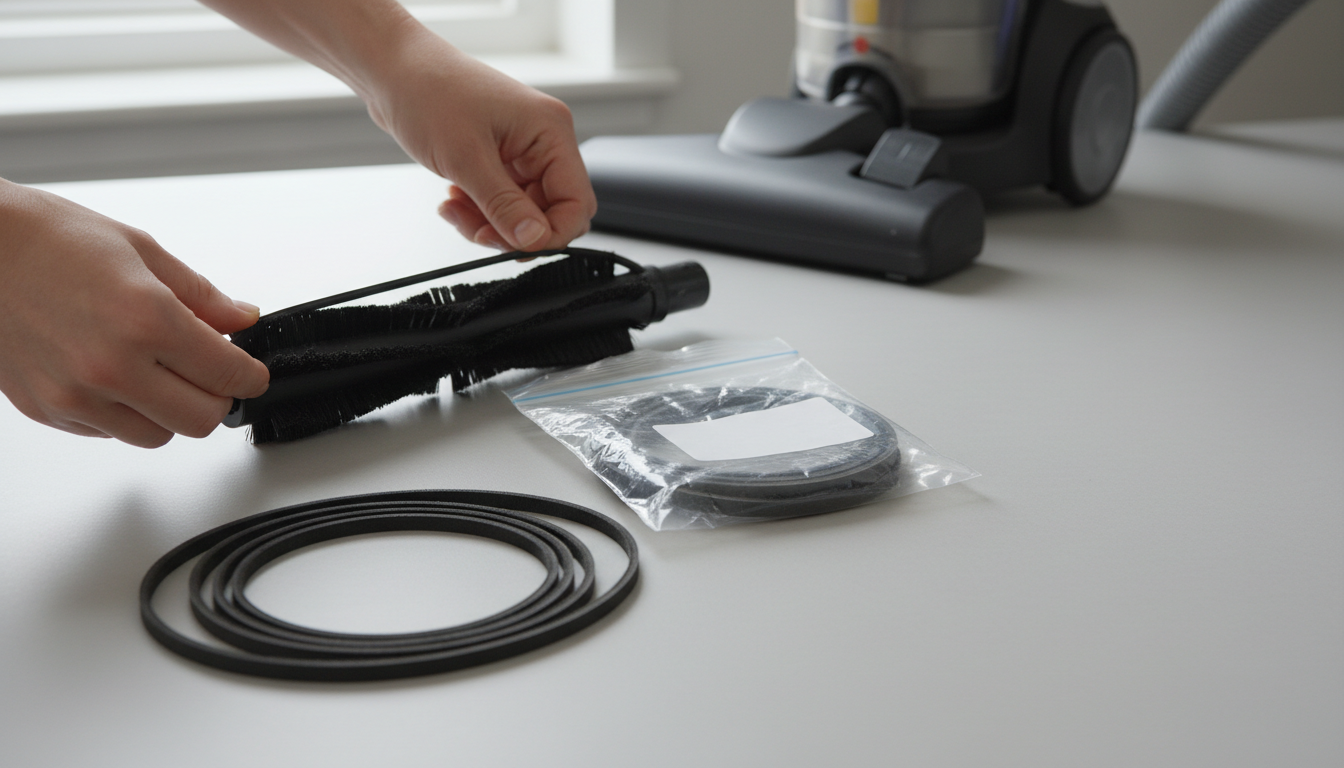
Walmart Vacuum Cleaner Belts: A Shopper's Guide to Brands and Compatibility

Finding the Right Vacuum Cleaner Belt at Walmart: A Shopper's Guide
A vacuum cleaner's belt is essential for its brushroll to function, and like any moving part, it eventually wears out or breaks. When your vacuum's cleaning performance declines, a worn belt is a common culprit requiring a timely replacement. For many, Walmart offers a convenient and accessible option to find these necessary parts, often stocking a variety of belts that can get your appliance back to optimal performance quickly.
This guide is designed to equip Walmart shoppers with the knowledge needed to confidently select the correct replacement vacuum cleaner belt. We'll navigate the compatibility challenges, explore the types of brands typically available, and highlight potential pitfalls unique to purchasing these components at Walmart, helping you make an informed decision.
The Convenience and Value of Shopping for Belts at Walmart
For many vacuum owners, Walmart presents a practical option when a replacement belt is needed. The primary draw often centers on immediate availability and potential cost savings, addressing urgent repair needs without significant delay or expense.
- Immediate Availability: A broken vacuum belt can halt cleaning tasks unexpectedly. Walmart's widespread physical presence often means a local store is within easy reach, allowing shoppers to acquire a replacement belt the same day. This immediate access can be crucial for urgent repairs, minimizing downtime for essential household appliances.
- Cost-Effectiveness: Shopping at Walmart can offer a budget-friendly solution for vacuum belt replacements. The store frequently stocks generic or store-brand options, such as "Great Value" belts, which are often priced lower than manufacturer-branded alternatives. These options can provide a functional replacement at a reduced cost, appealing to shoppers looking for value.
- Accessibility: With thousands of locations across the country, Walmart stores are highly accessible to a broad consumer base. This accessibility simplifies the process of finding and purchasing replacement parts, removing the need for specialized online orders or trips to dedicated appliance repair shops.
Ensuring a Perfect Fit: Key Compatibility Factors for Vacuum Belts
Selecting the correct replacement vacuum belt at Walmart hinges on precise compatibility. An ill-fitting belt can lead to poor cleaning performance, damage to your vacuum, or frequent breakage. Before making a purchase, gather specific information about your vacuum cleaner to ensure you choose a belt that matches its design and requirements.
Identifying Your Vacuum's Brand and Model Number
The first step in finding a compatible belt is to know your vacuum cleaner's exact brand and model. This information is typically located on a sticker or plate on the vacuum's body, often on the back, bottom, or near the brush roll housing. The model number is critical because many brands produce numerous vacuum variations, each potentially requiring a different belt. Without this detail, even a belt from the same brand might not fit.
Understanding Vacuum Belt Designs
Vacuum cleaner belts come in several common designs, each suited for different internal mechanisms. Recognizing the type your vacuum uses is essential:
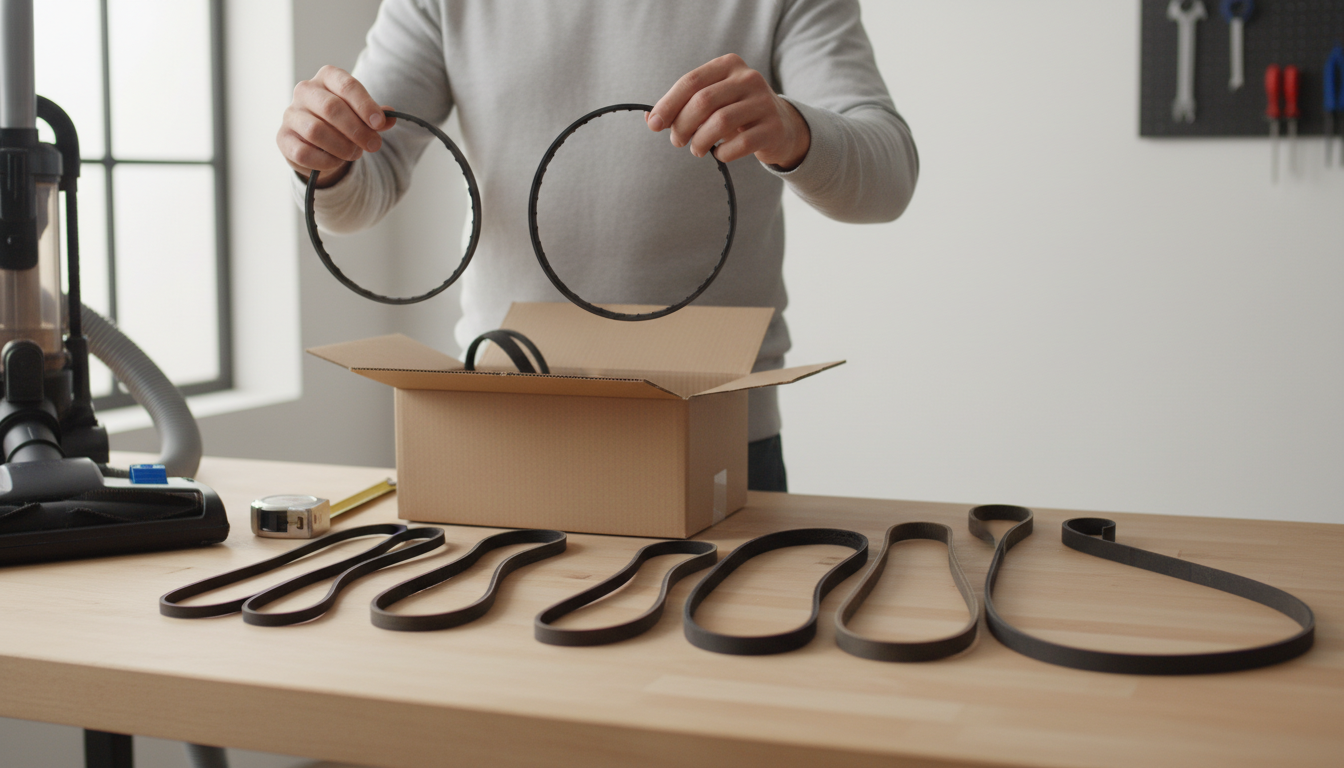
- Flat belts: These are wide, flat bands often found in older or simpler upright models. They typically drive the brush roll directly from the motor.
- V-belts: Characterized by their V-shaped cross-section, these belts offer better grip and are common in many modern uprights.
- Geared belts: These belts have teeth that interlock with gears on the motor and brush roll, providing precise power transmission. They are less prone to slipping and are often found in higher-performance models.
Observing the existing belt (if available) can help identify its design. If the old belt is completely broken or missing, the vacuum's owner's manual is the definitive source for this information.
Pinpointing the Correct Part Number or Belt Dimensions
Once you know your vacuum's brand, model, and belt design, the most reliable way to ensure compatibility is to find the specific part number for the replacement belt. This number is usually listed in your vacuum's owner's manual. If the manual is unavailable, carefully examine the old belt for any printed numbers or codes.
If a part number isn't readily found, you may need to determine the belt's dimensions. For flat or V-belts, this often involves measuring the length and width of the stretched belt. However, relying on exact dimensions can be less precise than a part number, as belts can stretch over time. Always prioritize the manufacturer's recommended part number when possible, as this accounts for the specific tension and material properties required for optimal performance.
Navigating Vacuum Belt Brands and Generic Options at Walmart
When shopping for vacuum cleaner belts at Walmart, consumers typically encounter two main categories: generic or aftermarket options, often under Walmart's own branding, and specific replacements designed for popular vacuum brands. Understanding the characteristics and trade-offs of each can help ensure a compatible and effective purchase.
Walmart's 'Great Value' and Other Generic Alternatives
Walmart offers its own 'Great Value' brand of replacement vacuum belts, alongside various third-party generic or aftermarket options. These alternatives are often appealing due to their affordability and immediate availability. Many shoppers find that 'Great Value' belts, for example, can be a suitable and cost-effective replacement, with some customers reporting a perfect fit for models from brands like Bissell. These generic belts aim to provide broad compatibility across several vacuum styles or series.
However, the quality and fit of generic belts can vary. While some customers experience positive outcomes, others report that certain aftermarket belts may be thinner or less durable than original equipment, leading to a shorter lifespan or insufficient performance. It's crucial to verify the stated compatibility on the packaging against your vacuum's model number, as a generic belt designed to fit "multiple styles" may not always perform identically to a brand-specific part.
Common Brand-Specific Replacements
Walmart also stocks vacuum belts specifically designed for popular vacuum cleaner brands, such as Bissell and Hoover. These brand-specific belts are manufactured to precise specifications for particular vacuum models or series, aiming to replicate the performance and longevity of the original belt that came with the appliance.
- Assured Compatibility: Brand-specific belts typically offer a more guaranteed fit and performance, as they are engineered for a specific vacuum model.
- Performance Expectations: Using a belt designed by the vacuum's manufacturer can help maintain the intended brushroll speed and suction power.
- Availability: While Walmart carries popular brand replacements, the selection might be limited to common models. Less common or older vacuum models may require a special order or a search beyond standard in-store inventory.
The primary trade-off between generic and brand-specific belts often centers on cost versus perceived reliability and exact fit. Generic options can provide a convenient and budget-friendly solution, but may introduce a slight risk of varying quality or a less-than-perfect fit. Brand-specific belts, while potentially costing slightly more, generally offer greater assurance of compatibility and consistent performance, minimizing the chance of immediate replacement or damage to the vacuum. Always cross-reference your vacuum's model number with the belt's compatibility information, regardless of whether it's a generic or brand-specific option.
Smart Shopping: Preventing Issues with Your Walmart Vacuum Belt Purchase
Acquiring a replacement vacuum belt at Walmart offers convenience, but being an informed shopper can prevent common frustrations. Understanding potential pitfalls before you buy helps ensure you select a compatible and durable part, saving both time and effort.
Confirming the Right Fit and Type
One of the most frequent issues shoppers encounter is purchasing a belt that doesn't fit their vacuum. Vacuum cleaner belts come in various styles—flat, round, or V-belts—and precise dimensions. An incorrect size, even by a small margin, can lead to poor performance or rapid belt failure. To mitigate this, always verify your vacuum cleaner's exact model number, often found on a label on the machine's base or back. Cross-reference this with the product description to confirm compatibility. If possible, measure your old belt (if intact) or consult your vacuum's user manual for the specific belt part number or dimensions.
Evaluating Aftermarket Belt Durability
While affordability is a draw, some aftermarket belts sold at Walmart may not match the durability of original equipment. Customer feedback sometimes points to "cheap thin belts" that fail prematurely, as reported by buyers who experienced belts lasting only a single use. This indicates a potential trade-off between cost and longevity. When browsing, pay close attention to product descriptions for material specifications and read customer reviews for insights into the belt's real-world performance and expected lifespan. Reviews can often highlight whether a belt is prone to stretching or breaking quickly.
Sourcing Belts for Less Common Vacuum Models
For owners of older, obscure, or discontinued vacuum cleaner models, finding a compatible belt at a general retailer like Walmart can be challenging. Walmart's inventory typically focuses on belts for popular, current models from major brands. If your vacuum falls into this category, you might find limited or no options available. In such cases, carefully checking Walmart's online inventory for specific part numbers is crucial. If unsuccessful, you may need to explore specialized vacuum parts suppliers or the original manufacturer's website, as Walmart may not stock parts for every niche or vintage machine.
Basic Steps for Replacing Your Vacuum Cleaner Belt
Replacing a vacuum cleaner belt is a common DIY repair that can restore your appliance's performance. While specific steps vary by model, understanding the general process can help you approach the task confidently. Always prioritize safety and consult your vacuum's official manual for precise, model-specific instructions, as improper replacement can damage the unit or pose a safety risk.
Here are the general steps involved:
- Prioritize Safety: Before beginning any work, always unplug your vacuum cleaner from the electrical outlet. This prevents accidental activation and reduces the risk of electrical shock or injury from moving parts.
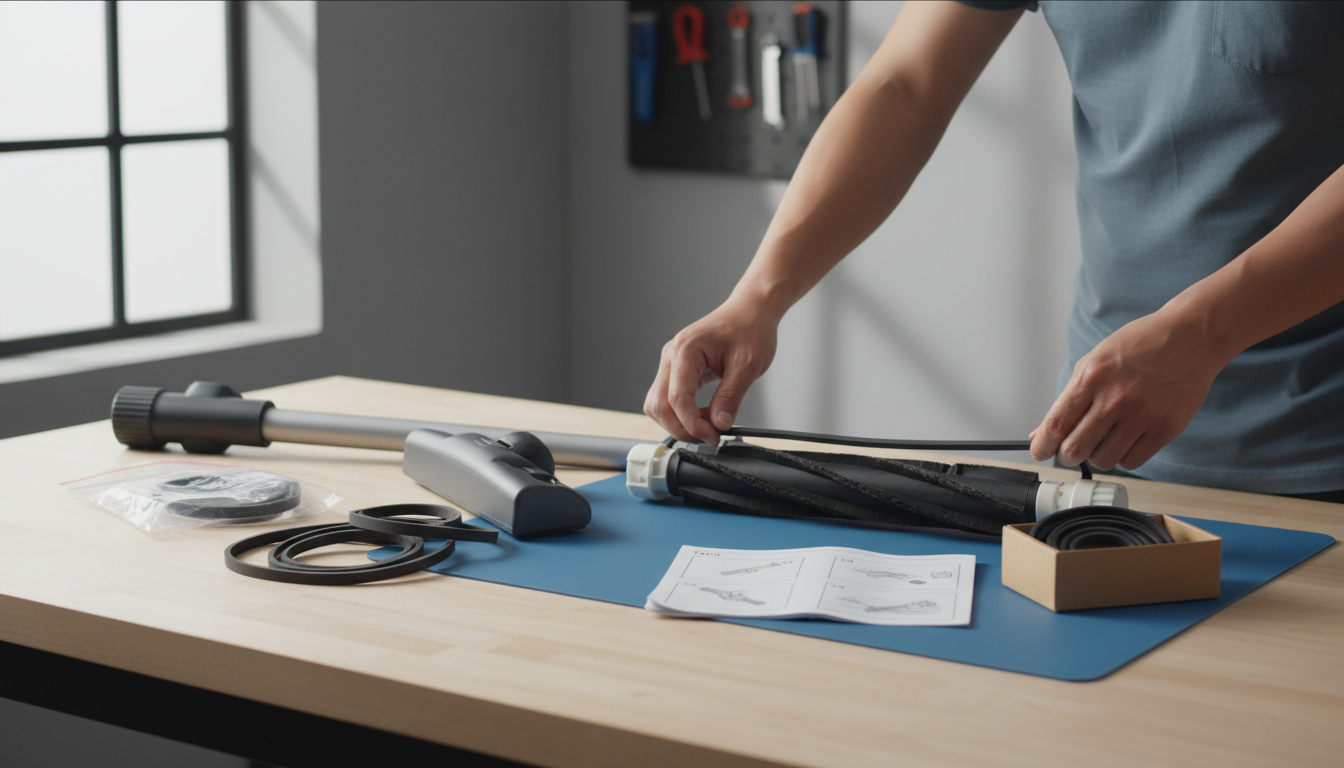
- Access the Brush Roll: Most vacuum belts are located around the brush roll, which is typically accessed by flipping the vacuum over and removing a bottom plate or cover. This often involves unscrewing a few fasteners.
- Remove the Old Belt: Once the brush roll is exposed, carefully lift it out of its housing. The old belt, if still intact, will likely be stretched, cracked, or broken. Slide it off the brush roll and the motor shaft.
- Install the New Belt: Loop the new belt around the motor shaft first, then stretch it to fit around the brush roll. Ensure the belt is properly seated in any grooves on both the brush roll and the motor shaft. The belt should be taut but not overly strained.
- Reassemble and Test: Carefully place the brush roll back into its housing, ensuring the new belt remains correctly positioned. Reattach any covers or plates, securing them with their original fasteners. Plug in the vacuum and briefly test it to confirm the brush roll spins freely and the belt is functioning.
Remember, these are general guidelines. Your vacuum's manufacturer's manual will provide detailed diagrams and instructions tailored to your specific model, which is crucial for a successful and safe replacement.
Common Questions About Walmart Vacuum Belts
Navigating the selection of vacuum cleaner belts at Walmart can bring up several questions for shoppers. Understanding the answers to these common inquiries can help you make an informed and compatible purchase.
-
Can I use a generic belt instead of a brand-specific one? Walmart often stocks generic or "Great Value" brand replacement belts designed to fit multiple vacuum models from various manufacturers. Many shoppers report success with these options, finding them to be a cost-effective solution that performs adequately. However, compatibility is key; always verify that the generic belt explicitly lists your vacuum's make and model number to ensure a proper fit and function. An incorrect generic belt can lead to poor performance or damage.
-
How do I know which belt to buy for my vacuum? The most reliable way to identify the correct belt is to consult your vacuum cleaner's owner's manual. It typically specifies the exact belt part number or style. If the manual is unavailable, check the existing belt for any printed numbers or letters. Alternatively, locate your vacuum's model number (usually on a sticker on the back or bottom) and cross-reference it with the compatibility list provided on the packaging or product description of belts sold at Walmart. Matching the vacuum's model number is crucial for ensuring the belt's width, length, and thickness are correct for optimal brushroll operation.
-
What if Walmart doesn't have the belt I need? While Walmart aims to offer a broad selection, specific or older vacuum models might not have their exact belt stocked in every store or online. If you can't find the precise belt at Walmart, consider checking their online inventory for a wider selection, as some items may be available for delivery. If still unsuccessful, you may need to explore specialty vacuum repair shops or other online retailers that focus on appliance parts.
-
How often should I replace my vacuum belt? Vacuum belts typically require replacement every 6 to 12 months, or sooner if you notice a decline in your vacuum's performance. Common indicators that a belt needs replacing include:
- A noticeable decrease in suction power or the brushroll's ability to agitate carpet.
- A burning rubber smell during operation.
- Visible signs of wear, such as cracking, stretching, or fraying on the belt itself.
- The brushroll stopping or slowing down, even when the motor is running. Regular replacement helps maintain your vacuum's cleaning efficiency and prevents potential damage to other components.
-
Are Walmart's 'Great Value' belts good quality? Customer experiences with Walmart's 'Great Value' brand belts can vary. Some shoppers report positive outcomes, noting that these belts fit perfectly and function effectively, offering a "superb value" for their price. Others, however, have encountered issues with the durability or fit of certain generic or third-party belts sold through Walmart, describing them as "cheap thin" and prone to quick wear. When considering a 'Great Value' belt, it's advisable to check recent customer reviews for that specific product at Walmart to gauge current quality and compatibility feedback.
Your Confident Path to a Working Vacuum: Final Buying Tips
Selecting the correct vacuum cleaner belt at Walmart requires a focused approach to ensure both compatibility and lasting performance. Before finalizing your purchase, a few critical steps can help you avoid common pitfalls and ensure your vacuum returns to optimal working condition.
- Prioritize Compatibility: Double-checking your vacuum's specific model number against the belt's listed compatibility is paramount. Even if a belt appears similar, slight variations can lead to poor fit, premature wear, or damage to your vacuum. Look for explicit model numbers or series compatibility on the product packaging or online description.
- Leverage Product Details and Reviews: Walmart's product pages often provide essential information, including belt dimensions, material, and compatible brands. Crucially, customer reviews can offer real-world insights into fit, durability, and common issues. For instance, some users report positive experiences with Walmart's own Great Value brand belts fitting major vacuum models, while others highlight concerns about belt thickness or longevity. This feedback can guide your decision, especially for third-party or generic options.
- Recognize the Value of a Correct Belt: A properly fitted and durable belt is fundamental to your vacuum's brushroll function and overall cleaning effectiveness. An incorrect or low-quality belt can lead to reduced suction, ineffective brush agitation, and potential damage to the motor or brushroll assembly. Investing a few moments in careful selection ensures your vacuum operates as intended, prolonging its lifespan and maintaining a clean home.
More in Vacuum Cleaner Belts
View All