Craftsman Vacuum Cleaner Filters: Compatibility Guide for Your Shop Vac
Finding the Perfect Filter for Your Craftsman Vacuum
The filter in your Craftsman vacuum cleaner is more than just a component; it's central to the machine's performance and longevity. For Craftsman shop vac owners, selecting the correct filter ensures effective debris collection, safeguards the motor from damage, and helps maintain a cleaner workshop environment. A well-maintained filter prevents fine dust and particles from recirculating into the air, contributing to better air quality during and after cleanup tasks.
However, navigating the array of filter options for Craftsman models can be challenging. Owners often face confusion due to:
- Model-Specific Requirements: Craftsman produces various shop vac models, each potentially requiring a distinct filter size or type.
- Task-Specific Filters: Different cleaning jobs, such as wet pickup, general dry debris, or fine dust, demand specific filter designs for optimal results.
- Compatibility Concerns: Identifying the exact part number or filter series that matches your specific Craftsman model can be a point of friction, with some users noting compatibility issues if the wrong filter is chosen.
This comprehensive guide aims to clarify these complexities. By understanding the types of Craftsman filters available and the criteria for proper fit, you will be empowered to confidently identify, select, and purchase the correct replacement filters. This ensures your Craftsman shop vac operates at peak efficiency, extends its lifespan, and continues to provide reliable service for all your cleaning needs.
Understanding and Choosing the Right Craftsman Vacuum Filter
Selecting the appropriate filter for your Craftsman shop vacuum is crucial for maintaining optimal performance, protecting the motor, and ensuring effective debris containment. The right filter depends directly on the type of material you're cleaning and whether you're dealing with wet or dry applications. Mismatched filters can lead to reduced suction, premature motor wear, or insufficient air filtration.
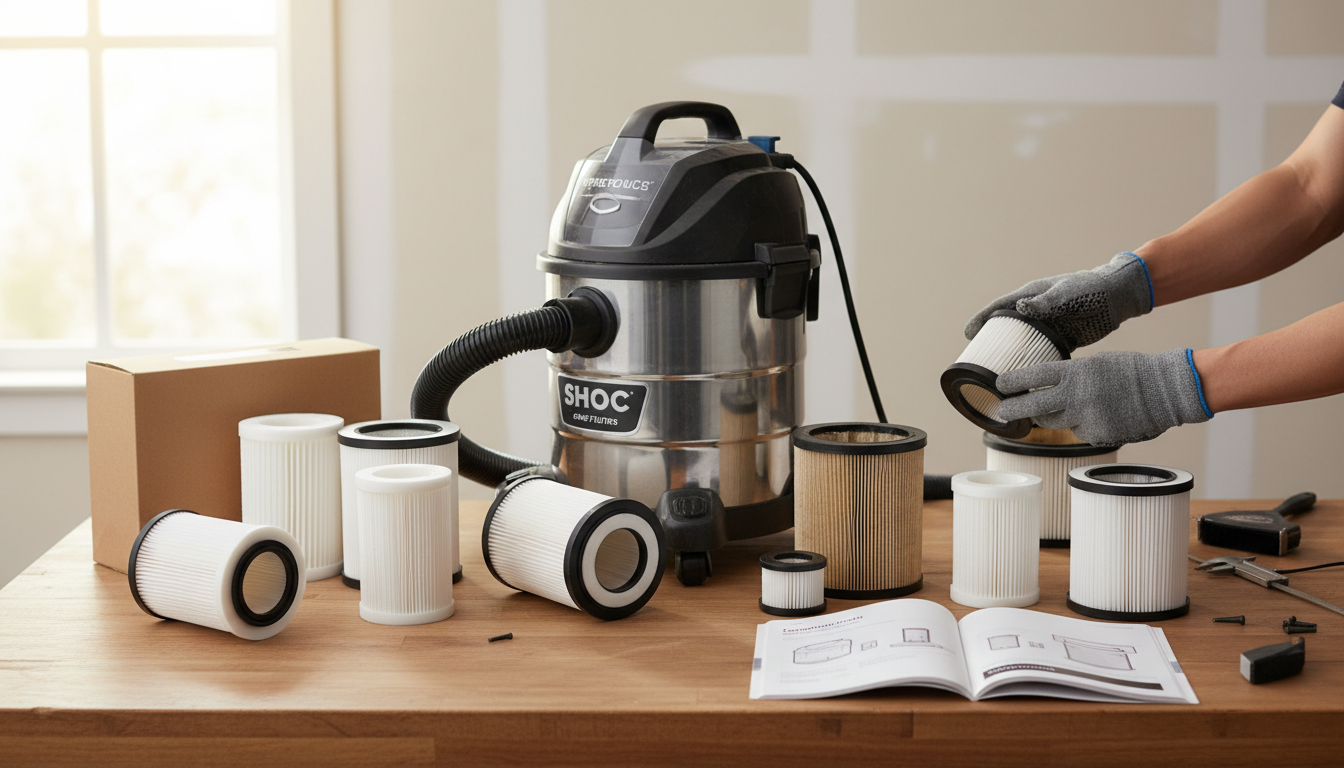
Craftsman shop vacs typically utilize cartridge-style filters for dry cleanup, which come in various efficiencies. For wet pick-up, a separate foam sleeve or specialized filter is often required.
- Standard Cartridge Filters: These pleated paper filters are designed for general dry debris like sawdust, wood chips, and common workshop dust. They offer a good balance of airflow and filtration for everyday tasks. While effective for larger particles, they may allow finer dust to pass through, potentially impacting air quality.
- HEPA-Rated Filters: When dealing with very fine particles such as drywall dust, cold ash, or allergens, a HEPA-rated filter is essential. These filters capture a significantly higher percentage of microscopic particles, improving air quality and preventing these fine contaminants from recirculating into your workspace. Using a standard filter for fine dust can quickly clog it and diminish suction.
- Wet Filters (Foam Sleeves): For liquid spills, a foam sleeve or a specifically designed wet filter is indispensable. These filters allow water to pass through to the collection tank while preventing larger debris and, critically, moisture from reaching and damaging the vacuum's motor. Using a dry paper filter for wet pick-up will ruin the filter and can compromise motor integrity.
The material and design of a filter directly influence its efficiency. Pleated paper filters provide a large surface area for dust collection in dry applications, while foam filters are porous enough to handle liquids. The "efficiency rating" indicates how well a filter traps particles of a certain size. For instance, HEPA filters meet a specific standard for capturing 99.97% of particles 0.3 microns in size.
Consider the trade-offs between reusable and disposable filter options. Reusable filters, often cleanable by tapping or rinsing (when specified by the manufacturer), can be more cost-effective over time and reduce waste. However, their filtration efficiency may decrease slightly after multiple cleanings, and they require regular maintenance. Disposable filters offer consistent performance and convenience but incur recurring replacement costs.
When sourcing replacements, you'll encounter both Original Equipment Manufacturer (OEM) and third-party options. OEM filters are designed specifically for your Craftsman model, ensuring a precise fit and performance as intended by the manufacturer. Third-party filters can offer a more budget-friendly alternative. However, it's critical to verify their compatibility with your specific Craftsman model and assess user feedback regarding their quality and fit to avoid issues like air leaks or reduced filtration effectiveness. Prioritizing correct fit and appropriate filtration for your intended use ensures your Craftsman vacuum operates efficiently and lasts longer.
<h2>Ensuring Compatibility: Matching the Filter to Your Craftsman Model</h2>Selecting the correct replacement filter for your Craftsman vacuum cleaner is crucial for maintaining its performance, protecting the motor, and ensuring effective debris capture. The primary step in this process is accurately identifying your specific Craftsman model, as filter designs vary significantly between units. An ill-fitting filter can lead to reduced suction, dust leakage, and potential damage to the vacuum's internal components.
To verify compatibility, begin by locating your Craftsman vacuum's model number. This information is typically found on a label affixed to the motor housing, the base of the vacuum, or sometimes on the original packaging or user manual. Once you have this number, you can cross-reference it with available filter options.
Consider these resources for compatibility information:
- User Manual: The most reliable source, your vacuum's original manual will list the exact replacement filter part numbers.
- Manufacturer's Website: Craftsman's official support or parts section often includes a model lookup tool or compatibility charts.
- Existing Filter Markings: Inspect your current filter for any printed part numbers, model series, or dimensions. While not always present, this can be a direct indicator.
- Retailer Product Listings: Online and in-store product descriptions for filters usually specify compatible Craftsman vacuum models or series.
For owners of older Craftsman vacuum models, finding an exact manufacturer-specific filter can sometimes be challenging if the model has been discontinued. In such cases, carefully measuring your existing filter's dimensions (height, diameter, and opening size) becomes essential.
Alternatively, consider general-purpose or 'multi-fit' replacement options, which are designed to accommodate a range of shop vac models, often within a specific gallon capacity (e.g., 5 to 20 gallons). For example, the Multi-Fit VF7816 is frequently cited as a compatible general-purpose option for various Craftsman wet/dry vacs, including some older units. While these filters offer broader compatibility, it's still advisable to compare their dimensions and mounting mechanism against your vacuum's requirements to ensure a secure fit and proper seal.
Maintaining and Replacing Craftsman Vacuum Filters for Peak Performance
Regular filter maintenance is crucial for ensuring your Craftsman shop vacuum operates at its best, maintaining powerful suction and protecting its motor. Over time, filters accumulate debris, which can hinder airflow and reduce efficiency. Proactive care extends filter life and contributes to a cleaner working environment.
Recognizing When Your Filter Needs Attention
Several indicators signal that your Craftsman vacuum filter requires cleaning or replacement:
- Reduced Suction Power: The most common sign. If your vacuum struggles to pick up debris that it previously handled with ease, a clogged filter is often the culprit.
- Visible Clogging: A filter heavily coated with dust, sawdust, or other debris is clearly impeding airflow.
- Unusual Odors: A persistent musty or burning smell during operation can indicate trapped organic matter in the filter or an overworked motor due to restricted airflow.
- Increased Motor Noise: If the motor sounds louder or strains more than usual, it's likely working harder to compensate for a blocked filter.
- Visible Damage: Tears, holes, or significant wear on the filter material compromise its ability to capture particles, necessitating replacement.
Ignoring these signs can lead to more than just poor performance. A dirty or damaged filter forces the vacuum motor to work harder, generating excess heat and potentially shortening its lifespan. Furthermore, a compromised filter may allow fine dust and allergens to recirculate into the air, diminishing air quality in your workspace.
Cleaning Practices for Reusable Craftsman Filters
Many Craftsman shop vac filters, particularly pleated cartridge filters designed for wet/dry use, are reusable. The cleaning method depends on the type of debris collected:
- For Dry Debris (Sawdust, Dirt):
- Carefully remove the filter from the vacuum.
- Gently tap the filter against a hard surface (like the inside of a trash can) to dislodge loose dust.
- Use a soft brush or a shop brush to lightly brush away embedded particles from the pleats.
- For stubborn dust, an air compressor can be used at a low pressure setting to blow air from the inside out, taking care not to damage the filter material.
- For Wet Debris (Liquids, Slurry):
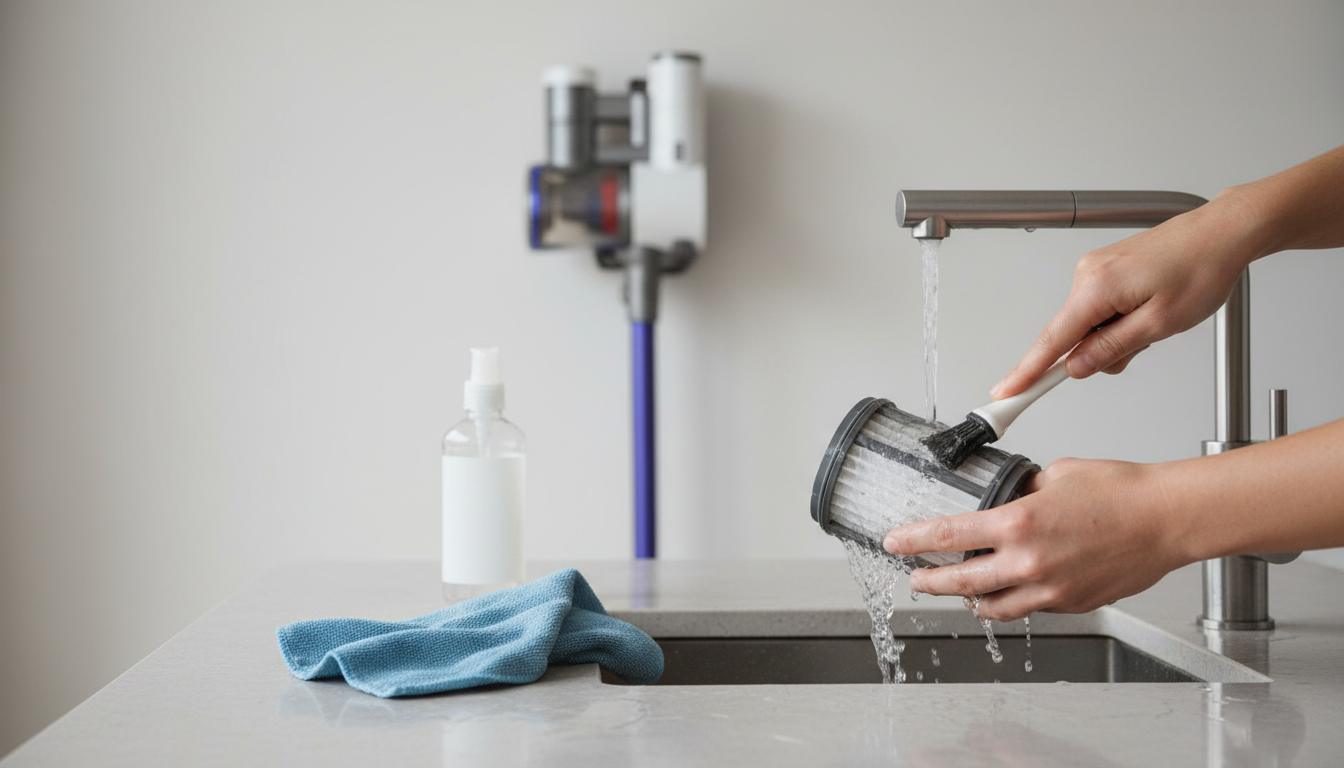
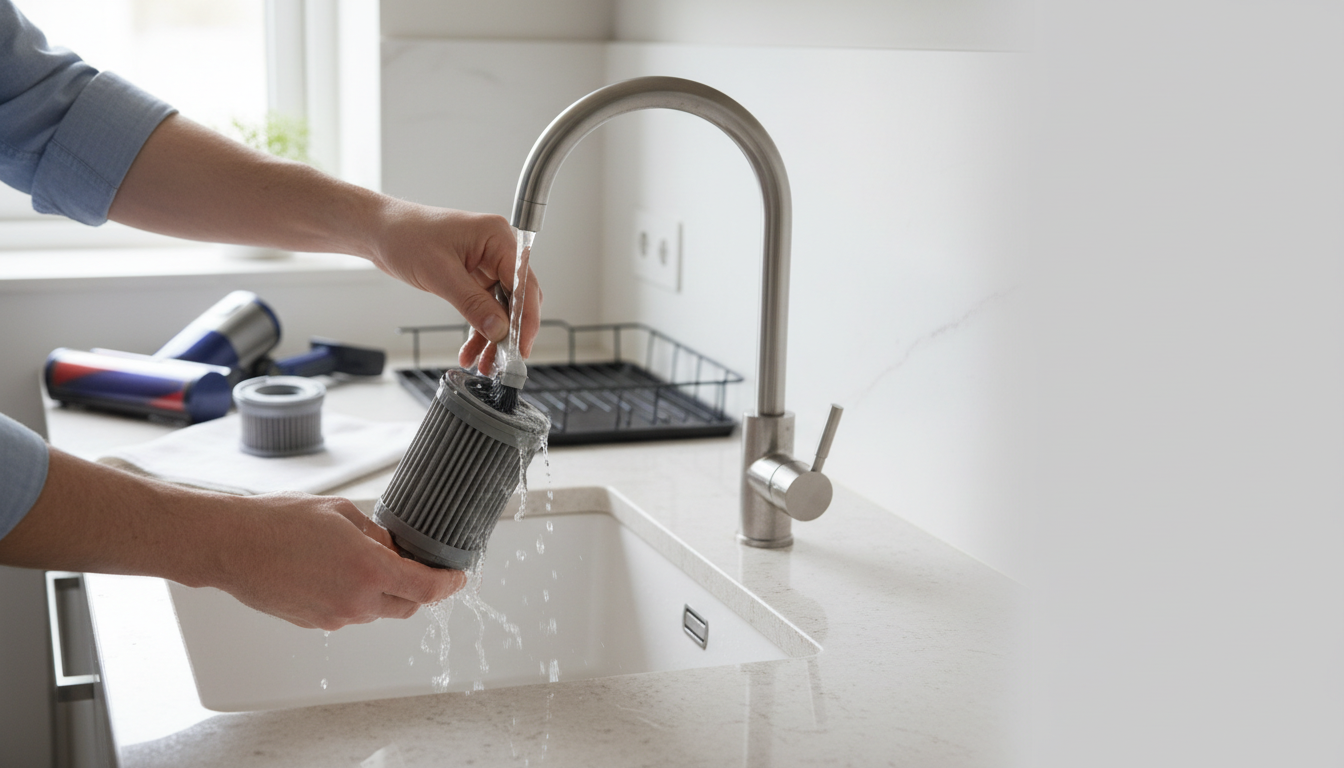
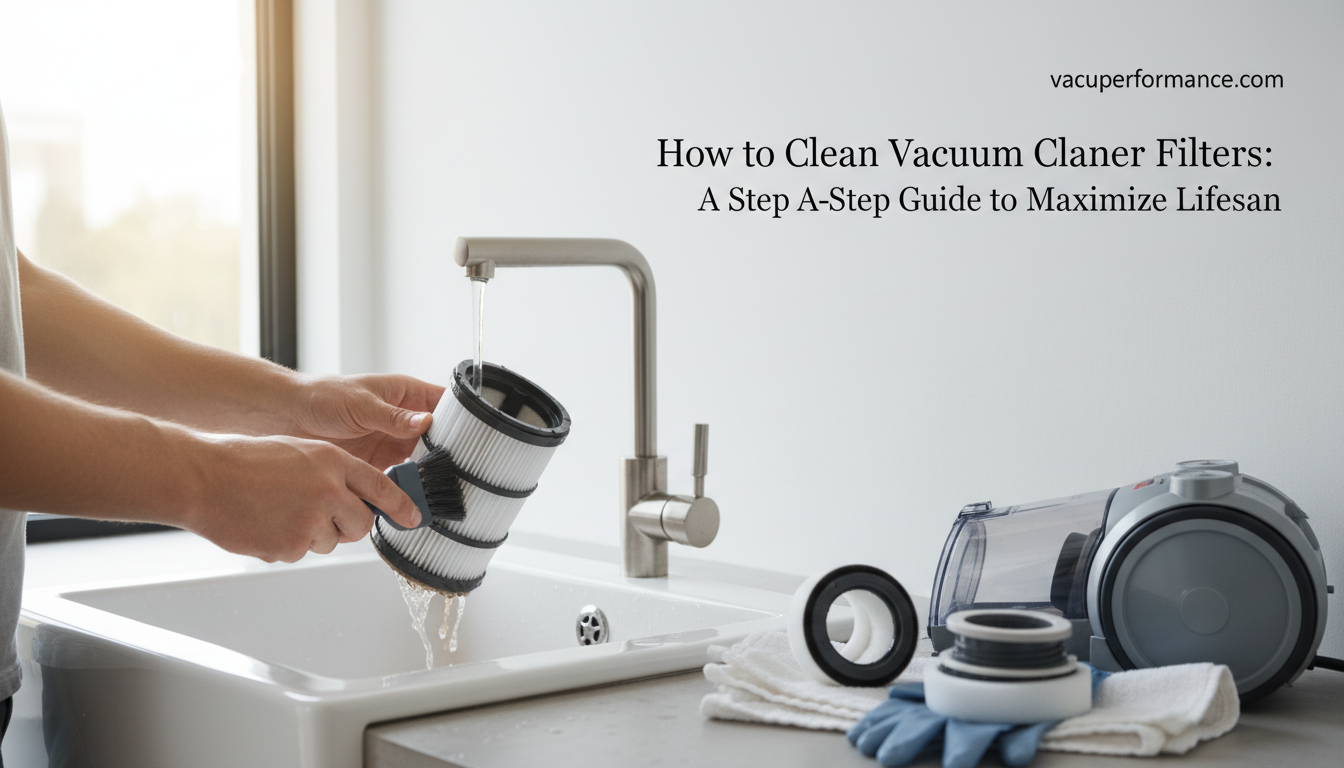
- If the filter is designed for wet use and specified as washable, rinse it thoroughly under running water.
- Ensure all debris is flushed from the pleats.
- Allow the filter to air dry completely for at least 24 hours before reinstallation. Reinstalling a damp filter can lead to mold growth and damage to the vacuum.
- Foam Sleeves: These are typically used for wet pickup over a cartridge filter or as a pre-filter. They are generally washable with soap and water, then thoroughly rinsed and air-dried.
Always consult your specific Craftsman vacuum model's manual for detailed cleaning instructions, as filter types and washability can vary.
Safe and Effective Filter Installation and Removal
Proper handling during installation and removal prevents damage and ensures a secure fit:
- Safety First: Always unplug your Craftsman shop vacuum from the power outlet before performing any maintenance.
- Access the Filter: Unlatch and carefully lift the motor head assembly from the collection drum.
- Remove the Old Filter: Depending on your model, the filter may be secured by a nut, a twist-and-lock mechanism, or simply held in place by friction. Carefully unfasten or twist to release the old filter.
- Inspect and Clean (if reusable): If cleaning, follow the steps above. If replacing, prepare your new, compatible filter.
- Install the New Filter: Position the new filter onto the filter cage or mounting post. Ensure it seats correctly and forms a tight seal around the base. If applicable, secure it with the retaining nut or by twisting it into place. A proper seal is critical to prevent unfiltered air from reaching the motor.
- Reassemble: Carefully place the motor head back onto the collection drum, ensuring the latches engage securely.
A correctly installed and maintained filter ensures your Craftsman shop vacuum continues to provide reliable performance, protecting both your equipment and your workspace air quality.
Potential Pitfalls and Trade-offs in Craftsman Filter Selection
Choosing the right Craftsman vacuum cleaner filter involves navigating potential risks and understanding inherent trade-offs. An incorrect selection can compromise both your cleaning effectiveness and the longevity of your shop vac.
One significant risk is using an ill-fitting or incompatible filter. A filter that doesn't seal properly allows dust and debris to bypass the filtration system, leading to:
- Reduced Air Quality: Fine particles can escape back into your workspace, defeating the purpose of the vacuum.
- Motor Damage: Dust and abrasive particles can enter the vacuum motor, causing premature wear, overheating, and eventual failure.
- Warranty Issues: Using non-approved or incorrectly sized replacement parts may void your vacuum's manufacturer warranty.
Another key consideration is the trade-off between filter efficiency and airflow. Filters designed for higher efficiency, such as HEPA-rated options, capture a greater percentage of very fine particles. While this is beneficial for air quality, particularly with materials like drywall dust or concrete, the denser media can restrict airflow. This restriction may lead to a noticeable reduction in suction power, which could be a disadvantage for tasks requiring maximum airflow for larger debris.
Managing expectations regarding filter lifespan and maintenance is also crucial. Even with normal use, all filters will eventually clog. Tasks involving fine dust, such as sanding or working with plaster, will significantly accelerate this clogging, requiring more frequent cleaning or replacement. While some filters are reusable and can be cleaned, their capacity to capture particles diminishes over time, and they will eventually need to be replaced. Common user complaints often revolve around perceived filter durability and the need for frequent cleaning, especially when dealing with high volumes of fine particulate matter. Additionally, some users report compatibility challenges when seeking filters for older Craftsman shop vac models.
Frequently Asked Questions About Craftsman Vacuum Filters
Understanding the nuances of Craftsman vacuum filters can help maintain your equipment's performance and ensure a cleaner workspace. Here are answers to common questions that can guide your selection and maintenance decisions.
-
What is the primary benefit of using the correct Craftsman vacuum filter? Using the correct filter ensures optimal suction power and protects the vacuum motor from dust and debris. An ill-fitting or incorrect filter can lead to reduced efficiency, premature motor wear, and diminished air quality in your environment. Filters are designed to capture specific particle sizes, preventing them from recirculating into the air or damaging internal components.
-
How do I ensure a filter is compatible with my Craftsman vacuum model? Compatibility is crucial for proper function and seal. Always consult your Craftsman vacuum's owner's manual for the recommended filter part number. If the manual isn't available, check the existing filter for a part number or refer to the product page for your specific vacuum model. Pay attention to both the filter's dimensions and its attachment mechanism (e.g., cartridge type, mounting style). Some "multi-fit" options exist, but verifying their compatibility with your specific model is important to avoid issues, especially with older units.
-
What are the main types of Craftsman vacuum filters and their uses? Craftsman shop vac filters generally fall into a few categories, each designed for different tasks:
- General Purpose Filters: These are standard filters suitable for everyday dry debris like dirt, wood chips, and general workshop dust. They offer a balance of airflow and filtration.
- Fine Dust Filters: Engineered with finer filtration media, these are ideal for capturing smaller particles such as drywall dust, cement dust, and sawdust. Using a fine dust filter helps prevent these smaller particles from clogging the motor or being released back into the air.
- HEPA-Rated Filters: For the highest level of filtration, HEPA (High-Efficiency Particulate Air) filters capture 99.97% of airborne particles as small as 0.3 microns. These are beneficial for environments where air quality is a concern, such as homes with allergy sufferers or when cleaning up very fine, irritating dust.
-
How do I know when to clean or replace my Craftsman vacuum filter? Several indicators suggest it's time for filter maintenance:
- Reduced Suction: A noticeable drop in vacuum power is often the first sign of a clogged filter.
- Visible Dirt/Dust: If the filter appears heavily coated with dust or debris, it's likely impeding airflow.
- Motor Strain: The vacuum motor may sound like it's working harder than usual.
- Decreased Airflow from Exhaust: Less air exiting the exhaust port indicates restricted airflow through the filter. While some filters can be cleaned by tapping out dust or rinsing (if specified by the manufacturer), filters eventually degrade and require replacement to restore optimal performance. The frequency depends on usage and the type of debris collected.
-
Are there trade-offs when choosing a more efficient (e.g., HEPA) filter? Yes, there can be trade-offs:
- Cost: More efficient filters, especially HEPA-rated ones, typically have a higher initial purchase price.
- Airflow: The denser filtration media required for higher efficiency can slightly restrict airflow, potentially leading to a marginal reduction in suction compared to a less restrictive general-purpose filter. This is usually negligible for most tasks but can be a factor in very demanding applications.
- Lifespan/Maintenance: Fine dust and HEPA filters may require more frequent cleaning or replacement when dealing with large volumes of very fine particles, as they clog more readily than general-purpose filters.
-
Can I use third-party or 'multi-fit' filters with my Craftsman vacuum? Third-party or 'multi-fit' filters are available and can be a cost-effective alternative to brand-specific options. Many users find them to be reliable for various Craftsman wet/dry vac models, including older units. However, consider these points:
- Fit: While designed to be compatible, ensure the dimensions and sealing mechanism precisely match your Craftsman model to prevent air leaks around the filter, which would compromise filtration and motor protection.
- Filtration Quality: The efficiency and material quality of third-party filters can vary. If specific filtration levels (e.g., for fine dust or allergens) are critical, verify that the third-party filter meets those standards.
- Warranty: Using non-OEM (Original Equipment Manufacturer) parts might, in some cases, affect your vacuum's warranty, though this is less common for consumables like filters.
Your Final Decision: A Checklist for Craftsman Filter Confidence
After understanding the various filter types, compatibility nuances, and potential trade-offs, making an informed choice for your Craftsman vacuum cleaner filter is straightforward. Use this checklist to confidently select the right replacement, ensuring your shop vac performs optimally and avoids common issues.
- Confirm Model Compatibility: Always start by locating your specific Craftsman shop vac model number. Cross-reference this number with the filter's listed compatible models. An exact match is critical to ensure a proper seal and prevent dust bypass or motor damage.
- Match Filter Type to Task: Consider your primary cleaning needs.
- For general dry debris (sawdust, wood chips), a standard pleated cartridge filter is typically sufficient.
- For fine particles like drywall dust, cement, or allergens, opt for a high-efficiency or HEPA-rated cartridge filter.
- For wet pickup, ensure you have a foam sleeve filter specifically designed for liquids.
- Evaluate Reusable vs. Disposable: Decide based on your maintenance preference and cleaning frequency.
- Reusable/Washable Filters: Offer long-term cost savings and are environmentally friendlier, but require regular cleaning and drying.
- Disposable Filters: Provide maximum convenience with no cleaning required, but necessitate more frequent purchases.
- Assess Filter Quantity: If your vacuum uses multiple filters (e.g., a cartridge and a foam sleeve), ensure you are purchasing all necessary components for a complete replacement or specific task.
By methodically checking these points, you empower yourself to make a precise selection. This diligence prevents the frustration of an ill-fitting filter, safeguards your vacuum's motor, and maintains effective cleaning performance for your Craftsman shop vac.
Conclusion: Powering Your Craftsman Vacuum with the Right Filter
Choosing the correct filter for your Craftsman vacuum is a fundamental step in optimizing its performance and extending its operational life. This guide has aimed to equip you with the knowledge to navigate the various filter types, understand compatibility requirements, and identify the best fit for your specific cleaning tasks. By making an informed selection, you directly contribute to more effective debris capture, safeguard your vacuum's motor from damaging particles, and maintain a cleaner working environment.
With a clear understanding of filter distinctions for wet versus dry applications, and the importance of matching the filter to your Craftsman model, you can now confidently select replacement filters. This deliberate choice ensures your shop vac operates at its peak cleaning power, preventing common issues like reduced suction or premature wear. Ultimately, investing a moment to choose the right filter is an investment in the longevity and consistent efficiency of your Craftsman vacuum.

More in Vacuum Cleaner Filters
View All