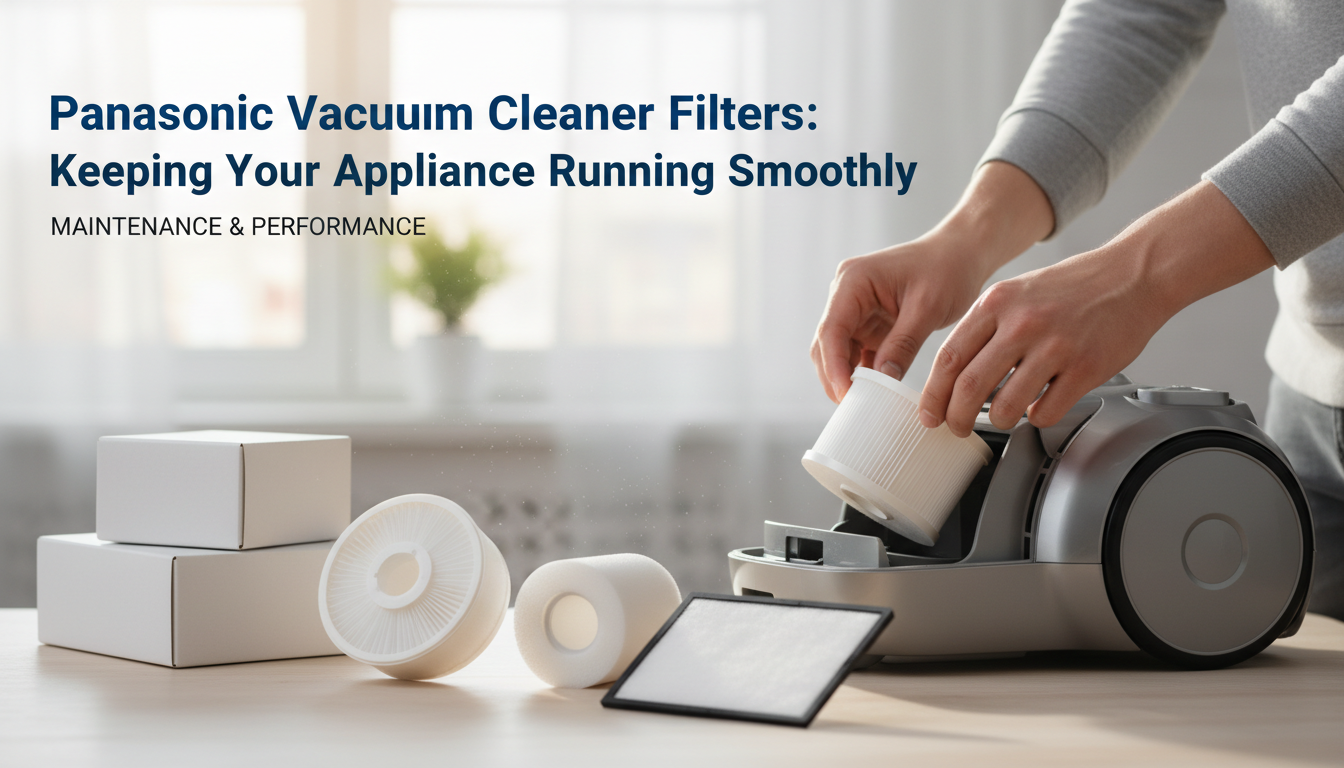
Panasonic Vacuum Cleaner Filters: Keeping Your Appliance Running Smoothly
Panasonic Vacuum brand fit snapshot
Evaluating Panasonic vacuum cleaner filters involves considering the brand's historical approach to appliance functionality and its implications for long-term maintenance. Panasonic has offered a range of vacuum cleaners designed for general household cleaning, incorporating various filtration methods to support both cleaning performance and indoor air quality.
Buyers who already own a Panasonic vacuum and are seeking replacement filters will find this brand angle directly relevant. Additionally, individuals considering a new vacuum might assess Panasonic's filter ecosystem for factors like filter type availability and replacement frequency. The brand's intent typically centers on providing reliable, practical solutions, with some models featuring multi-layer filtration systems, including HEPA filters, to capture fine particles.
However, a key consideration for Panasonic filter users is the potential for discontinuation of specific filter models over time. This can lead to challenges in sourcing replacements for older units, which may impact vacuum efficiency and suction if compatible filters become scarce. Therefore, buyers prioritizing long-term part availability or those with older Panasonic models should carefully verify current filter supply. Those who value a consistent, readily available supply of replacement parts across a brand's entire product lifecycle, or who require highly specialized filtration beyond standard HEPA, may benefit from comparing Panasonic's offerings with other brands.
Panasonic-Vacuum Evidence Checklist
When evaluating Panasonic vacuum cleaner filters, buyers can benefit from focusing on verifiable facts and specific product details to inform their decision. This brand review approach helps distinguish substantiated claims from general assertions, supporting a more confident purchase.
-
Filter Types and Filtration Systems: Panasonic vacuum cleaners utilize various filter types, including HEPA filters for fine particle capture and foam filters. Some models, such as the MC-CL605, are advertised with multi-layer filtration systems (e.g., "6-layer filtration system with HEPA"). This indicates a focus on air quality beyond basic dust collection.
- Proof Point: Look for specific filter designations like "HEPA" or "electrostatic" in product descriptions for models like the MC-CG902 canister vacuum or specific filter part numbers (e.g., AC37KRFZ00 for HEPA intake, AMC37K-V00 for secondary foam filters).
- Spec Limit Example: While a "6-layer filtration system" sounds comprehensive, the specific micron rating for non-HEPA layers may not always be detailed. HEPA filters, by definition, capture 99.97% of particles 0.3 microns in size.
-
Compatibility and Availability: A recurring concern for Panasonic filter owners is the potential for discontinuation of specific filter models, which can impact long-term maintenance. This highlights the importance of checking current availability.
- Proof Point: Verify the exact filter part number required for your specific Panasonic vacuum model (e.g., MC5120, MC5150, MC-CG902) directly from Panasonic's official documentation or reputable parts suppliers.
- Fit Limit: Filters are model-specific. An AMC37K-V00 foam filter, for example, is noted to fit specific 5110 Series uprights (MC5120, MC5150), not all Panasonic models. Confirming the precise fit is crucial to avoid reduced suction or motor issues.
-
Maintenance and Replacement Frequency: Panasonic, like other vacuum manufacturers, designs filters for specific lifespans or cleaning intervals. Regular maintenance is cited as a way to prevent issues like reduced suction and potential motor burnout.
- Proof Point: Consult the user manual for your specific Panasonic vacuum model for recommended filter cleaning and replacement schedules. These guidelines are the manufacturer's specified operational parameters.
- Trade-off: While some foam filters may be washable and reusable, HEPA filters are typically not and require periodic replacement to maintain their filtration efficiency. The cost of replacement filters (e.g., around $13 for a single filter, or $4.50 for a 3-pack of bags, as noted for the MC-CG902) is a recurring operational expense.
-
Return and Warranty Policies: Information regarding specific return policies or warranties for Panasonic vacuum cleaner filters at a brand level is not universally published. These details typically fall under the purchasing retailer's policies or the overarching warranty of the vacuum cleaner itself.
- Verification Step: Always check the return policy of the specific retailer from whom you purchase filters. For warranty concerns related to filter defects, refer to the warranty documentation provided with your Panasonic vacuum cleaner. This ensures clarity on recourse if a filter is faulty upon arrival.
Panasonic-Vacuum Use Case ownership experience
The practical ownership experience of a Panasonic vacuum cleaner is significantly shaped by its filtration system. Beyond initial purchase considerations, the ongoing interaction with filters impacts daily cleaning effectiveness, user comfort, and the long-term maintenance commitment. Understanding these aspects helps in evaluating if a Panasonic vacuum aligns with your household's needs and maintenance preferences.
Daily Use and Performance Consistency
During routine cleaning, the efficacy of Panasonic vacuum filters directly translates to consistent suction and debris collection. Over time, filters accumulate dust and particles, which can impede airflow. For Panasonic models, this often manifests as a noticeable reduction in cleaning power.
- Impact on Suction: A clogged filter, whether a secondary foam filter or a HEPA intake filter, restricts air movement, forcing the motor to work harder without delivering adequate suction. This can necessitate more passes over an area, prolonging cleaning tasks.
- Airflow Maintenance: Models with multi-stage filtration, such as those featuring a 6-layer system with HEPA, rely on each filter component to function optimally. If one stage, like a primary foam filter, becomes saturated, it can compromise the entire system's ability to maintain airflow and trap fine particles.
User Comfort and Air Quality
The type and condition of filters in a Panasonic vacuum contribute to the indoor air quality during and after vacuuming. This aspect is central to user comfort, particularly for individuals sensitive to airborne allergens or dust.
- Allergen Retention: Panasonic models equipped with HEPA filters, such as the MC-CG902 canister or MC-CL605, are designed to capture a high percentage of microscopic particles, including pollen, pet dander, and dust mites. This can lead to a more comfortable environment for allergy sufferers.
- Odor Control: While not their primary function, well-maintained filters can also help reduce the recirculation of odors associated with dust and debris, contributing to a fresher home environment. Neglected filters, conversely, can sometimes emit stale odors.
Maintenance and Longevity Considerations
Maintaining Panasonic vacuum filters involves periodic cleaning or replacement, a factor that influences the vacuum's lifespan and overall cost of ownership. The availability of replacement parts is also a critical long-term consideration.
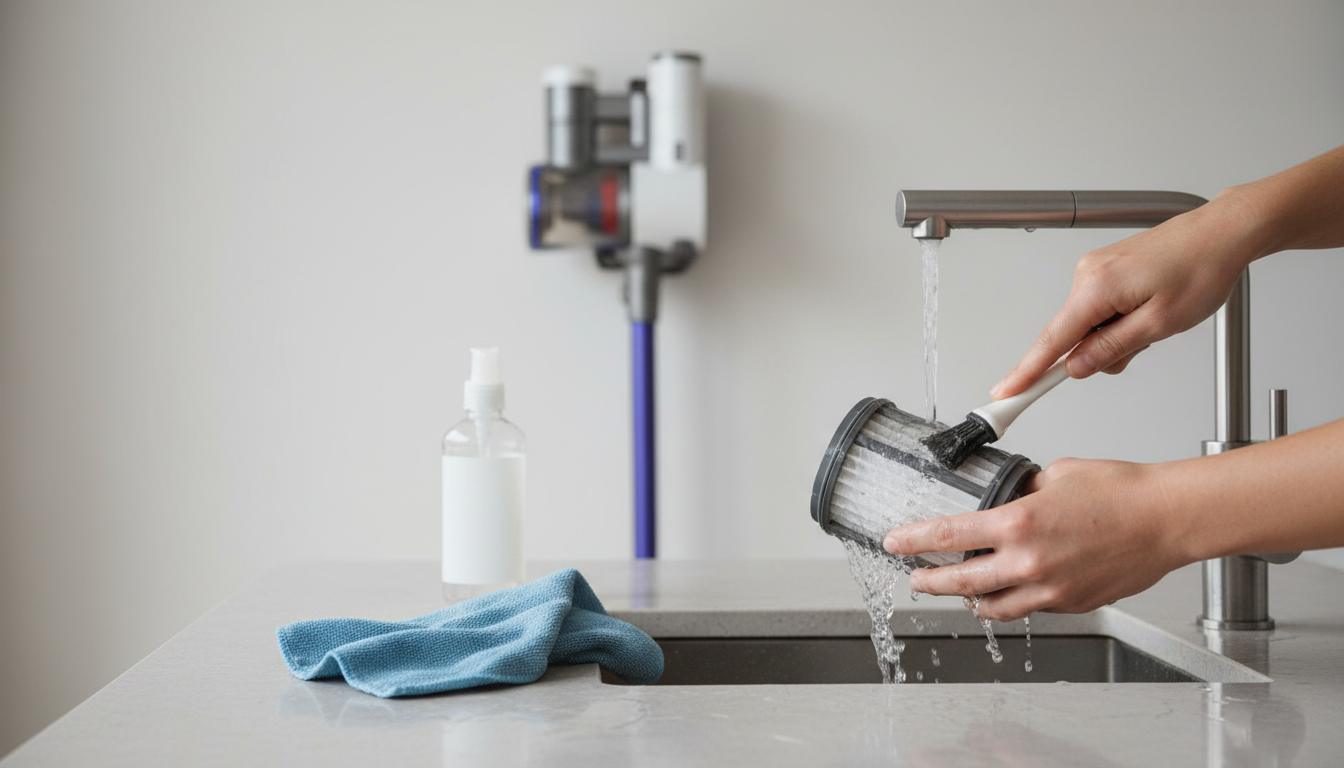
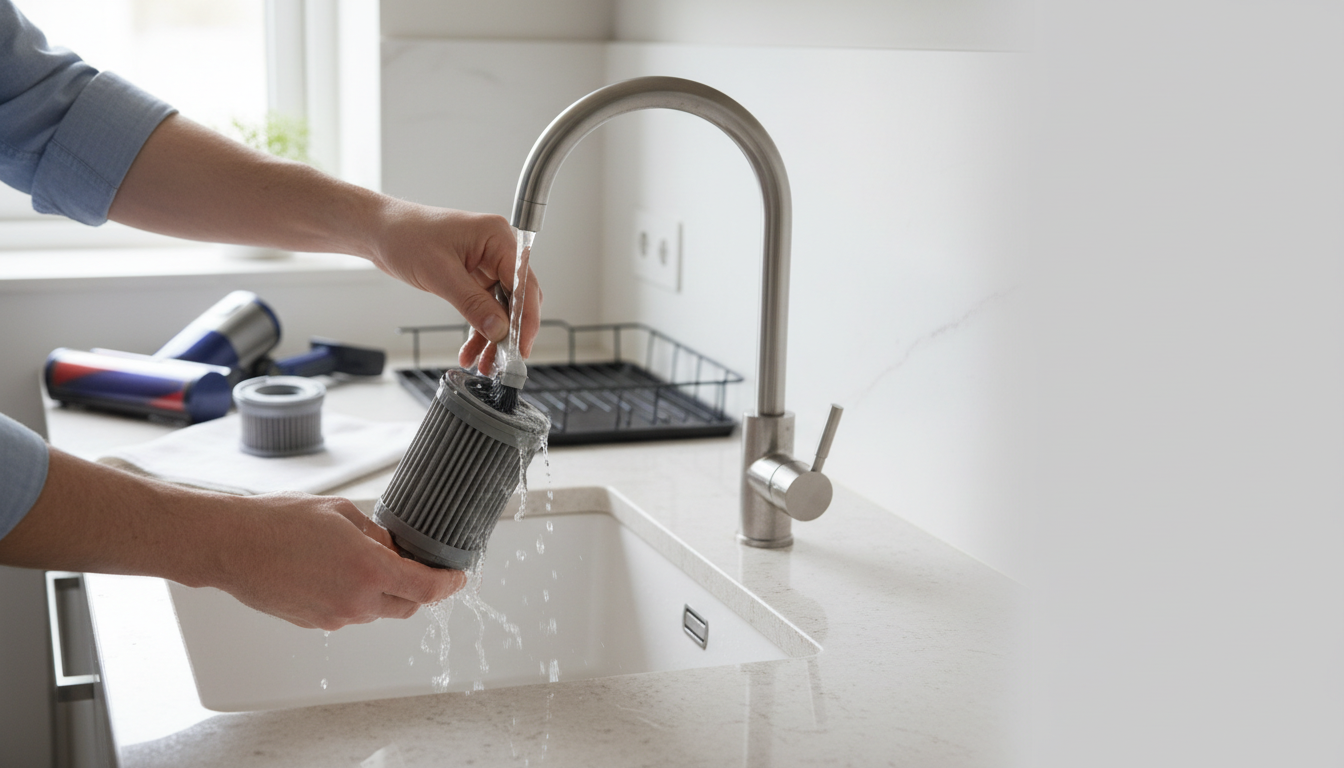
- Routine Maintenance: Many Panasonic vacuums utilize washable foam filters, like the secondary foam filters found in the 5110 series. Regular rinsing and drying of these components are essential to restore airflow and prevent premature wear on the motor.
- Replacement Schedule: Disposable filters, particularly HEPA types (e.g., AC37KRFZ00 for 5100, 5200, and 5300 series), require periodic replacement. Adhering to the manufacturer's recommended schedule is crucial for maintaining filtration performance and preventing strain on the vacuum's motor, which can lead to burnout.
- Filter Availability: A notable ownership challenge with Panasonic vacuums can be the availability of specific replacement filters, especially for older or discontinued models. This can sometimes lead to reduced suction or the need to source compatible aftermarket alternatives, which may vary in quality and fit. Verifying filter availability for your specific model is a practical step before committing to a purchase.
Panasonic-Vacuum Trade-Offs alternatives to compare
When evaluating Panasonic vacuum cleaner filters, buyers often weigh the brand's specific filtration approach against other options available on the market. This involves considering not just the filter's performance, but also factors like long-term availability, cost, and compatibility with a broader vacuum ecosystem. Understanding these trade-offs helps determine if Panasonic's filter offerings align with a buyer's cleaning needs and maintenance preferences.
Better-Fit Scenarios for Panasonic Filters
Panasonic's filter system can be a strong fit for buyers prioritizing specific aspects of vacuum maintenance and air quality.
- Integrated System Design: For owners of current Panasonic vacuum models, using genuine Panasonic filters ensures the filtration system operates as designed. This can be critical for maintaining the vacuum's stated suction power and air purification capabilities, especially for models featuring multi-layer filtration systems or HEPA filters.
- Specific Filter Types: Panasonic vacuums commonly utilize HEPA filters for fine particle capture and foam filters for larger debris or motor protection. Buyers specifically seeking these established filter types, which are readily available for many Panasonic models, may find the brand's offerings straightforward.
- Familiarity and Consistency: Buyers who have positive experiences with Panasonic appliances may prefer to stick with the brand for replacement parts, valuing the consistency in quality and fit that comes with manufacturer-branded components.
Considering Alternatives or Substitutes
Buyers might explore alternatives to Panasonic filters for various reasons, ranging from cost to specific performance needs.
- Aftermarket Filters: For many Panasonic vacuum models, aftermarket filters exist as a substitute for original equipment manufacturer (OEM) parts. These can often be more budget-friendly. However, buyers should verify compatibility and filtration effectiveness, as not all aftermarket options meet the same standards as OEM filters, potentially impacting vacuum performance or air quality.
- Alternative Vacuum Brands: If filter availability or specific filtration technology is a primary concern, buyers might consider vacuum brands known for a wider range of filter options, longer parts support, or specialized filtration systems (e.g., advanced allergen capture in some premium brands). This involves evaluating the entire vacuum system, not just the filter.
- Reusable Filters: While some Panasonic foam filters are washable, buyers seeking more robust reusable filter solutions across all filter stages might find other brands offer more extensive washable components, potentially reducing long-term replacement costs and waste.
Potential Deal-Breakers with Panasonic Filters
Certain aspects of the Panasonic filter ecosystem might lead a buyer to reconsider their choice or explore other brands.
- Discontinuation Risk: A notable concern for Panasonic vacuum owners is the potential for filters for older or less common models to be discontinued. This can lead to difficulties in finding replacements, forcing owners to seek aftermarket solutions or even replace the entire vacuum prematurely if critical filters become unavailable.
- Impact on Performance: When filters become clogged or are not replaced/cleaned regularly, Panasonic vacuums, like others, can experience reduced suction. If a buyer finds the required filter maintenance frequency or replacement cost for their Panasonic model to be prohibitive, it could impact their overall satisfaction.
- Availability and Cost: While common Panasonic filters are generally available, specialized or less popular model filters might be harder to source, potentially leading to delays or higher prices from limited suppliers. Buyers sensitive to replacement part costs or requiring immediate availability might find this a drawback.
Panasonic Vacuum Cleaner Filters FAQ
Why are genuine Panasonic vacuum cleaner filters a worthwhile investment?
Panasonic filters are integral to maintaining the specified performance of your vacuum cleaner. They are designed to capture dust and allergens, often featuring multi-layer or HEPA filtration systems in models like the MC-CL605, contributing to improved indoor air quality. Regular replacement or cleaning, as per manufacturer guidelines, also helps prevent common issues like reduced suction and potential motor overheating, preserving the appliance's lifespan.
What alternatives exist for Panasonic vacuum cleaner filters, and what are the trade-offs?
While genuine Panasonic filters are engineered for specific models, aftermarket alternatives are available. Genuine filters typically ensure a precise fit and filtration efficacy, aligning with the vacuum's original design specifications. Aftermarket options may offer a lower initial cost but can vary in material quality, filtration efficiency, and exact fit. An improper fit or lower-quality material in an alternative filter could compromise suction, air quality, and potentially stress the vacuum's motor.
What are common mistakes to avoid when managing Panasonic vacuum cleaner filters?
A frequent oversight is neglecting timely filter replacement or cleaning. Clogged filters are a primary cause of reduced suction and can lead to the vacuum's motor overheating. Another mistake is attempting to use a filter not specifically designed for your Panasonic model, which can result in an improper seal, diminished performance, and potential damage. Always consult your vacuum's manual for the correct filter type and maintenance schedule to avoid these pitfalls.
Panasonic-Vacuum-Pick buy-or-skip verdict
For existing Panasonic vacuum owners, opting for Panasonic-branded filters is generally a qualified "buy" to maintain the appliance's designed performance and filtration efficiency. Panasonic has historically incorporated multi-layer filtration, including HEPA and foam filters, into its vacuum cleaner designs, aiming to capture fine particles and support air quality. However, the decision can lean towards a "skip" if your specific Panasonic model is older and its genuine filters have been discontinued or are consistently difficult to source.
Consider these factors before proceeding:
- Model-Specific Availability: The primary risk with Panasonic vacuum cleaner filters lies in the potential for older model filters to be discontinued. This can lead to reduced suction and potential motor strain if incompatible or poorly fitting alternatives are used.
- Performance Preservation: Using the correct, manufacturer-specified filter ensures your vacuum operates as intended, preserving suction power and maintaining the integrity of its filtration system, whether it's a basic foam filter or a multi-stage HEPA system.
- Trade-offs with Alternatives: While aftermarket filters exist, their fit, material quality, and filtration effectiveness can vary. An ill-fitting filter can compromise air sealing, allowing dust to bypass the filtration system and potentially damage the motor.
Your next action should be to verify the exact filter part number required for your specific Panasonic vacuum cleaner model. Subsequently, confirm the current availability of these genuine filters through authorized retailers or reputable parts suppliers. This due diligence ensures you can sustain your vacuum's performance without encountering unexpected sourcing challenges.
More in Vacuum Cleaner Filters
View All