Shark Lift-Away Vacuum Cleaner Filters: Replacement Options and Benefits
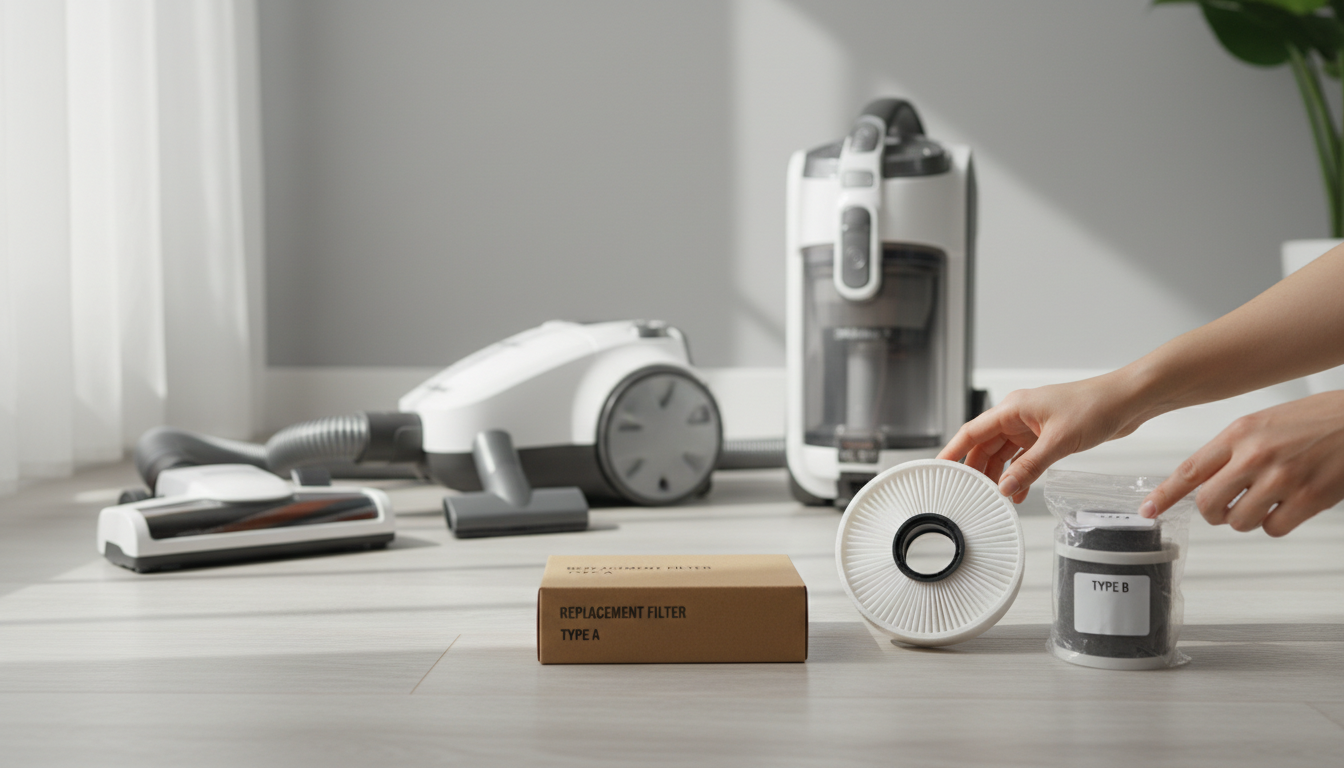
Restore Peak Performance: A Guide to Shark Lift-Away Vacuum Filters
For owners of Shark Lift-Away vacuum cleaners, maintaining optimal performance and indoor air quality hinges significantly on the condition of the filtration system. Clean filters are not merely an accessory; they are fundamental components that prevent dust and allergens from recirculating into your home environment while ensuring your vacuum retains its powerful suction. Neglecting filter maintenance can lead to diminished cleaning efficiency, increased motor strain, and a potential reduction in the lifespan of your appliance.
This guide is designed for Shark Lift-Away vacuum owners seeking to understand and confidently manage their filter replacement needs. We will explore:
- The various types of filters found in Shark Lift-Away models.
- How to accurately determine filter compatibility for your specific vacuum model.
- The practical steps for replacing and maintaining your filters.
- The benefits of choosing between original equipment manufacturer (OEM) and aftermarket options.
By understanding these aspects, you can make informed decisions that contribute to both a cleaner home and the sustained effectiveness of your Shark Lift-Away vacuum.
Understanding the Filtration System in Your Shark Lift-Away
Shark Lift-Away vacuum cleaners utilize a multi-stage filtration system designed to capture dust and allergens while protecting the vacuum's motor. This system typically involves a combination of different filter types, each with a specific function to ensure thorough cleaning performance and maintain air quality.
The primary filters you'll find in most Shark Lift-Away models include:
- Pre-Motor Foam and Felt Filters: These are the initial line of defense, positioned before the vacuum's motor. The foam filter is designed to trap larger debris and dust particles, while the felt filter captures finer dust that might pass through the foam. Their combined purpose is to prevent these particles from reaching and potentially damaging the motor, which is crucial for the vacuum's longevity.
- Post-Motor HEPA Filter: Located after the motor, the High-Efficiency Particulate Air (HEPA) filter is engineered to capture microscopic particles, including allergens like pollen, pet dander, and dust mites. For allergy sufferers, a true HEPA filter, combined with a sealed system, is critical for ensuring that the air exhausted back into the room is cleaner.
These filters work in conjunction, forming a sequential barrier against contaminants. The pre-motor filters handle the bulk of the larger dirt, extending the life of the more sensitive HEPA filter. The HEPA filter then polishes the air, removing the finest particles. For optimal performance and to ensure your vacuum maintains its suction power and air purification capabilities, it's essential that all filters are present, correctly installed, and in good condition. A complete filter kit, encompassing both pre-motor and post-motor filters, is necessary to restore the vacuum's filtration system to its intended efficiency.
Ensuring Compatibility: Matching Filters to Your Shark Lift-Away Model
Selecting the correct replacement filters is essential for maintaining your Shark Lift-Away vacuum's performance and ensuring effective debris capture. An exact match prevents air leaks, protects the motor, and sustains suction power. Generic or ill-fitting filters can compromise your vacuum's efficiency and potentially lead to costly repairs.
To confidently identify the right filters for your specific unit, follow these steps:
- Locate Your Model Number: Every Shark Lift-Away vacuum has a unique model number. This is typically found on a label on the back or bottom of the main vacuum body, or sometimes on the power cord plug. It usually begins with "NV," "UV," or "ZU." Make a note of this exact number.
- Understand Your Filter Types: Shark Lift-Away vacuums commonly utilize a combination of filters:
- Foam and Felt Filters: These pre-motor filters capture larger particles and are usually located directly beneath the dust cup. They are often washable.
- HEPA Filter: This post-motor filter captures fine dust and allergens, ensuring cleaner exhaust air. It is typically found near the exhaust vent and is not usually washable.
- Cross-Reference with Filter Part Numbers: Once you have your vacuum's model number, use it to search for compatible filter kits or individual filter part numbers. Many Lift-Away series, such as the NV350, NV360, UV440, and UV540, share common filter designs, but specific part numbers (e.g., XFF350 for foam/felt, XHF350 for HEPA) ensure a precise fit. Always verify that the filter's listed compatibility explicitly includes your vacuum's model number.
Using filters that are not specifically designed for your Shark Lift-Away model can lead to several issues:
- Reduced Suction: Gaps around an improperly sized filter allow air to bypass the filtration system, diminishing suction power.
- Dust Leakage: Unfiltered air can escape back into your home, releasing captured dust and allergens.
- Motor Damage: The motor can become clogged with fine particles if filters do not seal correctly, potentially shortening the vacuum's lifespan.
- Warranty Voidance: Some manufacturers may void warranties if non-approved replacement parts are used, particularly if they contribute to a malfunction.
OEM vs. Third-Party Filters: Weighing Quality, Cost, and Performance
When seeking replacement filters for your Shark Lift-Away vacuum, a primary decision involves choosing between original equipment manufacturer (OEM) filters and third-party, or aftermarket, alternatives. Each option presents distinct trade-offs in terms of cost, performance, and reliability, directly impacting your vacuum's efficiency and longevity.
OEM filters, produced by Shark, are designed to exact specifications for your specific Lift-Away model. This typically ensures a precise fit, which is crucial for maintaining the vacuum's sealed system and preventing unfiltered air from bypassing the filter media. The primary advantages of OEM filters include:
- Guaranteed Compatibility: Designed by the original manufacturer, these filters are engineered to fit perfectly and integrate seamlessly with your vacuum's filtration system.
- Consistent Quality: OEM filters adhere to the manufacturer's quality control standards, offering a predictable level of filtration efficiency and durability.
However, the main disadvantage of OEM filters is their higher cost compared to many aftermarket options.
Conversely, third-party filters are manufactured by companies other than Shark. These filters often aim to replicate the performance of OEM filters at a more accessible price point. Their advantages typically center on:
- Cost-Effectiveness: Aftermarket filters are generally more affordable, making them an attractive option for budget-conscious owners.
- Wider Availability: A broader selection of third-party filter kits might be available through various retailers.
Despite the cost savings, aftermarket filters can present potential drawbacks. While many third-party filters receive positive feedback for fit and performance, there can be variance. Some users report that certain aftermarket filters fit perfectly, enhancing suction, while others might not align as precisely, potentially compromising the vacuum's sealed system.
When making your choice, consider these key factors:
- Budget: Determine how much you are willing to spend on replacement filters.
- Performance Expectations: If maintaining peak filtration efficiency and suction power is paramount, the consistency of OEM might be preferred.
- Brand Reputation: For aftermarket options, research the manufacturer's reputation and read user reviews regarding fit and material quality for your specific Shark Lift-Away model.
Opting for low-quality aftermarket filters carries several risks that can negatively impact your vacuum and indoor air quality. Poorly constructed filters may not effectively trap dust and allergens, leading to reduced filtration and potentially recirculating particles back into your home. An improper fit can also degrade suction power, forcing your vacuum's motor to work harder and potentially shortening its lifespan. In severe cases, inadequate filtration could allow fine debris to reach and damage the motor, leading to costly repairs or premature vacuum failure.
Optimizing Performance: The Lifespan and Benefits of New Filters
Maintaining the filtration system in your Shark Lift-Away vacuum is crucial for both cleaning effectiveness and indoor air quality. Over time, filters accumulate debris, which can impede airflow and diminish performance. Recognizing the signs of a clogged filter and understanding the benefits of timely replacement can significantly impact your vacuum's operation.
Several indicators suggest that your Shark Lift-Away filters require attention:
- Reduced Suction Power: This is often the most noticeable sign. If your vacuum struggles to pick up dirt or leaves behind debris, clogged filters are a likely culprit.
- Unusual Odors: A musty or dusty smell emanating from the exhaust port during operation indicates that trapped particles are releasing odors back into your home.
- Visible Dirt or Dust: If you notice fine dust escaping from the vacuum's exhaust, it means the filters are no longer effectively trapping particles.
- Overheating Motor: A struggling motor, often caused by restricted airflow from clogged filters, may feel unusually warm to the touch.
For general household use, it's often recommended to replace Shark Lift-Away filters every 3 to 6 months. However, this timeframe can vary based on several factors:
- Pet Ownership: Homes with pets introduce more hair and dander, accelerating filter saturation.
- Heavy Use: Frequent or extended cleaning sessions will naturally shorten filter lifespan.
- Dusty Environments: Living in areas with higher dust levels or using the vacuum for significant cleanup tasks will necessitate more frequent replacements.
Timely filter replacement offers tangible advantages for your cleaning routine and home environment:
- Restored Suction Power: New filters allow for optimal airflow, enabling your vacuum to capture dirt and debris efficiently, often making your machine feel like new.
- Enhanced Air Purification: Clean filters, especially HEPA filters, effectively trap allergens and microscopic particles, preventing them from being recirculated into your home's air. This contributes to a healthier living space.
- Extended Vacuum Lifespan: By preventing motor strain caused by restricted airflow, fresh filters help protect the vacuum's internal components, potentially prolonging its operational life.
- Improved Motor Efficiency: When filters are clean, the motor doesn't have to work as hard, which can lead to more consistent performance and potentially lower energy consumption during use.
Simple Steps: Installing and Maintaining Your Replacement Filters
Proper installation and consistent maintenance of your Shark Lift-Away vacuum cleaner filters are crucial for sustaining its suction power and air filtration capabilities. Following a few straightforward steps can help ensure your vacuum operates at its best and extends the life of your filters.
Before beginning any filter maintenance, always power off and unplug your Shark Lift-Away vacuum from the electrical outlet to prevent accidental activation.
-
Locate and Remove Old Filters:
- Pre-Motor Filters (Foam and Felt): These are typically found in a compartment directly beneath the dust cup. Release the dust cup, and you'll usually see the foam and felt filters stacked inside. Gently pull them out.
- Post-Motor Filter (HEPA): The HEPA filter compartment is often located on the front or side of the main vacuum body, sometimes requiring a small latch or cover to be opened. Remove the old HEPA filter by pulling it straight out.
-
Install New Filters:
- Pre-Motor Filters: Place the new felt filter first, followed by the foam filter, ensuring they sit flush within their designated space.
- Post-Motor Filter: Insert the new HEPA filter into its compartment, making sure it clicks securely into place or the cover closes tightly. A proper seal is essential for effective filtration.
- Reattach the dust cup, ensuring it locks firmly.
-
Cleaning Washable Filters:
- If your Shark Lift-Away model includes washable foam and felt filters, rinse them under lukewarm water until the water runs clear. Avoid using any soap or detergents, as these can damage the filter material over time.
- Gently squeeze out excess water.
- Crucially, allow washable filters to air dry completely for at least 24 hours before reinstallation. Reinstalling damp filters can lead to mold growth and damage to the vacuum motor. Do not use heat sources like a hairdryer or oven to speed up drying.
-
General Maintenance Tips to Prolong Filter Life:
- Regular Tapping: Between washes or replacements, you can often extend the life of your foam and felt filters by gently tapping them over a trash can to dislodge accumulated dust and debris.
- Adhere to Replacement Schedules: Even washable filters have a finite lifespan. Refer to your Shark Lift-Away user manual for recommended cleaning and replacement intervals. Over time, filter material degrades and loses its effectiveness, regardless of cleaning.
- Monitor Performance: A noticeable decrease in suction power or an increase in dust escaping from the exhaust can indicate that your filters are clogged and require cleaning or replacement.
Frequently Asked Questions About Shark Lift-Away Filters
Navigating filter choices and maintenance for your Shark Lift-Away vacuum can raise several questions. Understanding these common concerns can help you maintain your vacuum's performance and make informed decisions about replacement filters.
-
What if my vacuum's suction doesn't improve after replacing filters? While dirty filters are a common culprit for reduced suction, they are not the only potential cause. If new filters don't restore power, inspect other parts of your vacuum. Check for blockages in the hose, the brush roll, or the air pathways leading to the dust cup. Sometimes, debris can become lodged in the internal tubing, restricting airflow even with clean filters. Ensuring all components are securely assembled can also impact suction.
-
How can I ensure aftermarket filters are good quality and fit correctly? When considering aftermarket filters, prioritize those that explicitly state compatibility with your specific Shark Lift-Away model number. Look for product descriptions that detail the materials used and highlight adherence to original equipment manufacturer (OEM) specifications. Crucially, review customer feedback regarding fit and performance. Many users report positive experiences with aftermarket filters, noting they "fit perfectly" and improve "suction power," but checking reviews can help identify any recurring fit issues for a particular brand or model. The trade-off often involves balancing cost savings with the potential for minor variations in material quality or exact dimensions.
-
Is it more cost-effective to buy filter multi-packs? Generally, purchasing filter multi-packs tends to be more cost-effective per filter than buying individual replacements. Multi-packs often include a full set of pre-motor foam and felt filters, and sometimes a post-motor HEPA filter, providing a complete refresh for your vacuum's filtration system. This approach can lead to long-term savings, though it requires a larger initial investment. Consider your typical usage and replacement frequency to determine if a multi-pack aligns with your maintenance schedule.
-
Can filter replacement solve all performance issues with my Shark Lift-Away vacuum? Replacing filters is a fundamental step in maintaining optimal vacuum performance, particularly for suction power and air quality. However, it may not resolve every performance issue. Problems like a non-spinning brush roll, unusual noises, or persistent odors can indicate other underlying issues not directly related to filters. These could include worn-out belts, motor problems, or internal component damage. While clean filters are essential, they are one part of a complex system.
-
How do I find my Shark Lift-Away model number to ensure filter compatibility? To guarantee you purchase the correct replacement filters, locating your Shark Lift-Away vacuum's model number is critical. This number is typically found on a silver or white sticker located on the main body of the vacuum. Common locations include the back of the unit, the bottom of the detachable canister, or near the dust cup. Once you have this number, you can accurately cross-reference it with filter product listings to confirm compatibility.
Your Guide to a Cleaner Home: Choosing the Right Shark Lift-Away Filters
Selecting the appropriate replacement filters for your Shark Lift-Away vacuum is a critical step in maintaining both your vacuum's efficacy and your home's air quality. This decision hinges on a few key factors, ensuring you get the most out of your appliance and investment.
When evaluating your options, prioritize the following:
- Model Compatibility: Always verify that the filter kit is specifically designed for your Shark Lift-Away model number. While many filters may appear similar, subtle differences in dimensions or design can compromise the vacuum's seal, leading to reduced suction and inefficient filtration.
- Filter Type Requirements: Understand the specific filters your model uses—typically a combination of pre-motor foam and felt filters, and a post-motor HEPA filter. Each plays a distinct role in capturing debris and allergens, and replacing all components as recommended is crucial for comprehensive cleaning.
- Original vs. Aftermarket Considerations:
- Original Equipment Manufacturer (OEM) Filters: These are designed by Shark to exact specifications, offering guaranteed fit and performance consistent with your vacuum's original capabilities. They often come at a higher price point.
- Aftermarket Filters: These can provide a more budget-friendly alternative. While many aftermarket options offer good performance and fit, it's prudent to review user feedback regarding their longevity and precise compatibility with specific Shark Lift-Away models. Some users report generally good fit and improved suction, but experiences with durability can vary.
Ultimately, the best choice aligns with your individual priorities. If guaranteed performance and a precise fit are paramount, OEM filters might be preferred. If cost-effectiveness is a primary concern and you're willing to research reputable aftermarket brands, those options can be viable. By making an informed decision based on compatibility, understanding filter types, and weighing the trade-offs between OEM and aftermarket options, you ensure your Shark Lift-Away continues to deliver powerful cleaning and contributes to a healthier indoor environment for years to come.

More in Vacuum Cleaner Filters
View All
Hoover Vacuum Cleaner Filters: A Guide to Compatibility and Performance
Dirt Devil Vacuum Cleaner Filters: Essential Replacements for Longevity