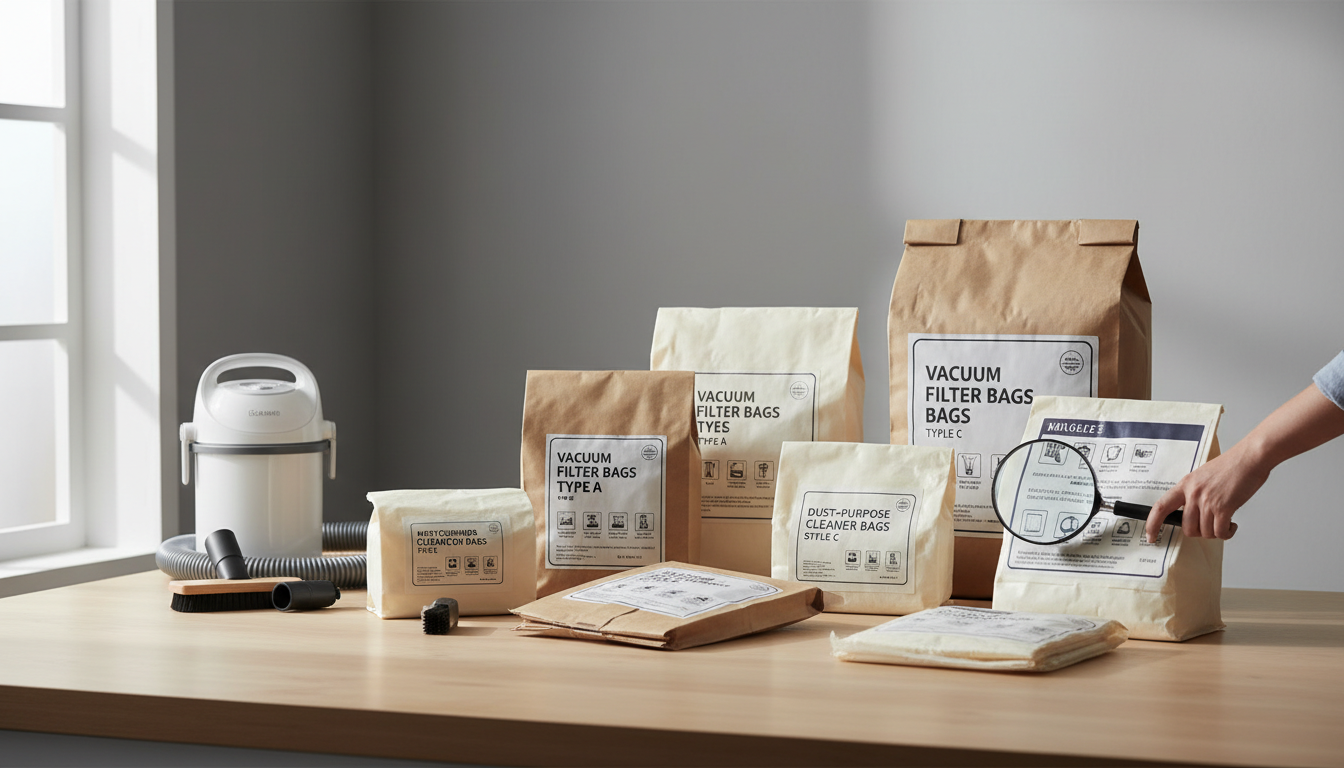
Choosing the Right Vacuum Cleaner Bags: A Guide for Every Homeowner
The Essential Role of Vacuum Cleaner Bags in Home Cleanliness
Vacuum cleaner bags serve a far more critical function than simply holding debris. They are an integral component of your vacuum's filtration system, directly influencing both cleaning effectiveness and indoor air quality. A properly functioning bag helps maintain consistent suction power by allowing air to flow efficiently while trapping dust, allergens, and other particulates within the vacuum. Without this essential barrier, microscopic particles can re-enter your home's air, diminishing the cleaning impact and potentially affecting respiratory health.
A common misconception is that all vacuum bags are interchangeable. However, using the correct bag, specifically designed for your vacuum model, is paramount. An ill-fitting or low-quality bag can lead to reduced suction, dust leakage, and even premature wear on your appliance's motor by forcing it to work harder. Just as a rip or tear in a bag allows dust to escape, an overfilled bag restricts airflow, compromising performance.
This guide aims to empower homeowners to confidently select the ideal vacuum cleaner bags. By understanding factors like compatibility, filtration types, and capacity, you can ensure optimal vacuum performance, improved air quality, and extend the life of your appliance.
Understanding Vacuum Cleaner Bags: Types, Materials, and Filtration
Vacuum cleaner bags are more than simple receptacles for dirt; they are an integral part of the appliance's filtration system, directly impacting both cleaning efficacy and indoor air quality. Their design and construction dictate how effectively dust, allergens, and debris are captured and contained, preventing them from recirculating into your home environment.
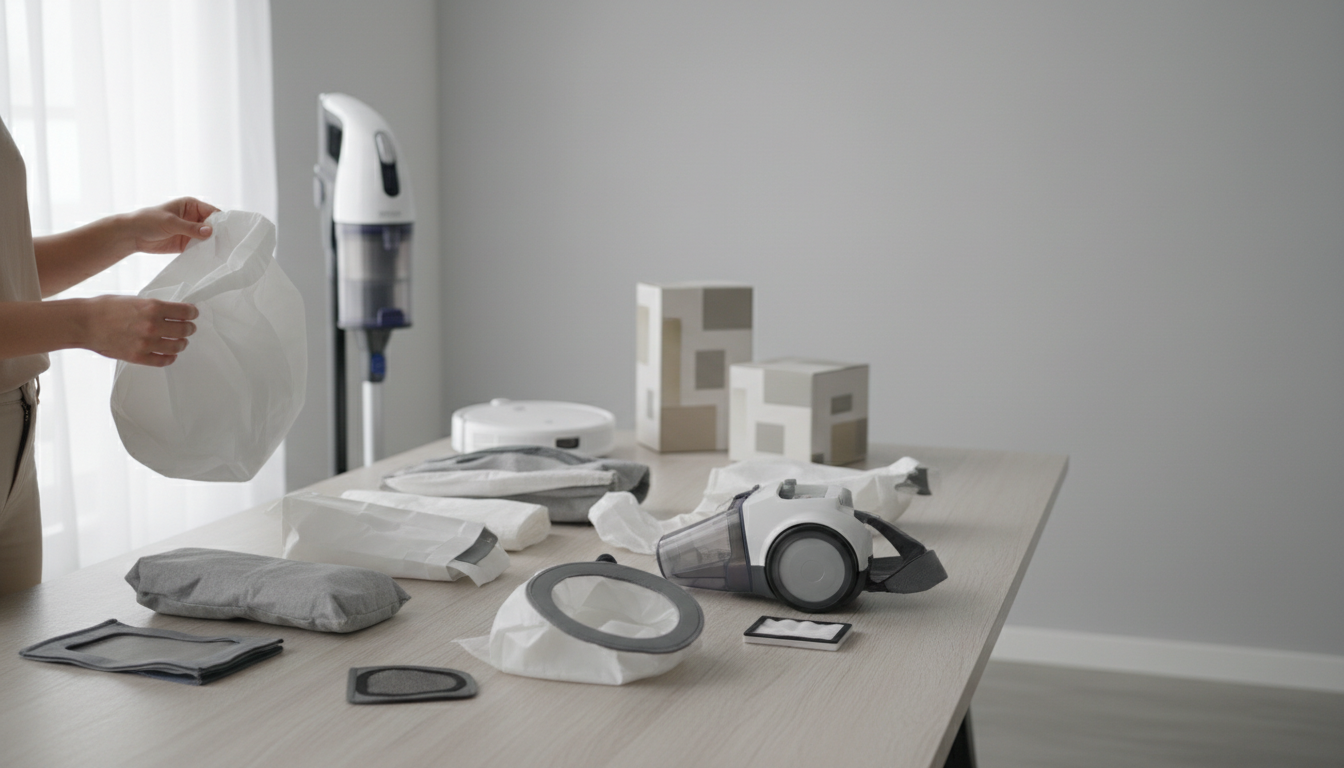
The fundamental choice often begins with disposable versus reusable bag types:
- Disposable Bags: Designed for single use, these bags are removed and discarded once full. They generally offer superior hygiene as the user has minimal direct contact with accumulated dust during disposal. Many disposable bags feature multi-layered construction, contributing to better filtration. However, they represent an ongoing purchase cost and contribute to household waste.
- Reusable Bags: These are typically made from durable fabric and are designed to be emptied, cleaned, and reinserted into the vacuum. While they offer a cost-effective and environmentally friendlier alternative, emptying them can expose the user to dust and allergens, making them less ideal for allergy sufferers. Their filtration efficiency may also diminish over time or with repeated cleaning.
Beyond containment, a bag's filtration capability is crucial for air quality:
- Standard Filtration: Basic bags, often made of single-ply paper, primarily capture larger dust and debris. They are suitable for general cleaning but allow finer particles to pass through and potentially re-enter the air.
- Micro-filtration: These bags typically employ multiple layers of synthetic material to trap smaller particles, such as pet dander and fine dust, that standard bags might miss. They offer an improved level of air purification.
- HEPA-level Filtration: While not always true HEPA filters, these bags are engineered to capture microscopic particles down to 0.3 microns with high efficiency, similar to HEPA standards. They are particularly beneficial for households with allergy sufferers or individuals sensitive to airborne irritants, significantly reducing the recirculation of allergens.
The material composition of a vacuum bag directly influences its performance characteristics:
- Paper Bags: Traditional and cost-effective, paper bags can be single or multi-ply. While they offer adequate basic filtration, they are generally less durable and more susceptible to tearing, especially if they encounter moisture or sharp objects. An overfilled paper bag can also restrict airflow, diminishing suction.
- Synthetic Bags (e.g., non-woven fabric, microfiber): Modern synthetic materials offer enhanced durability, making them resistant to tears and bursts. Their multi-layered structure often allows for superior filtration and better airflow even as the bag fills, helping to maintain consistent suction power.
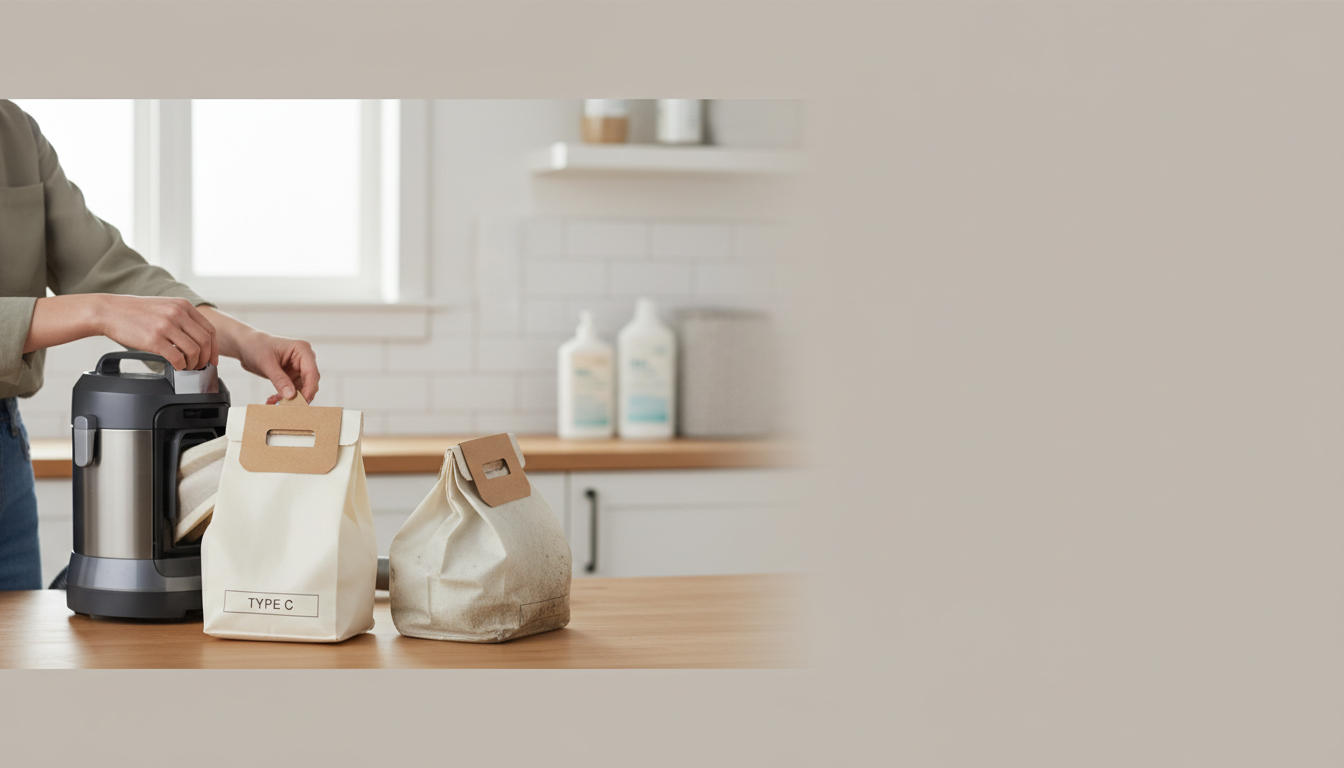
Consideration of bag design features can significantly improve the user experience and hygiene. Many contemporary vacuum bags incorporate self-sealing collars or flaps. This design automatically closes the bag's opening when it is removed from the vacuum cleaner. This feature is critical for preventing dust and allergens from escaping back into the air during disposal, offering a cleaner and more hygienic experience, especially for those sensitive to dust exposure.
Key Factors to Consider When Choosing Your Vacuum Cleaner Bags
Selecting the appropriate vacuum cleaner bags involves more than just picking the first option available. Thoughtful consideration of several factors ensures your vacuum operates efficiently, maintains indoor air quality, and prevents common maintenance issues.
-
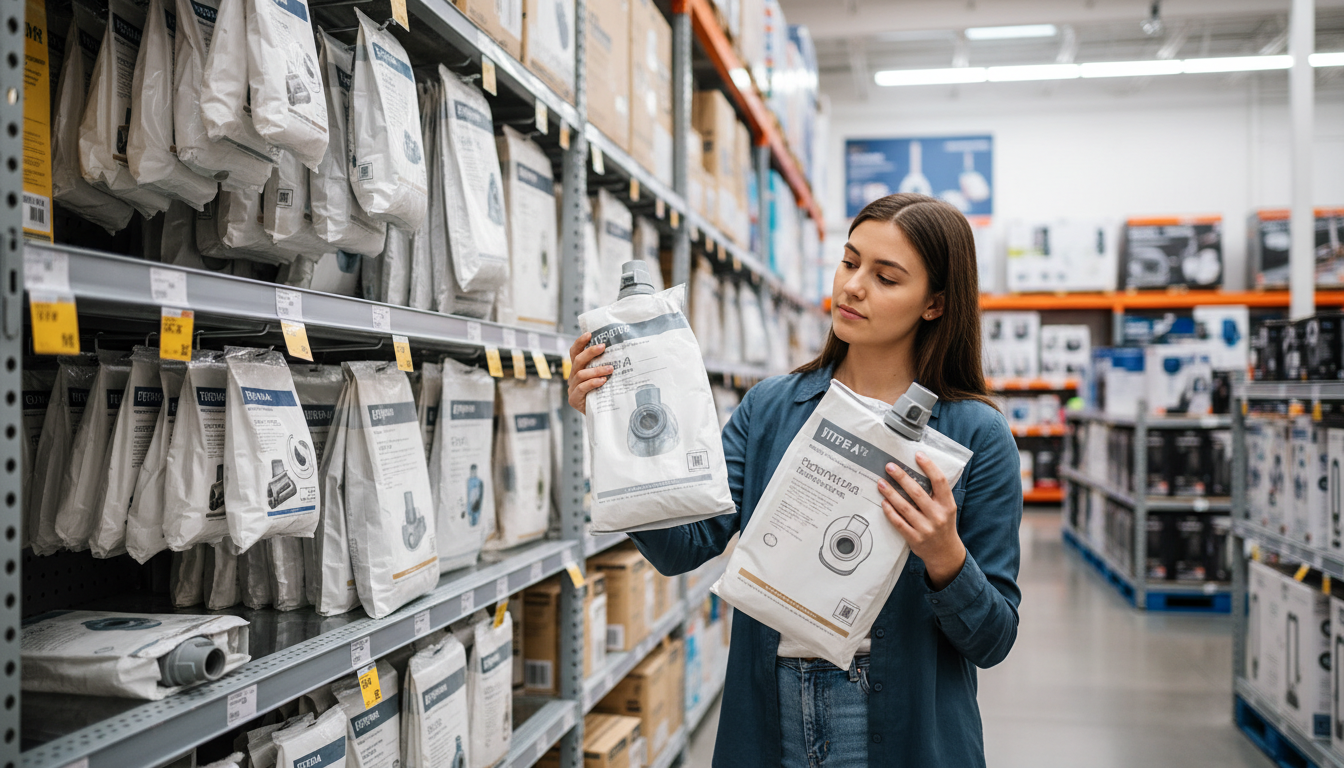
Compatibility is Paramount The most critical step is to match the bag precisely to your vacuum cleaner's make and model. Vacuum bags are not universal; each model typically requires a specific bag design, often indicated by a series number or model name. Using an incorrect bag can lead to a poor seal, allowing dust to escape into the air and potentially damaging your vacuum's motor due to insufficient airflow. Always consult your vacuum cleaner's manual or the manufacturer's website for the exact bag specification.
-
Filtration Efficiency The bag acts as a primary filter, trapping particles before air exits the vacuum. Different bags offer varying levels of filtration, which should align with your household's needs:
- Standard Bags: Suitable for general cleaning in homes without specific allergy concerns.
- Allergen Bags: Designed to capture smaller particles like pet dander, pollen, and dust mite allergens, beneficial for allergy sufferers or homes with pets.
- HEPA-level Bags: Offer the highest filtration, trapping microscopic particles down to 0.3 microns with 99.97% efficiency. These are ideal for severe allergy sufferers or those prioritizing superior indoor air quality.
-
Bag Capacity and Lifespan Consider the bag's volume relative to your cleaning habits and household size. Larger capacity bags require less frequent changing, which can be convenient for larger homes or those with heavy cleaning demands (e.g., multiple pets). However, an overfilled bag can significantly reduce suction power and airflow, diminishing cleaning effectiveness and potentially straining the vacuum motor. Regularly check the bag fullness indicator on your vacuum to ensure optimal performance.
-
Durability and Tear Resistance The quality of the bag material directly impacts its ability to contain debris without leaking. Look for bags constructed from multi-layer synthetic materials, which typically offer greater strength and tear resistance compared to single-layer paper bags. A durable bag prevents rips or punctures that can release trapped dust and allergens back into your home, undermining the cleaning process and potentially causing health issues. Reinforced seams and robust collar designs also contribute to a secure fit and minimize leakage risks.
-
Pack Size and Value Evaluate the number of bags included in a package based on your usage frequency. If you vacuum frequently or have a large home, buying larger multi-packs may offer better long-term value and reduce the need for frequent reordering. For occasional users, smaller packs might be more practical. Balance the per-bag cost with the convenience and the shelf life of the bags, ensuring you always have replacements on hand when needed.
Common Issues with Vacuum Bags and How to Avoid Them
Selecting the correct vacuum cleaner bag is crucial, as improper choices can lead to a range of performance issues and even damage your appliance. Understanding these potential pitfalls allows homeowners to make informed decisions that safeguard both their vacuum and indoor air quality.
One primary concern is reduced suction, often stemming from an overfilled bag or using an incorrect type. As a bag fills, airflow becomes restricted, forcing the vacuum motor to work harder. This not only diminishes cleaning effectiveness but can also lead to premature motor wear or overheating. Similarly, leaks and tears are significant risks. Poor quality materials, manufacturing defects, or an ill-fitting bag can result in dust and allergens escaping back into your home's air, negating the purpose of vacuuming. These escaping fine particles can also bypass internal filters and potentially damage the vacuum's motor over time. To mitigate these, regularly check your bag's fill level, replacing it when it's about two-thirds full, and always ensure the replacement bag is the correct model-specific type and securely seated.
Odor control is another factor. Vacuum bags can trap odor-causing particles, especially after cleaning up pet messes or strong-smelling debris. If not managed, these odors can be released back into your home during subsequent cleanings. Some bags are designed with activated charcoal layers or other odor-neutralizing features to combat this. For general use, regular bag replacement, rather than waiting until it's completely full, can significantly help manage household odors.
Homeowners also face the disposable versus reusable trade-off. Disposable bags offer convenience and superior hygiene, as dust and allergens are sealed away for disposal, making them ideal for allergy sufferers. However, they incur ongoing costs and contribute to waste. Reusable bags, while more environmentally friendly and cost-effective in the long run, require emptying and cleaning, which can expose you to dust and allergens. The choice often balances personal preference for convenience against environmental impact and direct contact with collected debris.
Finally, navigating the risk of generic versus brand-specific bags is critical. Brand-specific (OEM) bags are engineered to precise specifications for your vacuum model, ensuring optimal fit, filtration efficiency, and protection for the motor. While often more expensive, they typically offer peace of mind regarding performance and maintaining warranty conditions. Generic or "compatible" bags, though often more affordable, can vary widely in quality. Potential issues include an imprecise fit that leads to leaks and reduced suction, inferior filtration materials that allow fine particles to escape, and less durable construction prone to tearing. When considering non-OEM options, carefully verify their compatibility and material quality to avoid compromising your vacuum's performance and longevity.
Selecting the Right Bags for Your Vacuum and Lifestyle
Choosing the correct vacuum cleaner bags extends beyond simply finding a package that fits. It involves a deliberate assessment of your vacuum type, household environment, and personal priorities to ensure optimal cleaning performance and air quality. This decision-making process helps homeowners identify the 'bags for vacuum cleaner' that best meet their unique needs.
To confidently select your next set of bags, consider these factors:
-
Vacuum Type and Model Compatibility The most critical step is to identify the precise bag type specified by your vacuum cleaner's manufacturer. Each vacuum model, whether an upright, canister, stick, or a bagged robotic vacuum, is designed to work with a particular bag style and size.
- Upright Vacuums: Often use larger, upright-specific bags designed to fit within their dust compartment.
- Canister Vacuums: Typically feature bags that slide into an internal compartment, often with a self-sealing collar.
- Stick Vacuums (Bagged): May use smaller, more compact bags tailored to their slender design.
- Robotic Vacuums (with Auto-Empty Stations): These often require proprietary bags for their docking stations, designed for high capacity and hands-free disposal. Using an incorrect bag can lead to poor sealing, dust leakage, reduced suction, or even damage to the vacuum's motor by impeding airflow. Always consult your vacuum's manual or the manufacturer's website for the exact bag series or part number.
-
Household Needs and Filtration Your home environment significantly influences the type of filtration you require from a vacuum bag.
- Homes with Pets: Look for bags labeled with "pet" or "allergen" features. These often incorporate multi-layer designs or activated carbon to trap pet dander, hair, and odors more effectively.
- Allergy or Asthma Sufferers: High-efficiency particulate air (HEPA) filtration is paramount. HEPA-rated bags are designed to capture 99.97% of airborne particles 0.3 microns or larger, including pollen, dust mites, and pet dander, preventing them from recirculating into your indoor air.
- High-Traffic Areas or Large Homes: Consider bags with higher capacity to reduce the frequency of changes, or those with enhanced durability to prevent tearing under heavy loads.
-
Budget vs. Performance Trade-offs The cost of vacuum bags can vary, often reflecting differences in material quality, filtration efficiency, and brand.
- Lower-Cost Options: While more budget-friendly, these bags may offer basic filtration, potentially allowing finer particles to escape. They might also be made of thinner materials, increasing the risk of tearing or leakage, particularly when full.
- Premium Bags: Often feature multi-layer construction, advanced filtration media (like HEPA), and robust sealing mechanisms. These typically provide superior air quality and vacuum performance but come at a higher price point. Investing in higher-quality bags can protect your vacuum's motor and improve indoor air quality, potentially offsetting the initial cost with longer vacuum life and fewer allergy symptoms.
-
Environmental Considerations For homeowners prioritizing sustainability, there are specific options and trade-offs to consider.
- Biodegradable Bags: Some manufacturers offer bags made from plant-based materials designed to break down more quickly in landfills. Their availability can be limited, and performance may vary.
- Reusable Bags: While seemingly eco-friendly, reusable cloth bags require manual emptying, which can expose you to dust and allergens. They also need to be cleaned periodically, and their filtration efficiency can degrade over time or if not maintained properly.
- Recycled Content Bags: A growing number of bags incorporate recycled materials, reducing the demand for virgin resources. The most impactful environmental choice is often to use a high-quality bag that performs efficiently, reduces the need for frequent vacuum replacement, and effectively traps pollutants, thereby contributing to healthier indoor air.
Frequently Asked Questions About Vacuum Cleaner Bags
Selecting the right vacuum cleaner bags involves understanding several practical considerations beyond the initial purchase. Addressing common queries can help homeowners maintain optimal vacuum performance and indoor air quality.
-
How often should I change my vacuum bag? The frequency of bag changes is primarily dictated by usage and the amount of debris collected, rather than a fixed schedule. Most vacuums have a "bag full" indicator light, which serves as a primary signal. Beyond this, you should consider changing the bag when:
- Suction power noticeably decreases, even if the bag isn't entirely full. An overfilled bag restricts airflow, forcing the motor to work harder and reducing efficiency.
- The bag appears visibly full through any inspection window.
- You've vacuumed a particularly dusty or large area, such as after a renovation or deep clean. Regular replacement ensures consistent suction and prevents strain on your vacuum's motor.
-
Can I use a bag from a different brand? Using bags from a different brand than your vacuum's manufacturer (often called aftermarket or generic bags) is possible, but requires careful verification. The critical factor is precise compatibility. An improperly fitting bag, even if it seems close, can lead to:
- Dust leakage into the vacuum's motor compartment or back into your home's air.
- Reduced suction efficiency.
- Potential damage to your vacuum's motor from dust or strain. Always confirm that any aftermarket bag explicitly states compatibility with your specific vacuum model number. Prioritize bags that match the original manufacturer's specifications for material and seal design to avoid these risks.
-
What happens if I don't change my vacuum bag? Neglecting to change a full or damaged vacuum bag can have several negative consequences for both your cleaning effectiveness and your vacuum's longevity:
- Reduced Suction Power: As a bag fills, airflow is restricted, causing a significant drop in suction. This means your vacuum becomes less effective at picking up dirt and debris.
- Motor Strain and Overheating: The vacuum's motor must work harder to compensate for restricted airflow, leading to increased wear and tear, potential overheating, and a shortened lifespan for the appliance.
- Dust Re-emission: An overfilled bag, or one with a tear, can allow dust, allergens, and other particles to escape back into the air you breathe, negating the purpose of vacuuming and potentially impacting indoor air quality.
- Unpleasant Odors: Trapped dirt and debris, especially if damp, can develop unpleasant odors that are then circulated back into your home.
-
Are HEPA bags worth the extra cost? HEPA (High-Efficiency Particulate Air) bags are generally worth the additional cost, particularly for households focused on superior indoor air quality. They are designed to trap a higher percentage of microscopic particles, including allergens, pet dander, pollen, and dust mites, down to 0.3 microns.
- Benefits: Significantly improved air quality, crucial for allergy sufferers, asthmatics, or homes with pets and young children.
- Trade-offs: Higher upfront cost compared to standard bags. For those prioritizing health and a cleaner environment, the enhanced filtration offered by HEPA bags provides a tangible benefit that often outweighs the price difference.
-
How do I know what size bag my vacuum needs? Identifying the correct bag size and type is essential for proper fit and function. The most reliable methods include:
- Check Your Vacuum's User Manual: This is the definitive source for compatible bag types and part numbers.
- Locate the Model Number on Your Vacuum: The model number is typically found on a label on the vacuum's body (often on the bottom, back, or under the canister lid). Use this number to search online or at a retailer for compatible bags.
- Examine the Existing Bag: If you have an old bag, look for a part number, model compatibility list, or brand information printed directly on the bag itself.
- Consult the Manufacturer's Website: Most vacuum cleaner manufacturers provide compatibility charts or product finders on their websites. Always match the bag to your specific vacuum model to ensure a secure seal and optimal performance.
Making an Informed Choice for Cleaner Air and a Healthier Home
Selecting the appropriate bags for your vacuum cleaner is a pivotal step towards maintaining both a clean living environment and the optimal function of your appliance. Throughout this guide, we've explored how factors like precise compatibility, the right filtration type, and adequate capacity are not mere preferences but essential criteria that directly impact cleaning efficacy and indoor air quality. Understanding these elements empowers you to move beyond generic options and choose solutions tailored to your household's specific needs.
By prioritizing the correct vacuum cleaner bags, you actively contribute to your vacuum's longevity and performance. A properly fitted bag with suitable filtration prevents dust leakage, maintains consistent suction power, and safeguards your vacuum's motor from unnecessary strain. Crucially, it also ensures that the microscopic particles, allergens, and debris collected are effectively trapped, preventing their recirculation into your home's air. This commitment to informed bag selection translates directly into a healthier indoor atmosphere for you and your family.
To confidently make your final selection, always consult your vacuum cleaner's owner's manual. This document is the definitive source for identifying the exact bag specifications, model numbers, and material recommendations for your specific appliance. Relying on this information eliminates guesswork and ensures you acquire the bags that will deliver the best possible results, preserving your vacuum's efficiency and enhancing the cleanliness of your home.
More in Vacuum Cleaner Bags
View All