Finding the Right Sanitaire Vacuum Cleaner Belts for Your Model
Restoring Peak Performance: Your Guide to Sanitaire Vacuum Cleaner Belts
A functional belt is essential for your Sanitaire vacuum cleaner to perform effectively. This seemingly small component plays a critical role, transmitting power from the motor to the brush roll. When operating correctly, the belt ensures the brush roll spins at the optimal speed, agitating carpet fibers to dislodge embedded dirt and debris for thorough cleaning. Without a healthy belt, your Sanitaire vacuum's ability to pick up dirt is significantly compromised, impacting overall cleaning efficiency.
Over time, Sanitaire vacuum belts can stretch, crack, or break due to regular use, heat, and friction. Recognizing these issues early can prevent further strain on your vacuum and restore its cleaning power. Common signs indicating a belt needs replacement include:
- Reduced brush roll action: The brush roll spins slowly or not at all, even when the vacuum is on.
- Visible stretching or damage: The belt appears loose, frayed, or has visible cracks.
- Burning smell: A distinct odor, often like burning rubber, can indicate a slipping belt.
- Poor debris pickup: The vacuum leaves behind dirt or fails to pick up particles from carpeted surfaces.
This guide is designed to help Sanitaire vacuum owners confidently identify and purchase the correct replacement belt for their specific model. We will cover the critical factors for ensuring compatibility, understanding the nuances of different belt types, and making an informed decision to maintain your Sanitaire vacuum's optimal performance and longevity.
Decoding Sanitaire Belts: Types, Models, and Compatibility Essentials
Selecting the correct replacement belt for your Sanitaire vacuum cleaner is fundamental to maintaining its cleaning performance. A worn or incorrect belt can lead to a spinning brush roll, reduced suction, and ineffective debris pick-up. Understanding the different belt types and how to precisely match them to your specific Sanitaire model prevents these issues and restores your vacuum to optimal working condition.
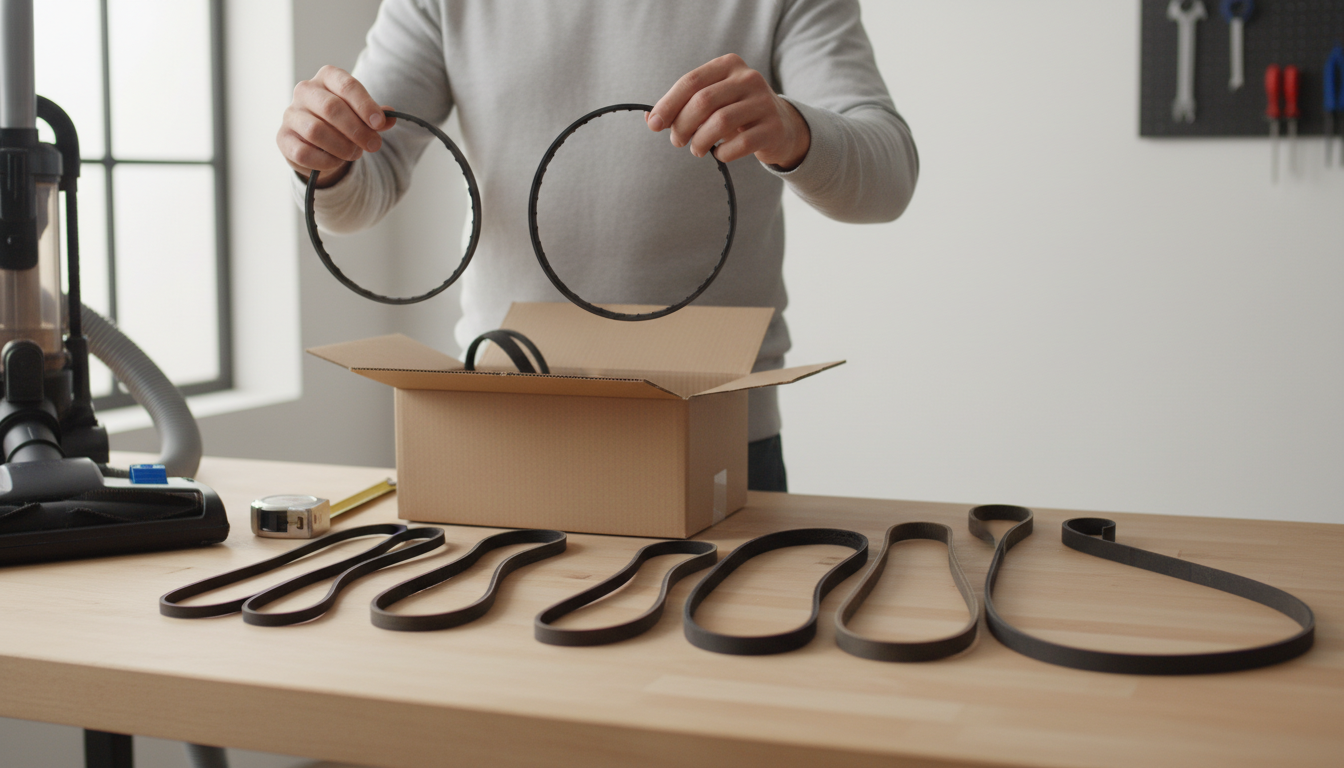
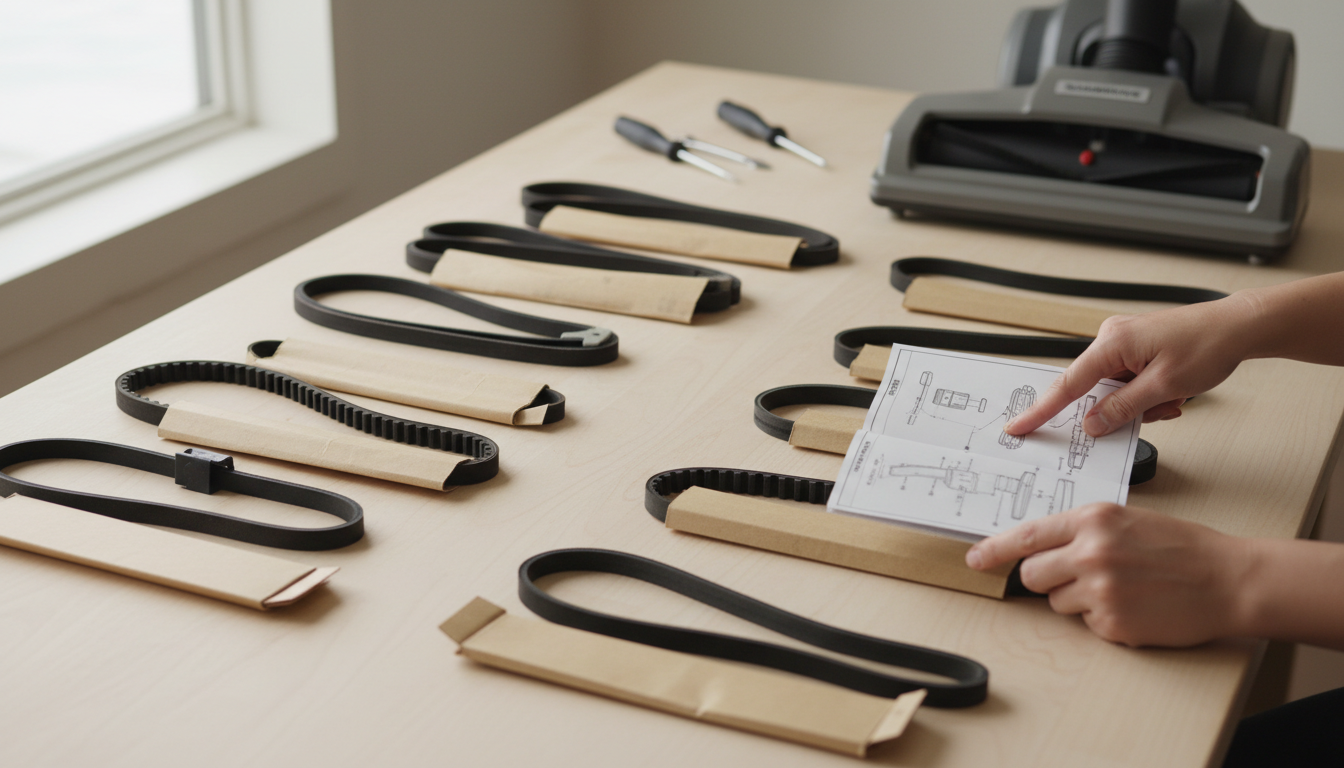
Sanitaire vacuum cleaners typically utilize a few common belt designs, primarily tailored to their upright brush roll mechanisms. While variations exist across vacuum brands, Sanitaire models most frequently employ:
- Flat Belts: These are the most prevalent type for upright vacuum brush rolls, including many Sanitaire models. They are designed to transfer power efficiently from the motor to the brush roll, ensuring consistent rotation. Over time, flat belts can stretch or crack, leading to slippage and diminished cleaning.
- Round Belts: Less common in modern Sanitaire uprights but found in some designs, these are typically used for specific motor-to-component drives.
- Cogged (or Toothed) Belts: These belts feature teeth that interlock with gears on the motor and brush roll, providing a precise, slip-free drive. While highly efficient, they are less common in standard Sanitaire household or commercial uprights compared to flat belts.
The most critical step in securing the right replacement belt is accurately identifying your Sanitaire vacuum's model number. This number serves as the definitive guide for compatibility.
- Locating Your Model Number:
- Check the back or side: Many Sanitaire uprights have a sticker or plate on the back or side of the motor housing.
- Examine the bottom: Some models may have the information label on the underside of the vacuum.
- Under the handle: Occasionally, the model number can be found on a sticker beneath the handle assembly.
- Look for a label that clearly states "Model No." or "Type."
Once located, this model number directly corresponds to a specific belt part number in Sanitaire's parts catalog. Relying on the model number removes guesswork, as manufacturers design belts with precise dimensions and material properties for each vacuum variant. Using a belt not specified for your model, even if it appears similar, can result in poor performance, excessive wear on components, or even damage to the motor or brush roll.
While the model number is paramount, measuring an existing belt can offer a supplementary comparison, particularly if the original belt is still intact but stretched.
- Measuring an Existing Belt (for comparison only):
- Carefully remove the old belt from the vacuum.
- Lay the belt flat on a surface without stretching it.
- Measure the total length of the belt.
- Note the width of the belt.
- Compare these measurements to the specifications provided for belts compatible with your model number. Be aware that an old, stretched belt will appear longer than a new, correctly sized replacement. The new belt will often feel significantly shorter and tighter, which is necessary for proper tension and brush roll rotation.
The Performance Advantage: Why Genuine Sanitaire Belts Matter
Sanitaire vacuum cleaners are engineered for durability and consistent cleaning performance, and the integrity of their drive system relies significantly on the quality of their belts. Opting for genuine Sanitaire replacement belts is crucial for maintaining the vacuum's intended operational standards and extending its lifespan. These belts are manufactured to the brand's exacting specifications, ensuring a precise fit and optimal tension that generic alternatives often cannot match.
Genuine Sanitaire belts are engineered with an emphasis on quality and performance. This meticulous design ensures that the brush roll spins at the correct speed and maintains consistent contact with cleaning surfaces, which is vital for effective debris agitation and pickup. The material composition of authentic belts is selected for durability, resisting premature stretching or breakage that can lead to a decline in cleaning efficiency over time. Using parts specifically designed for your Sanitaire model helps restore and maintain the vacuum's original suction and agitation capabilities, preventing common issues like reduced performance.
Conversely, introducing non-genuine or ill-fitting belts can introduce several risks and drawbacks.
- Reduced Cleaning Efficiency: Belts that are too loose can slip, causing the brush roll to slow down or stop, significantly diminishing the vacuum's ability to pick up dirt and debris. Belts that are too tight can strain the motor.
- Accelerated Wear and Tear: Incorrectly sized or lower-quality materials in aftermarket belts can lead to increased friction, overheating, and premature wear on other internal components, including the motor and brush roll bearings.
- Potential for Damage: A belt that breaks unexpectedly or is poorly constructed can wrap around internal parts, potentially causing more extensive and costly damage to the vacuum cleaner itself.
- Compromised Longevity: The cumulative effect of these issues can shorten the overall service life of your Sanitaire vacuum, undermining the investment in a robust cleaning appliance.
Ensuring that replacement belts meet Sanitaire's original design and material standards is a foundational step in preserving the vacuum's performance and avoiding unnecessary maintenance complications.
Is Your Sanitaire Belt Failing? Recognizing the Warning Signs
A Sanitaire vacuum cleaner belt is crucial for transferring power from the motor to the brush roll, enabling effective debris agitation and collection. When this component begins to fail, the vacuum's performance can significantly decline. Recognizing these warning signs early can prevent further issues and guide you toward a timely replacement.
Consider these indicators that your Sanitaire vacuum belt may be compromised:
- Reduced Cleaning Effectiveness: A common symptom of a failing belt is a noticeable drop in the vacuum's ability to pick up dirt and debris, especially from carpets. If your vacuum seems to be just moving dirt around rather than lifting it, a stretched or slipping belt could be the cause. As one user noted, "My vacuum wasn't picking up debris from carpet like it used to...the belt had stretched and was slipping." This directly impacts the brush roll's ability to agitate surfaces.
- Inactive or Slow Brush Roll: The brush roll, also known as the beater bar, relies entirely on the belt to spin. If you observe that the brush roll is not spinning at all, or is spinning sluggishly, even when the vacuum is powered on, the belt is likely either broken or severely stretched and slipping. Without a rotating brush, deep cleaning is compromised.
- Burning Odor During Use: A distinct burning smell while operating your Sanitaire vacuum often points to excessive friction. This can occur if the belt is slipping continuously against the motor pulley or brush roll, generating heat. It might also indicate the belt is struggling against an obstruction that the brush roll cannot overcome.
- Visible Deterioration: A direct inspection of the belt can reveal clear signs of wear. Look for:
- Stretching: A worn belt will appear longer and looser than a new one. A new belt is designed to be taut, ensuring optimal power transfer.
- Cracking or Fraying: Small cracks, splits, or frayed edges on the belt's surface indicate material fatigue and imminent failure.
- Breakage: In some cases, the belt may snap entirely, leaving the brush roll completely disengaged.
Addressing these signs promptly by replacing the belt can restore your Sanitaire vacuum's original cleaning power and extend its operational life.
DIY Belt Replacement: A Simple Guide for Sanitaire Vacuums
Replacing a worn or broken belt on your Sanitaire vacuum can restore its cleaning performance, preventing the brush roll from slipping and ensuring effective debris pickup. This maintenance task is generally straightforward, requiring minimal tools and attention to detail.
Before starting, prioritize safety. Always unplug your Sanitaire vacuum cleaner from the power outlet to eliminate any risk of electrical shock or accidental activation of moving parts.
For most Sanitaire models, you'll need a few basic tools:
- A flat-head screwdriver or a coin (for opening the brush roll cover)
- A Phillips-head screwdriver (for some models with screw-fastened covers)
- Gloves (optional, for handling potentially dusty or greasy components)
Follow these steps to replace the belt:
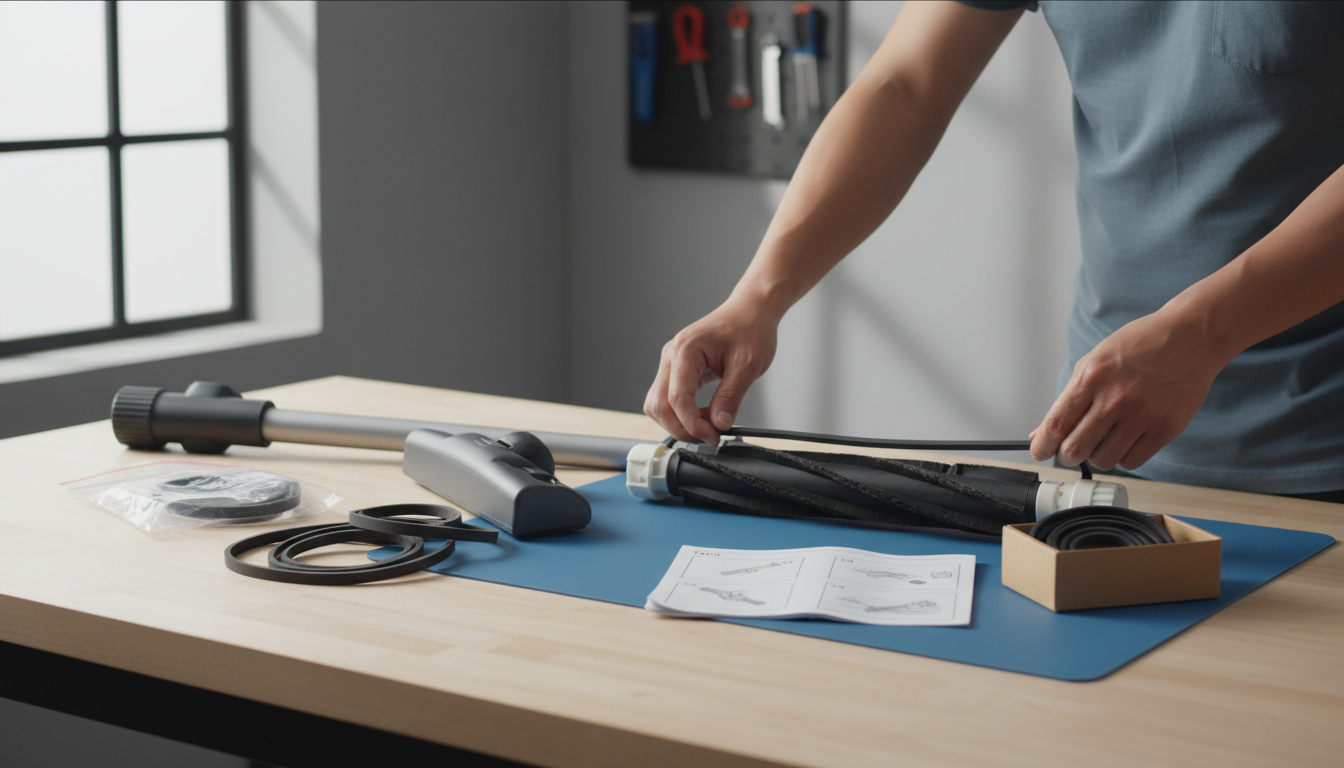
- Prepare the Vacuum: Lay the vacuum cleaner on its side or back on a clean, flat surface, providing easy access to the underside.
- Access the Brush Roll: Locate the brush roll cover plate on the bottom of the vacuum head. Depending on your model, this may be secured by latches, clips, or screws. Use your screwdriver or coin to release these fasteners and carefully remove the cover.
- Remove the Brush Roll: Gently lift the brush roll out of its housing. The old belt will likely be stretched, loose, or broken, and may come off with the brush roll.
- Remove the Old Belt: If the belt is still attached, carefully slide it off the motor shaft and the brush roll. Note how it was routed.
- Install the New Belt: Loop the new belt around the motor shaft. Then, position the brush roll back into its housing, ensuring the belt is properly centered around the brush roll's pulley. The belt should feel taut but not overly strained when correctly seated.
- Check Tension and Alignment: Rotate the brush roll manually a few times to ensure the belt is seated correctly on both the motor shaft and the brush roll, and that it moves freely without binding. Proper tension is crucial for effective brush roll rotation and to prevent premature wear.
- Reattach the Cover: Place the brush roll cover back into position, aligning any tabs or clips. Secure it by tightening the screws or engaging the latches.
- Test Functionality: Plug the vacuum back in and briefly turn it on to confirm the brush roll spins correctly and quietly.
Regular belt replacement, especially if you notice a drop in cleaning efficiency or hear the motor running without the brush roll spinning, helps maintain your Sanitaire vacuum's optimal performance.
Avoiding Common Mistakes and Troubleshooting Sanitaire Belt Issues
Replacing a Sanitaire vacuum cleaner belt is a common maintenance task that can restore performance, but certain pitfalls can undermine your efforts or indicate deeper issues. Understanding these can save time and prevent further damage.
-
Risks of Using the Wrong Belt Selecting a belt that doesn't precisely match your Sanitaire model can lead to immediate or long-term problems. A belt that is too loose will slip, failing to transfer adequate power to the brush roll, resulting in poor agitation and cleaning performance. Conversely, a belt that is too tight places excessive strain on the motor and brush roll bearings, leading to premature wear, increased noise, and potential motor burnout. Furthermore, non-genuine or low-quality belts may not possess the durability or heat resistance required, leading to early breakage or stretching. Sanitaire specifically notes that using genuine parts ensures optimal cleaning efficiency and longevity for their vacuums.
-
Common Installation Errors to Avoid Even with the correct belt, improper installation can hinder performance.
- Incorrect Tension: New belts are designed to be taut. Many users find a new belt appears significantly shorter than the stretched old one, leading them to believe it's the wrong size. However, it's crucial to stretch the new belt properly over the motor pulley and brush roll spindle to achieve the correct tension. An insufficiently stretched belt will slip, while overstretching can damage it.
- Improper Routing: Ensure the belt is seated correctly in the grooves of both the motor pulley and the brush roll. If it's off-track, it won't spin efficiently or may quickly fray and break.
- Neglecting Pre-Cleaning: Before installing a new belt, thoroughly clean any accumulated hair, string, or debris from the brush roll, end caps, and the belt path. Obstructions can prevent the brush roll from spinning freely, causing the new belt to strain or break.
- Forgetting to Unplug: Always disconnect the vacuum from power before performing any maintenance to prevent accidental activation and injury.
-
Troubleshooting After Belt Replacement If your Sanitaire vacuum still isn't performing correctly after installing a new belt, consider these troubleshooting steps:
- Check for Obstructions: Even after cleaning, a stubborn tangle of hair or debris might remain, preventing the brush roll from turning. Manually spin the brush roll to ensure it rotates freely without resistance.
- Inspect the Brush Roll: The brush roll itself might be damaged or have seized bearings, preventing it from spinning even with a new, correctly tensioned belt. If it doesn't spin freely by hand, it may need replacement.
- Verify Power to Brush Roll Motor (if applicable): Some Sanitaire models have separate motors for suction and the brush roll. If the suction works but the brush roll doesn't, and the belt is confirmed good, investigate the brush roll motor or its electrical connection.
- Listen for Unusual Noises: Grinding, squealing, or excessive vibration could indicate issues with bearings in the brush roll or motor, or a misaligned component.
-
When to Consider Professional Help While belt replacement is a straightforward DIY task, some issues warrant professional attention. If you've replaced the belt correctly, thoroughly checked for obstructions, and the vacuum still exhibits significant problems like persistent motor noise, burning smells (not from a slipping belt), or complete power failure, the issue likely extends beyond a simple belt fix. Internal motor damage, electrical faults, or complex mechanical failures are best diagnosed and repaired by a qualified service technician to ensure safety and proper function.
Sanitaire Vacuum Belt FAQs
Understanding the nuances of Sanitaire vacuum belts can help maintain your cleaner's efficiency and extend its lifespan. Here are answers to common questions about these essential components.
How often should a Sanitaire vacuum belt be replaced?
While there isn't a universal timeline, the frequency of belt replacement largely depends on your vacuum's usage and the type of debris it encounters. Regular inspection is key. You should consider replacing the belt when you observe:
- Reduced Brush Roll Performance: The brush roll spins slowly, inconsistently, or stops entirely while the vacuum motor is running.
- Visible Wear: The belt appears stretched, cracked, frayed, or has become brittle. A stretched belt, even if not broken, can slip and reduce cleaning effectiveness.
- Odor: A burning rubber smell often indicates the belt is slipping excessively on the brush roll or motor shaft.
- Decreased Dirt Pickup: If your vacuum is no longer effectively agitating and lifting dirt from carpets, a worn belt could be the culprit.
Many users find that belts may need replacement annually for moderate use, or more frequently for heavy commercial applications.
Can I use a generic belt for my Sanitaire vacuum?
Sanitaire, like many manufacturers, recommends using genuine replacement parts, including belts. Genuine Sanitaire belts are engineered to precise specifications for your model, ensuring proper fit, tension, and durability. Using non-genuine parts can introduce several risks:
- Suboptimal Performance: Incorrect tension or material quality can lead to premature stretching, slipping, or breakage, reducing cleaning efficiency.
- Potential Damage: An ill-fitting belt can put undue strain on the motor or brush roll bearings, potentially shortening the lifespan of other components.
- Inconsistent Quality: Generic belts may vary widely in material composition and manufacturing standards, leading to unpredictable performance and longevity.
For consistent performance and to avoid potential issues, verifying product authenticity and opting for genuine Sanitaire belts is often the most reliable choice.
What if I can't find the belt for my specific Sanitaire model?
If you're having difficulty locating a replacement belt for your Sanitaire vacuum, consider these steps:
- Verify Your Model Number: Double-check the exact model number of your Sanitaire vacuum, usually found on a label on the back or bottom of the unit. Even slight variations in model numbers can indicate different belt requirements.
- Consult Sanitaire Resources: Check the official Sanitaire website or your vacuum's user manual for parts diagrams and recommended belt numbers.
- Contact Authorized Dealers: Reach out to authorized Sanitaire parts distributors or service centers. They often have access to comprehensive parts lists and can assist in cross-referencing.
- Physical Comparison: If you have the old belt, comparing its dimensions (length, width, thickness) and type (flat, round, cogged) with available options can sometimes help, especially for older or discontinued models.
Does a new belt improve suction power?
A new belt directly impacts the brush roll's performance, not the vacuum's motor-generated suction power. However, a properly functioning brush roll is critical for effective cleaning, particularly on carpets.
- Worn Belt: A stretched or slipping belt prevents the brush roll from spinning at its optimal speed, or from spinning at all. This means the brush roll cannot effectively agitate carpet fibers to loosen embedded dirt.
- New Belt: By restoring the brush roll to its intended speed and efficiency, a new belt significantly improves the vacuum's ability to dislodge and lift debris.
While the motor's suction strength remains constant, the effective dirt removal dramatically improves with a new, properly tensioned belt, making it seem like the vacuum has better suction.
Keep Your Sanitaire Running Strong: The Right Belt Makes All the Difference
Maintaining your Sanitaire vacuum cleaner's performance hinges significantly on the condition and compatibility of its drive belt. As a critical component, the belt directly impacts the brush roll's ability to agitate and lift dirt, making its timely replacement and correct selection paramount for effective cleaning.
To ensure your Sanitaire continues to deliver reliable cleaning, remember these key takeaways:
- Model-Specific Compatibility: Always verify the exact model number of your Sanitaire vacuum to match it with the corresponding belt type. Incorrect belts, even if they seem to fit, can lead to premature wear, reduced efficiency, or damage to the motor or brush roll.
- The Genuine Advantage: Opting for genuine Sanitaire replacement belts is often recommended. These parts are manufactured to the brand's precise specifications, ensuring optimal fit, durability, and performance that aftermarket alternatives may not consistently deliver. Using parts made to the manufacturer's exacting standards helps maintain cleaning efficiency and can contribute to the longevity of your appliance.
By prioritizing the correct belt for your specific Sanitaire model and performing replacements as needed, you actively contribute to the sustained power and efficiency of your vacuum. This simple maintenance step is an investment in your cleaning routine, ensuring your Sanitaire remains a dependable tool for tackling dirt and debris.
More in Vacuum Cleaner Belts
View All