Dyson Ball Vacuum Cleaner Filters: A Guide to Choosing the Right Replacement for Your Model
Maintaining Peak Performance: Your Guide to Dyson Ball Vacuum Filters
The filters within your Dyson Ball vacuum cleaner are more than just components; they are essential to the machine's core functionality and your home's air quality. Designed to capture microscopic dust, allergens, and debris, these filters ensure that what goes into your vacuum stays there, preventing recirculation into your living space. Their proper function is critical for maintaining the robust suction power Dyson Ball vacuums are known for, and for safeguarding the motor from strain.
When filters become clogged or compromised, the vacuum's performance diminishes noticeably. Reduced airflow can lead to a significant drop in suction, making cleaning less effective and forcing the motor to work harder, which can impact its longevity. Critically, a failing filter system also compromises indoor air quality, allowing fine particles and allergens to escape back into the environment. Many Dyson Ball models incorporate advanced filtration systems, capable of trapping 99.97% of particles as small as 0.3 microns, a benefit that relies entirely on well-maintained filters.
This guide will help you navigate the nuances of Dyson Ball vacuum cleaner filters. We will explore filter types, compatibility across various Dyson Ball models, and the trade-offs between genuine and aftermarket replacement options. Our aim is to equip you with the knowledge to confidently select the correct and most effective filters, ensuring your vacuum continues to operate at its best while contributing to a healthier home environment.
<h2>Understanding Your Dyson Ball's Filtration System</h2>Dyson Ball vacuum cleaners employ a sophisticated multi-stage filtration system designed to capture dust and debris while purifying the air expelled back into your home. This system typically involves at least two primary filter types working in tandem to maintain both cleaning performance and indoor air quality.
The first line of defense is the pre-motor filter. Positioned before the vacuum's motor, its primary function is to trap larger dust particles, pet hair, and other common household allergens, preventing them from reaching and potentially damaging the motor. This protection is crucial for maintaining consistent suction power and extending the vacuum's lifespan. Many Dyson Ball pre-motor filters are designed to be washable, allowing for regular cleaning and reuse, which is a key part of routine maintenance.
Following the motor, Dyson Ball vacuums often feature a post-motor filter, frequently a HEPA-grade filter. This component is critical for air purification, as it captures microscopic particles that may have bypassed earlier stages. These include allergens like pollen, mold spores, and pet dander, as well as fine dust. By trapping particles as small as 0.3 microns, these filters ensure that the air released from the vacuum is cleaner, benefiting allergy sufferers and contributing to a healthier home environment.
A key distinction among Dyson Ball filters is whether they are washable or non-washable. Washable filters, typically pre-motor filters, can be rinsed under cold water and reused once completely dry. Non-washable filters, often the post-motor HEPA types, require periodic replacement. Understanding your specific model's filter type and maintenance schedule is essential for optimal performance; using a wet filter or a clogged non-washable filter can impede airflow and reduce suction.
Dyson's multi-stage approach ensures a comprehensive capture of airborne particles. Air passes through the cyclonic separation, then the pre-motor filter, and finally the post-motor filter, progressively removing finer contaminants. This layered filtration system is engineered not just for cleaning surfaces but also for contributing to cleaner air. For instance, advanced models like the Dyson Ball Animal 3 feature a post-motor filter engineered to trap 99.97% of particles as small as 0.3 microns, showcasing the brand's focus on high-efficiency particulate air filtration.
Ensuring a Perfect Fit: Identifying the Right Filter for Your Dyson Ball Model
Selecting the correct replacement filter is crucial for maintaining your Dyson Ball vacuum's performance and air filtration capabilities. Even within the Dyson Ball series, various models utilize different filter types and sizes. An accurate match prevents compatibility issues and ensures optimal function.
Follow these steps to precisely identify the filters needed for your specific Dyson Ball model:
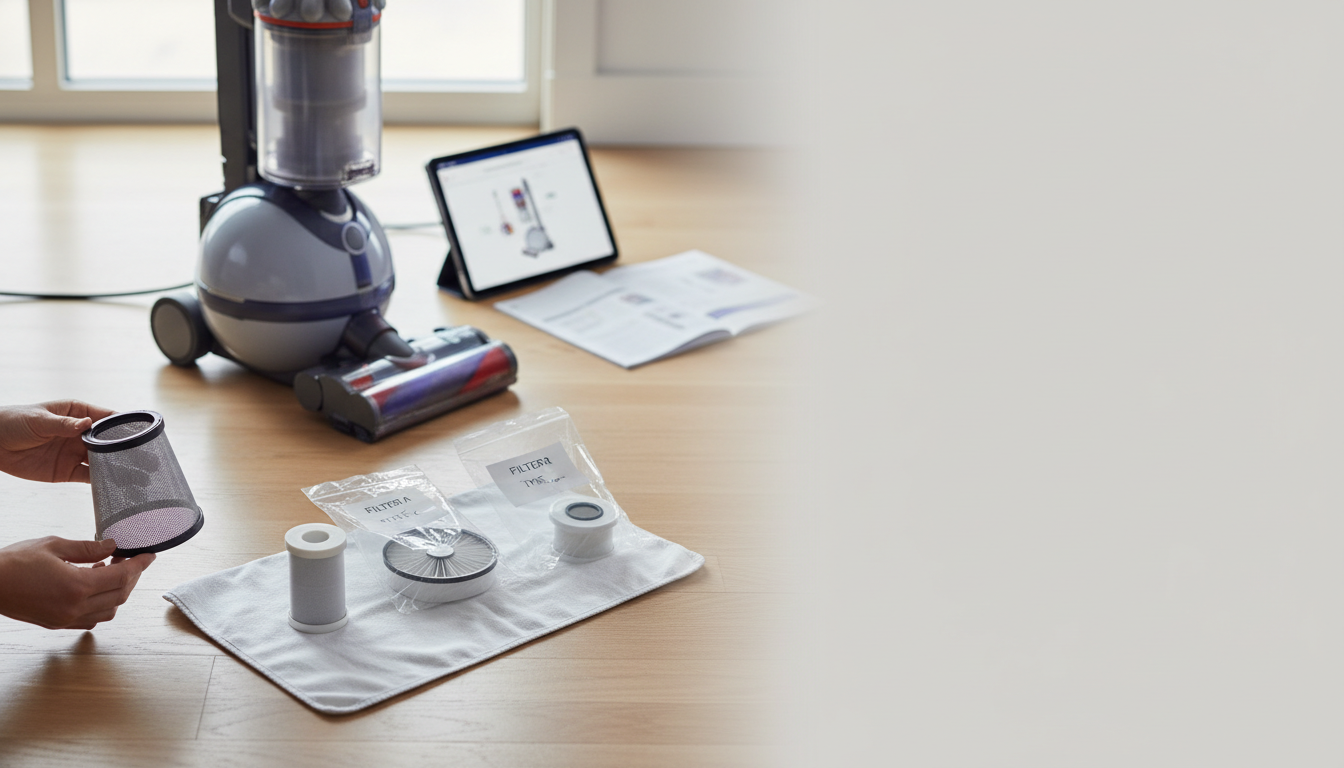
- Locate Your Vacuum's Model Number: The most reliable way to determine filter compatibility is by finding your Dyson Ball's exact model number. This is typically located on a sticker on the main body of the vacuum, often near the dustbin, on the underside of the unit, or sometimes behind the dustbin itself. Look for terms like "Model No." or "Type."
- Consult Your User Manual: If you have the original user manual, it will list the specific filter part numbers required for your model. Dyson's support website also provides downloadable manuals for various models, such as the Dyson Ball Animal 3.
- Examine Existing Filters for Part Numbers: Many genuine Dyson filters have a part number printed directly on them. If you are replacing an original filter, check it for any alphanumeric codes that can help confirm its identity.
- Visually Identify Filter Types and Locations: Dyson Ball vacuums typically use at least two filters: a washable pre-motor filter (often cylindrical and located near the dustbin) and a post-motor filter (often a flat or pleated HEPA-style filter, usually located near the motor or exhaust). While visual inspection can give you an idea of the filter's form factor, it's not sufficient for guaranteeing compatibility without the model or part number.
Using an incompatible filter can lead to several problems. An ill-fitting filter may allow dust and debris to bypass the filtration system, reducing cleaning effectiveness and potentially damaging the motor. It can also compromise air quality by releasing fine particles back into your home. Furthermore, a filter that doesn't meet the vacuum's specifications can restrict airflow, causing the motor to work harder, overheat, and potentially shorten the vacuum's lifespan.
Genuine Dyson Filters vs. Aftermarket Alternatives: Weighing Your Options
When it's time to replace the filters in your Dyson Ball vacuum, you're faced with a choice between purchasing genuine Dyson-branded filters or exploring third-party aftermarket options. Each path presents distinct advantages and potential drawbacks that can influence your vacuum's performance, air quality, and long-term reliability.
Genuine Dyson filters are engineered specifically for your Dyson Ball model, ensuring a precise fit and optimal seal within the vacuum's filtration system. Dyson states that its filters undergo significant safety checks and quality controls, designed to maintain the machine's intended performance, including its stated filtration efficiency. For instance, many Dyson post-motor filters are designed to capture 99.97% of particles as small as 0.3 microns, which is critical for maintaining indoor air quality, especially for allergy sufferers. Using genuine filters can also be a factor in maintaining your vacuum's warranty, as some manufacturers specify the use of original parts.
Conversely, aftermarket filters often present a more budget-friendly alternative and can be widely accessible from various retailers. The primary appeal lies in their lower price point, which can reduce the ongoing maintenance cost of your vacuum.
However, the trade-offs with aftermarket filters can be significant:
- Variable Quality: The quality of materials and construction can differ greatly among third-party manufacturers. Some may use less effective filtration media, compromising the vacuum's ability to trap fine dust and allergens.
- Fit and Seal Issues: An aftermarket filter might not fit perfectly into your Dyson Ball vacuum. Even minor gaps can allow unfiltered air and dust to bypass the filter, reducing effective suction and re-releasing pollutants into your home.
- Performance Impact: Poorly fitting or less efficient filters can lead to reduced suction power, force the vacuum's motor to work harder, and potentially cause overheating. Over time, this added strain could shorten the vacuum's lifespan.
- Warranty Concerns: While not always a direct void, using non-genuine parts could complicate warranty claims if a vacuum malfunction is attributed to an aftermarket component.
When considering aftermarket filters, evaluate them based on several criteria to mitigate potential risks:
- Material Specifications: Look for clear descriptions of the filter's material and any claimed filtration efficiency (e.g., "HEPA-grade" if applicable to the specific filter type).
- User Reviews: Prioritize products with numerous positive reviews specifically mentioning perfect fit, maintained suction, and durability for your exact Dyson Ball model.
- Seller Reputation: Purchase from reputable sellers known for quality products and customer service.
Maximizing Filter Lifespan: Cleaning, Replacement, and Troubleshooting Tips
Maintaining the filters in your Dyson Ball vacuum is crucial for sustaining its cleaning performance and ensuring optimal air quality. Regular care can extend filter life, but understanding when to clean and when to replace is key to preventing common operational issues.
-
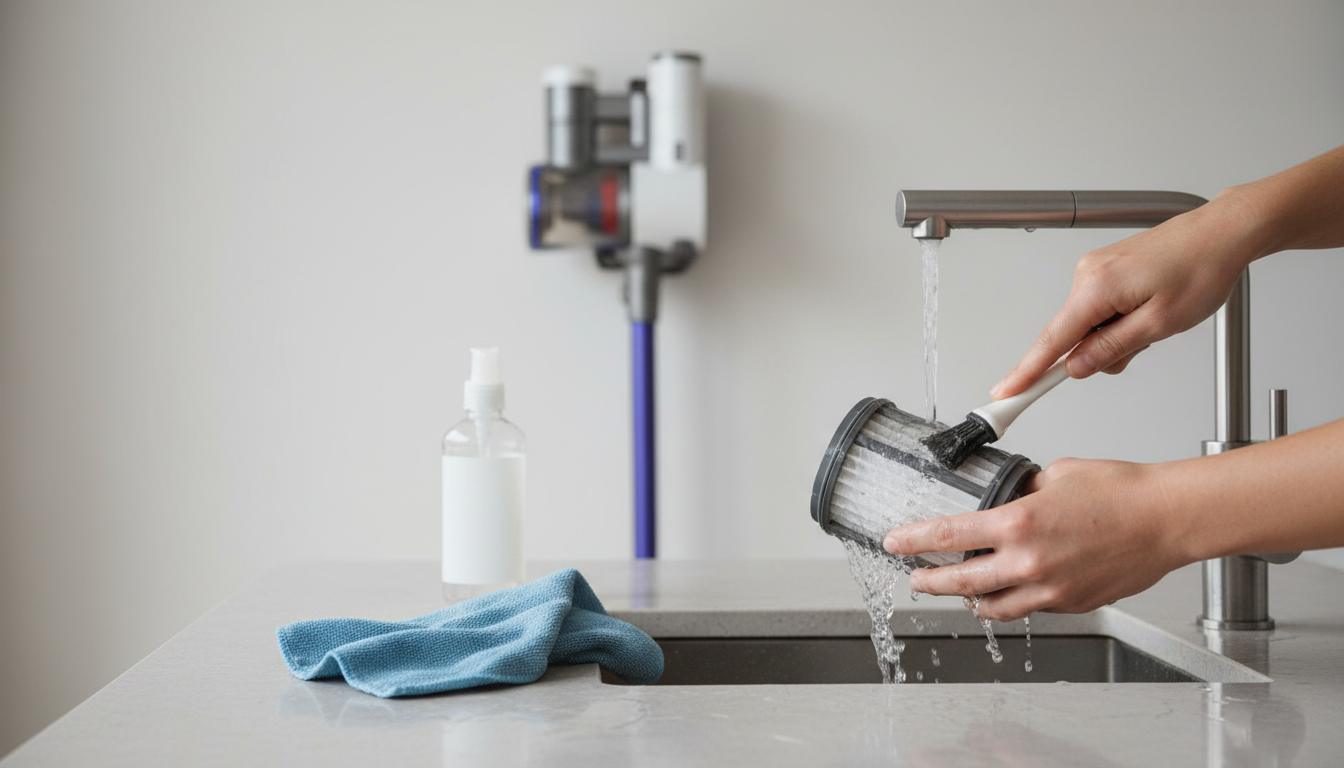
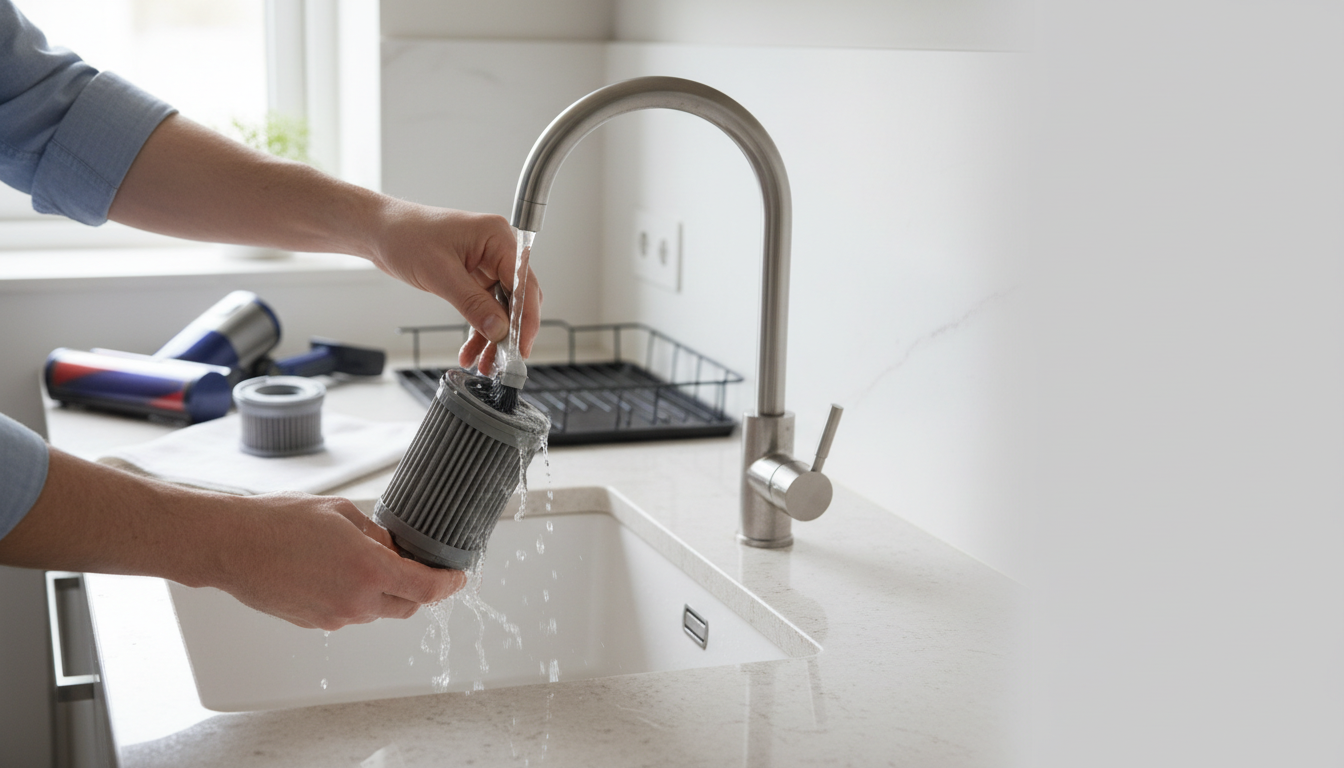
Cleaning Washable Filters: Many Dyson Ball models feature washable pre-motor filters. For these, a recommended cleaning frequency is typically once a month, though this can vary based on usage intensity and household environment (e.g., presence of pets, high dust levels).
- Best Practices for Cleaning:
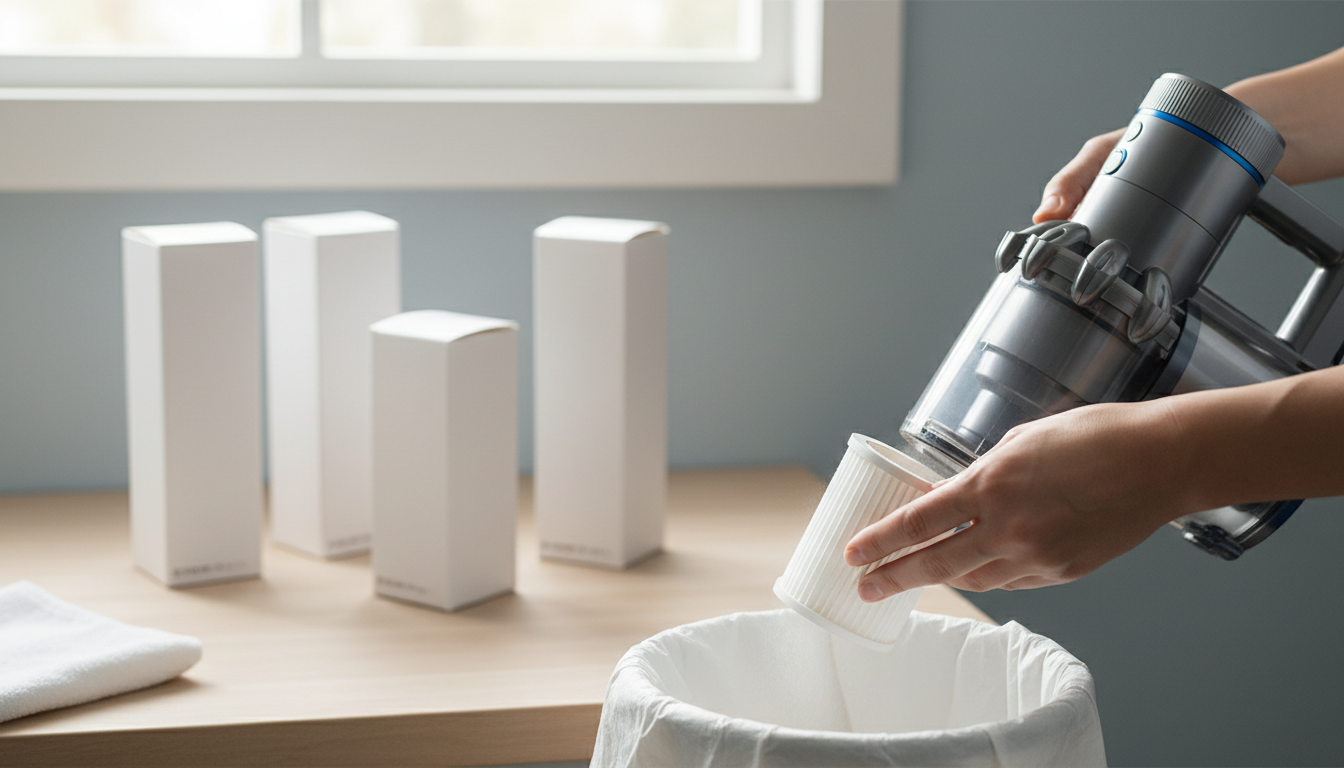
- Remove the filter and tap it gently over a bin to dislodge loose debris.
- Rinse the filter under cold running water, avoiding detergents, until the water runs clear.
- Gently squeeze and shake the filter to remove excess water.
- Allow the filter to air dry completely for at least 24 hours in a warm, dry place. Ensure it is bone dry before reinserting it into the vacuum to prevent mold growth and potential damage to the motor. Do not use a tumble dryer, microwave, or open flame.
- Consider having a spare filter on hand to allow continuous vacuum use while one filter is drying.
- Best Practices for Cleaning:
-
Signs a Filter Needs Attention: Even with regular cleaning, filters have a finite lifespan. Watch for these indicators that suggest your filter needs cleaning or replacement:
- Loss of Suction: A noticeable decrease in cleaning power is often the first sign of a clogged filter, as restricted airflow prevents the vacuum from picking up debris effectively.
- Unusual Odors: A persistent musty or stale smell emanating from the vacuum, particularly during operation, can indicate trapped organic matter or mold within the filter media.
- Visible Damage: Tears, holes, or permanent discoloration that won't wash out signify that the filter's integrity is compromised and it can no longer effectively trap particles.
- Overheating: If your Dyson Ball vacuum overheats and shuts off, a clogged filter may be forcing the motor to work harder, triggering the machine's safety cut-out.
-
General Replacement Guidelines: While washable filters can be cleaned, they still require eventual replacement. Non-washable filters, such as some post-motor HEPA filters, have a set lifespan. Depending on your specific Dyson Ball model and usage, general replacement guidelines range from every 6 to 12 months. Households with heavy use, pets, or allergy sufferers may benefit from more frequent replacement to maintain peak performance and air filtration.
-
Troubleshooting Filter-Related Problems:
- Reduced Suction: If cleaning the filter doesn't restore suction, check for blockages in the hose, wand, or brush bar. If no blockages are found, the filter may be permanently compromised and require replacement.
- Vacuum Overheating or Shutting Down: After ensuring the filter is clean and completely dry, and that there are no visible blockages, if the vacuum still overheats, the issue might stem from a filter that is past its effective life and restricting airflow.
- Motor Stuttering or Unusual Noises: These can sometimes be symptoms of the motor struggling against airflow resistance caused by a severely clogged or improperly fitted filter. Ensure the filter is correctly seated and clean.
Frequently Asked Questions About Dyson Ball Filters
Understanding the nuances of Dyson Ball vacuum filters is key to maintaining both your vacuum's performance and your home's air quality. Here are answers to common questions that can guide your filter maintenance decisions.
-
How often should I clean my Dyson Ball filter? Dyson Ball vacuum filters, particularly pre-motor filters, are often designed to be washable. Regular cleaning is essential to prevent clogs and maintain consistent suction power. While specific recommendations can vary by model, a general guideline is to clean washable filters monthly, or more frequently with heavy use or if you notice a decrease in suction. Always ensure the filter is completely dry—typically for at least 24 hours—before reinserting it to prevent damage and mold growth.
-
When should I replace my Dyson Ball filter? Even washable filters have a finite lifespan. You should consider replacing your Dyson Ball filter if:
- Cleaning no longer restores full suction power.
- The filter shows signs of damage, such as tears or excessive wear.
- An unpleasant odor persists even after cleaning.
- Your vacuum's performance has noticeably declined despite regular maintenance. Dyson recommends replacing filters periodically to ensure optimal performance and filtration, though the exact interval can depend on usage and model.
-
Can I use non-Dyson filters in my vacuum? While aftermarket filters are available, Dyson emphasizes the use of genuine filters. Dyson states they conduct significant safety checks and quality controls, and using genuine filters helps ensure the machine continues to operate as intended. Aftermarket options may offer a lower initial cost, but they might not meet Dyson's specifications for filtration efficiency, airflow, or fit, potentially impacting performance, air quality, or even voiding a warranty.
-
Why is my Dyson Ball losing suction after changing the filter? If your Dyson Ball vacuum experiences reduced suction immediately after a filter change, consider these possibilities:
- Incomplete Drying: If you washed a filter, it must be completely dry before reinstallation. Moisture can impede airflow and damage the motor.
- Incorrect Filter: Ensure the replacement filter is the correct type and model-specific for your Dyson Ball vacuum. An ill-fitting or incorrect filter can disrupt airflow.
- Improper Installation: Double-check that the filter is seated correctly and securely in its housing according to your model's instructions.
- Other Clogs: Even with a new filter, blockages in the hose, wand, brush bar, or dust bin can restrict airflow and cause suction loss.
-
Do Dyson Ball filters capture allergens? Yes, Dyson Ball vacuum filters are designed to capture a high percentage of microscopic particles, including allergens. Many Dyson Ball models feature advanced filtration systems, often including post-motor filters that trap 99.97% of particles as small as 0.3 microns. This level of filtration is beneficial for allergy sufferers, as it helps to retain dust mites, pollen, pet dander, and other common allergens within the vacuum, preventing their recirculation into the air.
Making Your Informed Choice: A Filter Selection Checklist
Selecting the optimal replacement filter for your Dyson Ball vacuum involves weighing several critical factors to ensure continued peak performance and air quality. This checklist distills the key considerations, empowering you to make a confident decision tailored to your specific needs.
- Model Compatibility is Paramount: Always verify the filter's compatibility with your specific Dyson Ball model. Consult your vacuum's user manual or the model number located on the machine. An incorrect fit can compromise filtration effectiveness and potentially damage your vacuum.
- Assess Your Filtration Needs:
- Allergies/Asthma Sufferers: Prioritize filters designed to capture microscopic particles. Many Dyson Ball models feature advanced post-motor filters that trap 99.97% of particles as small as 0.3 microns, crucial for removing allergens and pet dander.
- Pet Owners: Effective filtration helps manage pet hair and odors. Ensure your chosen filter supports the vacuum's ability to maintain strong suction even with heavy pet dander.
- General Use: Even for everyday cleaning, a well-functioning filter is essential for maintaining suction power and preventing dust recirculation.
- Genuine vs. Aftermarket Trade-offs:
- Genuine Dyson Filters: Offer guaranteed compatibility, performance, and often maintain warranty validity. They are designed to Dyson's exact specifications.
- Aftermarket Filters: Can be a more budget-friendly option. However, their filtration efficiency, material quality, and precise fit can vary significantly. Research seller reputation and read product specifications carefully.
- Consider Your Usage Patterns:
- Heavy Use: If your vacuum sees frequent or intensive use, consider purchasing an extra filter. This allows you to rotate filters, ensuring one is always clean and dry, minimizing downtime.
- Washable Filters: If your Dyson Ball model has washable filters, adhere strictly to the manufacturer's cleaning instructions and drying times to preserve their lifespan and effectiveness.
Before finalizing your purchase, cross-reference the filter's product details with your vacuum's requirements. Look for clear indications of filter type (e.g., pre-motor, post-motor, HEPA equivalent) and specific model numbers it supports. Choosing the right filter is an investment in your vacuum's longevity, sustained cleaning power, and the overall air quality of your home.
More in Vacuum Cleaner Filters
View All