Understanding Dust Bags for Vacuum Cleaners: What to Look For in Filtration
The Unsung Hero of Clean Air: Why Your Vacuum's Dust Bag Matters
Often viewed as a simple container, your vacuum cleaner's dust bag performs a crucial function far beyond mere collection. Its primary role is to capture and contain the dirt, dust, and microscopic debris suctioned from your home's surfaces, preventing it from scattering back into the environment.
Beyond just holding waste, the dust bag is integral to both your indoor air quality and the longevity of your vacuum. It acts as a critical filtration component, trapping fine particles and allergens that would otherwise re-enter your breathing air. Furthermore, a properly functioning bag ensures optimal airflow within the vacuum system, which is essential for maintaining consistent suction power and preventing undue strain on the motor.
This guide aims to demystify the selection process for vacuum dust bags. By understanding the key factors in filtration, compatibility, and potential pitfalls, you can confidently choose the right bags to maximize your vacuum's performance and contribute to a cleaner, healthier home.
Bagged vs. Bagless: Understanding the Dust Bag Advantage
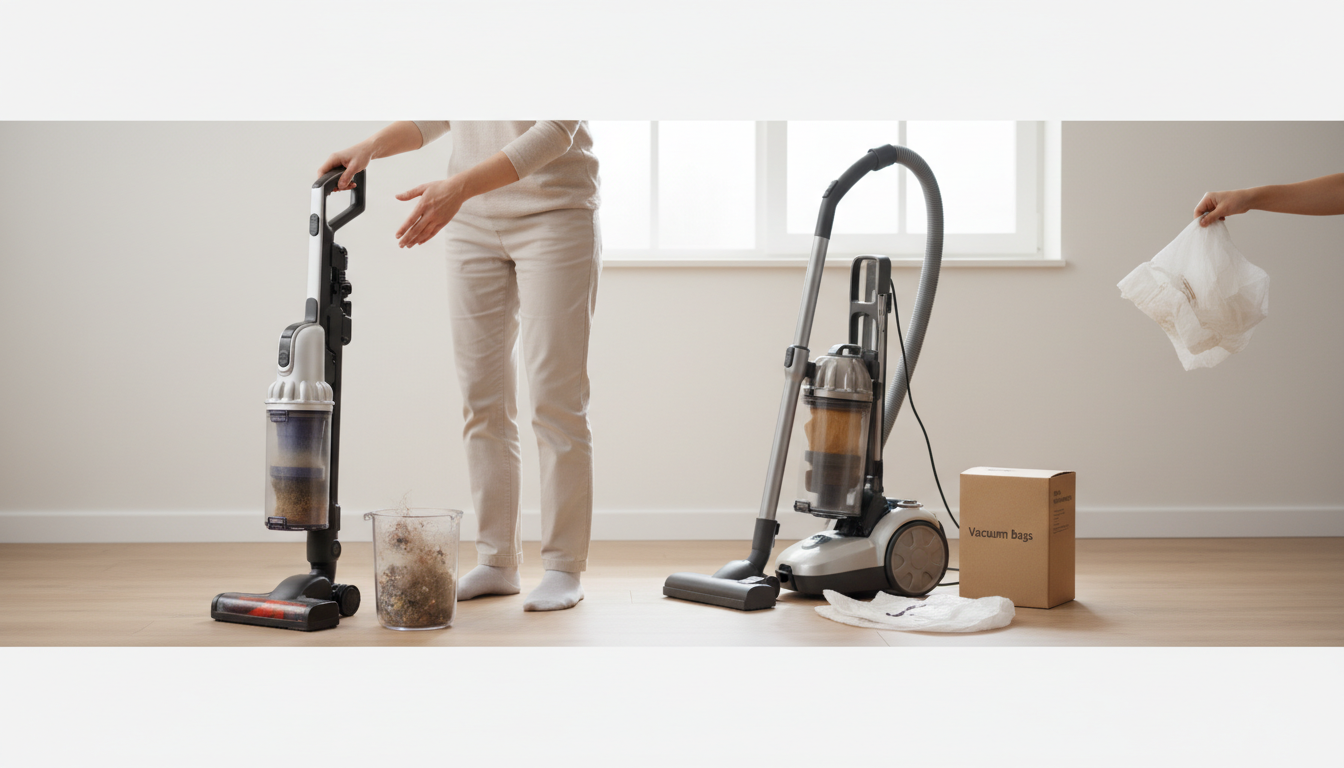
Vacuum cleaners fundamentally operate by suction, but how they manage the collected debris varies significantly between bagged and bagless designs. The core difference lies in the containment and filtration method. Bagged vacuums utilize a disposable bag to collect dirt, dust, and debris, which is then sealed and discarded. In contrast, bagless systems direct collected material into a reusable bin that is emptied directly.
For those prioritizing indoor air quality and superior dust containment, bagged vacuums offer distinct advantages:
- Integrated Filtration: The dust bag itself functions as a primary filtration component. Constructed from multiple layers of material, these bags are designed not just to hold debris but also to trap fine particles and allergens as air passes through them. This means the bag contributes directly to the overall filtration system, often capturing microscopic irritants before the air reaches subsequent filters.
- Superior Dust Containment: Once dirt and dust enter a sealed bag, they remain contained. This significantly reduces the likelihood of dust re-entering the air during the cleaning process or, crucially, when the bag is being replaced. For individuals sensitive to allergens or dust, this sealed containment minimizes exposure.
- Cleaner Exhaust Air: Because the bag acts as an initial filter, it helps ensure that the air exhausted from the vacuum is cleaner. By trapping a substantial amount of particulate matter, the bag reduces the burden on other filters within the vacuum, contributing to a more effective overall filtration system and cleaner air expelled into your home.
- Reduced Re-exposure During Disposal: A common challenge with bagless systems arises during emptying. When the collection bin is opened and inverted to dispose of its contents, a plume of dust and allergens can often be released back into the air. With bagged vacuums, the entire bag, containing all the collected debris, is typically removed and sealed before disposal, mitigating this re-exposure risk.
Navigating the Options: Essential Criteria for Choosing Vacuum Dust Bags
Selecting the appropriate dust bag for your vacuum cleaner involves more than just finding one that fits. Understanding key criteria ensures optimal performance, extends your vacuum's lifespan, and significantly contributes to indoor air quality. Each factor plays a role in how effectively your vacuum operates and how clean your home's air becomes.
Critical Considerations for Dust Bag Selection
-
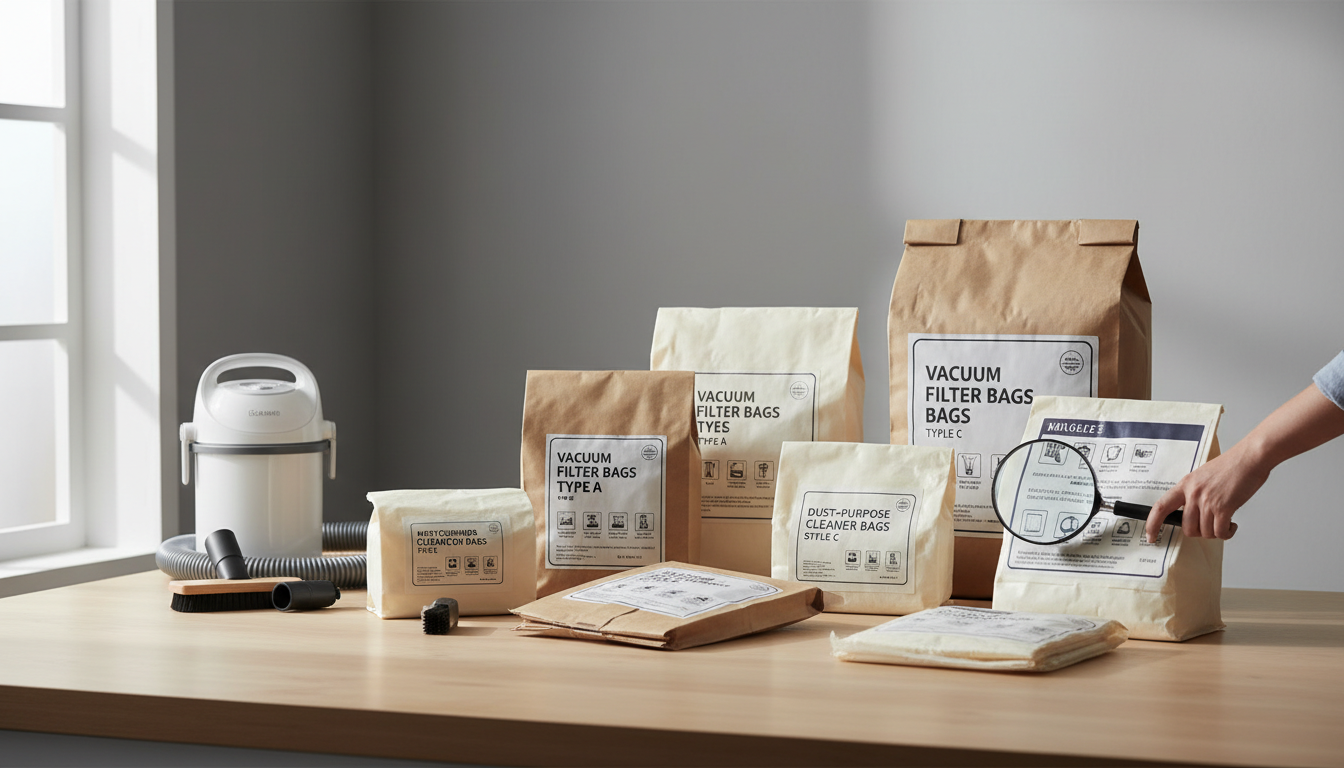
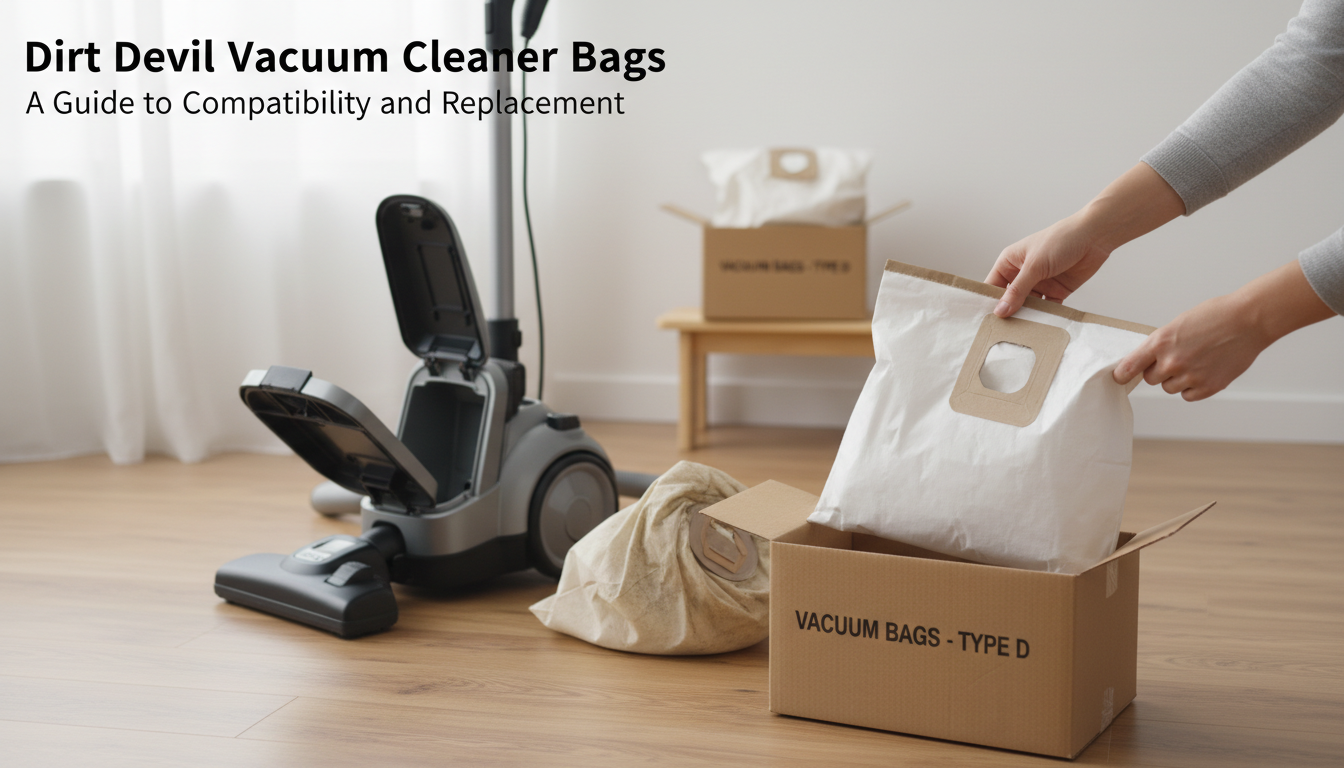
Compatibility is Non-Negotiable The most fundamental criterion is ensuring the dust bag is specifically designed for your vacuum cleaner's make, series, and model number. A bag that doesn't fit perfectly can lead to several issues: a compromised seal allows dust to leak into the motor compartment or back into your room, reduced suction due to improper airflow, and potential damage to the vacuum's internal components. Always consult your vacuum's manual or the manufacturer's specifications for the exact bag type required. Using a bag that is "close enough" often results in diminished performance and can void warranties.
-
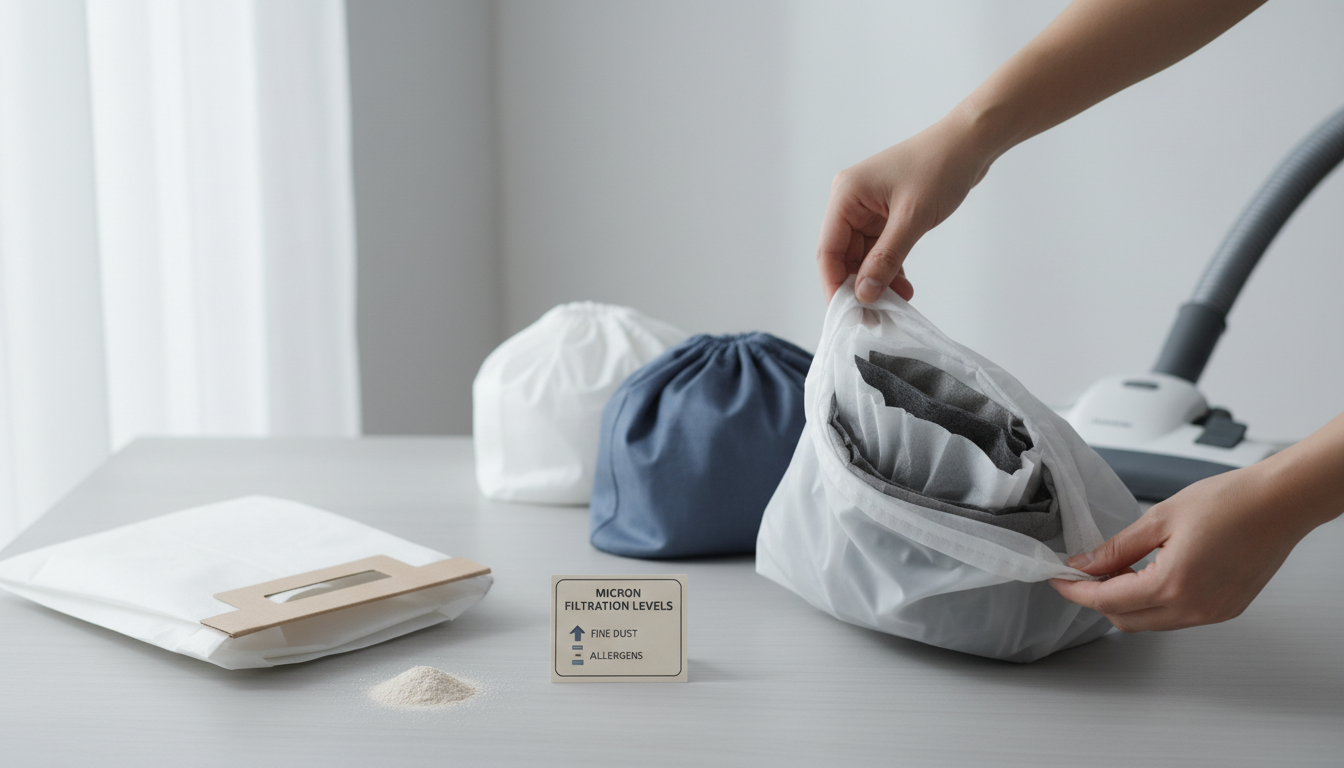
Filtration Level for Cleaner Air Dust bags are not just receptacles; they are a primary filter in your vacuum system. Their material and construction determine how effectively they trap microscopic particles.
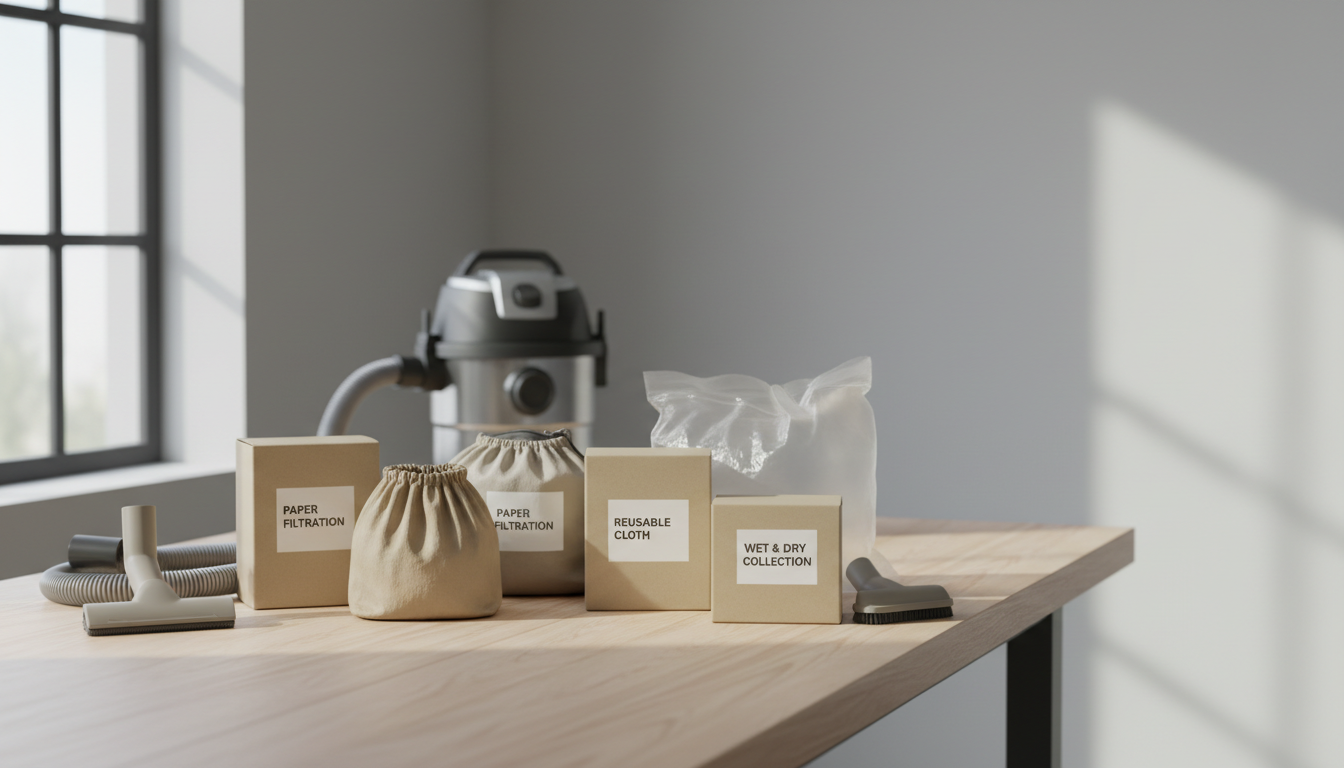
- Microfiltration bags are typically multi-layered synthetic materials designed to capture a high percentage of fine dust, pollen, and pet dander. These are a significant upgrade over basic single-layer paper bags.
- HEPA-grade bags offer the highest level of filtration, capable of trapping 99.97% of airborne particles as small as 0.3 microns. This is particularly beneficial for individuals with allergies, asthma, or those seeking to minimize indoor air pollutants. While not a true HEPA filter in the same way a motor filter might be, HEPA-grade bags provide superior particle retention, preventing them from recirculating into your living space.
-
Material and Durability The construction material directly impacts a bag's ability to hold debris without tearing or leaking. Modern dust bags often feature multi-layer synthetic materials, which are significantly more durable and tear-resistant than traditional single-ply paper bags. These synthetic layers also enhance filtration by creating a denser barrier for fine particles. A robust bag prevents dust from escaping through punctures or weak seams, ensuring that collected debris remains contained until disposal.
-
Capacity and Suction Maintenance Dust bag capacity refers to the volume of debris it can hold before needing replacement. A larger capacity means less frequent changes, which can be convenient for larger homes or heavy-duty cleaning. However, it's crucial to understand that as a dust bag fills, airflow through the vacuum system can become restricted. This restriction reduces suction power, making the vacuum less effective and potentially straining the motor. Regular replacement, even if the bag isn't completely full, is key to maintaining consistent suction and optimal vacuum performance.
-
Quantity and Long-Term Value While not a performance criterion, considering the quantity of bags in a pack can influence convenience and overall cost. Purchasing multi-packs or bulk quantities can offer better per-bag value and ensures you always have a replacement on hand when needed. This approach minimizes interruptions to your cleaning routine and can be a more economical choice over time compared to buying single bags frequently.
Beyond Collection: How Dust Bag Filtration Impacts Your Home's Air Quality
While a dust bag's primary function is to contain debris, its filtration capabilities are equally vital for maintaining a healthy indoor environment. The bag itself acts as a crucial filter, preventing microscopic particles, allergens, and pet dander from being recirculated back into your home's air through the vacuum's exhaust. The effectiveness of this filtration directly influences the air you breathe and can significantly impact the well-being of allergy sufferers and pet owners.
Different dust bag designs incorporate various technologies to enhance particle capture:
- Multi-Layer Construction: Many modern dust bags are engineered with multiple layers of material, often synthetic fibers. Each layer is designed to trap progressively finer particles, creating a more robust barrier against dust and allergens. This tiered approach ensures that even minute debris is captured before it can escape.
- Synthetic Fiber Materials: Beyond just multiple layers, the composition of the fibers themselves plays a role. Synthetic materials can be woven or pressed in ways that optimize both airflow and particle retention. These bags often offer improved durability and tear resistance compared to traditional paper bags, which is critical since any breach allows unfiltered air to escape.
- Activated Charcoal Layers: Some specialized dust bags include an activated charcoal layer. This addition is specifically designed to absorb odors, making them particularly beneficial for households with pets, smokers, or those prone to musty smells. The charcoal chemically binds with odor molecules, preventing them from being exhausted back into the room.
For those particularly sensitive to airborne irritants, understanding "HEPA-grade" filtration in dust bags is important. A HEPA (High-Efficiency Particulate Air) filter standard requires the capture of 99.97% of particles at 0.3 microns in size. When a dust bag is described as "HEPA-grade," it signifies its ability to meet or approach this stringent standard for particle retention. Such bags are engineered to trap extremely small contaminants, including:
- Pollen
- Dust mite allergens
- Pet dander
- Mold spores
- Fine particulate matter
Without effective filtration from the dust bag, these microscopic irritants, once vacuumed, would simply pass through the vacuum system and be expelled back into your living space. This recirculation can exacerbate allergy symptoms, trigger asthma attacks, and generally diminish indoor air quality. By choosing dust bags with advanced, multi-layer, or HEPA-grade filtration, you actively contribute to reducing the concentration of airborne allergens and pollutants, fostering a cleaner and more breathable home environment.
Avoiding Common Pitfalls: Ensuring Optimal Performance and Longevity
Selecting the right dust bag is only half the battle; understanding and avoiding common pitfalls ensures your vacuum cleaner operates effectively and lasts longer. Overlooking these aspects can compromise both cleaning performance and indoor air quality.
-
Poor Fit and Leaks: Using a dust bag that doesn't precisely fit your vacuum model is a significant risk. An ill-fitting bag can leave gaps, allowing dust and allergens to escape back into your home's air instead of being contained. This not only defeats the purpose of filtration but also exposes your vacuum's internal components, particularly the motor, to fine debris. Over time, this can lead to premature wear, reduced efficiency, and costly damage. Always verify the bag's compatibility with your specific vacuum model to ensure a sealed connection.
-
Reduced Suction from Overfilling or Low-Quality Bags: A vacuum cleaner's suction power relies on unimpeded airflow. As a dust bag fills, the accumulation of debris restricts this airflow, causing a noticeable drop in suction. Attempting to clean with an overly full bag forces the motor to work harder, generating excess heat and potentially shortening its lifespan. Similarly, generic or low-quality bags may have inferior material or construction that restricts airflow even when partially full, leading to diminished performance and less effective cleaning.
-
The 'Washing' Myth for Disposable Bags: A common misconception is that disposable vacuum dust bags can be washed and reused. This practice is strongly discouraged. Disposable bags are designed for single use, and their filtration properties are often compromised or destroyed by washing. The fine fibers and pore structure essential for trapping microscopic particles can be damaged, rendering the bag ineffective at filtration. Washing can also weaken the bag material, making it prone to tearing and releasing collected dust.
-
Importance of Regular Replacement: The timing of dust bag replacement is critical for maintaining consistent vacuum performance and air quality. Waiting until the bag is completely bursting can severely impact suction and filtration. A full bag means the vacuum is no longer efficiently capturing particles, and the motor is under strain. Regularly replacing the bag when it reaches about two-thirds full, or as indicated by your vacuum's full-bag indicator, ensures optimal airflow, maximum suction, and effective filtration, protecting both your vacuum and your indoor environment.
Your Buying Guide: Matching the Right Dust Bag to Your Needs
Selecting the optimal dust bag for your vacuum cleaner involves more than just finding one that fits; it's about making an informed choice that supports both your home's air quality and your appliance's longevity. This decision-making process begins with understanding your specific vacuum model and ends with a proactive approach to maintenance.
First, identify your vacuum cleaner's exact make and model number. This is the most crucial step, as compatibility is paramount. Consult your vacuum's user manual, look for a label on the appliance itself (often on the base or back), or check the manufacturer's website. Using a bag not specifically designed for your model can lead to poor fit, reduced suction, dust leakage back into your home, and potential strain on the motor.
Next, prioritize your filtration needs based on your household environment. If you or family members suffer from allergies, asthma, or if you have pets, opting for multi-layer bags with advanced filtration capabilities (often labeled as HEPA-style or allergen-reducing) is highly beneficial. These bags are designed to capture a higher percentage of microscopic particles, pet dander, pollen, and dust mites, significantly improving indoor air quality compared to standard single-layer bags. The bag itself acts as a primary filter, so its effectiveness directly impacts the air expelled by your vacuum.
Consider the quality of the bag's materials and its construction. Durable, multi-ply synthetic materials are generally more effective at containing fine dust without tearing, even when encountering sharp debris. Look for bags with secure sealing mechanisms around the collar to ensure that collected dust remains trapped inside, preventing it from escaping during operation or disposal. A robust bag prevents common issues like leaks and the re-release of contaminants, which can undermine your cleaning efforts.
Finally, adopt a proactive approach to purchasing and replacement. Keep a small stock of compatible dust bags on hand to avoid running out mid-clean. An overfilled bag severely restricts airflow, leading to diminished suction power, increased motor strain, and reduced cleaning efficiency. Replacing bags when they are two-thirds to three-quarters full, rather than waiting until they are completely packed, helps maintain consistent performance and extends your vacuum's lifespan. By making these thoughtful choices, you ensure your dust bag effectively contains debris, safeguards your indoor air, and protects your vacuum's performance, offering a superior solution for dust containment and air quality compared to alternatives that can release dust during emptying.
Frequently Asked Questions About Vacuum Dust Bags
Understanding the nuances of vacuum dust bags can significantly impact your cleaning effectiveness and indoor air quality. Here are answers to common questions that can help you make informed decisions.
-
How often should I change my vacuum dust bag? It's generally recommended to change your vacuum dust bag when it is about two-thirds to three-quarters full, rather than waiting until it's completely packed. As a bag fills, airflow through the vacuum decreases, leading to reduced suction power and increased strain on the motor. Factors like the frequency of vacuuming, the size of your home, the presence of pets, and allergy concerns can all influence how quickly a bag fills and, consequently, how often it needs changing. Regularly replacing the bag helps maintain optimal cleaning performance and extends the life of your vacuum.
-
Can I wash and reuse vacuum dust bags? For disposable vacuum dust bags, the answer is generally no. Washing these bags can severely compromise their filtration capabilities and structural integrity. The fine pores designed to trap microscopic dust and allergens can become clogged or damaged by water and detergent, leading to dust re-entering your home's air or even damaging the vacuum's motor. While some specialized reusable cloth bags exist, they are designed for repeated washing and are a distinct product category. For standard disposable bags, replacement is the intended and safest practice.
-
What happens if I use the wrong dust bag for my vacuum? Using an incorrect dust bag can lead to several problems. A poor fit can create gaps, allowing dust, dirt, and allergens to bypass the bag and escape back into your home's air or, worse, enter the vacuum's motor compartment. This can reduce the vacuum's effectiveness, diminish indoor air quality, and potentially cause overheating or damage to the motor, which may void your warranty. Incorrect bags might also restrict airflow, leading to decreased suction power and inefficient cleaning. Always prioritize bags specifically designed for your vacuum model to ensure a proper seal and optimal performance.
-
Are generic dust bags as good as brand-name ones? The quality of generic dust bags can vary significantly. While some aftermarket options may offer comparable performance and filtration to brand-name bags at a lower cost, others might fall short. Brand-name bags are typically designed and tested to meet the exact specifications of your vacuum model, ensuring a precise fit, optimal airflow, and specified filtration levels. When considering generic alternatives, it's crucial to verify their compatibility, material quality, and stated filtration capabilities (e.g., if they are multi-layered or HEPA-equivalent). Poorly made generic bags can lead to the same issues as using the wrong bag, such as leaks, reduced suction, and potential motor damage.
-
How do dust bags contribute to air quality? Vacuum dust bags are a critical component of your vacuum cleaner's filtration system. They act as the primary barrier, trapping the vast majority of dust, dirt, pet dander, pollen, and other microscopic allergens suctioned from your floors. High-quality dust bags, especially those with multiple layers or electrostatic properties, are designed to retain even very fine particles, preventing them from being recirculated into the indoor air. This containment of airborne irritants directly contributes to improved indoor air quality, which is particularly beneficial for individuals with allergies or respiratory sensitivities.
The Foundation of a Cleaner Home: Final Thoughts on Dust Bags
Selecting the right dust bags for your vacuum cleaner is a decision that extends beyond simple replacement. Throughout this guide, we've emphasized the critical interplay of compatibility, filtration efficiency, and overall vacuum performance. Ensuring a precise fit prevents leaks and maintains consistent suction, while superior filtration captures fine particles, acting as a vital barrier against airborne allergens and dust. These elements collectively dictate how effectively your vacuum cleans and how well it protects your indoor environment.
Ultimately, investing in the correct dust bags is a direct investment in both your vacuum's operational lifespan and the quality of the air you breathe. A well-chosen bag safeguards your appliance's motor by maintaining optimal airflow, preventing overheating and premature wear. Simultaneously, it significantly contributes to a healthier home by trapping microscopic debris, rather than recirculating it. This simple component plays a pivotal role in achieving a truly cleaner living space.
Armed with an understanding of model-specific requirements, filtration standards, and potential pitfalls, you are now equipped to make informed decisions. Approach your next dust bag purchase with confidence, knowing that your choice directly impacts not just your vacuum's efficiency, but also the long-term cleanliness and air quality of your home.
More in Vacuum Cleaner Bags
View All