DIY Vacuum Cleaner Bags: When to Make Your Own and What to Consider
Considering DIY Vacuum Cleaner Bags? Here's What You Need to Know
The idea of crafting your own vacuum cleaner bags often stems from practical concerns, whether it's seeking cost savings on disposable replacements, reducing environmental waste, or simply struggling to find compatible bags for an older or less common vacuum model. This DIY approach can seem appealing, offering a potential solution to recurring expenses and supply chain challenges.
This guide explores the feasibility, benefits, and significant risks associated with making your own vacuum cleaner bags. We'll weigh the practicalities against the critical performance factors that ensure your vacuum operates effectively and safely. Understanding the integral role a bag plays in filtration, airflow, and protecting your vacuum's motor is paramount before deciding if a homemade solution is right for your cleaning needs.
The Allure of Homemade: Why People Consider DIY Vacuum Bags
The decision to explore making your own vacuum cleaner bags often stems from a combination of practical challenges and personal values. For many vacuum owners, the appeal of a do-it-yourself approach addresses several recurring pain points associated with maintaining their cleaning appliances. Understanding these core motivations is key to evaluating whether a homemade solution genuinely aligns with individual needs and expectations.
One significant driver is the potential for cost savings. Disposable vacuum bags, particularly for frequently used vacuums, represent an ongoing expense that can accumulate over time. The prospect of creating a reusable alternative, potentially from readily available materials, offers an attractive way to reduce these recurring costs.
Beyond economics, environmental consciousness plays a crucial role. The continuous disposal of single-use bags contributes to landfill waste, a concern for many environmentally-aware consumers. Crafting a durable, reusable bag aligns with a desire to minimize ecological footprint and adopt more sustainable household practices.
A common practical hurdle is the difficulty in sourcing specific replacement bags. Owners of older, discontinued, or less common vacuum cleaner models often face challenges finding compatible bags. When manufacturers cease production or local retailers no longer stock certain types, a DIY solution can seem like the only viable path to keep a functional vacuum cleaner in service.
Finally, there's the inherent satisfaction of a 'do-it-yourself' approach. For those who enjoy hands-on projects and problem-solving, creating a custom solution can be a rewarding endeavor. This personal gratification, combined with the perceived benefits, often fuels the initial interest in making homemade vacuum cleaner bags.
Beyond Just a Container: The Critical Role of a Vacuum Bag
A vacuum cleaner bag is far more than a simple receptacle for dirt; it is an integrated component crucial to the overall performance, air quality, and longevity of the appliance. Its design and construction directly influence how effectively your vacuum cleans and whether it poses a risk to indoor air quality or its own motor. Understanding these core functions is essential before considering any alternative to manufacturer-specified bags.
The critical roles a vacuum bag plays include:
- Filtration: Beyond merely collecting debris, a vacuum bag acts as a sophisticated filtration system. It's engineered to trap microscopic dust, pet dander, pollen, and other allergens, preventing them from recirculating into the air you breathe. Many commercial bags feature multi-layered construction to enhance this trapping capability, ensuring fine particles are captured effectively.
- Airflow Management: Optimal airflow is fundamental to a vacuum's suction power. The bag's material and structure must allow air to pass through efficiently while retaining solid particles. If airflow is restricted—either by an overly dense material or an overfilled bag—the vacuum's motor has to work harder, leading to reduced suction and potential overheating.
- Sealing Mechanism: A secure sealing mechanism is not a mere convenience but a necessity. This includes the bag's collar that connects to the vacuum inlet and its ability to seal itself upon removal. A robust seal prevents collected dust and allergens from leaking back into the environment during operation or disposal, maintaining the integrity of the cleaning process.
- Material Quality and Durability: The physical integrity of the bag material is paramount. It must be durable enough to withstand the abrasive nature of collected debris without tearing or rupturing. Multi-layered synthetic materials are common in commercial bags, offering a balance of strength, filtration efficiency, and resistance to moisture or sharp objects.
When any of these critical functions are compromised, the vacuum's performance degrades significantly. Poor filtration can lead to dust re-circulation, diminishing indoor air quality and potentially triggering allergies. Inadequate airflow results in reduced suction power, making cleaning less effective and forcing the motor to strain, which can lead to premature wear or even damage. Lastly, a faulty sealing mechanism or weak material can cause dust leakage, negating the cleaning effort and contaminating the vacuum's internal components.
Potential Pitfalls: Risks and Trade-offs of Homemade Vacuum Bags
While the concept of crafting your own vacuum cleaner bags might seem like a cost-effective or environmentally conscious choice, it introduces several significant risks that can compromise your vacuum's performance, indoor air quality, and even the longevity of the appliance itself. Understanding these trade-offs is crucial before committing to a DIY solution.
A primary concern is improper fit, which can lead to a cascade of problems. If a homemade bag doesn't perfectly seal within the vacuum's bag chamber, dust and debris can bypass the bag entirely. This not only reduces effective suction, leaving dirt behind, but also allows fine particles to enter the vacuum's internal components, such as the motor and fan assembly. Over time, this ingress of dust can cause premature wear, overheating, and eventual mechanical failure.
Closely related to fit is inadequate filtration. Commercial vacuum bags are engineered with specific materials and often multiple layers designed to trap microscopic particles, allergens, and pet dander while allowing sufficient airflow. Homemade bags, typically constructed from simpler fabrics, often lack this sophisticated filtration capability. This means fine dust and allergens can escape back into your home's air, potentially exacerbating allergies and reducing overall air quality. Moreover, these escaped fine particles can directly damage the vacuum's motor, which is not designed to handle such contaminants.
Another critical risk is airflow restriction. The vacuum motor relies on a consistent flow of air through the bag to operate efficiently and prevent overheating. If a homemade bag is too dense, too thin, or if its material quickly clogs, it can severely restrict this airflow. When airflow is impeded, the motor works harder to compensate, leading to increased energy consumption, excessive heat buildup, and a significantly reduced operational lifespan for the vacuum. This strain can also manifest as a noticeable drop in cleaning power.
The suitability of materials for DIY bags presents its own set of challenges. The chosen fabric needs to balance durability (to prevent tearing), breathability (for airflow), and filtration effectiveness. Many common household fabrics may not possess this precise combination. Issues like excessive static electricity can also arise, causing dust to cling to the outside of the bag or even interfere with electronic components. Furthermore, materials that are too flimsy can tear under the weight of collected debris, releasing its contents inside the vacuum.
Perhaps the most significant financial risk is the potential to void your vacuum's warranty or incur costly repairs. Many vacuum manufacturers specify the use of genuine or approved third-party bags to maintain warranty coverage. Damage resulting from the use of non-standard, homemade bags—such as motor failure due to dust infiltration or overheating from airflow restriction—may not be covered, leaving you responsible for expensive repairs or even the cost of a new vacuum.
Ultimately, the trade-off between initial cost savings and potential damage or ineffectiveness is a critical consideration. While making your own bags might save a few dollars in the short term, the cumulative risks of reduced cleaning performance, compromised indoor air quality, premature vacuum wear, and potentially expensive repairs can quickly outweigh any perceived savings. For many, investing in properly designed commercial bags, whether disposable or reusable, offers a more reliable and safer path to maintaining both cleaning efficacy and vacuum longevity.
Making the Choice: Key Considerations Before You DIY or Buy
Deciding whether to create your own vacuum cleaner bags or purchase commercial alternatives requires a careful assessment of several critical factors. This choice impacts not only your immediate cleaning effectiveness but also the long-term health and efficiency of your vacuum cleaner. Before committing to either path, evaluate these core criteria to ensure your solution aligns with your vacuum's design and your cleaning demands.
Understanding Your Vacuum's Specific Needs
Every vacuum cleaner is engineered with a specific bag system, and understanding these nuances is fundamental.
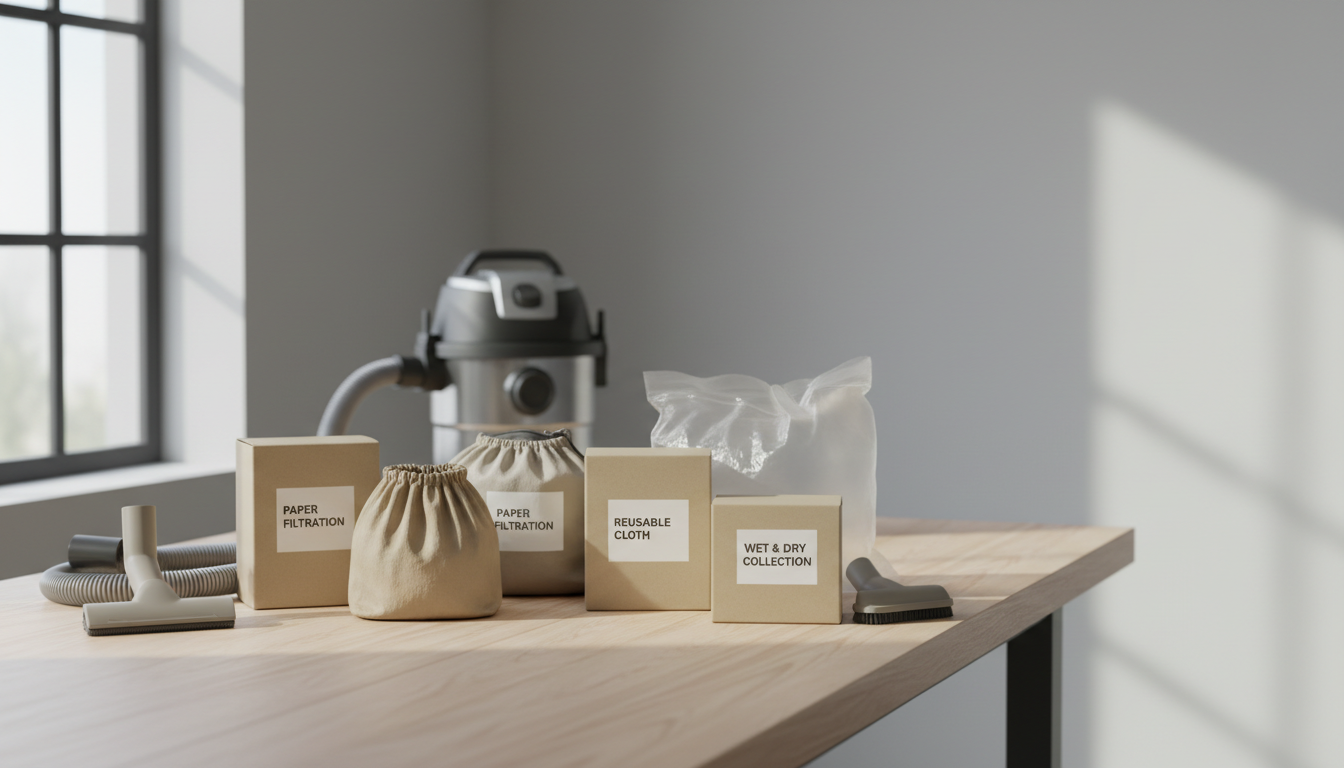
- Vacuum Type and Bag Design: Upright, canister, and shop vacuums each utilize distinct bag shapes, sizes, and attachment mechanisms. A bag designed for an upright might obstruct airflow in a canister model, and a shop vac often requires a more robust, specialized filter bag for wet/dry applications. The internal dimensions and mounting points are precisely calibrated for optimal performance.
- Manufacturer's Recommendations: Adhering to the manufacturer's guidelines for bag type and material is crucial. These recommendations are based on extensive testing to ensure proper airflow, filtration, and motor protection. Deviating from these can compromise suction efficiency, potentially strain the motor, and in some cases, void your vacuum's warranty. Bags are an integral part of the vacuum's filtration system, not merely a collection receptacle.
Essential Criteria for Any Vacuum Bag
Regardless of whether a bag is homemade or commercially produced, certain performance criteria must be met to ensure effective cleaning and vacuum longevity.
- Material Quality and Filtration Efficiency: A vacuum bag's primary role extends beyond holding debris; it acts as a filter. Effective bags often feature multi-layered materials designed to trap fine dust particles and allergens while allowing air to pass through. For specific needs, such as allergy sufferers, HEPA-compatible filtration is a key consideration, which is difficult to replicate with standard DIY materials.
- Precise Fit and Secure Sealing Mechanism: The bag must fit snugly within the vacuum's designated compartment, creating an airtight seal around the inlet. Any gaps or a loose fit can allow dust and debris to bypass the bag, circulating back into your environment or, worse, into the vacuum's motor, leading to damage. A secure sealing mechanism is also vital for hygienic disposal.
- Airflow and Breathability of the Material: The bag material must be breathable enough to permit consistent airflow through the vacuum's motor, which is essential for maintaining suction power. A material that restricts airflow can cause the motor to work harder, overheat, and potentially fail prematurely. An overfilled bag or one made from non-breathable material can mimic a clogged filter, reducing cleaning effectiveness.
- Durability and Tear Resistance: A vacuum bag must be robust enough to withstand the weight and abrasive nature of collected debris without tearing or rupturing. A compromised bag not only releases collected dust but can also damage the vacuum's internal components.
If You Choose to DIY: Best Practices for Crafting Homemade Bags
For those who decide to pursue a DIY vacuum cleaner bag solution, understanding best practices is crucial to mitigate risks and achieve a functional outcome. While commercial bags are engineered for specific vacuum models and filtration standards, careful construction of a homemade alternative can help address immediate needs, provided performance limitations and safety considerations are acknowledged.
Selecting Appropriate Materials
The material choice for a homemade vacuum bag directly impacts both filtration effectiveness and airflow, which are critical for vacuum performance and motor longevity. The goal is to trap fine dust particles while allowing sufficient air to pass through.
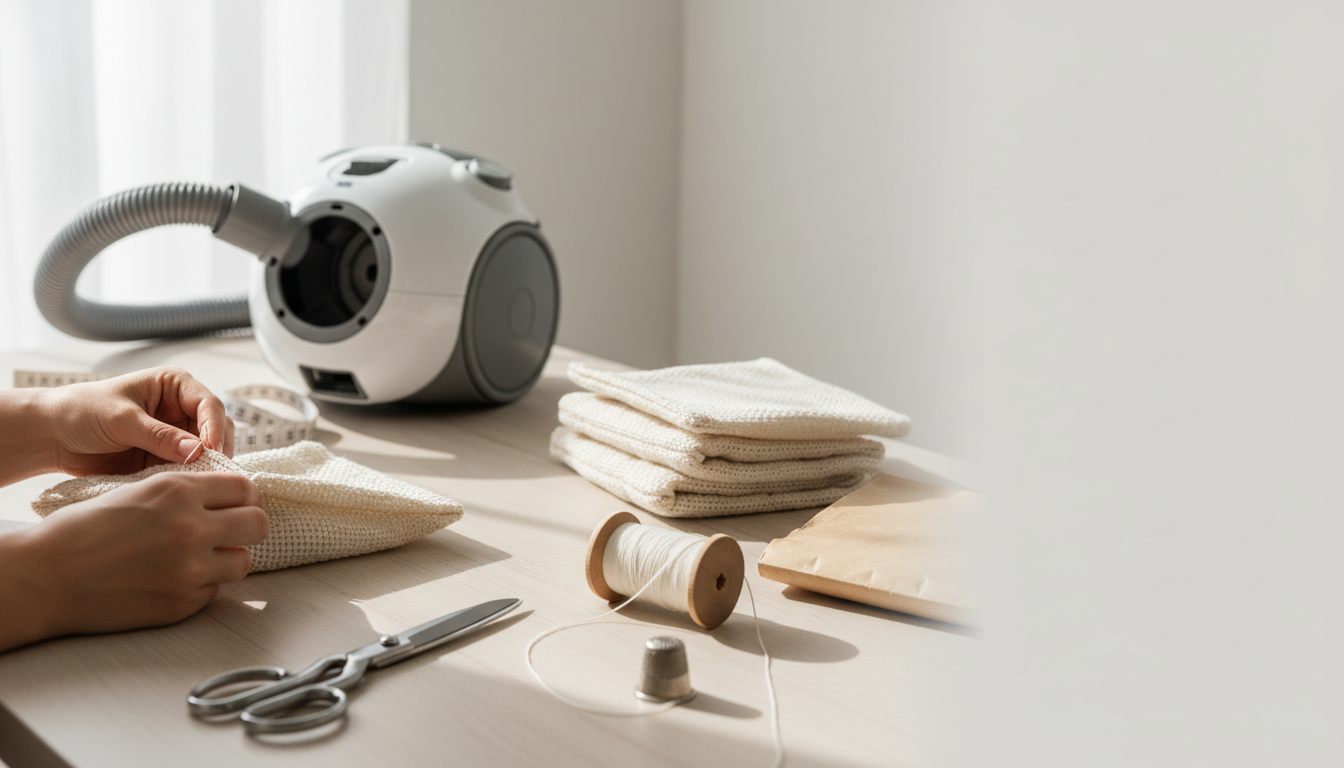
- Breathable but Dense Fabrics: Opt for tightly woven natural fibers that can filter fine particles without shedding. Materials like heavy-duty cotton canvas, thick cotton twill, or high-quality flannel are often suggested. Avoid loosely woven fabrics, synthetic materials that might melt with heat, or anything that sheds lint, as these can compromise filtration or damage the vacuum motor.
- Multi-Layered Construction: For enhanced filtration and durability, consider constructing bags with multiple layers. A common approach involves an outer layer for structural integrity and an inner layer (or layers) of finer material to trap smaller dust particles. This multi-layering mimics the design principles of many commercial bags, improving particle retention.
Ensuring a Proper Fit and Seal
A precise fit and a secure seal are paramount for any vacuum bag, whether commercial or homemade. A poorly fitting or leaking bag renders the filtration ineffective and can lead to immediate performance issues or long-term damage to your vacuum.
- Accurate Measurements: Begin by carefully measuring an original, compatible vacuum bag. Note its exact dimensions (length, width, depth when expanded), the diameter and shape of the intake opening, and the design of its attachment collar or mechanism. Replicating these measurements as accurately as possible is vital.
- Secure Attachment Point: The bag's opening must form an airtight seal around the vacuum's intake port. This often involves creating a rigid collar or a reinforced opening that can securely clamp or slide onto the vacuum's connection point. Methods might include using stiff cardboard, a repurposed plastic collar from an old bag, or a robust drawstring with a tight-fitting elastic band to ensure no dust escapes at the connection.
- Preventing Leaks: Beyond the attachment point, ensure all seams are strongly stitched and sealed. Double-stitching or using a fabric adhesive on seams can prevent micro-leaks that allow fine dust to escape back into the air or into the vacuum's motor compartment.
Monitoring Performance and Safety
Even with careful construction, a homemade vacuum bag requires vigilant monitoring to ensure it functions safely and effectively, protecting both your indoor air quality and your vacuum cleaner.
- Regular Inspections: Frequently check the homemade bag for any signs of wear, such as rips, tears, or thinning fabric, particularly along seams and at the attachment point. Any compromise in the bag's integrity can lead to dust leakage.
- Dust Leakage Checks: After each use, inspect the interior of your vacuum's dust compartment, motor area, and the surrounding environment for any escaped dust. The presence of dust outside the bag indicates a failure in filtration or sealing, necessitating immediate attention.
- Suction and Airflow: Pay close attention to your vacuum's suction power. A noticeable decrease can signal an overfilled bag, restricted airflow due to the material choice, or a leak. Restricted airflow can cause the vacuum motor to overheat and potentially fail, as the motor relies on proper air circulation for cooling.
- Motor Sounds: Listen for any unusual sounds from the vacuum motor, such as straining or higher-pitched noises. These can be indicators of motor stress caused by insufficient airflow through the homemade bag.
Common Questions About Vacuum Cleaner Bags
When considering vacuum bag options, especially the feasibility of DIY alternatives, several common questions arise regarding their function, maintenance, and impact on vacuum performance. Understanding these aspects is crucial for making informed decisions.
-
Are all vacuum bags the same? No. Vacuum cleaner bags vary significantly in design, material, and filtration capabilities. Each vacuum model is engineered to work with a specific bag size and type to ensure proper fit, optimal airflow, and effective dust containment. Using a bag not designed for your specific model can lead to performance issues or even damage.
-
How often should I change my vacuum bag? The general recommendation is to change your vacuum bag when it is two-thirds to three-quarters full, or when you notice a significant decrease in suction power.
- Reduced Airflow: An overfilled bag restricts airflow, forcing your vacuum's motor to work harder, which can lead to overheating and premature wear.
- Decreased Performance: Suction power diminishes as the bag fills, reducing cleaning efficiency.
- Filtration Compromise: A full bag can also hinder its filtration capabilities, potentially allowing fine dust and allergens to escape back into the air.
-
Can I reuse disposable vacuum bags? It is not advisable to empty and reuse disposable vacuum bags. These bags are designed for single use, with their filtration layers becoming saturated with dust and debris.
- Compromised Filtration: Reusing a bag means you are essentially vacuuming with a clogged filter, significantly reducing its ability to trap particles.
- Dust Exposure: Emptying a disposable bag can expose you to concentrated dust and allergens, negating the benefit of contained disposal.
- Material Integrity: The material of disposable bags is not intended to withstand repeated handling and emptying, increasing the risk of tears and dust leakage.
-
What happens if I use the wrong size vacuum bag? Using an incorrect bag size can lead to several problems:
- Dust Leakage: A bag that is too small or doesn't seal properly within the vacuum's compartment will allow dust and debris to bypass the bag and enter the motor, potentially causing damage or releasing particles into your home's air.
- Reduced Suction: An ill-fitting bag can obstruct airflow pathways, leading to poor suction and inefficient cleaning.
- Motor Strain: The motor may be forced to work harder to compensate for poor airflow, increasing the risk of overheating and shortening the vacuum's lifespan.
-
Do HEPA bags make a difference? Yes, HEPA (High-Efficiency Particulate Air) rated bags offer a substantial difference in filtration quality. They are designed to capture a higher percentage of microscopic particles, such as pet dander, pollen, dust mites, and other allergens, down to 0.3 microns with 99.97% efficiency.
- Improved Air Quality: For individuals with allergies or asthma, HEPA bags significantly reduce the amount of airborne irritants recirculated during vacuuming.
- Enhanced Containment: Their multi-layered construction ensures superior containment of fine dust within the bag, preventing it from escaping during use or disposal.
The Right Bag for Your Vacuum: A Balanced Perspective
Having explored the feasibility, benefits, and significant risks associated with crafting your own vacuum cleaner bags, it's clear there's no universal "best" choice. The decision between a DIY solution and a commercial alternative hinges on a careful evaluation of your specific needs, the demands of your vacuum cleaner, and your personal tolerance for risk.
DIY vacuum cleaner bags can offer compelling advantages, such as cost savings on disposable replacements, a reduced environmental footprint, and a viable option when specific commercial bags are difficult or impossible to source for older or niche models. However, these benefits are often weighed against critical performance and safety trade-offs. Homemade bags, if not meticulously constructed from appropriate materials and with a precise fit, risk compromising your vacuum's filtration efficiency, leading to dust leakage, reduced suction, and potentially irreversible damage to the motor from overheating or ingress of fine particles.
Conversely, commercially manufactured bags, whether disposable or reusable, are engineered for optimal fit, airflow, and multi-layered filtration. They are designed to protect your vacuum's motor, maintain consistent suction, and effectively trap allergens and debris. While they represent an ongoing expense and disposable options contribute to waste, they offer a reliable and predictable performance standard.
Ultimately, the most suitable bag for your vacuum is the one that best balances your budget and environmental concerns with the imperative of maintaining your appliance's health and ensuring effective cleaning. Prioritizing your vacuum's longevity and its ability to consistently deliver clean results should guide your decision. An informed choice means understanding that an ill-fitting or poorly filtering bag, whether homemade or generic, can undermine your cleaning efforts and potentially lead to costly repairs or premature replacement of your vacuum cleaner.
More in Vacuum Cleaner Bags
View All