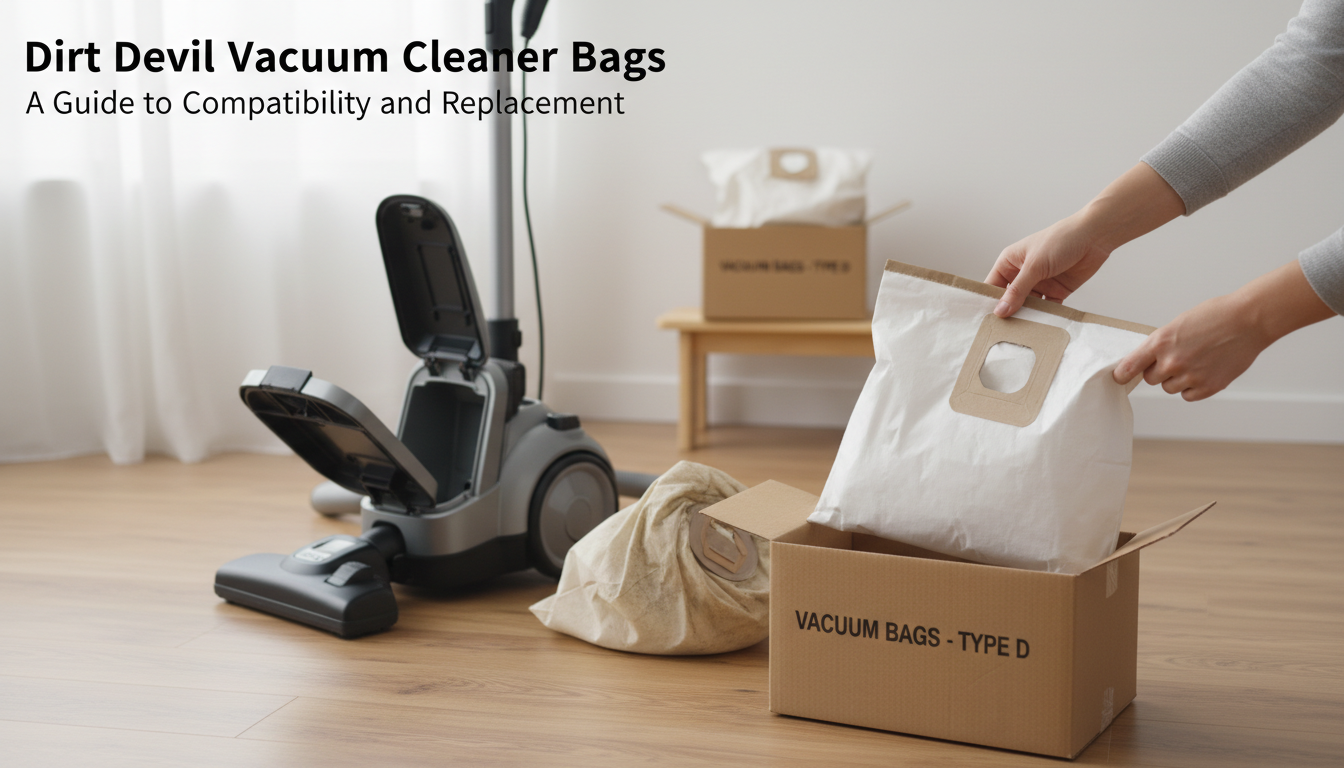
Choosing Wet/Dry Vacuum Cleaner Bags: Essential for Versatile Cleaning Tasks
Introduction: Why the Right Wet/Dry Vacuum Bags Matter for Your Versatile Cleaner
Wet/dry vacuum cleaners are valued for their ability to tackle a wide range of cleaning challenges, from spilled liquids to sawdust. However, when transitioning to dry debris collection, the choice of vacuum bag becomes critical. These specialized bags are not merely waste receptacles; they play a fundamental role in maintaining your vacuum's suction power, protecting its internal components, and ensuring effective filtration during dry cleanup tasks.
For dry collection, a properly selected wet/dry vacuum bag serves as the primary barrier, capturing dust, dirt, and other solid particles before they reach the main filter. This pre-filtration helps prevent premature clogging of the filter, which is a common cause of reduced suction and increased motor strain. Using the correct bag ensures optimal airflow, allowing your vacuum to operate at its intended efficiency and extending its overall lifespan.
It is crucial to understand that these bags are exclusively for dry applications. When a wet/dry vacuum is used for liquid spills, the bag must be removed. Attempting to vacuum liquids with a dry bag installed can lead to several issues:
- Bag damage: The bag can become saturated, tear, or disintegrate.
- Reduced efficiency: Wet debris will impede airflow and suction.
- Motor exposure: Liquid can bypass a compromised bag, potentially reaching and damaging the motor.
Therefore, selecting a bag with appropriate durability, a precise fit for your specific model, and effective filtration capabilities is essential for maximizing your wet/dry vacuum's performance and safeguarding your investment during diverse dry cleaning operations.
Understanding Wet/Dry Vacuum Bags: Beyond Standard Dust Bags
Wet/dry vacuum cleaners are renowned for their versatility, capable of tackling both liquid spills and dry debris. However, the bags designed for these multi-functional machines, specifically for dry collection, differ significantly from those found in conventional household vacuum cleaners. These distinctions are critical for optimizing performance and safeguarding the vacuum's internal components during diverse dry cleaning tasks.
Unlike the often single-layered paper or basic synthetic bags used in many upright or canister vacuums, wet/dry vacuum bags for dry collection typically feature a more robust, multi-layered construction. This material composition is engineered for enhanced durability and tear resistance, often incorporating synthetic fibers that can withstand the abrasive nature of workshop debris, construction dust, or larger, heavier particles like wood chips. This robust design prevents premature tearing or bursting, which is a common failure point for standard bags when confronted with such demanding contents.
The design features of these specialized bags are tailored to handle a broader spectrum of dry debris. They are built to contain everything from fine sawdust and drywall dust to larger, irregularly shaped items without compromising integrity. Their construction often includes stronger seams and a more resilient filtration medium that can capture fine particles while maintaining airflow. This prevents clogging and ensures consistent suction, which is vital when cleaning up after DIY projects or in commercial settings where varied debris is common.
Crucially, these bags are specifically for dry collection within a wet/dry vacuum system. While the vacuum itself can handle liquids, the bag's primary role is to collect dry debris efficiently and, most importantly, to protect the motor from fine dust and particles during dry operation. Using the vacuum for wet tasks requires removing the bag entirely, as it would otherwise become saturated, impede airflow, and potentially introduce moisture into the motor housing. Therefore, selecting the right bag ensures effective filtration and extends the lifespan of the vacuum when performing its dry cleaning duties.
Key Factors for Selecting the Ideal Wet/Dry Vacuum Bag
Choosing the correct wet/dry vacuum cleaner bag is crucial for maintaining performance, protecting your equipment, and effectively managing diverse dry debris. Unlike standard household vacuum bags, wet/dry bags must contend with heavier, often abrasive materials, demanding specific characteristics to ensure durability and filtration. Evaluating these factors before purchase can prevent common issues like reduced suction, premature wear, and dust leakage.
Here are the essential criteria to consider when selecting bags for your wet/dry vacuum:
-
Compatibility and Fit: The most critical factor is ensuring the bag is specifically designed for your vacuum's make and model. Consult your vacuum's manual for precise specifications. Original Equipment Manufacturer (OEM) bags offer guaranteed fit and performance, while aftermarket options can be cost-effective but require careful verification of dimensions and connection points to avoid leaks and maintain suction. A poor fit can lead to dust bypassing the bag and entering the motor, causing damage.
-
Material Strength and Filtration Efficiency: Wet/dry vacuum bags handle a wider range of debris, including wood chips, drywall dust, and other construction-related waste that can be heavy or sharp. Look for bags constructed from durable, tear-resistant materials. Multi-layered designs are often beneficial, providing enhanced filtration for fine particles while maintaining airflow and resisting punctures from coarser debris. Effective filtration is key to protecting the vacuum motor and maintaining indoor air quality during dry cleanup tasks.
-
Capacity and Size: The bag's capacity should align with your vacuum's tank size. Selecting a bag that is too small will require frequent changes, while an oversized bag might not fill efficiently or could impede airflow if it bunches up. Ensure the bag allows for adequate air circulation even when partially full to prevent premature suction loss and overworking the vacuum motor.
-
Seal Design: A secure and robust seal is paramount. The bag's collar or opening must create an airtight connection with the vacuum's inlet port. Poorly designed or weak seals can allow dust and debris to escape into the vacuum's tank and exhaust, compromising filtration and potentially damaging internal components. Look for bags with reinforced collars and reliable sealing mechanisms to ensure effective containment.
-
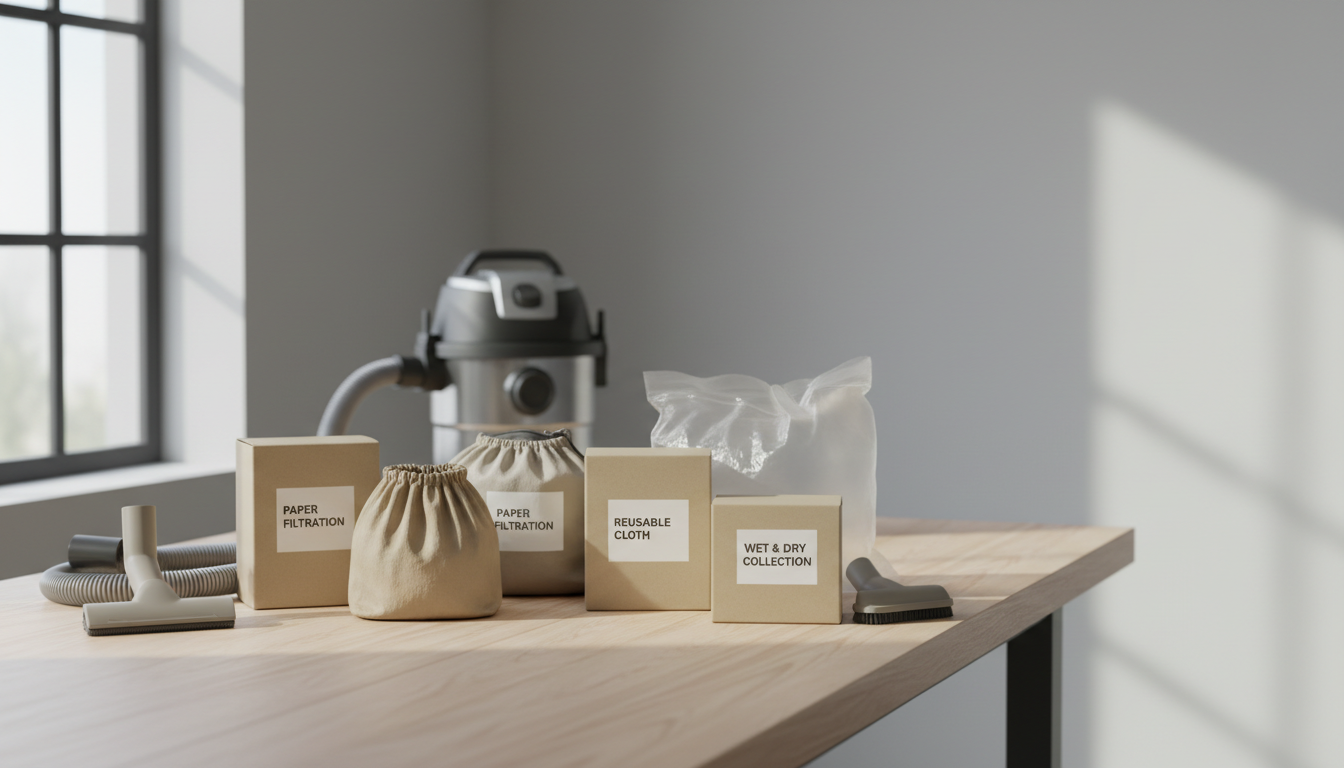
Disposable vs. Reusable Options:
- Disposable bags offer convenience and hygienic disposal, especially for hazardous or very fine dust. They are typically single-use.
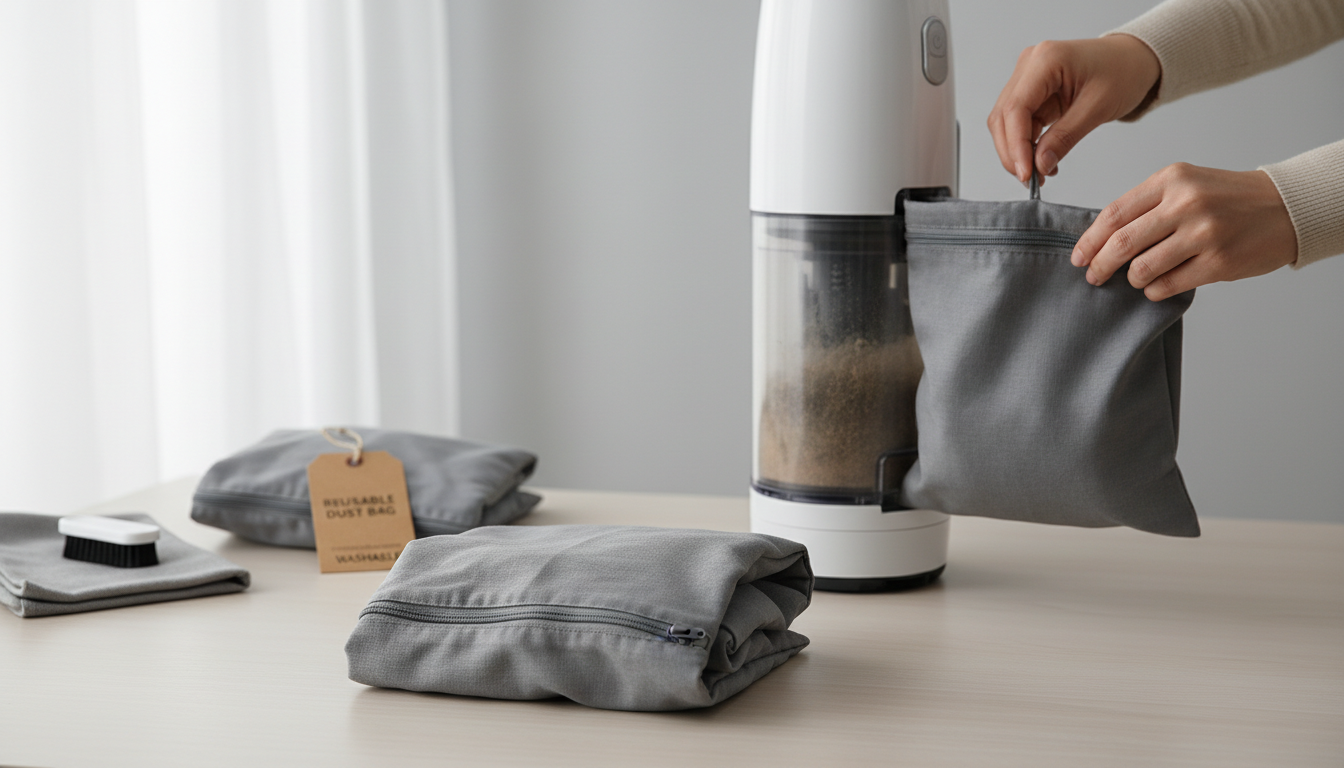
- Reusable bags can provide long-term cost savings and reduce waste. However, they require emptying and cleaning, which can expose users to dust and may not offer the same level of fine particle filtration as some multi-layered disposable options. Consider the type of debris you frequently clean and your preference for maintenance when making this choice.
Common Challenges and Risks When Choosing Wet/Dry Vacuum Bags
Selecting the appropriate wet/dry vacuum cleaner bags for dry collection involves navigating several potential pitfalls that can compromise performance, damage your equipment, and even affect indoor air quality. Understanding these risks can guide more informed purchasing decisions.
Suboptimal Fit and Debris Bypass
A common and critical issue arises from bags that do not fit the vacuum inlet securely. An ill-fitting bag creates gaps, allowing collected dry debris, especially fine dust, to bypass the bag entirely.
- Motor Contamination: Debris bypassing the bag can reach and clog the primary filter prematurely, or worse, enter the vacuum's motor housing. This can lead to overheating, reduced motor lifespan, and costly repairs.
- Reduced Suction and Filtration: When debris escapes the bag, it diminishes the effectiveness of the vacuum's filtration system, leading to decreased suction power and the recirculation of dust back into the environment.
Difficulty in Sourcing Replacements
Users often face challenges in finding specific replacement bags for certain wet/dry vacuum models, particularly for older or less common brands. This can lead to frustration and compromises.
- Forced Alternatives: When exact replacements are unavailable, users may resort to universal bags or bags designed for different models. These often require modification to fit, leading to the "poor fit" issues described above.
- Interruption of Work: The inability to quickly find a suitable replacement bag can halt cleaning projects, impacting productivity for DIY enthusiasts or small business owners.
Misapplication of Bag Types
Attempting to use bags not specifically designed for the robust dry collection needs of a wet/dry vacuum can introduce significant risks. This includes using standard household vacuum bags or bags not suited for the type of debris typically handled.
- Premature Failure: Standard bags may lack the durability to withstand sharp objects, coarse debris, or heavy loads common in workshop or construction cleanup, leading to tears and spills inside the vacuum.
- Ineffective Filtration: Bags not engineered for wet/dry vacs may offer insufficient filtration for fine particles like drywall dust or sawdust, allowing them to escape and clog the main filter or escape into the air.
Compromises from Low-Quality Materials
The material quality of a wet/dry vacuum bag directly impacts its performance and the protection it offers. Inferior bags, often characterized by thin materials or weak seams, present several risks.
- Bag Rupture: Low-quality bags are more prone to tearing or bursting under the weight or impact of collected debris, releasing all contents back into the vacuum drum and requiring extensive cleanup.
- Degraded Filtration: Poor-quality materials may not effectively trap fine particles, leading to reduced air quality and increased wear on the vacuum's motor and filter.
- Reduced Durability: Bags made from flimsy materials may degrade faster, requiring more frequent replacements and negating any initial cost savings.
Optimizing Bag Use for Different Dry Cleaning Scenarios
Selecting the appropriate wet/dry vacuum cleaner bag for a specific dry cleaning task is crucial for maximizing efficiency, protecting your vacuum, and ensuring effective debris containment. Matching bag features to the type of dry material being collected prevents premature bag failure, maintains suction, and improves air quality.
Consider these scenarios when choosing your wet/dry vacuum bag:
-
Workshop & Construction Debris When tackling environments with sharp objects like nails, screws, splintered wood, or abrasive materials such as drywall chunks and concrete dust, bag durability is paramount.
- Requirements: Look for bags constructed from heavy-duty, multi-ply synthetic materials. These offer superior tear and puncture resistance compared to standard paper bags. Reinforced seams are also beneficial to prevent blowouts under the weight or impact of bulky debris.
- Trade-offs: These bags may be more expensive, but the cost is offset by preventing damage to the vacuum's internal components and avoiding frequent bag replacements.
- Risk: Using a thin, less durable bag can lead to ruptures, allowing sharp debris to escape and potentially damage the impeller or motor.
-
Fine Dust & Allergens For tasks involving fine particulate matter such as drywall dust, sanding dust, pet dander, or pollen, filtration efficiency becomes the primary concern.
- Requirements: Opt for bags with advanced filtration capabilities, often advertised as "micro-filtration" or "HEPA-level." These bags typically feature multiple layers of specialized material designed to capture microscopic particles, preventing them from recirculating into the air.
- Trade-offs: High-filtration bags can sometimes restrict airflow slightly when heavily loaded, potentially reducing suction if not changed regularly. They also tend to be more costly.
- Risk: Inadequate filtration allows fine dust to pass through the bag, potentially clogging the vacuum's main filter prematurely and compromising indoor air quality.
-
General Household & Garage Cleanup For everyday dry messes like dirt, leaves, small non-sharp debris, or general dust from a garage workbench, a balanced bag option offers good performance and value.
- Requirements: Standard multi-ply paper or synthetic bags generally suffice. They should offer a good balance of strength to hold typical debris and sufficient porosity to maintain airflow without excessive cost.
- Trade-offs: While effective for general use, these bags may not withstand sharp objects as well as heavy-duty options or filter fine dust as effectively as specialized bags.
- Risk: Using a basic bag for tasks requiring higher durability or filtration could lead to premature failure or reduced air quality.
It is critical to reiterate that regardless of the dry cleaning task, wet/dry vacuum bags are designed exclusively for dry material collection. Attempting to vacuum liquids with a bag installed can damage the bag, impede suction, and potentially expose the vacuum's motor to moisture.
Frequently Asked Questions About Wet/Dry Vacuum Cleaner Bags
Understanding the nuances of wet/dry vacuum bags helps ensure optimal performance and longevity for your equipment. Here are answers to common questions that can guide your selection and usage.
-
Are wet/dry vacuum bags necessary for all wet/dry vacuum use? No. Bags are exclusively for dry debris collection. When vacuuming liquids, the bag must be removed. Using a bag during wet pickup can lead to saturation, tearing, and impede water collection, potentially damaging the vacuum.
-
Can I use a regular household vacuum bag in my wet/dry vacuum? Generally, no. Regular household bags are typically not designed to withstand the coarser, often heavier debris collected by a wet/dry vacuum. They may lack the necessary durability, filtration efficiency for workshop dust, or a secure fit, which can lead to leaks or damage to your vacuum's motor.
-
How do I find the correct size or type of bag for my specific wet/dry vacuum model? Always consult your vacuum's user manual or the manufacturer's website for model-specific bag recommendations. Look for a part number or a list of compatible bags. An ill-fitting bag compromises filtration and collection efficiency.
-
What are the advantages of using reusable wet/dry vacuum bags? Reusable bags can offer long-term cost savings and reduce waste. They are often constructed from durable, washable materials designed for repeated use, making them a sustainable option for frequent dry cleaning tasks.
-
What are the risks of using an ill-fitting or low-quality wet/dry vacuum bag? An improper bag can significantly reduce suction, allow fine dust to bypass and prematurely clog the main filter, or even reach and damage the motor. Poor quality bags are prone to tearing, leading to messy spills and decreased indoor air quality.
Making Your Informed Decision: A Buyer's Path to the Right Wet/Dry Vacuum Bags
Selecting the appropriate wet/dry vacuum cleaner bags for dry debris collection is a critical step in maintaining your machine's performance and protecting its components. A systematic approach helps ensure you choose bags that align with your specific cleaning demands and vacuum model.
Here’s a step-by-step framework to guide your selection:
-
Consult Your Vacuum's Manual First: Before exploring any options, refer to your wet/dry vacuum cleaner's user manual. This is the most reliable source for manufacturer-recommended bag types, part numbers, and specifications. Using bags specifically designed or approved by the original equipment manufacturer (OEM) often guarantees optimal fit, filtration efficiency, and protection for your vacuum. Deviating from these recommendations without careful consideration can lead to performance issues or even damage.
-
Identify Your Primary Dry Cleaning Tasks and Debris Type: Consider what you most frequently vacuum when using your machine in dry mode. This will dictate the necessary bag characteristics:
- Fine Dust (e.g., drywall dust, concrete dust, sanding residue): Requires bags with higher filtration capabilities to prevent fine particles from recirculating into the air or clogging the motor filter. Multi-layered synthetic bags are often more effective for this.
- Coarse Debris (e.g., wood chips, sawdust, workshop scraps, larger construction debris): Demands bags with superior tear resistance and durability. While filtration is still important, the primary concern is preventing punctures or ruptures from sharp or heavy objects.
- General Household/Garage Dust: A good all-around, durable bag with moderate filtration may suffice.
-
Evaluate Bag Features Against Your Needs and Understand Trade-offs: Once you know your vacuum's requirements and your typical debris, assess the available bag features:
- Material and Durability: Bags made from multi-layered synthetic materials generally offer better tear resistance and filtration than single-ply paper bags. This enhanced durability is crucial for workshop environments or construction cleanups. The trade-off is often a higher cost per bag.
- Filtration Efficiency: Look for bags rated for specific particle sizes if indoor air quality is a concern (e.g., HEPA-type filtration for very fine dust). Higher filtration bags protect your vacuum's motor filter more effectively, extending its life and maintaining suction. However, very high filtration can sometimes slightly restrict airflow, especially as the bag fills.
- Capacity: Match the bag capacity to your vacuum's drum size. An appropriately sized bag ensures efficient use of space and reduces the frequency of changes. Overfilling a bag can reduce suction and increase the risk of tearing.
- Cost vs. Longevity: OEM bags typically offer guaranteed quality and fit but come at a premium. Aftermarket bags can be more economical but vary widely in quality, durability, and filtration. Weigh the initial cost savings against potential risks like premature bag failure or reduced vacuum performance.
-
Perform Final Checks for Compatibility and Secure Fit: Before making a purchase, double-check the bag's compatibility with your exact wet/dry vacuum model number. A bag that doesn't fit securely can lead to significant problems:
- Debris Bypass: Gaps around the bag's collar or an improper seal will allow dust and debris to escape into the vacuum's drum, bypassing the bag and potentially clogging the main filter or reaching the motor.
- Reduced Suction: An ill-fitting bag can disrupt airflow, diminishing the vacuum's effectiveness.
- Increased Wear and Tear: When debris bypasses the bag, the main filter has to work harder, leading to faster degradation and potentially exposing the motor to harmful particles.
By systematically addressing these points, you can confidently choose wet/dry vacuum cleaner bags that not only meet your cleaning demands but also safeguard your equipment and optimize its performance for diverse dry tasks.
Conclusion: Secure Your Clean with the Right Wet/Dry Vacuum Bags
Selecting the appropriate wet/dry vacuum cleaner bags for your dry cleaning tasks is a foundational decision that impacts both your equipment's longevity and your cleaning effectiveness. This choice moves beyond a mere accessory purchase, acting as a critical component in your vacuum's operational integrity and the cleanliness of your environment.
A deliberate approach to bag selection ensures that your versatile wet/dry vacuum continues to perform optimally. By prioritizing factors such as precise model compatibility, robust material construction for diverse debris, and effective filtration capabilities, you actively protect your investment. The right bag safeguards the vacuum's motor from fine dust, prevents premature clogging of the main filter, and maintains consistent suction power, ultimately extending the lifespan of your machine.
Ultimately, a thoughtful bag choice translates to:
- Sustained Performance: Your vacuum maintains its intended suction and efficiency for dry collection.
- Equipment Protection: Internal components are shielded from abrasive debris and fine particles, reducing wear and tear.
- Cleaner Environment: Effective filtration minimizes the recirculation of dust and allergens into your workspace.
Remember, the effectiveness of your dry cleanup hinges significantly on this often-overlooked component. Making an informed decision about your wet/dry vacuum bags is a proactive step towards reliable, high-performance cleaning for all your dry challenges.

More in Vacuum Cleaner Bags
View All