Dirt Devil Vacuum Cleaner Bags: A Guide to Compatibility and Replacement
Finding the Perfect Fit: Your Guide to Dirt Devil Vacuum Cleaner Bags
Selecting the correct replacement bag for your Dirt Devil vacuum cleaner is more than a simple purchase; it's essential for maintaining optimal cleaning performance and extending the life of your appliance. An ill-fitting or incorrect bag can compromise suction, allow dust to escape, and potentially strain your vacuum's motor. Using bags specifically designed for your model ensures proper filtration, efficient debris collection, and consistent operation.
This guide aims to simplify the process of identifying and acquiring the right Dirt Devil vacuum bags. We will explore key compatibility factors, different bag types, and crucial considerations for replacement. Our goal is to empower you with the knowledge needed to confidently choose the appropriate bags, ensuring your Dirt Devil continues to clean effectively and reliably.
Understanding Dirt Devil Vacuum Bag Types and Compatibility
Identifying the correct replacement bag for your Dirt Devil vacuum cleaner is crucial for maintaining its performance and preventing potential issues. Dirt Devil, like many vacuum manufacturers, employs a system of bag types and model numbers to ensure precise compatibility. Each bag type is engineered to fit specific vacuum models, dictating its physical dimensions, intake port design, and sometimes even its filtration capabilities.
Using a bag that doesn't perfectly match your vacuum's specifications can lead to several problems:
- Poor Seal: An ill-fitting bag may not create an airtight seal within the vacuum's dust compartment, allowing dirt and debris to bypass the bag and enter the motor, potentially causing damage or reducing suction power.
- Reduced Filtration: Incorrect bags might not offer the intended level of filtration, leading to dust re-entering your indoor air.
- Capacity Issues: A bag that is too small or improperly shaped may not fill efficiently, requiring more frequent changes, or it could obstruct airflow.
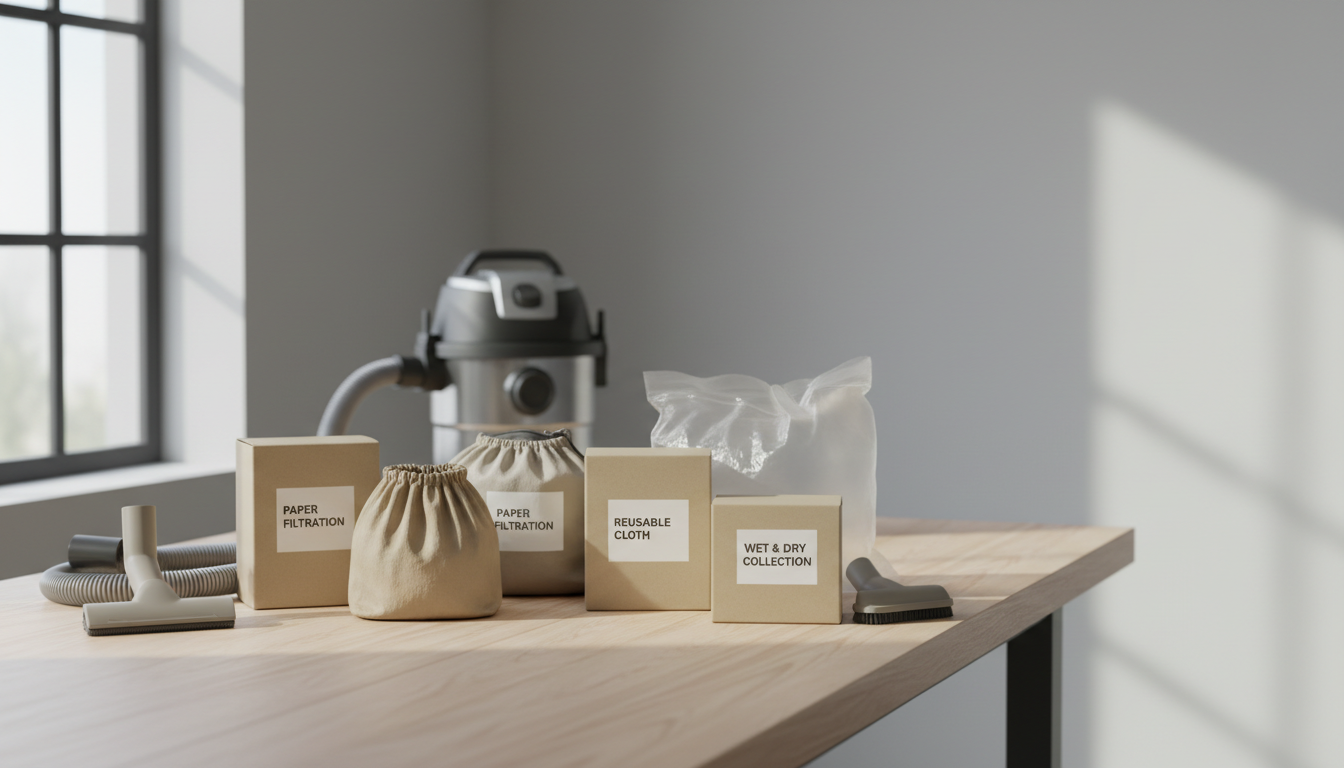
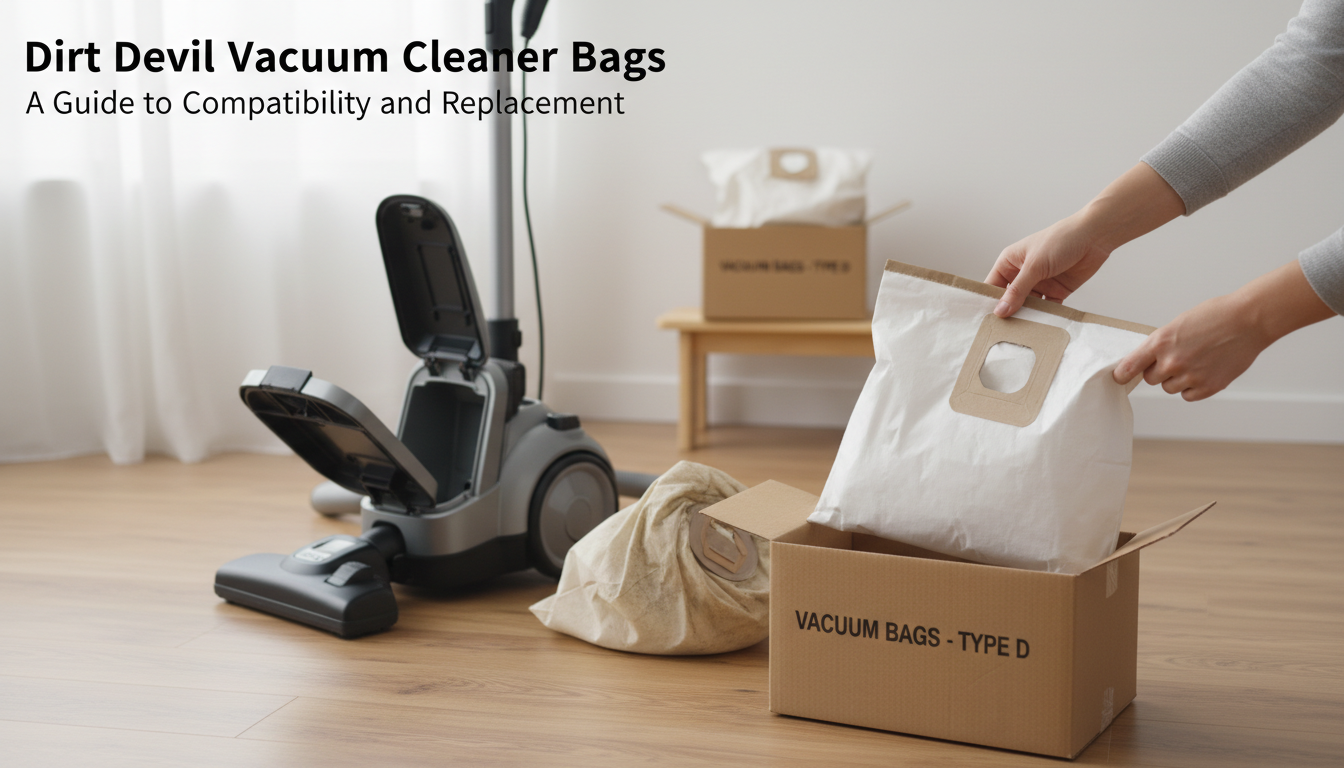
Common Dirt Devil bag designations often appear as letters, such as Type D, Type F, or Type G, which correspond to distinct bag designs for various upright or canister models. Beyond these general types, some Dirt Devil models utilize specialized filter kits. For instance, the Dirt Devil F45 Filter Kit is specifically designed to fit models like the F45, Pets Canister, and EZ Lite Canister units, often including a HEPA-rated canister filter, exhaust filter, and foam filter for comprehensive replacement.
The definitive method for ensuring you purchase the correct replacement bag is to consult your specific Dirt Devil vacuum cleaner's model number. This number serves as the blueprint for its design and, consequently, the required bag type.
- Locating Your Model Number: The model number is typically found on a sticker or plate located on the back, bottom, or side of your vacuum cleaner. It's essential to locate this exact number rather than relying on a general series name.
- Cross-Referencing: Once you have the model number, you can cross-reference it with the compatibility list provided by bag manufacturers or on the Dirt Devil website. This will confirm which bag type (e.g., Type D, F, G, or a specific filter kit like F45) is designed for your unit.
While the Dirt Devil brand has a long history, dating back to the P.A. Geier Company in 1905 and the introduction of the iconic Hand Vac in 1984, the system for identifying bag compatibility has consistently relied on these specific model and bag type designations. This structured approach helps ensure that as models evolve, users can still find the exact components needed for optimal function.
Why Choosing the Right Dirt Devil Bag is Crucial for Performance
The performance of your Dirt Devil vacuum cleaner relies significantly on the quality and compatibility of its dust bag. Selecting the correct bag is not merely about finding a container for debris; it directly impacts the vacuum's cleaning effectiveness, the air quality in your home, and the longevity of the appliance itself. Understanding these critical connections helps ensure your Dirt Devil operates as intended.
Using the appropriate bag is fundamental to maintaining consistent suction power and cleaning efficiency. A properly fitted bag allows for optimal airflow through the vacuum's system. If a bag is ill-fitting or made from substandard material, it can restrict airflow, forcing the motor to work harder and diminishing its ability to pick up dirt and debris effectively. This can lead to a noticeable reduction in cleaning performance, requiring more passes to achieve the same result.
Beyond collection, the bag acts as a primary filter. High-quality Dirt Devil bags are designed to trap fine dust, allergens, and microscopic particles, preventing them from recirculating into your indoor air. Options like HEPA-rated bags, such as the F45 filter kit available for many Dirt Devil models, offer enhanced filtration, significantly contributing to improved air quality, especially beneficial for those with allergies or asthma. This contrasts sharply with incorrect or low-quality bags, which may allow fine particulates to escape, compromising the air you breathe.
One of the key advantages of a bagged vacuum system is the containment of dust during disposal. Correctly designed Dirt Devil bags minimize the risk of dust clouds when you remove and replace them. This ensures the dirt and allergens collected remain sealed, preventing them from re-entering your environment, a common concern with bagless systems.
Finally, the right bag plays a vital role in protecting your vacuum's internal components. Fine dust and debris that bypass a poorly fitting or inadequate bag can reach and damage the motor, leading to reduced lifespan, costly repairs, or even complete failure of the appliance. Different Dirt Devil models require specific bag types, such as Type D, F, or G, each engineered to fit precisely and provide the necessary filtration and airflow for that particular unit. Using a bag not designed for your specific Dirt Devil model can compromise its seal, filtration, and ultimately, its overall health.
How to Identify Your Dirt Devil Vacuum Model and Bag Requirements
Accurately identifying your Dirt Devil vacuum cleaner's model number is the foundational step to purchasing the correct replacement bags. An ill-fitting bag can compromise suction, allow dust to escape, and potentially damage your vacuum, making this step critical for maintaining performance and air quality.
To confidently determine your vacuum's bag needs, follow these steps:
-
Locate Your Vacuum's Model Number:
- Most Dirt Devil vacuums have a sticker or engraved plate containing the model number. Common locations include the bottom of the vacuum, the back panel, or underneath the handle assembly.
- The model number is typically an alphanumeric code (e.g., UD20015, M088100, SD20000RED).
- Look for other identifying information such as series name (e.g., "Jaguar Pet," "EZ Lite Canister") which can also assist in cross-referencing.
-
Match Model Number to Bag Type:
- Once you have the model number, consult the Dirt Devil manufacturer's website or the product manual for your specific model. These sources will explicitly list the compatible bag type (often designated by a letter, such as Type D, Type F, Type G, or F45).
- Replacement bag packaging also frequently lists compatible Dirt Devil models or bag types.
-
When the Model Number is Obscured or Missing:
- If the label is worn, faded, or missing, check your original owner's manual or purchase receipt for the model information.
- As an alternative, search online retailers or the manufacturer's website using visual cues. Compare images of your vacuum with listed models to find a visual match, then check the specifications for compatible bags.
- In some cases, broad "Dirt Devil" bag types might fit a range of older models, but confirming compatibility is always recommended to avoid fit issues.
-
Cross-Reference Before Purchasing:
- Before finalizing a purchase, always cross-reference the identified bag type with at least two independent sources. Verify the bag type listed on the replacement bag packaging against the information from your vacuum's manual or the manufacturer's official website.
- This double-check minimizes the risk of buying incompatible bags, which could lead to reduced vacuum efficiency, dust leakage back into your home, or even stress on your vacuum's motor due to improper airflow.
Key Considerations When Buying Replacement Dirt Devil Bags
Selecting the correct replacement bags for your Dirt Devil vacuum cleaner is crucial for maintaining optimal cleaning performance and extending the life of your appliance. A thoughtful approach to purchasing ensures compatibility, effective filtration, and overall value.
-
Model-Specific Compatibility: The most critical step is verifying the bag type required by your specific Dirt Devil model. Dirt Devil vacuums utilize various bag types (e.g., Type D, Type F, Type G), and an incorrect fit can lead to reduced suction, dust leakage, and potential damage to the vacuum's motor. Always consult your vacuum's user manual or the label on the vacuum itself for the exact bag specification.
-
Genuine vs. Aftermarket Bags:
- Genuine Bags: These are manufactured by Dirt Devil and are designed to precise specifications, offering guaranteed fit and performance. They often come with specific filtration claims that align with the vacuum's design. The trade-off is typically a higher cost per bag.
- Aftermarket Bags: Produced by third-party manufacturers, these can be a more budget-friendly option. While many aftermarket bags offer comparable performance, quality can vary. Potential risks include less precise fit, which may compromise filtration or lead to dust escaping, and material differences that could affect durability. Evaluate the manufacturer's reputation and read user feedback carefully.
-
Filtration Level: Replacement bags come with varying levels of filtration, impacting indoor air quality.
- Standard Filtration: Suitable for general household dust and debris.
- Allergen Filtration: Designed to capture smaller particles like pollen, pet dander, and dust mite allergens, beneficial for allergy sufferers.
- HEPA Filtration: Offers the highest level of filtration, trapping 99.97% of particles as small as 0.3 microns. Some Dirt Devil models, like those compatible with the F45 filter kit, offer HEPA-rated options, significantly improving air quality. Match the filtration level to your household's needs and any allergy concerns.
-
Bag Material and Durability: The material of the bag affects both its filtration efficiency and tear resistance. Higher-quality synthetic materials often provide better filtration and are less prone to tearing, especially when encountering sharp debris. A durable bag prevents dust from re-entering the air or damaging the vacuum's internal components.
-
Quantity and Value Packs: Consider your cleaning frequency and the size of your home when deciding on pack size. Purchasing value packs or multi-packs often reduces the cost per bag, offering long-term savings. However, ensure you have adequate storage space and that the bags won't degrade over time if stored improperly.
-
Checking User Reviews: Before finalizing a purchase, review feedback from other Dirt Devil owners. Look for comments specifically addressing bag fit, durability (e.g., reports of tearing or premature clogging), and whether the bags effectively contain dust. This can provide practical insights into common issues or praises for both genuine and aftermarket options.
Troubleshooting Common Issues and Maintaining Your Dirt Devil Vacuum
Optimal performance from your Dirt Devil vacuum cleaner relies not just on selecting the correct bag, but also on consistent maintenance and addressing common operational issues. A well-maintained vacuum ensures that replacement bags perform effectively, extending their useful life and preventing premature wear on the appliance.
Several factors can lead to perceived bag issues or a decline in cleaning efficacy:
- Bags Filling Quickly or Clogging: If bags seem to fill faster than expected or clog frequently, consider the type of debris being vacuumed. Fine dust, pet hair, or construction dust can rapidly saturate a bag's filtration material, reducing airflow. Additionally, a partial blockage in the hose or attachments can restrict suction, making it appear as though the bag is full when the real issue lies elsewhere.
- Loss of Suction Despite a New Bag: A fresh bag should restore suction. If it doesn't, the problem is likely external to the bag itself. Check for blockages in the hose, wands, and attachments. A common culprit is also a clogged or improperly seated filter.
- Dust Escaping During Operation or Bag Changes: This indicates a breach in the vacuum's sealed system.
- Incorrect Bag Type: Using a bag that doesn't precisely fit your Dirt Devil model is a primary cause. An ill-fitting bag will not create a proper seal around the inlet, allowing dust to bypass the bag and escape into the air or back into the vacuum's motor compartment. This compromises air quality and can damage the motor.
- Damaged or Improperly Installed Bag: Ensure the bag's collar is securely seated in the vacuum's bag housing. Inspect new bags for any tears or manufacturing defects before installation.
- Clogged Filters: Overloaded exhaust or motor filters can also contribute to dust recirculation, as the vacuum struggles to expel filtered air.
To maintain your Dirt Devil vacuum and ensure optimal bag efficiency:
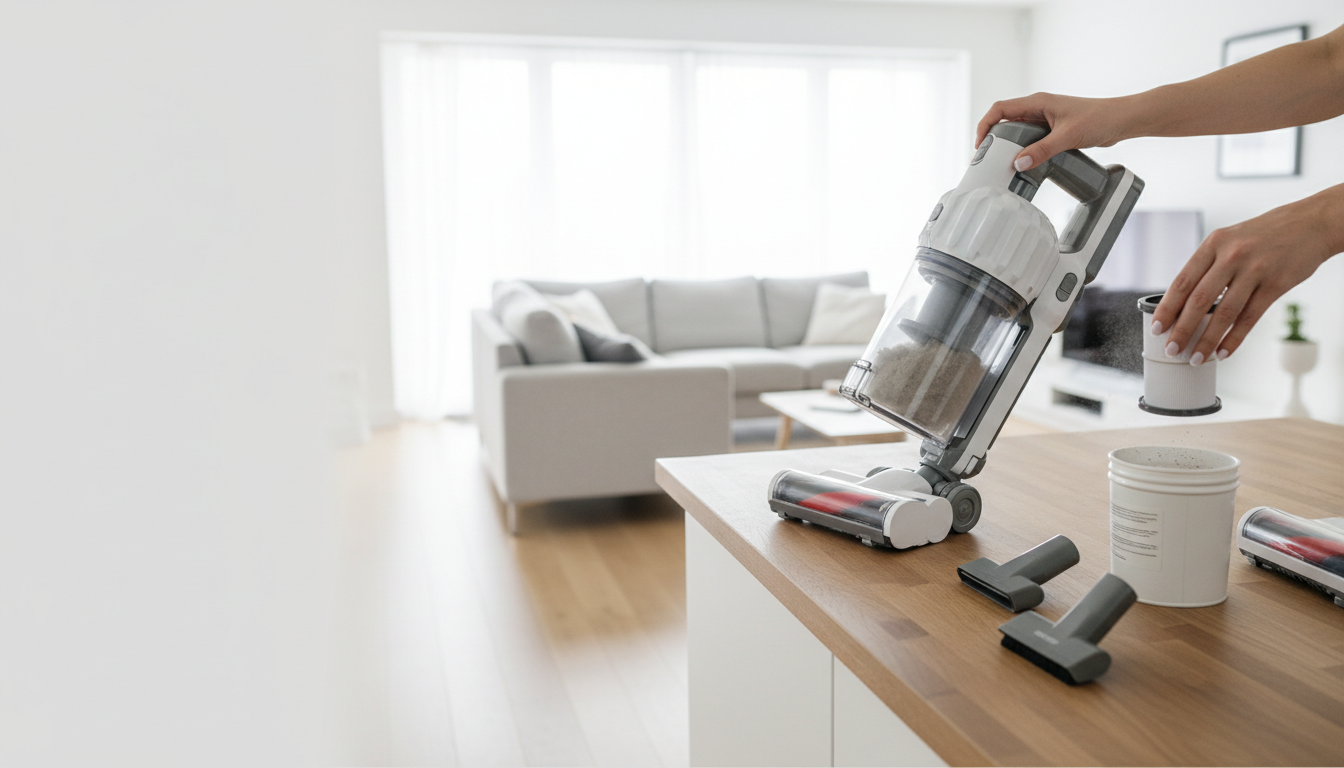
- Regular Filter Cleaning and Replacement: Filters are critical for maintaining airflow and trapping fine particles. Dirt Devil models often utilize various filters, such as the F45 Filter Kit (which can include HEPA-rated canister, exhaust, and foam filters for compatible models). Refer to your vacuum's manual for specific filter types and recommended cleaning/replacement schedules. Clogged filters restrict airflow, forcing the motor to work harder, reducing suction, and potentially leading to premature bag fullness.
- Check Hoses and Attachments for Blockages: Periodically disconnect hoses and inspect all attachments for obstructions like tangled hair, fabric scraps, or large debris. Clearing these blockages immediately restores full suction.
- Brush Roll Maintenance: A clean, free-spinning brush roll is essential for effective debris pickup. Regularly remove tangled hair, threads, and fibers from the brush roll. A struggling brush roll reduces the vacuum's ability to agitate and lift dirt, meaning more passes are needed, which can indirectly contribute to bags filling faster with less actual cleaning.
A well-maintained Dirt Devil vacuum not only performs better but also extends the life of its components, including the motor and the efficiency of each replacement bag. By addressing these common issues and following a routine maintenance schedule, you can ensure your vacuum operates at its peak, providing consistent cleaning power and maximizing the value of your replacement bags.
Frequently Asked Questions About Dirt Devil Vacuum Bags
Understanding the nuances of Dirt Devil vacuum bags can help ensure your appliance operates effectively and maintains indoor air quality. Here are answers to common questions that can guide your purchase and maintenance decisions.
-
Why choose a bagged Dirt Devil vacuum over a bagless model? Bagged Dirt Devil vacuums offer a distinct advantage in dust containment. The bag acts as a sealed receptacle, trapping dust, allergens, and debris, which can then be disposed of without significant exposure. This can be particularly beneficial for individuals with allergies or sensitivities, as the process of emptying a bagless canister can release fine dust back into the air. Some users also report that certain Dirt Devil bagless models may experience issues with consistent suction or dust expulsion, making bagged systems a potentially cleaner and more reliable option for dust management.
-
Should I buy genuine Dirt Devil bags or aftermarket alternatives? Genuine Dirt Devil bags are designed by the manufacturer to fit specific models precisely and meet particular filtration standards. This ensures optimal airflow, suction, and debris containment. Aftermarket bags can offer a cost-effective alternative, but their quality, fit, and filtration efficiency can vary. If considering aftermarket options, verify that they explicitly state compatibility with your Dirt Devil model and ideally offer comparable filtration performance to avoid potential issues like reduced suction, dust leakage, or strain on your vacuum's motor.
-
What happens if I use the wrong type of bag in my Dirt Devil vacuum? Using an incorrect bag type can lead to several problems. A bag that doesn't fit properly may not create a tight seal, allowing dust and debris to bypass the bag and enter the motor housing or be recirculated into your home's air. This can compromise cleaning performance, potentially damage the motor, and reduce the vacuum's lifespan. An ill-fitting bag can also restrict airflow, causing the motor to work harder, leading to overheating and decreased suction power.
-
How often should I change my Dirt Devil vacuum bag? The frequency of bag changes depends on usage and the type of debris collected. Generally, you should change your Dirt Devil bag when it is approximately two-thirds to three-quarters full. Indicators that a bag change is due include:
- A noticeable decrease in suction power.
- Visible fullness of the bag through the vacuum's indicator (if present).
- An unpleasant odor emanating from the vacuum.
- Regularly vacuuming pet hair or fine dust may necessitate more frequent changes.
-
What does "Type D bag" signify for Dirt Devil vacuums? "Type D" refers to a specific size and shape designation for Dirt Devil vacuum cleaner bags, indicating compatibility with a range of their upright models. Like other "Type" designations (e.g., Type F, Type G), it's a critical identifier to ensure you purchase the correct replacement bag for your particular Dirt Devil model. Always cross-reference the bag type listed on your vacuum or in its manual with the replacement bag's specifications.
-
Does my Dirt Devil vacuum use an F45 filter kit? The Dirt Devil Replacement F45 Filter Kit is a specific HEPA-rated filter system designed for certain Dirt Devil models, including some F45, Pets Canister, and EZ Lite Canister units. This kit typically includes a canister filter, exhaust filter, and foam filter, providing a comprehensive filter replacement. To confirm if your Dirt Devil vacuum uses the F45 filter kit, consult your appliance's user manual or the product specifications for your specific model number.
Making Your Decision: Confidently Choosing Your Dirt Devil Vacuum Bags
Navigating the array of Dirt Devil vacuum cleaner bags can seem complex, but by focusing on a few critical steps, you can make an informed and confident purchase. The most crucial actions involve precisely identifying your Dirt Devil vacuum's model number and subsequently matching it to the correct bag type, whether it's a specific letter designation like Type D, F, or G, or a specialized filter kit such as the F45. This foundational compatibility check is the cornerstone of ensuring optimal vacuum performance.
Choosing the right replacement bag offers tangible benefits that extend beyond simply collecting dust. A perfectly fitting bag maintains an airtight seal, preserving your vacuum's suction power and preventing fine dust particles from re-entering your indoor air. This not only contributes to a cleaner home environment but also protects your vacuum's motor from premature wear caused by debris bypass. Proper bags ensure efficient debris collection, allowing the vacuum to operate as designed and potentially extending its lifespan.
Armed with the knowledge of your specific model's requirements and the understanding of why compatibility matters, you are now equipped to confidently select the appropriate Dirt Devil vacuum bags. This deliberate approach eliminates guesswork and mitigates the risks associated with ill-fitting alternatives, such as reduced efficiency or potential damage. By making this informed choice, you ensure your Dirt Devil vacuum continues to deliver reliable, effective cleaning performance for many uses to come.
More in Vacuum Cleaner Bags
View All