Bagless vs. Bagged: Is a Vacuum Cleaner with No Bags Right for You?
Considering a Vacuum Cleaner with No Bags? Here's What You Need to Know
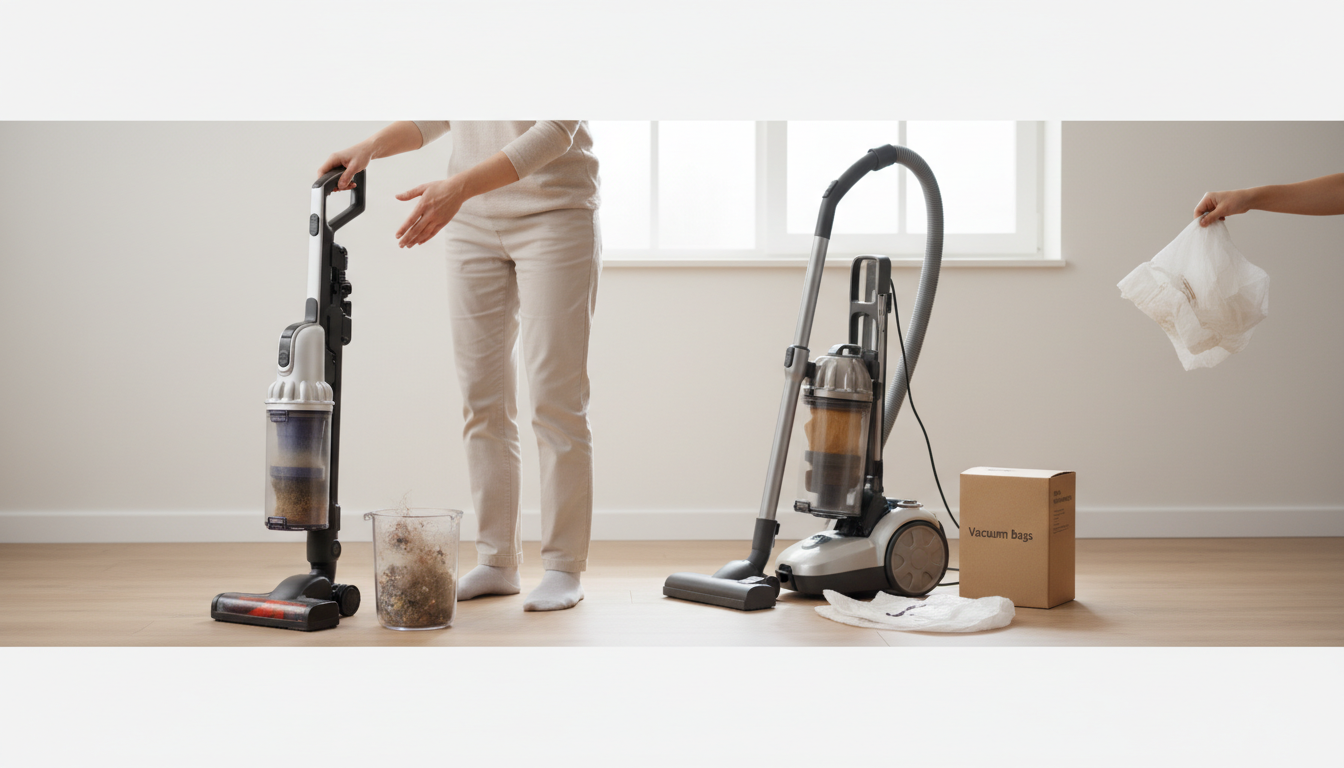
The decision between a bagged and a bagless vacuum cleaner often comes down to balancing convenience with specific household demands. A vacuum cleaner with no bags, commonly referred to as a bagless model, collects dirt and debris in a removable, often transparent, dustbin or canister instead of disposable bags. This design eliminates the need for ongoing bag purchases, offering a clear cost saving over time and the immediate satisfaction of seeing what you've collected.
The primary appeal of bagless vacuums lies in their perceived convenience and lower running costs. However, this convenience comes with its own set of considerations. This article aims to guide you through the practical trade-offs and long-term implications of choosing a bagless vacuum. We will explore how these models fit with different home environments, maintenance routines, and allergy concerns, empowering you to determine if a 'no bags' model truly aligns with your specific needs and lifestyle.
Bagless vs. Bagged: Unpacking the Core Differences
Choosing between a bagless and bagged vacuum cleaner involves weighing distinct operational characteristics against your personal priorities for maintenance, cleanliness, and cost. Understanding these fundamental differences can help clarify which system best suits your household.
-
Initial vs. Ongoing Costs
- Bagless: Typically, bagless vacuums may have a higher upfront purchase price. However, they eliminate the recurring expense of buying disposable bags. The ongoing cost shifts to filter maintenance, which might involve washing reusable filters or purchasing replacements periodically.
- Bagged: Bagged models can sometimes have a lower initial purchase price. The primary ongoing cost comes from consistently buying proprietary replacement bags, which can accumulate over the vacuum's lifespan. Filter replacement costs may also apply, though sometimes less frequently if the bag itself provides substantial filtration.
-
Convenience of Emptying
- Bagless: Emptying a bagless vacuum involves detaching a dust bin and tipping its contents into a trash receptacle. This process is immediate and doesn't require finding a new bag. However, it can release a cloud of fine dust and debris into the air, especially if not done carefully.
- Bagged: With a bagged vacuum, a full bag is sealed and removed, then replaced with a new one. This method generally results in minimal direct contact with dust and less airborne particulate release during disposal.
-
Dust Exposure & Allergens
- Bagless: The act of emptying a bagless dust bin can expose users to accumulated dust, pet dander, and allergens. For individuals with allergies or asthma, this direct exposure can be a significant drawback.
- Bagged: Bagged vacuums are often preferred by allergy sufferers because the collected debris remains sealed within the disposable bag until it's discarded. This minimizes the release of dust and allergens back into the environment during the emptying process.
-
Filtration Effectiveness
- Bagless: These models rely heavily on a system of filters, often multi-stage, to capture fine particles and prevent them from recirculating into the air. Many bagless vacuums incorporate HEPA filters, which are designed to trap very small particles. The effectiveness hinges on regular filter cleaning and timely replacement.
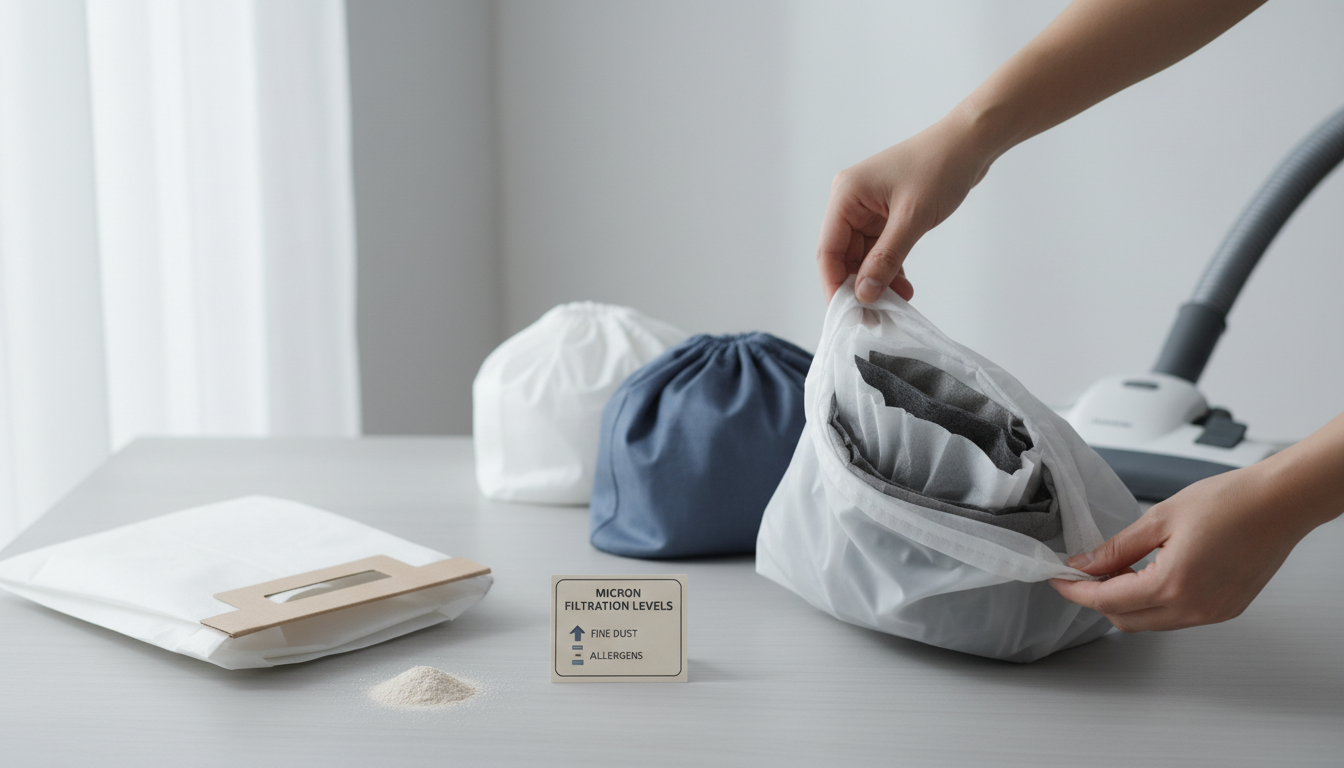
- Bagged: The vacuum bag itself acts as a primary filtration barrier, trapping most debris. Many bags are constructed with multiple layers and high-efficiency materials, contributing significantly to overall air purification. Additional filters, including HEPA, can further enhance air quality.
-
Maintenance Requirements
- Bagless: Regular maintenance for bagless vacuums includes frequently emptying the dust bin and consistently cleaning or washing filters to prevent clogging and maintain suction. Some filters are washable, while others require replacement.
- Bagged: The main maintenance task for bagged vacuums is replacing the full bag. Depending on the model, internal filters may also need occasional cleaning or replacement, but often less frequently than in bagless designs.
-
Suction Consistency
- Bagless: As the dust bin fills and filters accumulate debris, airflow can become restricted, potentially leading to a noticeable decrease in suction power. Consistent filter cleaning is essential to mitigate this effect.
- Bagged: Bagged vacuums generally maintain more consistent suction until the bag is nearly full, as the bag material is designed to allow airflow while trapping particles. However, a completely full bag will eventually impede performance.
Is a Bagless Vacuum Cleaner Right for Your Home and Lifestyle?
Deciding whether a bagless vacuum cleaner suits your household involves weighing its practicalities against your personal preferences and needs. This choice often comes down to a series of trade-offs related to maintenance, air quality, and convenience. Consider the following factors to determine if a "no bags" model aligns with your specific situation.
- Household Environment and Debris Levels: If your home has pets, high foot traffic, or accumulates significant dust, a bagless vacuum's transparent dustbin offers immediate visual feedback on how much debris has been collected. This can be satisfying, but it also means the bin might fill quickly, requiring more frequent emptying. Evaluate if you are comfortable with regularly handling a potentially full, dusty container.
- Allergy and Asthma Concerns: A critical consideration for allergy sufferers is the potential for dust exposure during the emptying process. While bagless vacuums eliminate the need for disposable bags, emptying the dustbin can release fine particles and allergens back into the air. If you or family members have severe allergies or asthma, this exposure might be a significant drawback, potentially requiring outdoor emptying or protective measures. Bagged systems generally offer a more sealed disposal experience for allergens.
- Maintenance Willingness: Bagless vacuums reduce ongoing costs by eliminating bag purchases, but they demand more hands-on maintenance. This includes regularly emptying the dustbin, which can be a messy task, and frequently cleaning or washing the filters. Neglecting filter maintenance can lead to reduced suction power and diminished air quality. Assess your readiness to perform these routine cleaning tasks, or if you prefer the simpler, contained disposal of a sealed vacuum bag.
- Environmental Impact: For those prioritizing sustainability, a key advantage of bagless models is the reduction of waste. By foregoing disposable bags, you contribute less to landfills and avoid the continuous consumption of replacement items. This aspect aligns well with an environmentally conscious lifestyle.
Beyond the Bag: Understanding the Trade-offs of Bagless Vacuums
While bagless vacuum cleaners offer the perceived convenience of not needing replacement bags, they introduce a distinct set of maintenance requirements and potential frustrations. Understanding these trade-offs before purchasing is crucial for ensuring the vacuum aligns with your expectations and lifestyle.
One significant consideration is the reality of messy emptying. When you detach the dustbin to dispose of collected debris, there's a high likelihood of encountering a dust cloud. Fine particles can recirculate into the air during this process, which can be particularly problematic for allergy sufferers or those sensitive to airborne irritants. This negates some of the cleanliness benefits if not handled carefully, ideally outdoors or over a trash can with a lid.
Maintaining consistent performance in a bagless vacuum heavily relies on diligent filter maintenance. Unlike bagged models where the bag itself often acts as a primary filter, bagless units depend on washable or replaceable filters to capture fine dust and allergens. These filters require frequent cleaning—often washing and thorough drying—and eventual replacement to function effectively. This represents a recurring time commitment and a potential hidden cost, even if the initial purchase saves on bags.
Neglecting filter care directly impacts the vacuum's potential for reduced suction. As filters become clogged with dust and debris, airflow is restricted, leading to a noticeable decline in cleaning power. What might seem like a vacuum losing its "oomph" is often a simple indicator that its filters are overdue for cleaning or replacement. Regular, timely maintenance is essential to sustain optimal suction.
The overall durability and longevity of a bagless vacuum can also be tied to its maintenance. Consistent cleaning of filters and dustbins helps prevent strain on the motor and other internal components. While initial cost savings from not buying bags are appealing, a poorly maintained bagless unit may experience a shorter lifespan, potentially leading to earlier replacement costs.
Finally, bagless vacuums can face particular challenges with fine dust. Materials like plaster dust, talcum powder, or even very fine pet dander can rapidly clog the intricate filters of bagless systems. This necessitates even more frequent cleaning cycles to prevent immediate suction loss and maintain filtration efficiency, adding to the regular maintenance burden.
Making Your Choice: A Checklist for Bagless Vacuum Shoppers
When considering a bagless vacuum, evaluating specific features against your household's demands and personal preferences can refine your decision. This checklist provides actionable criteria to help you assess models and ensure they align with your cleaning routine, allergy concerns, and maintenance expectations.
- Dustbin Capacity & Design: Assess the volume of the dustbin and its emptying mechanism. A larger capacity means fewer interruptions during cleaning, which is convenient for larger homes or pet owners. Crucially, look for designs that offer a hygienic, one-touch or hands-free emptying process to minimize exposure to dust and allergens when disposing of collected debris.
- Filtration System: For allergy sufferers or those sensitive to airborne particles, the filtration system is paramount. Prioritize models featuring multi-stage filtration, ideally including a true HEPA filter. This type of filter is designed to capture a high percentage of microscopic particles, preventing them from recirculating into your home's air.
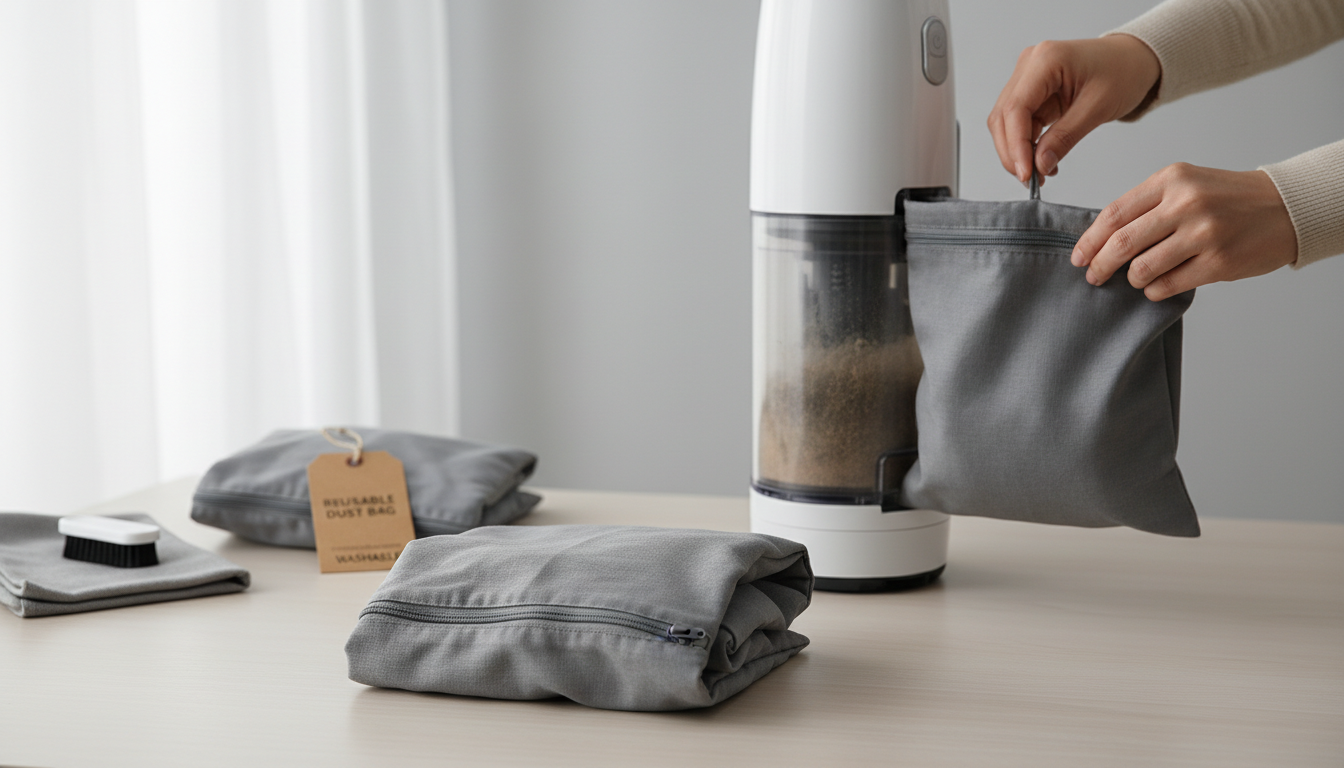
- Filter Type: Understand whether the filters are washable or require replacement. Washable filters can offer long-term cost savings and reduce waste, aligning with budget-conscious and environmentally aware buyers. However, they require regular cleaning and drying time. Replaceable filters, while incurring ongoing costs, offer convenience and consistent performance, provided they are changed as recommended.
- Suction Power & Adjustability: Different surfaces and debris types require varying levels of suction. Look for models that offer robust suction power and, ideally, adjustable settings. This versatility allows you to optimize cleaning for everything from delicate rugs to deep-pile carpets and hard floors, effectively tackling pet hair or fine dust.
- Included Attachments: The utility of a bagless vacuum extends beyond floor cleaning. A comprehensive set of attachments, such as crevice tools, upholstery brushes, or pet hair tools, enhances versatility. Consider what specific cleaning tasks you perform regularly and ensure the vacuum comes equipped to handle them efficiently.
- Brand Reputation & Reviews: While avoiding specific product recommendations, researching a brand's general reputation for reliability and customer satisfaction can provide insight. User reviews often highlight common issues, durability, and the practicalities of daily use and maintenance, helping you anticipate potential long-term experiences.
Common Questions About Vacuums Without Bags
Understanding the nuances of bagless vacuum cleaners can help clarify whether they fit your household's demands. Here are answers to frequently asked questions about these models.
-
Are bagless vacuums truly more hygienic? Bagless vacuums contain dirt in a clear dustbin, but the emptying process can expose users to dust clouds. Fine particles may recirculate into the air when the bin is emptied, which can be a concern for allergy sufferers. Bagged vacuums, by contrast, tend to contain allergens more effectively within a sealed bag that is disposed of.
-
Do bagless vacuums lose suction over time? Yes, bagless vacuums can experience a reduction in suction power if their filters become clogged. Fine dust and debris can accumulate on filters, impeding airflow. Regular filter cleaning and timely replacement are essential to maintain the vacuum's intended cleaning performance and prevent suction loss.
-
How often should I clean the filters in a bagless vacuum? The frequency of filter cleaning depends on usage, the type of debris collected, and the manufacturer's recommendations. Generally, filters should be cleaned regularly, often after every few uses or when a noticeable decrease in suction occurs. Many bagless models feature washable filters, which can reduce long-term replacement costs.
-
Are bagless vacuums better for pet hair? Bagless vacuums offer the advantage of a visible dustbin, allowing pet owners to see how much hair has been collected and when it's time to empty. This can be convenient for households with pets that shed frequently, as there are no bags to purchase or run out of. However, fine pet dander can still contribute to filter clogging, requiring consistent filter maintenance.
-
Can bagless vacuums handle fine dust effectively? Bagless vacuums can pick up fine dust, but this type of debris tends to clog filters more rapidly than larger particles. When filters become saturated with fine dust, it can lead to reduced suction and potentially allow some dust to be released back into the air if the filtration system is not robust or well-maintained. Regular cleaning or replacement of filters is critical for effective fine dust capture.
The Final Verdict: Is 'No Bags' Your Best Bet?
Deciding between a bagless and a bagged vacuum cleaner ultimately hinges on your personal priorities and household specifics. There isn't a universally "best" option; instead, the ideal choice aligns with your lifestyle, maintenance tolerance, and health considerations.
For many, the appeal of a bagless vacuum cleaner lies in its straightforward convenience and long-term cost savings. These models eliminate the need for ongoing bag purchases, which can accumulate over time, and offer the immediate satisfaction of seeing the collected debris. This can be particularly appealing for budget-conscious buyers or those who prefer not to manage a supply of replacement bags.
However, the "no bags" approach comes with distinct trade-offs. The primary concern often centers around dust exposure during the emptying process, which can be a significant drawback for allergy sufferers or individuals sensitive to airborne particulates. Maintaining consistent performance also requires diligent filter care, including regular cleaning and eventual replacement, to prevent a decline in suction power. This ongoing filter maintenance is a critical factor to weigh against the perceived convenience.
To make a confident decision, consider:
- Your household's dust and allergen load: If allergies are a concern, the contained disposal of a bagged system might offer a cleaner experience.
- Willingness for maintenance: Are you prepared to regularly empty a dustbin and clean filters, or do you prefer the simpler, albeit recurring, task of bag replacement?
- Budget over time: While bagless saves on bags, factor in potential filter replacement costs and the messier emptying process.
Ultimately, the most suitable vacuum cleaner for you is one that fits seamlessly into your cleaning routine and addresses your specific needs without introducing new frustrations. Use the insights on convenience, cost, and maintenance to weigh these factors against your own home environment and preferences.
More in Vacuum Cleaner Bags
View All