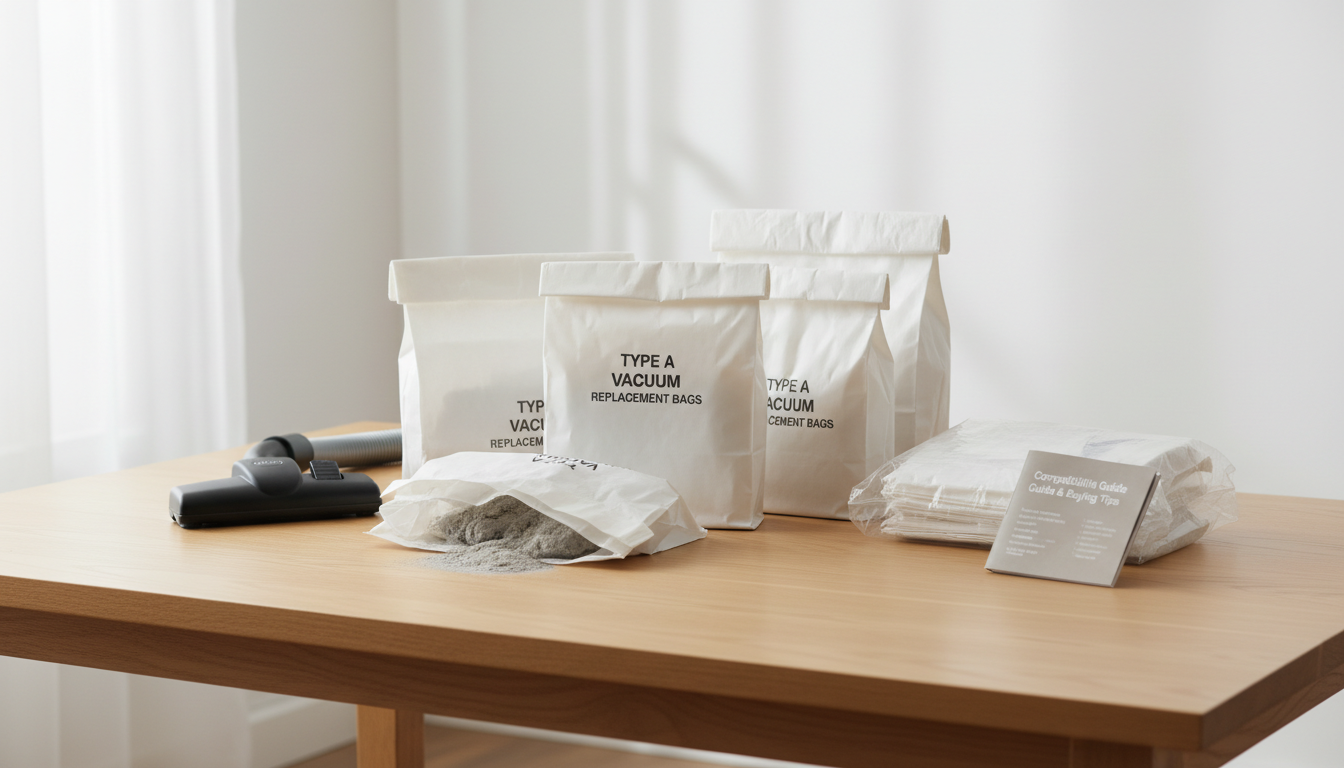
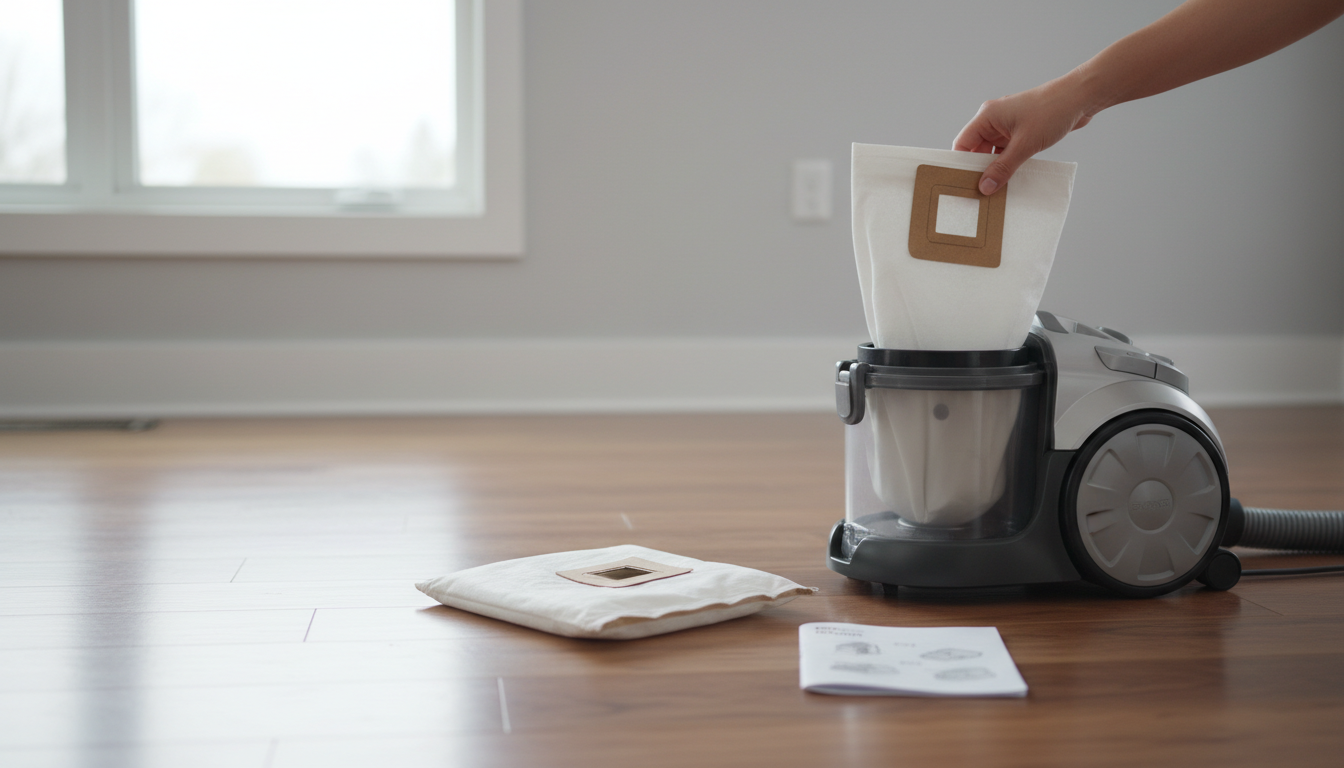
The Ultimate Guide to Kenmore Vacuum Cleaner Bags: Types, Features, and Where to Buy
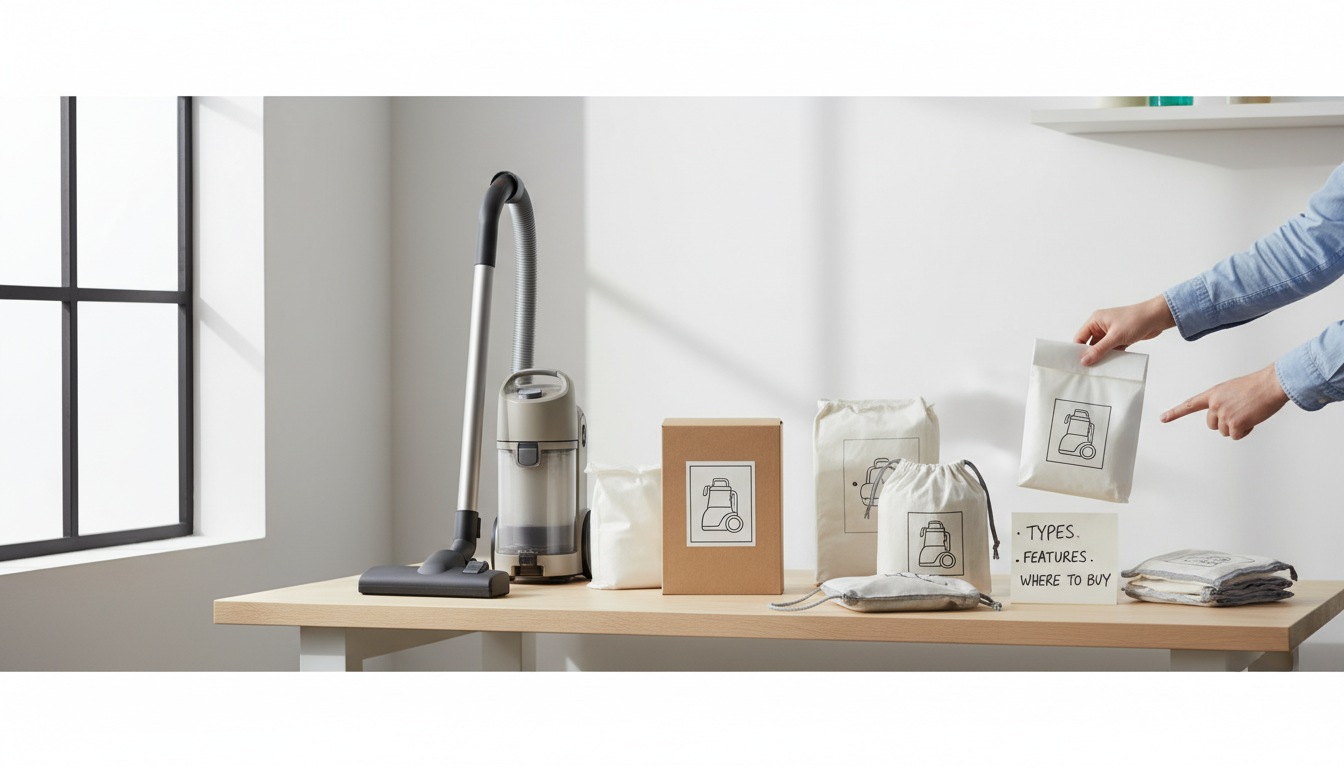
Unlock Peak Performance: The Essential Guide to Kenmore Vacuum Cleaner Bags
For Kenmore vacuum owners, selecting the correct replacement bag is more than a routine task; it's fundamental to maintaining your vacuum's efficiency, ensuring superior indoor air quality, and extending the appliance's lifespan. An unsuitable or inferior bag can compromise suction power, allow dust and allergens to recirculate into your home, and potentially lead to internal vacuum contamination. Many users report challenges with bags tearing or failing to seal adequately, which can result in escaped debris and necessitate frequent cleaning of the vacuum's internal components.
This guide aims to demystify the process of choosing the right vacuum cleaner bags for your Kenmore model. We will delve into critical factors such as ensuring precise compatibility, understanding various filtration capabilities, and recognizing common issues that can hinder performance. By providing clear, evidence-oriented insights, we empower you to confidently select high-performing replacement bags that uphold your Kenmore vacuum's optimal function and contribute to a cleaner, healthier living space.
Decoding Kenmore Vacuum Bag Compatibility: Finding Your Perfect Match
Selecting the correct replacement bag is critical for maintaining your Kenmore vacuum's performance, filtration, and longevity. Kenmore vacuums are designed to work with specific bag types, and using an incompatible or low-quality alternative can lead to diminished cleaning power and potential damage. Understanding how to identify your vacuum's requirements is the first step toward a reliable replacement.
Kenmore vacuums often use specific bag designations to indicate compatibility. Common examples include:
- Type C/Q: Frequently used in Kenmore canister vacuums. The "C" often refers to older models, while "Q" is a more universal designation for many modern canister units.
- 5055, 50557, 50558: These numerical designations typically refer to specific Kenmore canister bag series, often interchangeable with Type C/Q.
- Type U/O: Generally associated with Kenmore upright vacuum cleaners.
To determine the exact bag type your Kenmore vacuum requires, consult your owner's manual. If the manual is unavailable, locate the model number directly on your vacuum cleaner. This number is usually found on a sticker or plate on the back, bottom, or side of the unit. Once you have the model number, you can cross-reference it with bag packaging or manufacturer compatibility charts.
When considering replacement bags, you'll encounter both Original Equipment Manufacturer (OEM) options and generic or aftermarket alternatives. OEM bags are produced by the original manufacturer, designed to precise specifications for fit and filtration. Generic bags are made by third-party companies, often at a lower cost. While some aftermarket bags offer comparable performance, their quality can vary significantly.
The risks associated with using incompatible or low-quality replacement bags are substantial and can impact both your vacuum's function and indoor air quality:
- Poor Fit: An improperly sized bag may not seal correctly within the vacuum compartment, allowing dust and debris to bypass the bag and enter the motor or escape into the air.
- Tearing or Bursting: Flimsy materials or weak seams, often found in lower-quality generic bags, can lead to bags tearing or bursting, especially when partially full. This can release collected dirt and allergens back into your home and create a significant mess inside the vacuum.
- Reduced Suction and Performance: If a bag obstructs airflow due to incorrect design or poor material, it can strain the vacuum's motor and reduce suction power, making cleaning less effective.
- Dust and Allergen Escape: Bags that do not filter effectively or that leak can allow fine dust, pet dander, and allergens to recirculate into your living space, undermining the vacuum's purpose, especially for allergy sufferers.
- Damage to Internal Components: Dust escaping from a poorly sealed or torn bag can accumulate in the motor and other internal parts, potentially leading to clogs, overheating, and premature vacuum failure.
More Than Just a Container: Kenmore Bag Filtration and Your Air Quality
Kenmore vacuum cleaner bags serve a critical function beyond simply holding debris; they are an integral component of your vacuum's filtration system, directly influencing the air quality in your home. Understanding how these bags contribute to overall air purification is key to maintaining an effective cleaning routine, especially for households with allergy sufferers or pets.
The effectiveness of a Kenmore vacuum bag largely depends on its design and material. While basic paper bags offer fundamental dust collection, many modern Kenmore bags, particularly those labeled as HEPA-rated, incorporate advanced filtration capabilities.
-
HEPA Filtration Explained: HEPA (High-Efficiency Particulate Air) is a standard, not a brand, indicating a filter's ability to trap 99.97% of airborne particles 0.3 microns in diameter. This includes common allergens like pollen, pet dander, dust mite debris, and mold spores. For Kenmore vacuum bags, achieving HEPA standards means the bag material itself is dense enough to capture these microscopic particles, preventing them from recirculating into your living space. This is a significant benefit for individuals sensitive to indoor allergens, as it helps reduce triggers and improve overall air quality.
-
Multi-Layered Bag Construction: Kenmore bags often feature multi-layered construction, utilizing materials like synthetic fibers or specialized paper. Synthetic bags generally offer superior filtration and durability compared to single-layer paper bags. Their denser weave and multiple plies are more effective at trapping fine dust and preventing tearing, a common issue reported with less robust bags that can lead to dust escaping into the vacuum's motor compartment and back into the air. This enhanced construction directly impacts filtration efficiency, ensuring that collected particles remain contained.
-
Part of a Complete Filtration System: Kenmore bags are not standalone air purifiers; they work in conjunction with other filters within the vacuum cleaner. Your Kenmore vacuum likely includes a pre-motor filter (protecting the motor from larger debris) and a post-motor filter (often an exhaust filter) that captures any remaining fine particles before air is expelled. The bag acts as the primary filtration stage, capturing the bulk of dust and allergens. When a high-quality, well-sealed bag is used, the burden on the pre-motor and post-motor filters is reduced, extending their lifespan and maintaining the vacuum's overall filtration efficacy. This synergy ensures that the air exiting your Kenmore vacuum is cleaner than the air it takes in.
Ultimately, superior bag filtration prevents fine dust and allergens from re-entering the air, which is crucial for a healthier indoor environment. However, this performance relies on proper fit and bag integrity. A bag that doesn't seal correctly or tears easily, as some users have experienced with generic or poorly manufactured options, can compromise the entire filtration system, allowing captured particles to bypass the bag and escape. When selecting Kenmore vacuum cleaner bags, prioritizing those with robust, multi-layered construction and a secure fit is essential for maximizing both cleaning performance and air quality.
Common Kenmore Vacuum Bag Problems and How to Avoid Them
Even with the correct bag type, Kenmore vacuum owners sometimes encounter frustrating issues that compromise performance and cleanliness. Understanding these common pitfalls and their causes can help you maintain optimal vacuum function and air quality.
-
Bag Ruptures and "Exploding" Bags: A frequently reported issue involves Kenmore vacuum bags tearing or even "exploding" within the compartment, often before they appear full. This can lead to a significant mess inside the vacuum and require extensive cleanup.
- Causes: This often results from using generic bags made with thinner, less durable materials that cannot withstand the suction force or the weight of collected debris. An improper fit can also place undue stress on the bag's seams or material, leading to ruptures.
- Avoidance: Prioritize high-quality, multi-layer synthetic bags designed for your specific Kenmore model. These materials offer superior tear resistance. Ensure the bag is correctly seated and sealed, as a poor fit can exacerbate stress on the bag. Replace bags before they are completely packed, especially when vacuuming dense debris like pet hair or construction dust.
-
Dust Leaks and Reduced Suction Power: If you notice dust escaping from the vacuum's compartment or a significant drop in suction, the bag might be the culprit. This directly impacts indoor air quality and cleaning effectiveness.
- Causes: Leaks can occur if the bag tears, but also if the bag's collar does not form a complete, airtight seal with the vacuum's intake port. Some Kenmore designs, particularly older models, have been noted for potential sealing challenges due to the absence of a robust gasket around the bag's connection point. Overfilling a bag also restricts airflow, causing a noticeable reduction in suction even if the bag isn't leaking.
- Avoidance: Always verify that the bag's collar is securely and snugly fitted over the vacuum's intake. Feel around the connection point after installation to ensure there are no gaps. If your model is prone to sealing issues, consider bags specifically engineered to compensate for this design, often featuring a more robust collar or self-sealing mechanism. Replace bags when they are about two-thirds to three-quarters full to maintain optimal airflow and prevent strain on the bag material.
-
Unpleasant Odors: A persistent, stale, or musty smell during vacuuming often originates from the vacuum bag.
- Causes: Odors develop from the decomposition of organic matter collected in the bag, such as pet dander, food particles, dust mites, and mold spores. Infrequent bag changes allow these odors to intensify and recirculate into your home.
- Avoidance: Replace your vacuum bag regularly, even if it's not completely full, especially if you have pets or frequently vacuum up organic debris. Some premium bags are designed with activated carbon layers to help neutralize odors. Additionally, periodically clean the vacuum's internal components, such as the hose and brush roll, to remove trapped debris that can contribute to smells.
-
Installation and Maintenance Tips for Prevention:
- Verify Compatibility: Always double-check that the bag type matches your Kenmore vacuum model number precisely.
- Inspect Before Installation: Briefly examine each new bag for any manufacturing defects, small tears, or compromised seams before inserting it.
- Gentle Handling: Avoid forcing the bag into the compartment. It should fit without excessive struggle.
- Secure Seating: Ensure the bag collar is fully engaged and sealed around the intake port. A quick tug can confirm it's seated correctly.
- Timely Replacement: Do not wait until the bag is bursting at the seams. Regular replacement prevents overfilling, maintains suction, and reduces the risk of ruptures and odors.
Your Smart Buying Checklist for Kenmore Vacuum Bags
Navigating the options for Kenmore vacuum bags can seem complex, but a structured approach ensures you choose replacements that maintain your vacuum's performance and uphold your home's air quality. This checklist provides actionable steps to confidently select the right bags, avoiding common pitfalls.
-
Step 1: Confirm Your Kenmore Vacuum Model and Required Bag Type. Accuracy here is paramount. Locate your vacuum's model number, typically found on a sticker on the unit itself or within your owner's manual. Cross-reference this with the bag type specified (e.g., Type C/Q, 5055, Type U/O). Using an incorrect bag type can lead to poor fit, reduced suction, or even damage to your vacuum.
-
Step 2: Prioritize Filtration Performance. For superior indoor air quality, especially if you have allergies or pets, seek out HEPA-rated bags. These are designed to capture a high percentage of microscopic particles, including dust mites, pollen, and pet dander, preventing them from recirculating into your home's air. Bags with multi-layer construction also generally offer better filtration than single-layer options.
-
Step 3: Evaluate Material Durability and Seal Design. A durable bag prevents tearing and dust escape, issues commonly reported with lower-quality replacements. Look for bags constructed from multi-layer synthetic materials, which tend to be more tear-resistant than traditional paper. Crucially, assess the bag's collar and seal design; a secure, snug fit around the vacuum's intake port is essential to prevent dust from bypassing the bag and entering the motor compartment or escaping into your environment.
-
Step 4: Consider Bag Capacity and Pack Size. Balance the bag's capacity with your typical usage and storage space. Larger capacity bags mean less frequent changes, which can be convenient but might slightly reduce suction as they fill. Consider multi-pack options for cost-effectiveness, ensuring you have replacements on hand without over-stocking if storage is limited.
-
Step 5: Check User Reviews for Real-World Fit and Performance Feedback. Before purchasing, consult user reviews, specifically looking for comments related to Kenmore models. Pay attention to feedback on bag fit, ease of installation, durability (e.g., reports of tearing or premature bursting), and effectiveness in containing dust. Real-world experiences can highlight potential compatibility issues or quality concerns not evident from product descriptions alone.
Frequently Asked Questions About Kenmore Vacuum Bags
Navigating the nuances of Kenmore vacuum bags can raise several questions, particularly regarding maintenance, compatibility, and performance. Addressing these common concerns can help ensure your vacuum operates efficiently and maintains optimal indoor air quality.
-
How often should I change my Kenmore vacuum bag? The frequency of bag changes depends on several factors, including how often you vacuum, the size of the area cleaned, the amount of dirt and debris collected (e.g., pet hair, fine dust), and the specific vacuum model. There isn't a universal schedule, but a good rule of thumb is to check the bag regularly and replace it when it's about two-thirds to three-quarters full. Waiting until the bag is completely packed can significantly reduce suction power and strain the vacuum motor.
-
Can I use generic bags in my Kenmore vacuum, and what are the risks? While generic or aftermarket bags are available, their use carries potential risks. Research indicates that some generic bags may not create a complete seal within the vacuum, leading to dust and allergens escaping into the air and the vacuum's internal components. Users have reported issues such as bags tearing or "exploding" when only partially full, necessitating extensive cleaning of the vacuum's compartment and filters. Incompatible or poorly constructed bags can compromise filtration, reduce suction efficiency, and potentially shorten the lifespan of your Kenmore vacuum.
-
What's the main difference between common Kenmore bag types (e.g., Type C and Type Q)? The primary difference between Kenmore bag types like Type C, Type Q, or numerical designations such as 5055, 50557, and 50558 lies in their specific design and dimensions to fit particular Kenmore vacuum cleaner models. Type C and Type Q are frequently associated with Kenmore canister vacuums, with Type Q often being a more universal designation for many modern canister units. Other types, like Type U/O, are typically designed for Kenmore upright models. These designations ensure a precise fit, which is crucial for maintaining proper airflow, filtration, and preventing dust leakage.
-
Do Kenmore vacuum bags expire or lose effectiveness over time? Unused Kenmore vacuum bags generally do not "expire" in the traditional sense. The filtration material's effectiveness is not typically diminished by shelf life if stored in a dry, cool environment away from direct sunlight. However, bags made from paper materials might become brittle or degrade over many years if exposed to moisture or extreme temperature fluctuations. Synthetic bags are generally more durable in storage. The effectiveness of a vacuum bag primarily decreases as it fills with debris, not due to its age before use.
-
How do I know if my Kenmore vacuum bag is full or needs changing? Several indicators suggest your Kenmore vacuum bag needs changing. The most common sign is a noticeable decrease in suction power, as a full bag restricts airflow. Many Kenmore models also feature a "bag full" or "check bag" indicator light, which illuminates when the bag is nearing capacity. Other signs include a stale or musty odor emanating from the vacuum during operation, or if you can visibly see the bag bulging or feeling firm to the touch when inspecting the bag compartment. Ignoring these signs can lead to reduced cleaning performance and potential damage to the vacuum.
Ensuring Longevity and Cleanliness with the Right Kenmore Vacuum Bags
The longevity of your Kenmore vacuum and the cleanliness of your home environment hinge significantly on the bags you choose. As explored, making an informed decision involves understanding the critical interplay of compatibility, filtration, and avoiding common pitfalls. Opting for bags that precisely match your Kenmore model's specifications is non-negotiable for maintaining optimal suction and preventing internal contamination.
Prioritizing bags with effective filtration, such as multi-layer or HEPA-rated options, is crucial for trapping fine particles and allergens, contributing to noticeably improved indoor air quality. This investment protects not only your vacuum's motor from debris but also your household from recirculated dust. By being mindful of potential issues like poor bag seals or premature tearing, you can mitigate risks that compromise performance and lead to frustrating clean-up.
Ultimately, selecting high-quality, compatible Kenmore vacuum bags is more than a simple replacement; it is an essential maintenance step that directly impacts your vacuum's efficiency and your home's air quality. Choosing wisely empowers your Kenmore vacuum to perform at its best, ensuring a healthier and cleaner living space for years to come.
More in Vacuum Cleaner Bags
View All