Bissell Zing Vacuum Cleaner Bags: Ensuring a Perfect Fit for Your Canister Model
Finding the Right Bags for Your Bissell Zing Canister Vacuum
The Bissell Zing is a popular choice for many households, recognized for its lightweight design and convenient canister form factor. This compact vacuum delivers practical cleaning for everyday tasks, making it a staple for quick clean-ups. However, to ensure your Bissell Zing continues to operate at its best, the selection of replacement vacuum bags is a critical, yet often overlooked, detail.
Choosing the correct bags is paramount for several reasons:
- Sustained Performance: An ill-fitting or incorrect bag can restrict airflow, leading to a noticeable drop in suction power and overall cleaning efficiency. This directly impacts the vacuum's ability to pick up dirt and debris effectively.
- Optimized Filtration: The bag acts as the primary filter for your vacuum. Using bags not designed for the Zing can compromise its filtration capabilities, potentially allowing dust and allergens to recirculate into your home's air. Some aftermarket options can even enhance filtration beyond standard bags.
- Vacuum Longevity: Proper bags prevent fine dust from reaching and potentially damaging the motor, extending the lifespan of your appliance. An incorrect fit can also cause stress on the bag compartment, leading to premature wear.
This guide will equip Bissell Zing owners with the knowledge to confidently navigate the various options, ensuring you select replacement bags that maintain your vacuum's peak performance, enhance air quality, and offer lasting value.
Identifying Your Bissell Zing Model for a Perfect Bag Fit
Selecting the correct replacement bags for your Bissell Zing canister vacuum begins with accurately identifying your specific model. The "Bissell Zing" is not a single, universal model, but rather a series that includes variations such as the 7100, 7100L, 42Q8 Opticlean, and 2154A. Each of these models may be designed to accommodate a distinct bag type, differing in dimensions, connection mechanism, or filtration capacity. Using the exact bag specified for your model is crucial for maintaining optimal performance and effective debris containment.
To pinpoint your vacuum's specific model number, inspect the unit itself. Manufacturers typically place a label or sticker on the underside, back, or side of the vacuum cleaner. This label often contains critical information, including the model number, serial number, and sometimes power specifications. If you no longer have access to the physical vacuum or the label is worn, consult your original owner's manual, which will clearly state the model number.
The consequences of installing an ill-fitting vacuum bag extend beyond mere inconvenience. An incorrect bag may not seal properly within the vacuum's compartment, leading to reduced suction power as air bypasses the bag. More critically, it can allow dust, allergens, and fine debris to escape back into your home's air, negating the purpose of using a bagged vacuum for filtration. In some cases, an improperly sized bag can also place undue strain on the vacuum's motor or tear prematurely, creating a mess and potentially damaging internal components.
Genuine Bissell vs. Aftermarket Bags: Understanding Your Options
When it comes to replacing bags for your Bissell Zing, you'll encounter two primary categories: genuine Bissell (often referred to as OEM, or Original Equipment Manufacturer) bags and aftermarket (or third-party compatible) bags. Each option presents a distinct set of considerations regarding cost, performance, and peace of mind. Your choice will depend on your priorities, whether that's guaranteed compatibility, budget, or enhanced filtration.
Genuine Bissell bags are manufactured by Bissell specifically for their Zing canister vacuum models. The primary benefit of these bags is the assurance of a perfect fit and material consistency. They are designed to integrate seamlessly with your vacuum's bag compartment, ensuring an optimal seal that prevents dust leakage and maintains maximum suction power. For owners who prioritize brand-backed quality and an exact match to their vacuum's original specifications, genuine bags offer a reliable, no-guesswork solution.
Aftermarket bags, produced by third-party manufacturers, offer an alternative that often comes with a lower price point. Beyond cost savings, some aftermarket options may provide enhanced features, such as multi-layer construction or HEPA-level filtration, potentially improving air quality beyond the standard bags. These "high-flow HEPA bags," as noted in some user experiences, can even contribute to better airflow and filtration. However, the market for aftermarket bags varies widely in quality. While many provide excellent performance, others might feature less robust materials, inconsistent sizing, or a less precise fit, which could impact sealing and overall vacuum efficiency.
The decision between genuine and aftermarket bags involves weighing these trade-offs. Genuine bags provide guaranteed compatibility and consistent quality, mitigating risks of fit issues or material failures. Aftermarket bags can offer significant cost savings and sometimes superior filtration, but they require careful selection to ensure quality control and a proper fit. While using compatible parts generally does not void a vacuum's warranty, it's worth noting that any damage directly attributable to a non-Bissell bag would typically not be covered. Consider your budget, your household's filtration needs, and your comfort level with exploring alternatives when making your selection.
Beyond Basic Filtration: Standard vs. HEPA Bags for Your Zing
The type of vacuum bag you choose for your Bissell Zing significantly impacts not only how much dust and debris is collected but also the quality of the air released back into your home. Understanding the differences between standard and HEPA-level filtration bags is key to optimizing your vacuum's performance and addressing specific household needs, especially since the Bissell Zing models typically do not feature a built-in HEPA filter.
Standard Filtration Bags
Standard vacuum bags are designed to capture visible dirt, dust, and larger particles. They are typically constructed from a single or double layer of paper or synthetic material with a pore size sufficient to contain most household debris.
- Primary Function: To collect and contain general household dirt, pet hair, and crumbs.
- Typical Use: Suitable for homes without significant allergy concerns or where basic cleaning is the priority.
- Air Quality Impact: While effective at containing visible particles, standard bags allow a percentage of microscopic allergens, dust mites, and pet dander to pass through the bag material and back into the air.
HEPA Filtration Bags
HEPA (High-Efficiency Particulate Air) filtration bags offer a superior level of air purification. True HEPA filters are rated to capture 99.97% of airborne particles 0.3 microns in size, which includes many common allergens. When integrated into a vacuum bag, this technology significantly enhances the air quality output.
- Mechanism: HEPA bags use multiple layers of dense, fine-fibered material to trap microscopic particles that standard bags cannot.
- Benefits for Zing Owners: Since the Bissell Zing itself often lacks a HEPA filter, using a HEPA-rated bag is the most effective way to improve the vacuum's overall air filtration. This is particularly beneficial for:
- Allergy Sufferers: Reduces exposure to pollen, pet dander, dust mites, and mold spores.
- Asthma Patients: Minimizes triggers by removing fine airborne particulates.
- Improved Indoor Air Quality: Contributes to a healthier living environment by capturing more irritants.
High-Flow HEPA Bags and Performance
Some manufacturers offer "high-flow HEPA bags" specifically designed to provide enhanced filtration without unduly restricting airflow. For the Bissell Zing, these bags can be particularly advantageous:
- Enhanced Airflow: By minimizing resistance, high-flow designs help maintain the vacuum's suction power, preventing the common issue of reduced performance associated with denser filtration.
- Optimized Air Quality: They combine the filtration benefits of HEPA with efficient operation, ensuring that cleaner air is exhausted while the vacuum continues to pick up debris effectively.
Filtration Trade-offs
Choosing between standard and HEPA bags involves considering a few trade-offs:
- Cost: HEPA-rated bags are generally more expensive per unit than standard bags due to their advanced material and construction.
- Performance vs. Filtration: While high-flow HEPA bags aim to mitigate this, any increase in filtration density can theoretically lead to a slight reduction in maximum airflow compared to the most basic bags, especially as the bag fills. However, for many users, the air quality benefits outweigh this potential marginal difference.
- Availability: Standard bags might be more widely available or come in larger multi-packs, while specific HEPA-rated options for the Zing might require more targeted searching.
When and How to Replace Your Bissell Zing Vacuum Bag
Maintaining your Bissell Zing canister vacuum's performance and indoor air quality hinges on timely and correct bag replacement. A full or improperly installed bag can diminish suction, reduce filtration effectiveness, and potentially strain the vacuum's motor. Understanding the indicators for replacement and following a simple procedure ensures your Zing continues to clean efficiently.
Recognizing When to Change Your Bag
Several cues signal that your Bissell Zing's vacuum bag needs attention:
- Reduced Suction Power: This is often the most noticeable sign. If your vacuum isn't picking up debris as effectively as usual, even after checking for clogs, a full bag is a likely culprit.
- Visible Fullness: While some Zing models may have a bag indicator, you can often visually inspect the bag compartment. If the bag appears distended or packed, it's time for a change.
- Unpleasant Odors: If you notice a stale, dusty, or musty smell emanating from the vacuum during operation, the bag is likely saturated with collected debris, pet dander, or other odor-causing particles.
- Dust or Debris Escaping: If fine dust seems to be leaking from the vacuum's exhaust or seams, the bag might be overfilled, compromised, or improperly seated, allowing particles to bypass the filtration system.
Replacement Frequency Guidelines
For optimal performance and hygiene, it's generally best practice to:
- Check Before Each Use: Briefly inspect the bag compartment or listen for changes in motor sound that might indicate a full bag.
- Replace When Half to Two-Thirds Full: Do not wait until the bag is completely packed. A bag that is too full restricts airflow, significantly reducing suction and placing undue stress on the motor. Replacing it earlier maintains consistent cleaning power.
- Consider Usage: If you frequently vacuum pet hair, fine dust, or use your Zing for heavy-duty cleaning, you will need to replace the bag more often than if you use it for light, occasional clean-ups. Allergy sufferers may also benefit from more frequent changes to maintain air quality.
Step-by-Step Bag Replacement
Replacing the bag in your Bissell Zing is a straightforward process:
- Unplug the Vacuum: Always disconnect the vacuum from the power outlet before performing any maintenance to prevent accidental activation.
- Open the Bag Compartment: Locate the latch or release mechanism on your Zing canister (typically on the front or top) and open the compartment cover.
- Carefully Remove the Old Bag: Grasp the cardboard collar or sealing flap of the used bag. Gently pull it away from the bag inlet, ensuring the opening is sealed (many bags have a self-sealing collar) to contain dust. Avoid shaking or squeezing the bag.
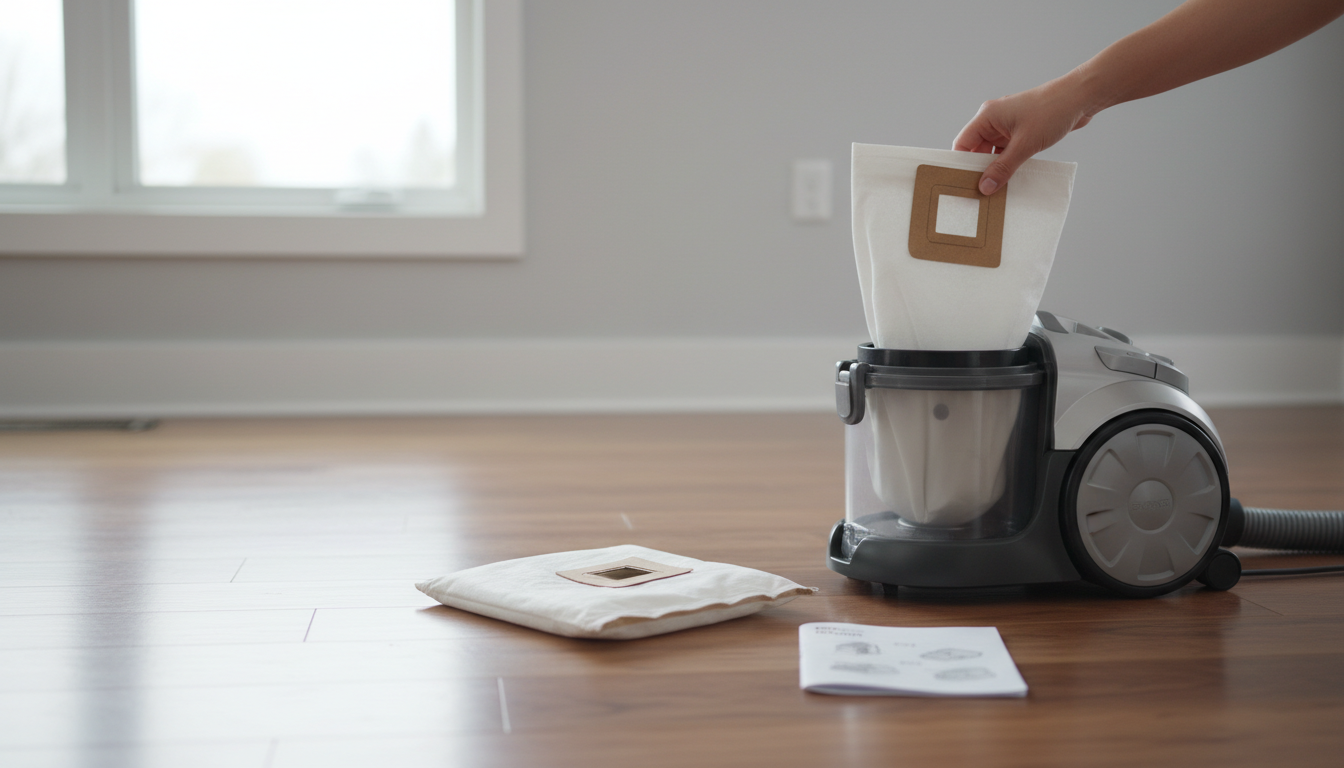
- Insert the New Bag: Take a new, compatible Bissell Zing bag. Align the cardboard collar or opening with the bag inlet inside the compartment. Push firmly until it is securely seated and forms a tight seal. Ensure the bag is unfolded and positioned correctly within the compartment, not obstructing any latches or closing mechanisms.
- Close the Compartment: Close the bag compartment cover firmly until it latches securely. Ensure there are no gaps that could allow dust to escape during operation.
- Dispose of the Old Bag: Immediately place the sealed, used vacuum bag into a trash receptacle to prevent dust and allergens from re-entering your home's air.
Key Considerations for Choosing the Best Bags for Your Zing
Selecting the appropriate replacement bags for your Bissell Zing canister vacuum involves more than just picking the first option you see. A thoughtful choice ensures your vacuum continues to perform efficiently, maintains indoor air quality, and avoids potential issues. When evaluating options, consider these essential criteria and their inherent trade-offs.
-
Exact Model Compatibility: The most critical factor is ensuring the bag is designed for your specific Bissell Zing model (e.g., 7100, 7100L, 42Q8 Opticlean, 2154A). Bags vary in size, inlet opening, and sealing mechanism. An incorrect fit can lead to:
- Reduced Suction: If the bag doesn't seal properly, air can bypass the bag, diminishing cleaning power.
- Dust Leakage: Improperly sealed bags allow dust and debris to escape back into your home's air and potentially into the vacuum's motor compartment.
- Motor Strain: Restricted airflow from an ill-fitting bag forces the motor to work harder, potentially shortening its lifespan.
- Physical Damage: Forcing an incompatible bag can damage the bag compartment or vacuum housing.
-
Filtration Performance: Bags are the primary filtration system for your Zing. Options typically fall into two categories:
- Standard Filtration: These bags capture typical household dust and debris. They are generally more affordable and suitable for general cleaning.
- Enhanced or HEPA-Style Filtration: Designed with multiple layers or specialized materials, these bags capture a higher percentage of fine particles, allergens, and pet dander. This can significantly improve indoor air quality, a key consideration for allergy sufferers. Some advanced bags are even noted to improve airflow while filtering more effectively. The trade-off is often a higher cost per bag.
-
Bag Material Quality: The material impacts both durability and filtration. Higher quality materials tend to be more tear-resistant, reducing the risk of a bag bursting inside your vacuum. They also often contribute to better filtration by trapping finer particles. Cheaper, single-layer paper bags may be more prone to tearing and offer less robust filtration.
-
Pack Size and Value: Bissell Zing bags are typically sold in multi-packs, ranging from 3 to 20 bags. Larger packs generally offer a lower cost per bag, providing better long-term value and reducing the frequency of reordering. However, they require a larger upfront investment. Consider your usage frequency to determine the most economical pack size for your needs.
When making your decision, weigh your personal priorities. If cost is the primary concern, standard filtration bags in larger packs might be suitable, provided they are model-compatible. If air quality and allergen reduction are paramount, investing in HEPA-style bags is a worthwhile trade-off. Convenience might lead you to larger pack sizes, while a focus on vacuum longevity emphasizes strict model compatibility and quality materials to protect the motor.
Frequently Asked Questions About Bissell Zing Vacuum Bags
Understanding the nuances of replacement bags for your Bissell Zing can clarify common concerns and aid in making informed choices. Here are answers to some frequently asked questions from Bissell Zing owners.
Can I wash and reuse Bissell Zing bags?
Bissell Zing vacuum bags are generally designed for single use. Attempting to wash and reuse them can compromise the bag's filtration capabilities, tear the material, and reduce the vacuum's suction power. The bag's fibers are engineered to trap fine dust and allergens effectively, and washing can degrade this structure, potentially allowing particles to escape back into the air or damage the vacuum's motor. For optimal performance and hygiene, it's recommended to replace bags once they are full.
How many bags typically come in a pack?
The number of bags included in a pack can vary depending on the specific Bissell Zing model and the manufacturer or retailer. It is common to find packs containing between 3 and 20 replacement bags. For instance, some specific Bissell Zing Opticlean bags are noted to come in packs of three. Always check the product description to confirm the quantity before purchasing.
Do all Bissell Zing models use the same bags?
No, not all Bissell Zing models use the exact same bags. While they share the "Zing" name, different series within the line, such as the 7100, 7100L, and 42Q8 Opticlean, may require distinct bag types. These differences can relate to bag dimensions, the design of the collar that seals the bag to the vacuum, and filtration levels. Always verify your specific Bissell Zing model number against the bag's compatibility information to ensure a correct and secure fit.
Does using non-Bissell bags void my vacuum's warranty?
Using non-Bissell (aftermarket) bags typically does not automatically void your vacuum's entire warranty. However, if a malfunction or damage to your Bissell Zing vacuum is directly attributable to the use of a non-Bissell bag—for example, if an ill-fitting bag caused dust to enter and damage the motor—the manufacturer may decline warranty coverage for that specific repair. Manufacturers generally recommend using their genuine replacement parts to ensure optimal performance and compatibility, and to avoid potential issues.
Making an Informed Choice for Your Bissell Zing
Ultimately, the sustained performance and effectiveness of your Bissell Zing canister vacuum largely depend on the careful selection of its replacement bags. This guide has highlighted that a perfect fit, determined by your specific Zing model number, is non-negotiable for preventing suction loss and containing debris effectively. Beyond basic compatibility, prioritizing your filtration needs—whether for standard dust collection or enhanced allergen capture—directly impacts the air quality in your home.
By taking a moment to confirm your vacuum's model and considering the filtration capabilities of available bags, you're making an investment in both your cleaning results and the longevity of your appliance. A correctly chosen bag ensures your Bissell Zing operates at its peak, providing consistent cleaning power and contributing to a healthier living environment, while also protecting the vacuum's motor from fine particulate matter.
More in Vacuum Cleaner Bags
View All