Kenmore Vacuum Cleaner Bags: Finding the Right Size and Filtration for Your Model
Finding the Perfect Fit: A Guide to Kenmore Vacuum Cleaner Bags
Selecting the correct replacement bags for a Kenmore vacuum cleaner can be a specific challenge for owners. With various Kenmore models produced over the years, each often requiring a distinct bag type, ensuring compatibility is crucial. An incorrect bag can lead to a range of issues, from diminished cleaning effectiveness to compromised indoor air quality.
Using the precise bag designed for your Kenmore model directly influences the vacuum's performance. A properly fitting bag maintains optimal airflow and suction, allowing the vacuum to collect debris efficiently. Conversely, a bag that doesn't fit securely can cause dust and allergens to bypass the filtration system, re-entering the air you breathe and potentially damaging the vacuum's internal components. Some Kenmore designs, particularly older models, have been noted to benefit significantly from bags that create a robust seal, preventing leakage and maximizing filtration.
This guide aims to clarify the process of identifying the right Kenmore vacuum cleaner bags. We will explore how to pinpoint your specific model's requirements, understand the different filtration technologies available, and navigate common considerations to ensure your vacuum operates as intended, contributing to a cleaner home environment.
Decoding Kenmore Bag Types and Model Compatibility
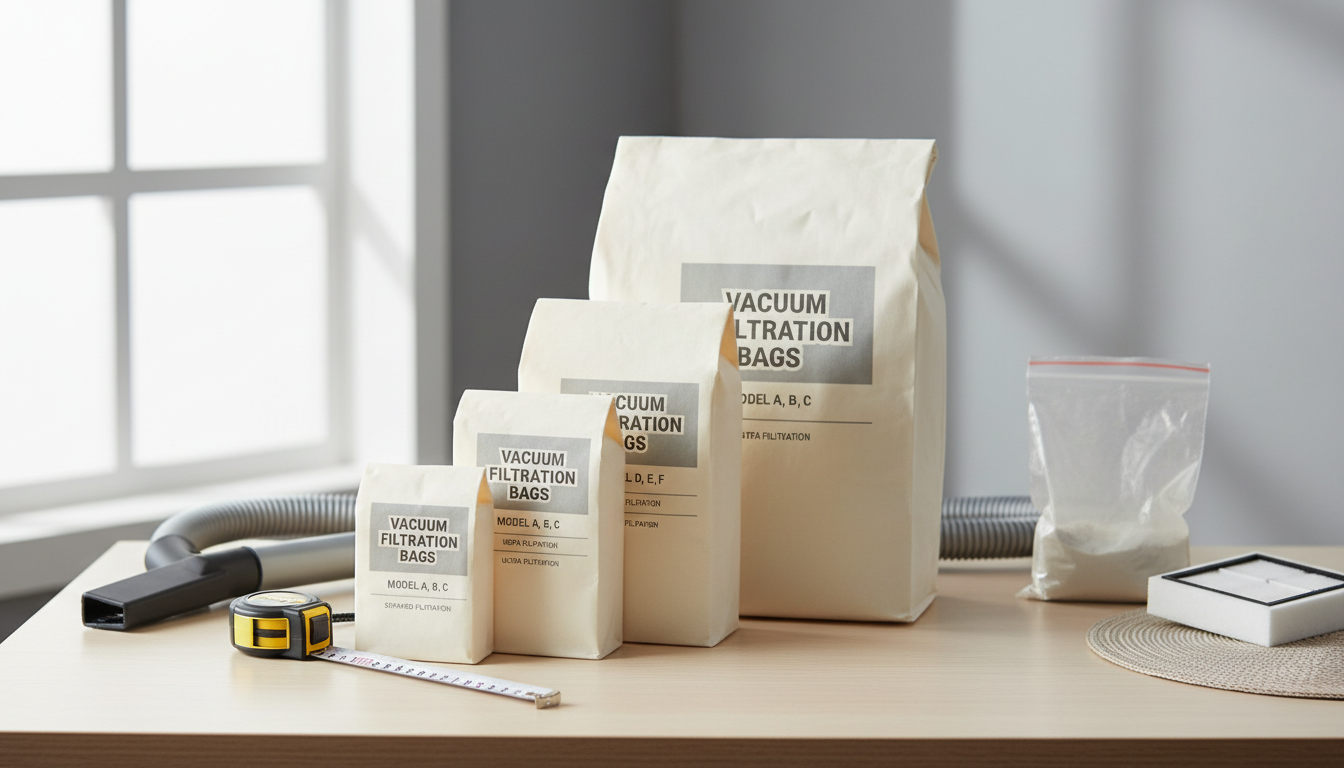
Selecting the correct replacement bag for a Kenmore vacuum cleaner is fundamental to its performance, filtration, and operational longevity. Unlike a universal fit, Kenmore vacuums often require specific bag types, each designated by a letter or number, to ensure proper sealing and airflow. Understanding these designations and locating your vacuum's model number are the first steps in preventing common issues.
Common Kenmore bag designations include:
- Type Q (or Type C/Q): Frequently associated with Kenmore canister vacuums, these bags are designed for models that typically have a larger capacity and specific inlet configurations.
- Type C (or Type C/Q): While often interchangeable with Type Q for some models, Type C can also refer to bags for certain upright Kenmore vacuums, requiring a different port design.
- Type O (or Type U/O): These designations often apply to specific upright models, including some in the Intuition or Clean Obsessed lines, featuring unique bag collars and filtration layers.
- Type 5055 (or 50557, 50558): This numerical designation points to bags compatible with a range of Kenmore canister vacuums, notably those that might also cross-reference with Panasonic C-5 bags.
To ensure correct compatibility, the most reliable method is to locate your Kenmore vacuum's model number. This number is typically found on a sticker or plate on the underside of the vacuum, on the back, or sometimes inside the bag compartment itself. It is crucial for cross-referencing with bag packaging or online product descriptions.
Using an incompatible bag can lead to several operational problems:
- Poor Fit and Sealing: An ill-fitting bag cannot form an airtight seal around the vacuum's intake port. This allows dust and debris to bypass the bag, accumulating in the motor compartment and exhaust filter, which diminishes filtration effectiveness and can lead to internal damage.
- Reduced Suction Power: If the bag doesn't align correctly or is the wrong size, it can obstruct airflow. This forces the motor to work harder, reducing suction at the nozzle and potentially shortening the motor's lifespan.
- Motor Strain and Overheating: Restricted airflow or dust ingress due to a poor seal can cause the vacuum's motor to overheat, leading to premature wear or failure.
- Compromised Filtration: The integrity of the vacuum's sealed system, which is vital for trapping allergens and fine particles, is entirely dependent on the bag's proper fit and filtration capabilities. An incorrect bag type or material may not offer the intended level of filtration, impacting air quality.
It is also important to distinguish between bags designed for Kenmore canister models and those for upright models. Canister vacuums often utilize bags with larger capacities and different intake port shapes compared to upright models, which may have a more vertical bag orientation and a distinct connection mechanism. Always confirm whether the bag is specified for an upright or canister model, alongside its specific type designation, to avoid fitment and performance issues.
Filtration Technology: HEPA vs. Standard Kenmore Vacuum Bags
Understanding the filtration capabilities of replacement bags is crucial for Kenmore vacuum owners, as it directly impacts indoor air quality and vacuum performance. Kenmore offers bags with varying levels of filtration, primarily categorized as standard paper bags and HEPA-grade options. The choice between these can significantly affect the air expelled by your vacuum.
HEPA (High-Efficiency Particulate Air) filtration bags are designed to capture a high percentage of microscopic particles, typically 99.97% of particles as small as 0.3 microns. This capability makes them particularly beneficial for allergy sufferers and households concerned with overall air purity. HEPA bags can effectively trap common allergens like pollen, pet dander, dust mite debris, and mold spores, preventing them from recirculating into the room.
In contrast, standard Kenmore vacuum bags, often made from multi-layer paper or synthetic materials, offer a basic level of filtration. While they effectively contain larger dust and debris, their pore size is generally larger than HEPA materials, allowing finer particles to pass through. The primary difference lies in the material density and construction, with HEPA bags often featuring multiple layers of specialized fibers to achieve their superior particle retention.
Some modern Kenmore vacuum models, such as certain Intuition series, incorporate a "sealed system" design. In these systems, the vacuum's internal components are sealed to prevent unfiltered air from escaping around the bag or motor. When combined with a high-quality HEPA bag, a sealed system ensures that nearly all air passing through the vacuum is filtered before being exhausted, maximizing the air quality benefits. This integrated approach means the bag's filtration works in conjunction with the vacuum's overall design to contain dust.
However, not all Kenmore vacuums offer this level of air containment. Historically, some Kenmore vacuum designs faced challenges with ensuring a complete seal around the bag. Issues related to the bag's gasket or the vacuum's internal housing could lead to air bypassing the bag entirely or escaping through imperfect seals. This means that even if a high-filtration bag is installed, its effectiveness can be compromised if the vacuum itself doesn't maintain an airtight connection, allowing fine dust to leak back into the environment. When selecting bags, consider not just the bag's filtration rating, but also your specific Kenmore model's design and its ability to maintain a tight seal to fully leverage the bag's capabilities.
Essential Criteria for Selecting Your Kenmore Replacement Bags
Choosing the correct replacement bags for your Kenmore vacuum cleaner involves more than just picking the first option you see. Kenmore models often have specific design requirements that impact bag fit, filtration, and overall vacuum performance. Understanding these critical factors ensures you maintain your vacuum's efficiency and air quality.
Here's a checklist of key considerations when selecting Kenmore replacement bags:
-
Precise Model Compatibility and Bag Type: Kenmore vacuums utilize various bag types, often designated by specific numbers or letters (e.g., Type U, Type O, 5055, or bags specific to models like the Intuition or Progressive series). Confirming your vacuum's exact model number, usually found on a label on the vacuum body, is paramount. An incorrect bag type can lead to poor sealing, allowing dust to escape into the motor or back into your living space, and significantly diminish suction power. Some older Kenmore designs have been noted for potential sealing challenges, making a perfect fit even more crucial.
-
Desired Filtration Level: Vacuum bags are a primary component of your vacuum's filtration system. Options typically include:
- Standard Bags: Basic filtration, suitable for general household dust.
- Allergen Bags: Designed to capture common allergens like pollen and pet dander.
- HEPA Bags: High-Efficiency Particulate Air (HEPA) bags are engineered to trap 99.97% of particles as small as 0.3 microns, including fine dust, mold spores, and pet dander. Many Kenmore models, particularly those with sealed systems, benefit from or require HEPA-grade bags to maintain their air purification claims.
-
Bag Material and Durability: The construction material of the bag influences both its filtration capabilities and resistance to tearing. Multi-layered synthetic materials generally offer superior filtration and are more durable than single-ply paper bags, reducing the risk of premature bursting, especially when vacuuming sharp debris or larger volumes of dirt. A robust bag helps maintain a sealed system.
-
Capacity and Replacement Frequency: Consider the bag's volume relative to your cleaning habits and household size. Larger capacity bags require less frequent changes, which can be convenient. However, a bag that is too full will restrict airflow and reduce suction, regardless of its initial capacity. Balance bag size with your typical debris load and the recommended replacement schedule for optimal performance.
-
Overall Value and Cost-Effectiveness: Evaluate the cost per bag in conjunction with its quality, filtration efficiency, and durability. While lower-priced bags might seem appealing, they could lead to more frequent replacements, compromised cleaning performance, or potential damage to your vacuum if they leak or tear. The longevity and effectiveness of a higher-quality bag can often provide better long-term value.
-
Ease of Installation and Disposal Features: Look for design elements that simplify the bag replacement process and minimize contact with collected dust. Some Kenmore bags feature self-sealing collars that automatically close when removed, or a patented bag release button (found on models like the Kenmore Intuition) that facilitates hygienic disposal. These features contribute to a cleaner, more user-friendly experience.
Addressing Common Challenges with Kenmore Vacuum Bag Performance
Selecting replacement bags for a Kenmore vacuum can present specific challenges that impact both cleaning effectiveness and the longevity of the appliance. Understanding these common issues can help owners make informed choices and mitigate potential problems.
-
Bag Sealing and Leakage Concerns: A critical function of any vacuum bag is to contain collected debris and prevent dust from re-entering the air or the vacuum's motor. Some Kenmore models, particularly older designs, have been noted to have less-than-perfect bag seals or gasket designs, which can lead to dust leakage. This compromises air quality and can allow fine particles to bypass the filtration system, potentially affecting the vacuum's internal components. When installing a new bag, always ensure it is seated firmly and that any associated seals or clips are engaged correctly to minimize this risk.
-
Availability for Older Models: The evolving retail landscape for Kenmore products means that finding specific bags for older or less common models can be challenging. Owners of these vacuums may encounter difficulty locating genuine Kenmore-branded bags. In such cases, carefully verifying compatibility by model number is crucial. Aftermarket options can fill this gap, but their fit and filtration capabilities require careful scrutiny.
-
Genuine vs. Aftermarket Bags: The choice between genuine Kenmore bags and third-party alternatives involves a trade-off. Genuine bags are engineered to meet the specific dimensions and filtration standards of their corresponding Kenmore models, often incorporating multi-layer or HEPA-grade materials for optimal air purification. Aftermarket bags can offer a cost-effective alternative, but their material quality, exact fit, and filtration efficiency can vary significantly. A poorly fitting aftermarket bag may compromise the vacuum's sealed system, leading to the leakage issues mentioned above or reduced suction.
-
Impact of Overfilling: Overfilling a vacuum bag is a common operational oversight that can have several negative consequences. As a bag fills, airflow through it diminishes, forcing the vacuum motor to work harder to maintain suction. This increased strain can lead to reduced cleaning performance, potential overheating, and premature wear on the motor. Additionally, an overstuffed bag is more prone to tearing or bursting, releasing accumulated dust and debris back into the vacuum or the environment. Regular checks and timely replacement, ideally before the bag is completely full, are essential for maintaining optimal performance and protecting your Kenmore vacuum.
Maximizing Your Kenmore Vacuum's Life with Proper Bag Usage
Proper management of your Kenmore vacuum cleaner bags is essential not only for effective cleaning but also for preserving your appliance's performance and longevity. Understanding how to correctly install, replace, and dispose of bags can prevent common operational issues and maintain optimal suction and filtration.
-
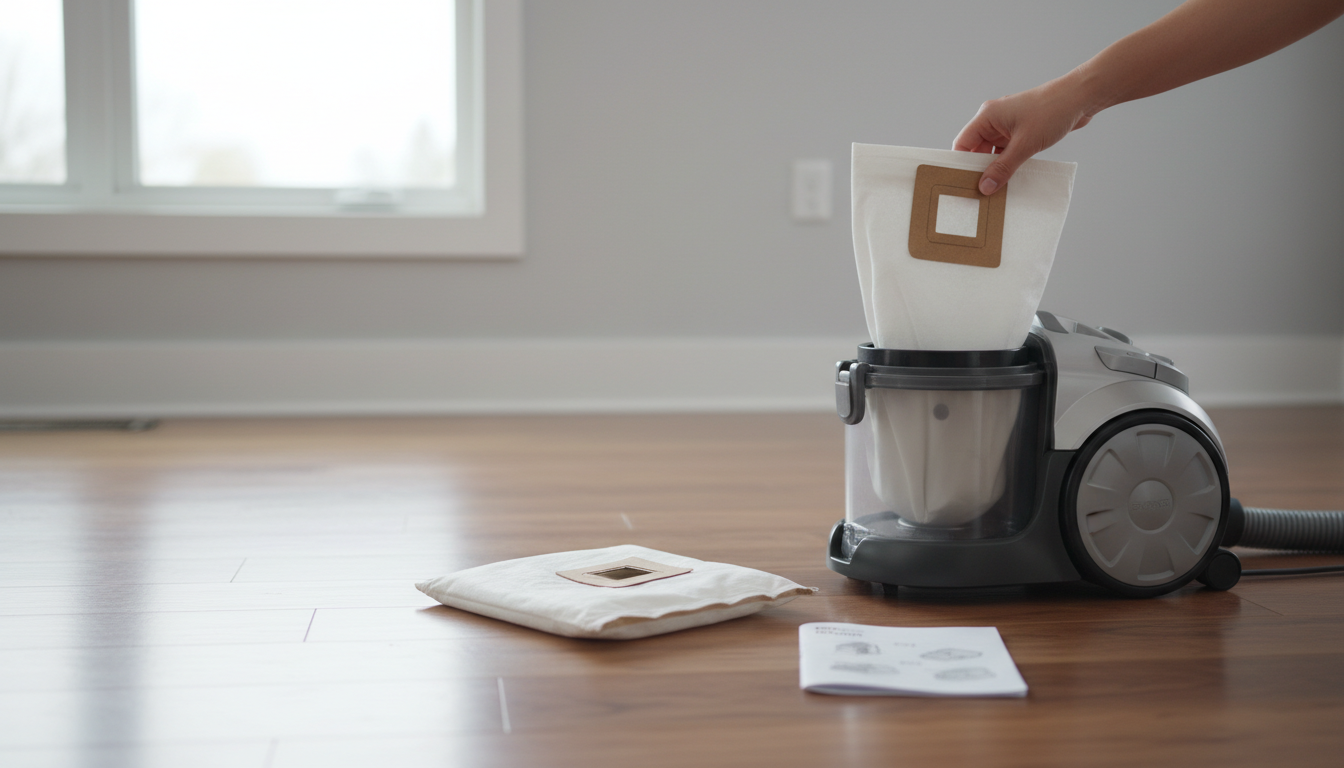
Correct Bag Installation Before handling any internal components, always ensure your Kenmore vacuum is unplugged. Locate the bag compartment, typically accessed by unlatching a door or cover. Carefully align the new bag's cardboard collar or plastic flange with the designated opening or port inside the compartment. Push firmly until the bag is securely seated and forms a tight seal. A loose fit can lead to dust leaking into the motor compartment or back into your home's air. Verify that no part of the bag is crimped or blocking the compartment door before closing it securely.
-
When to Replace a Kenmore Vacuum Bag Do not wait for the bag to be completely bursting at the seams. A full or even three-quarters full bag significantly restricts airflow, causing your Kenmore vacuum's motor to work harder, which can lead to overheating and reduced motor lifespan. A noticeable decrease in suction power, even on a clean filter, is a primary indicator. Many Kenmore models include a "full bag" indicator light or gauge; heed this warning. Replacing the bag before it's completely full also helps maintain consistent cleaning performance and filtration efficiency. For households with pets or allergy sufferers, more frequent changes may be beneficial.
-
Impact on Motor Longevity and Suction Power The vacuum bag acts as the primary filter, trapping dirt and debris before air passes through the motor. When a bag becomes overly full, airflow is severely restricted. This forces the motor to draw air harder, increasing its operating temperature and accelerating wear. Over time, this strain can shorten the motor's life and lead to permanent loss of suction. Furthermore, a high-quality bag with effective filtration (e.g., HEPA-rated material) prevents fine dust and allergens from bypassing the bag and reaching the motor or being exhausted back into your living space, protecting both the appliance and indoor air quality.
-
Hygienic Bag Disposal To minimize exposure to collected dust and allergens, carefully remove the full bag from its compartment. Many Kenmore bags feature a self-sealing collar or a tab that allows you to close the opening before removal. If not, gently fold the opening inward to contain dust. Immediately place the sealed bag into a trash receptacle, preferably one with a lid. Washing your hands thoroughly after disposal is a good practice to remove any lingering dust particles.
Frequently Asked Questions About Kenmore Vacuum Bags
Kenmore vacuum owners often have specific questions when it comes to selecting the right replacement bags. Addressing these common inquiries can help ensure your vacuum continues to operate effectively and maintain indoor air quality.
How do I know which Kenmore bag type I need? The most reliable way to identify the correct bag type for your Kenmore vacuum is to consult your vacuum cleaner's owner's manual. If the manual isn't available, check the existing bag for a printed model number or bag type designation (e.g., Type Q, Type O, 5055, 50557). You can also often find this information on a label located on the vacuum cleaner itself, usually on the back, bottom, or under the bag compartment lid.
Can I use non-Kenmore brand bags? Yes, you can often use non-Kenmore (aftermarket) brand bags, but it involves a trade-off. While aftermarket bags can be more cost-effective, their fit, material quality, and filtration efficiency can vary significantly. A poorly fitting aftermarket bag might compromise your vacuum's sealed system, leading to dust leakage, reduced suction, and potentially allowing fine particles to bypass the filtration system. Always verify compatibility with your specific Kenmore model number and assess the bag's construction for durability and proper sealing mechanisms.
How often should I change my vacuum bag? The frequency of changing your Kenmore vacuum bag depends on several factors, including the size of your home, the presence of pets, how often you vacuum, and the amount of debris collected. A general guideline is to change the bag when it is two-thirds to three-quarters full. Waiting until the bag is completely full can significantly reduce suction power, strain the vacuum's motor, and diminish cleaning effectiveness. Regular checks are recommended, especially if you notice a decrease in performance.
What are the benefits of HEPA Kenmore bags? HEPA (High-Efficiency Particulate Air) Kenmore bags offer superior filtration compared to standard bags. They are designed to capture a higher percentage of microscopic particles, including allergens like pollen, pet dander, dust mites, and mold spores. For households with allergy sufferers or those concerned about indoor air quality, HEPA bags help ensure that the air expelled from the vacuum is cleaner. Many Kenmore vacuums with HEPA bags also feature a sealed system, further preventing dust and allergens from escaping back into the room.
Where can I find bags for older Kenmore models? Finding bags for older Kenmore models can sometimes be challenging due to changes in retail availability. Your best options include specialized online vacuum parts retailers, general online marketplaces, or local vacuum repair shops that often stock or can order bags for discontinued models. When searching, always use your vacuum's specific model number or the bag type designation to ensure compatibility, as generic descriptions may not be accurate.
Making Your Confident Choice for Kenmore Vacuum Bags
Selecting the right replacement bags for your Kenmore vacuum is a practical decision that directly impacts your cleaning effectiveness and indoor air quality. By systematically identifying your model's specific requirements and understanding the available bag characteristics, you can confidently choose bags that maintain your vacuum's performance and longevity.
To ensure an optimal outcome, consider these critical factors:
- Exact Model Match: Always begin by locating your Kenmore vacuum's full model number, often found on a label on the back, bottom, or side of the unit. This number is the definitive guide to the compatible bag type (e.g., Type C/Q, Type O/U). An incorrect fit can compromise sealing, leading to dust leakage and reduced suction.
- Filtration Level: Evaluate your household's needs. Standard bags offer basic debris containment, while HEPA-rated bags provide enhanced filtration, trapping a higher percentage of fine particles and allergens. This is particularly relevant for households with allergy sufferers or pets.
- Bag Material and Durability: While not always explicitly stated, the material impacts a bag's resistance to tearing and its ability to maintain integrity under varied debris loads. A durable bag minimizes the risk of rupture, protecting your vacuum's motor and preventing mess.
When weighing your options, balance your filtration priorities with considerations for budget and availability. While higher filtration bags often come at a premium, the benefits for air quality can justify the investment. For older Kenmore models, availability of specific bag types may fluctuate, potentially requiring a search across various retailers or a decision between genuine manufacturer bags and compatible aftermarket alternatives. Always prioritize a secure fit and adequate filtration over minor cost differences to avoid operational issues.
By focusing on these specific criteria, Kenmore owners can move forward with a clear understanding of their needs. Your diligence in matching the bag to your vacuum model and filtration preferences will ensure your Kenmore continues to deliver reliable cleaning performance, contributing to a healthier home environment.
More in Vacuum Cleaner Bags
View All