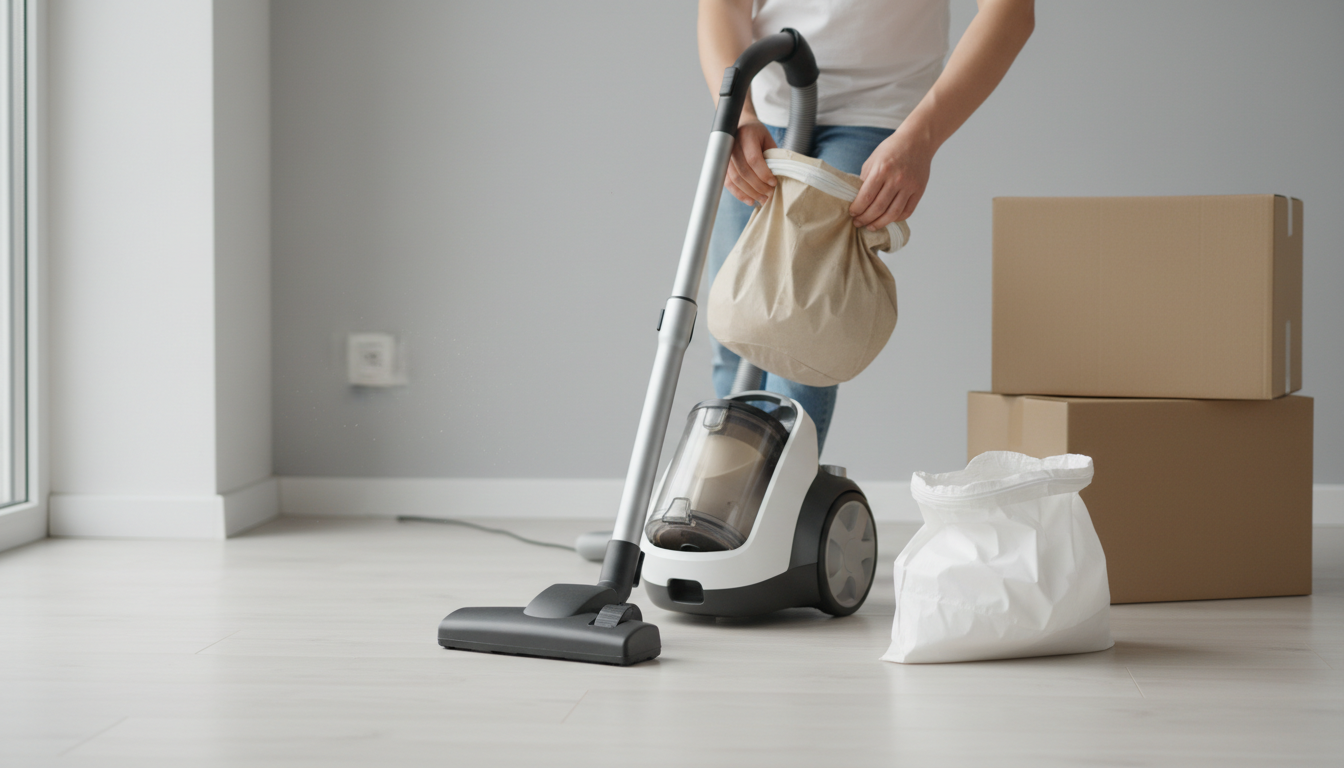
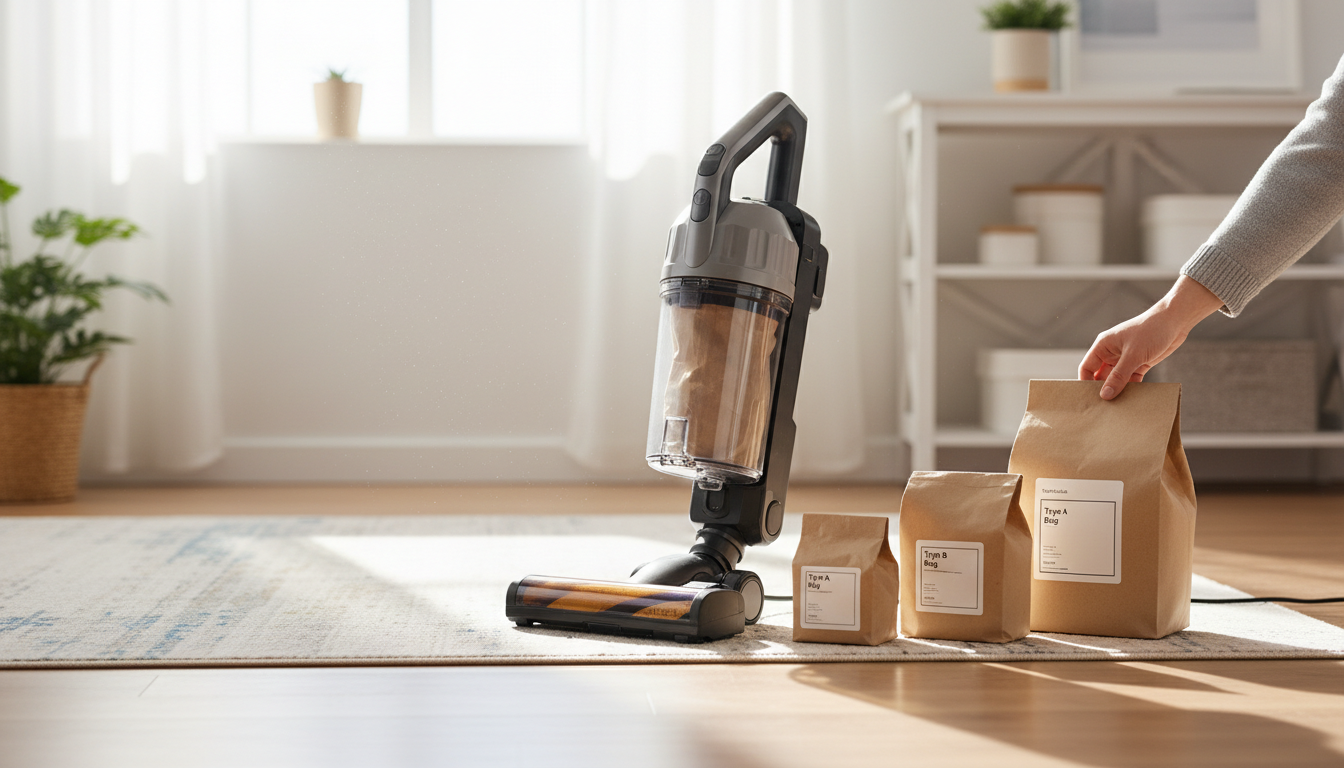
Hoover Type A Vacuum Cleaner Bags: Compatibility Guide and Buying Tips
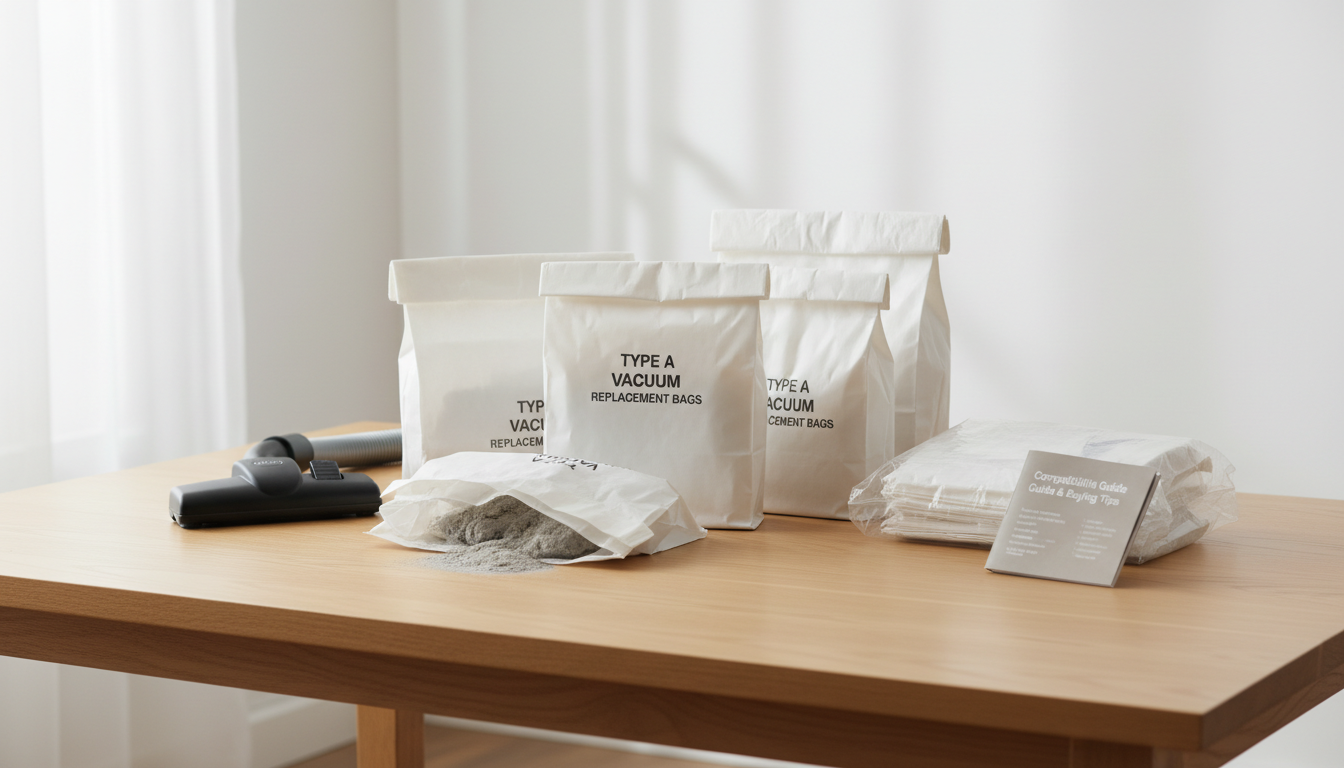
Finding the Right Fit: Your Guide to Hoover Type A Vacuum Cleaner Bags
The effectiveness of your Hoover upright vacuum cleaner hinges significantly on using the correct bag type. For many specific Hoover models, the Type A vacuum cleaner bag is an essential component, directly impacting both cleaning performance and indoor air quality. An improperly fitted or incorrect bag can lead to reduced suction, dust leakage back into your home, and potentially strain your vacuum's motor.
Hoover Type A bags are engineered to fit a range of Hoover upright vacuums, including models from the Concept One, Concept Two Decade, Elite, and Innovation Legacy series. These bags are designed to capture dirt, dust, and allergens, preventing them from recirculating into your living space. Selecting the precise bag ensures your vacuum operates as intended, maintaining its suction power and filtration capabilities.
This comprehensive guide is designed to empower you to:
- Accurately identify the specific Hoover Type A bag compatible with your vacuum model.
- Understand key features and filtration options available within the Type A category.
- Make an informed purchase decision that optimizes your vacuum's performance and contributes to its longevity.
Understanding Hoover Type A Compatibility: Is It Right for Your Vacuum?
Identifying the correct vacuum cleaner bag is crucial for maintaining your Hoover vacuum's performance and preventing potential issues. While it might seem intuitive to simply purchase bags based on the Hoover brand name, the reality is that Hoover produces numerous vacuum models, each often requiring a specific bag type. The "Type A" designation refers to a particular bag style designed to fit a range of Hoover upright vacuums, but it is not universal across all Hoover products. Matching the bag style directly to your vacuum's model, rather than just the brand, is the most reliable approach.
To accurately determine if your Hoover vacuum requires Type A bags, follow these steps:
- Locate Your Vacuum's Model Number: This is typically found on a label on the back or bottom of the vacuum cleaner. It might also be on the original packaging or in the owner's manual. The model number is distinct from the serial number.
- Consult Your Owner's Manual: The manual will explicitly state the required bag type (e.g., "Hoover Type A Bag" or a specific part number that corresponds to Type A). If you no longer have the physical manual, most manufacturers provide digital versions on their support websites.
- Check the Bag Compartment: Sometimes, the required bag type is printed or embossed inside the vacuum's bag compartment door or on the bag holder itself.
- Examine Your Current Bag: If you have an existing bag, check for any markings, part numbers, or "Type A" labels printed on it.
Several common Hoover upright models are known to utilize Type A bags. These often include:
- Concept One
- Concept Two Decade
- Elite
- Innovation Legacy
Precise compatibility is not merely a suggestion; it is fundamental for your vacuum's functionality and longevity. An incorrectly sized or shaped bag can lead to several problems. A bag that doesn't seal properly within the vacuum's compartment allows dust and debris to bypass the filtration system, re-entering your home's air and potentially clogging the motor. This bypass can also diminish suction power, making your vacuum less effective. Furthermore, an ill-fitting bag can strain the vacuum's motor, leading to overheating or premature wear, which can result in costly repairs or even permanent damage. Choosing the manufacturer-specified bag type ensures the vacuum operates as designed, maintaining optimal airflow, filtration, and performance.
Key Features and Filtration Options for Hoover Type A Bags
Beyond simply fitting your vacuum, the specific features and filtration capabilities of Hoover Type A bags significantly impact cleaning effectiveness and indoor air quality. Understanding these distinctions helps ensure you select a bag that meets your household's needs and optimizes your vacuum's performance.
-
Bag Material and Durability Hoover Type A bags are available in various material constructions. Traditional paper bags are often cost-effective for general debris collection. However, many modern bags, including some Type A options, utilize multi-layered synthetic materials. These synthetic bags typically offer enhanced durability, reducing the risk of tears, and can often trap finer particles more effectively than single-layer paper alternatives. This can be a key consideration if your vacuum frequently encounters sharp objects or if you prioritize robust dust retention.
-
Filtration Levels: Standard vs. HEPA The filtration level of a vacuum bag is crucial, especially for those concerned with allergens and air quality.
- Standard bags capture visible dirt and larger dust particles, performing the basic function of containing debris.
- HEPA options for Hoover Type A bags offer a significant upgrade in air purification. These bags are designed to trap a high percentage of microscopic particles, such as pollen, pet dander, dust mites, and other common allergens, preventing them from recirculating into the air. Opting for HEPA-rated bags can materially improve indoor air quality, making them a preferred choice for allergy sufferers.
-
Pack Sizes for Value and Convenience Hoover Type A vacuum cleaner bags are commonly sold in various pack sizes, with options often including packs of 3 or 9.
- Larger packs generally provide better per-bag value and reduce the frequency of reordering, offering convenience for regular vacuum users.
- Smaller packs can be suitable for less frequent use or for those who prefer to purchase bags as needed. Consider your vacuuming habits to determine the most economical and convenient pack size.
-
Genuine Hoover vs. Aftermarket Alternatives When selecting Hoover Type A bags, you'll encounter both genuine Hoover-branded bags and generic or aftermarket alternatives.
- Genuine Hoover Type A bags (e.g., model 4010001A) are specifically engineered by the manufacturer to fit Hoover upright vacuum cleaners that use Type A bags. This ensures an optimal seal, proper airflow, and reliable performance, which can prevent issues like premature clogging or poor suction.
- Generic or aftermarket bags are often more budget-friendly. However, using non-compatible or third-party bags can sometimes lead to fit issues, compromised filtration, or reduced suction dueating to an imperfect seal or lower-quality materials. For consistent performance and to mitigate potential problems, manufacturer-recommended bags are often advised.
Avoiding Common Pitfalls: Performance, Clogging, and Bag Quality
Selecting the correct Hoover Type A vacuum cleaner bag is crucial, as an improper choice can lead to more than just inconvenience; it can diminish your vacuum's performance and potentially shorten its lifespan. Buyers frequently report issues such as premature clogging and decreased suction, often stemming from using bags that are not truly compatible or are of substandard quality.
A primary risk of using a non-compatible Type A bag is a poor fit. If the bag does not seal correctly within the vacuum's receptacle, dust and debris can bypass the filtration system entirely. This not only allows particulate matter to escape back into your home's air but also exposes the vacuum motor to dirt, leading to reduced suction power and potential damage over time. The motor may overheat as it works harder to compensate for air leaks or restricted airflow, incurring costly repairs or even necessitating a replacement of the vacuum itself.
The material and filtration quality of a Hoover Type A bag directly impact both vacuum performance and indoor air quality. Bags made with inferior materials can clog more quickly, even when not full, leading to the common complaint of premature suction loss. Higher quality bags, often featuring multi-layer construction or HEPA-grade filtration, are designed to capture a wider range of fine particles, including allergens, before they can be exhausted back into your living space. This superior filtration maintains healthier indoor air and ensures consistent suction until the bag is genuinely full.
When considering replacement Hoover Type A bags, buyers often face a trade-off between initial cost savings and long-term performance. Generic or off-brand bags may offer a lower upfront price, but they can sometimes fall short of the manufacturer's specifications for material strength, airflow, and filtration efficiency. While seemingly economical, these bags might lead to more frequent replacements due to premature clogging, reduced cleaning effectiveness, and increased strain on your vacuum. Investing in bags that meet the original equipment manufacturer's (OEM) standards or reputable aftermarket alternatives designed for optimal fit and filtration can protect your vacuum's health and ensure consistent, powerful cleaning over its lifetime.
Your Buying Checklist: Making the Best Choice for Hoover Type A Bags
Selecting the correct Hoover Type A vacuum cleaner bags involves more than just recognizing the brand. To ensure optimal performance, maintain indoor air quality, and extend the life of your vacuum, a systematic approach to purchasing is essential. This checklist guides you through the critical considerations before making your final selection.
-
Confirm Vacuum Model Compatibility: Before any purchase, rigorously verify that the Hoover Type A bag is explicitly compatible with your specific Hoover upright vacuum model. While "Type A" indicates a particular design, Hoover produces numerous models, and not all use this bag type. Locate your vacuum's full model number (typically on a label on the back or bottom) and cross-reference it with the bag product's listed compatibility. Using an incompatible bag can lead to reduced suction, dust leakage, and potential motor strain.
-
Assess Your Filtration Requirements: Consider the air quality needs of your household. Standard Type A bags effectively capture general dust and debris. However, if you or family members suffer from allergies, asthma, or if you have pets, opt for multi-layer or HEPA-style Type A bags. These enhanced filtration options are designed to trap a higher percentage of microscopic particles, including pollen, pet dander, and dust mites, preventing their recirculation into your home's air.
-
Evaluate Pack Size Based on Usage: Determine the most practical pack size for your vacuuming habits and storage capacity. Hoover Type A bags are commonly available in various pack sizes, such as 3-packs or 9-packs. Frequent vacuuming, larger homes, or homes with pets might warrant a larger pack for convenience and potential cost savings per bag. Conversely, occasional users or those with limited storage may prefer smaller packs to avoid clutter and ensure bag freshness.
-
Weigh Genuine vs. Aftermarket Options: You'll encounter both genuine Hoover-branded Type A bags and aftermarket alternatives. Genuine bags are manufactured by Hoover to precise specifications, ensuring an exact fit, optimal airflow, and consistent filtration performance tailored to your vacuum. Aftermarket bags can offer a lower price point, but their quality, fit, and filtration efficiency can vary. When considering aftermarket options, scrutinize product reviews for feedback on fit, material durability, and dust containment to mitigate risks of poor performance or potential vacuum damage.
-
Review Return Policies and Seller Information: Before finalizing your purchase, especially for aftermarket bags, confirm the seller's return policy. An accessible return process is valuable in case of an unexpected fit issue or dissatisfaction with performance. Additionally, check for clear product descriptions that detail bag material, filtration level, and explicitly list compatible Hoover models to ensure you are making an informed choice.
Frequently Asked Questions About Hoover Type A Vacuum Bags
Navigating the specifics of vacuum cleaner bags can raise several questions, especially when aiming for optimal performance from your Hoover upright. Here are common queries regarding Hoover Type A bags, designed to clarify your selection and usage.
How often should I change my Hoover Type A bag?
The frequency for changing your Hoover Type A bag is not fixed, as it depends heavily on your usage patterns, household size, presence of pets, and the type of debris you're vacuuming. Instead of a strict schedule, rely on these indicators:
- Reduced Suction: This is the most common sign. As the bag fills, airflow decreases, leading to a noticeable drop in cleaning power.
- Visual Inspection: Many Hoover uprights allow for easy access to the bag compartment. If the bag appears visibly full or distended, it's time for a change.
- Bag Full Indicator: Some Hoover models feature an indicator light or gauge that signals when the bag is nearing capacity.
- Unusual Odors: A full bag can harbor bacteria and mold, leading to unpleasant smells during vacuuming.
Changing the bag before it's completely packed helps maintain consistent suction, protects your vacuum's motor from overworking, and ensures effective dirt collection.
Can I use generic Type A bags, and what are the risks?
Yes, generic or third-party Hoover Type A bags are available, often at a lower cost than genuine manufacturer bags. However, using them involves certain trade-offs and potential risks:
- Fit Issues: Generic bags may not always offer the precise fit of genuine bags. A poor seal can lead to dust leaking out of the bag compartment and back into your home, or even into the vacuum's motor, causing damage.
- Filtration Performance: The material and construction of generic bags can vary. Some may offer less efficient filtration, allowing fine dust and allergens to escape, compromising indoor air quality.
- Durability: Lower-quality generic bags might be more prone to tearing or bursting, especially when collecting heavier debris.
- Vacuum Performance: Inconsistent material quality or design can restrict airflow more significantly, leading to reduced suction and potentially overworking the vacuum motor.
While cost savings can be appealing, consider the potential impact on your vacuum's performance, longevity, and indoor air quality before opting for generic alternatives. Always check for user reviews regarding fit and filtration when considering third-party options.
What does 'HEPA' mean for vacuum bags, and do I need it?
HEPA stands for High-Efficiency Particulate Air. When applied to vacuum bags, it signifies a higher standard of filtration. HEPA bags are designed to capture a significant percentage of microscopic particles, as small as 0.3 microns, including:
- Dust mites and their allergens
- Pet dander
- Pollen
- Mold spores
Do you need it?
- Yes, if you or family members suffer from allergies or asthma. HEPA bags significantly reduce the release of irritants back into the air, contributing to a cleaner, healthier indoor environment.
- Yes, if you have pets. HEPA filtration is effective at trapping pet dander, a common allergen.
- Possibly not, if air quality is not a primary concern. Standard Type A bags still offer effective dirt and dust collection for general cleaning.
The primary trade-off for HEPA bags is often a slightly higher cost. However, for those prioritizing indoor air quality, the benefits typically outweigh the additional expense.
How do I confirm my Hoover vacuum specifically needs a Type A bag?
To definitively confirm that your Hoover vacuum requires a Type A bag, follow these steps:
- Consult Your Owner's Manual: This is the most reliable source. Your vacuum's manual will explicitly state the required bag type by name or part number.
- Locate the Model Number: Find the model number on a label affixed to your vacuum, usually on the back, bottom, or side. This number is crucial for cross-referencing.
- Check Hoover's Official Resources: Visit the official Hoover website or consult their customer support with your model number. They often provide compatibility charts or product pages that list the correct bag type.
- Examine the Current Bag (if applicable): If you have an existing bag, check for any markings or labels on the bag itself that indicate "Type A" or a corresponding part number.
Relying solely on the brand name "Hoover" is insufficient, as the company produces many models requiring different bag types. Matching the specific bag style to your vacuum's model number ensures proper fit and function.
What are the signs that my vacuum bag is full or clogged?
Recognizing the signs of a full or clogged Hoover Type A bag is essential for maintaining cleaning efficiency and preventing strain on your appliance. Look for these indicators:
- Decreased Suction Power: This is the most immediate and noticeable sign. If your vacuum isn't picking up debris as effectively as usual, a full bag is a likely culprit.
- Visible Dust or Debris Leakage: A bag that is overfilled or improperly seated can sometimes allow dust to escape back into the environment or collect around the bag compartment.
- Vacuum Overheating: When airflow is restricted by a full bag, the vacuum's motor has to work harder, which can lead to overheating and even automatic shutdown in some models.
- Unusual Noises: A struggling motor due to restricted airflow might emit a different or louder hum than usual.
- Bag Indicator Light: Many Hoover models are equipped with a "bag full" indicator light or a transparent window that shows the bag's capacity.
Addressing these signs promptly by replacing the bag will restore your vacuum's performance and help extend its lifespan.
Ensuring Peak Performance: The Right Hoover Type A Bag Makes All the Difference
Making an informed choice for your Hoover Type A vacuum cleaner bags is paramount, extending beyond a simple replacement. This guide has underscored the critical interplay of precise compatibility for optimal fit, advanced filtration for cleaner air, and robust quality for durability. By carefully applying these selection criteria, you empower your vacuum to deliver consistent, powerful cleaning. Investing in the correct, high-quality Type A bags safeguards your appliance's longevity, maintains peak suction, and ensures a healthier home environment with every use.
More in Vacuum Cleaner Bags
View All