The Convenience of Disposable Vacuum Cleaner Bags: What You Need to Know
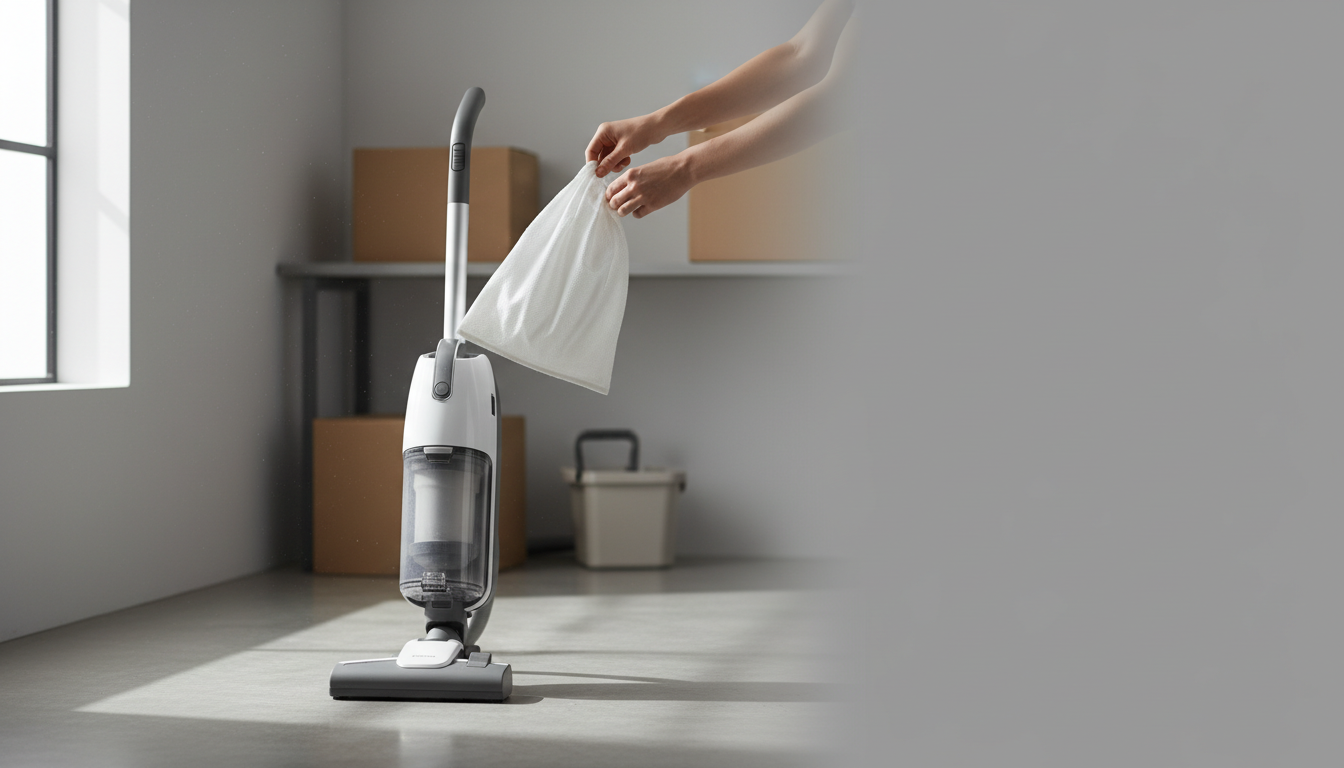
Embracing the Ease: Why Disposable Vacuum Cleaner Bags Remain a Top Choice
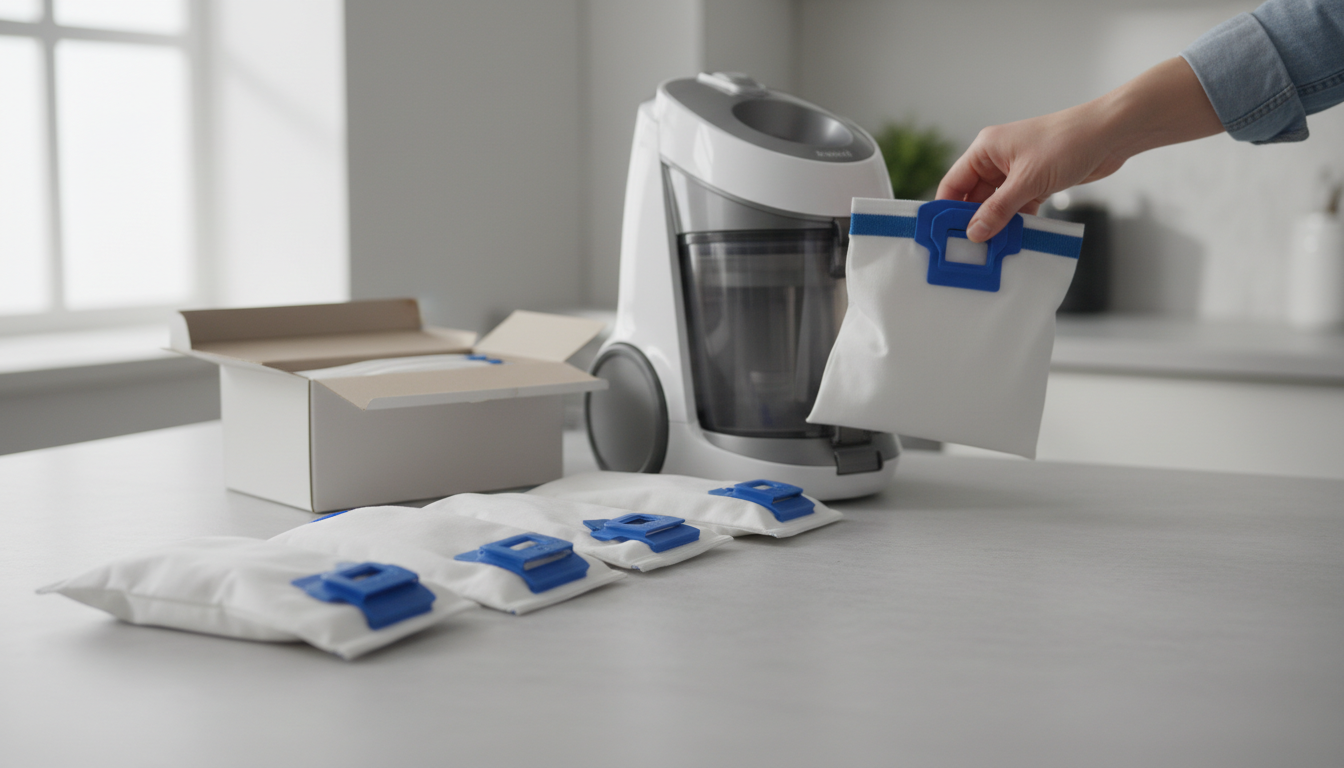
For many homeowners and cleaning professionals, disposable vacuum cleaner bags continue to be a preferred choice, primarily driven by their unmatched convenience and hygienic disposal. These bags serve as a critical component of many vacuum systems, designed to effectively capture and contain dust, dirt, and allergens, preventing their recirculation back into the indoor air. When full, the bag is simply removed and discarded, minimizing direct contact with collected debris.
At their core, disposable vacuum cleaner bags function as both a collection vessel and a vital part of the vacuum's filtration system. Typically constructed from fine cotton material or specialized paper, they are engineered to trap microscopic particles while allowing sufficient airflow to pass through, which is essential for maintaining consistent suction power. This dual action ensures that your vacuum operates efficiently and contributes significantly to maintaining a cleaner home environment and healthier indoor air quality by securely containing potential irritants.
This guide aims to empower you with the knowledge to confidently select the correct disposable vacuum cleaner bags for your specific model. We will delve into the inherent benefits, practical considerations, and common pitfalls associated with these essential cleaning accessories, ensuring you understand the criteria for optimal fit, performance, and overall hygiene.
Disposable Vacuum Bags: Understanding Their Design and Core Advantages
Disposable vacuum cleaner bags are engineered to capture debris efficiently while maintaining airflow, forming a critical component of many vacuum systems. These bags are typically constructed from materials such as multi-layered paper, fine cotton, or synthetic fibers. Advanced bags often feature multiple filtration layers, sometimes incorporating electrostatically charged materials, to enhance their ability to trap microscopic particles.
The fundamental design allows air, laden with dust and dirt, to enter the bag. As the air is drawn through the bag's porous material, solid particles—ranging from large debris to fine dust and allergens—are physically trapped within the bag's structure. Simultaneously, the filtered air passes through the material and exits the vacuum, ensuring continuous suction power. This process effectively contains contaminants, preventing them from recirculating into the living space.
The use of disposable bags offers several distinct advantages:
- Superior Dust Containment: Bags seal in collected dust and debris, preventing its escape during operation and, critically, during disposal.
- Hygienic Disposal: When full, the bag can be removed and discarded without direct contact with the contents, significantly reducing exposure to dirt, dust, and allergens.
- Reduced Allergen Exposure: Multi-layer and HEPA-grade bags are particularly effective at trapping fine particles, including pollen, pet dander, and dust mites, contributing to improved indoor air quality.
- Motor Protection: The bag acts as a primary barrier, preventing fine dust from reaching and potentially damaging the vacuum's motor and internal filtration systems, which can extend the appliance's lifespan.
Unlike bagless systems, where emptying a dustbin can release a plume of dust back into the air, disposable bags offer a sealed, mess-free removal process. This makes them a preferred choice for individuals prioritizing cleanliness and minimal contact with collected waste.
Essential Criteria for Choosing the Right Disposable Vacuum Cleaner Bags
Selecting the appropriate disposable vacuum cleaner bags is fundamental to maintaining both your vacuum's performance and the cleanliness of your environment. Beyond simply fitting into the vacuum, several critical factors influence a bag's effectiveness, hygiene benefits, and overall value. Understanding these criteria helps ensure you make an informed choice that aligns with your specific cleaning needs.
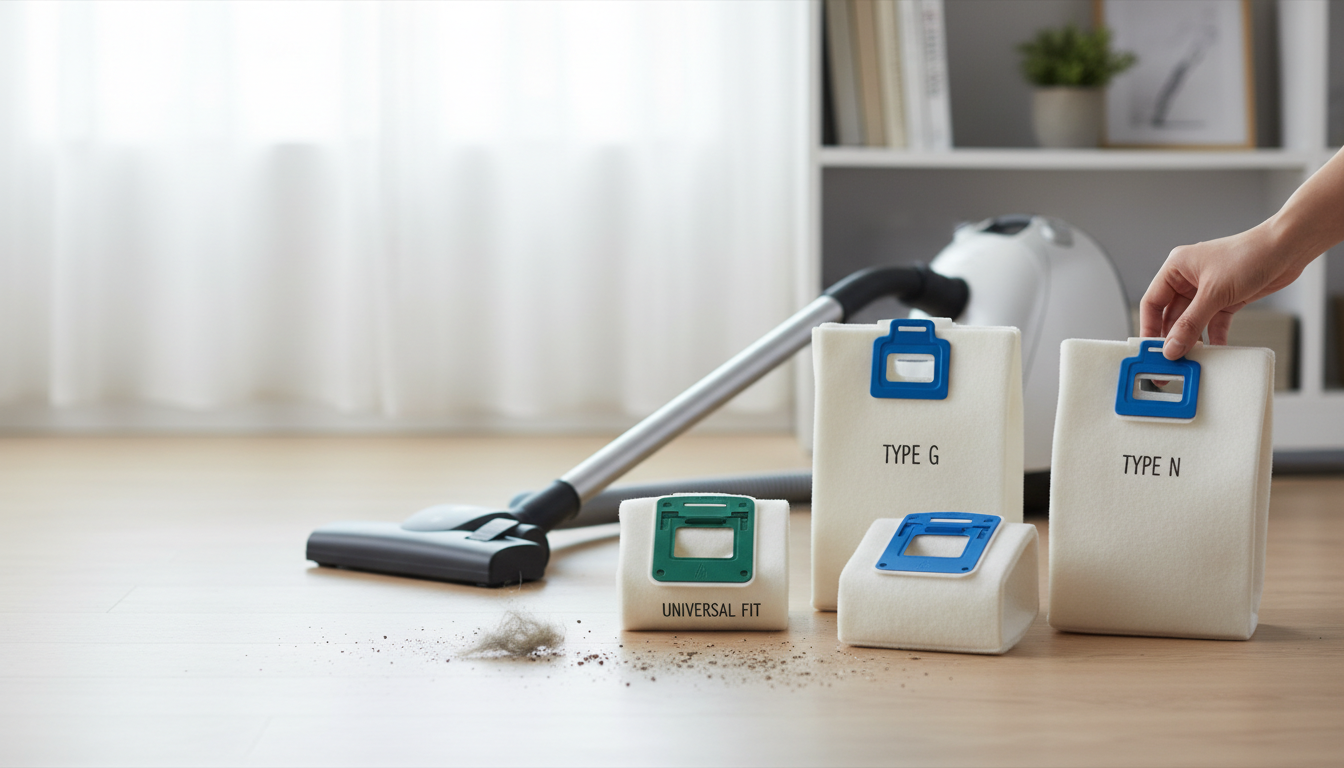
Compatibility and Fit The most crucial factor is ensuring the bag is explicitly designed for your vacuum cleaner's make and model. Vacuum cleaners are engineered with precise bag dimensions, inlet ports, and sealing mechanisms. Using a bag that is too large or too small, or one with an incompatible collar, can lead to significant issues. An ill-fitting bag can prevent a proper seal, allowing dust and debris to leak back into the vacuum's motor compartment or escape into the air, compromising filtration and potentially damaging the appliance. Always consult your vacuum's user manual or check the existing bag for the correct type or model number before purchasing replacements.
Filtration Quality Disposable bags serve as a primary filter, capturing particles as air passes through them. Their material and construction directly impact the quality of air expelled from the vacuum. Standard bags typically capture visible dirt and larger debris. However, multi-layered synthetic bags or those with HEPA-grade filtration are designed to trap a significantly higher percentage of microscopic particles, including allergens like pollen, pet dander, and dust mite debris. For individuals with allergies, asthma, or a general concern for indoor air quality, opting for bags with superior filtration capabilities is a key consideration, as they prevent these irritants from recirculating.
Bag Capacity The physical size and volume of a disposable bag dictate how much debris it can hold before needing replacement. This capacity should align with your vacuum model's design and your typical cleaning frequency and debris volume. A larger bag offers the convenience of less frequent changes, which is particularly beneficial for larger homes or those with pets. However, a bag that is too large for the vacuum's compartment might restrict airflow or prevent the compartment door from closing properly. Conversely, a bag that fills too quickly will necessitate frequent replacements, potentially increasing long-term costs and reducing convenience.
Material Durability The strength and tear resistance of the bag's material are vital for effective containment and hygienic disposal. Bags should be constructed from robust materials with strong seams to prevent punctures or tears, especially when vacuuming sharp objects, heavier debris, or fine dust. A durable bag ensures that all collected contents remain securely sealed until disposal, preventing leaks that could release dust and allergens back into your home or onto your hands during removal. Multi-layered synthetic materials often offer superior durability compared to single-ply paper bags.
Pack Size and Value When considering purchasing disposable bags, evaluate the cost per bag rather than just the upfront price of a multi-pack. Larger pack sizes often provide better per-bag value, which can be economical for frequent users. However, consider your storage space and how quickly you use bags to avoid overstocking. Availability is another practical concern; ensure your chosen bag type is readily accessible from various retailers to prevent running out unexpectedly. Balancing cost-effectiveness with consistent supply contributes to the overall convenience of using disposable bags.
Environmental Considerations While disposable bags offer significant hygiene advantages, their single-use nature means they contribute to landfill waste. Some manufacturers are beginning to offer bags made from partially recycled materials or those designed to be biodegradable, though these options are not universally available for all vacuum models. For many, the enhanced hygiene and ease of disposal provided by disposable bags outweigh the environmental trade-off, particularly for those managing allergens or dealing with hazardous waste. Acknowledging this aspect allows for a more comprehensive understanding of their use.
Avoiding Common Pitfalls: What Can Go Wrong with Disposable Vacuum Bags
While disposable vacuum cleaner bags offer significant convenience and hygiene benefits, several common issues can arise if not properly addressed. Understanding these potential pitfalls can help buyers make informed choices and ensure their vacuum operates effectively and reliably.
One frequent problem stems from incorrect bag selection. Disposable bags are specifically designed for particular vacuum models or series. Using a bag that is the wrong size or type can lead to a cascade of issues. An ill-fitting bag may not seal correctly within the vacuum's compartment, allowing dust and debris to bypass the bag and enter the motor, potentially causing damage or reducing the vacuum's lifespan. Furthermore, improper fit can significantly reduce suction power as air escapes, or in extreme cases, the bag could burst inside the vacuum, creating a messy cleanup and potentially damaging internal components.
Quality concerns with aftermarket bags also present a notable risk. While non-original equipment manufacturer (OEM) bags can be more affordable, their manufacturing standards may vary. Lower-quality aftermarket bags might feature weaker seams that are prone to tearing, or their filtration material may not be as effective as OEM counterparts. This can result in compromised air filtration, allowing fine dust and allergens to escape back into the air, or even exposing the vacuum's motor to damaging particles due to an imperfect seal or inadequate material strength.
Overfilling bags is another common mistake that impacts both performance and durability. As a disposable bag fills with debris, the airflow through the bag naturally decreases. Continuing to vacuum with an overstuffed bag forces the vacuum's motor to work harder to maintain suction, leading to motor strain, overheating, and potentially a shortened operational life. An excessively full bag is also more susceptible to rupturing, which can release all collected dirt and dust back into the vacuum or the cleaned environment.
The temptation to reuse disposable bags should also be resisted. Disposable bags are engineered for single use, with their filtration layers designed to capture and retain particles until disposal. Attempting to empty and reuse a bag compromises its structural integrity and filtration efficiency. A reused bag acts like a clogged filter from the start, severely diminishing suction power and allowing fine dust to pass through, negating the hygienic benefits and potentially harming the vacuum's motor by exposing it to unfiltered debris.
Finally, availability issues can pose a practical challenge. While popular vacuum models often have readily available replacement bags, finding specific bags for older, discontinued, or less common vacuum cleaner models can be difficult. This scarcity can lead to frustrating searches, reliance on potentially unsuitable generic alternatives, or even render an otherwise functional vacuum unusable if compatible bags become impossible to source. Consumers may find themselves needing to research bag compatibility or seek out specialized retailers to maintain their vacuum's operation.
Getting the Most Out of Your Disposable Bags: Tips for Optimal Performance
Maximizing the efficiency and longevity of both your disposable vacuum bags and your vacuum cleaner hinges on proper usage and timely maintenance. Adhering to a few key practices can ensure consistent cleaning power and prevent common issues.
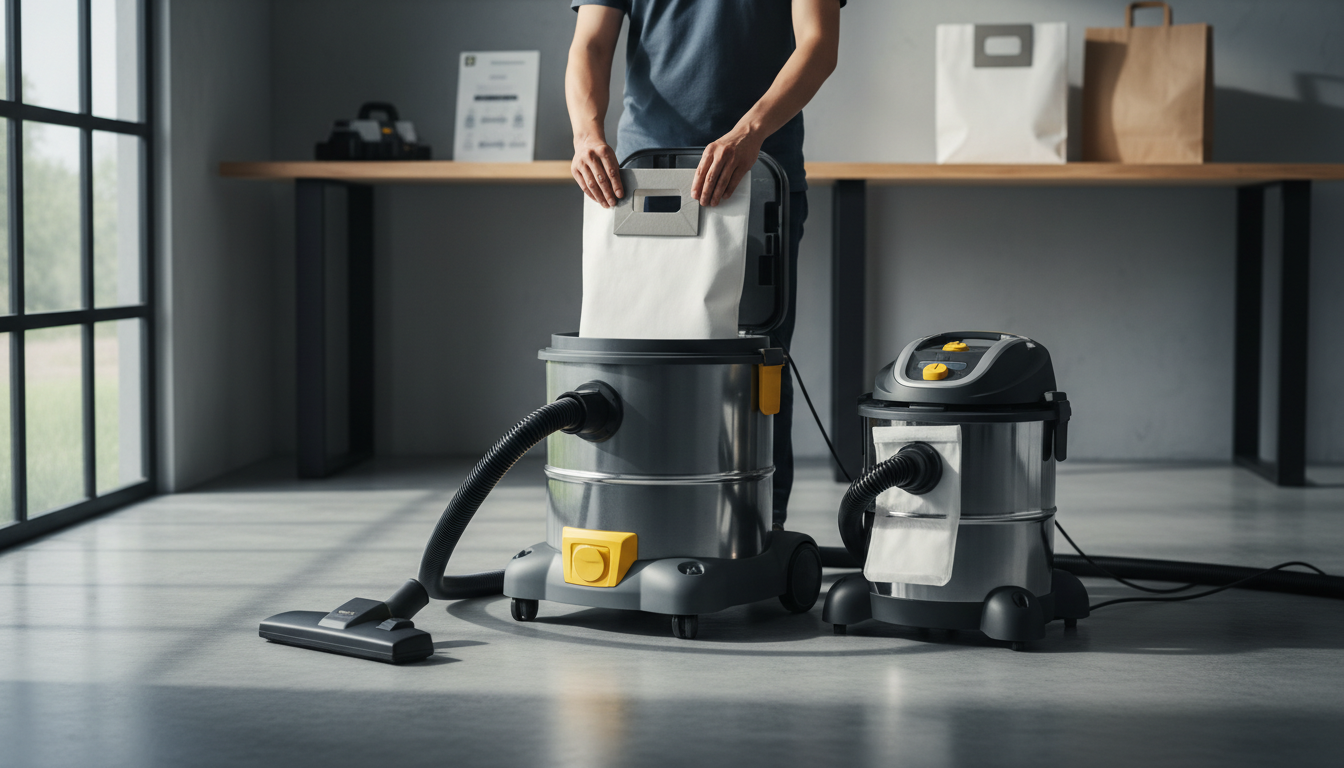
- Ensuring a Secure Bag Seal: Correct installation is paramount for effective filtration and to prevent dust leakage. Align the bag's cardboard collar or rubber gasket precisely with the vacuum's intake port. Gently push until it clicks or seats firmly into place. After installation, double-check that the bag is fully unfolded inside the compartment and that the compartment door closes without resistance, indicating a proper fit that prevents air from bypassing the bag.
- Recognizing When to Change Your Bag: Do not wait until the bag is visibly bulging or the vacuum's performance has severely declined. Key indicators for timely replacement include:
- Reduced Suction Power: A noticeable drop in your vacuum's ability to pick up debris is often the first sign of a full or airflow-restricted bag.
- Visible Fullness: If your vacuum has a bag-full indicator, heed its warning. Otherwise, periodically check the bag compartment.
- Unpleasant Odors: A stale, dusty, or musty smell emanating from the vacuum during operation can indicate a bag filled with decomposing organic matter or pet dander.
- Maintaining Airflow: Replacing the bag when it's two-thirds to three-quarters full, rather than completely packed, helps maintain optimal airflow, consistent suction, and reduces strain on the vacuum's motor.
- Inspecting for Bag Integrity: Before installing a new bag, quickly inspect it for any manufacturing defects, small tears, or compromised seams. A damaged bag can allow dust to escape into the motor compartment, potentially causing damage or reducing air quality. If you experience a sudden loss of suction or notice dust escaping from your vacuum, immediately check the installed bag for unexpected tears or punctures.
- Storing Unused Bags Properly: To preserve the filtration capabilities and structural integrity of your spare bags, store them in a cool, dry place away from direct sunlight and extreme temperatures. Keeping them in their original packaging or a sealed container protects them from moisture, dust, and physical compression, all of which can degrade the bag material and affect its performance when installed.
- Complementary Filter Maintenance: While disposable bags handle the primary collection and filtration, they are often part of a larger filtration system. Periodically check and clean or replace other filters in your vacuum (e.g., pre-motor, post-motor, HEPA filters) as recommended by the manufacturer. This holistic approach to filter maintenance ensures your vacuum operates at peak efficiency, prolongs its lifespan, and maximizes overall air quality.
Making Your Choice: Deciding if Disposable Bags are Right for Your Cleaning Needs
Deciding whether disposable vacuum cleaner bags are the optimal solution for your home involves weighing their distinct advantages against specific considerations. For many, the benefits of hygiene, convenience, and superior allergen control make them a preferred option, simplifying the cleaning process and contributing to a healthier indoor environment.
Disposable bags excel in scenarios where cleanliness and ease of disposal are paramount. They are often the superior choice for households with allergy sufferers or asthma patients, as the sealed design effectively traps fine dust, pollen, pet dander, and other irritants, preventing their release back into the air during disposal. Similarly, for pet owners, these bags help contain pet hair and odors more effectively than bagless systems. If your cleaning tasks frequently involve fine dust, such as from home renovations or workshops, disposable bags offer a clean and efficient way to manage and remove this debris without direct contact.
However, these benefits come with inherent trade-offs. A primary consideration is the ongoing cost of purchasing replacement bags, which represents a recurring expense over the vacuum's lifespan. Additionally, from an environmental perspective, each used bag contributes to landfill waste, a factor some consumers prioritize when making purchasing decisions. The requirement to find the exact compatible bag for your specific vacuum model also adds a layer of complexity, as using an ill-fitting or incorrect bag can compromise filtration and even damage the vacuum's motor.
To make an informed decision, consider the following:
- Your Vacuum Model: Always verify if your vacuum is designed for disposable bags and identify the exact bag type required for proper fit and function.
- Household Needs: Evaluate your home's specific challenges, such as the presence of allergy sufferers, pets, or frequent encounters with fine dust.
- Budget: Account for the long-term cost of replacement bags in your cleaning budget.
- Environmental Values: Consider your personal stance on waste generation and whether the convenience outweighs the environmental impact of disposable items.
- Personal Preference: Your comfort with handling dust and debris, and your desire for a quick, mess-free disposal method, play a significant role.
Ultimately, the "best" choice is highly individual. By aligning the benefits of disposable bags with your vacuum's requirements, household demands, and personal priorities, you can confidently determine if they are the right fit for maintaining your cleaning routine and indoor air quality.
Frequently Asked Questions About Disposable Vacuum Cleaner Bags
Understanding the nuances of disposable vacuum cleaner bags can optimize your cleaning routine and prolong your vacuum's lifespan. Here are answers to common questions that can help clarify their use and selection.
-
Are all disposable vacuum bags universal or the same? No, disposable vacuum bags are not universal. They are specifically designed to fit particular vacuum cleaner makes and models. Bags vary significantly in size, shape, and the collar or connection mechanism that seals them to the vacuum's intake port. Using an incorrect bag can lead to poor fit, reduced suction, or allow dust to escape back into the air.
-
How often should I change my disposable vacuum bag? A general guideline is to change your disposable vacuum bag when it is about two-thirds full, or sooner if you notice a significant decrease in suction power. For households with pets, allergy sufferers, or during periods of heavy cleaning, more frequent changes may be necessary to maintain optimal performance and air quality. Waiting until the bag is completely full can strain the vacuum motor and compromise filtration.
-
Can I use a disposable bag in a bagless vacuum? No, bagless vacuums are engineered with a specific internal design that includes a dustbin or canister and a multi-stage filtration system, but no provision for a disposable bag. Attempting to insert a disposable bag into a bagless vacuum is not feasible and could hinder its operation or cause damage.
-
Are disposable bags better for allergy sufferers? Generally, yes. Disposable bags, especially those labeled with multi-layer or HEPA-grade filtration, are highly effective at trapping fine dust, pollen, pet dander, and other allergens within the bag itself. The sealed nature of disposable bags means that when it's time for disposal, the entire bag is removed and discarded, minimizing direct contact with collected debris and preventing the release of dust clouds back into the environment, which is a significant advantage for allergy sufferers.
-
What happens if I don't change my vacuum bag regularly? Failing to change a disposable vacuum bag regularly can lead to several issues. As the bag fills, airflow becomes restricted, causing a noticeable reduction in suction power. This forces the vacuum motor to work harder, which can lead to overheating, premature wear, and a shortened lifespan for the appliance. Additionally, an overfilled bag compromises the vacuum's filtration efficiency, allowing dust and allergens to recirculate into your indoor air.
-
Where can I find the correct bag type for my vacuum? The most reliable way to find the correct disposable bag type is to consult your vacuum cleaner's user manual. It will specify the exact bag model number or type required. If the manual is unavailable, look for a label on your vacuum cleaner, often on the bottom or back, which typically lists the model number. You can then use this information to search on the vacuum cleaner manufacturer's website or at retailers that carry vacuum accessories, often using compatibility charts to guide your selection.
The Smart Choice for a Cleaner Home: Final Thoughts on Disposable Vacuum Bags
Disposable vacuum cleaner bags offer a compelling blend of convenience, enhanced hygiene, and effective filtration that can significantly contribute to a cleaner and healthier living environment. Their design allows for quick, mess-free disposal of collected dust and allergens, minimizing your direct contact with debris and preventing its recirculation into the air. This ease of use, coupled with the ability to trap fine particles, makes them a valuable component in many cleaning routines.
However, realizing these benefits hinges entirely on selecting the correct bag for your specific vacuum model. A precise fit is not merely about convenience; it directly impacts your vacuum's suction power, filtration efficiency, and even its motor longevity. Using an ill-fitting or incorrect bag can compromise performance, lead to premature bag filling, or worse, allow dust to bypass the filtration system and potentially damage the vacuum. Therefore, always consult your vacuum's manual or manufacturer specifications to ensure compatibility in terms of bag type, size, and filtration grade.
By understanding the distinct advantages of disposable bags and committing to the simple, yet crucial, step of matching them to your vacuum's requirements, you empower yourself to make an informed decision. This thoughtful approach ensures that your cleaning tools operate at their best, aligning with your cleaning habits and contributing to a consistently fresh and healthy home.
More in Vacuum Cleaner Bags
View All